
Advantages of Traditional Hand‑Mounting for Chinese Paintings & Calligraphy

Traditional Chinese hand‑mounting is a unique craft in China. An old saying goes: “A painting counts three‑tenths for its artwork and seven‑tenths for its mounting.” This fully shows how critical mounting is for painting‑calligraphy works.
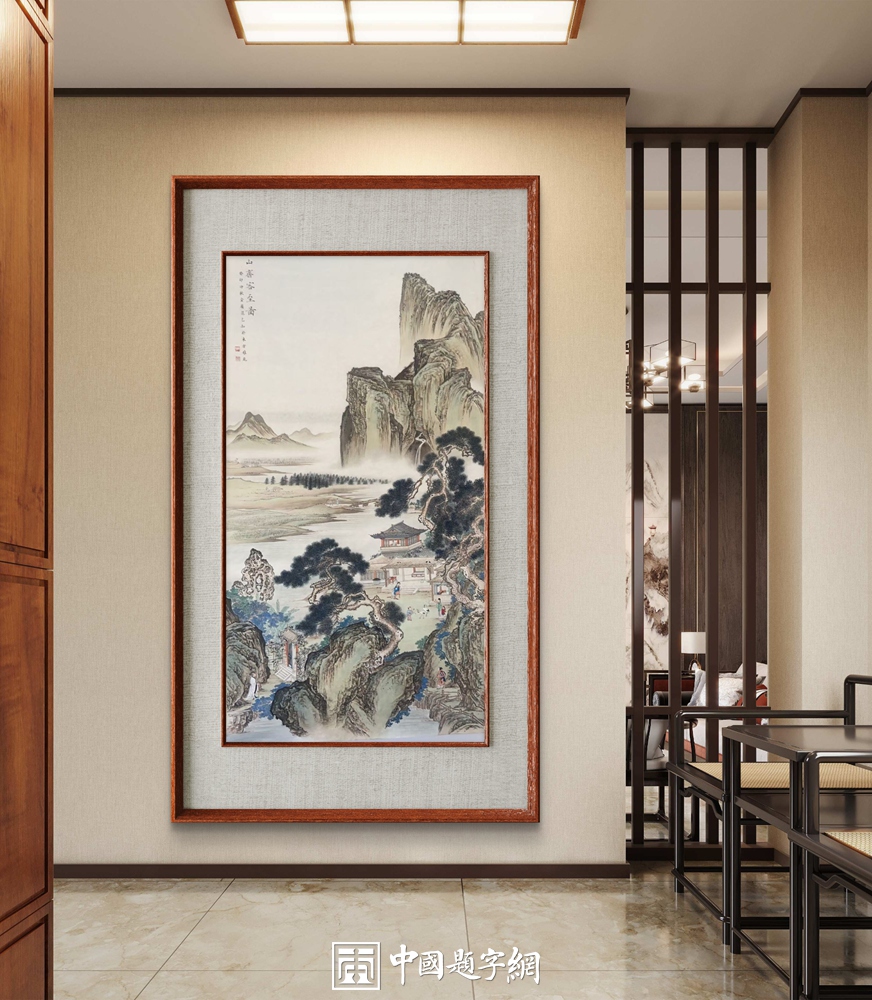
Today, with improved living standards, Chinese paintings and calligraphy are popular home decorations for their distinctive artistic appeal. Yet many collectors lack proper preservation knowledge. Without correct care, artworks often suffer dampness and various forms of damage. Mounting is one of the most practical solutions to protect precious collections. Below are the key advantages of traditional hand‑mounting.
-
As the proverb puts it: “Three‑tenths for the painting, seven‑tenths for the mount.” Just as people need fine clothing and horses need good saddles, quality mounting not only protects artwork but also greatly enhances its visual beauty.
-
Hand‑mounted works enjoy long‑term durability. They can be remounted and restored. Flaws such as stains, ink smudges, paper wrinkles and torn sections are repairable. Restorers follow the original brushwork and tone to restore lustre, brightness and colour harmony, reviving the work’s artistic spirit.
(Illustration: Regular‑script calligraphy by renowned calligrapher Zhang Tongyan)
-
Fully hand‑crafted mounts use rice paper and silk fabrics. Both front and back surfaces are burnished and polished with paraffin wax. The finished piece feels smooth and soft with rich texture, retaining vivid colours.
-
Mounted artworks serve as elegant decorations for homes and offices. They elevate interior spaces, bring out the grand beauty of pieces, and support long‑term collection and display for exhibitions or household use.
In short, professional hand‑mounting beautifies artworks for display at home or in workplaces while enabling lasting preservation. Traditional hand‑mounting demands comprehensive expertise and solid craftsmanship from artisans. Skilled mounting helps present artists’ creations to their full potential and improves viewing value.

