Inscriptions & Seals in Traditional Chinese Painting‑Calligraphy

Shen Ling of the Ming Dynasty noted: “Before the Yuan Dynasty, few paintings bore inscriptions. Artists hid signatures in rock crevices, fearing clumsy calligraphy would ruin the composition. Later, mature calligraphy blended with painting to create integrated visual beauty.”
Poetry, prose, calligraphy and painting are closely‑related Chinese arts. From the Northern Song onward, literati‑painters such as Su Dongpo combined multiple skills. They moved signatures out of hidden corners and added visible inscriptions. Poetic lines were written to enrich meaning, adjust layout and add literary flavour, forming the unique tradition of combining poetry, calligraphy and painting in one work.
Many historical masters excelled at colophons. Some inscribed original or quoted verses. Others added commentaries, memoirs or notes from friends and connoisseurs.
Inscriptions are not mandatory. Painters weak in calligraphy, like Ming‑dynasty artist Qiu Ying, produced fine works without them. Great art retains its value even with no added text.
Common Inscription Styles
- Title only: Painting titles are usually written larger than dates and signatures, sometimes in seal or clerical script.
- Poem‑ci verses: Verses can be original or ancient, and must match the painting’s theme. Both short quotes and long transcripts are acceptable.
- Commentary notes: Literary text expands on painted imagery. Good notes read like short essays, creating interplay between words and visuals.
- Memoir notes: Record impressions, time and subjects. Text should be concise and placed thoughtfully to fit available space.
Inscriptions must respect the overall composition. Calligraphy style should match the painting: fine meticulous painting pairs with neat script; freehand painting suits flowing cursive styles.
Leave breathing blank space untouched. Crowding it with text makes the work cramped. If your calligraphy is limited, use only a simple signature (single‑line colophon). Test placement on scrap paper before writing on the artwork.
Seals after signatures became popular from the Northern Song through the Yuan Dynasty. After Wang Mian of the Ming used carving‑friendly pyrophyllite stone, literati began to carve their own seals.
Name‑seal size should not exceed adjacent inscriptions. Artists may split surname, given name or courtesy title across multiple seals. Contrast yang (positive) and yin (negative) carving styles for distinction.
Vermilion seal red contrasts beautifully against black ink. Seals mostly sit below signatures; some masters such as Qi Baishi stamped partially over names. Always place seals to serve composition.
A well‑placed cinnabar seal highlights and stabilises a painting. Avoid over‑stamping. Test seal impressions on paper cut‑outs to preview position and scale. Check seal orientation to prevent upside‑down marks. Use a seal guide for neat stamping.
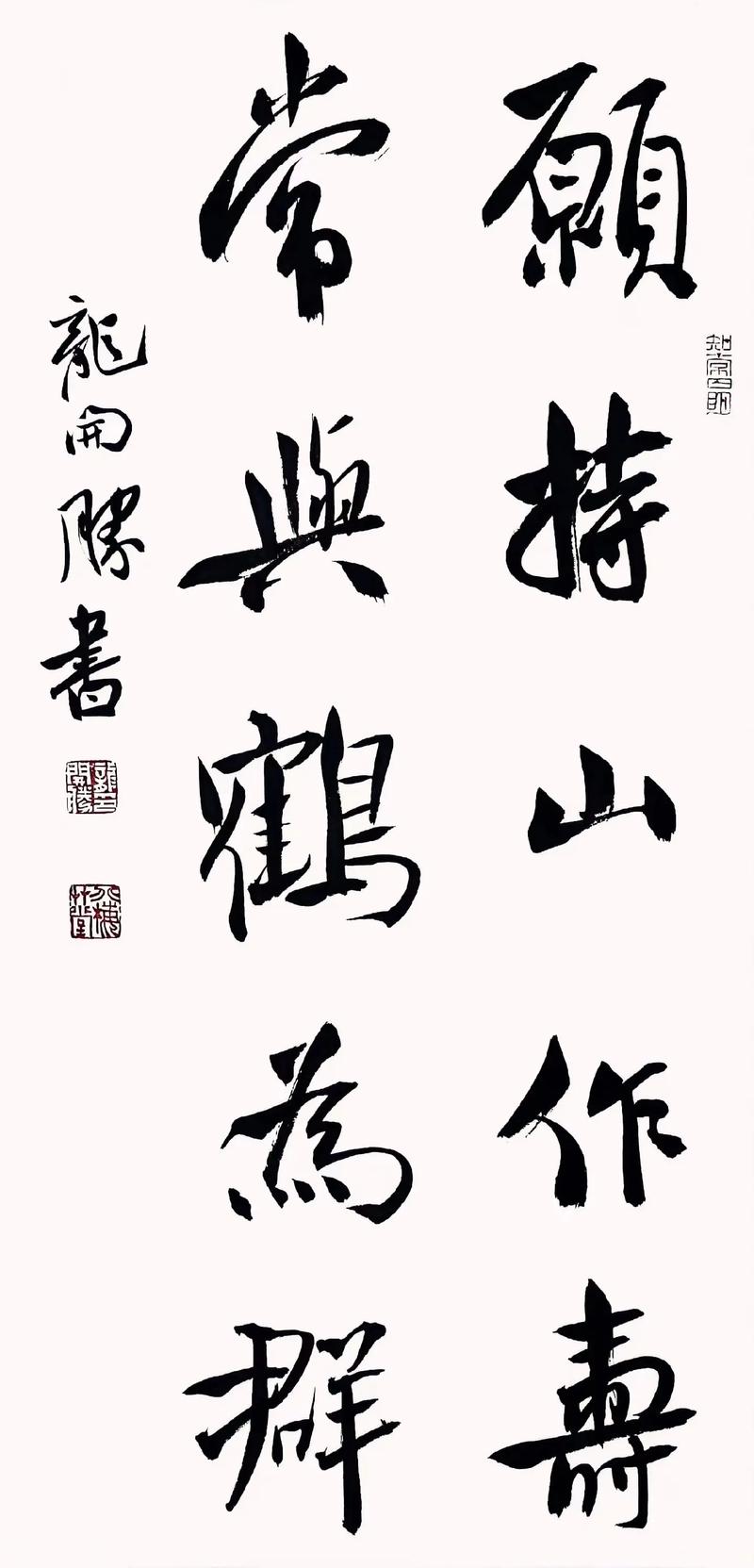
Leisure Seals
Leisure seals carry phrases rather than personal names. Texts may include original lines, ancient poems, proverbs, studio names or year markers.
- Leading‑header seal: Long‑shaped, stamped at the top before inscriptions.
- Corner‑filling seal: Square seal for lower‑corner placement.
Round, gourd‑shaped and oval forms are irregular‑style seals. They fill gaps and balance layout.
Inscriptions and seals are vital parts of Chinese painting‑calligraphy. Carving texture should match the painting style. When painting, calligraphy and seals work in harmony, the piece achieves natural completeness.