Our Featured Collection
Hand‑picked premium works for you
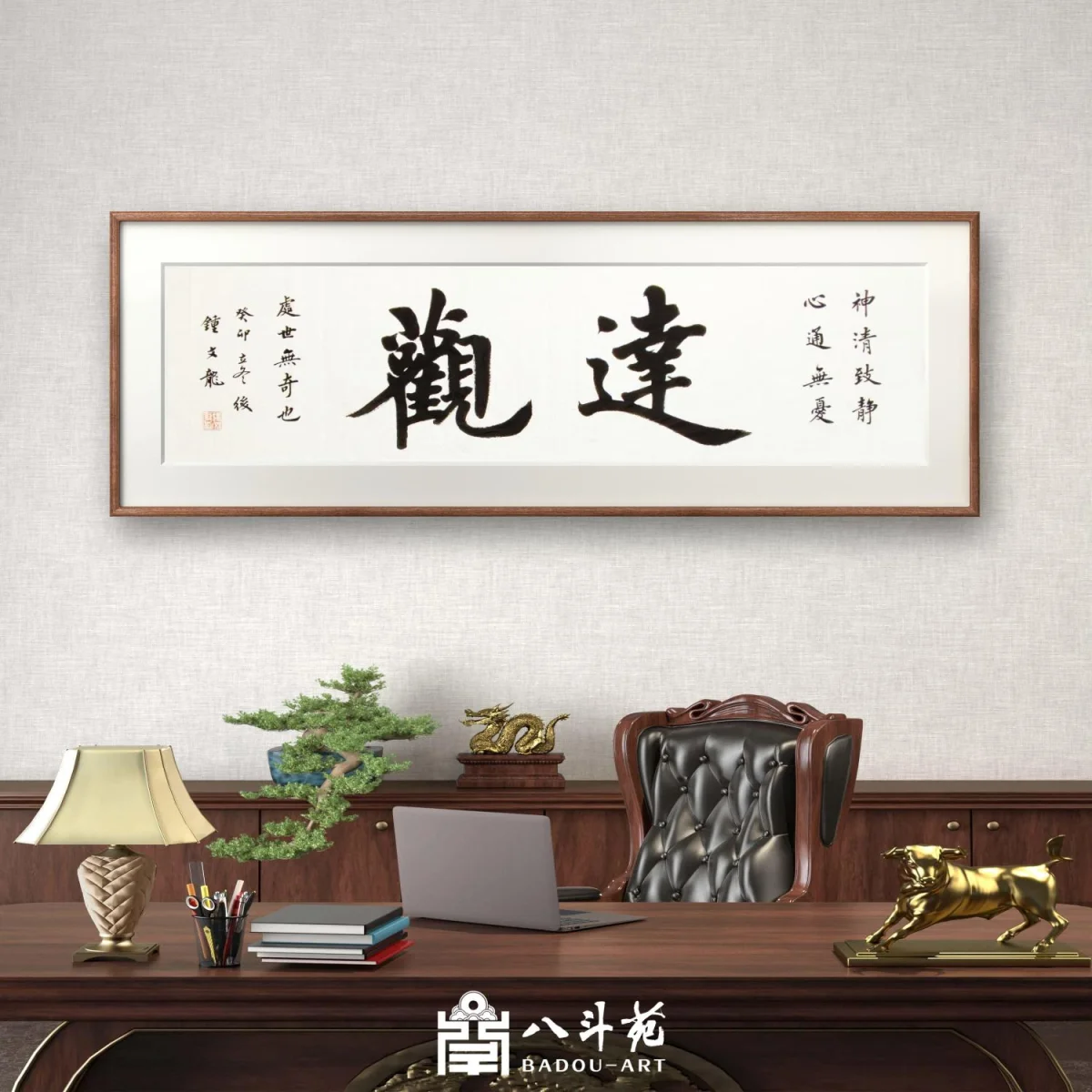
Zhong Wenlong Calligraphy | 达观
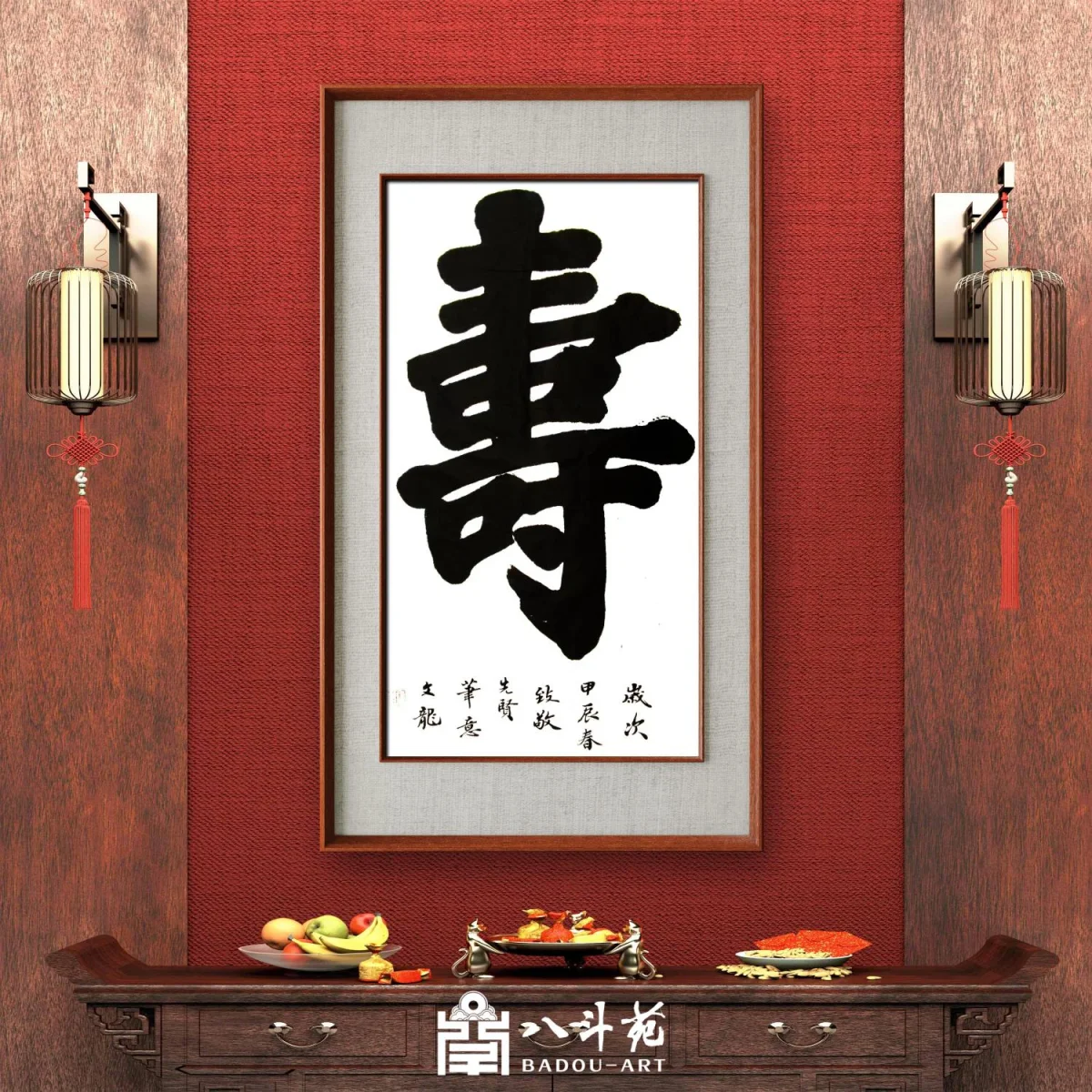
Zhong Wenlong Calligraphy | 壽
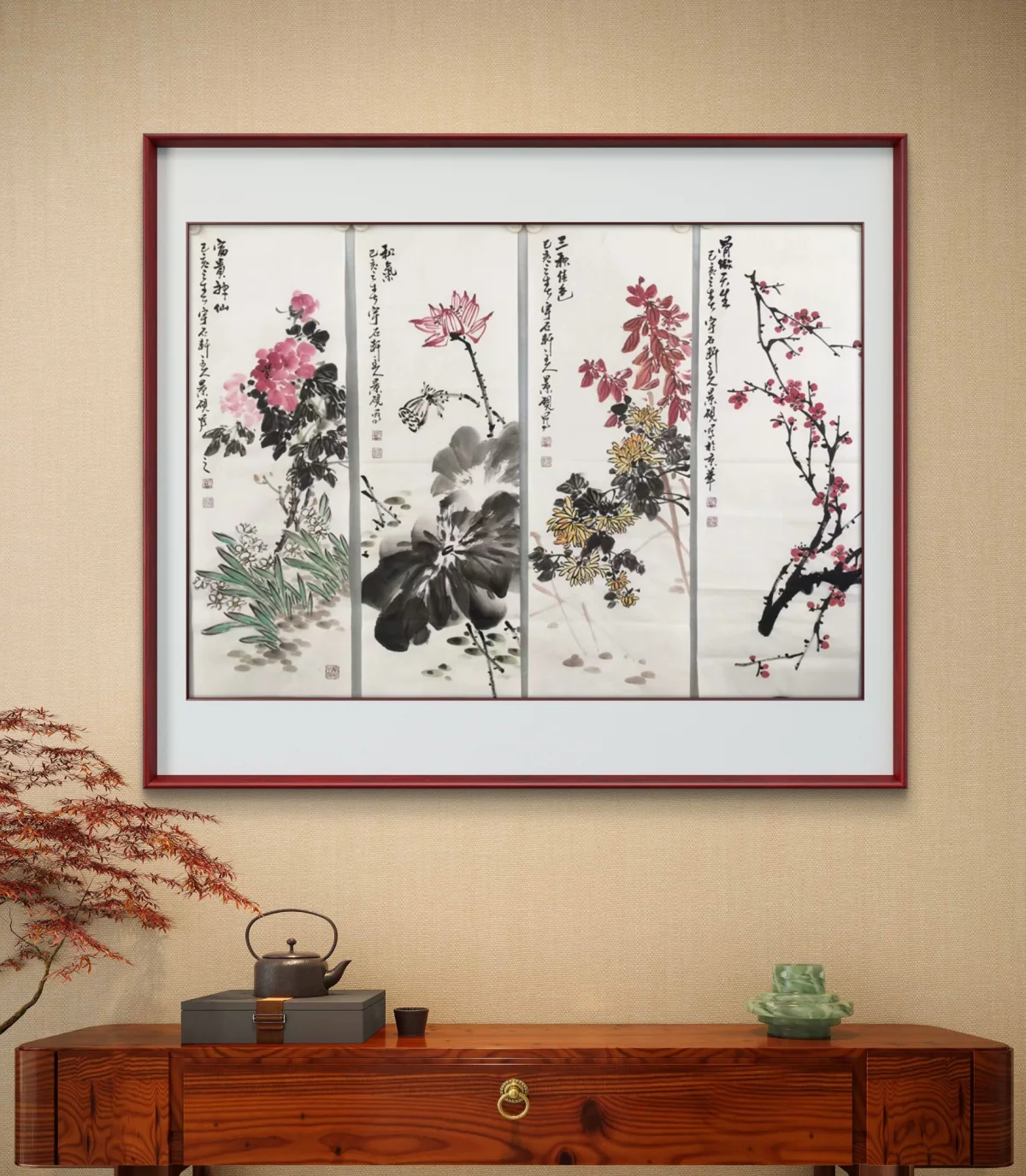
Wu Jingyan Chinese Freehand Painting・Four‑Panel Flower‑and‑Bird Screens(花鸟四条屏)
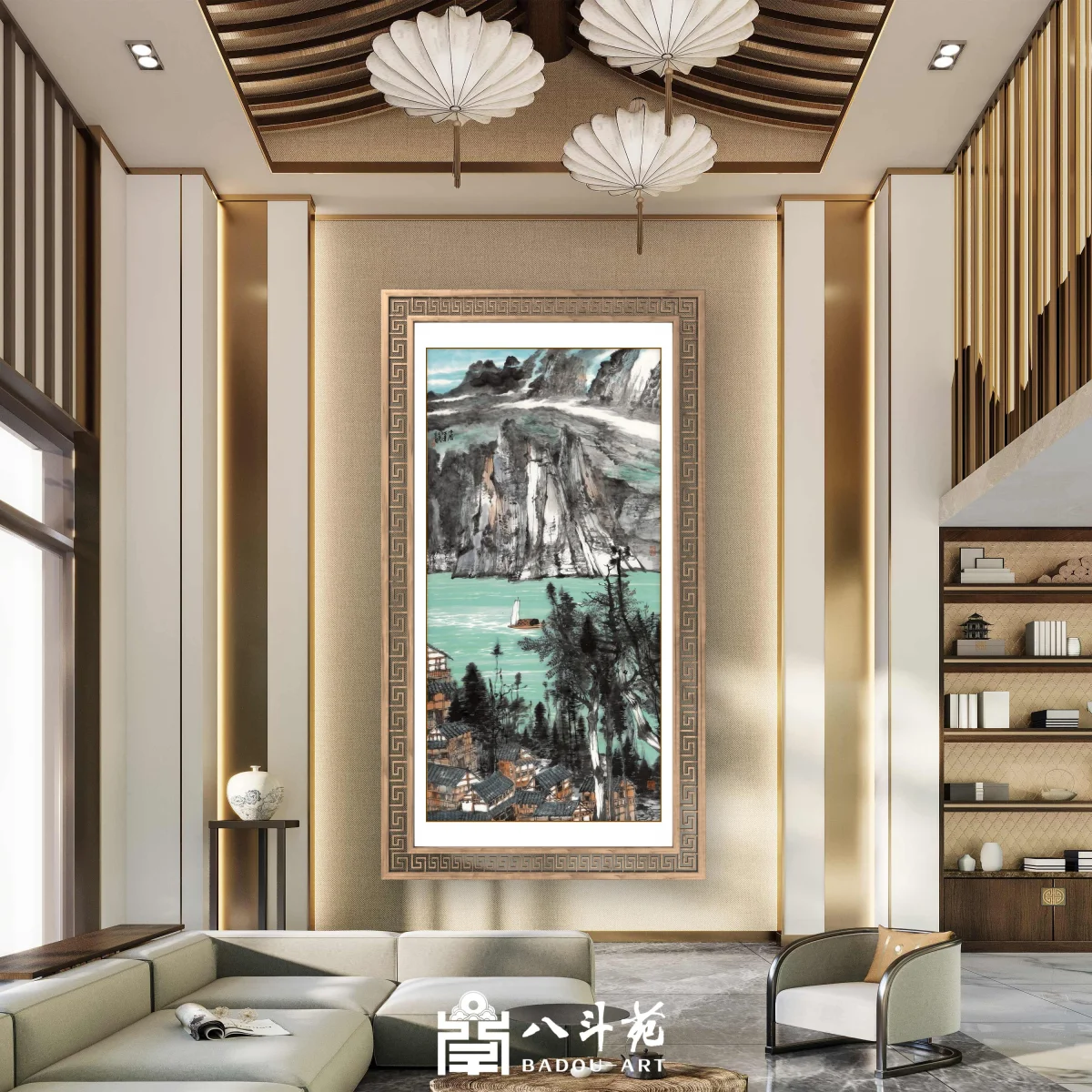
Liu Liyong Landscape Painting | Riverside Mountain Hamlet (山居江远)
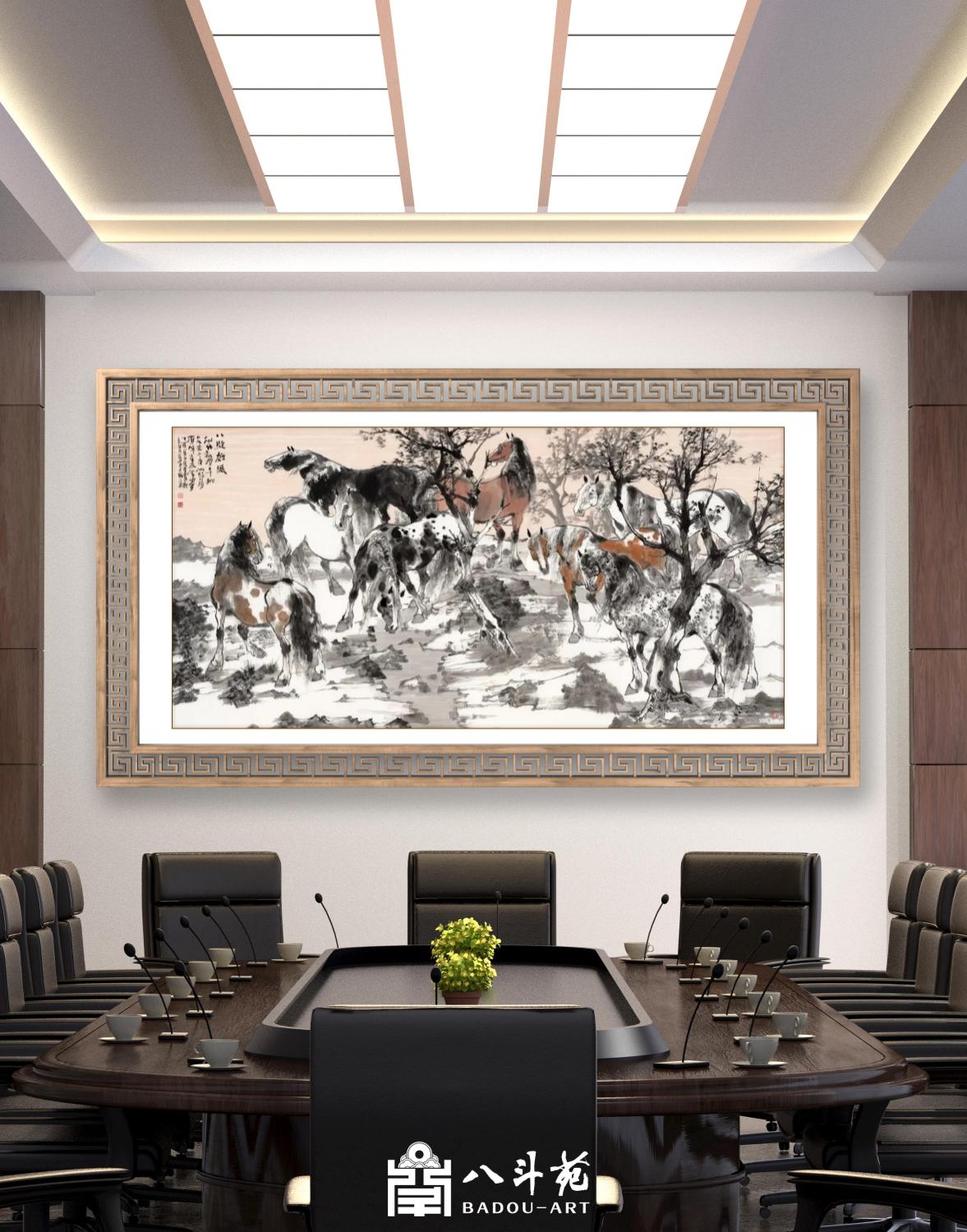
Liu Liyong Animal Painting | Eight Steeds (八骏图)
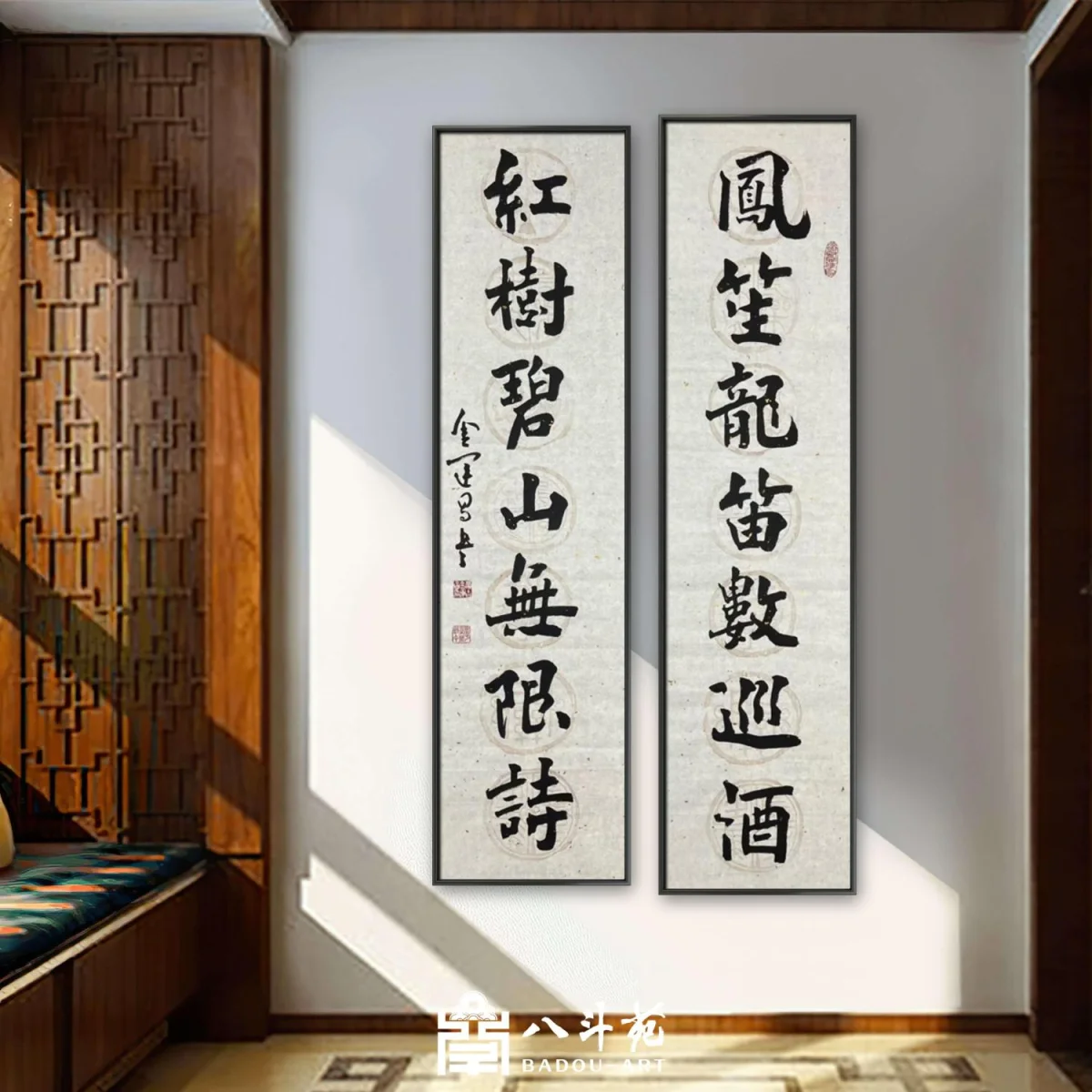
Jin Yunchang Calligraphy | 鳳笙龍笛數巡酒
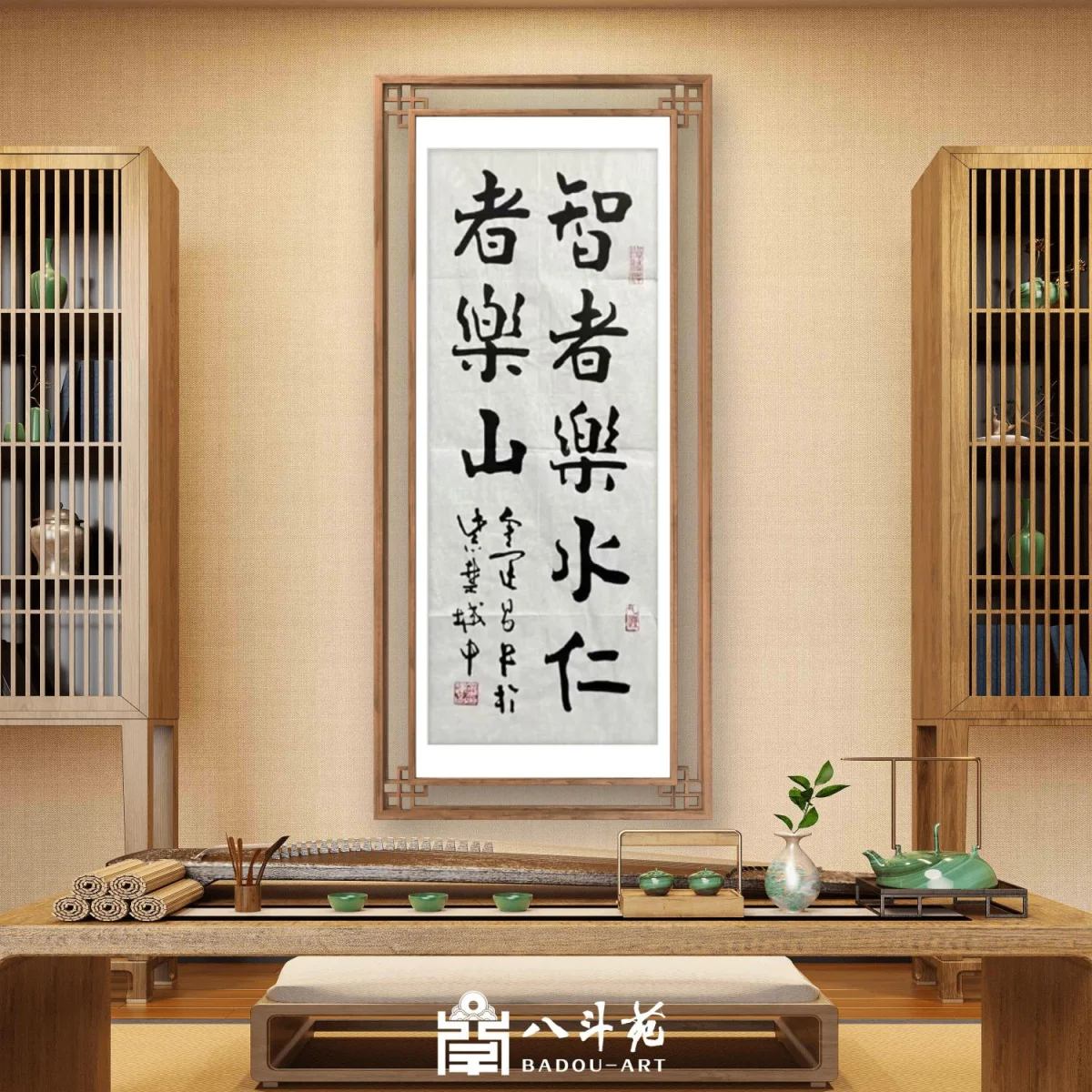
Jin Yunchang Calligraphy | 智者樂水仁者樂山
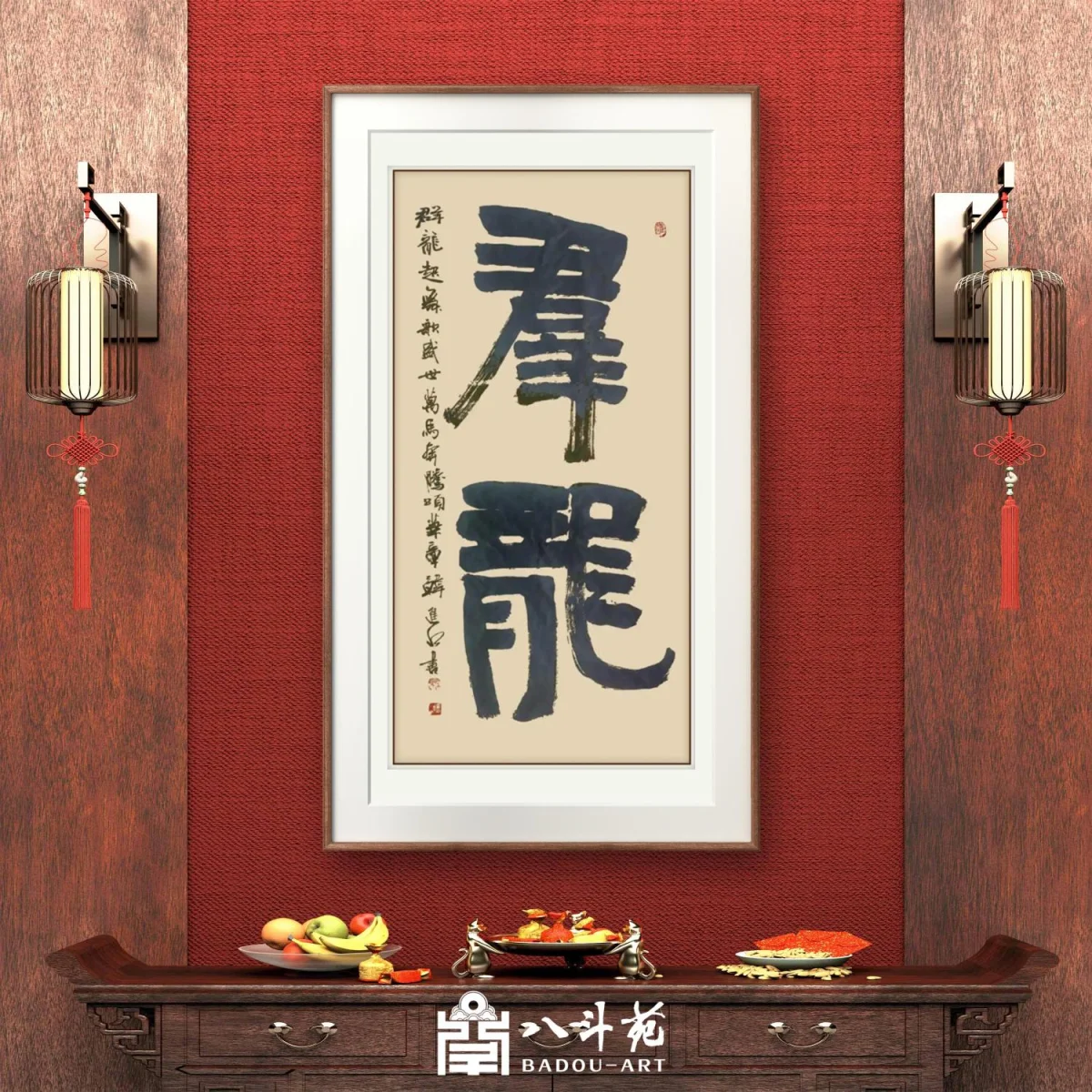
Han Jinshui Calligraphy | 羣龍 (A Group of Dragons)
Wang Xizhi: The Sage of Chinese Calligraphy and His Legacy
Wang Xizhi: The Sage of Chinese Calligraphy and His Legacy
Wang Xizhi (c. 303–361) is the most celebrated calligrapher in Chinese history, honored as the “Sage of Calligraphy.” His mastery of every script type, his invention of a personal brush manner, and his fusion of poise and freedom set a standard that has shaped calligraphy for more than 1,600 years. This article traces his formation, his masterpieces, and his enduring influence.
The Golden Age of the Jin Dynasty
Chinese calligraphy reached its golden age during the Jin dynasty (266–420). As the scholar Ma Zonghuo observed, “Calligraphy was most accomplished under the Jin, just as poetry was the glory of the Tang, ci lyrics of the Song, and drama of the Yuan.” Wang Xizhi grew up in a family steeped in this culture. His father, Wang Kuang, taught him early: at twelve, the boy asked to study calligraphy treatises before his father thought him ready. At seven, he began formal training under Lady Wei (Wei Shuo), a master of graceful regular script and, by some accounts, his aunt. By sixteen, his uncle Wang Yi, an accomplished painter, praised his promise and painted moral scenes to encourage him.
Humility Before the Great Tradition
Wang Xizhi later recalled that after studying with Lady Wei he believed he had mastered the art — until a journey north opened his eyes. Viewing works by Li Si, Zhong Yao, and Cai Yong carved in stone, he realized how much remained to learn. He set aside complacency, studied the ancient stelae, and absorbed influences from seal script, clerical script, the “tie” tradition of handwritten models, and the “bei” tradition of stone inscriptions. As one critic put it, the great masters of classical art do not deny others; they deny themselves.
Masterpieces in Three Scripts
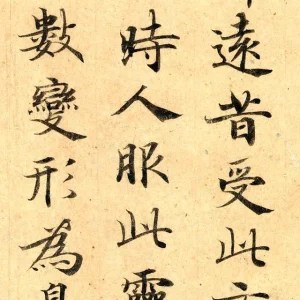
- **Running script.** The *Lanting Xu* (Preface to the Orchid Pavilion), written at a gathering of poets in 353, is called the “best running script under heaven.” In this manuscript, twenty instances of the character *zhi*, seven of *bu*, six of *yi*, five of *suo*, and three of *zu* each appear in a different form — a testament to ceaseless invention. Tang Emperor Taizong praised it in his biography of Wang Xizhi: “Watch its dots and sweeps, marvel at its finish; like mist and dew, seemingly broken yet still connected.”
- **Cursive script.** The *Seventeen Letters* (Shiqi Tie) completed the transition from the older *zhangcao* cursive to modern *jincao*, establishing the formal rules of the style.
- **Regular script.** Works such as the *Yuelun Lun* and *Huangting Jing* freed regular script from its clerical-script heritage, adding a graceful ease within strict structure.
A Legacy That Never Faded
From the Sui and Tang dynasties to the present, virtually every major calligrapher has drawn nourishment from Wang Xizhi — even those who argued against him. In the great “bei vs. tie” division of the Qing dynasty, he stands as the patriarch of the tie tradition. The Tang critic Zhang Huaiguan wrote that he “opened the thoroughfare, adding and subtracting ancient methods to shape the modern form.” For collectors and students today, the *Lanting Xu* remains the gateway to understanding what the brush can achieve when technique and feeling become one.
If you’re considering a commissioned calligraphy piece, Badou Art’s specialists are happy to guide you.
Source: https://www.cntizi.com/3396.html
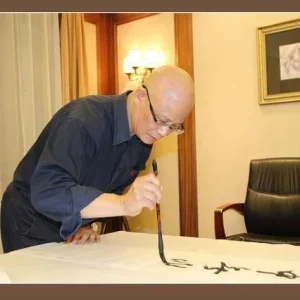
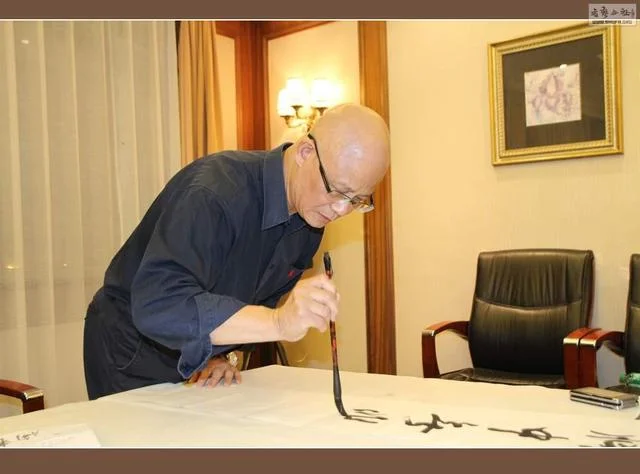
What Is Calligraphy? More Than Beautiful Writing
You May Also Like
Gathered masters, custom-made for you
BadouArt connects you to Oriental ink art, adding artistic charm to your life. Subscribe to get the latest collection tips and artist news.
Type a few things below to search
Out of a total of 113 products: