Our Featured Collection
Hand‑picked premium works for you
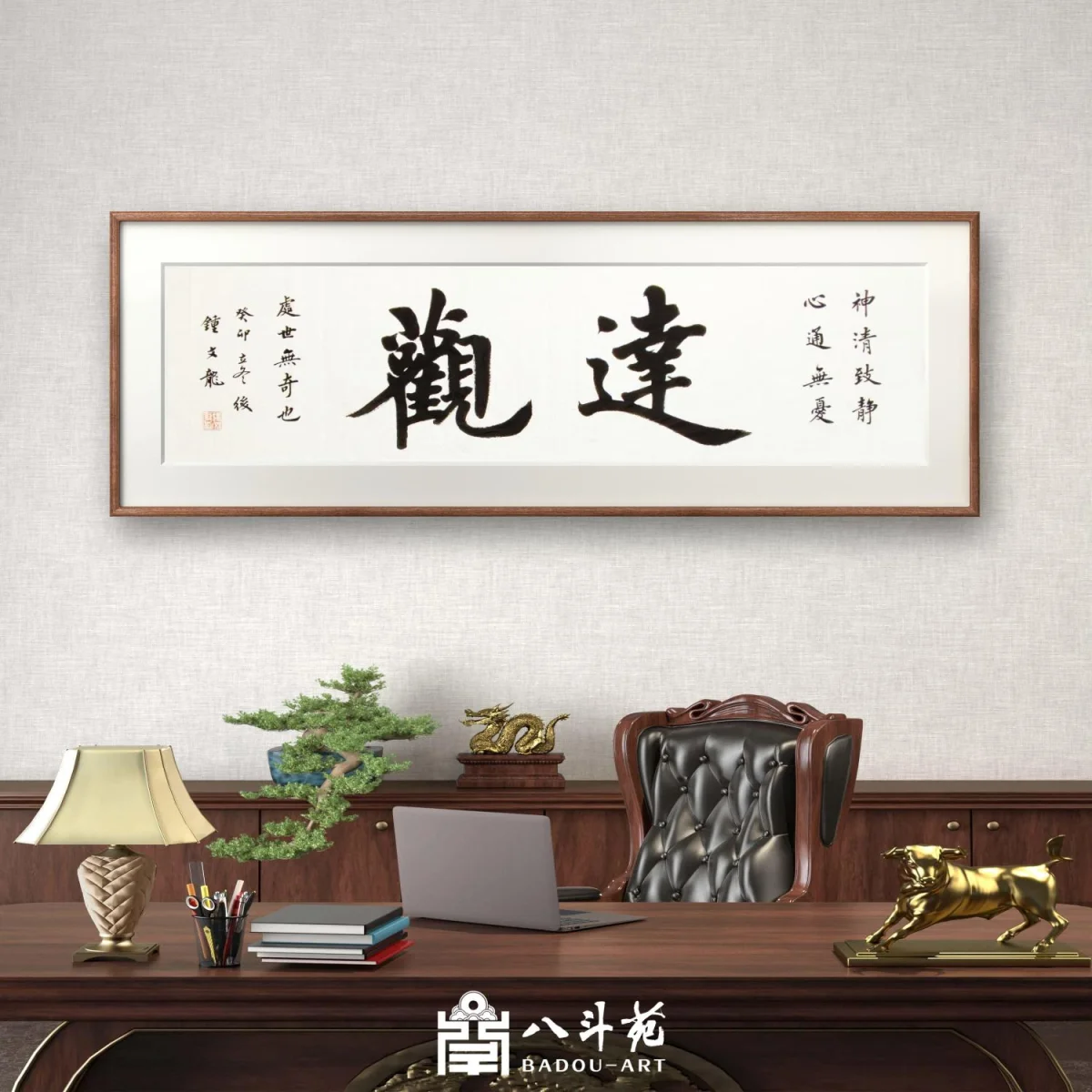
Zhong Wenlong Calligraphy | 达观
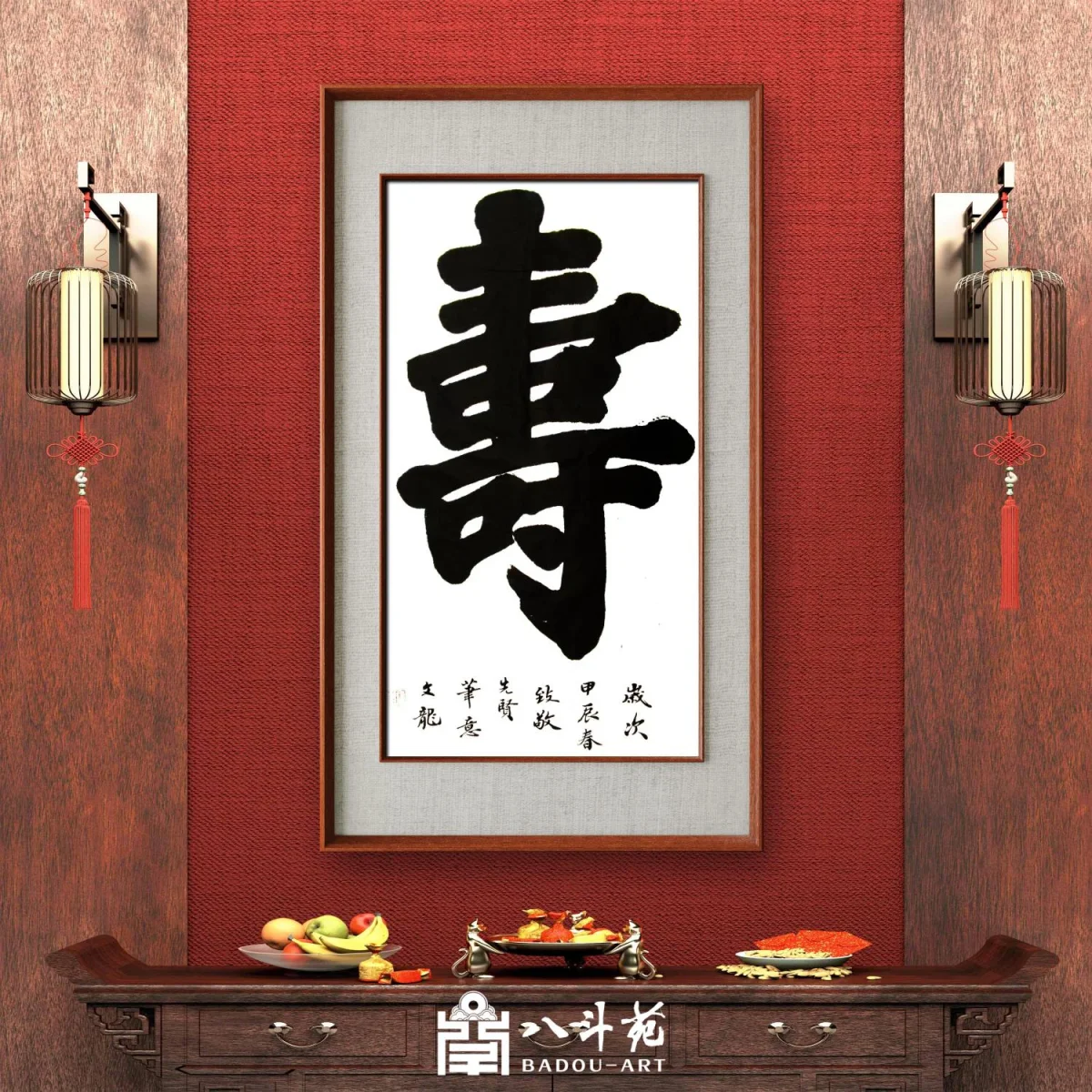
Zhong Wenlong Calligraphy | 壽
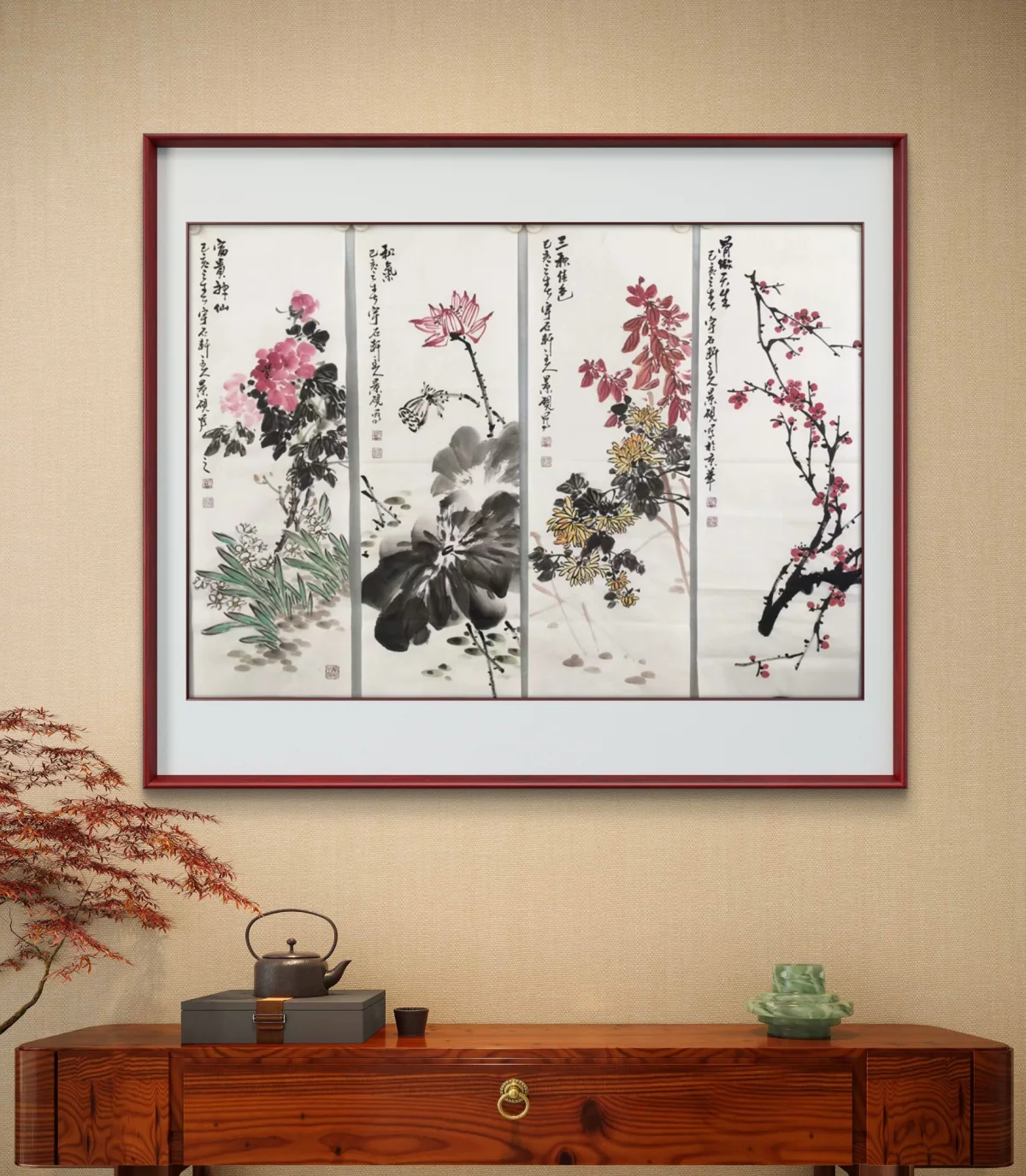
Wu Jingyan Chinese Freehand Painting・Four‑Panel Flower‑and‑Bird Screens(花鸟四条屏)
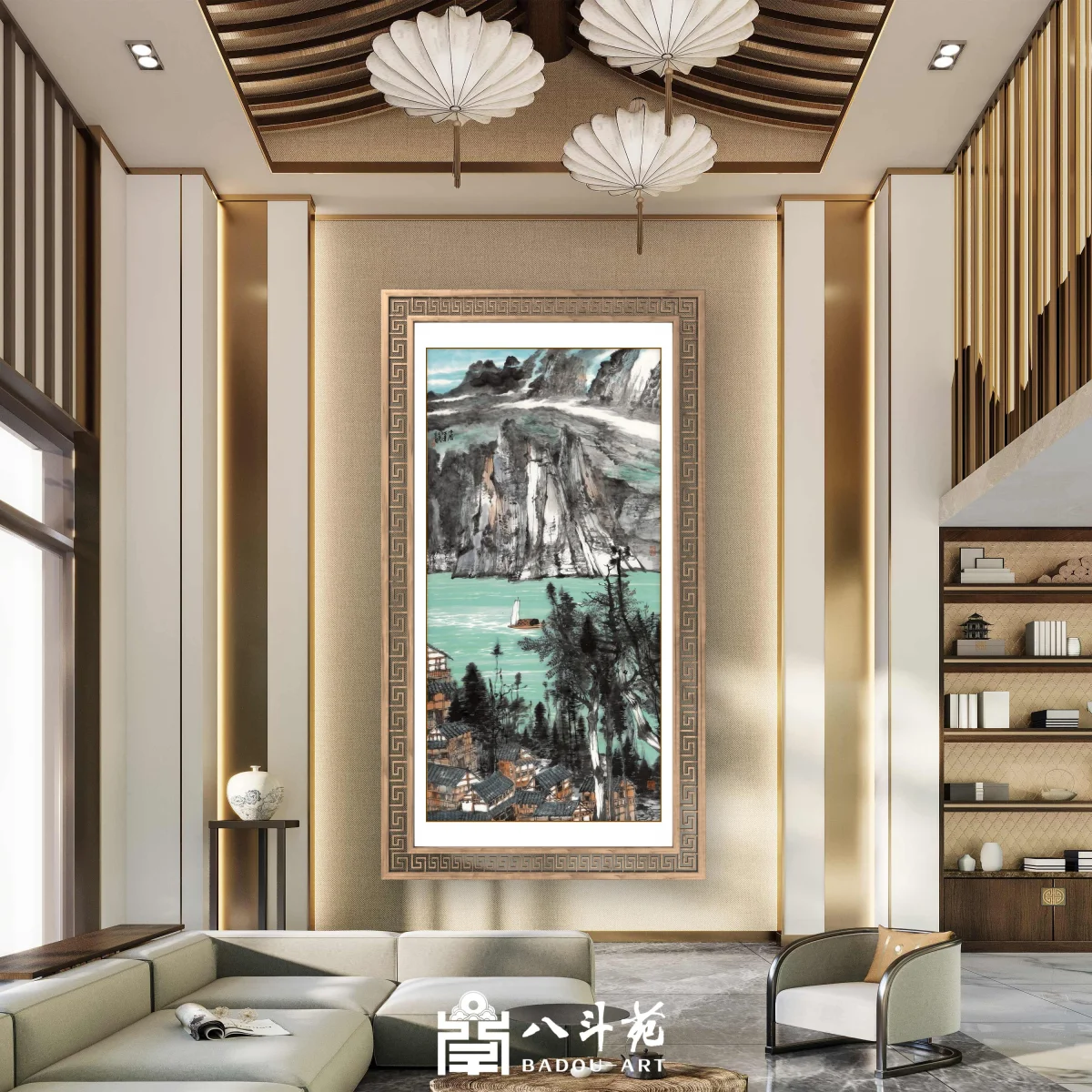
Liu Liyong Landscape Painting | Riverside Mountain Hamlet (山居江远)
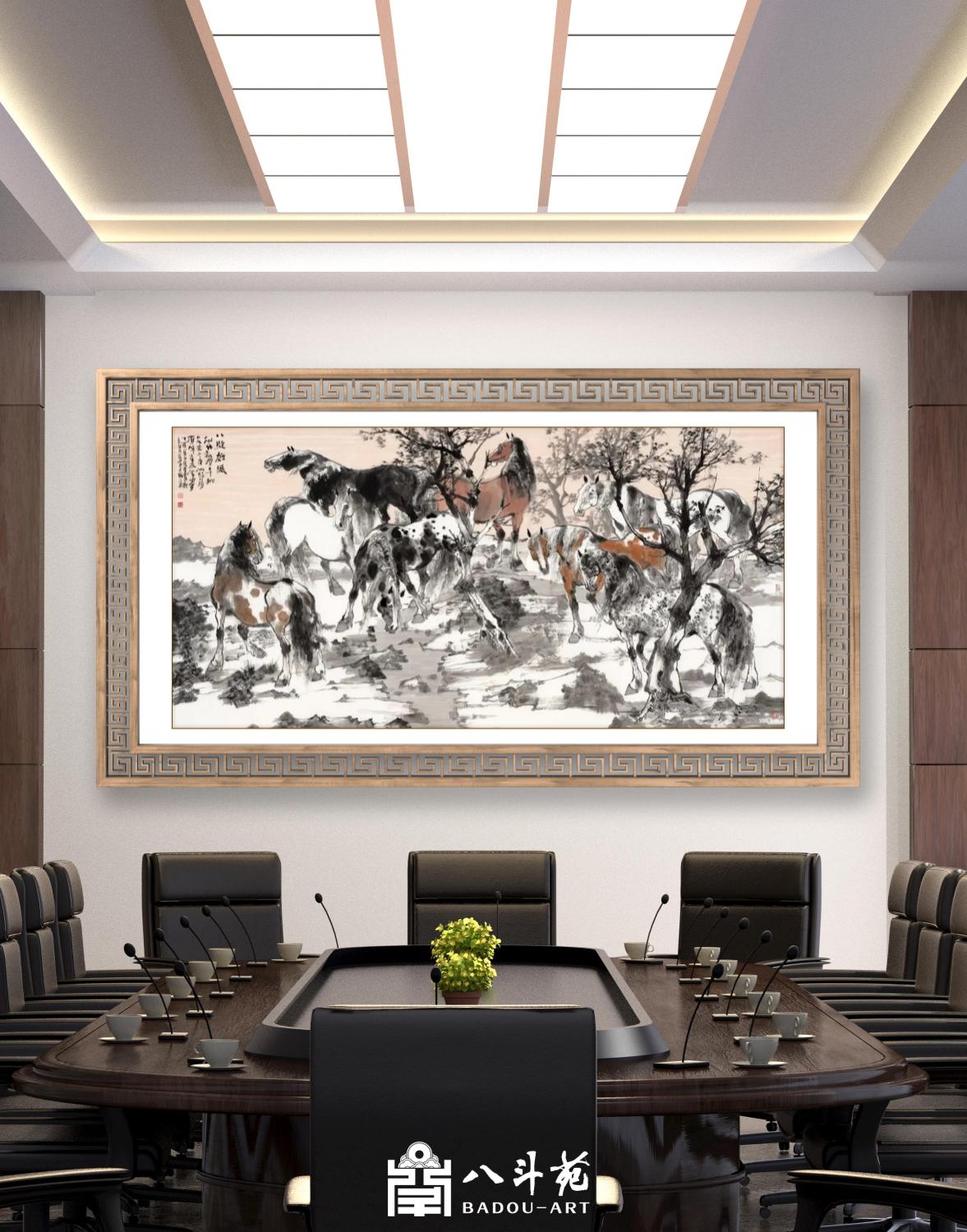
Liu Liyong Animal Painting | Eight Steeds (八骏图)
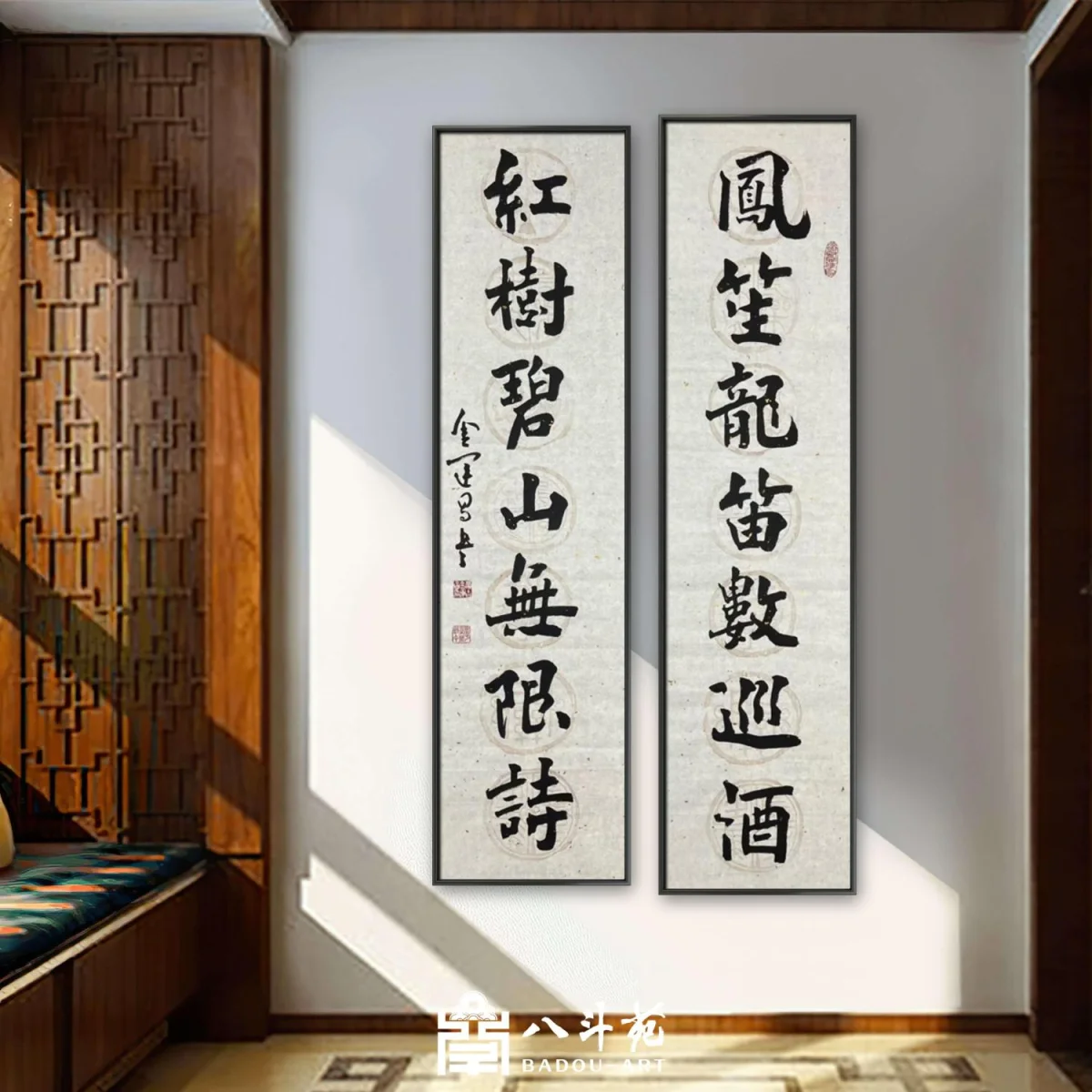
Jin Yunchang Calligraphy | 鳳笙龍笛數巡酒
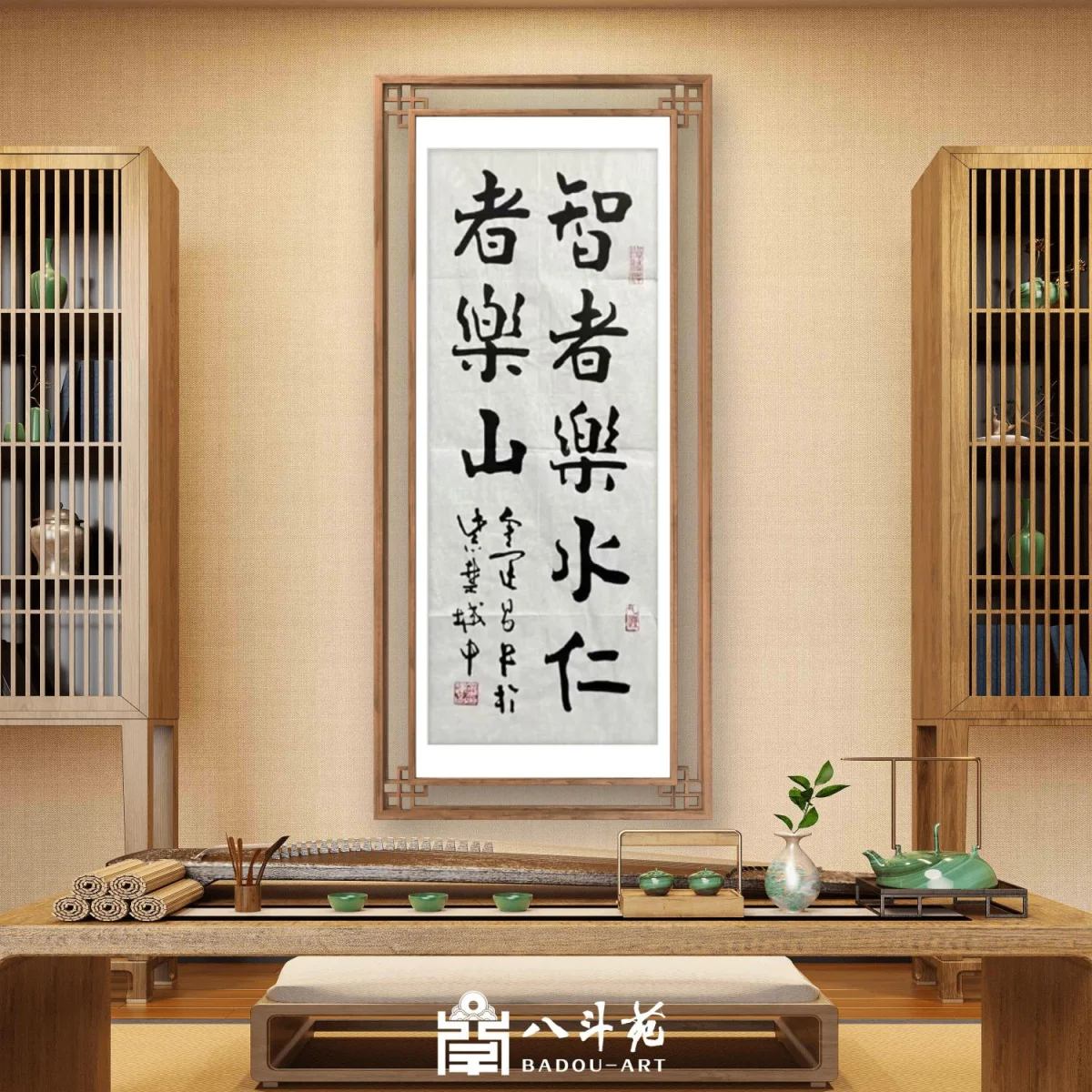
Jin Yunchang Calligraphy | 智者樂水仁者樂山
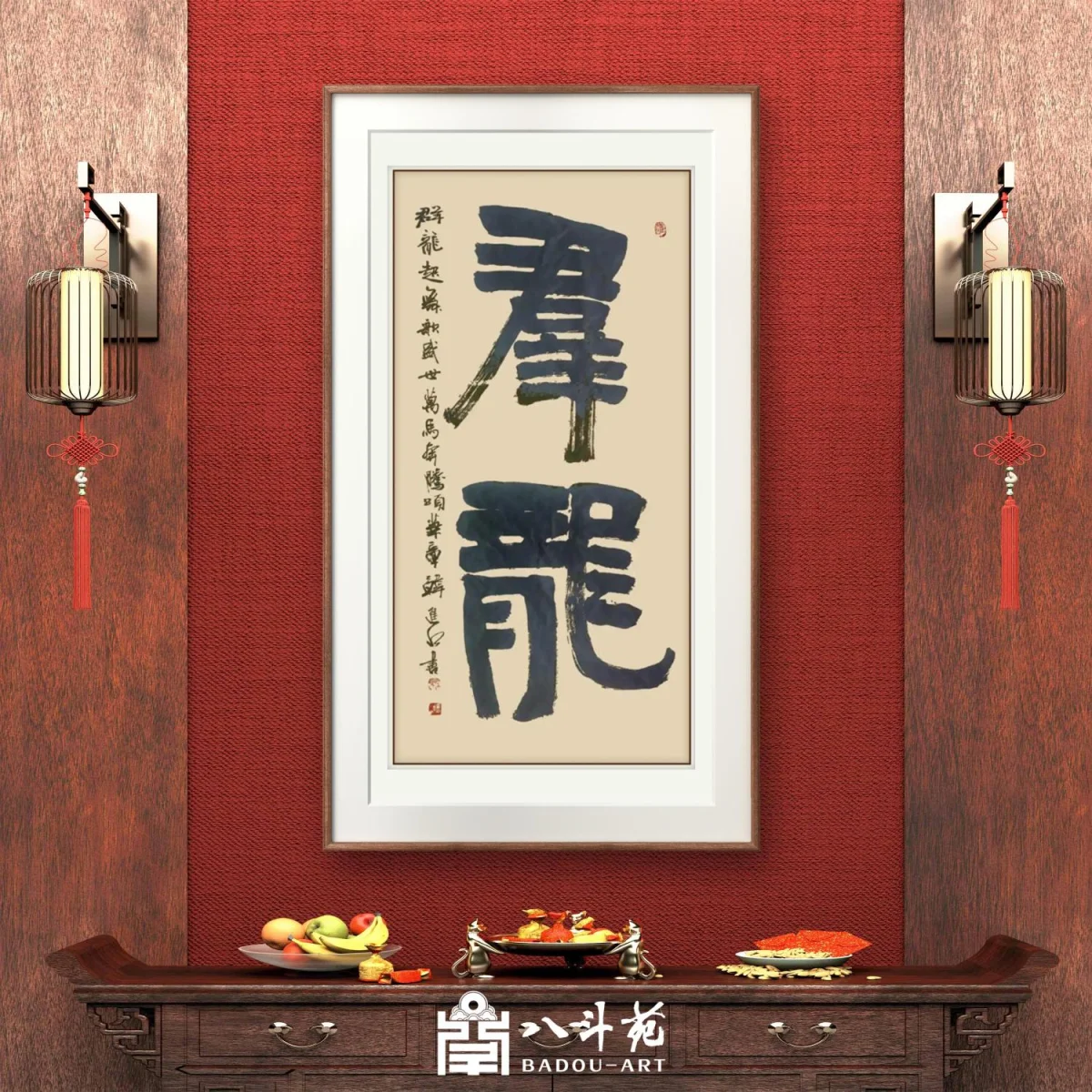
Han Jinshui Calligraphy | 羣龍 (A Group of Dragons)
Lingfei Jing: The 43-Line Small Regular Script Masterpiece
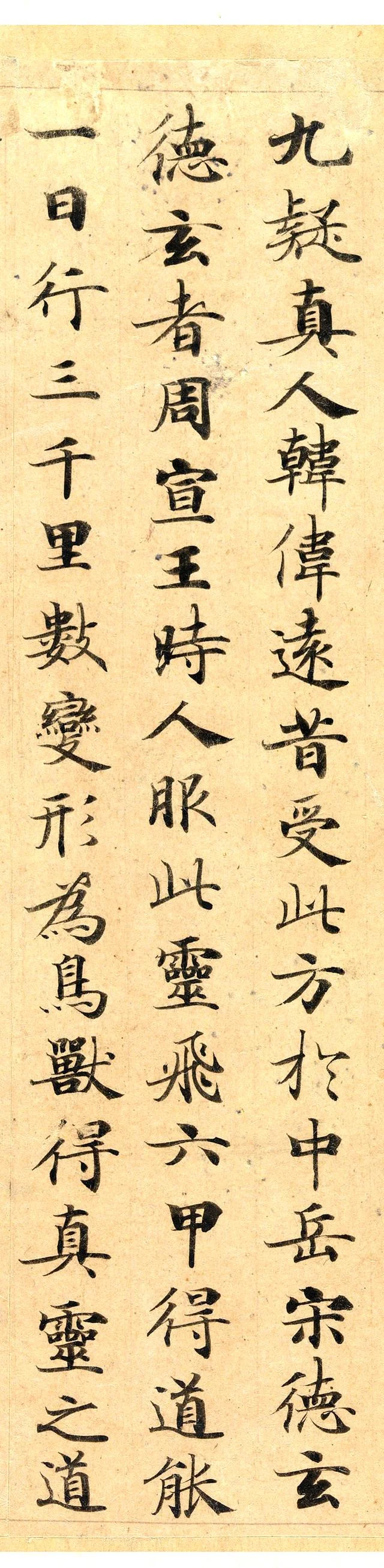
Lingfei Jing: The 43-Line Masterpiece of Small Regular Script
By the Tang dynasty (618–907), China’s five major scripts — seal, clerical, cursive, running, and regular — were fully mature. Yet no form was more widely used than small regular script (*xiaokai*), the precise, compact handwriting used for documents and scriptures. Among all xiaokai works ever produced, one stands above the rest: the *Lingfei Jing* (Scripture of the Flying Spirits), a Taoist text copied by the Tang official Zhong Shaojing. Only 43 lines of the original ink manuscript survive.
Two Great Traditions of Small Regular Script
Small regular script evolved along two main paths:
- **The plain and archaic line**, led by Zhong Yao of the Three Kingdoms period and carried later by Yan Zhenqing of the Tang and Wang Chong and Huang Daozhou of the Ming. Its representative works include the *Xuanshi Biao*.
- **The refined and beautiful line**, crowned by the Tang dynasty’s *Lingfei Jing*. Its lineage runs from Wang Xizhi and Wang Xianzhi through Zhong Shaojing, and later Zhao Mengfu and Wen Zhengming.
The *Lingfei Jing* is the summit of the “beautiful” tradition. It transforms the grandeur of Tang art through fine, endlessly varied brushwork into an effect of astonishing precision. No xiaokai work since has surpassed it: Zhao Mengfu (1254–1322), who studied the piece all his life, was said to have reached only three or four tenths of its mastery.
The Era of Sutra Copyists
The Tang dynasty was deeply Buddhist, and with printing still primitive, every scripture had to be copied by hand. This created a class of professional copyists (*chaojingsheng*) — scholars, monks, even officials — and a well-written scripture was so prized that “Luoyang paper became expensive.” Zhong Shaojing was the most celebrated of these copyists. A seventeenth-generation descendant of the great calligrapher Zhong Yao, he is remembered together with his ancestor as “Big Zhong” and “Little Zhong” — two rare geniuses of the brush.
A Journey Through Collections
The ink original of the *Lingfei Jing* entered the Song imperial collection, then passed to the great Ming connoisseur Dong Qichang, who pawned it to the Chen family of Haining. The Chens produced a rubbing edition, the *Bohai Ben*, which simplified the original; when the manuscript was returned, 43 lines had been extracted from it. Dong redeemed the work — and then it vanished from the record, a “peerless treasure” of calligraphy history, unrivaled among small regular script for a thousand years.
Of the surviving versions — the *Bohai Ben*, the *Wangyun Ben*, and others — the 43-line ink manuscript is the most celebrated. Today it is housed in the Metropolitan Museum of Art in New York, where visitors can still feel the quiet perfection of Tang small regular script at its peak.
If you’re considering a commissioned calligraphy piece, Badou Art’s specialists are happy to guide you.
Source: https://www.cntizi.com/3342.html