Our Featured Collection
Hand‑picked premium works for you
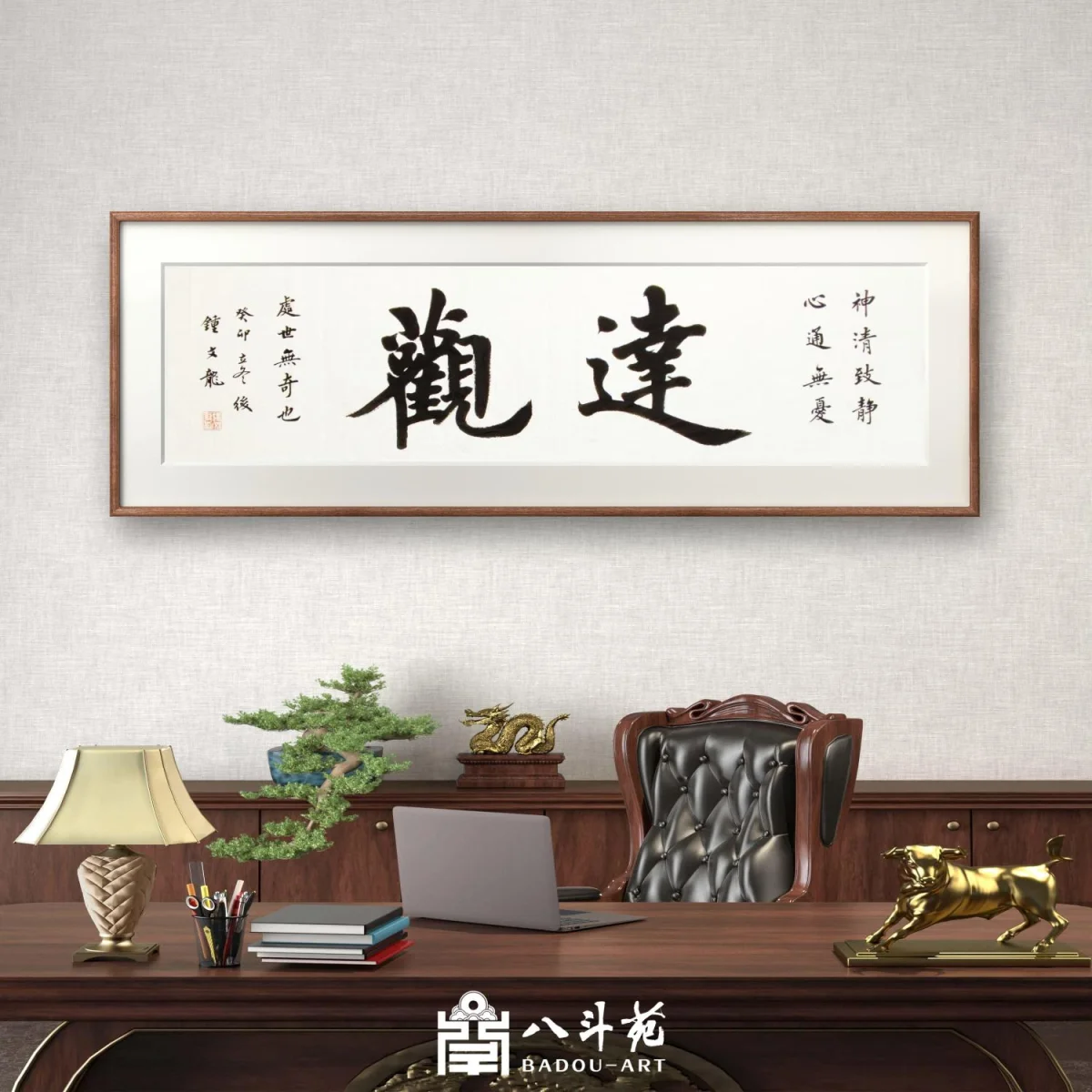
Zhong Wenlong Calligraphy | 达观

Zhong Wenlong Calligraphy | 壽
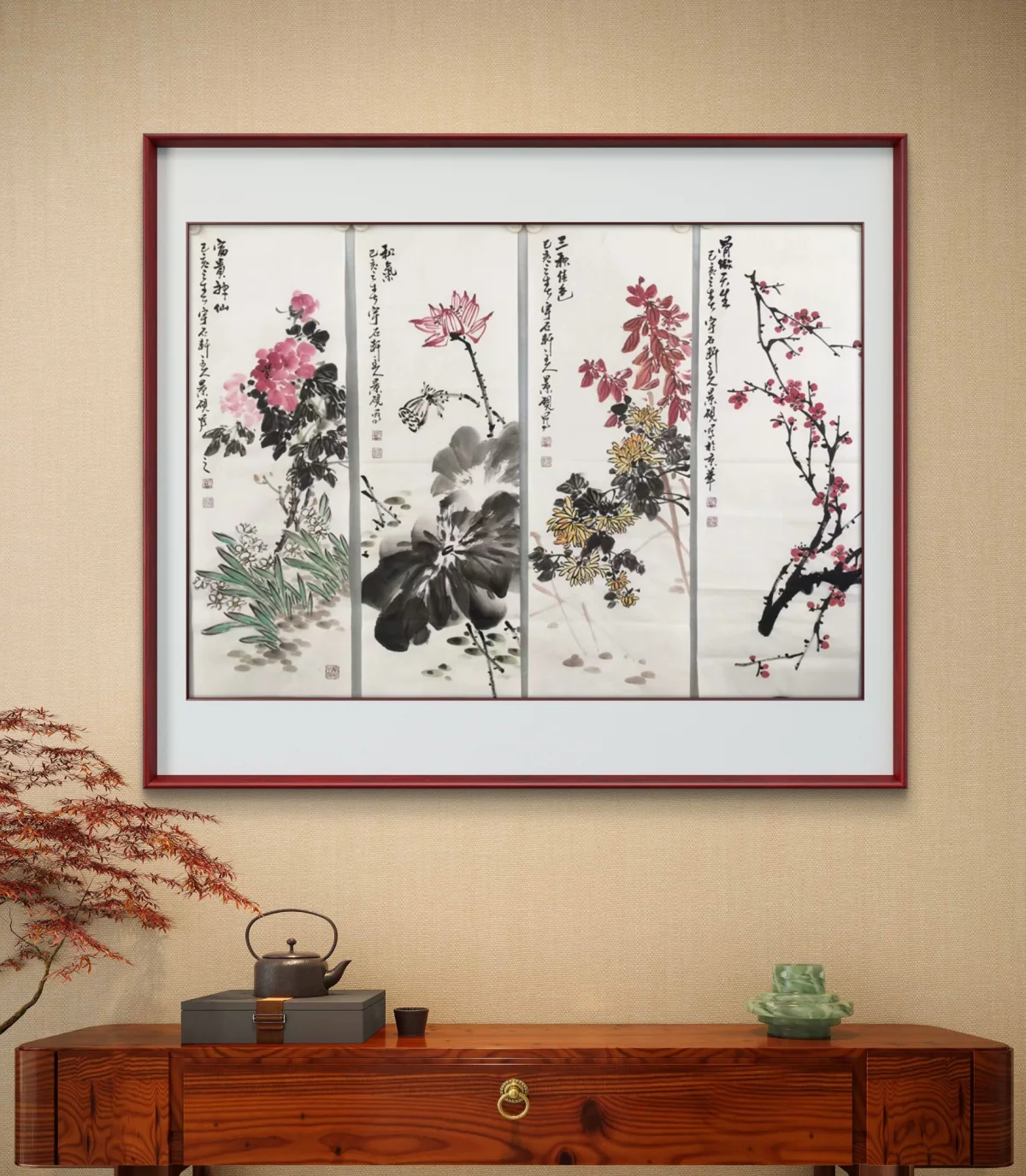
Wu Jingyan Chinese Freehand Painting・Four‑Panel Flower‑and‑Bird Screens(花鸟四条屏)

Liu Liyong Landscape Painting | Riverside Mountain Hamlet (山居江远)
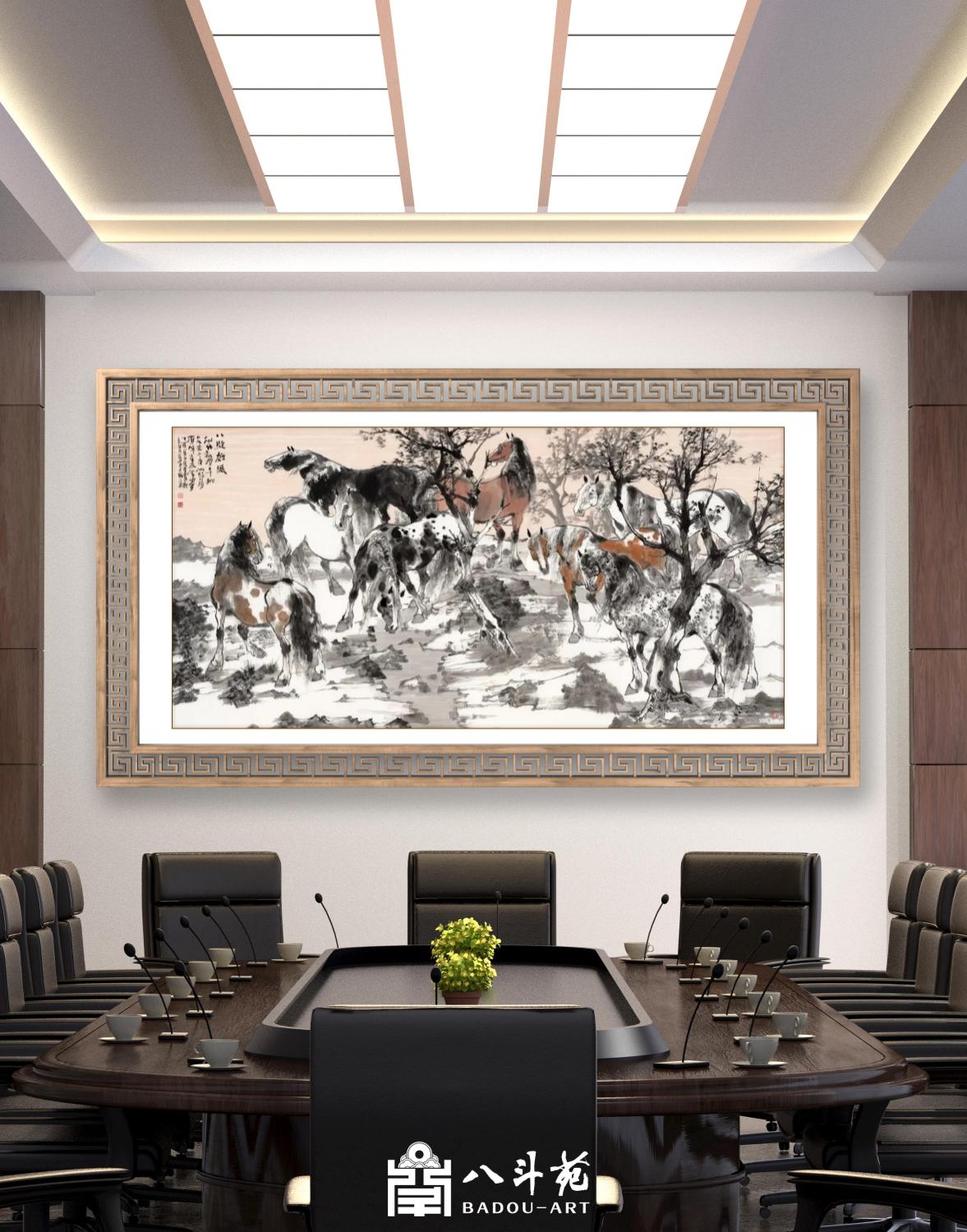
Liu Liyong Animal Painting | Eight Steeds (八骏图)
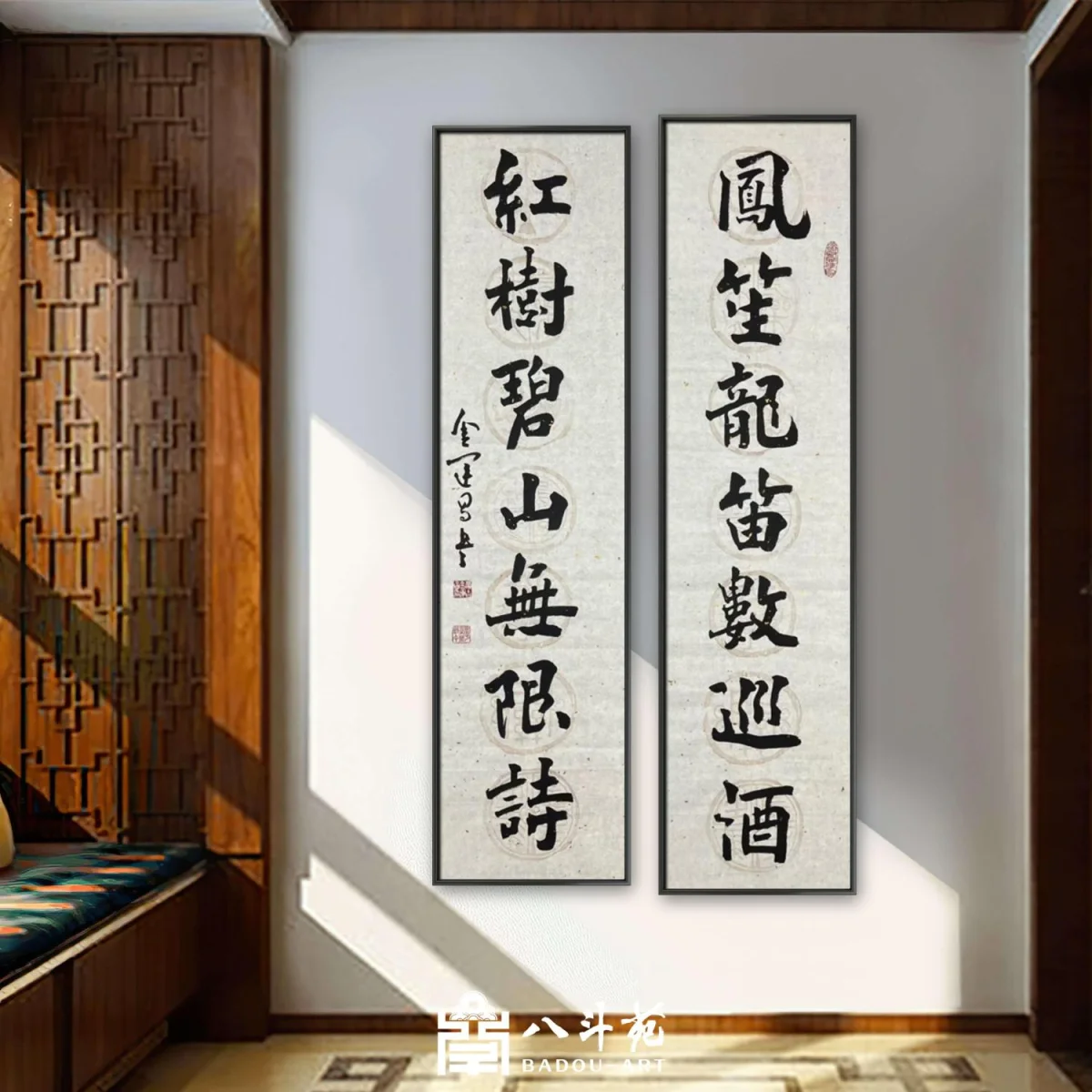
Jin Yunchang Calligraphy | 鳳笙龍笛數巡酒
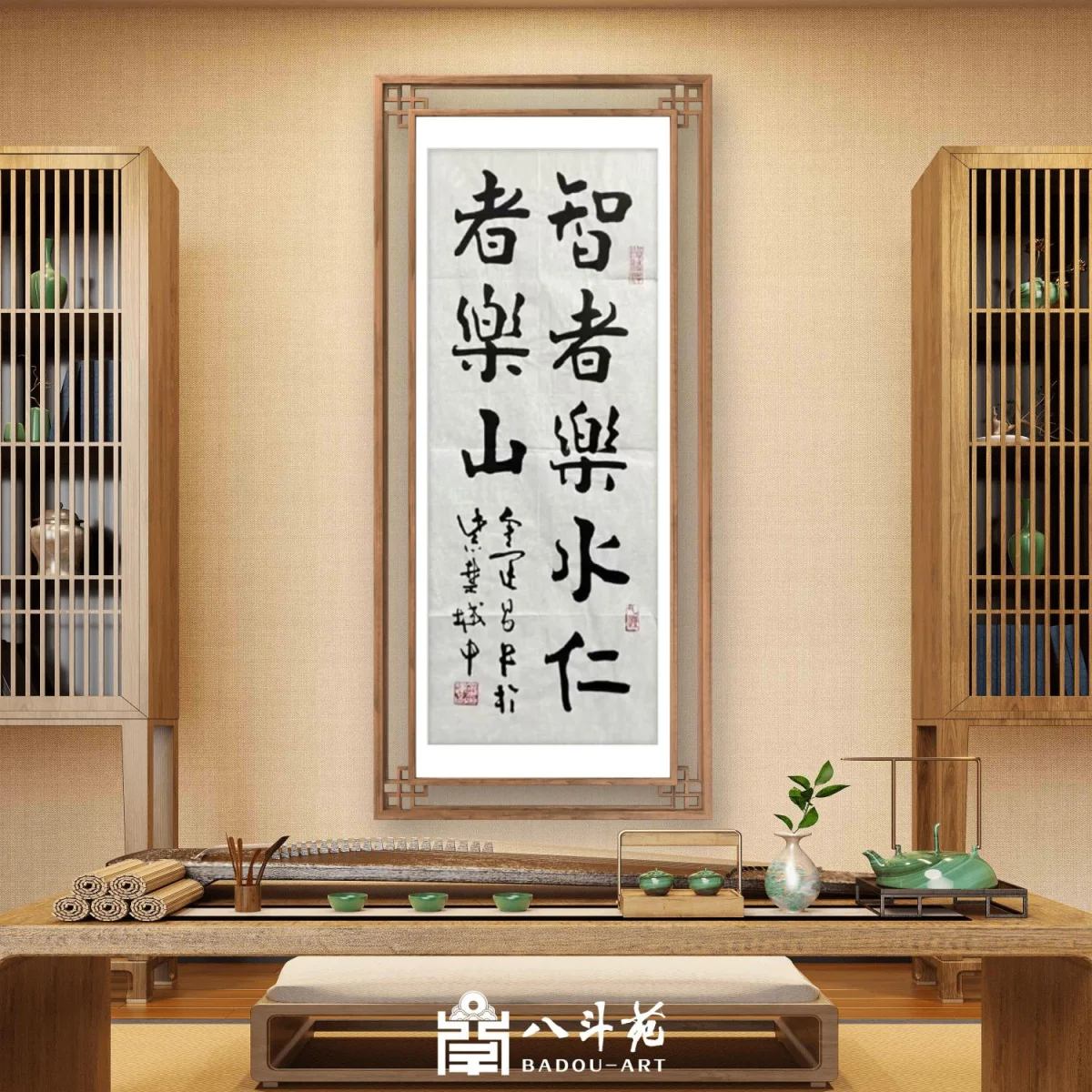
Jin Yunchang Calligraphy | 智者樂水仁者樂山
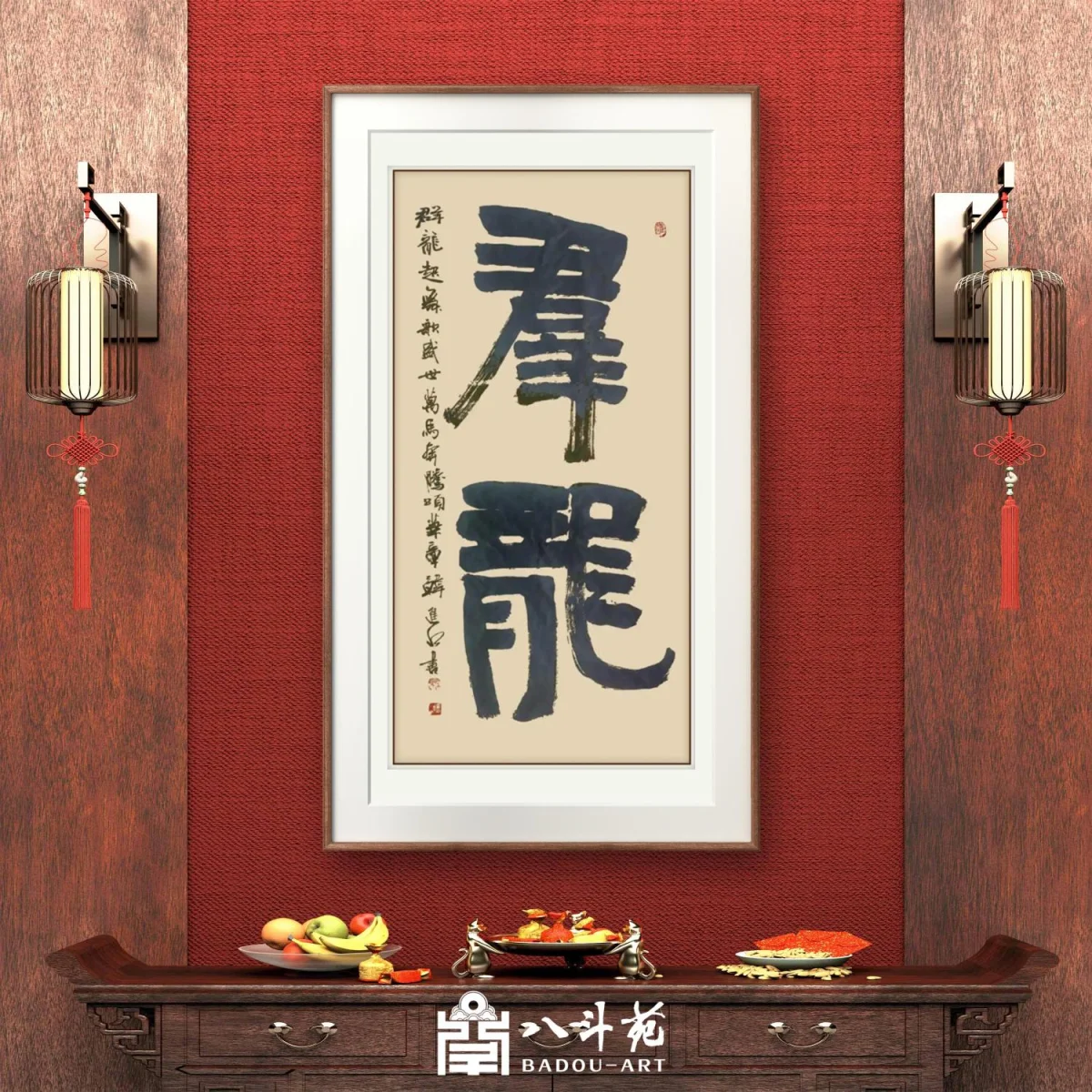
Han Jinshui Calligraphy | 羣龍 (A Group of Dragons)
Calligraphy Inscriptions: Upper and Lower Colophons
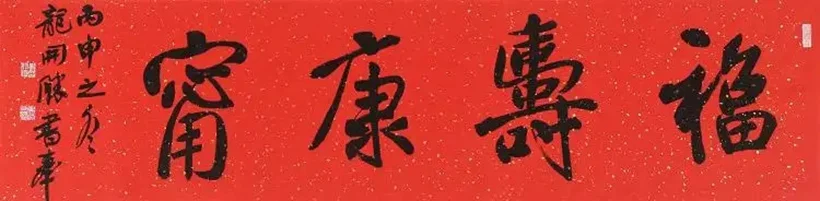
Calligraphy Inscriptions: Upper and Lower Colophons
In Chinese calligraphy, the colophon accompanying the main text is a work of art in its own right. Some masters say that for formal scripts, “three parts belong to the text, seven to the inscription.”
What Is a Colophon?
Ancient usage called writing placed before the work ti and writing after it ba; the Qing scholar Duan Yucai glossed them neatly: “ti marks the front; ba marks the back.” The tradition of kuanshi (inscribed signatures) is older still — Shang and Zhou bronzes carry incised records described as “kuan, to carve; shi, to record.” Since the Ming and Qing dynasties, all supplementary writing on a calligraphy or painting has been called tikuǎn — the colophon.
The Upper Colophon: To Whom
The upper colophon (shang kuan) names the recipient and purpose of the work. It usually appears at the upper right, slightly lower than the top of the main text. Etiquette governs every word:
- For elders and superiors: feng cheng (“respectfully presented”) or jing zeng (“reverently gifted”).
- For peers and friends: wei (“for”) or zeng (“given to”).
- For juniors: ci (“bestowed”) or shi (“shown to”).
Out of respect, the recipient’s surname is often omitted in favor of a courtesy name, followed by an honorific: xiansheng (sir), daoxiong (fellow artist), renxiong (respected elder brother), fangjia (expert), fajia (master of the craft), or kanli (honored couple). Collectors would pay dearly to have a famous artist inscribe their name — and some artists refused strangers or doubled their fee.
The Lower Colophon: From Whom
The lower colophon (xia kuan), at the lower left, records the artist’s side: the source of the text, the artist’s name, style name, hometown, studio, date, and place. A Yuan example by Zhao Mengfu reads: “Written by Zhao Mengfu of Wuxing, on the 26th and 27th day of the twelfth month of the dingwei year, the eleventh of the Dade reign era.”
Artists often used many style names — Mi Fu signed as the Hermit of Lumen, the Rambler of Xiangyang, and the Scribe of the Sea-and-Moon Pavilion — while studio names and birthplace markers, such as Wang Anshi’s “Linchuan,” add further layers. When a text is quoted only in part, the colophon should say so; for hard-to-read scripts like seal script, a transcription is often added.
Dating the Work
Dates follow traditional systems — usually the reigning emperor’s era name, as in Su Shi’s “third year of Yuanfeng” (1080), often with the ganzhi year added, as in Mi Fu’s “Shaosheng bingxu” (1106), sometimes used alone, as in Chen Chun’s “renchen” (1532). The ganzhi cycle pairs ten heavenly stems with twelve earthly branches over sixty years. The colophon may also note the artist’s age in classical terms — erli at thirty, buhuo at forty, zhiming at fifty, guxi at seventy — and close with a phrase of intent such as jing shu (respectfully written) or mu shu (written after bathing, common for Buddhist texts).
Balance Is Everything
The upper and lower colophons must complement the text in content and form, echoing its script while staying slightly smaller. Handled well, they make the work a complete, living whole. If you are considering a commissioned calligraphy, Badou Art’s specialists can help you plan an inscription that observes these traditions.
Source: https://www.cntizi.com/1280.html