
Our Featured Collection
Hand‑picked premium works for you
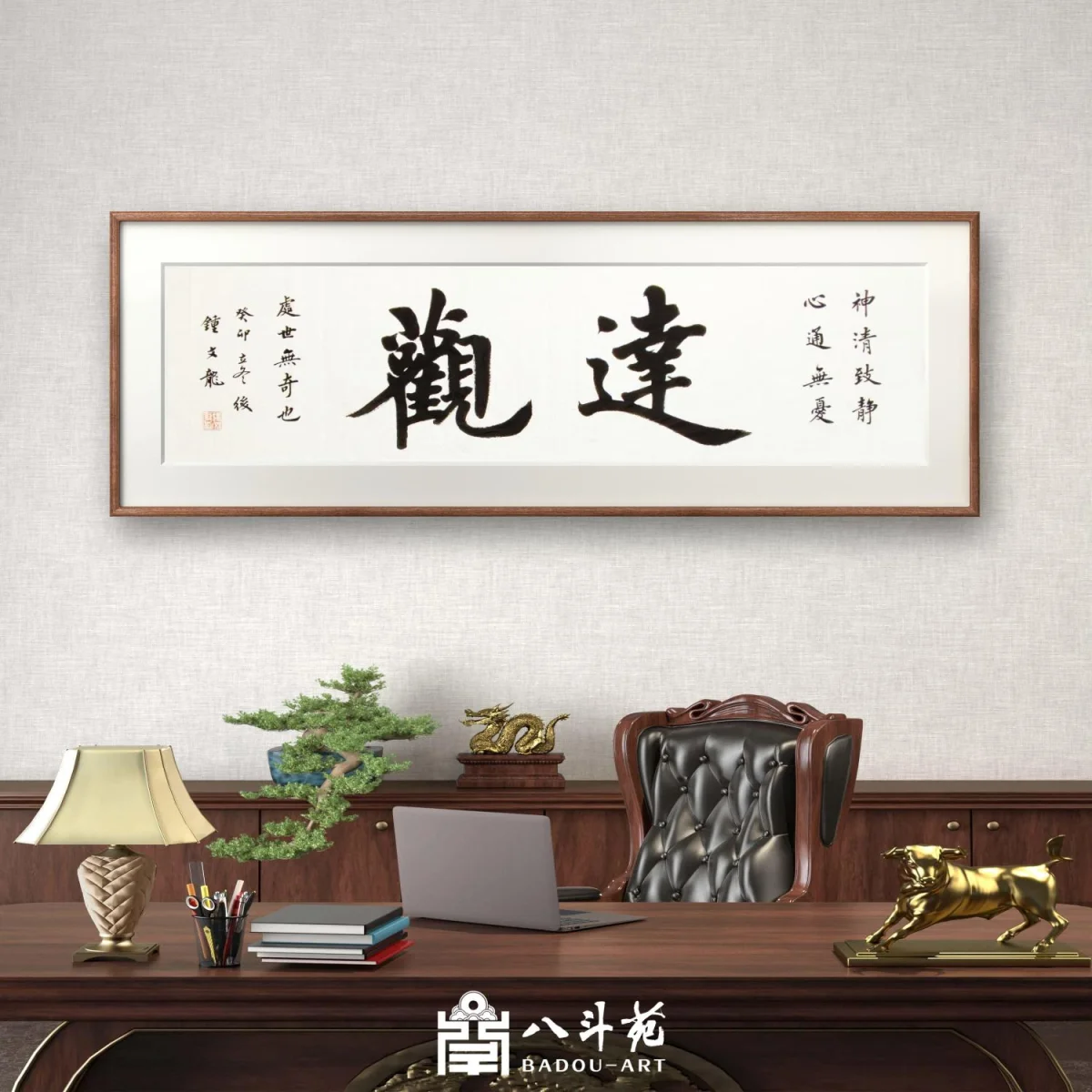
Zhong Wenlong Calligraphy | 达观
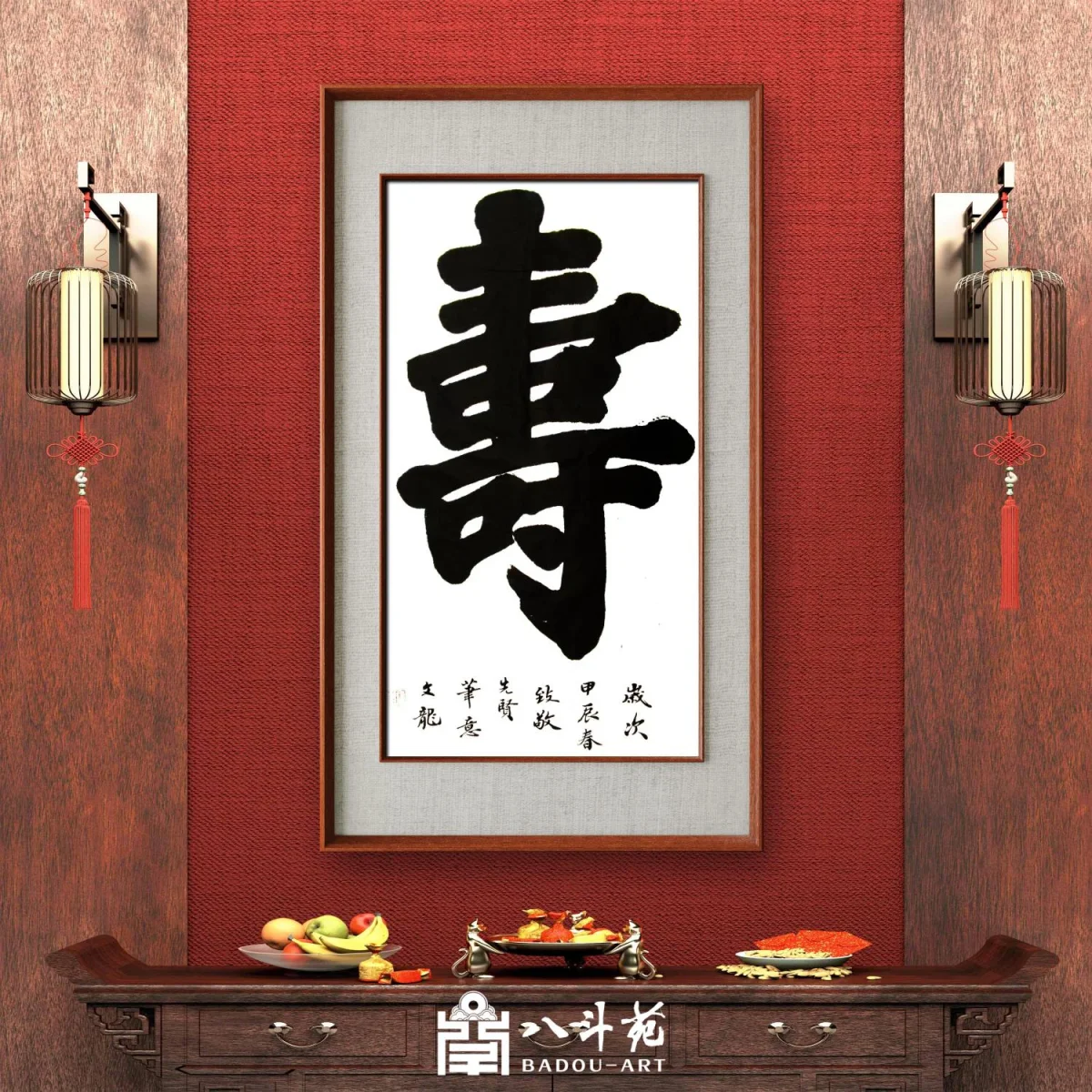
Zhong Wenlong Calligraphy | 壽
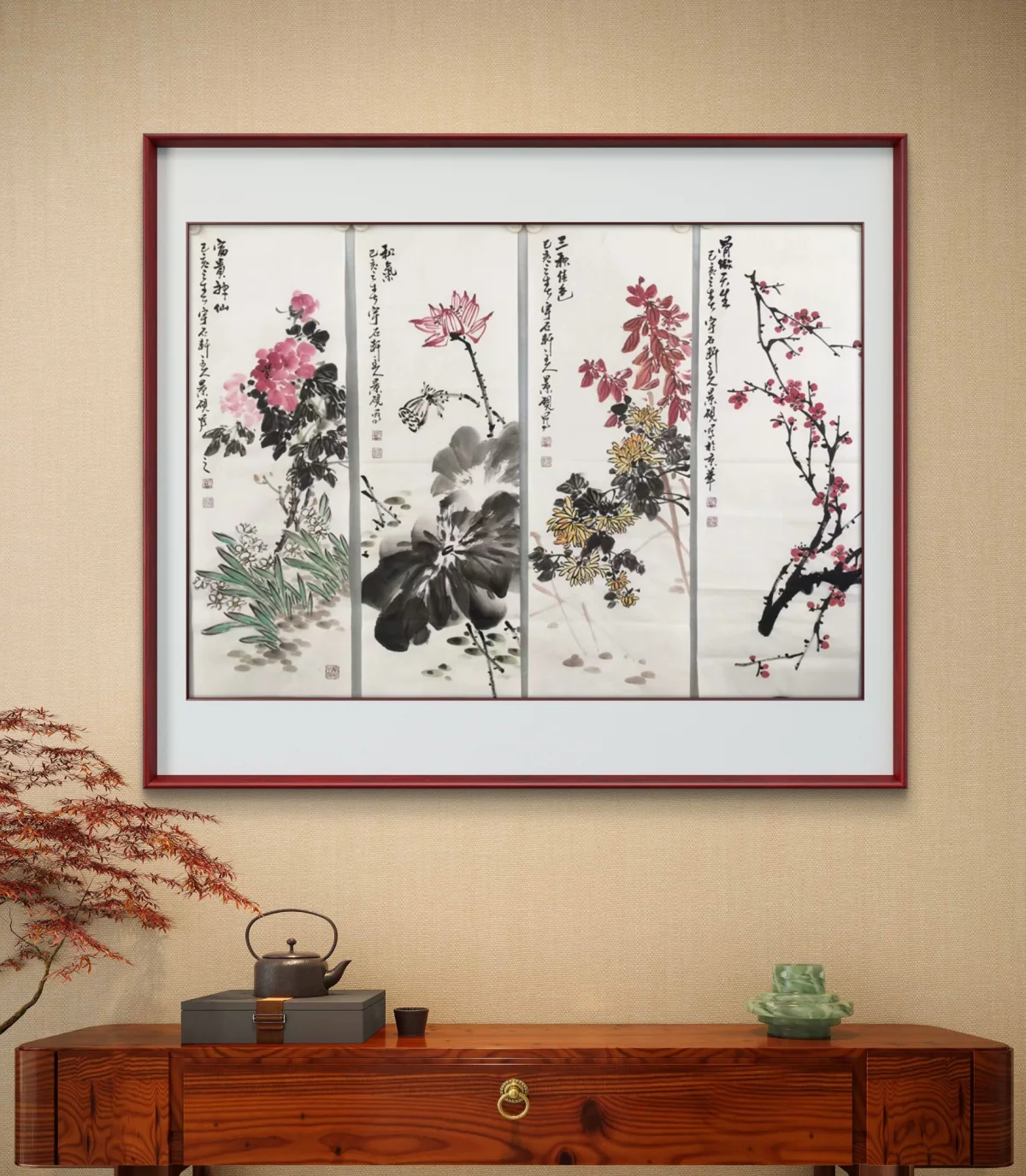
Wu Jingyan Chinese Freehand Painting・Four‑Panel Flower‑and‑Bird Screens(花鸟四条屏)
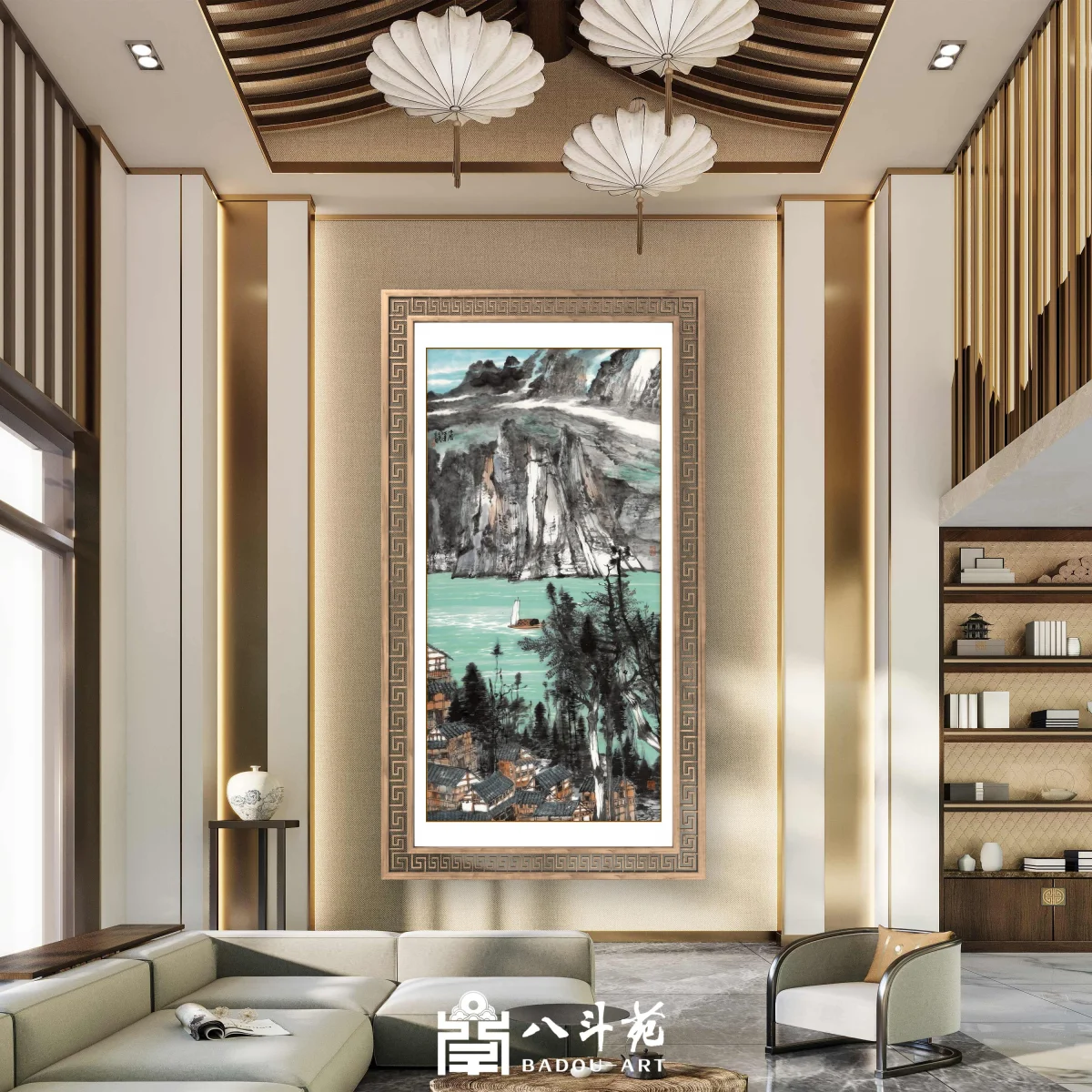
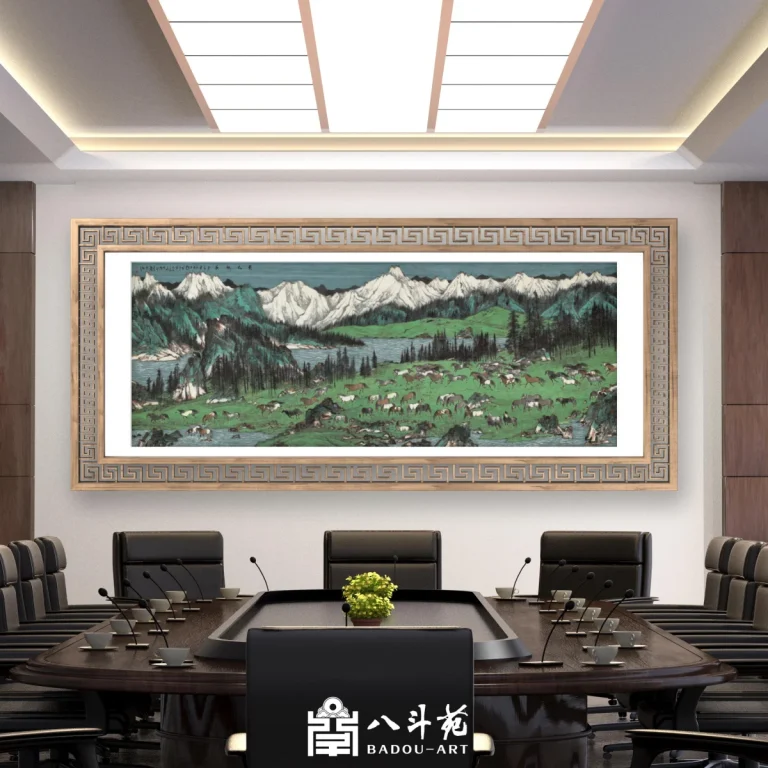
Liu Liyong Landscape Painting | Riverside Mountain Hamlet (山居江远)
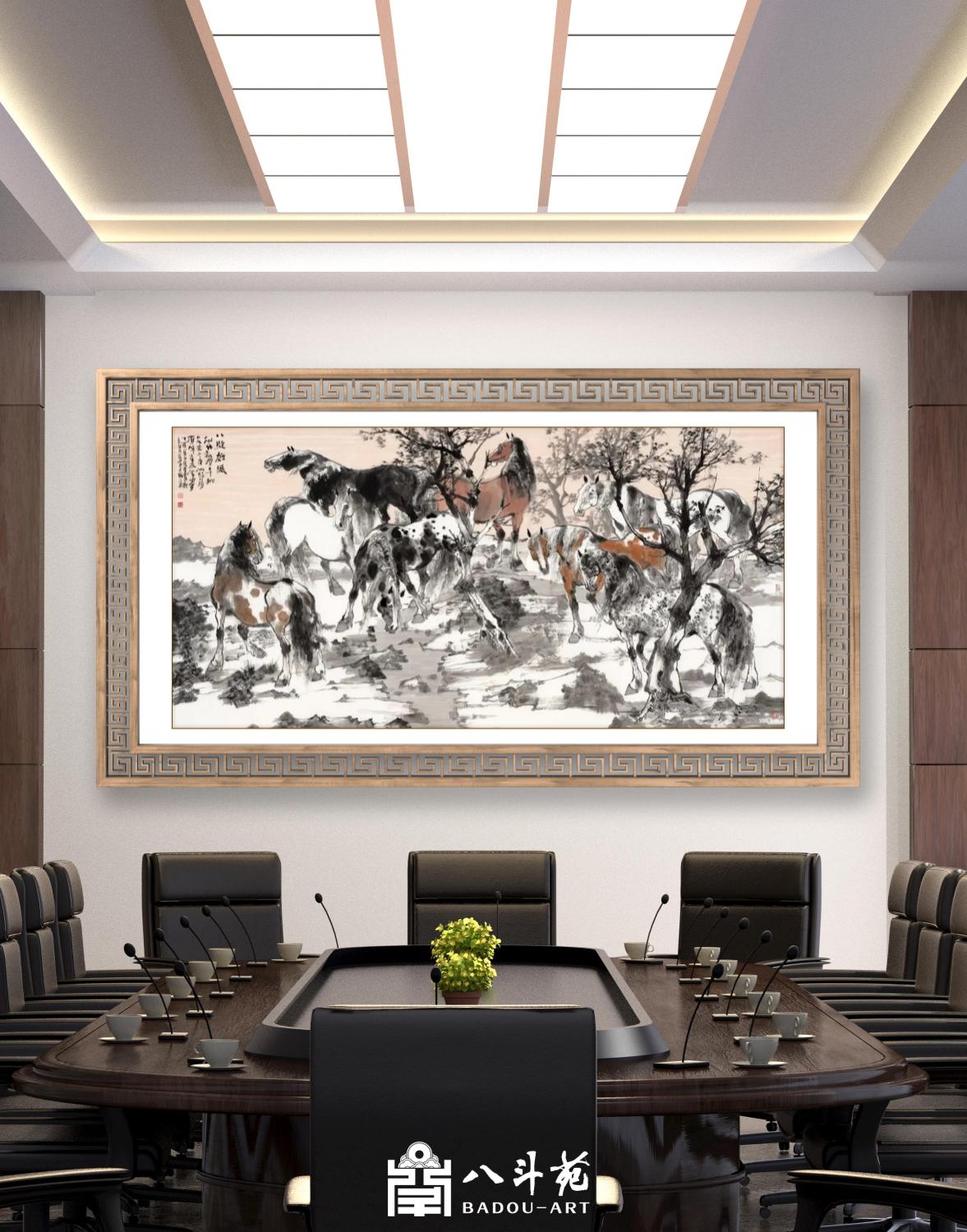
Liu Liyong Animal Painting | Eight Steeds (八骏图)
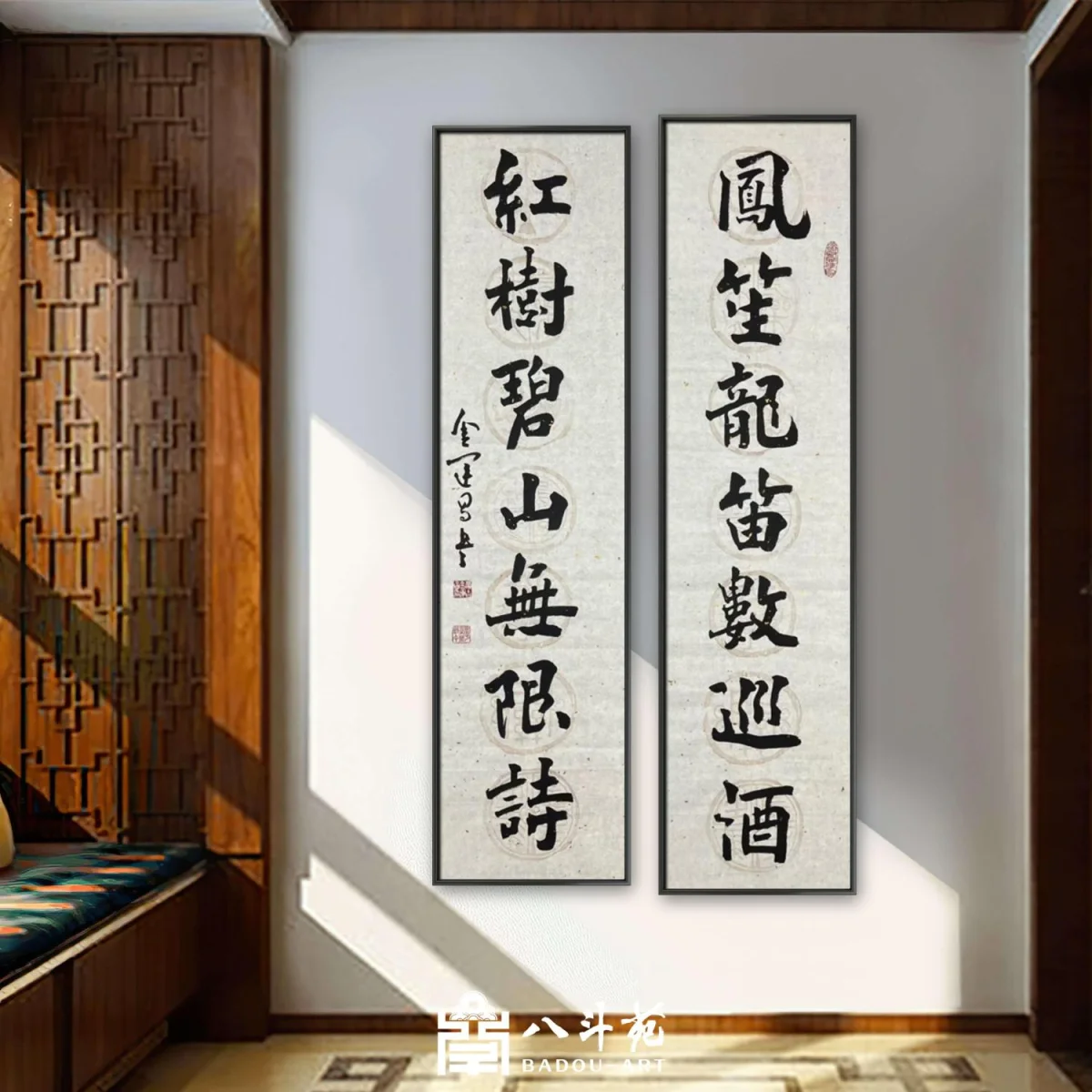
Jin Yunchang Calligraphy | 鳳笙龍笛數巡酒
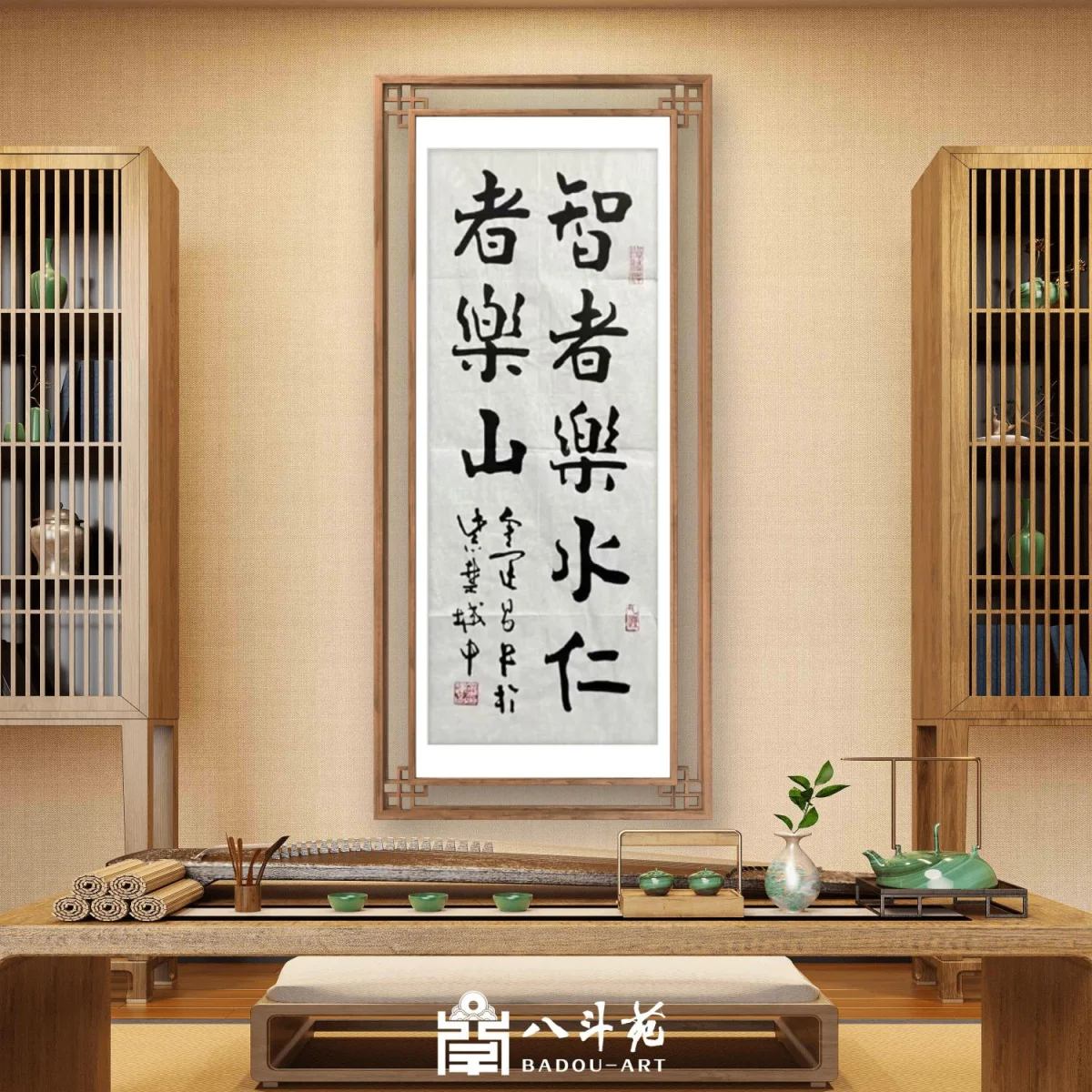
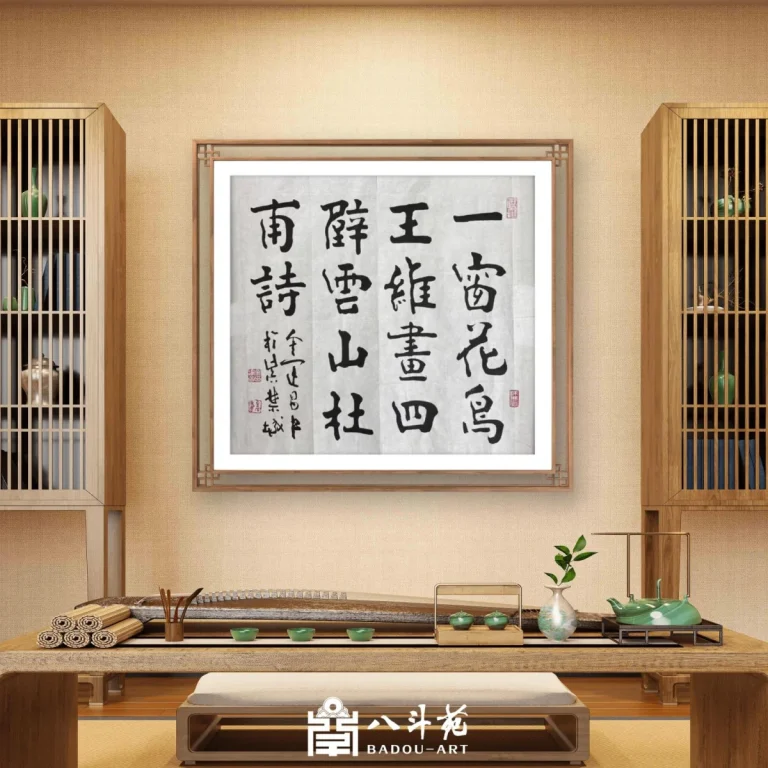
Jin Yunchang Calligraphy | 智者樂水仁者樂山
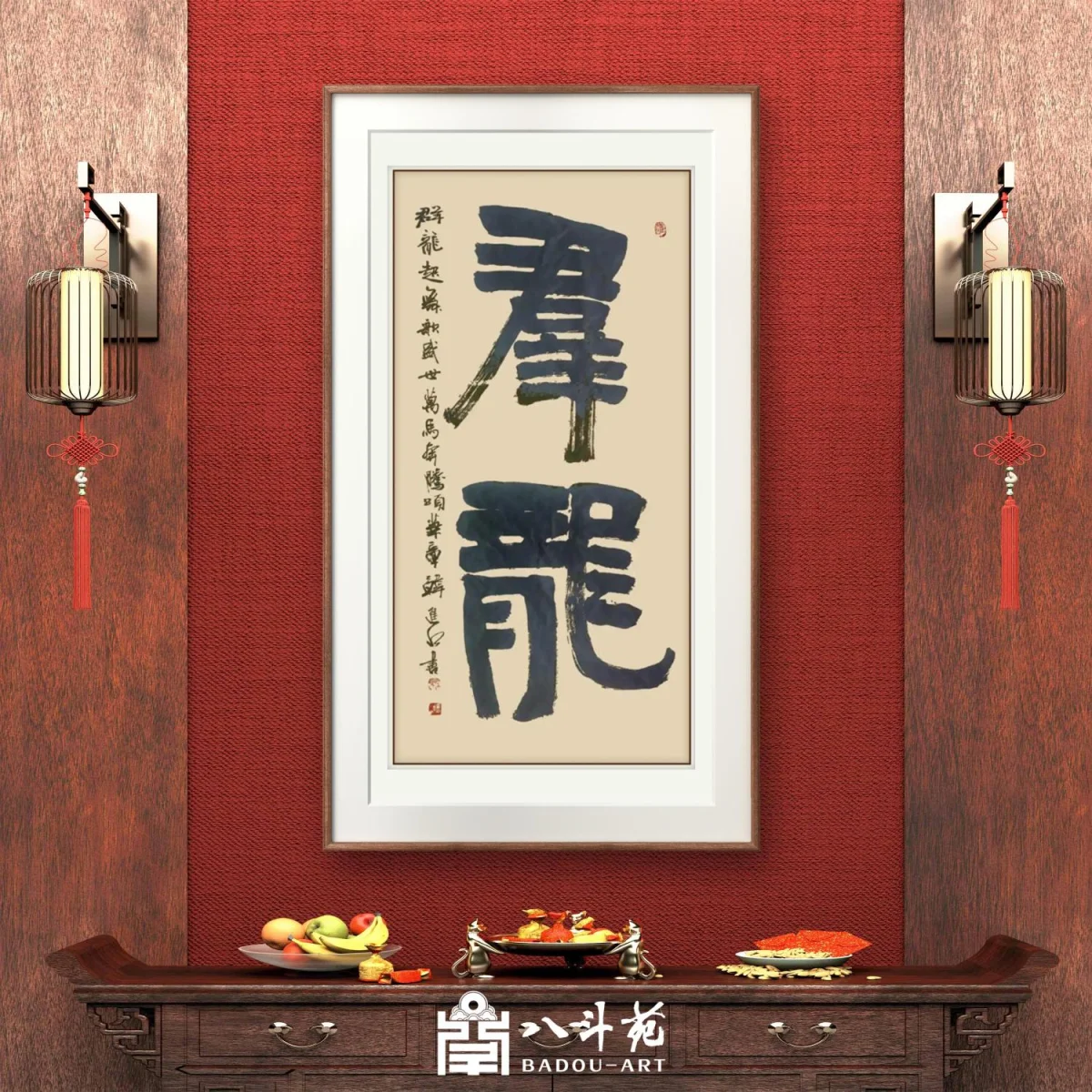
Han Jinshui Calligraphy | 羣龍 (A Group of Dragons)
8 Tips to Preserve Chinese Calligraphy and Paintings
8 Tips to Preserve Chinese Calligraphy and Paintings
Many collectors love their scrolls and paintings — yet damage them slowly without knowing it: moth holes, mildew from dampness, brittle paper from years of hanging. With a little care, fine works can live for generations. These eight practical habits cover mounting, storage, hanging, and repair.
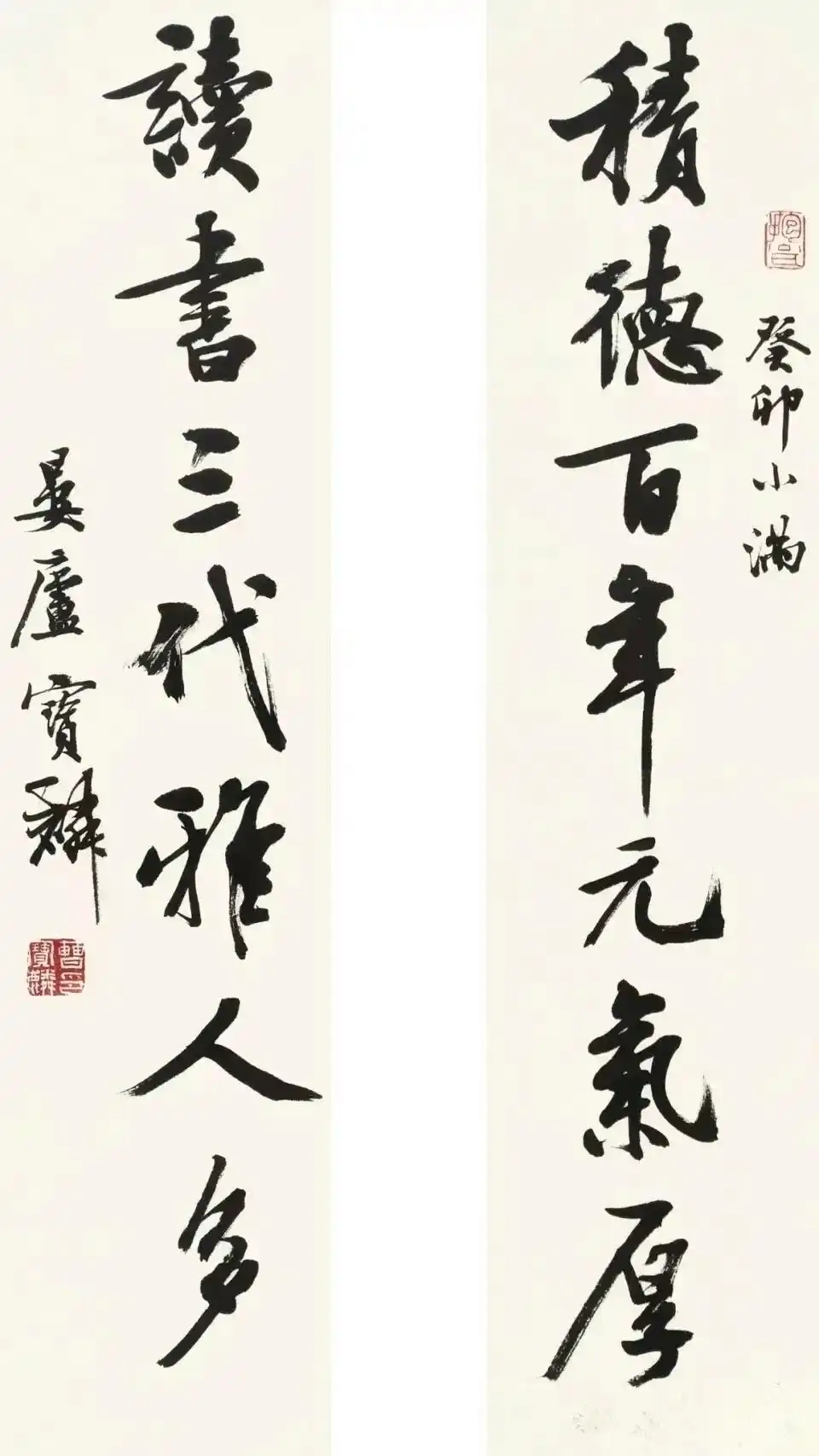
1. Mounted or Unmounted?
Unmounted works — a painting or piece of calligraphy before it has been mounted on a backing — are easier to store in quantity and, kept properly, can stay in better condition than mounted pieces for a few decades. But for true longevity, a properly mounted scroll is more durable. Even stored well, unmounted works should not be kept beyond about fifty years.
2. Mount Fragile Papers Early
Some works should be mounted without delay: those on brittle bamboo paper, very thin cotton paper, or heavily sized silk. These supports tear and crack easily and will not survive long-term storage.
3. Avoid “Temporary” Mounting for Storage
Mounting a work and then rolling it away for years is a common mistake. Once mounted, the sheet gains thickness and stiffness; repeated unrolling creates creases and roughness, shortens its life, and makes later professional mounting harder.
4. Storing Mounted Scrolls
Mounted scrolls need protective packaging: wooden, brocade, or paper boxes for precious pieces; cloth or sealed plastic bags — or at minimum a wrapping of newspaper — for the rest. Store them flat in a cabinet, never upright, and never tightly bundled or piled. Whatever the packaging, guard against damp, heat, drafts, dust, pressure, insects, and rodents.
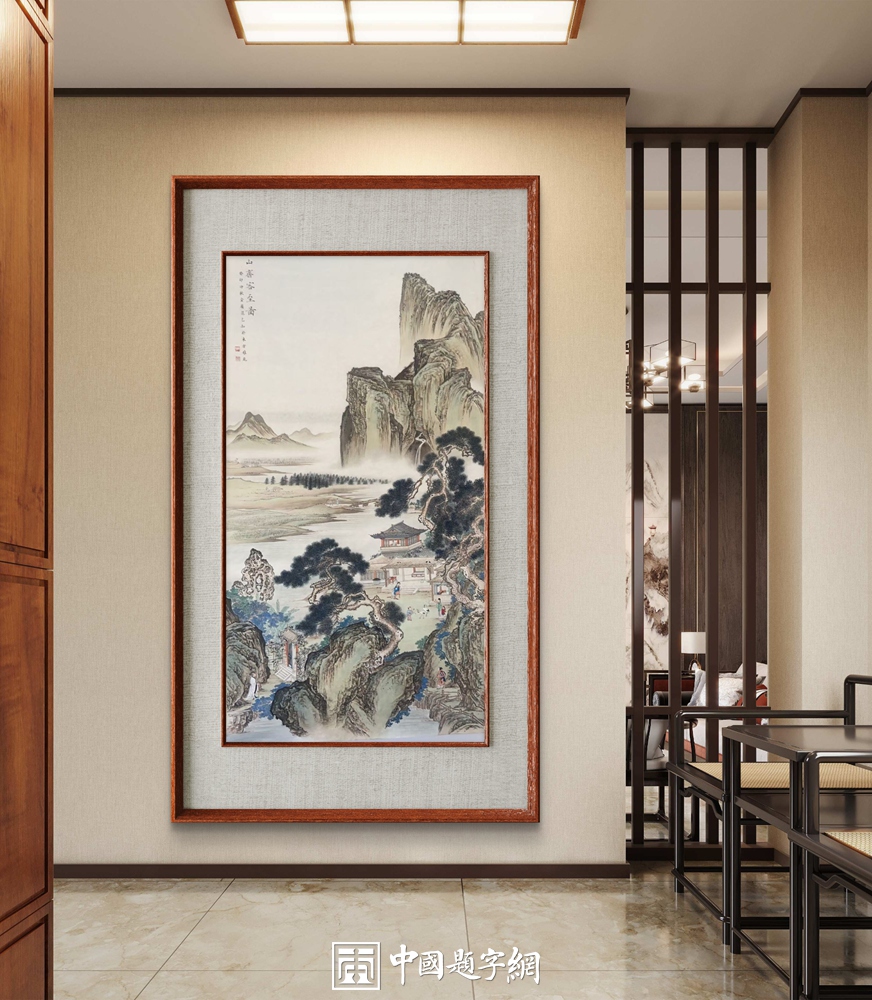
5. Storing Unmounted Works
Unmounted sheets are best kept in one of two ways. Rolled storage: divide the works into bundles of about twenty similar sizes, place a sheet of rice paper under each work, roll each bundle around a newspaper core, wrap in newspaper, and lay in a painting box. Flat storage: stack works on a board, each cushioned by rice paper — larger sheets at the bottom — cover with newspaper and plastic sheeting, with no heavy weights on top. Never fold unmounted works; creases quickly become cracks or dark lines.
6. Rotate What You Hang
A scroll should not hang year-round. Damp summer air and winter heating both accelerate aging. The Song dynasty master Mi Fu advised that works should be “rolled and unrolled from time to time” and kept near human hands; experienced collectors rotate their scrolls in and out of storage for exactly this reason.
7. The Pros and Cons of Framing
Framing under glass is convenient — it saves wall space, protects against dust and smoke, and lets you display unmounted works without mounting. But never hang framed pieces on a damp wall, and remember that framing is a short-term solution: for preservation across generations, a work should eventually be mounted as a proper scroll.
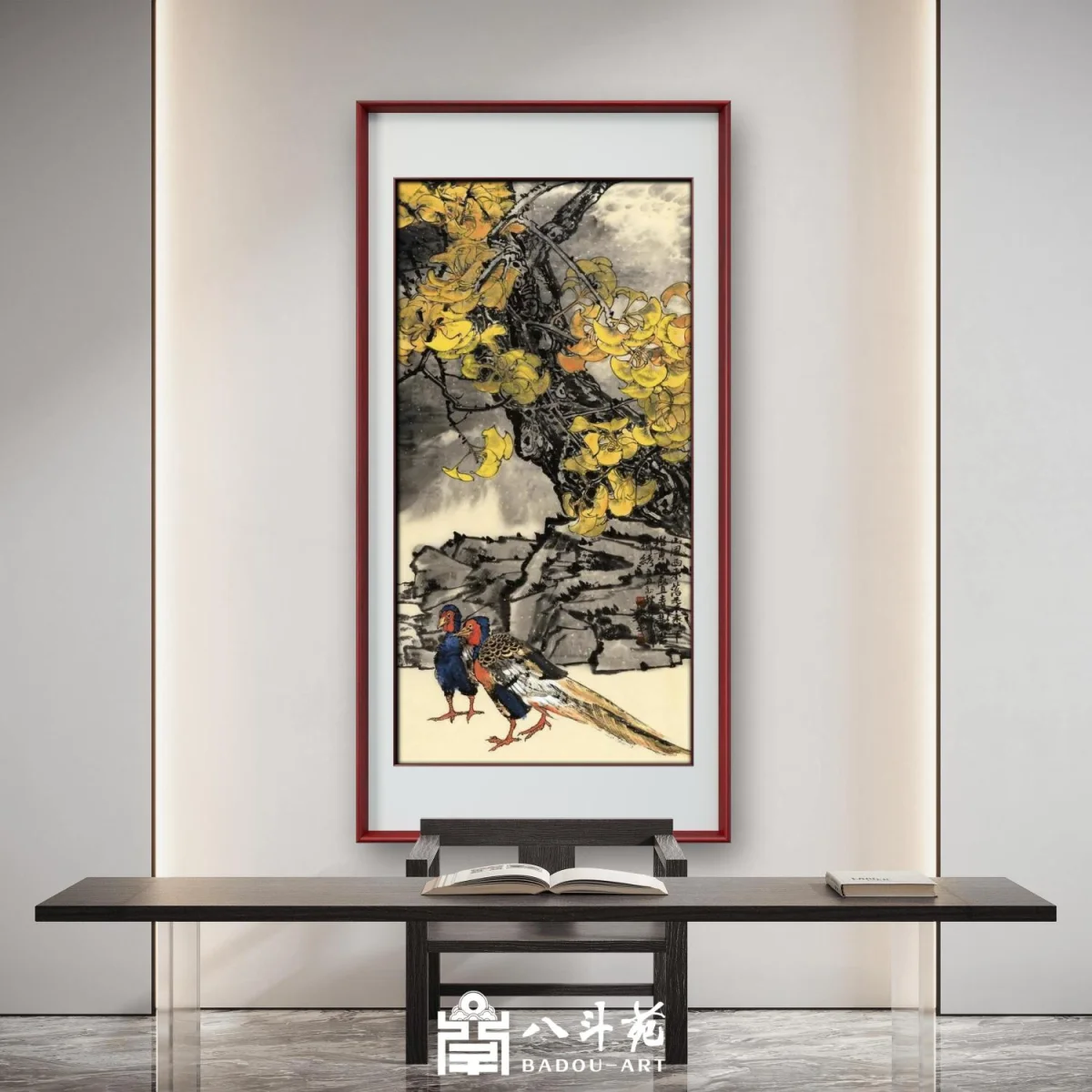
8. Remount Before It’s Too Late
If the old mounting is coming loose, or the work is torn, creased, stained, mildewed, or attacked by insects, have it remounted and restored promptly by a professional mounter. Delay can turn a repairable treasure into a total loss.
With these habits, your collection will stay as vivid in fifty years as it is today. And when you commission a new work, ask about mounting — Badou Art’s specialists are happy to advise on the best presentation and care for your piece.
Source: https://www.cntizi.com/3243.html
Classic Chinese Poems for Home Calligraphy Decor
You May Also Like
Gathered masters, custom-made for you
BadouArt connects you to Oriental ink art, adding artistic charm to your life. Subscribe to get the latest collection tips and artist news.
Type a few things below to search
Out of a total of 113 products: