Our Featured Collection
Hand‑picked premium works for you
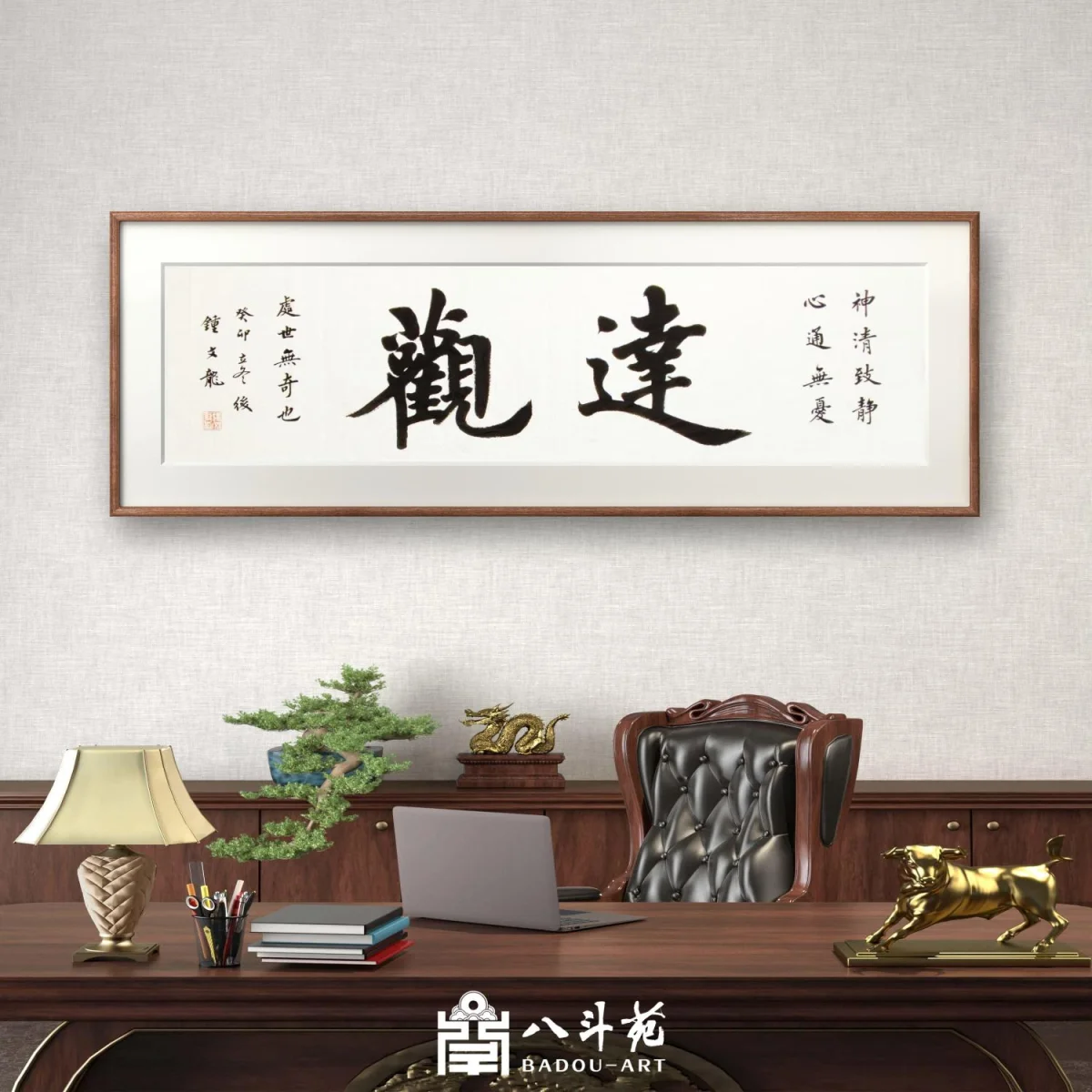
Zhong Wenlong Calligraphy | 达观

Zhong Wenlong Calligraphy | 壽
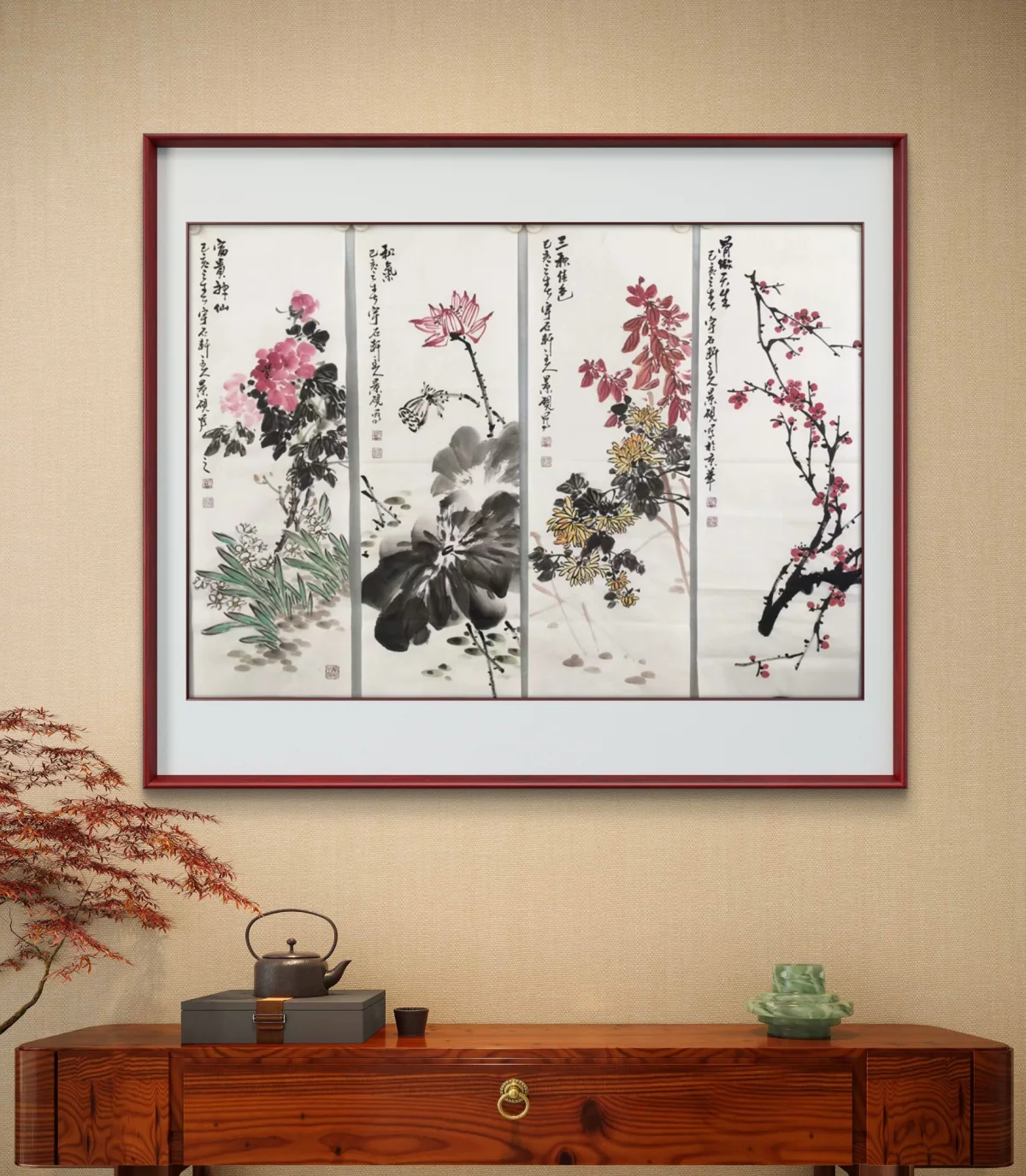
Wu Jingyan Chinese Freehand Painting・Four‑Panel Flower‑and‑Bird Screens(花鸟四条屏)
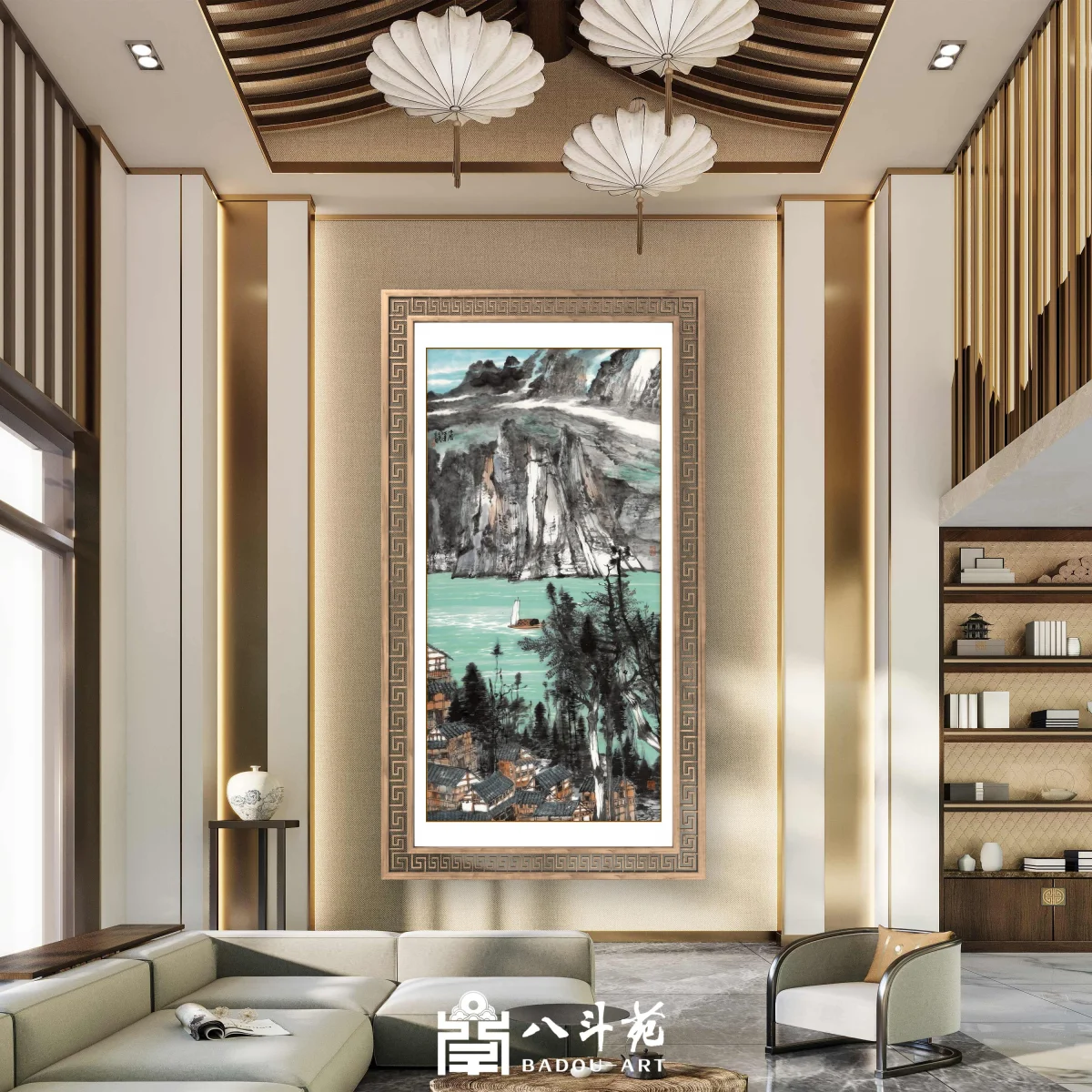
Liu Liyong Landscape Painting | Riverside Mountain Hamlet (山居江远)
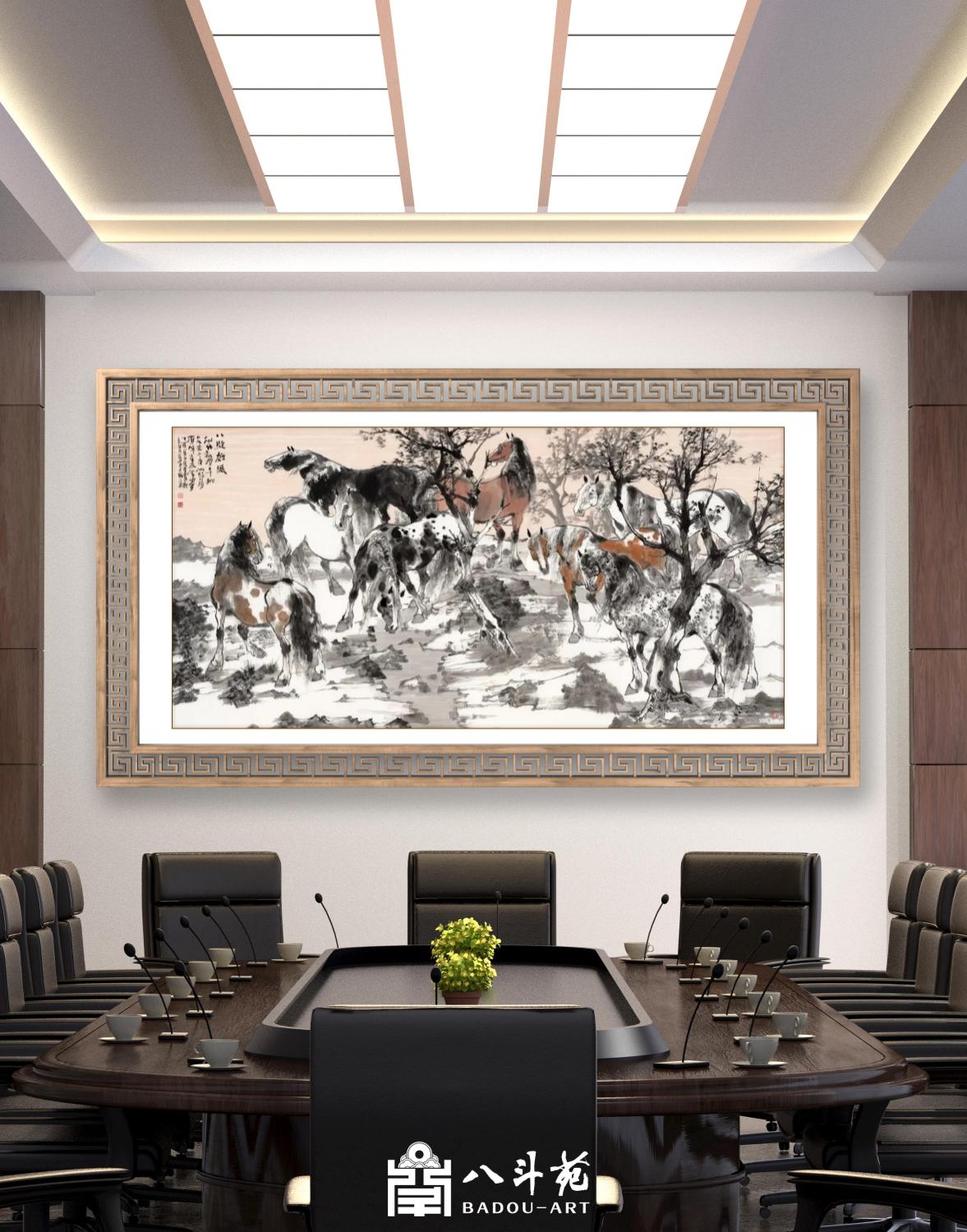
Liu Liyong Animal Painting | Eight Steeds (八骏图)
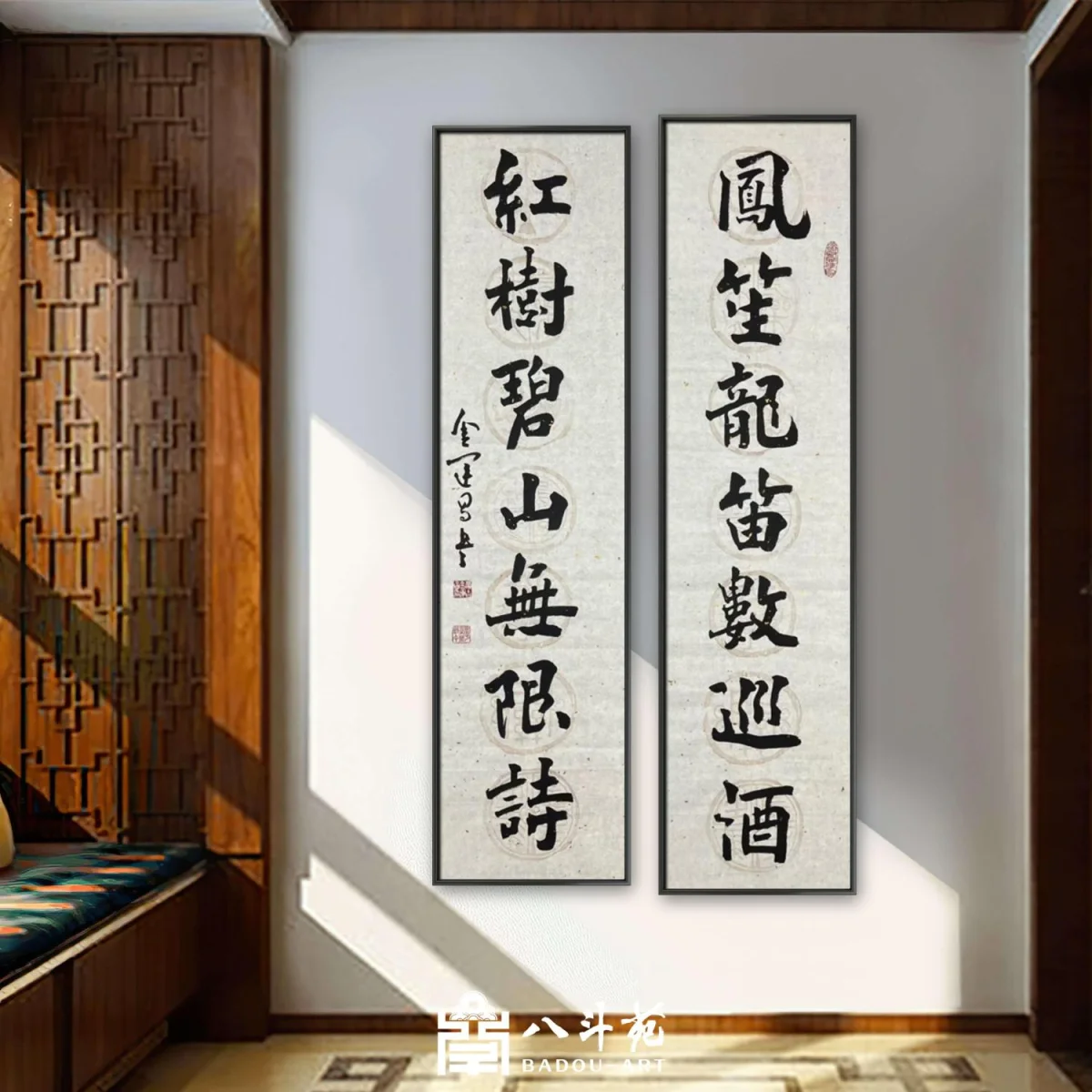
Jin Yunchang Calligraphy | 鳳笙龍笛數巡酒
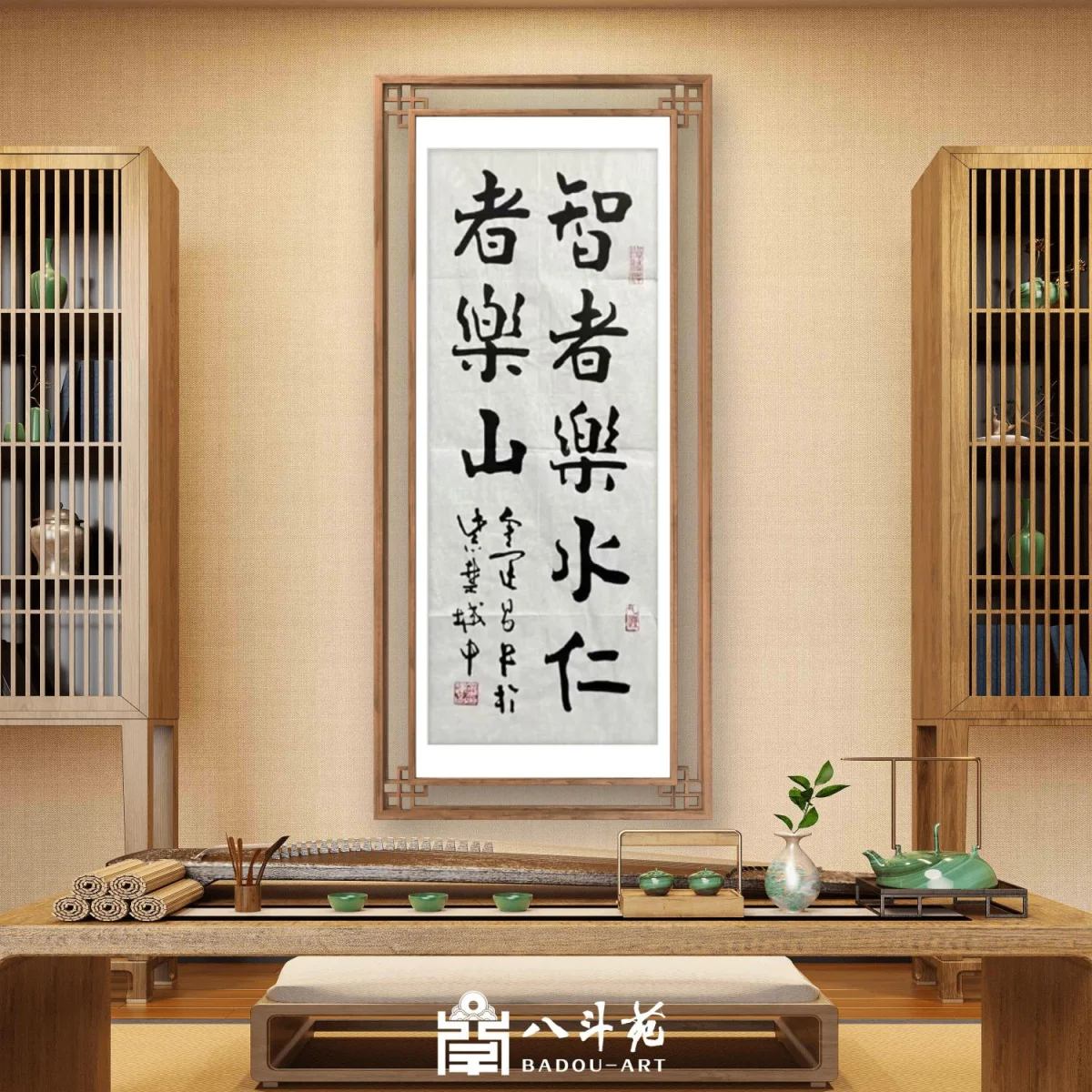
Jin Yunchang Calligraphy | 智者樂水仁者樂山
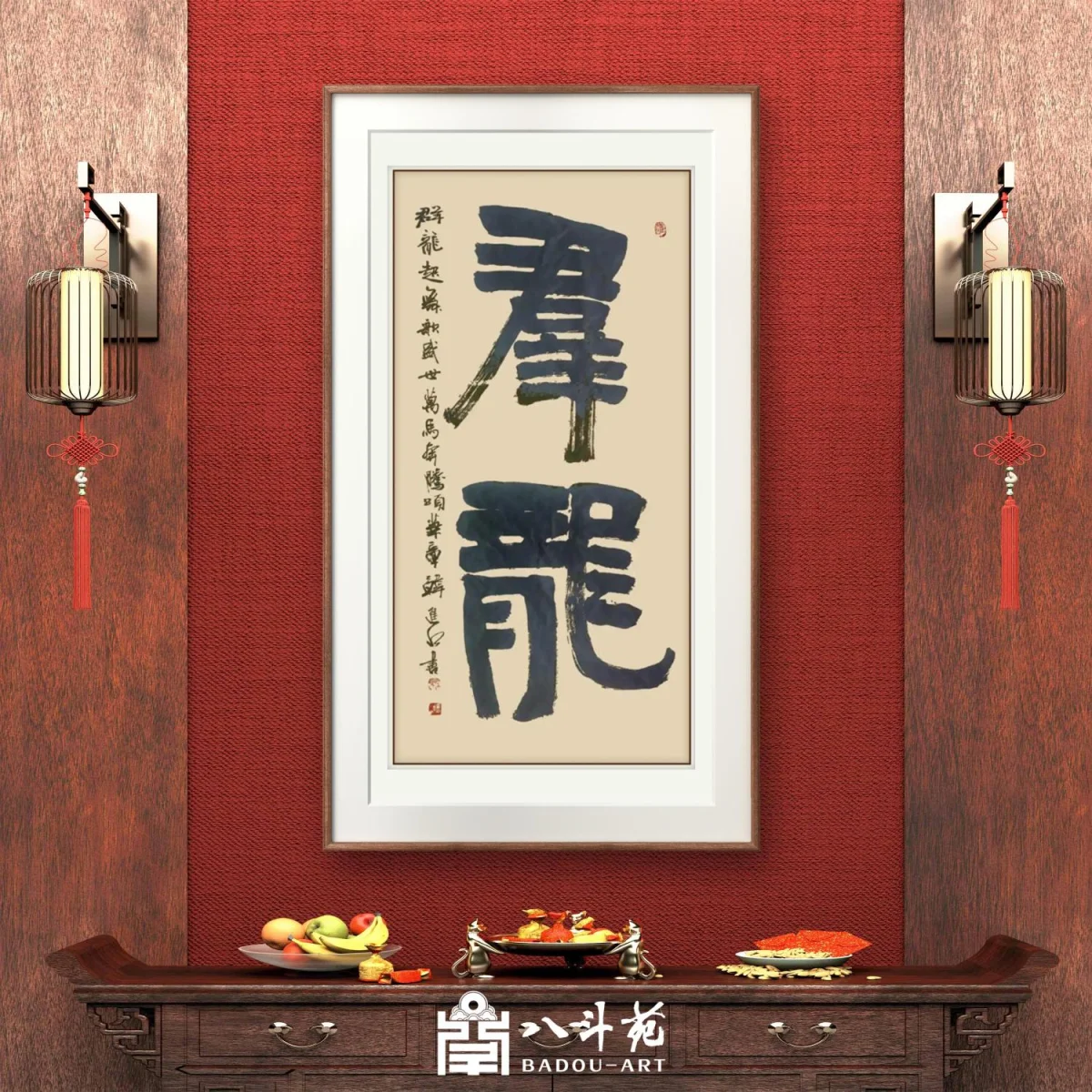
Han Jinshui Calligraphy | 羣龍 (A Group of Dragons)
9 Essential Rules for Collecting Chinese Calligraphy and Art
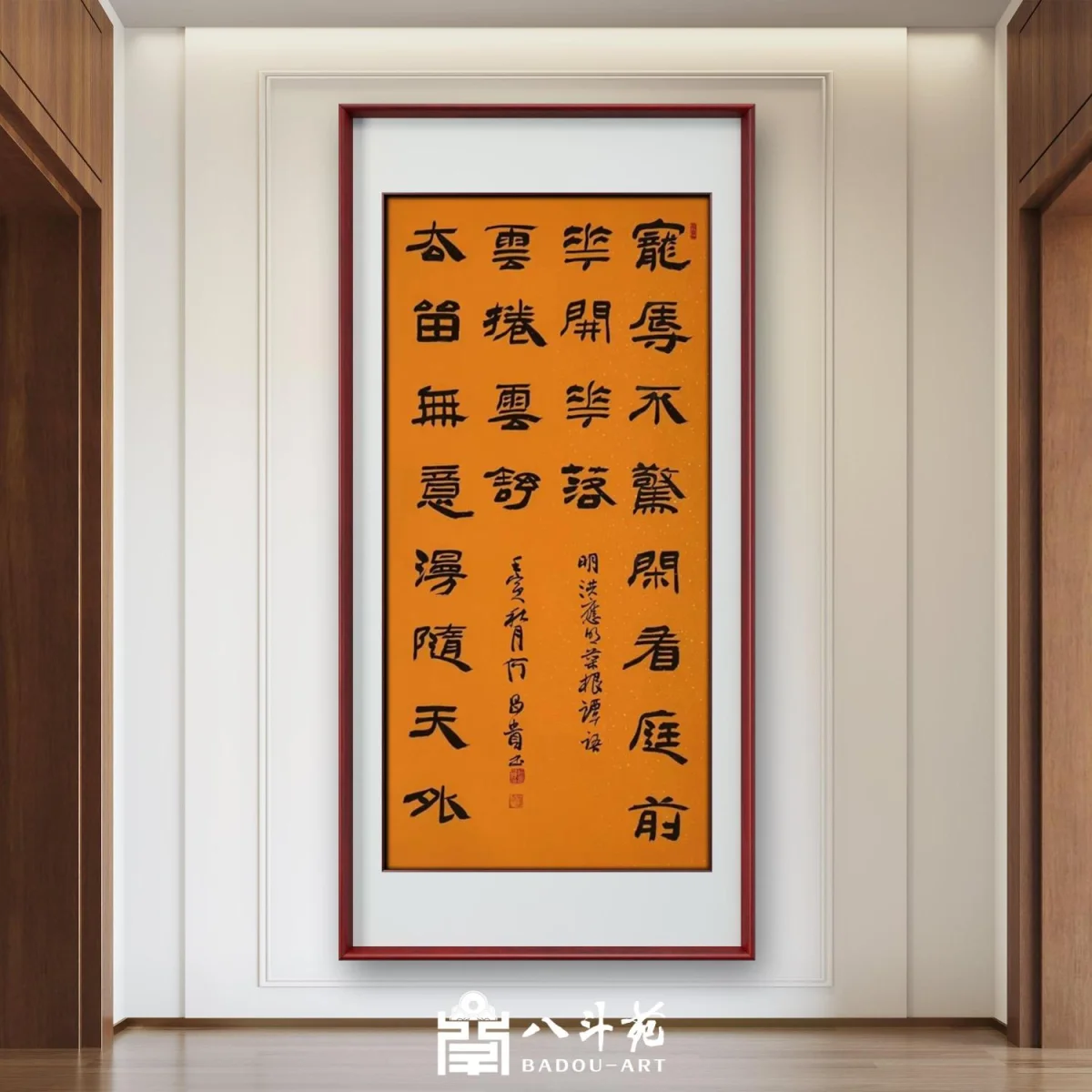
9 Essential Rules for Collecting Chinese Calligraphy and Art
Collecting Chinese calligraphy and painting is an art in itself — part study, part patience, part judgment. These nine rules, distilled from decades of collector experience, will help you build a collection with confidence and avoid the mistakes that empty wallets and break hearts.
1. Cultivate the Right Mindset
Temperament comes first. Buy when the moment is right, sell without sentiment, and never panic. Collecting is a long-term discipline: don’t grow arrogant over a good purchase, don’t despair over a fake. Keep learning, keep building experience, and the pleasure — like the value — compounds.
2. Don’t Blindly Chase Old Masters
Ancient and early-modern masterworks carry prices most collectors cannot sustain. They are also the most copied works in the field; beginners who buy them “cheap” usually buy forgeries. Contemporary artists of real merit offer fair prices and genuine quality — a far wiser starting point.
3. Don’t Follow the Crowd
After real estate and stocks, art has become a popular investment — which means hype, media buzz, and fads. A collector needs independent judgment. If you buy because everyone else is buying, you will likely be the last one holding when the fashion passes.
4. Learn From Artists and Exhibitions
Visit galleries and museums, read about painters, and study exhibitions — most are free. Talk to artists when you can. Understanding brushwork, style, and a painter’s visual language is what separates a collector from a gambler.
5. Consider an Art Advisor
A good advisor defines your direction, selects artists, verifies authenticity, and judges quality and price. Choose someone with proven success — neither an armchair theorist nor a short-sighted trader.
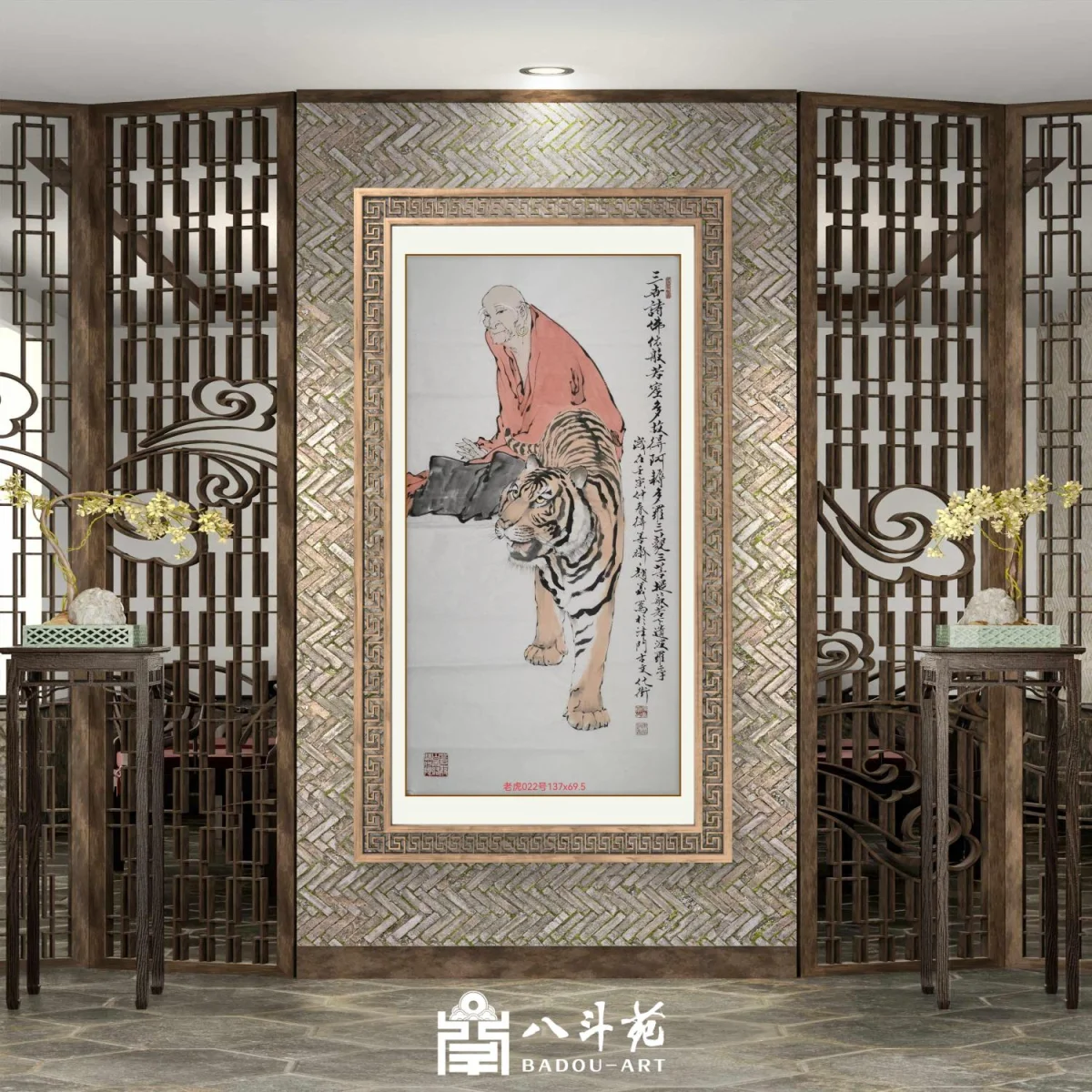
6. Make a Collecting Plan
Collect within your means. Decide whether you are buying for the short, medium, or long term, track how specific artists’ prices move over time, and set your budget before you enter a gallery or an auction room.
7. Spot Artists With Real Potential
Emerging artists are the collector’s hunting ground: fewer fakes, lower prices, and the chance to buy their finest works at the ground floor. Look for solid brushwork, cultural depth, mastery of tradition, and a distinctive voice — the marks of a painter who may one day be a master.
8. Prefer a Damaged Masterpiece to a Perfect Mediocrity
Collectors have a saying: “better a broken jade than an intact tile.” A damaged work of high artistic value is worth more, and holds more promise, than a flawless work of no importance.
9. Buy Only Signature Works
Collect what an artist does best. Xu Beihong’s horses, Qi Baishi’s shrimp — each master has a specialty, the equivalent of a singer’s signature song. The artist’s finest, most carefully executed works in their strongest subjects will always outperform their casual, offhand pieces.
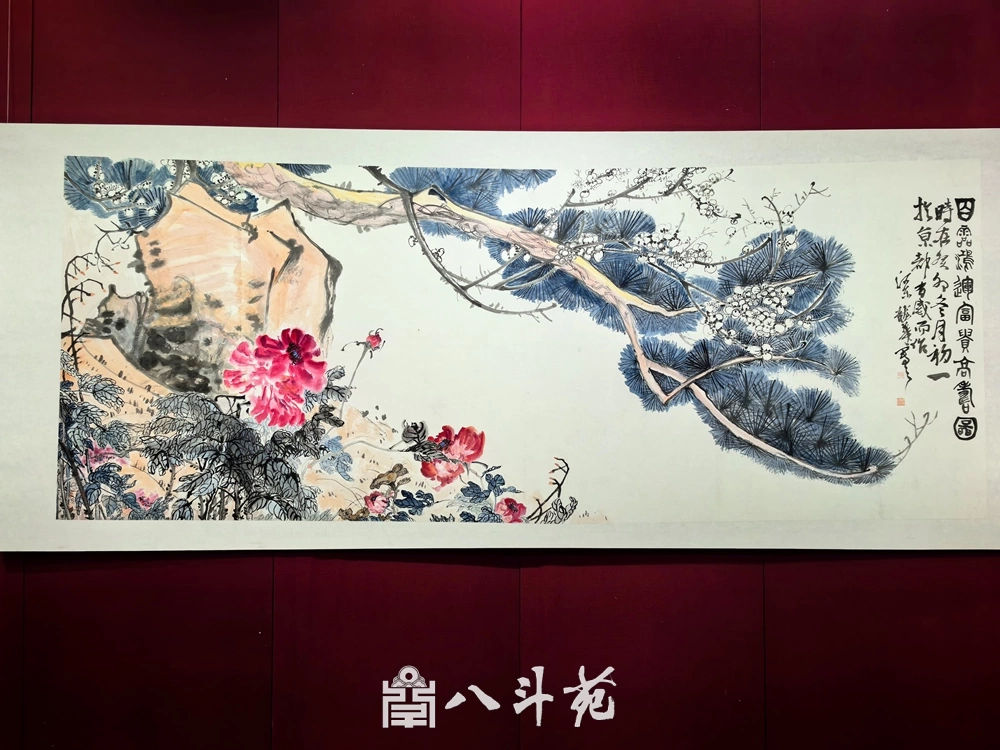
Follow these nine rules, and collecting becomes what it should be: a quiet study, a patient eye, and a growing conversation with art. If you are ready to begin — or to commission a work by a promising contemporary calligrapher or painter — Badou Art’s specialists are glad to guide you.
Source: https://www.cntizi.com/7565.html