Our Featured Collection
Hand‑picked premium works for you
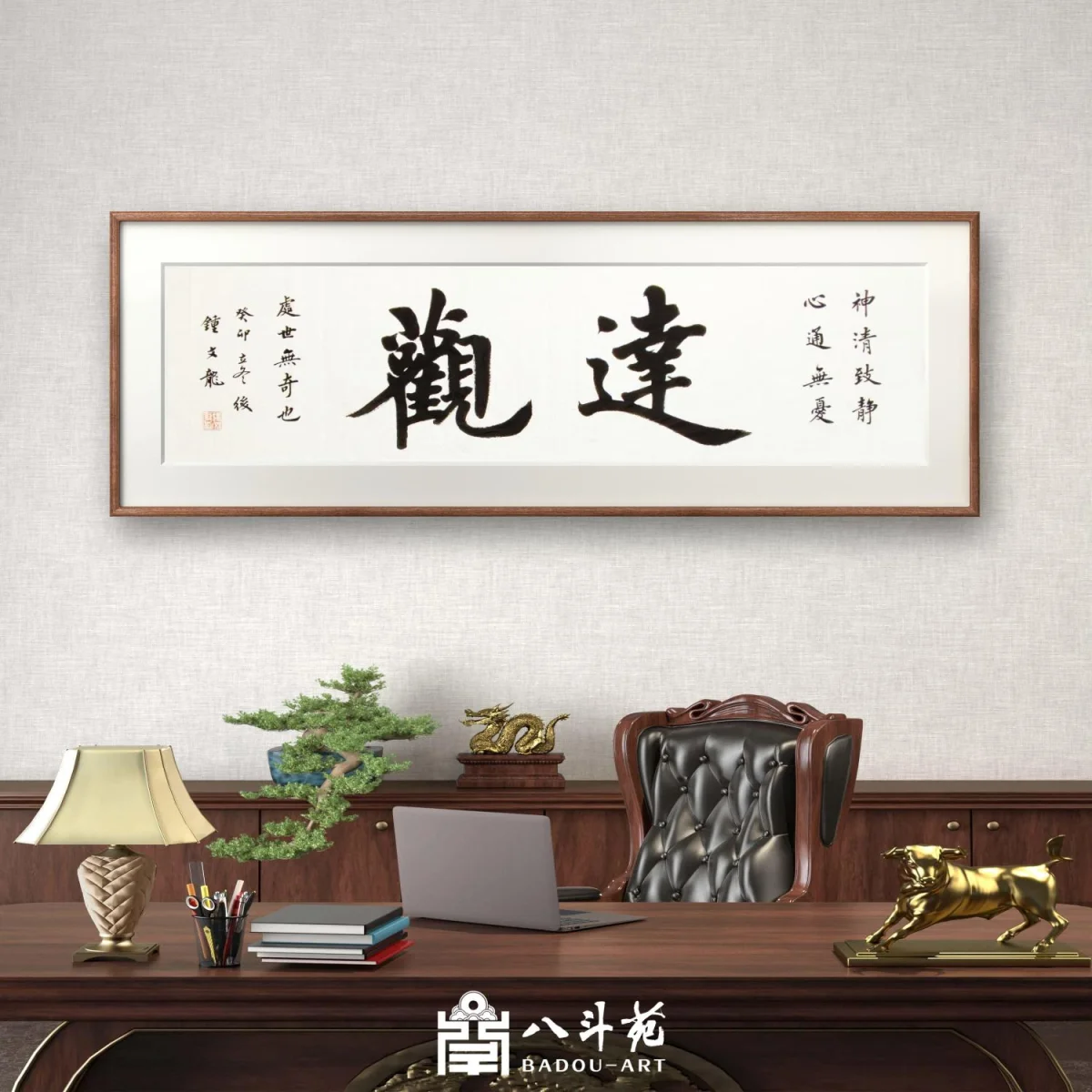
Zhong Wenlong Calligraphy | 达观
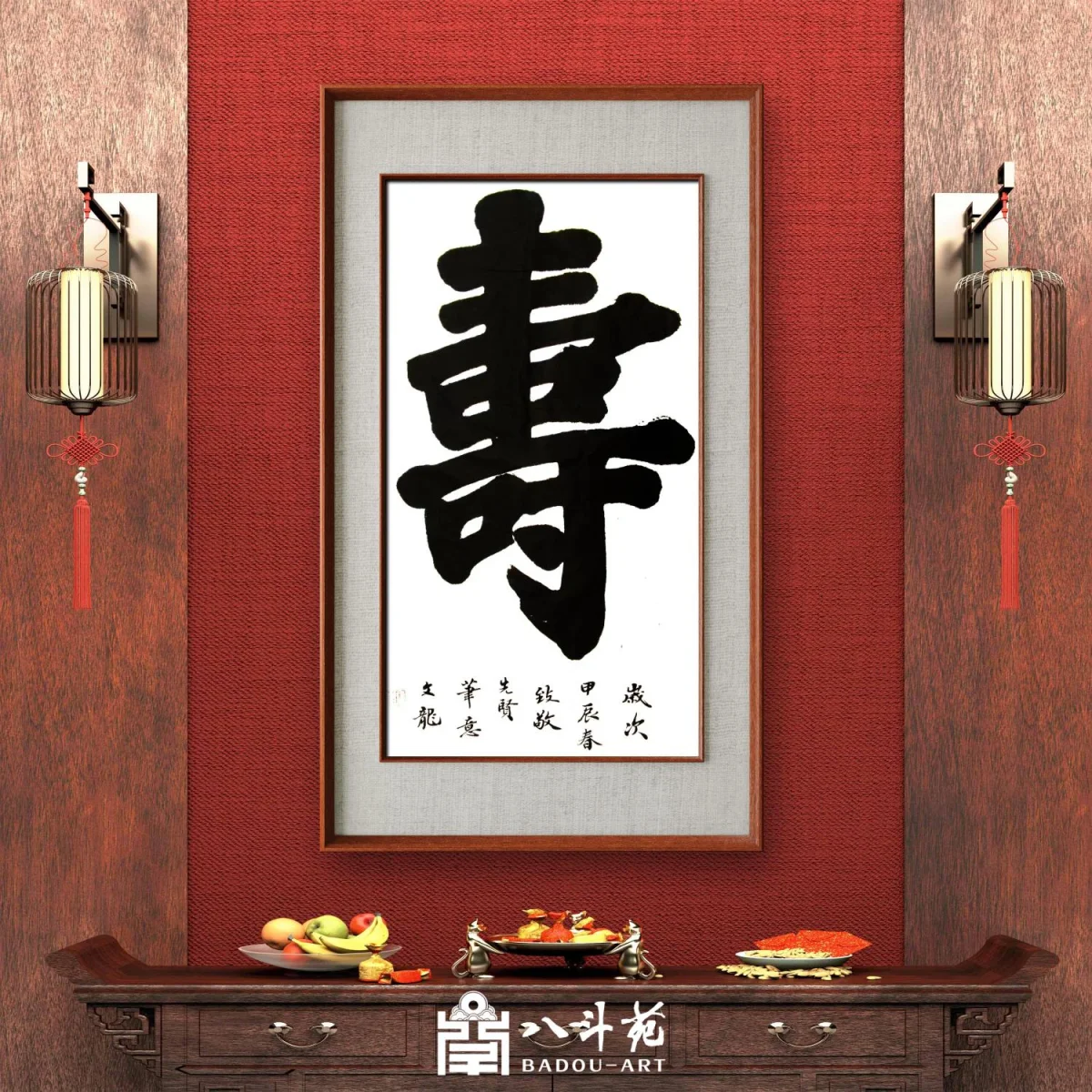
Zhong Wenlong Calligraphy | 壽
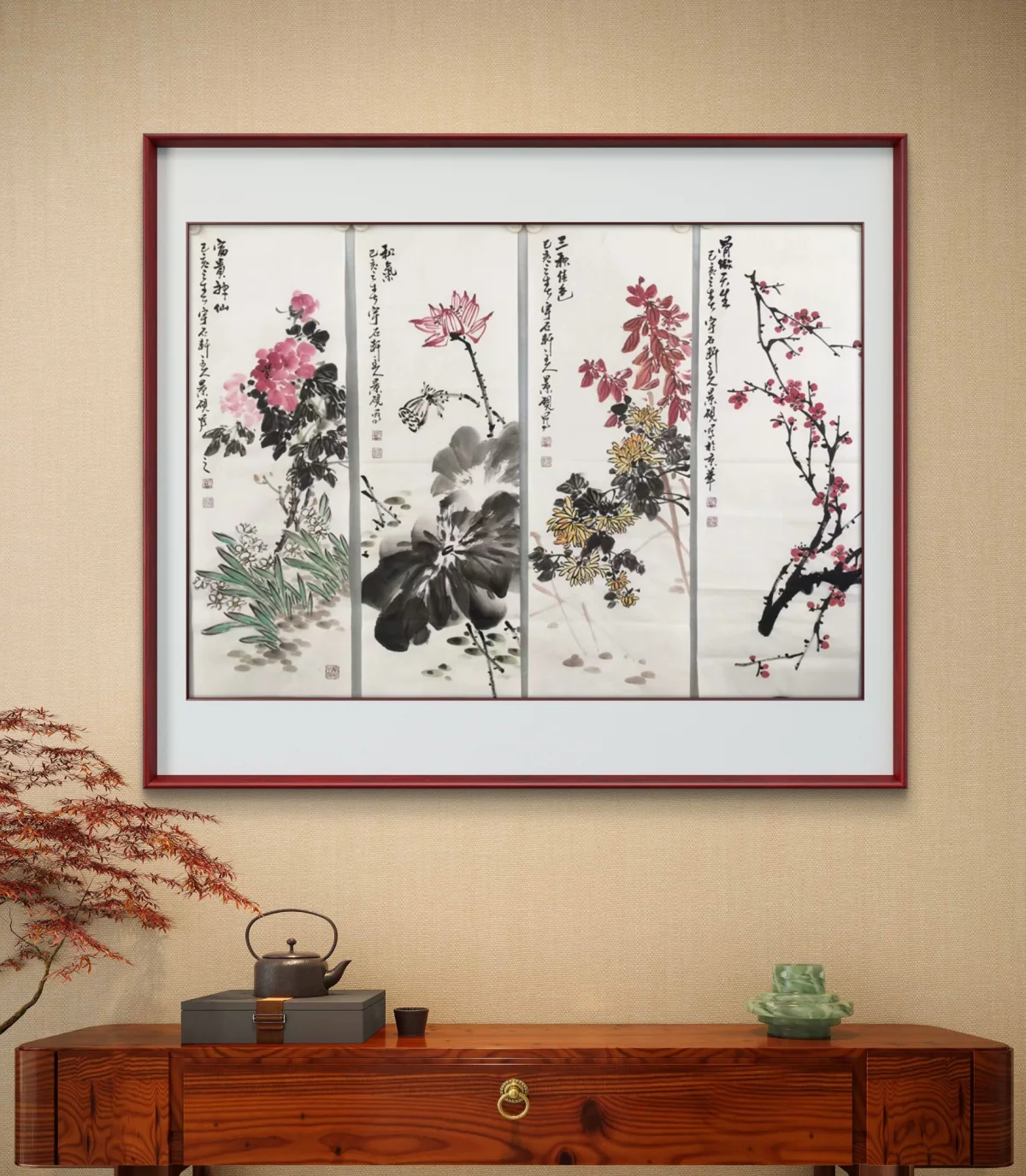
Wu Jingyan Chinese Freehand Painting・Four‑Panel Flower‑and‑Bird Screens(花鸟四条屏)
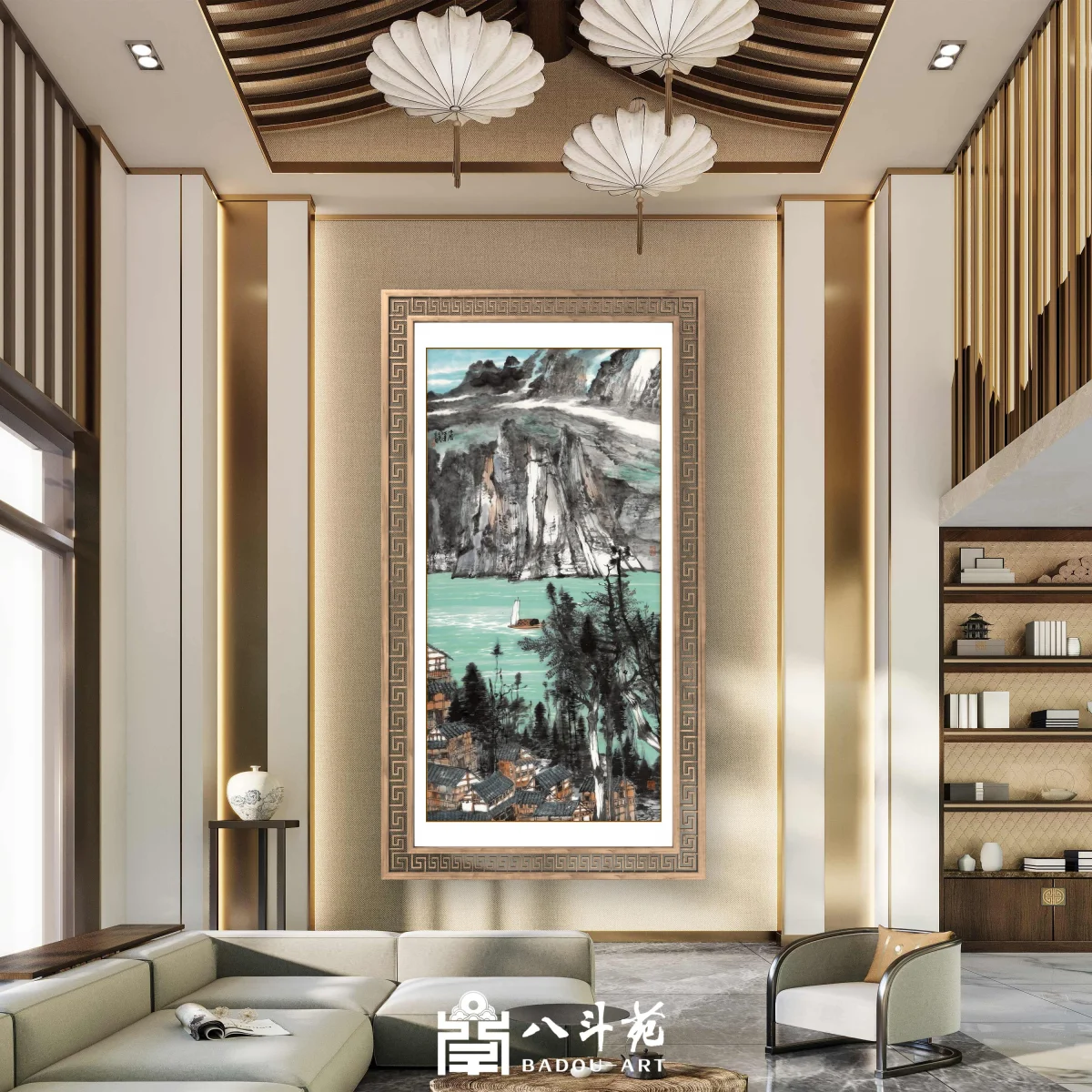
Liu Liyong Landscape Painting | Riverside Mountain Hamlet (山居江远)
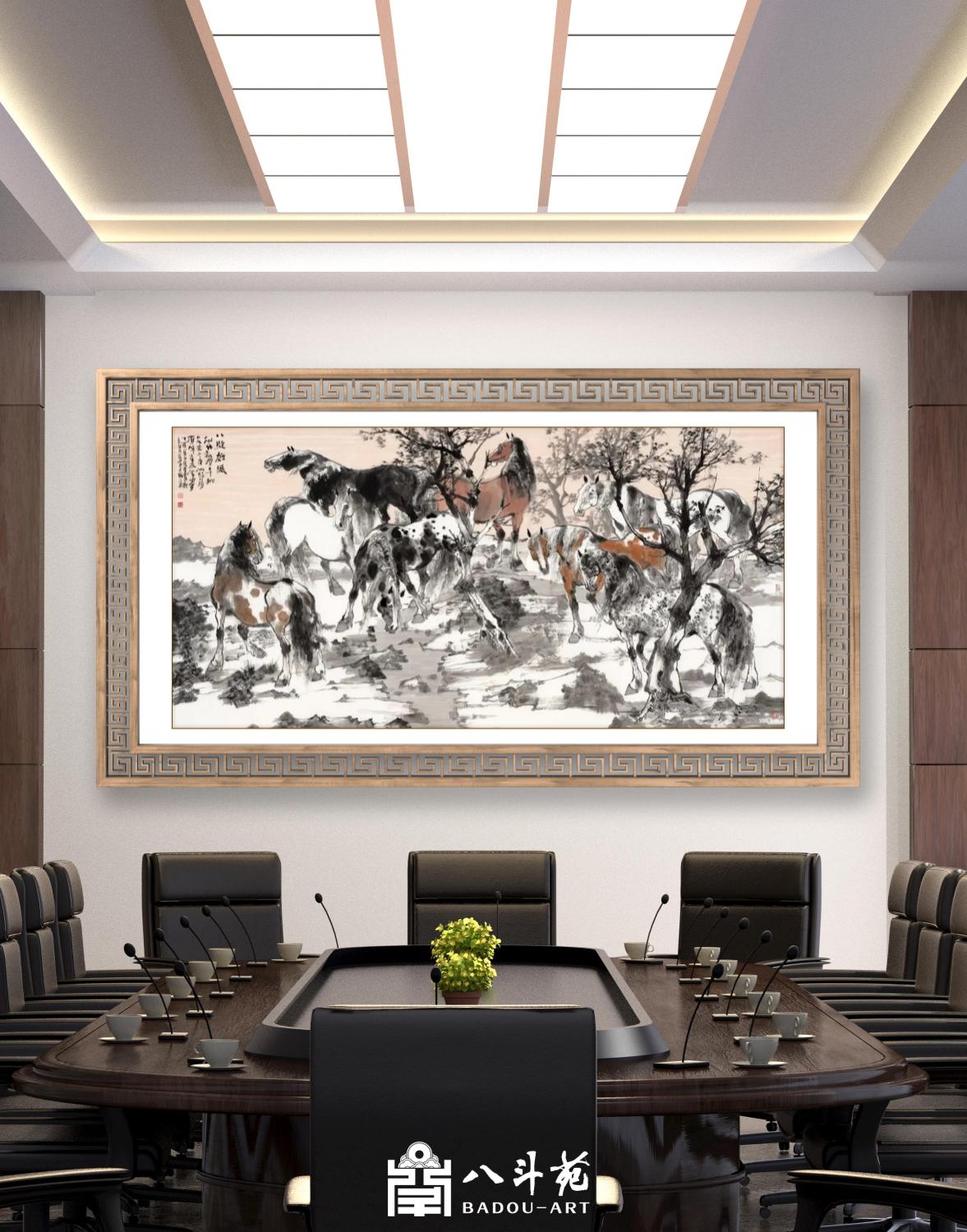
Liu Liyong Animal Painting | Eight Steeds (八骏图)
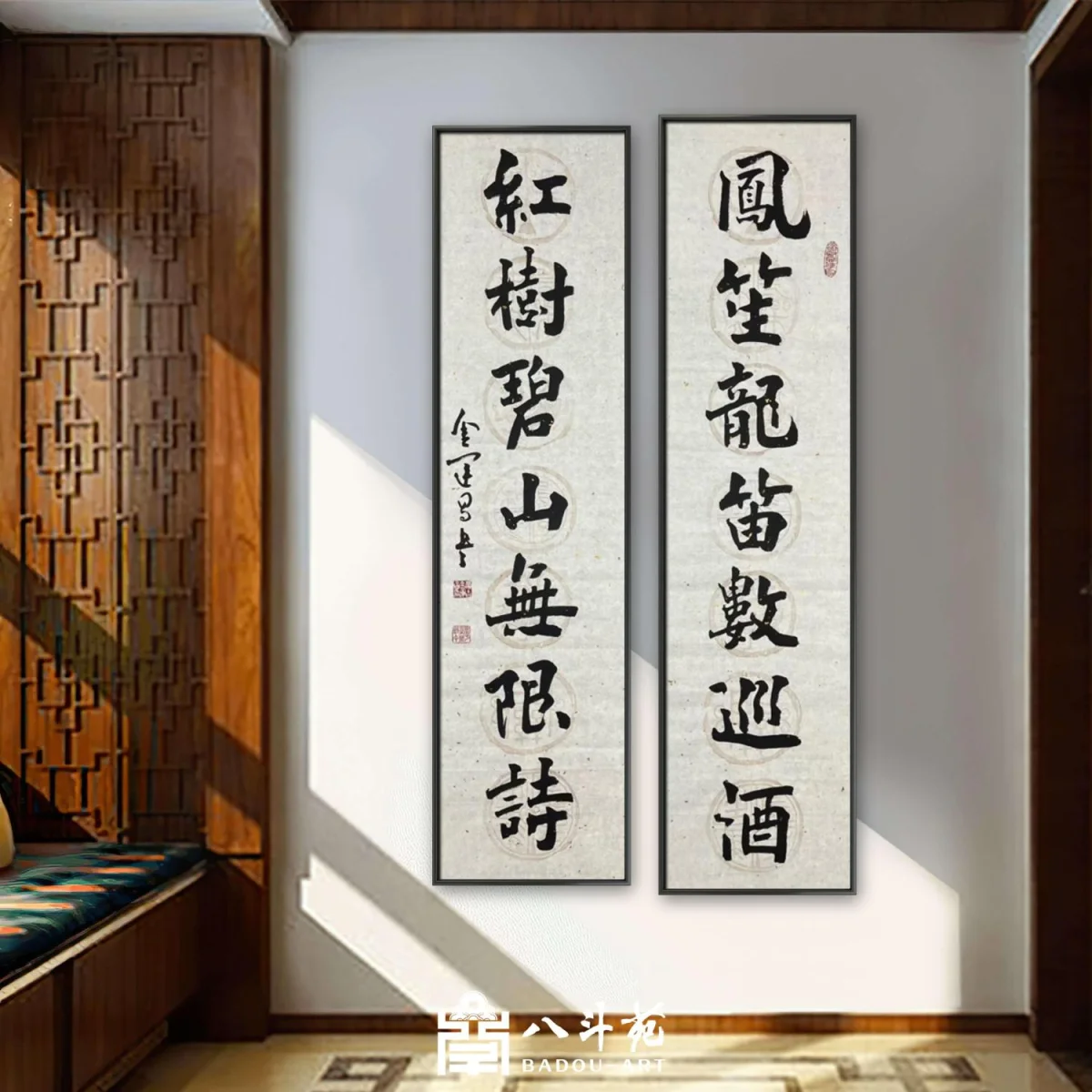
Jin Yunchang Calligraphy | 鳳笙龍笛數巡酒
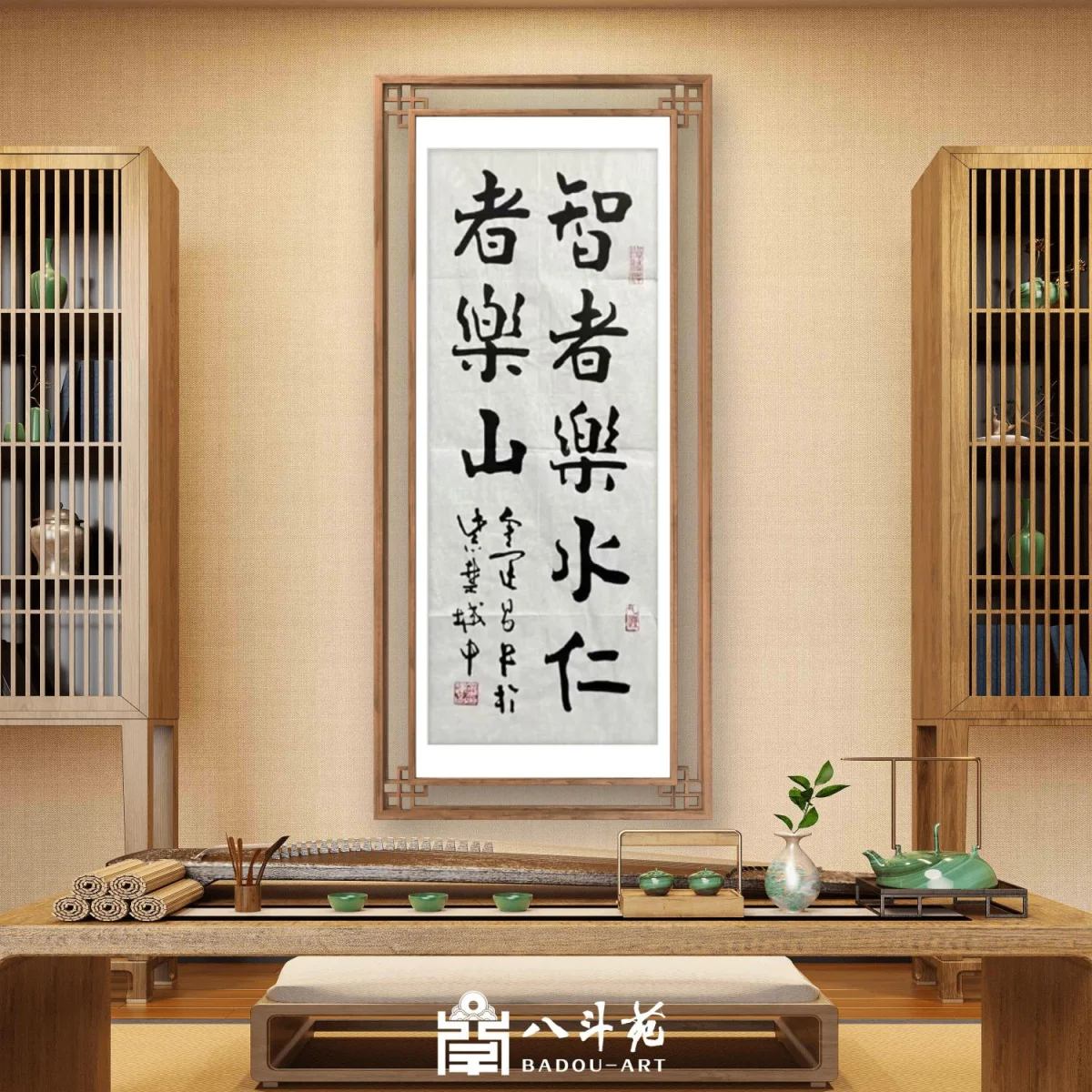
Jin Yunchang Calligraphy | 智者樂水仁者樂山
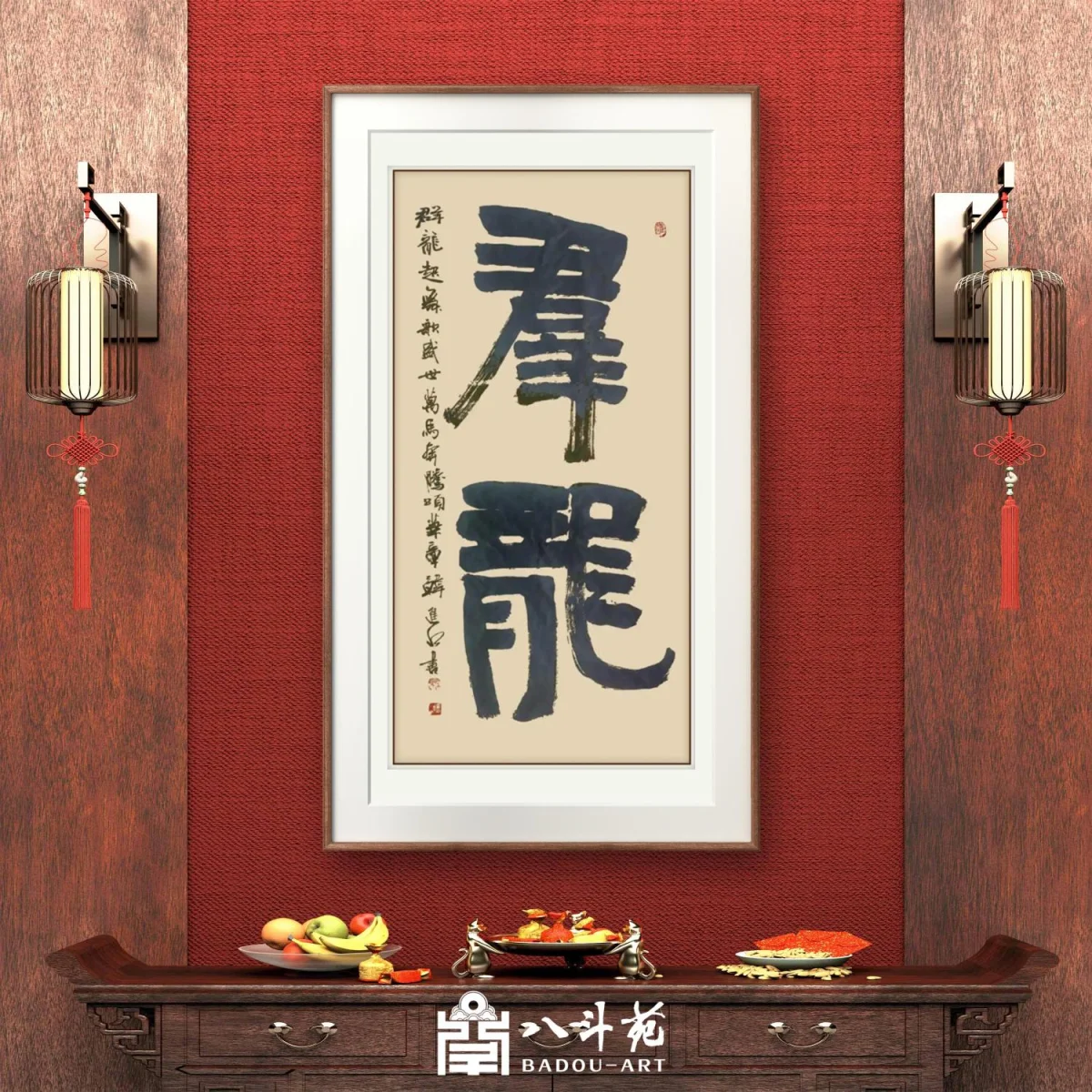
Han Jinshui Calligraphy | 羣龍 (A Group of Dragons)
“Mounting Calligraphy: When and How to Frame Artwork”
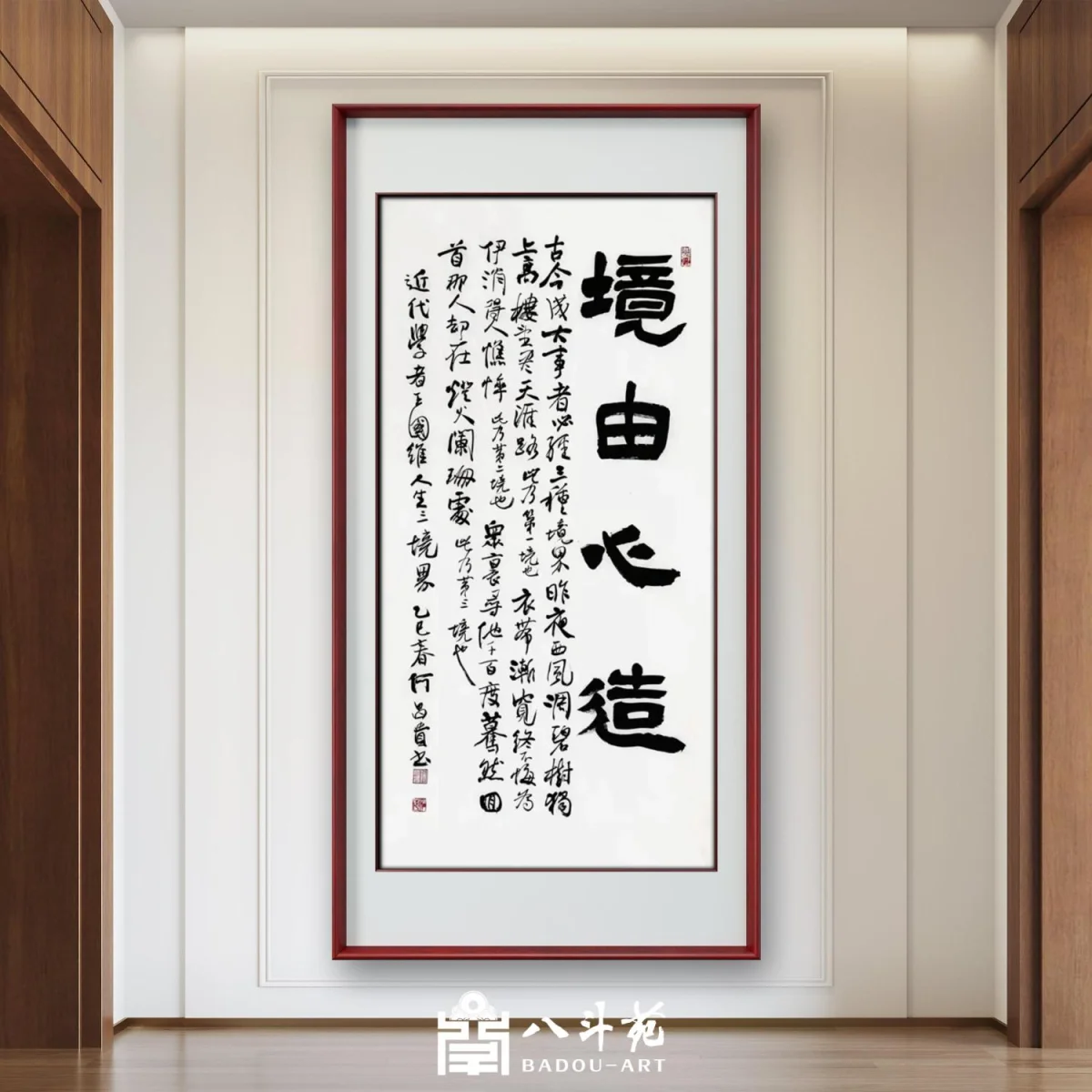
Mounting Calligraphy: When and How to Frame Artwork
Mounting — the traditional Chinese craft of backing and framing calligraphy and ink painting — affects how a work survives, displays, and sells. This guide from Badou Art’s specialists covers three scenarios: selling, personal display, and investment.
Scenario One: Selling — Keep the Original State
Professional buyers and institutions often prefer unmounted works:
- **Flexibility** — Collectors differ in framing taste — scroll or modern frame — and serious ones often have their own mounter. An unmounted work leaves the choice open.
- **Cost and pricing** — Hand mounting can cost 10–15 percent of a work’s value, reducing price competitiveness. A poorly matched style may force re-mounting, and each re-mounting thins the paper by about 0.05 mm — irreversible damage.
- **Authentication** — Experts can examine paper texture and ink penetration directly, making forgery detection easier; mounting can hide repairs or fakes, so important lots stay unmounted.
- **Storage and transport** — Unmounted works roll into compact cylinders, saving space and cutting shipping costs; framed pieces may need custom crates at three to five times the cost.
Best practice: “bare-store” the work — acid-free rice paper inside a moisture-proof tube, with materials notes and care instructions.
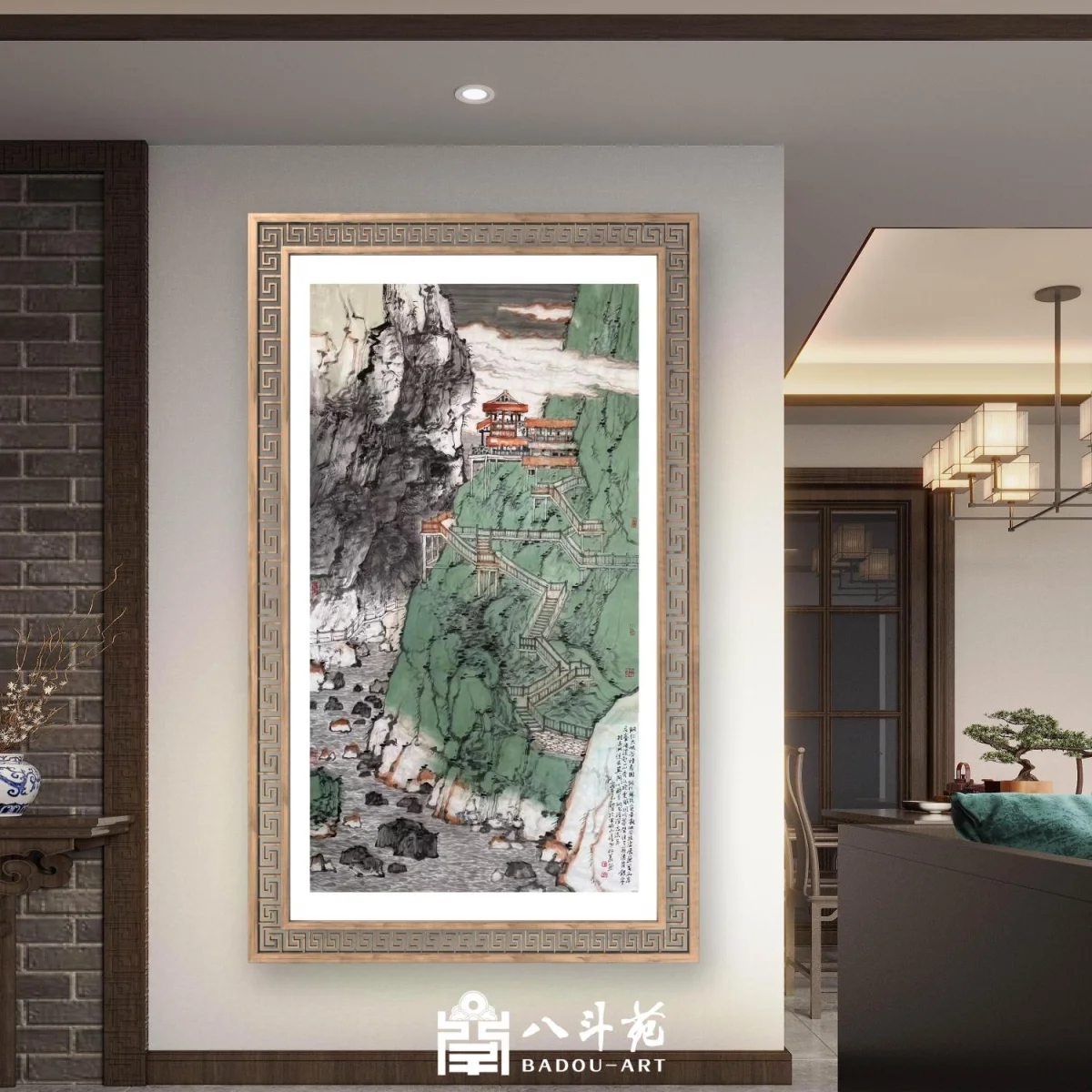
Scenario Two: Personal Display — Mounting as Interior Art
Professional mounting turns a home work into interior art:
- **Format and space** — A hanging scroll suits classical rooms with tall ceilings; in modern homes, a minimalist ink work by Bada Shanren (1626–1705) with a beige silk border reinforces airy elegance, while a vibrant color-ink work by Lin Fengmian (1900–1991) shines in a wide white frame.
- **Materials and environment** — In humid regions, choose framed mounting with UV-protective glass; in living spaces, laminated glass or acrylic resists dust and touch.
- **Craftsmanship** — Hand mounting uses starch paste mixed to a precise formula — strong enough to bond, gentle enough for the paper. Border colors should complement, never compete with, the artwork; roller ends echo the mood — rosewood (zitan) for calligraphy, green jade for landscapes.
- **Practicality** — Frequently rotated works suit simple “mirror sheet” framing for easy swapping; groups can be mounted as an album. Precious pieces should rest after three to six months on the wall to limit light exposure.
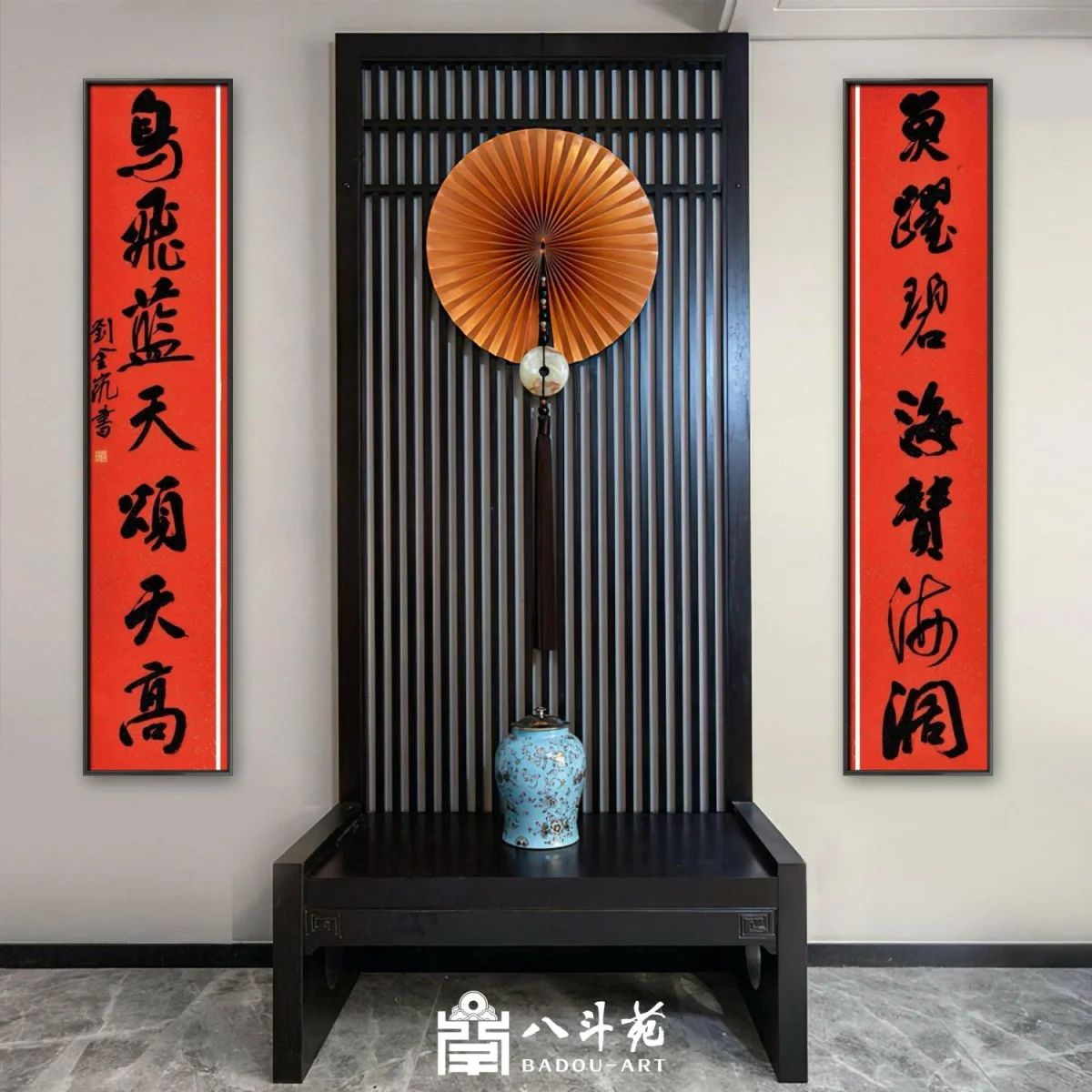
Scenario Three: Investment — Mounting for Market Value
For investment collections, mounting quality directly affects resale price:
- **Hand vs. machine mounting** — Machine mounting uses chemical adhesive films that can ripple within three years; traditional hand mounting stays flat for decades. At auction, hand-mounted works of equal quality sell for 18–25 percent more.
- **Material standards** — Use raw xuan paper with over 80 percent qingtan (wingceltis) bark fiber for backing, naturally dyed mulberry silk for borders, and hardwood roller ends that balance the scroll and prevent warping.
- **Classic proportions** — A hanging scroll follows the “six-four rule” — top margin 60 percent of the artwork height, bottom 40 percent — and handscrolls use a 3:5:2 ratio for frontispiece, painting, and tail. Avoid overly personal styles for resale; traditional one- or two-color mounts have the widest market acceptance.
- **Reversibility and records** — Ask for “floating mount” techniques that keep a micro air layer behind the artwork, preserving space for future restoration; starch paste rather than chemical adhesive keeps later unmounting safe. Top studios also document paste formulas, humidity data, and material provenance — a “provenance passport” that attracts serious buyers.
Whether you sell, display, or invest, mounting decisions deserve the same care as the artwork itself. Badou Art’s specialists can advise on mounting and presentation.