Our Featured Collection
Hand‑picked premium works for you
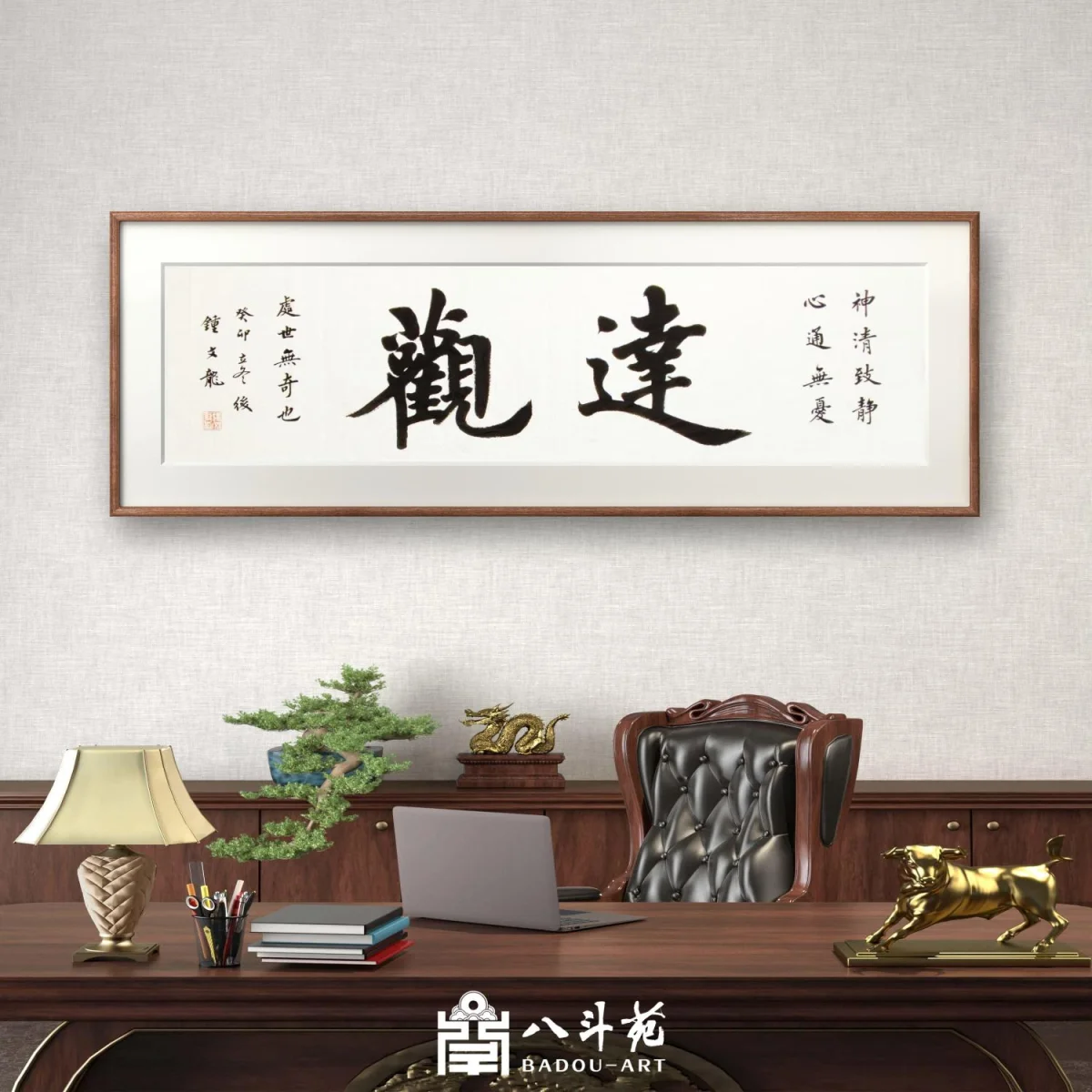
Zhong Wenlong Calligraphy | 达观
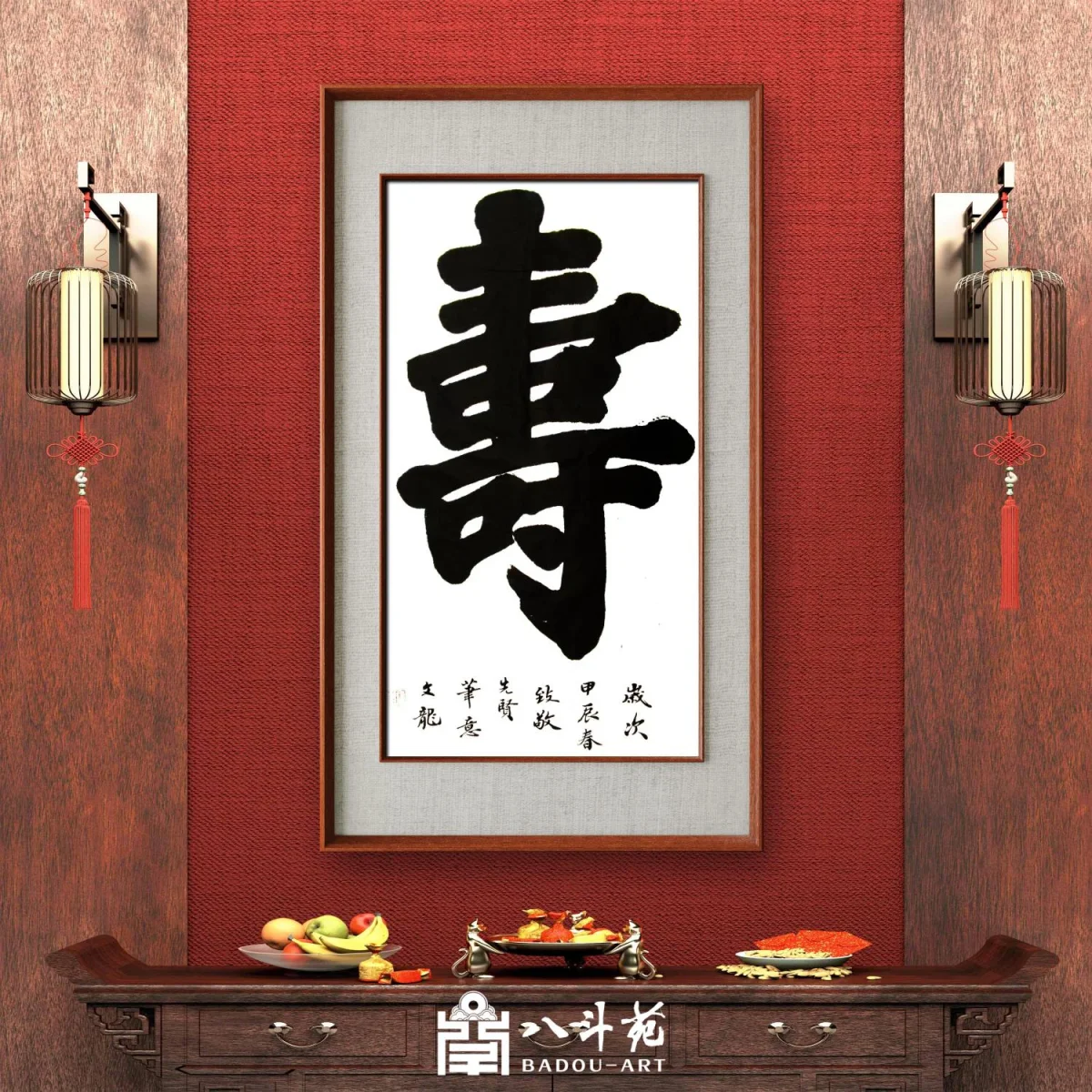
Zhong Wenlong Calligraphy | 壽
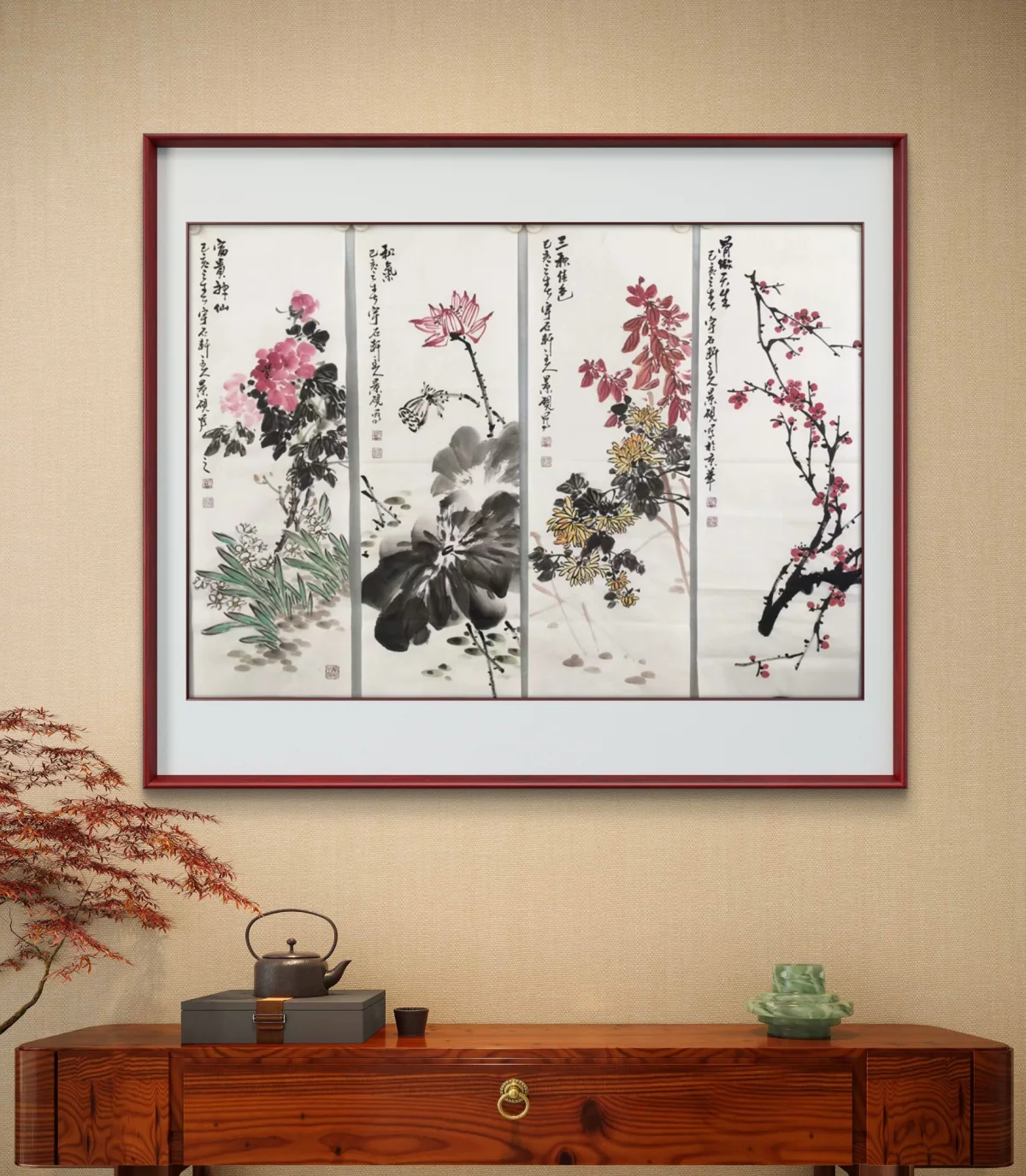
Wu Jingyan Chinese Freehand Painting・Four‑Panel Flower‑and‑Bird Screens(花鸟四条屏)
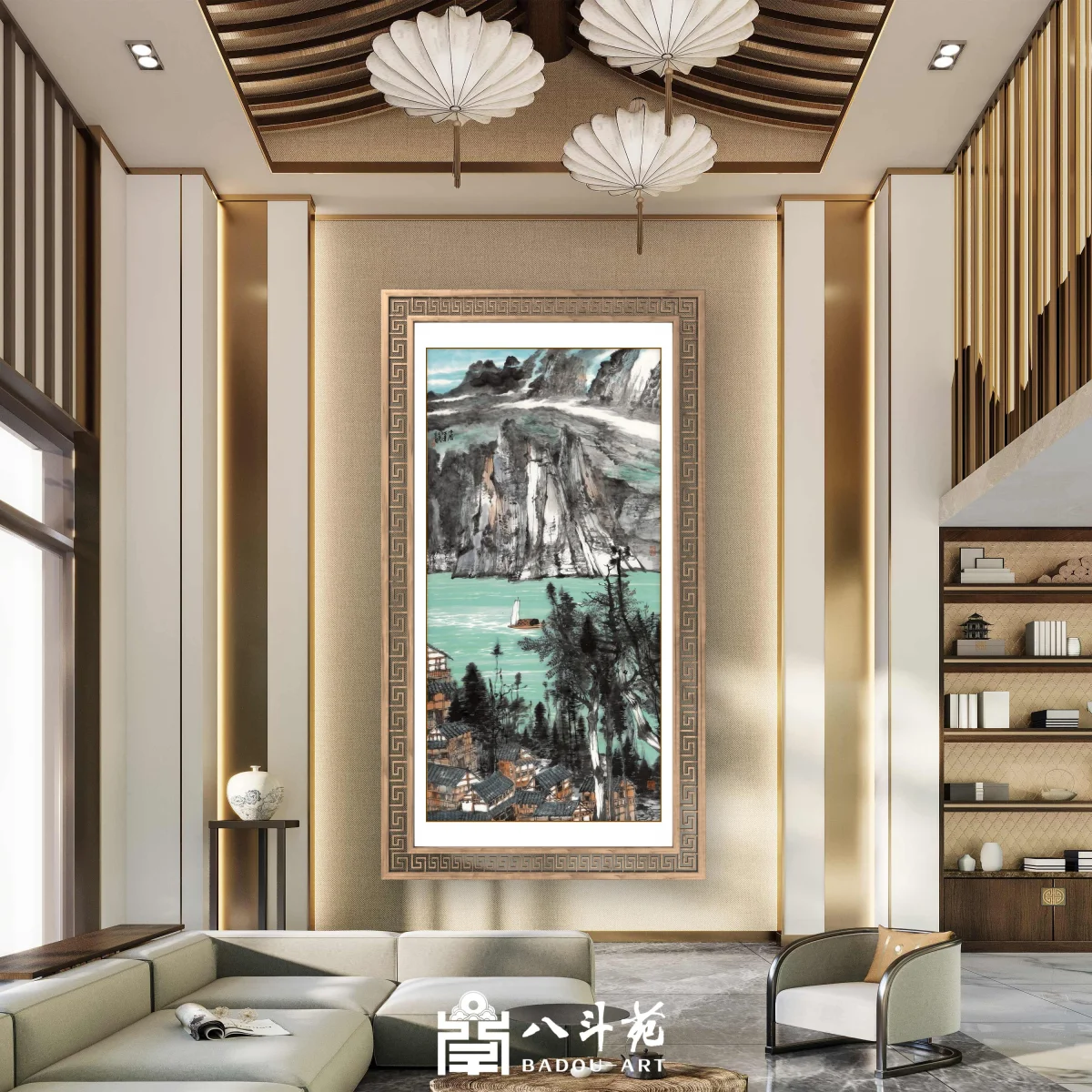
Liu Liyong Landscape Painting | Riverside Mountain Hamlet (山居江远)
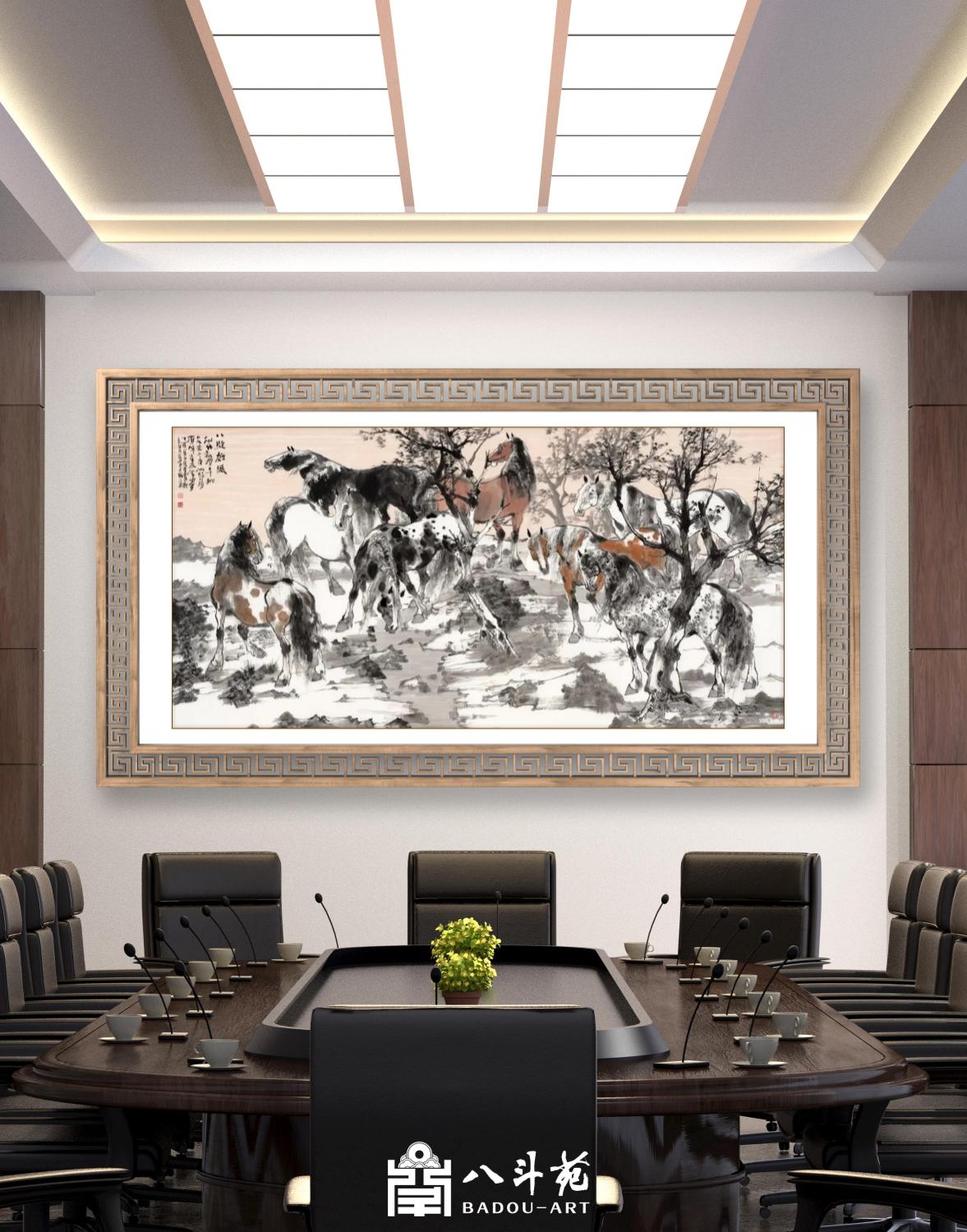
Liu Liyong Animal Painting | Eight Steeds (八骏图)
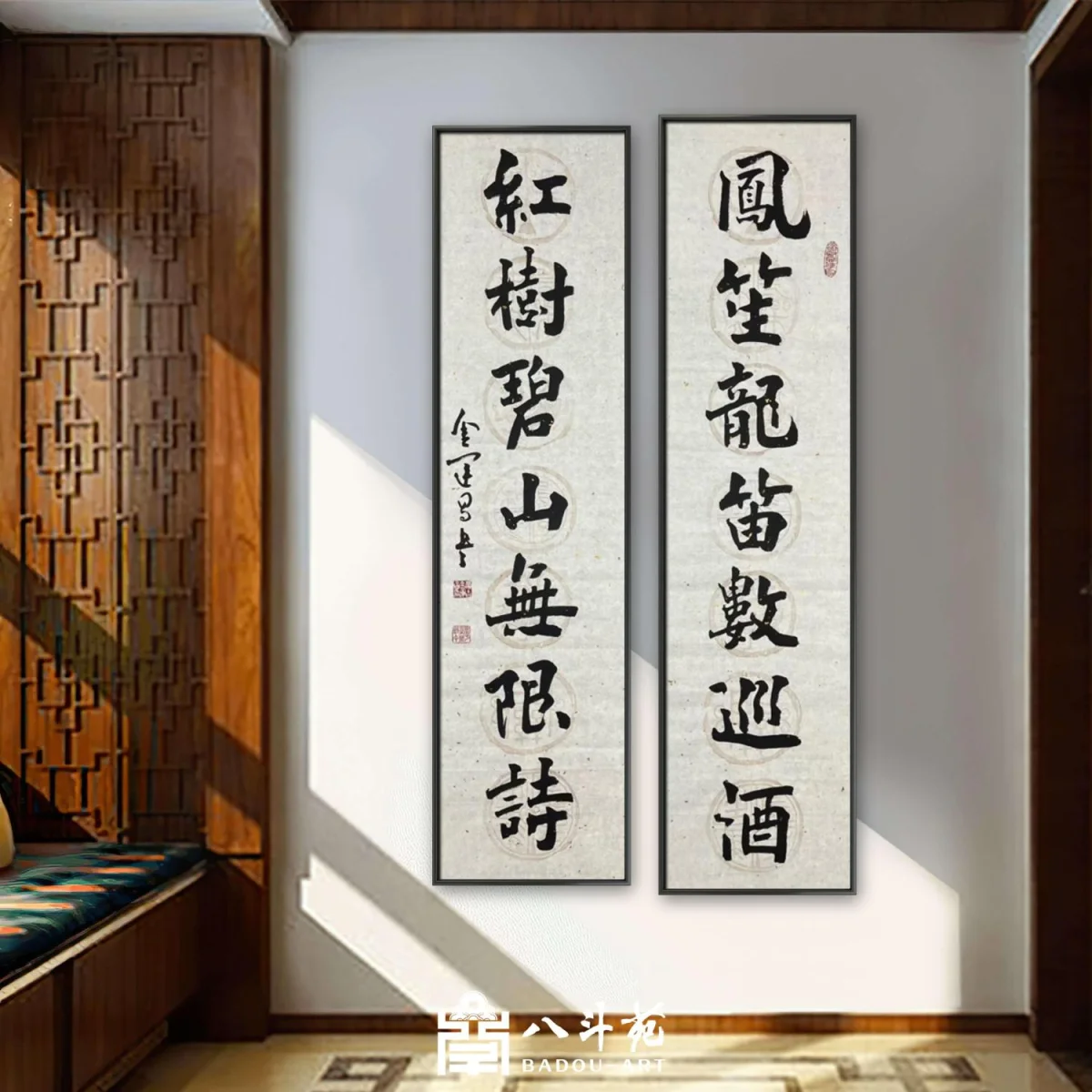
Jin Yunchang Calligraphy | 鳳笙龍笛數巡酒
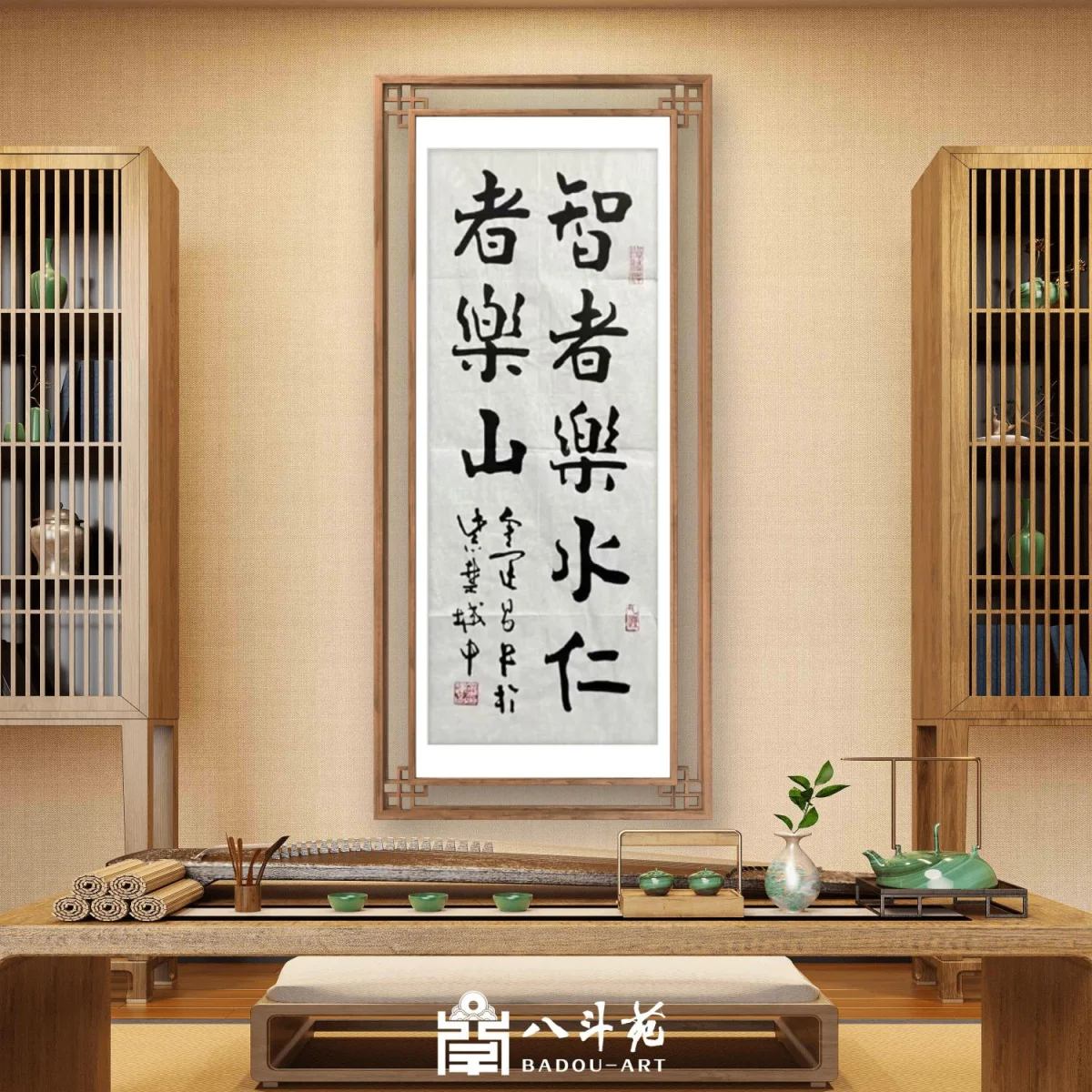
Jin Yunchang Calligraphy | 智者樂水仁者樂山
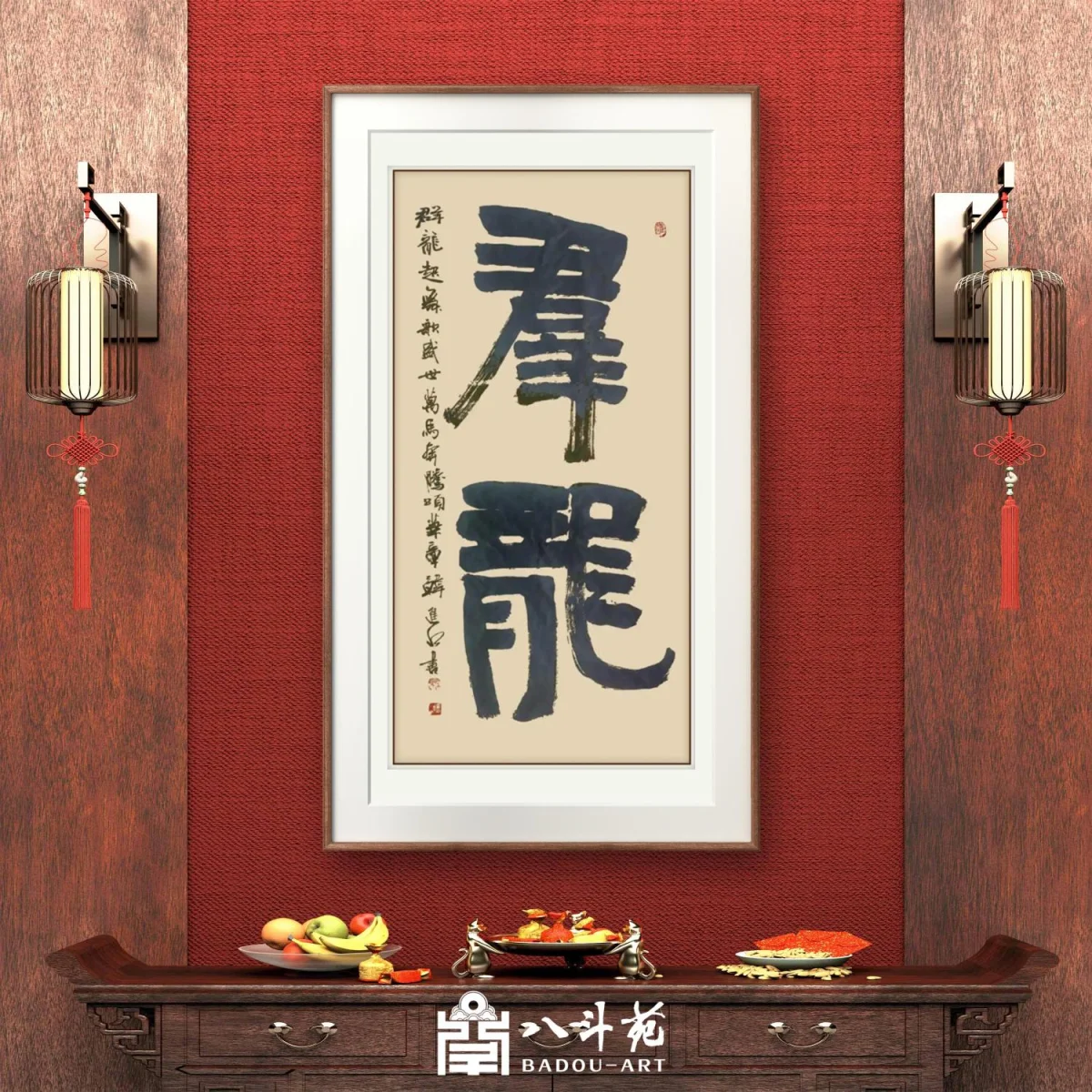
Han Jinshui Calligraphy | 羣龍 (A Group of Dragons)
How to Authenticate Chinese Calligraphy and Painting
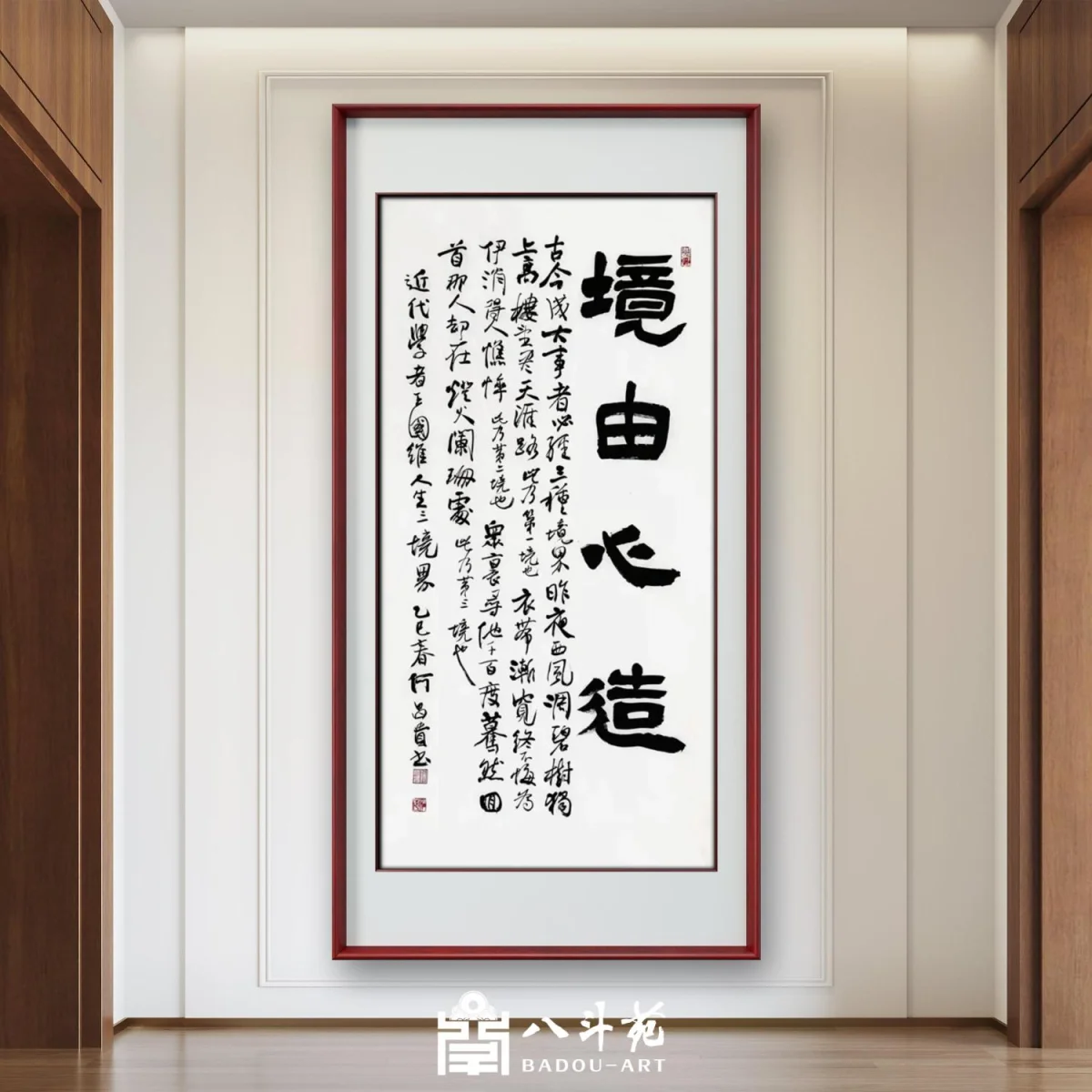
How to Authenticate Chinese Calligraphy and Painting
Before you buy, before you hang, before you insure — the first question is always: is it genuine? Authentication (jianding) is the art of judging whether a work of calligraphy or painting is what it claims to be. Knowing the basic methods protects both your money and your eye.
Know What You’re Looking At
Calligraphy and painting are two branches of one tradition. Calligraphy is writing raised to art: not any handwriting, but work of technical invention and individual style, worthy of museums and libraries. Paintings are classed by support — silk (juanben), paper (zhiben), cloth, brocade, and waxed paper — and by period: ancient, recent, and modern works.
Read the Materials and the Brushwork
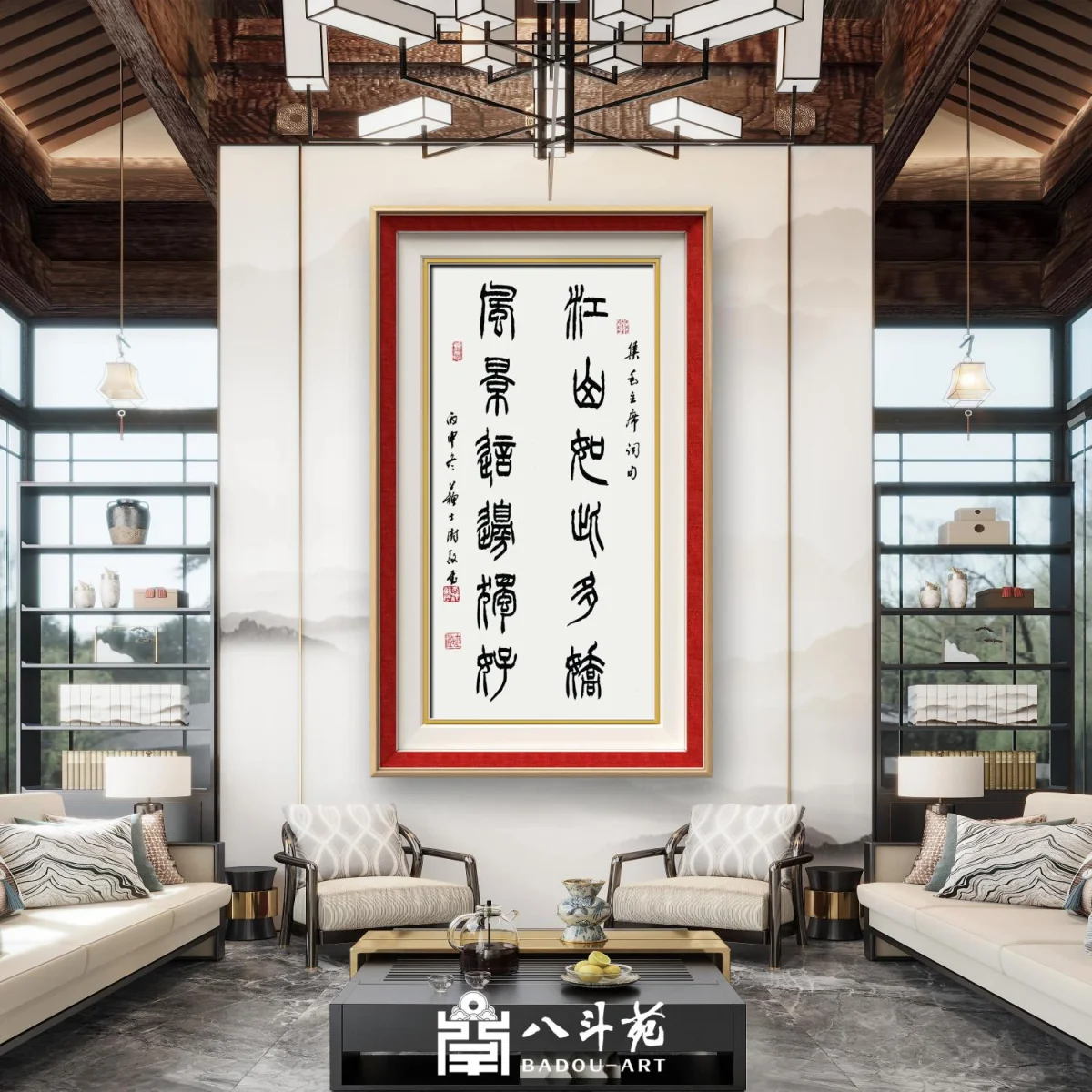
The closest evidence is the work itself: the depth of the ink, the rhythm of the brush, the texture of rice paper fibers, the crispness of a seal impression. Experts today often carry a portable digital microscope; at 100–200× magnification, the structure of the paper, the layering of the ink, and the fine cuts of a seal become unmistakable. These tools are now routine at auction previews and in serious studios.
Check the Artist’s Biography
Knowing an artist’s courtesy names, birthplace, and dates of birth and death often settles a case instantly — because forgers overlook them. Two classic examples:
- A handscroll attributed to the Ming calligrapher Shen Du (1357–1434) bears a colophon dated 1478 — more than forty years after Shen Du’s death. The work is certainly a forgery.
- A painting attributed to Yao Shou (1423–1495) claims a date of 1407 — before the artist was born. Equally certain: fake.
When the records are silent — some artists left no biography at all — the work itself becomes the primary evidence, supplementing or correcting the literature.
Why Connoisseurship Matters
Museums, libraries, and serious collectors all need this skill. Without it, treasures may be mistaken for waste paper, and waste paper for treasures; scholars cannot rely on the objects they study, and collectors cannot trust what they buy. Authentication keeps the whole field honest — the difference between a legacy and a loss.
A Helping Hand
No single method is decisive on its own; authentication works by weighing many small clues together — material, brushwork, seals, colophons, and biography. That is why even experts consult one another.
Authentication takes years to master, but the basics above will already protect you from the crudest fakes. And if you own a work you are unsure about, Badou Art offers a free authentication consultation for collectors — a sensible first step before you spend on anything else.
Source: https://www.cntizi.com/7573.html