Our Featured Collection
Hand‑picked premium works for you
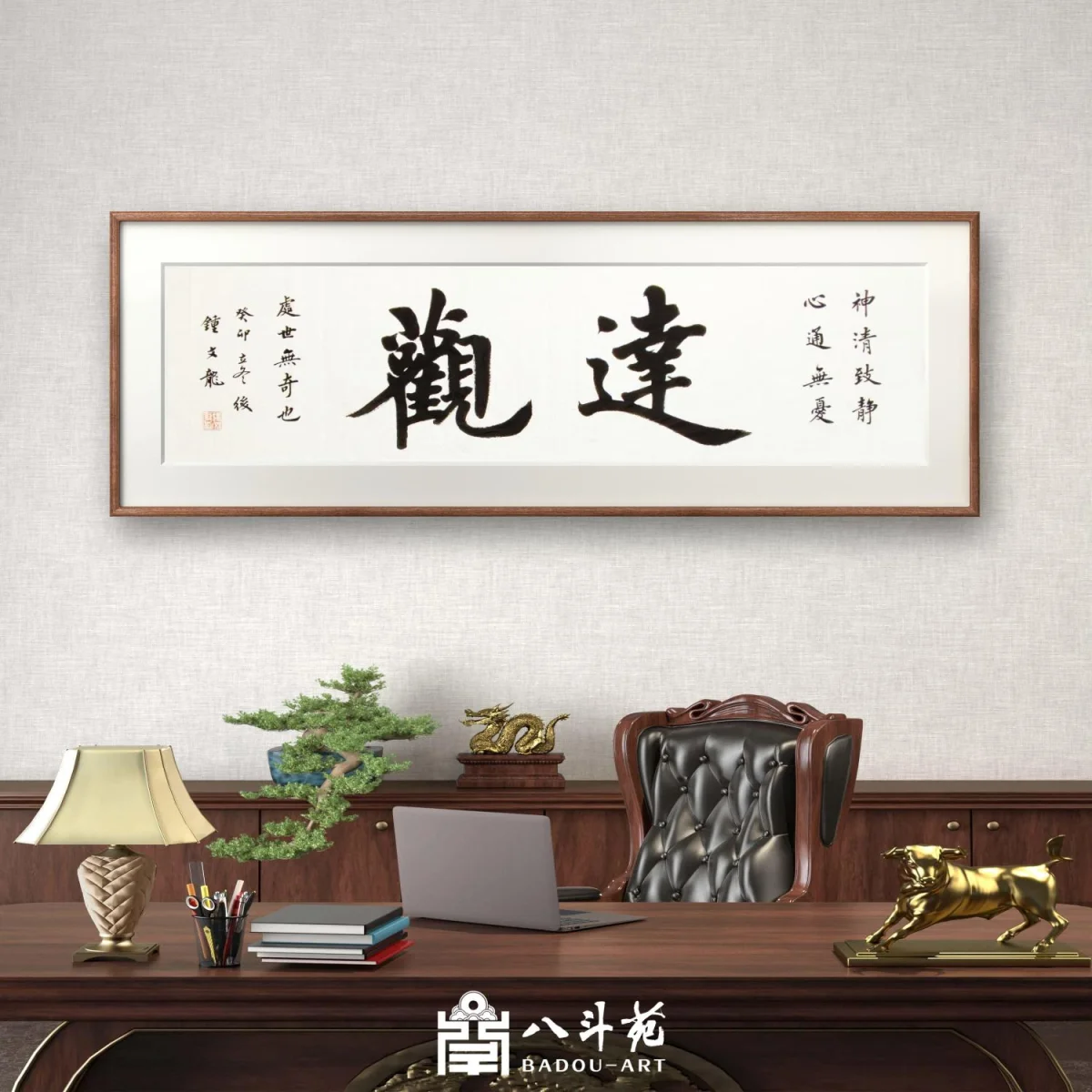
Zhong Wenlong Calligraphy | 达观
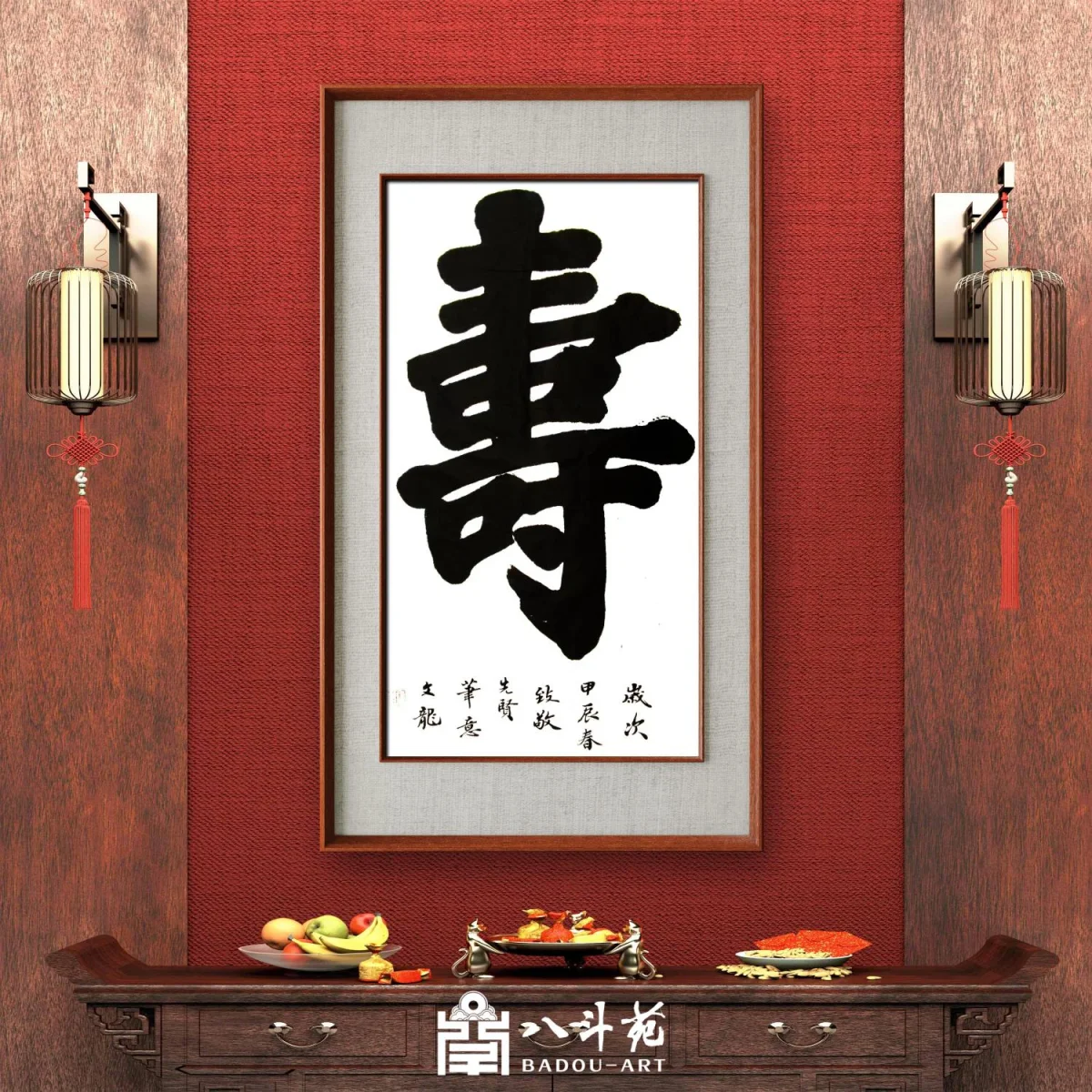
Zhong Wenlong Calligraphy | 壽
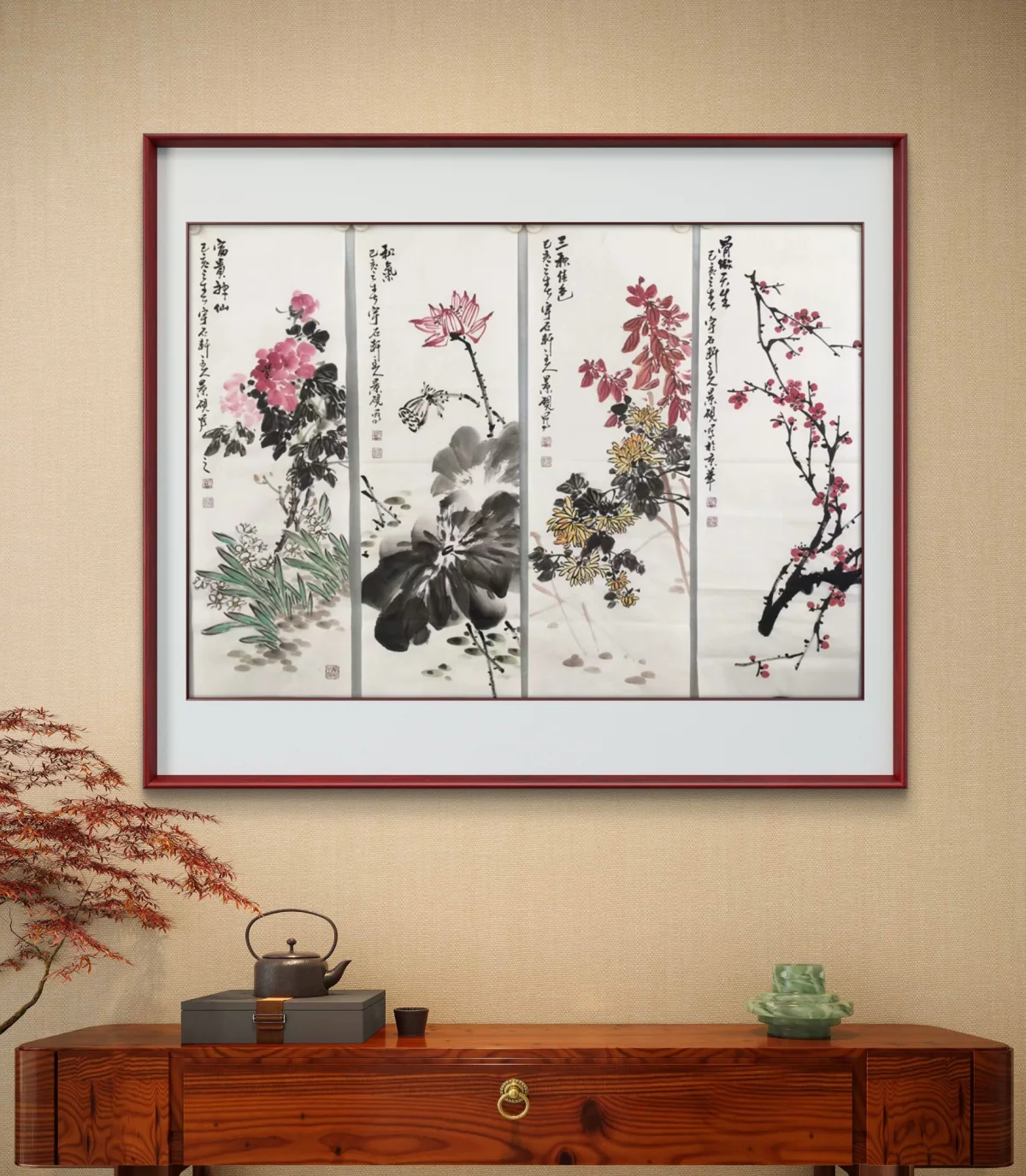
Wu Jingyan Chinese Freehand Painting・Four‑Panel Flower‑and‑Bird Screens(花鸟四条屏)
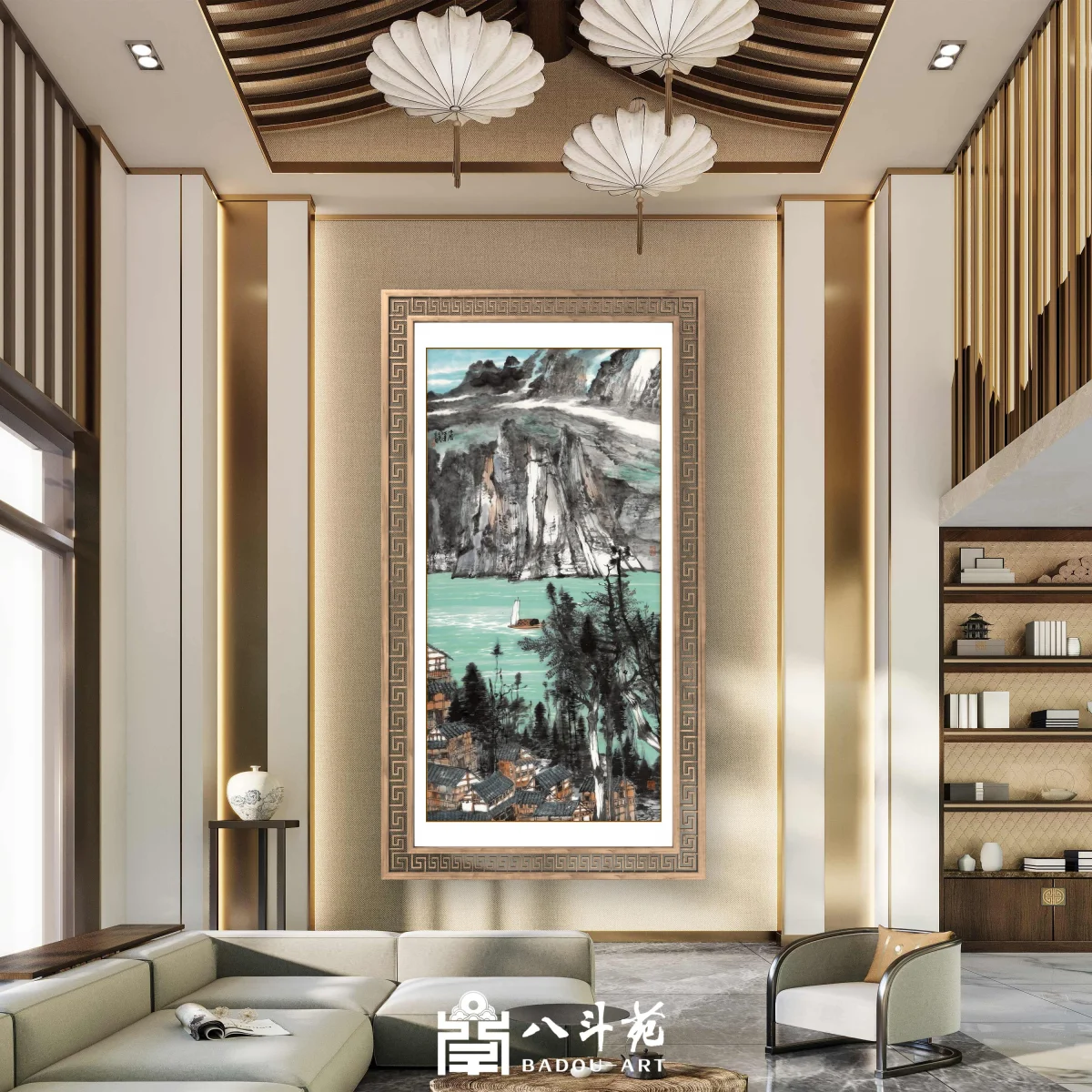
Liu Liyong Landscape Painting | Riverside Mountain Hamlet (山居江远)
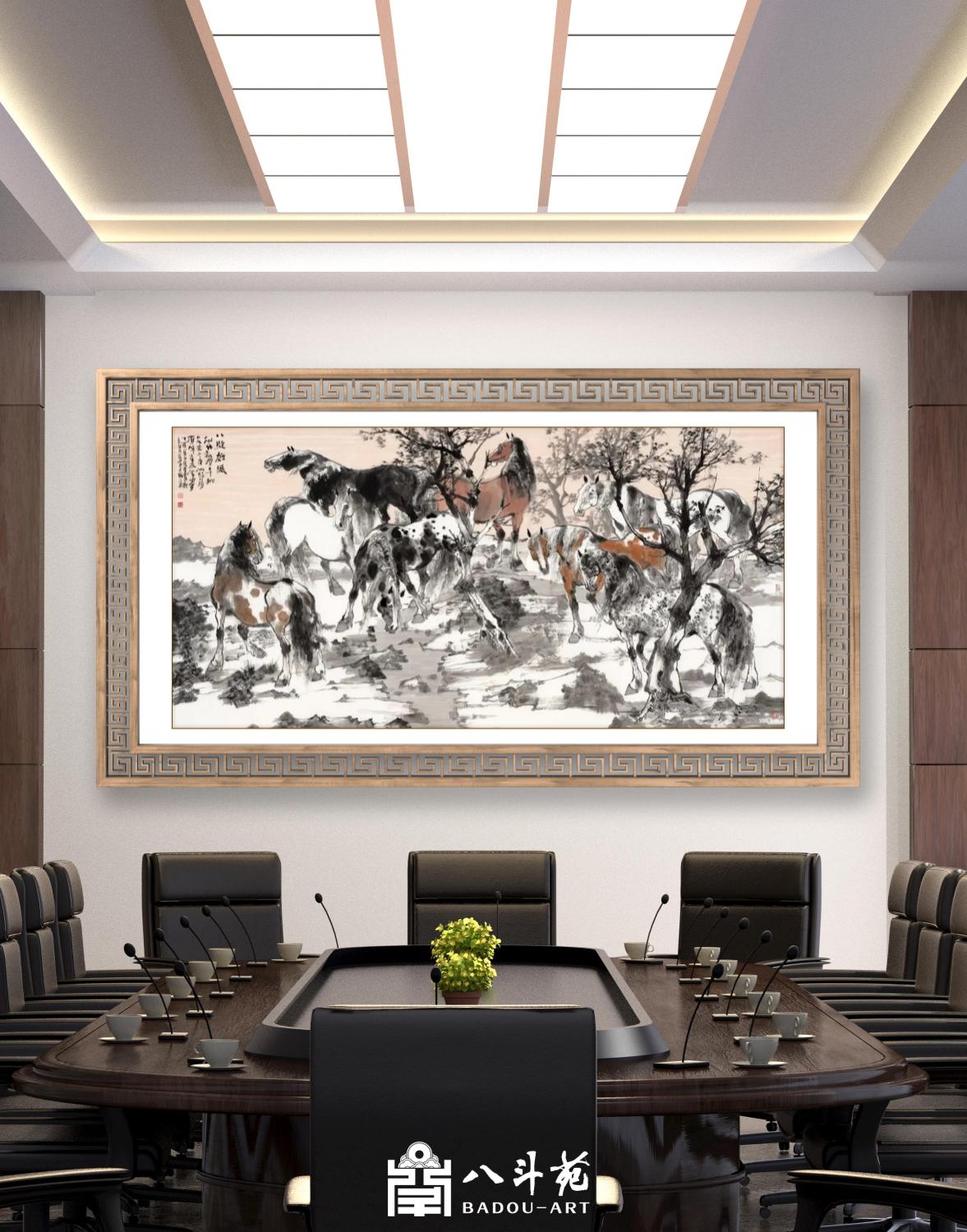
Liu Liyong Animal Painting | Eight Steeds (八骏图)
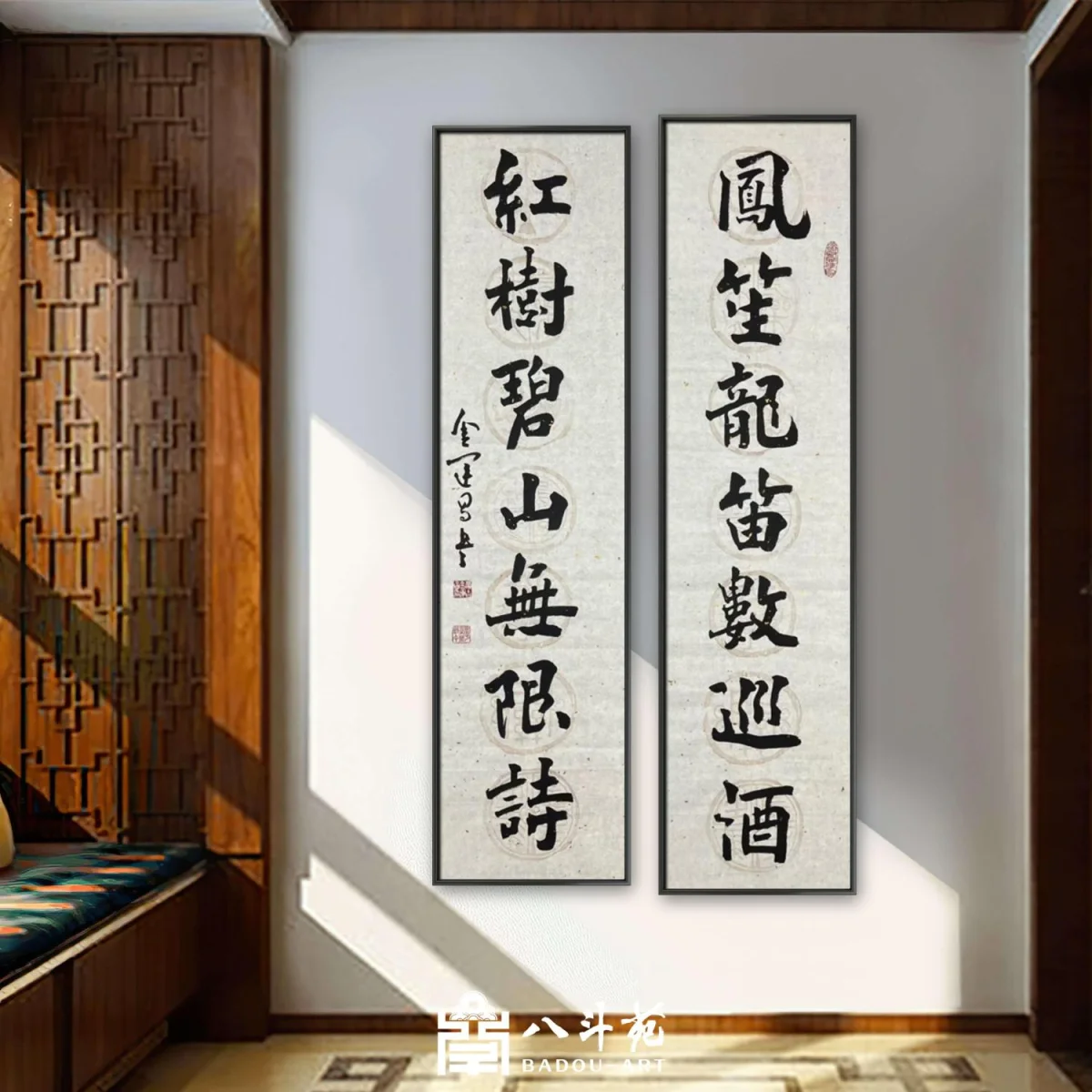
Jin Yunchang Calligraphy | 鳳笙龍笛數巡酒
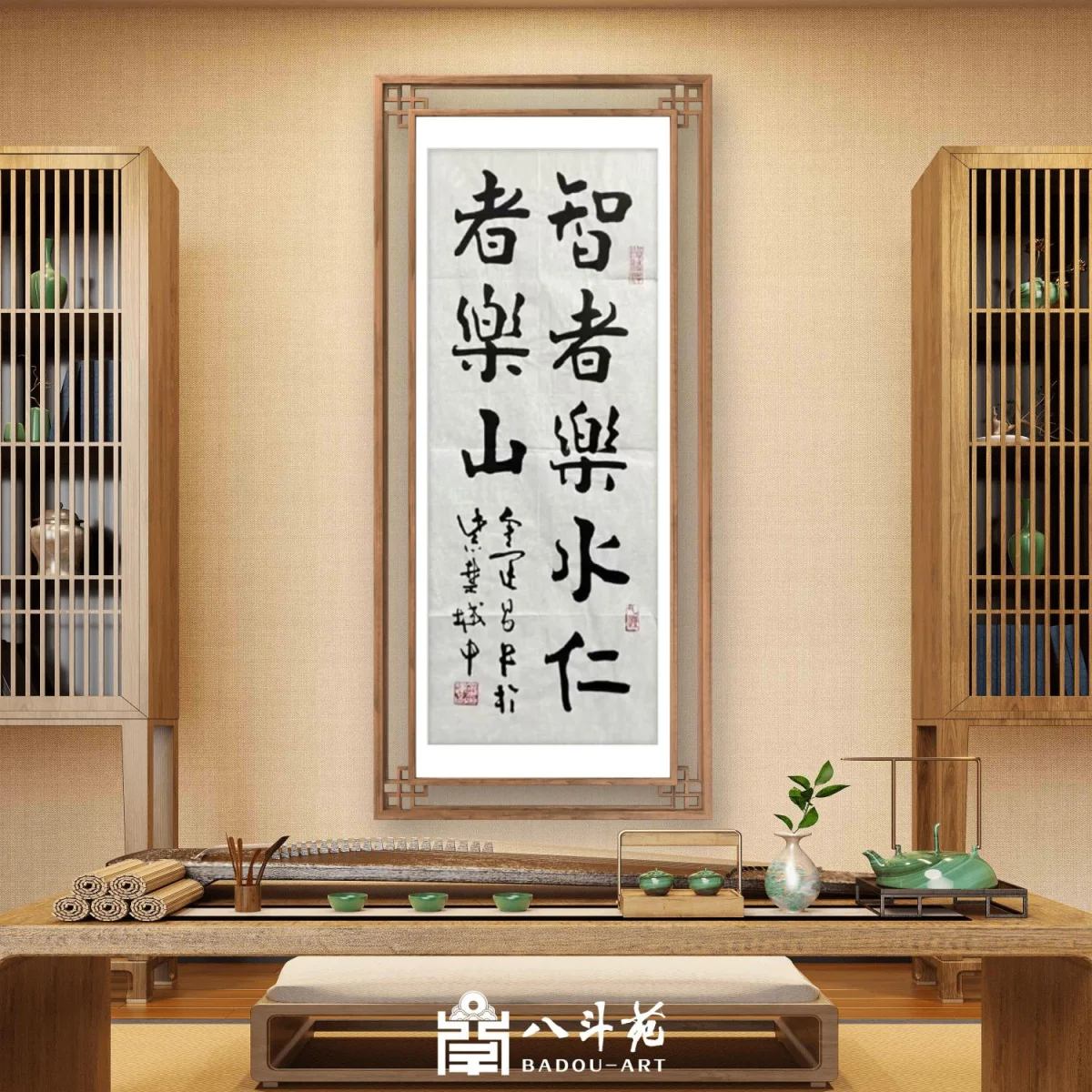
Jin Yunchang Calligraphy | 智者樂水仁者樂山
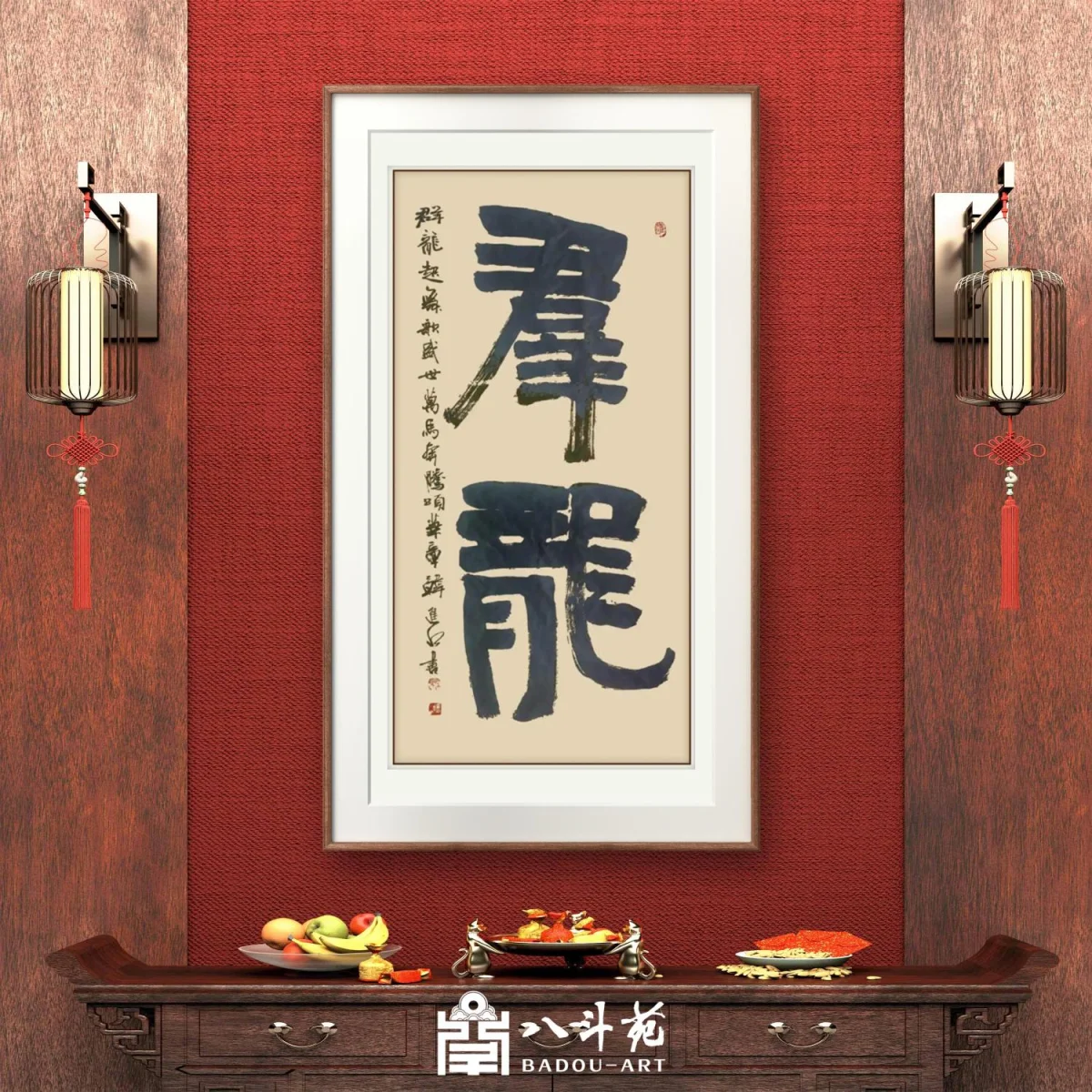
Han Jinshui Calligraphy | 羣龍 (A Group of Dragons)
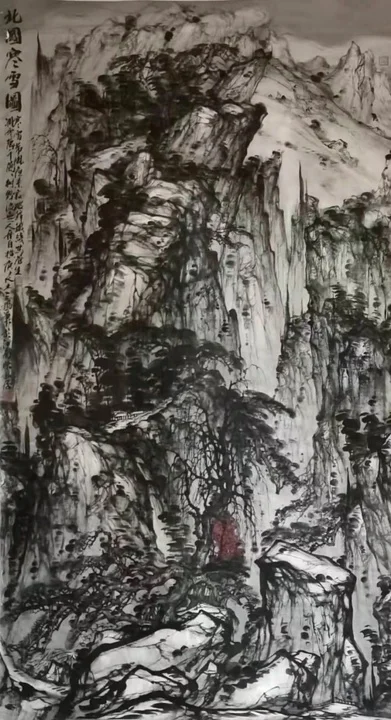
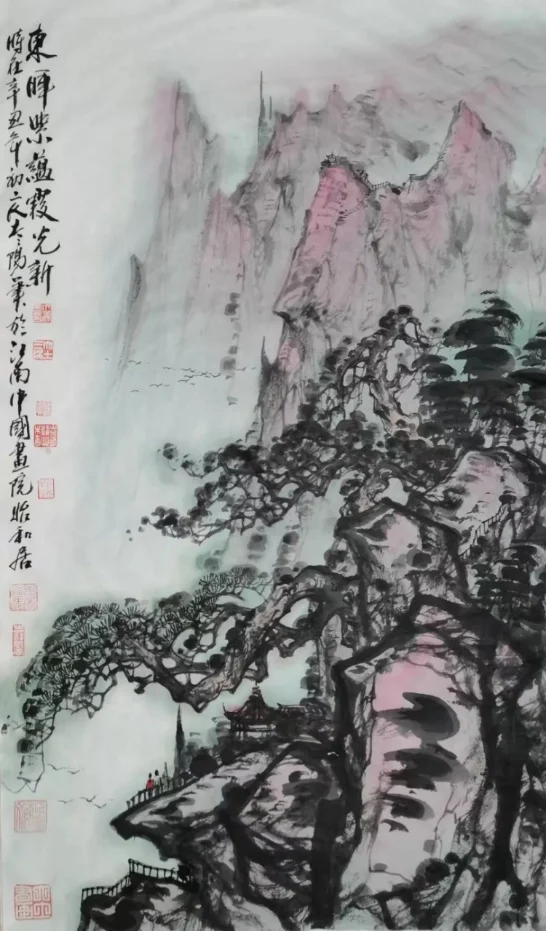
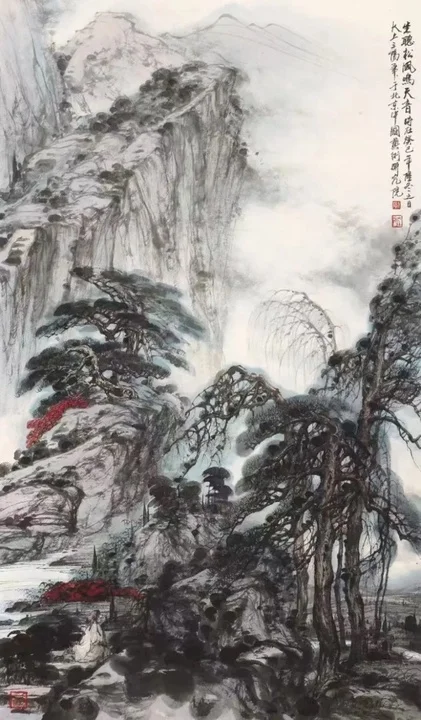
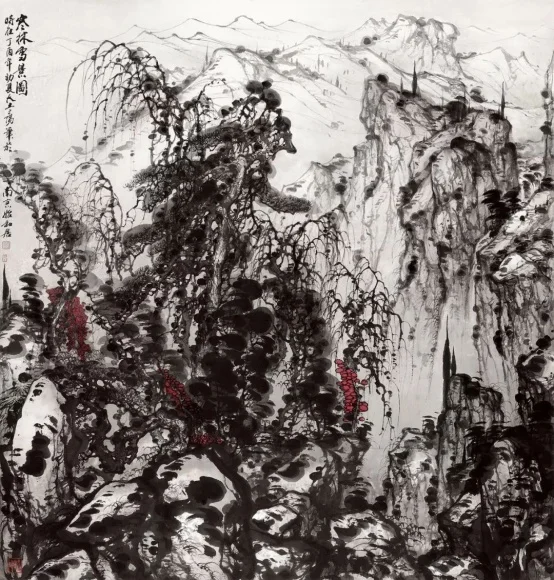
Da Tu Sanyang: Snow Landscapes Without a Drop of White
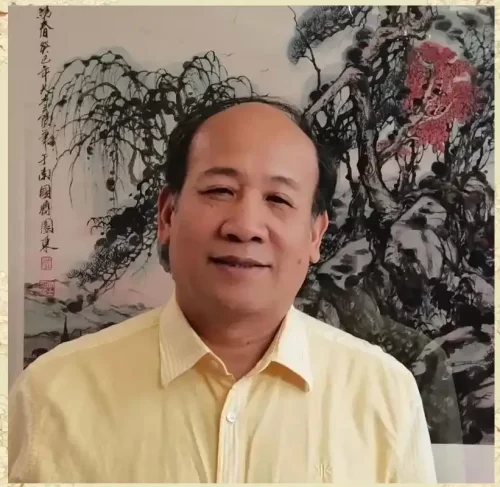
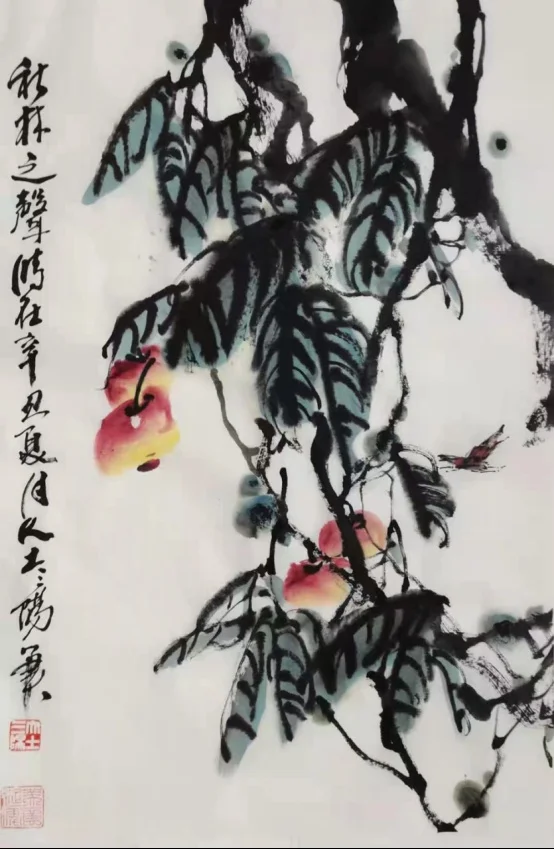
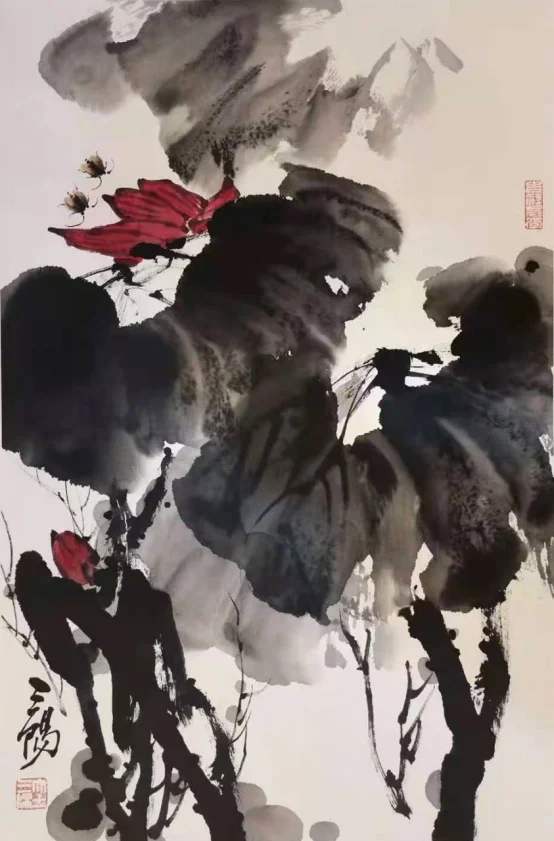
Da Tu Sanyang (Li Xiaohui, courtesy name Xiao Hui, b. November 1955 in Taixing, Jiangsu) descends from a long line of scholars—the 41st generation descendant of Li Deyu, a famed Tang-dynasty chancellor. His path was hard: at fourteen he was sent to a state farm during the Cultural Revolution, spending ten years as a “educated youth.” At twenty-four he took the national college entrance exam, ranked first in Jiangsu Province, and entered the Nanjing University of the Arts, later earning a graduate degree there. After a career in Shenzhen’s construction administration, in 2009 he joined the Chinese National Academy of Arts as a researcher and professor.
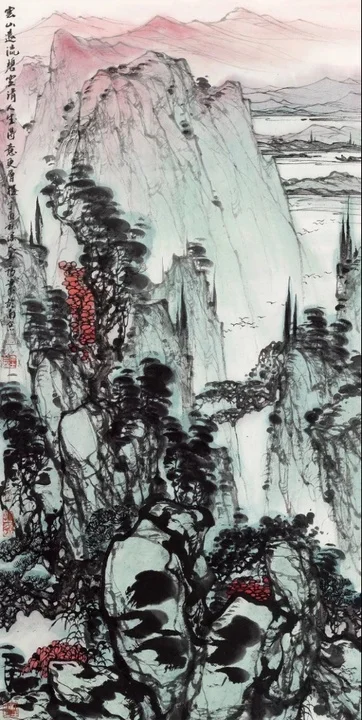
Snow Without White
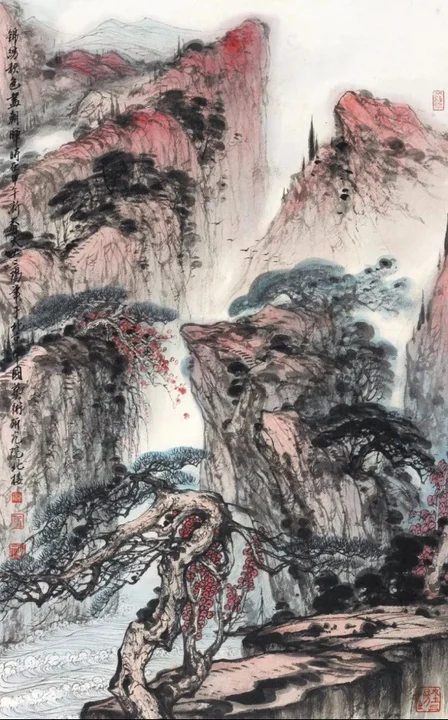
Decades of rigorous brush discipline produced Da Tu’s signature achievement: snow scenes painted **without a single drop of white pigment and without one white line**. Through the reserved blank paper and the tension of ink, he evokes the desolate, bone-cold clarity of winter—a feat critics say surpasses generations of earlier masters. His trees, too, are distinctive: “Many painters’ trees are stuck into the ground,” observed Li Tieying, “but Da Tu Sanyang’s trees grow out of it.”
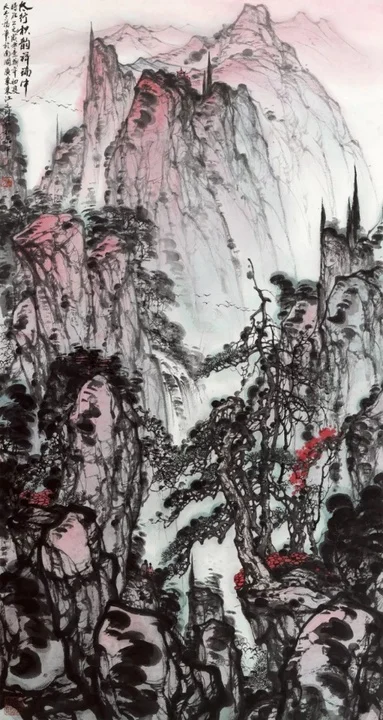
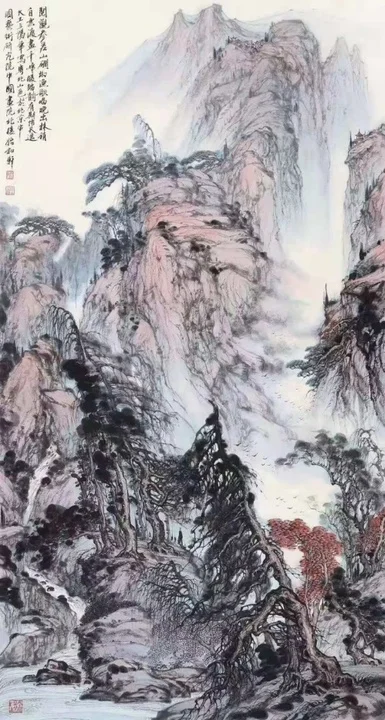
The “Five Tonalities”
In 2005 Da Tu advanced his influential academic theory of the “five tonalities” (wu yun) of Chinese ink painting: **spirit-resonance** (shen yun) as the soul, **vitality** (qi yun) as the animation, **line-tonality** (xian yun) as the bone and origin, **ink-tonality** (mo yun) as the flowing blood, and **dot-tonality** (dian yun) as rhythm and melody. Liu Wanming, president of the China National Academy of Painting, calls him “a painter, poet and theorist whose research on brush-and-ink resonance leads the contemporary scene.” Da Tu’s own words: “Painting is almost everything to me.”
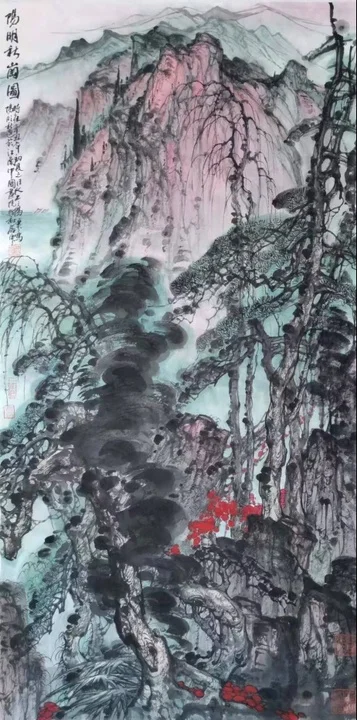
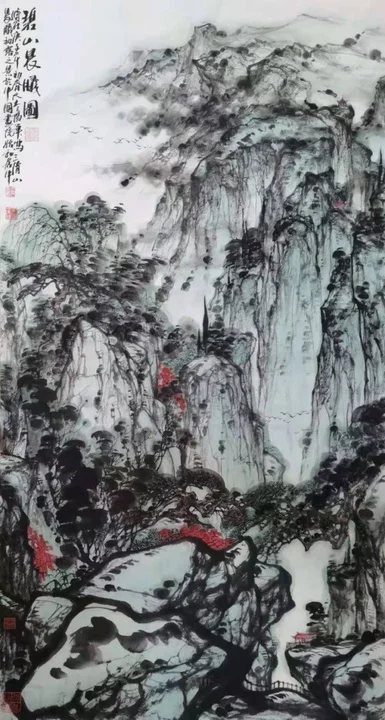
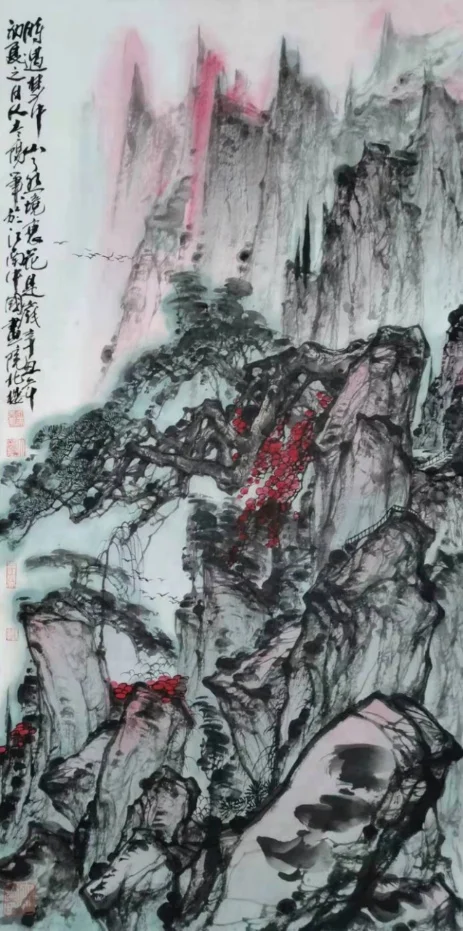
A Defiant Touch of Red
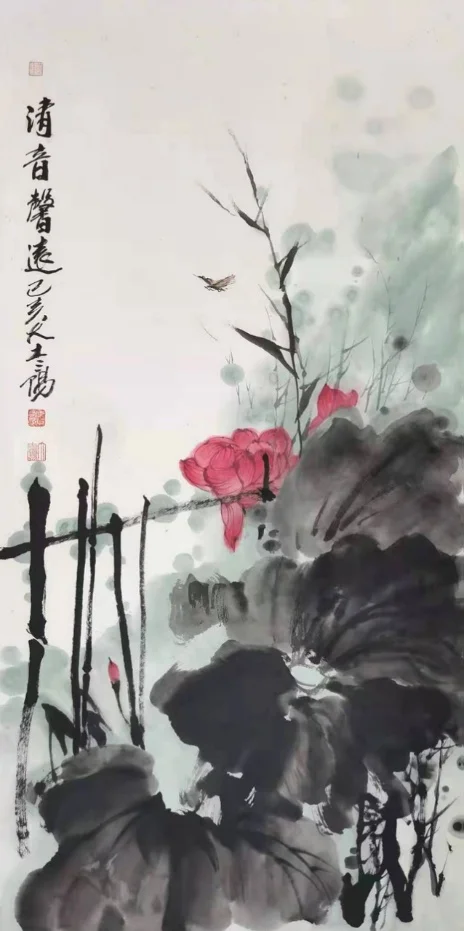
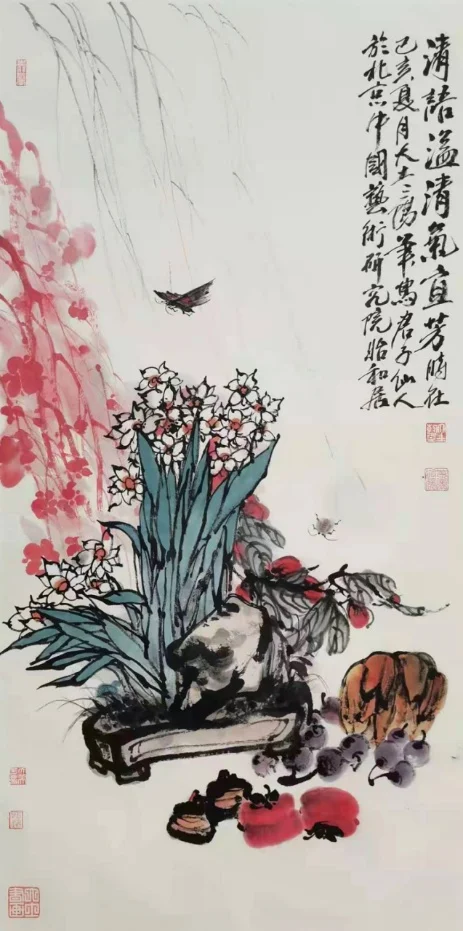
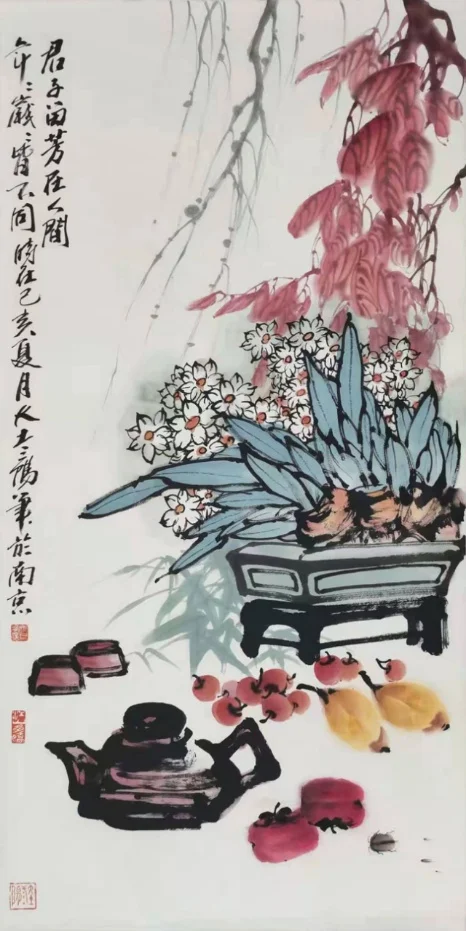
For decades Da Tu has won with ink alone, adding color only rarely. Recently, however, he has begun introducing “a point of red” into his celebrated snow landscapes—like a ruby or pearl that brightens the composition without disturbing its harmony. Critics see it as a bold, carefully considered breakthrough in a mature career. In 2012 he was named one of the “Ten Great Masters of Contemporary Chinese Painting”; in 2017 he was listed among the “Global Top 500 Ink Masters” by the Hong Kong government; and in 2018 the Ministry of Culture’s *Art Market* magazine named him a model of contemporary Chinese painting. Since 2007 he has held more than twenty solo exhibitions in major museums across China.
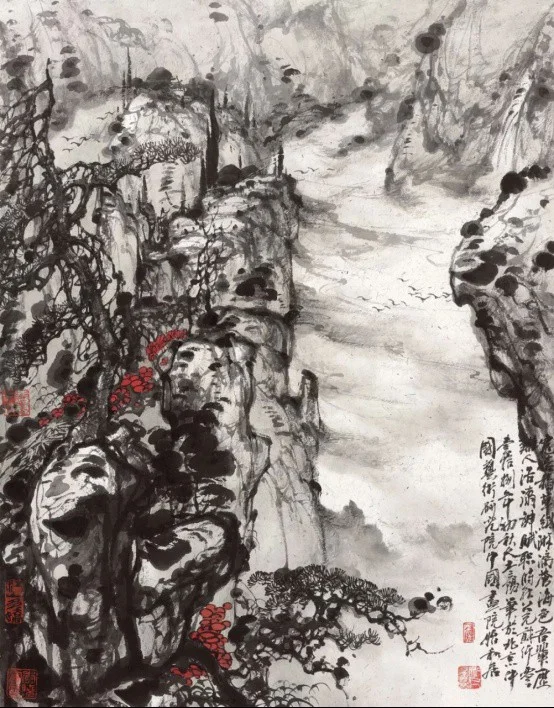
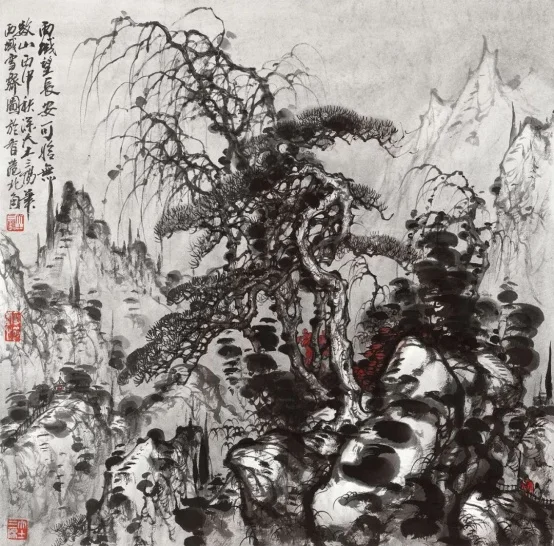
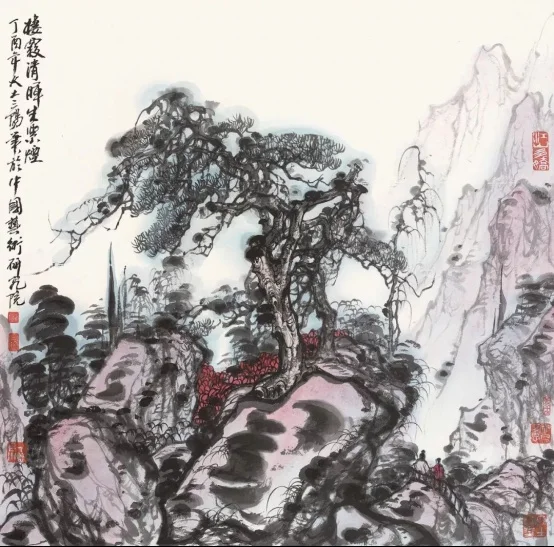
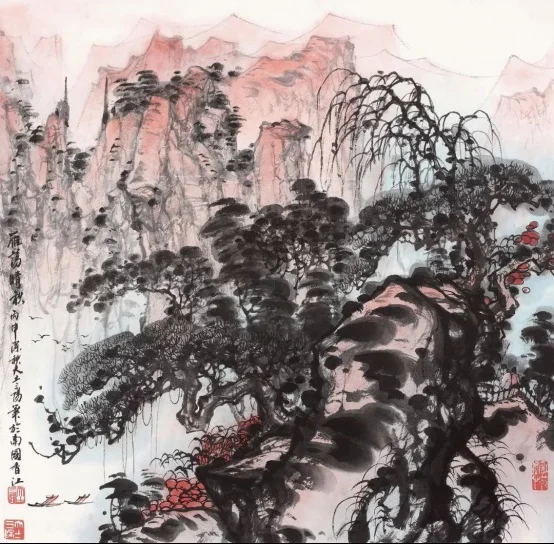
*Source: republished from Badou Art’s featured-artist archive.*
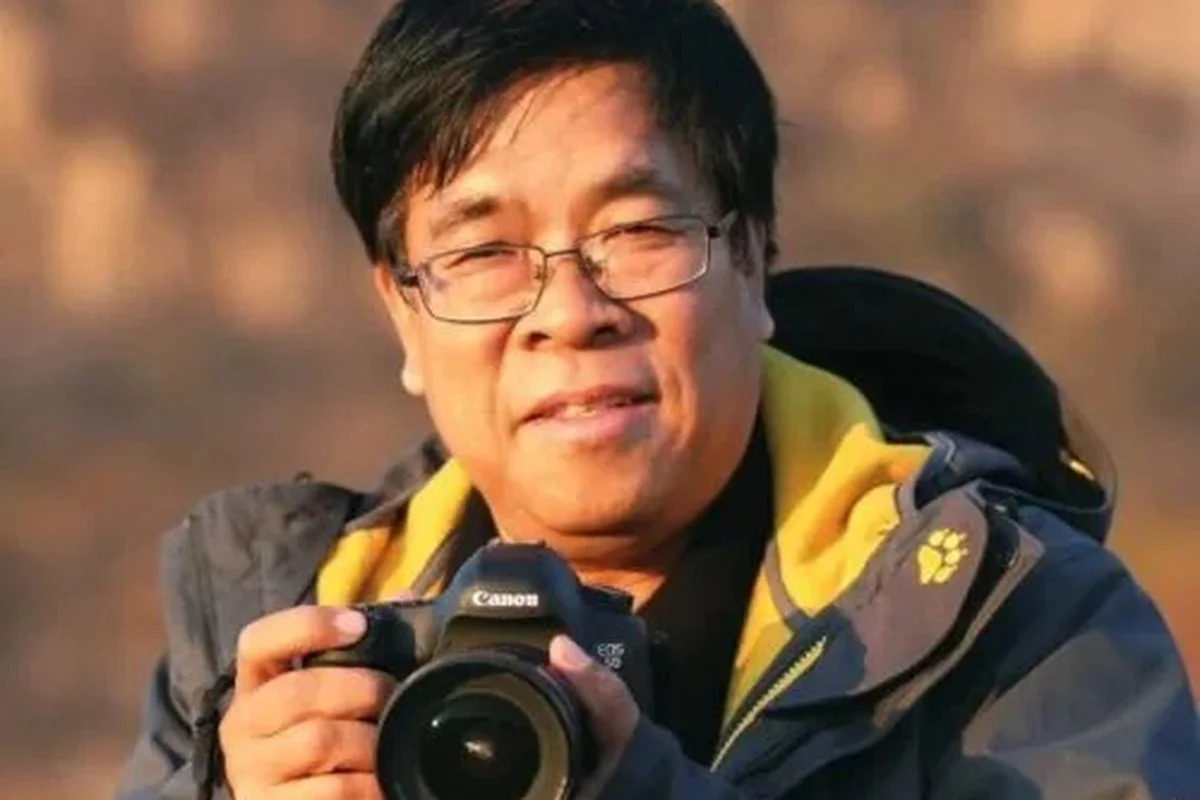
Guan Huixue: Painting the Quiet Fullness of Everyday Life
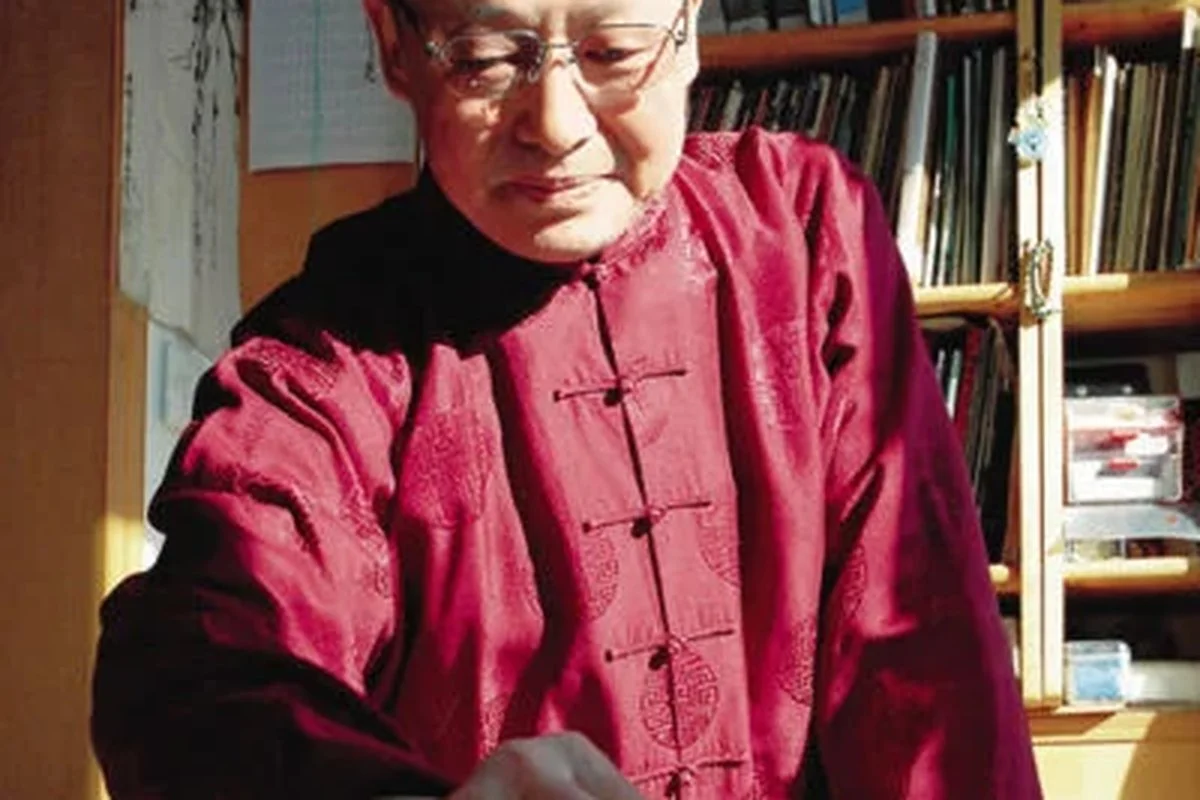
Yao Shaohua: The Grand Spirit of Tigers in Ink
You May Also Like
Gathered masters, custom-made for you
BadouArt connects you to Oriental ink art, adding artistic charm to your life. Subscribe to get the latest collection tips and artist news.
Type a few things below to search
Out of a total of 113 products: