Our Featured Collection
Hand‑picked premium works for you
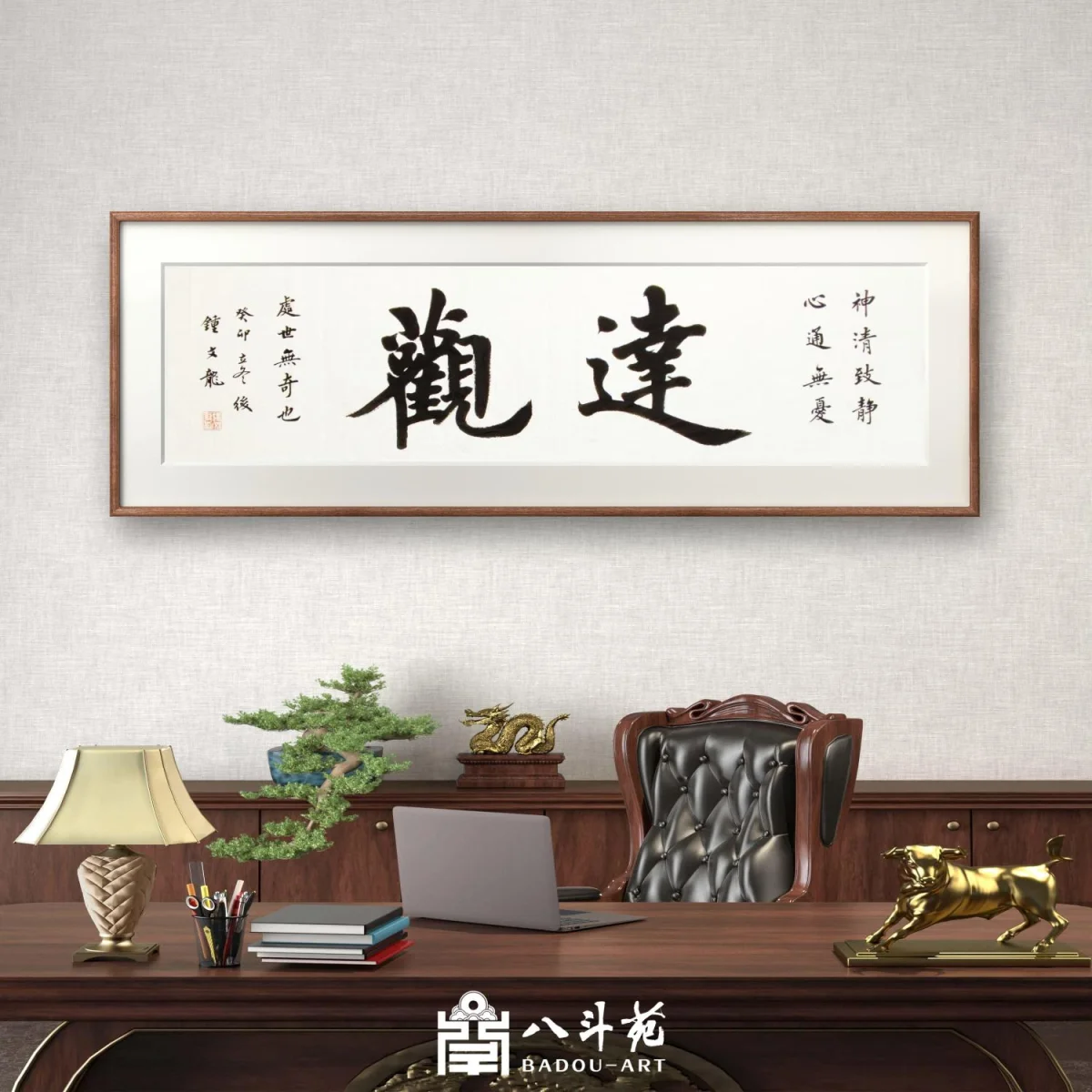
Zhong Wenlong Calligraphy | 达观
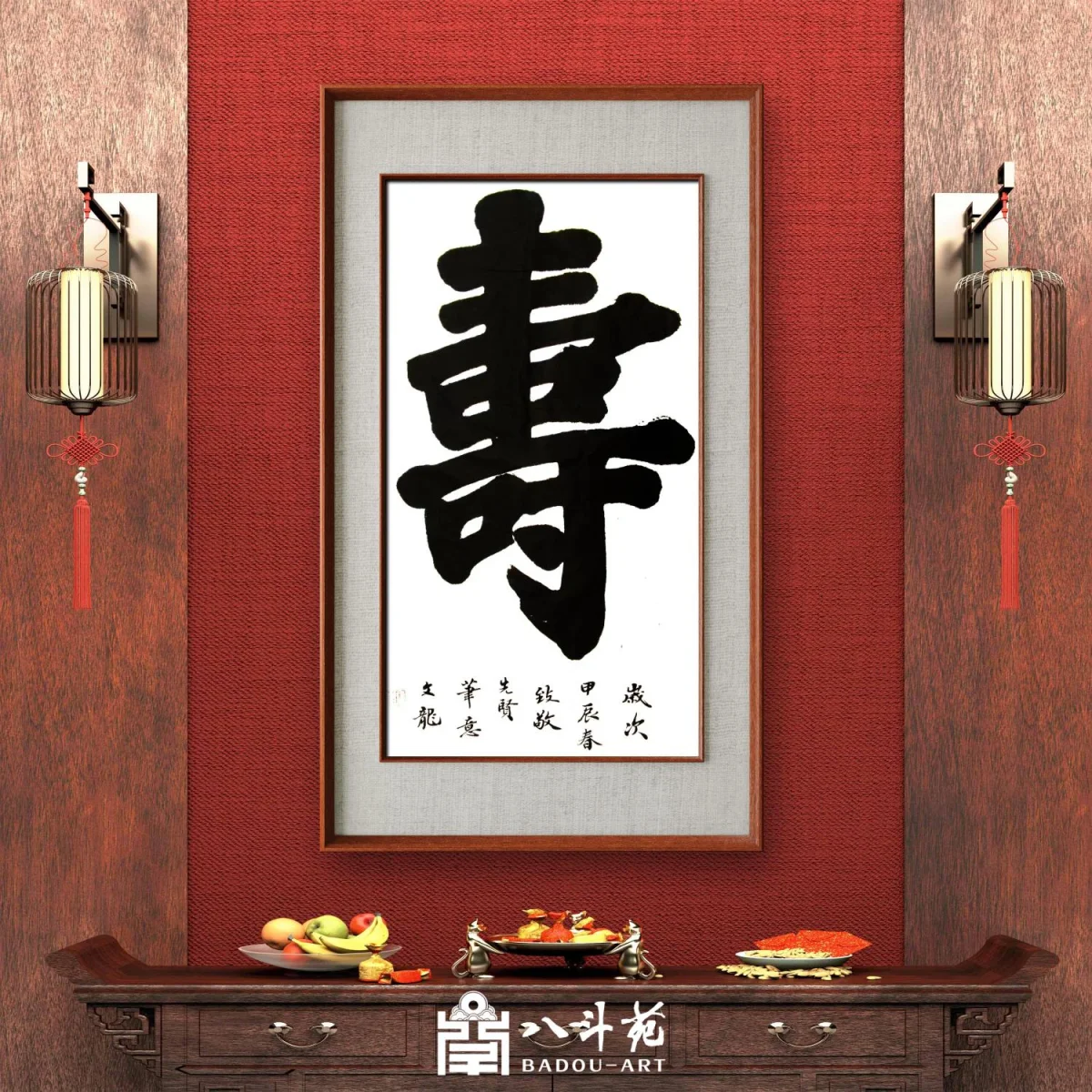
Zhong Wenlong Calligraphy | 壽
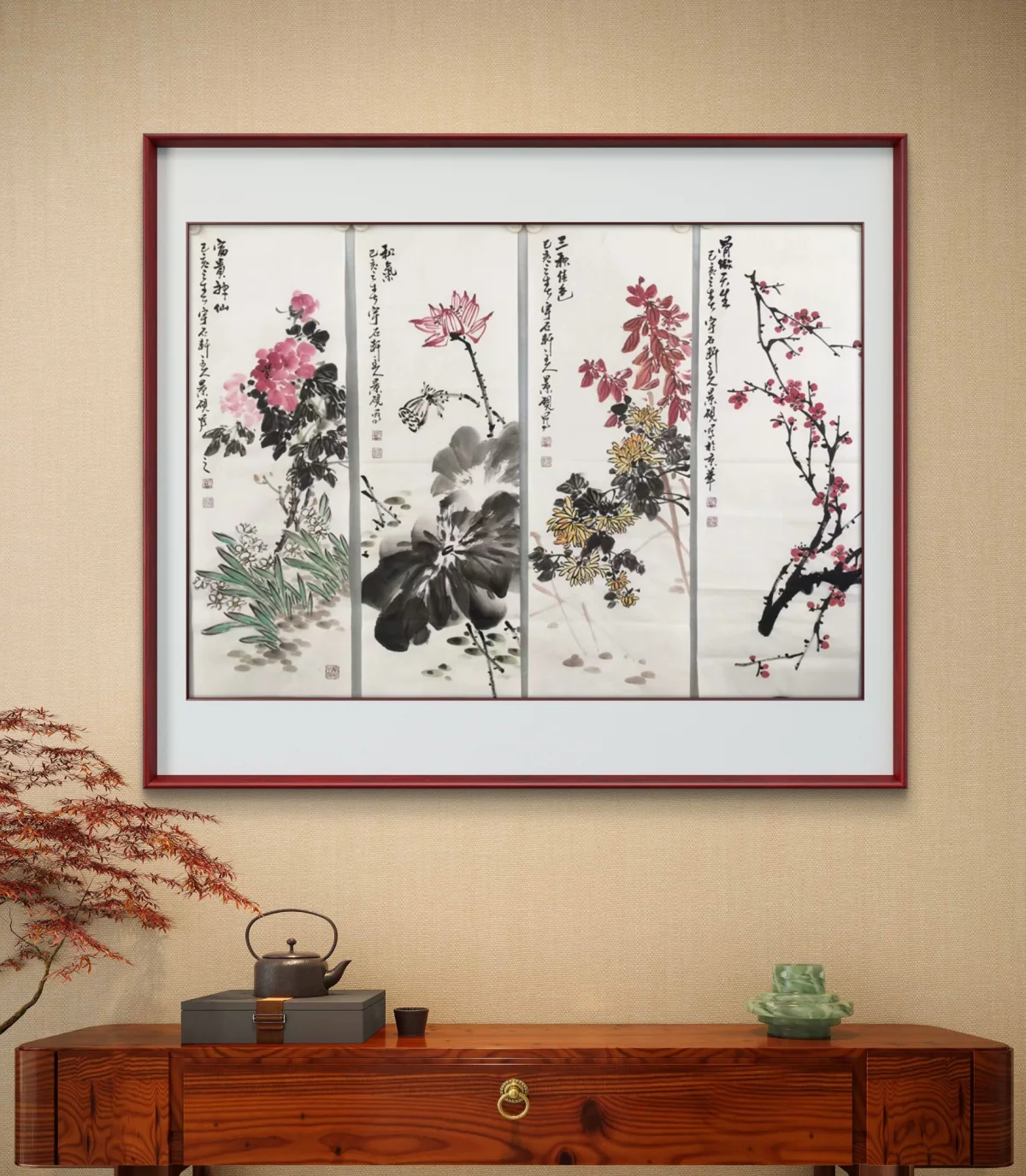
Wu Jingyan Chinese Freehand Painting・Four‑Panel Flower‑and‑Bird Screens(花鸟四条屏)
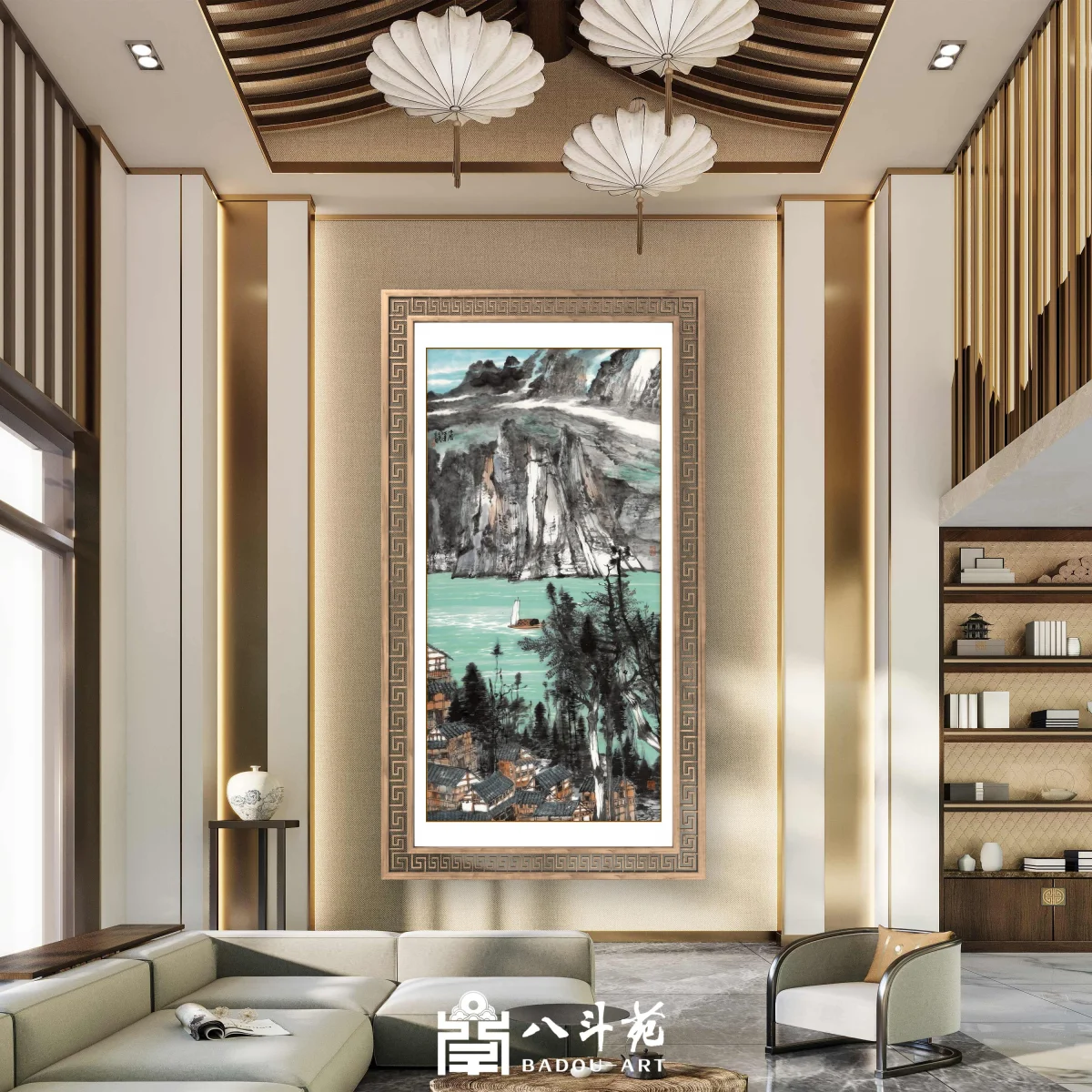
Liu Liyong Landscape Painting | Riverside Mountain Hamlet (山居江远)
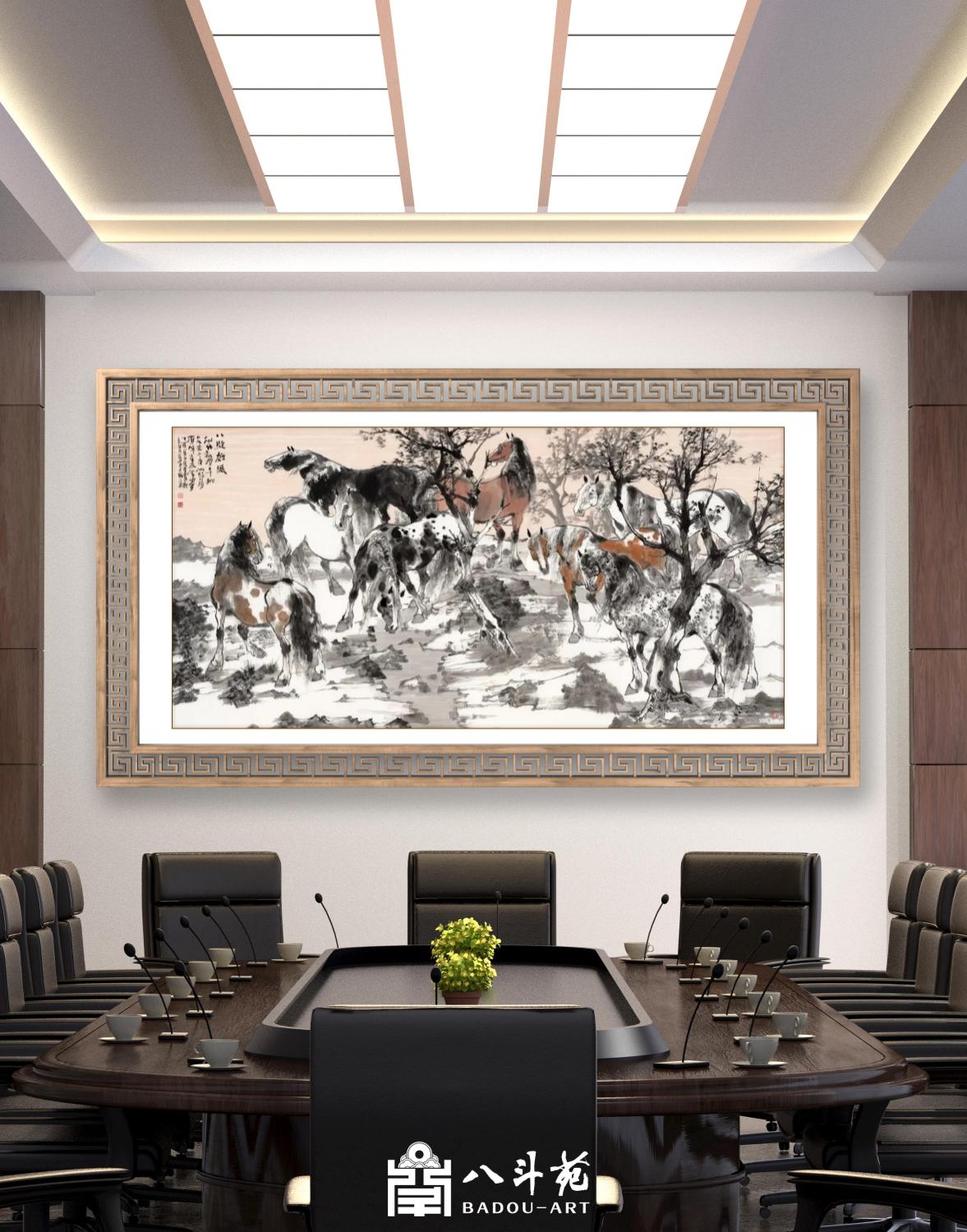
Liu Liyong Animal Painting | Eight Steeds (八骏图)
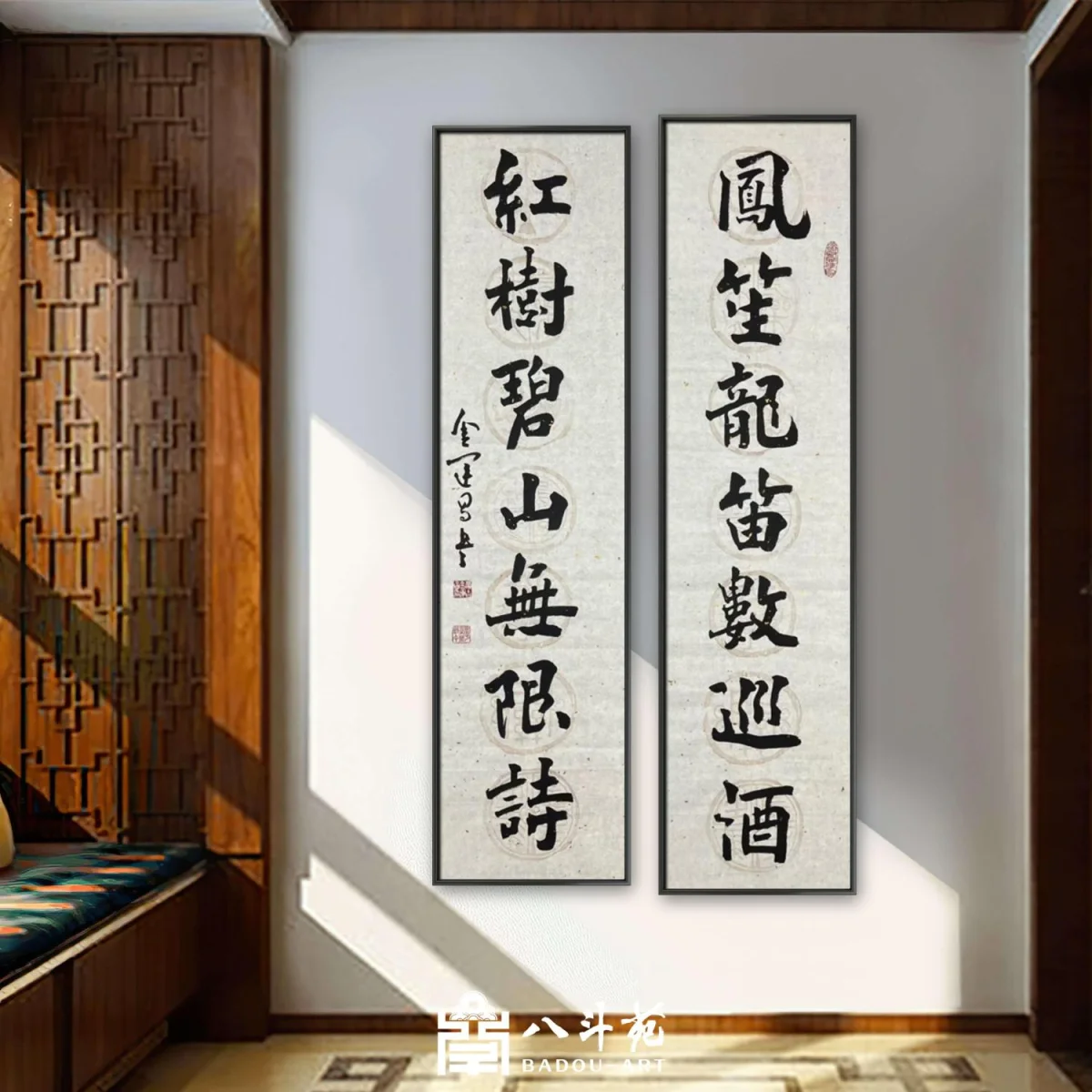
Jin Yunchang Calligraphy | 鳳笙龍笛數巡酒
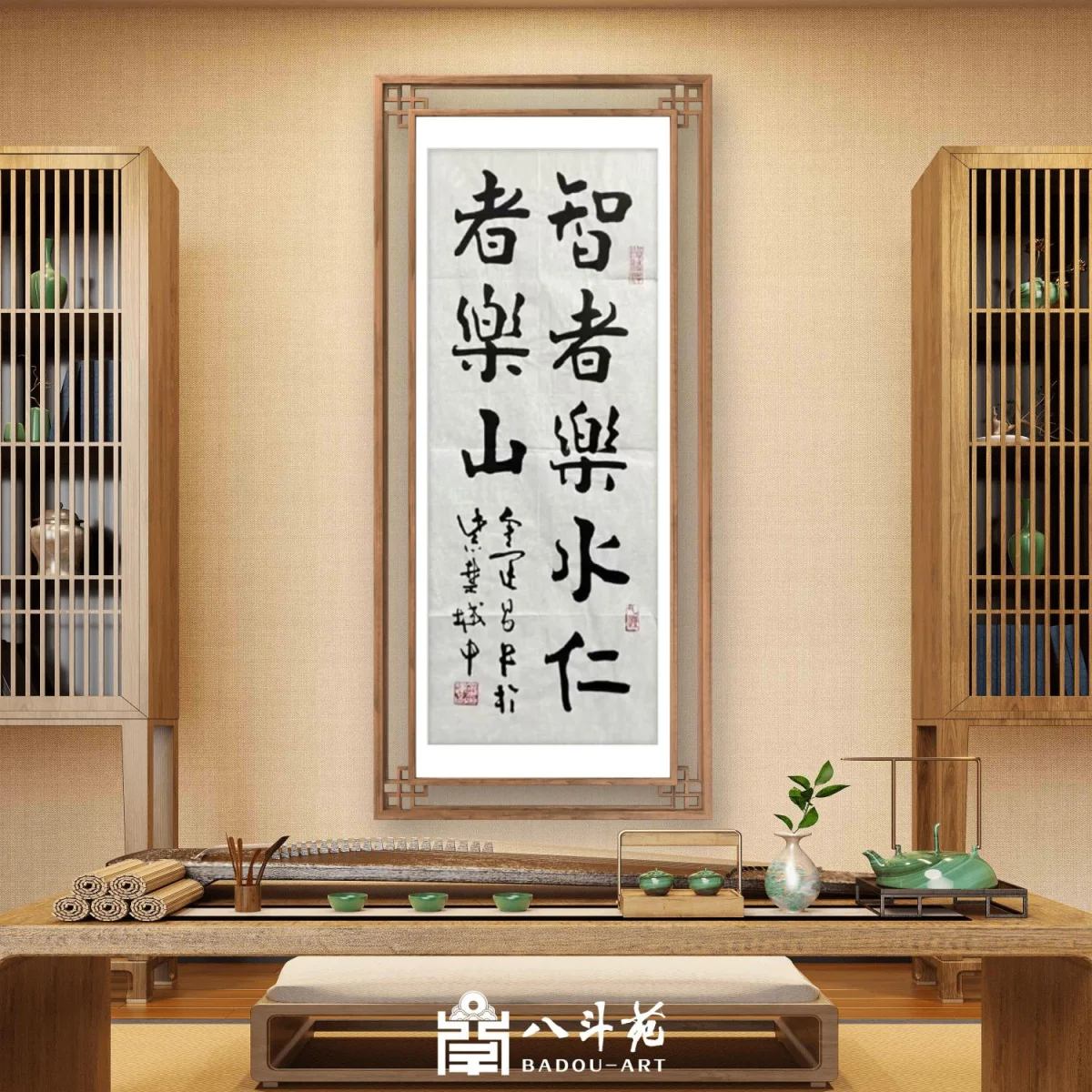
Jin Yunchang Calligraphy | 智者樂水仁者樂山
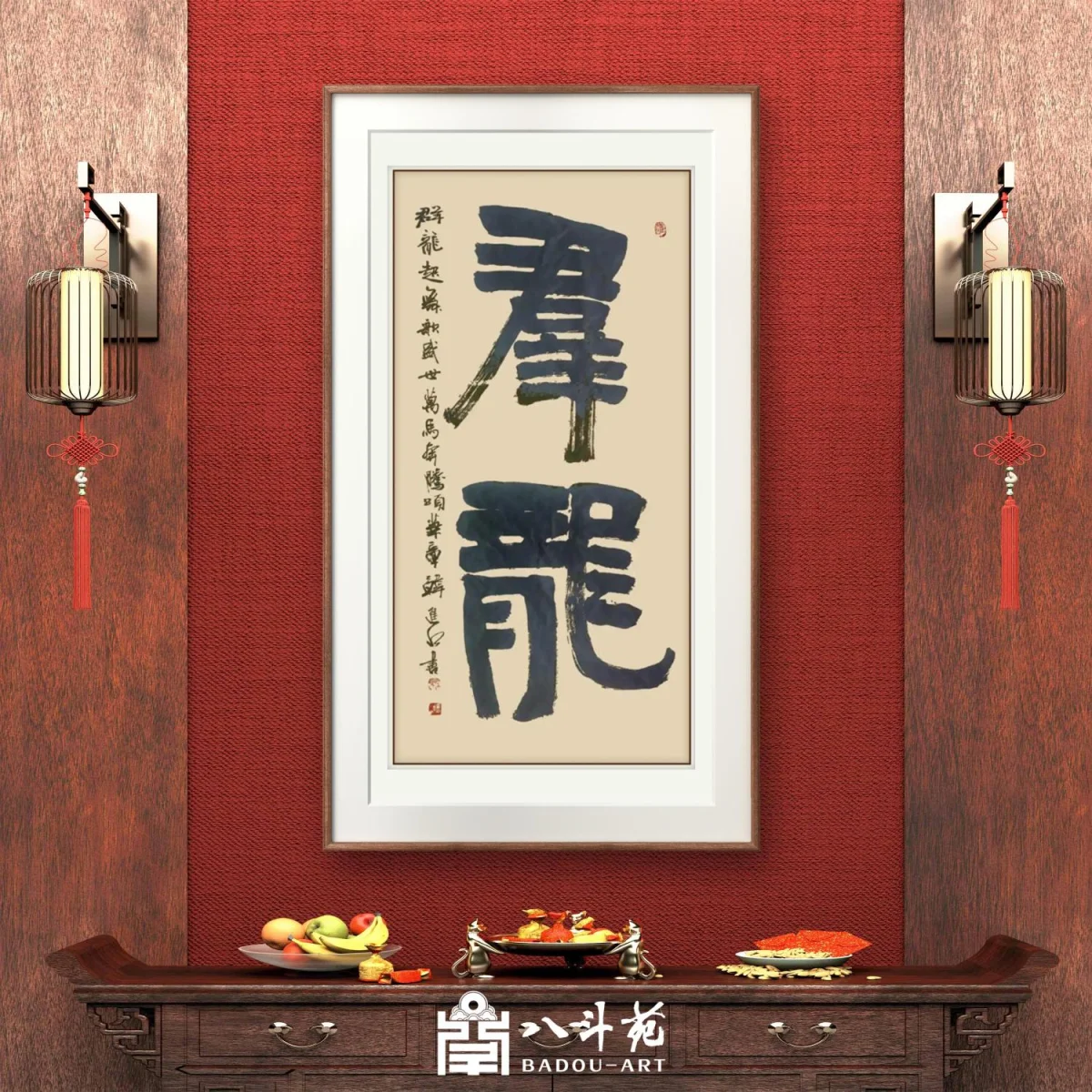
Han Jinshui Calligraphy | 羣龍 (A Group of Dragons)
Zhu Xunde: Sitting with the Cosmos in Hunan Ink
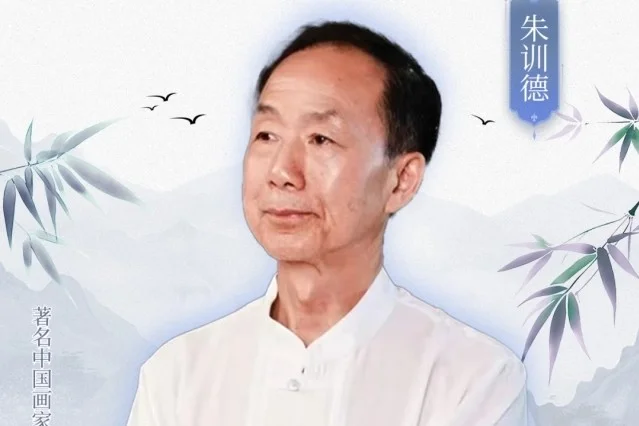
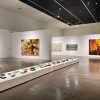
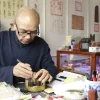
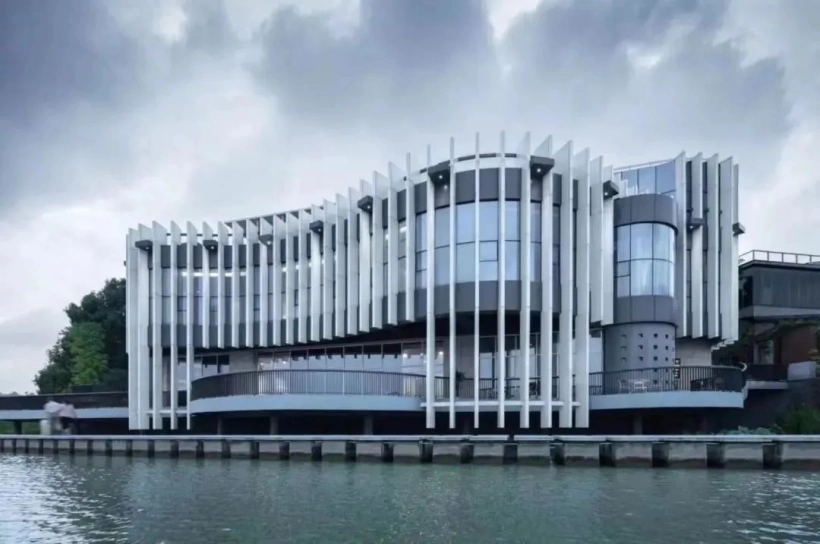
On a summer morning by Houhu Lake in Changsha, painter Zhu Xunde—Tang jacket, cloth shoes, unhurried smile—welcomes a visitor to his museum on the lake’s “masters island.” The setting suits him: near Yuelu Academy, amid bamboo and birds, in a city whose artistic life he has shaped for decades.
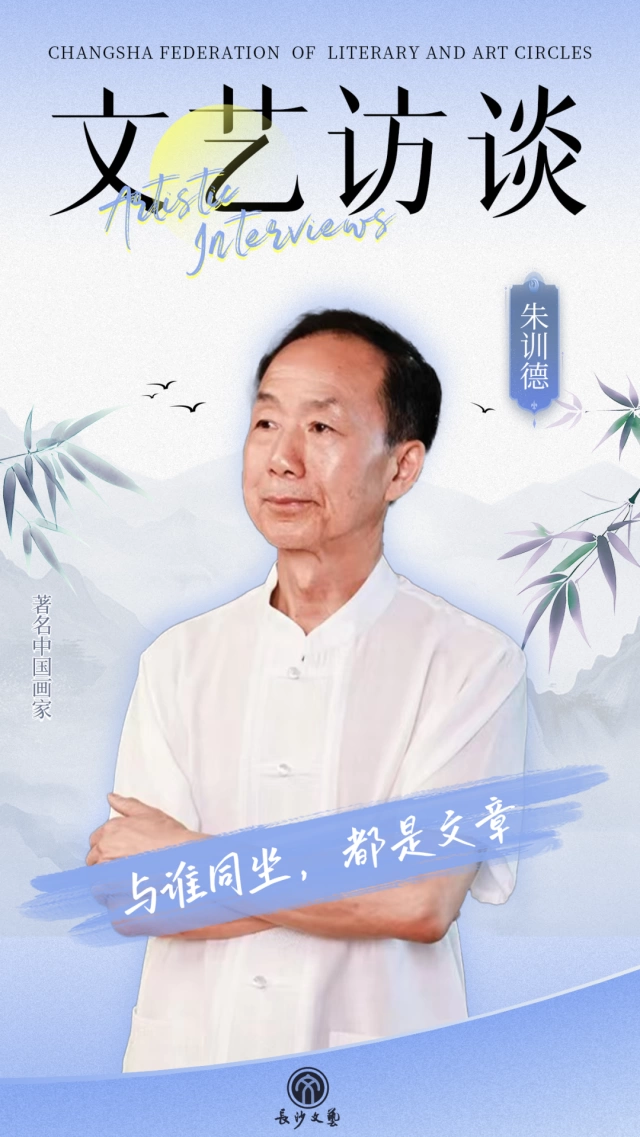
Zhu Xunde is one of China’s most decorated painters: former dean of the Academy of Fine Arts at Hunan Normal University, chairman of the Hunan Artists Association, vice chairman of the Hunan Federation of Literary and Art Circles, and a director of the China Artists Association. His silver medal at the National Exhibition of Fine Arts, gold at Canada’s international ink biennale, and the title “People’s Artist” tell only part of the story—his works are held by the National Art Museum of China, the Museum of Contemporary Art in Japan, the United Nations headquarters, Zhongnanhai and the Great Hall of the People.
Three Stages of a Career
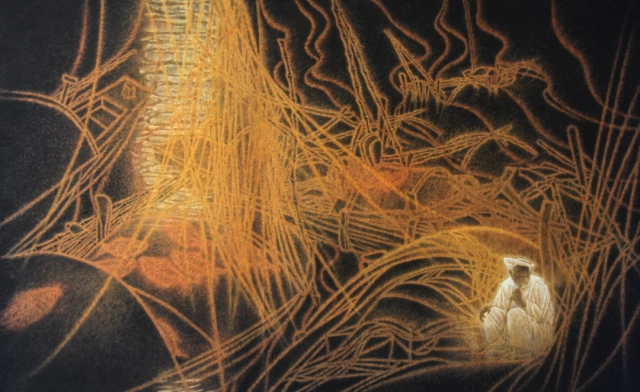
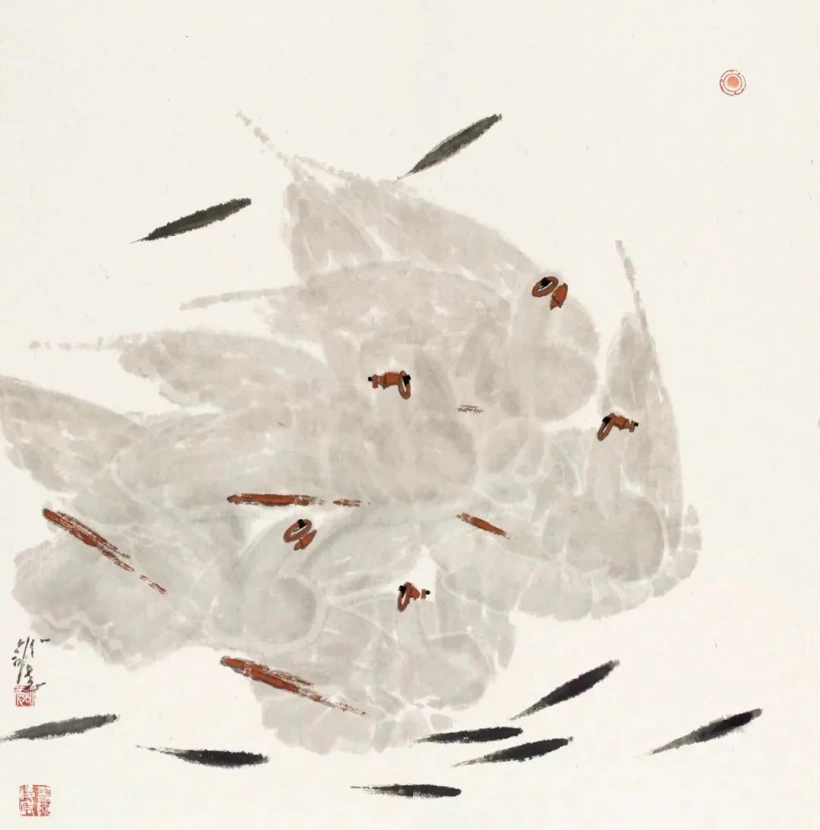
Zhu divides his practice into three phases. The early “ethnic folklore” works—*Spring Flowers*, *Dongting Awakening*, *Ode to Dongting*—portray women, fishermen and mothers of western Hunan in warm, luminous detail. A long interview piece notes that “the silent paintings seem to tell sounding stories,” glowing with life’s warmth and rhythm.
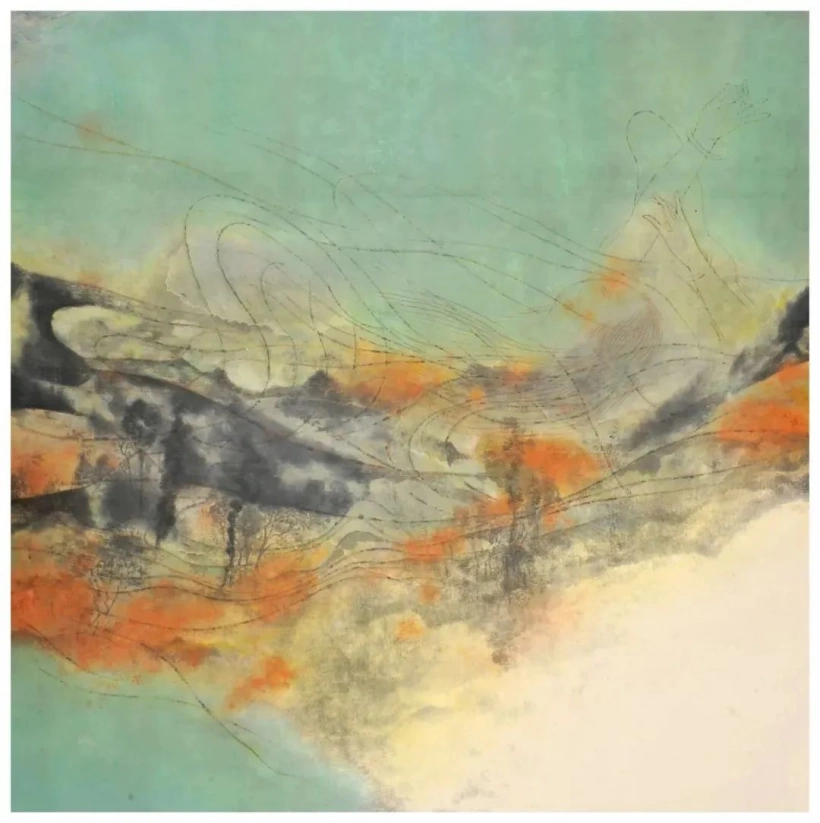
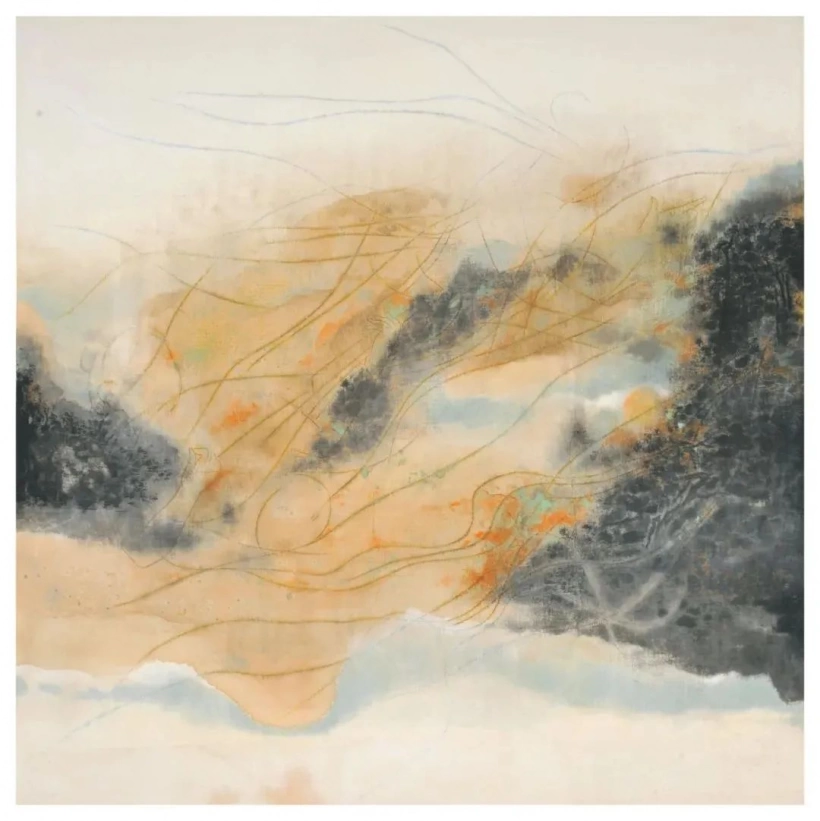
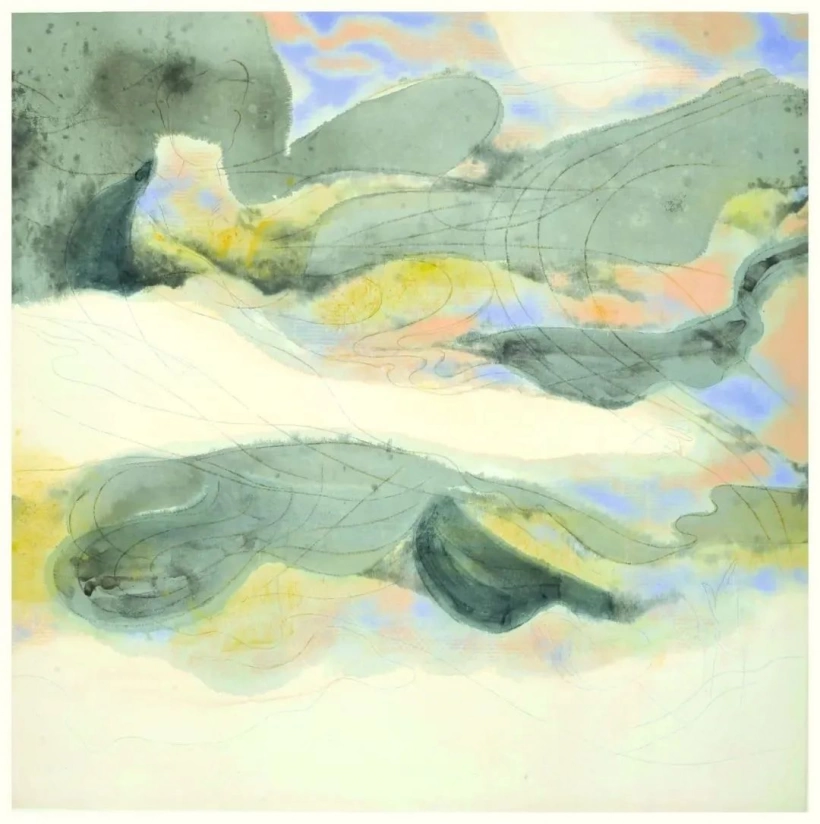
The second phase, “humanistic time-space,” produced the celebrated *Shikong* series (*Yin*, *Yun*, *Ruo*, *Cheng*): flying apsaras, cloud and water in cosmic circulation, lines soaring across strange, magnificent compositions—heaven, earth and humanity gathered into one image, achieving the classical ideal of unity between man and cosmos.
Symphonies and Dunhuang
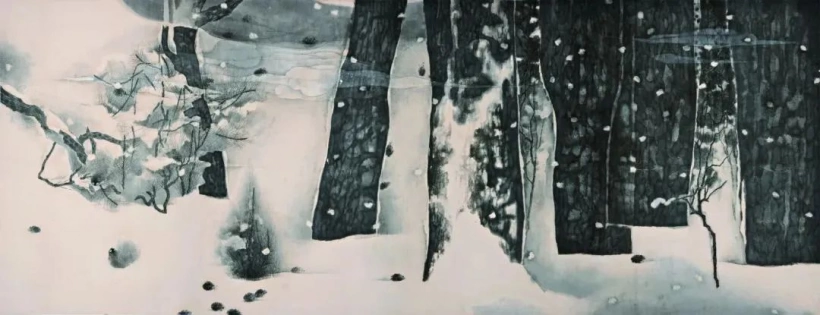
Music runs through his titles—*Silent Mountain Moon*, *Winter Words*, *Grand Yangtze Symphony*—and through his brushwork, which builds rhythm from dense, lively lines. His twenty-meter scroll *Grand Yangtze Symphony*, shown at the National Art Museum, reimagines the Yangtze as history, ecology and era, movement by movement like a symphonic score.
Dunhuang is his sacred ground. The meticulous scroll *Visiting Dunhuang* unfolds like an ancient manuscript: the Silk Road trek, apsaras in welcome, devotion before the Buddha, and finally doves bearing olive branches. His pigments are ground by hand from stones and earth collected in Tibet, Dunhuang and the loess highlands—rock colors like those of the Mawangdui silk paintings—fused with modern, Western modes of expression.
Sitting with All Beings
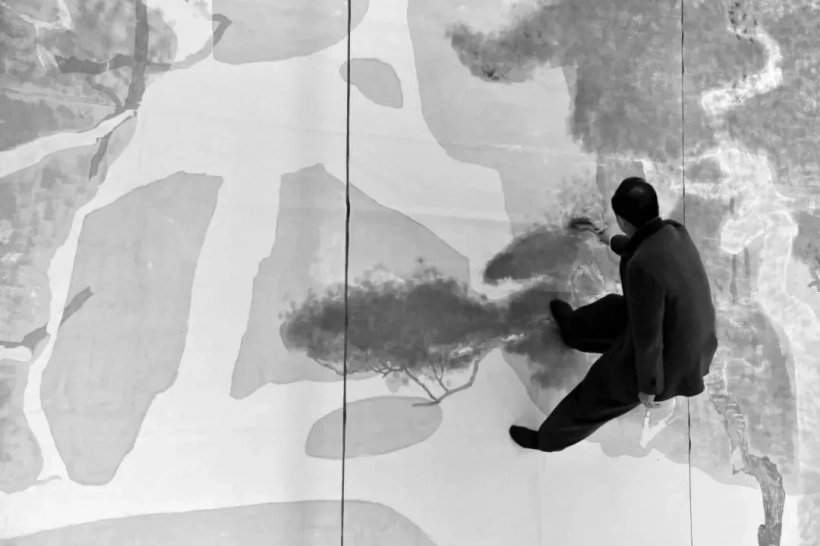
Fifty meters long, his ink scroll *Asking the Way in Xiaoxiang* traces the region’s cultural pulse from misty rivers to Yuelu Academy. Zhu’s creed, written in his studio notes: “If we can sense our limits before history and nature’s endless change, feel the interplay of humanity and cosmos, and express it from a quiet heart, we create what is eternal in art.” After twenty years as a dean and provincial association chairman, teaching thousands of students, he remains—like the lake he loves—both still and full of motion.
*Source: republished from Badou Art’s featured-artist archive.*