Our Featured Collection
Hand‑picked premium works for you
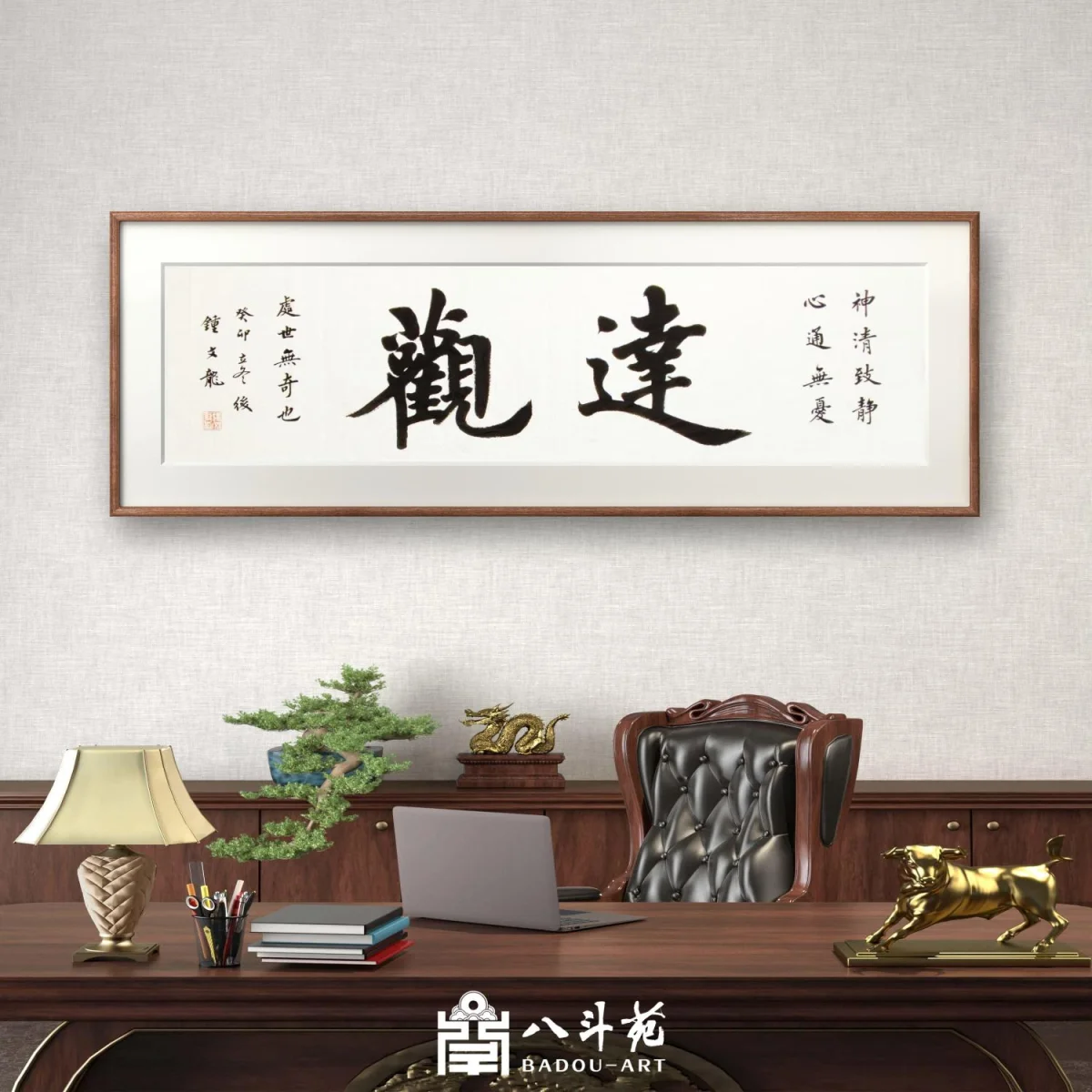
Zhong Wenlong Calligraphy | 达观
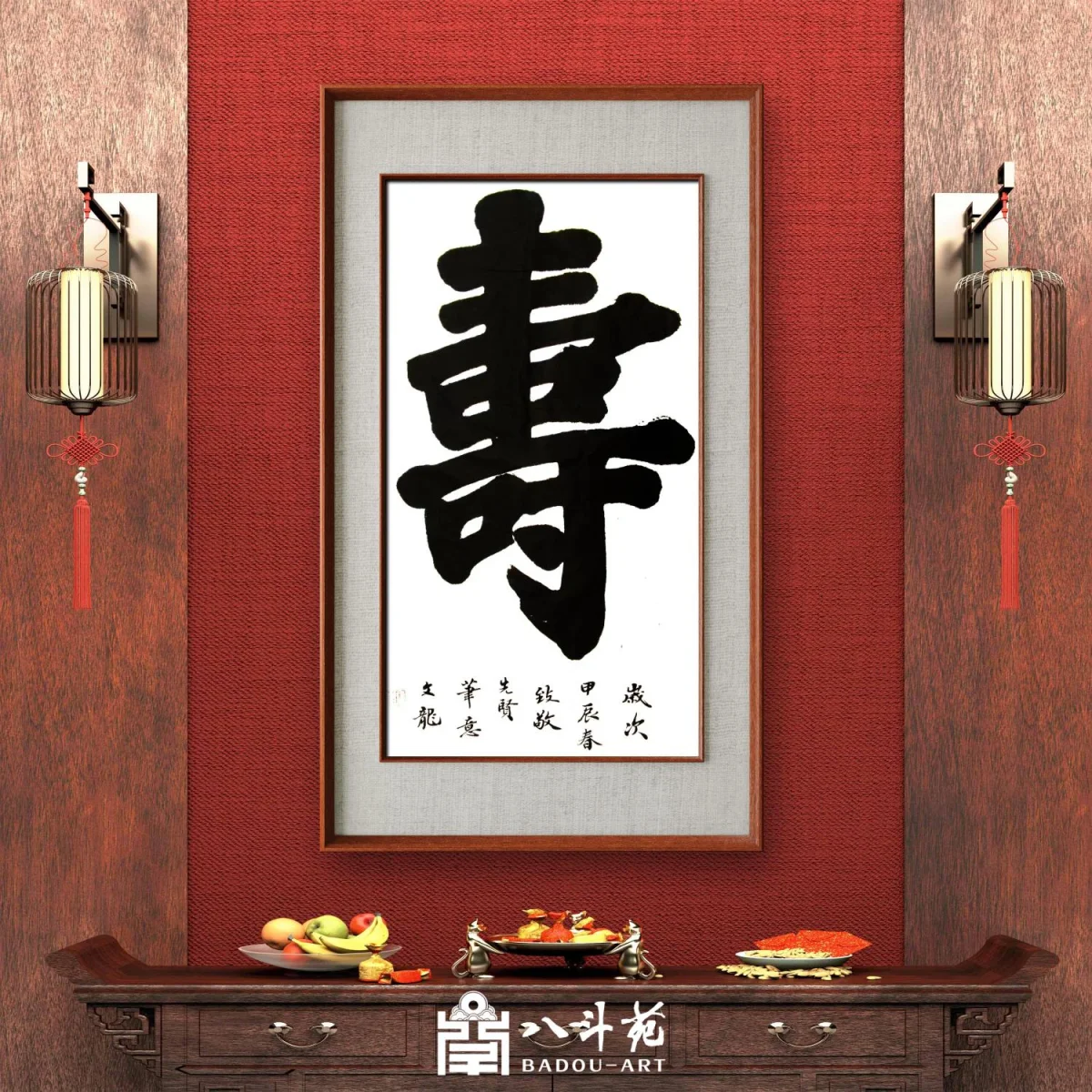
Zhong Wenlong Calligraphy | 壽
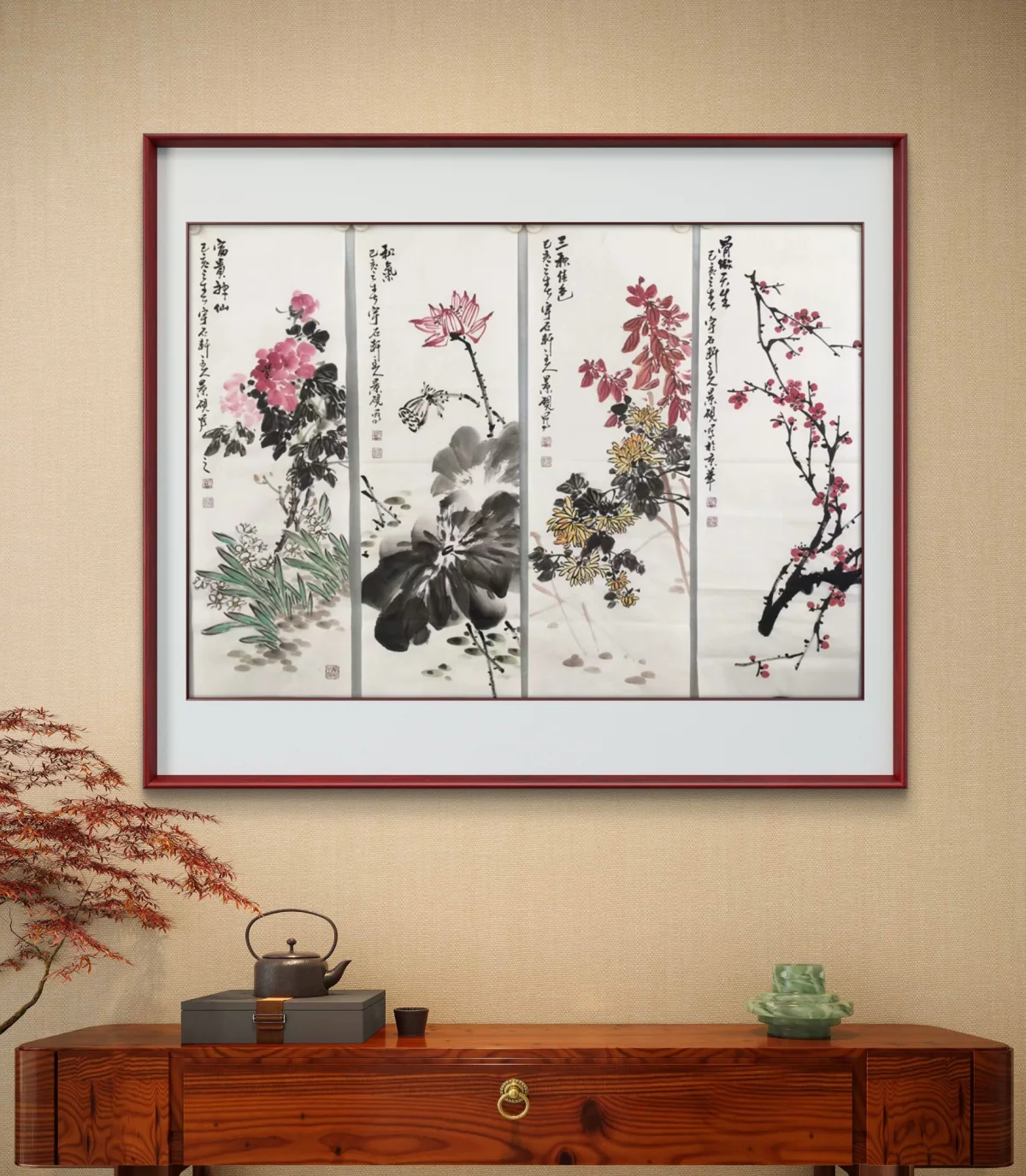
Wu Jingyan Chinese Freehand Painting・Four‑Panel Flower‑and‑Bird Screens(花鸟四条屏)
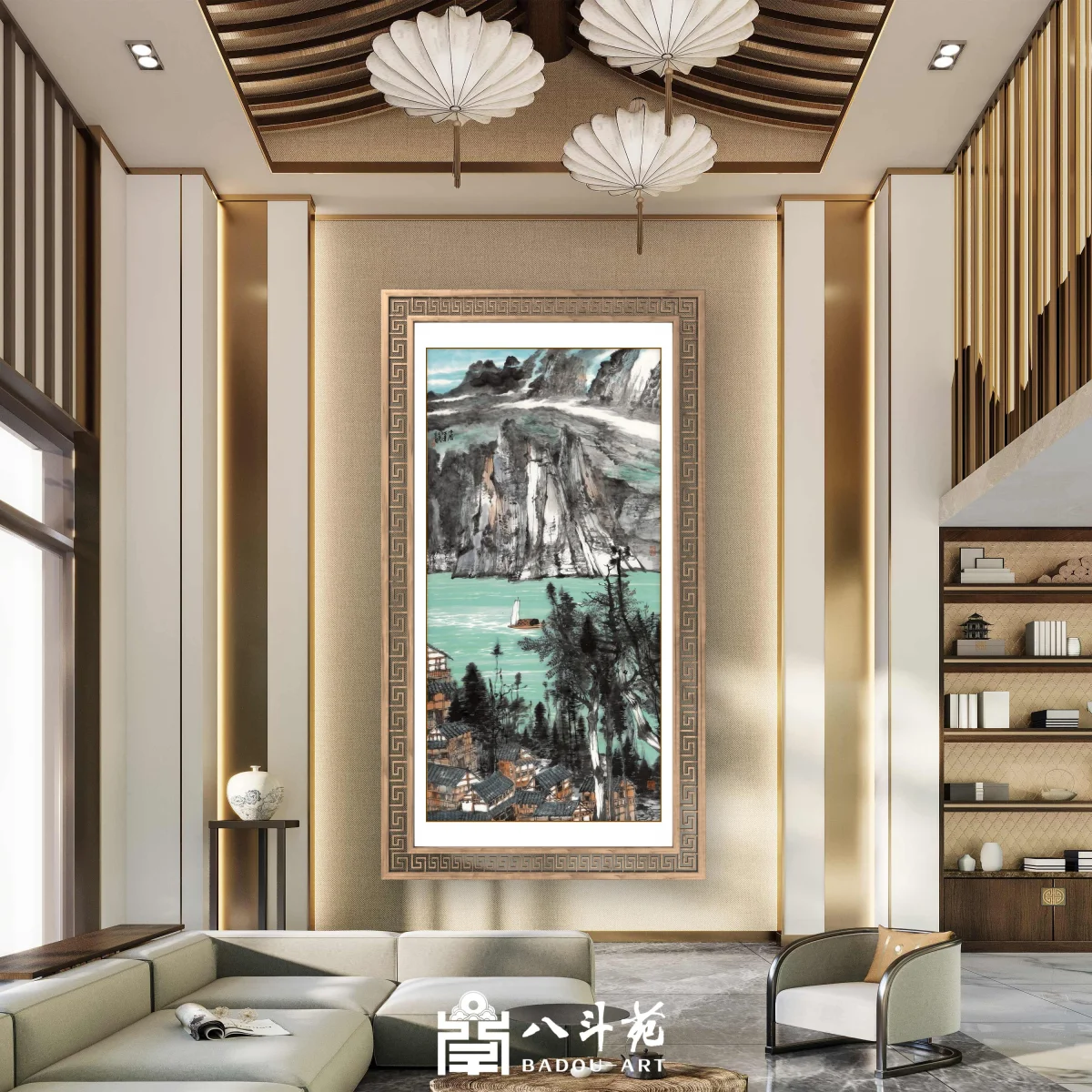
Liu Liyong Landscape Painting | Riverside Mountain Hamlet (山居江远)
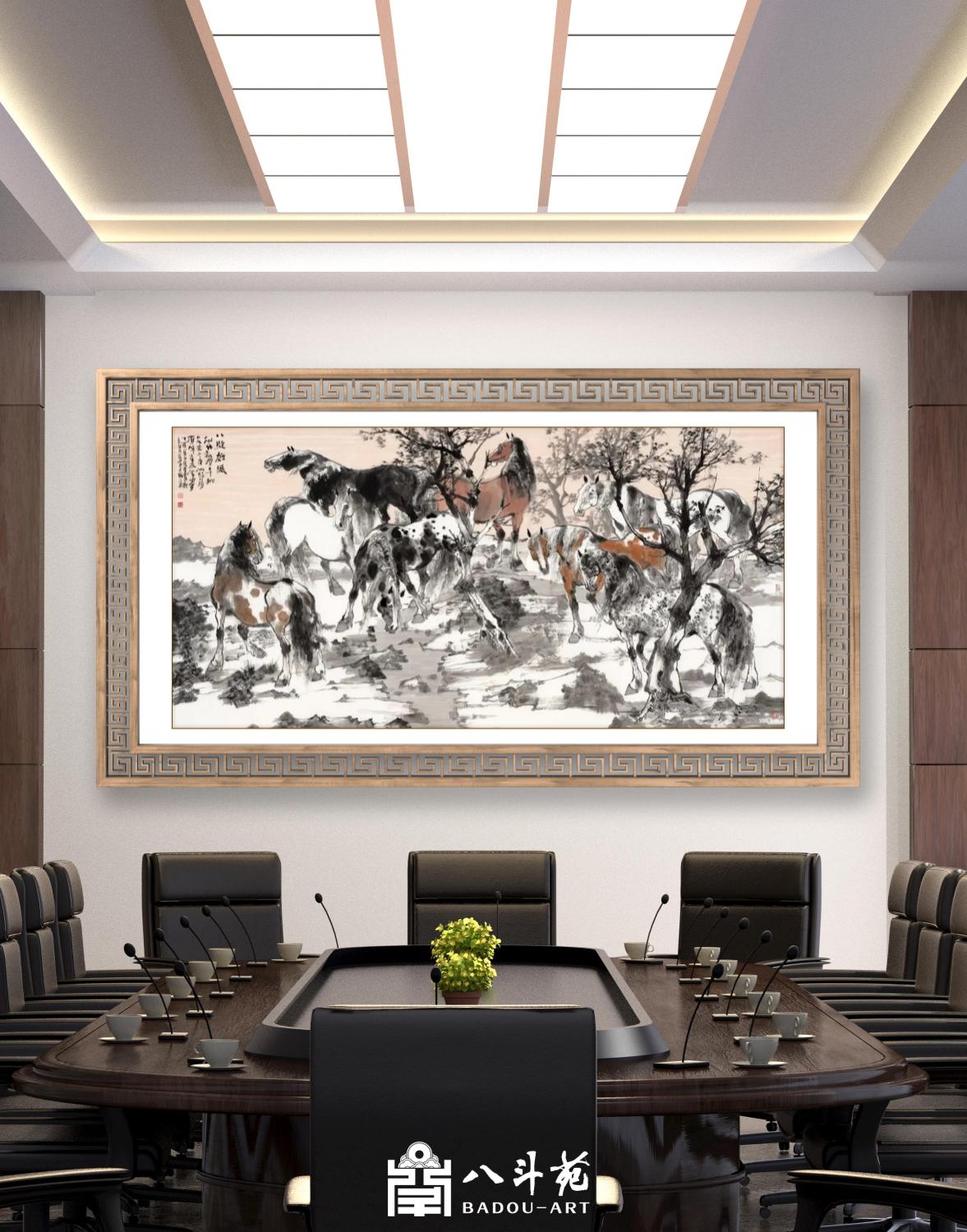
Liu Liyong Animal Painting | Eight Steeds (八骏图)
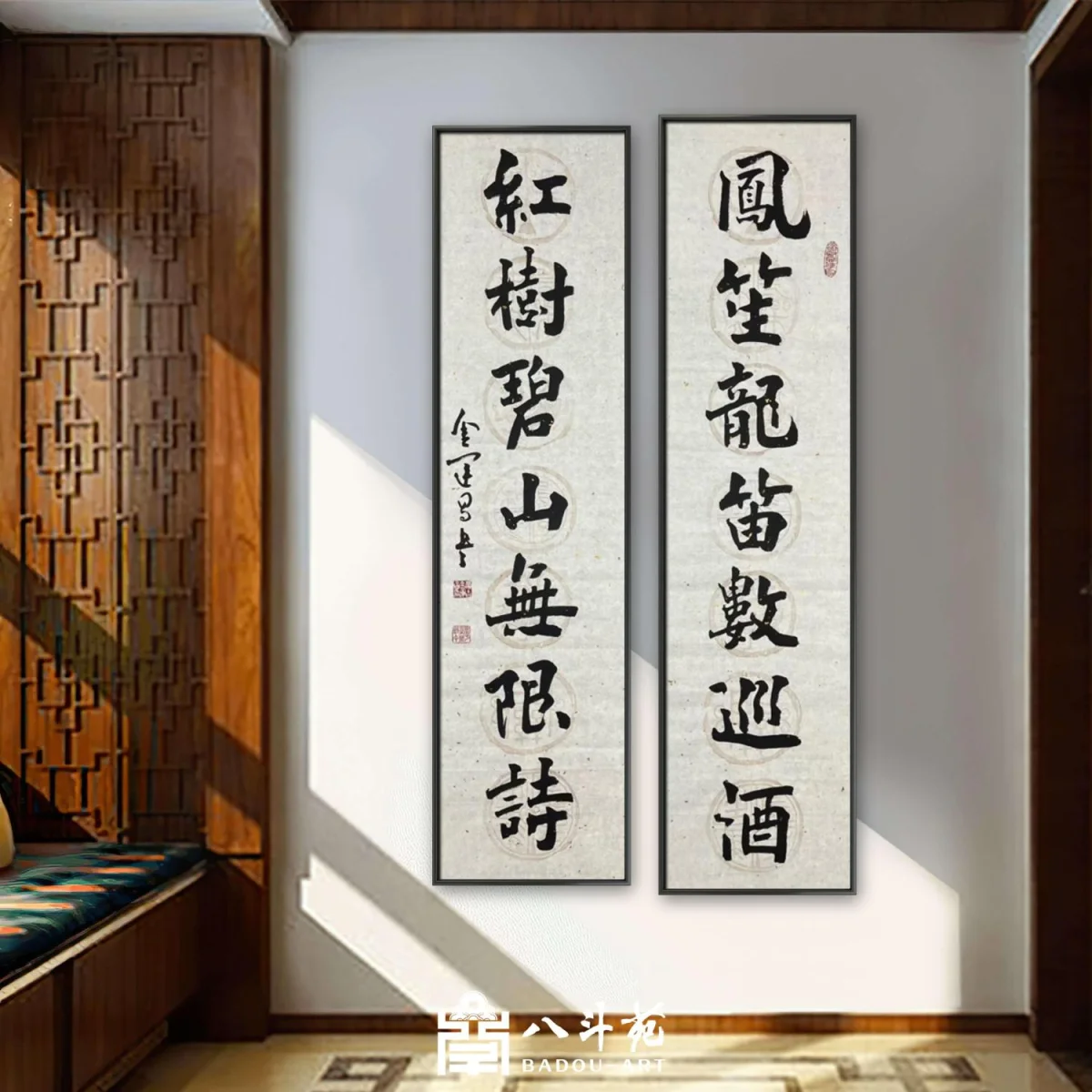
Jin Yunchang Calligraphy | 鳳笙龍笛數巡酒
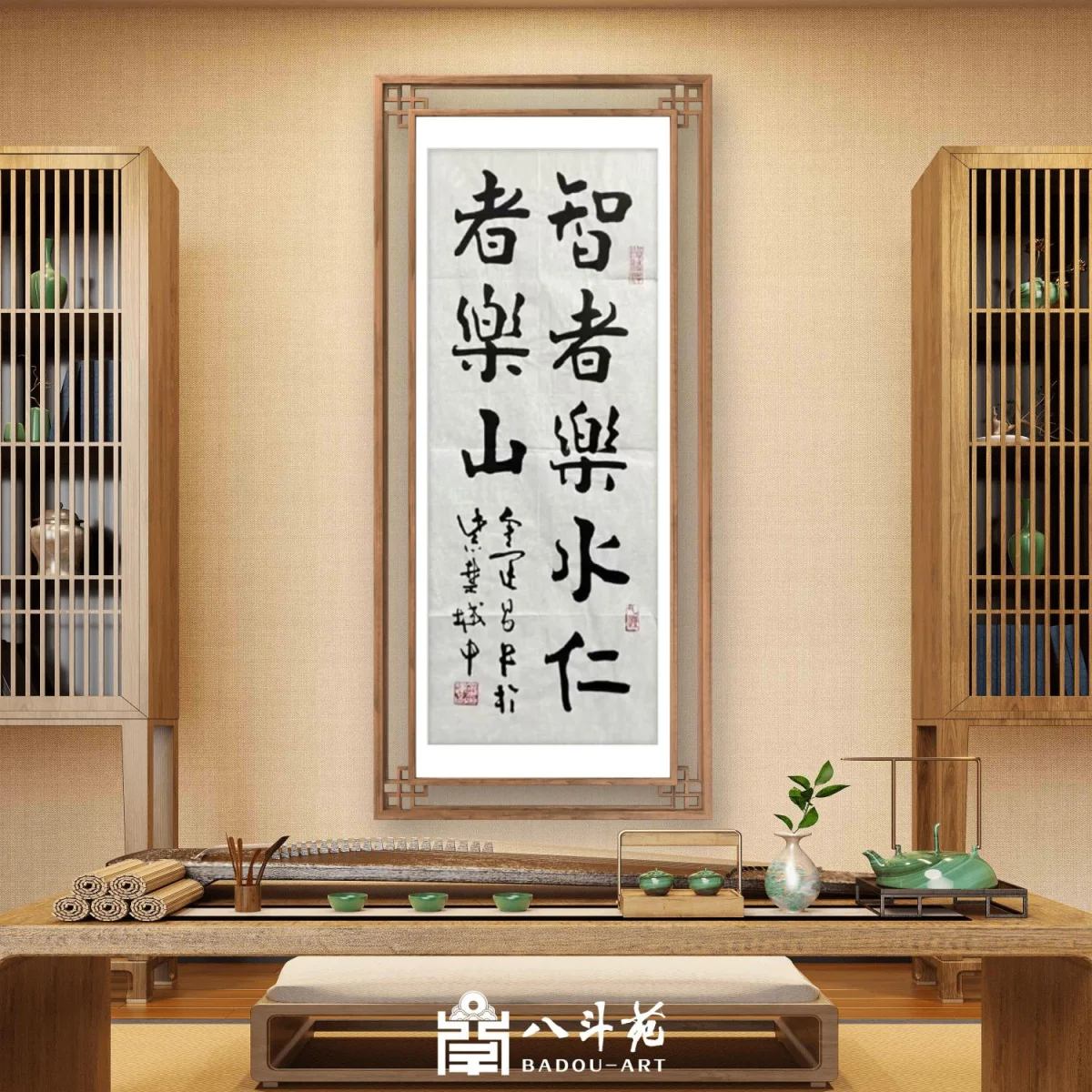
Jin Yunchang Calligraphy | 智者樂水仁者樂山
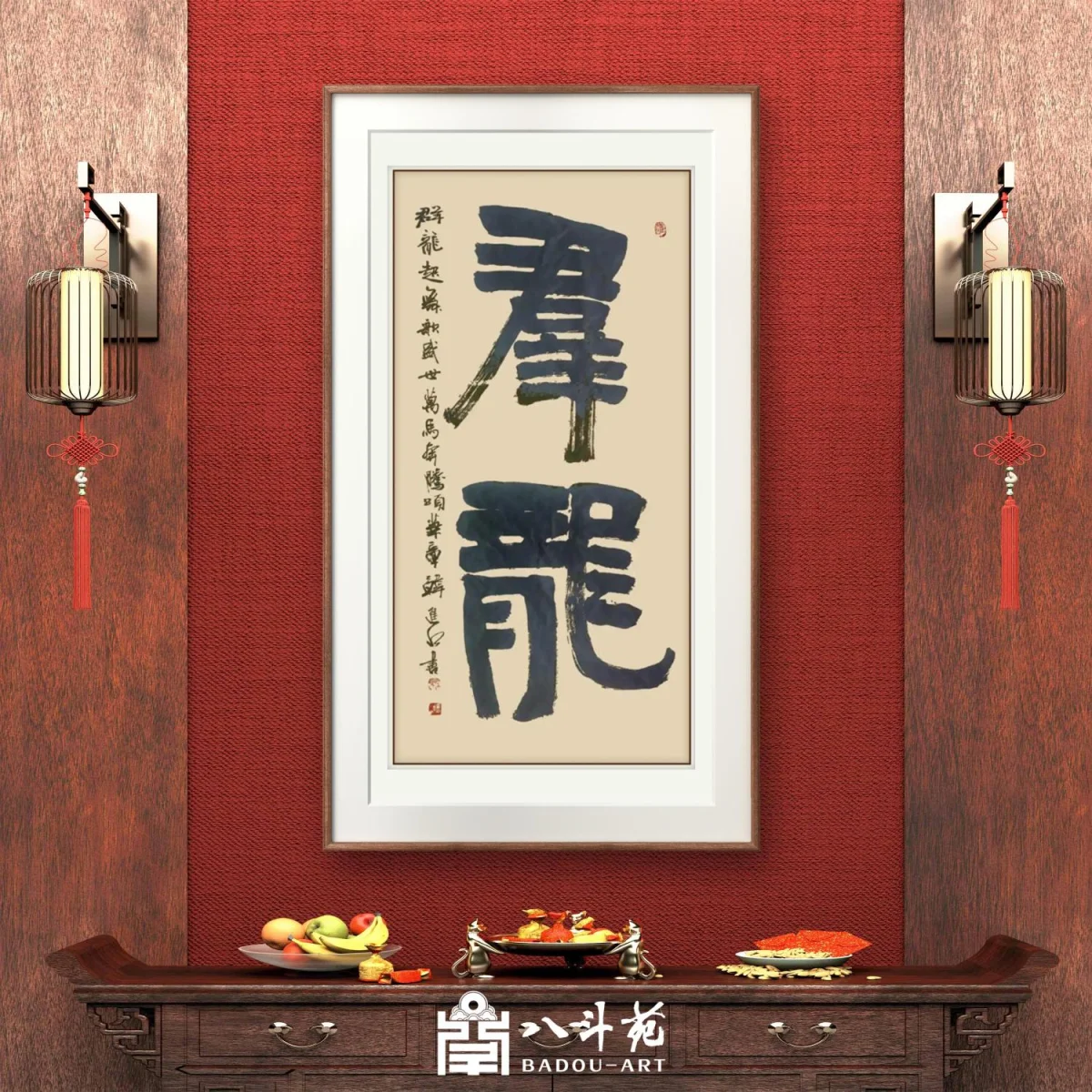
Han Jinshui Calligraphy | 羣龍 (A Group of Dragons)
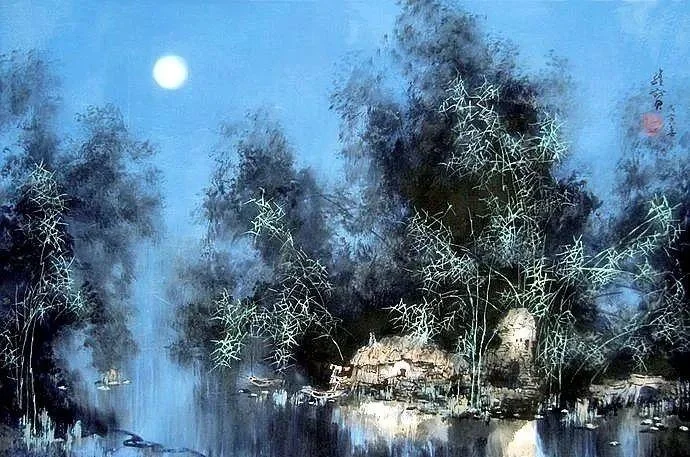
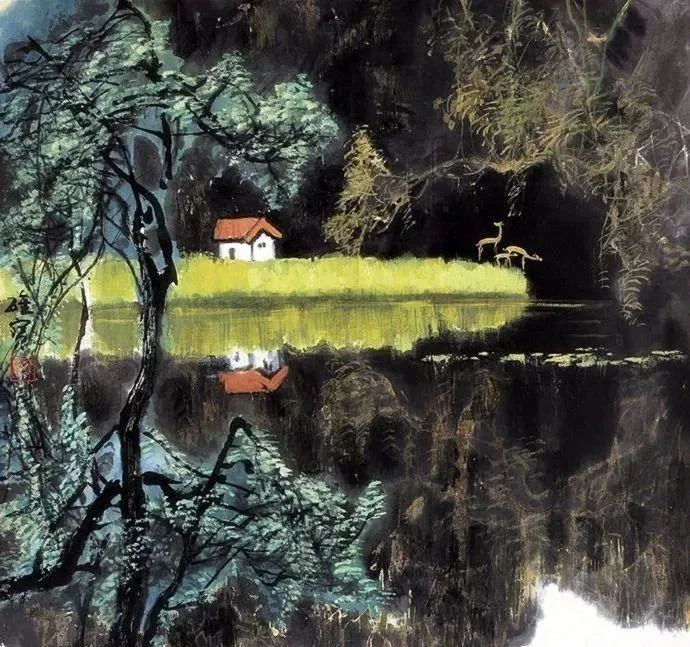
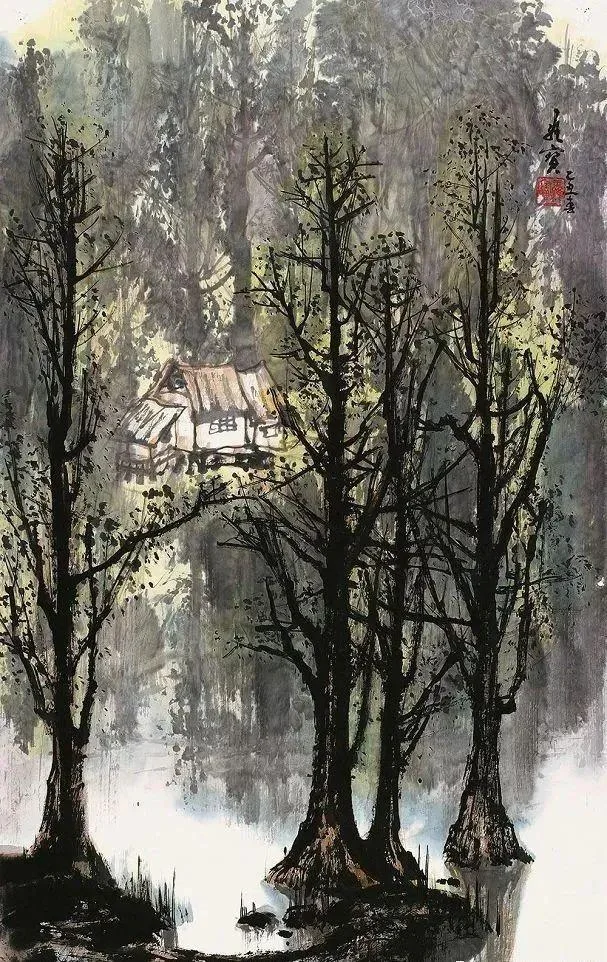
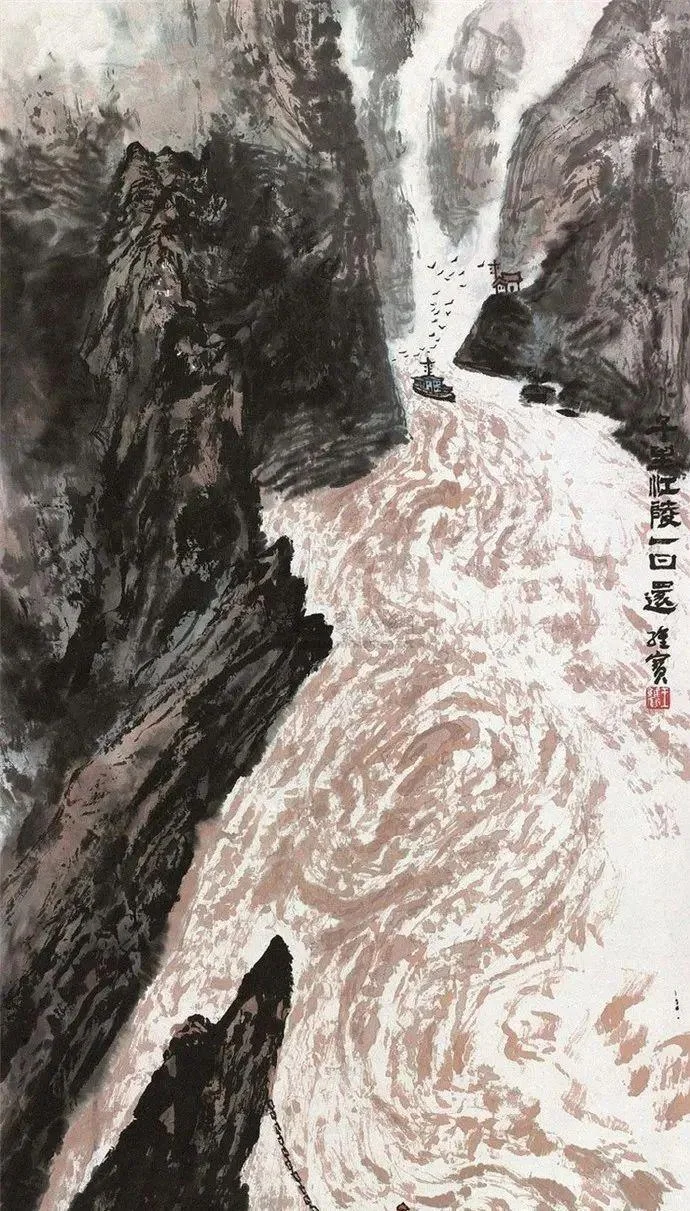
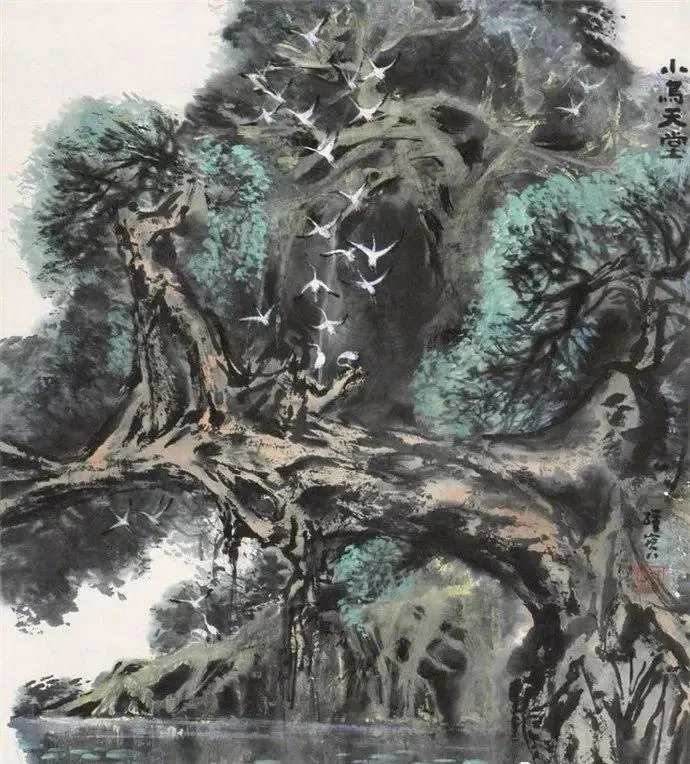
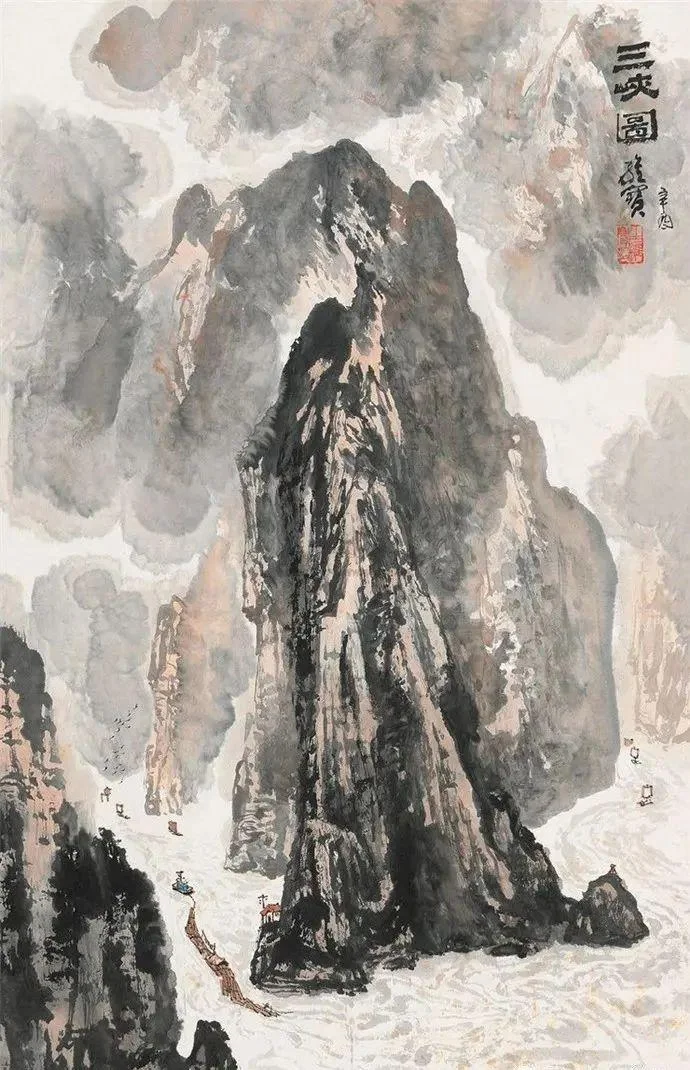
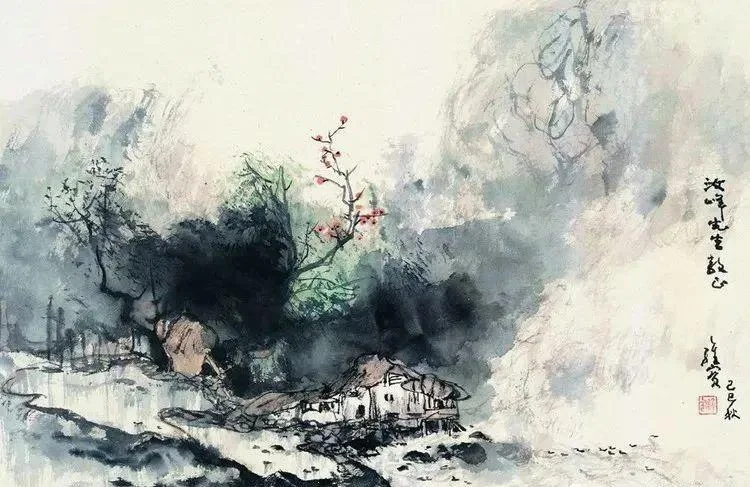
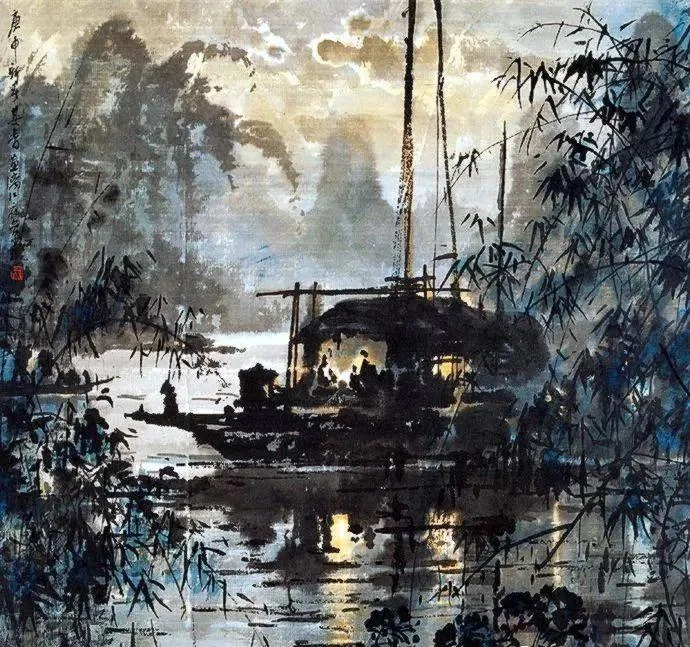
Wang Weibao: From Woodcut Prodigy to Lingnan Landscape Master
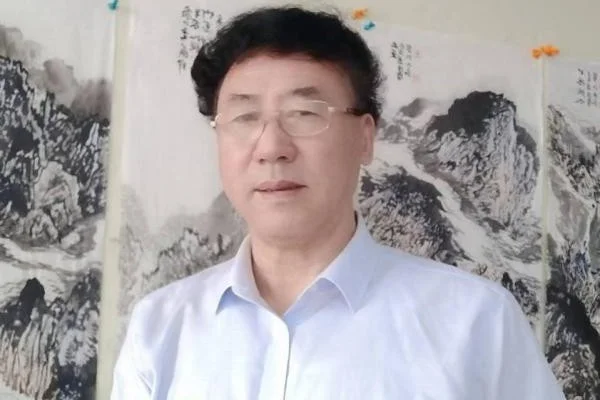
Wang Weibao was born in 1942 in Jinjiang, Fujian—a farming family so poor that he got his first pair of shoes, salvaged from an army camp, only when he entered middle school. Art began as survival: as a boy he carved seals for snacks, and at sixteen the *Fujian Daily* published his first woodcut, paying him eight yuan. “That fee brought my family joy,” he recalls, “and gave me hope for a new life.” The habit of relentless production—painting, submitting, being rejected, submitting again—was born there, “forced out by poverty.”
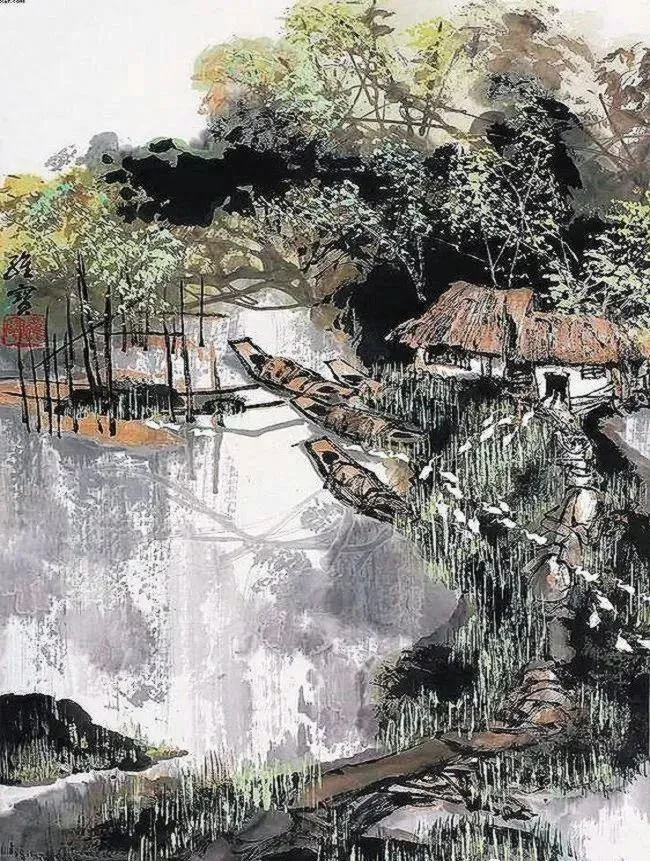
Training and a Daring Pivot
In 1959 Wang entered the attached middle school of the Guangzhou Academy of Fine Arts, receiving rigorous training in drawing and color. Woodcuts such as *Protecting the Seedlings* and *Water-Splashing Festival* made him a nationally known printmaker through the 1960s and early 1970s. Then, at thirty-five, he made a startling decision: he abandoned printmaking altogether for Chinese landscape painting. His reasoning was disarmingly honest: “Among my classmates, my figure painting was the worst. But I had deep rural experience and real feeling for the countryside. Most graduates looked down on landscape—but landscape is what society needs most, and that is where the great names are made: Li Keran, Guan Shanyue, Fu Baoshi. I chose with self-knowledge.” He threw out his drawing boards—and even the printmakers’ association notices.
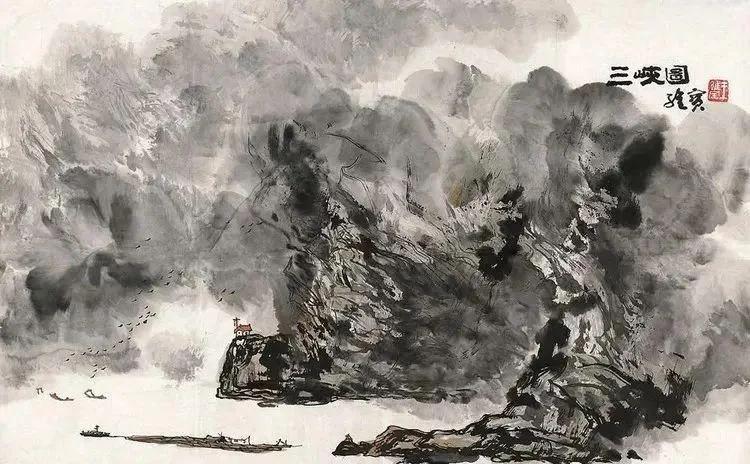
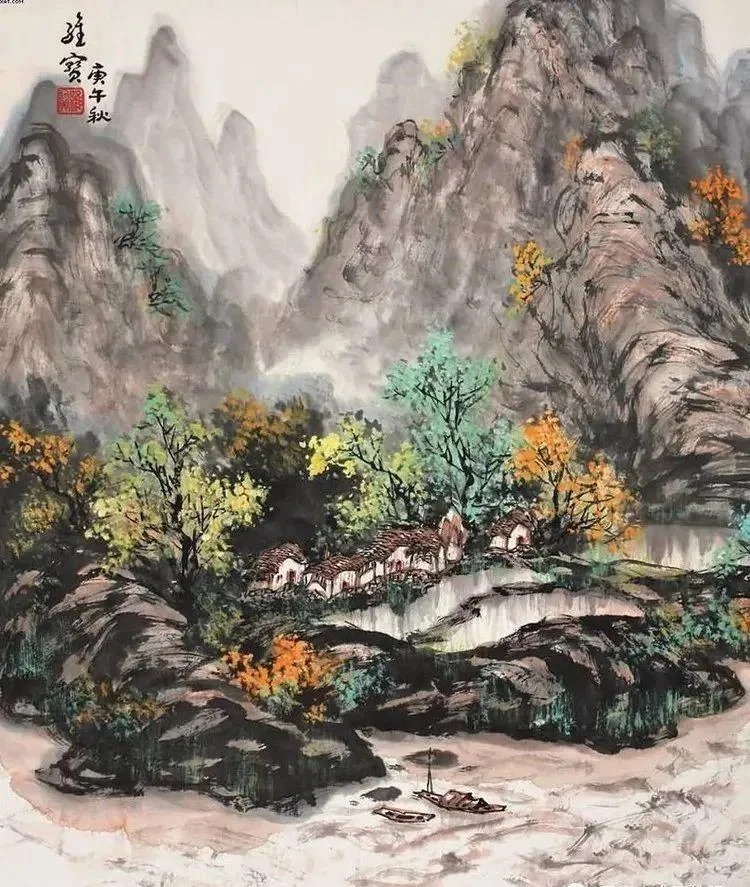
“The People Have Won”
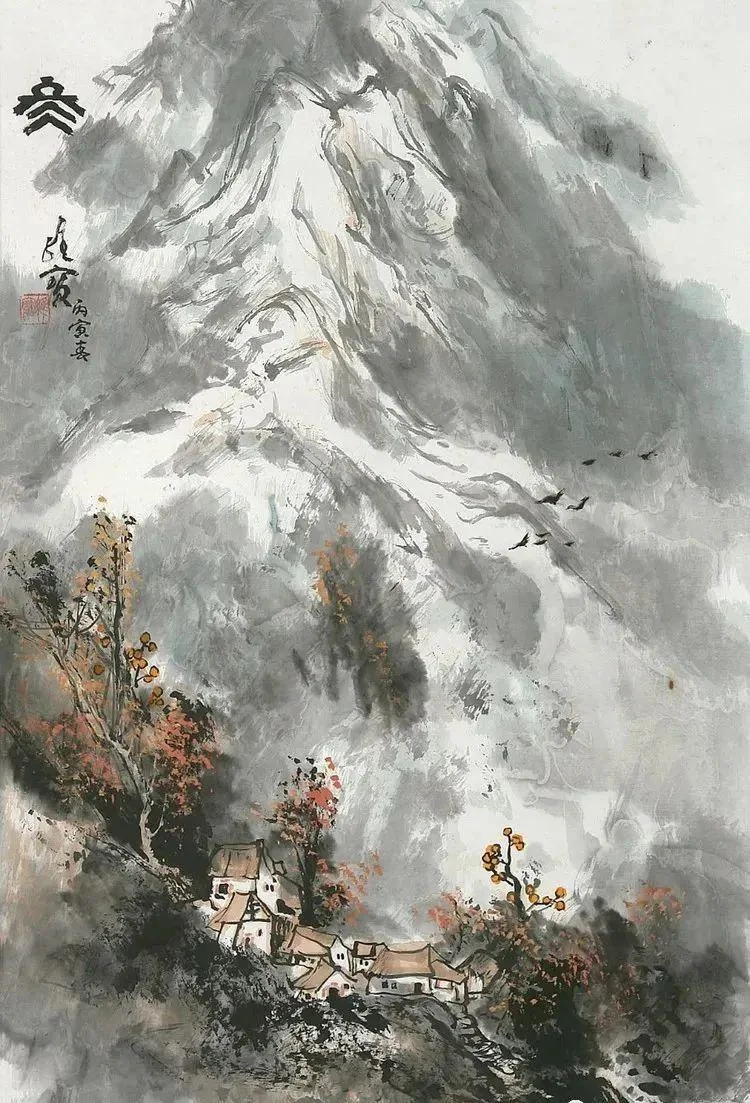
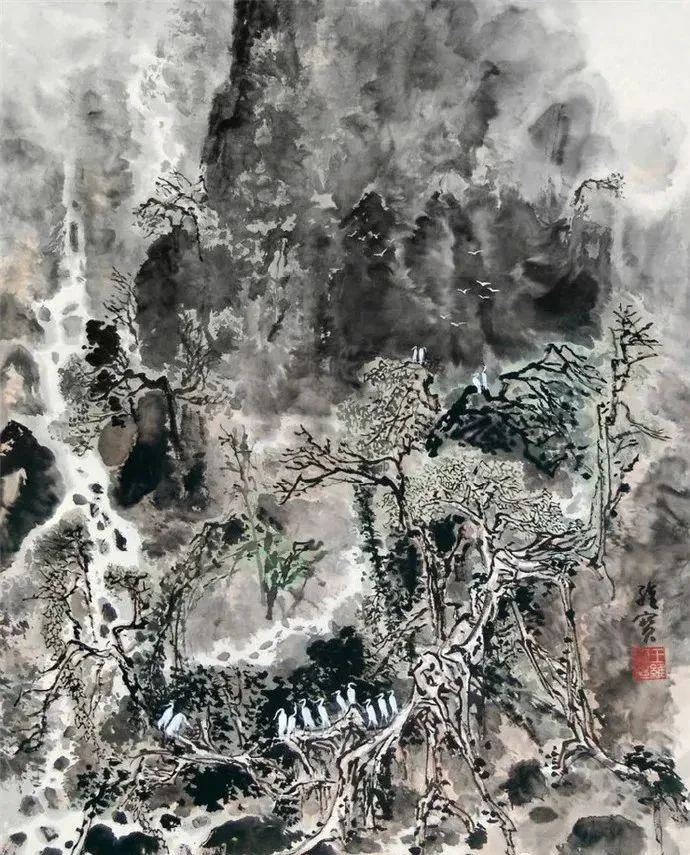
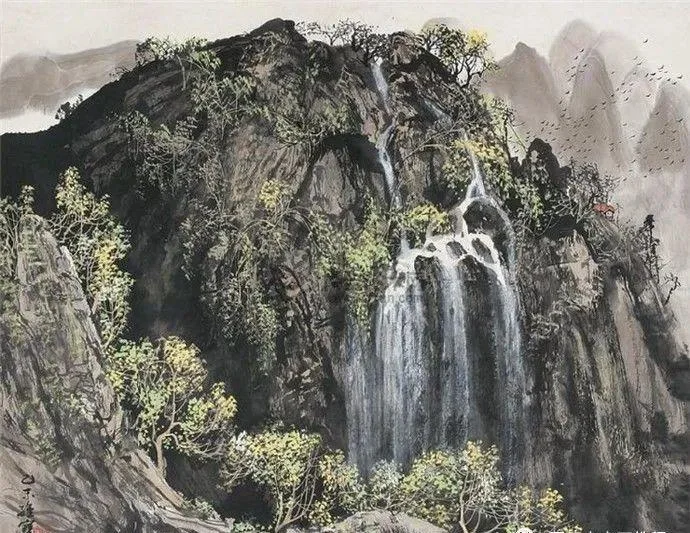
In 1976 Wang painted *The People Have Won*—the first time a major political theme was rendered in pure landscape rather than figure composition. Newspapers across the country raced to reprint it. Friends joked that it was not the people but Wang Weibao who had won. Three years later, invited to a Guangzhou exhibition with only one painting in hand, he produced more than forty landscapes in under two months; a Singaporean visitor reportedly won one small work in a three-way coin toss for 400 yuan.
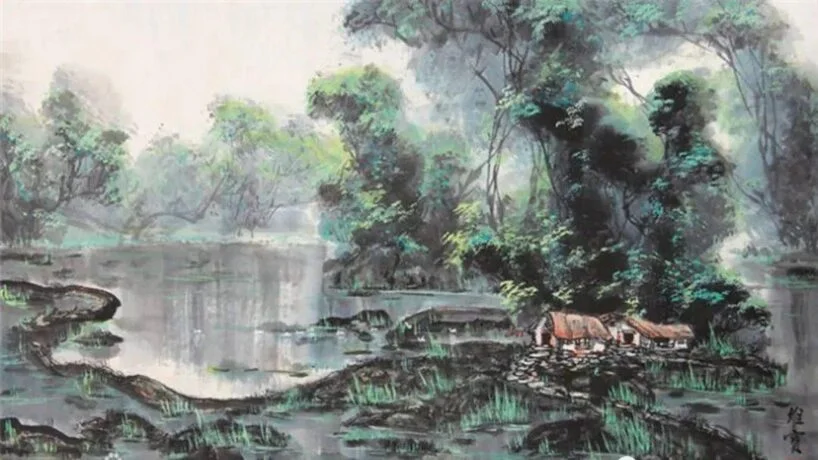
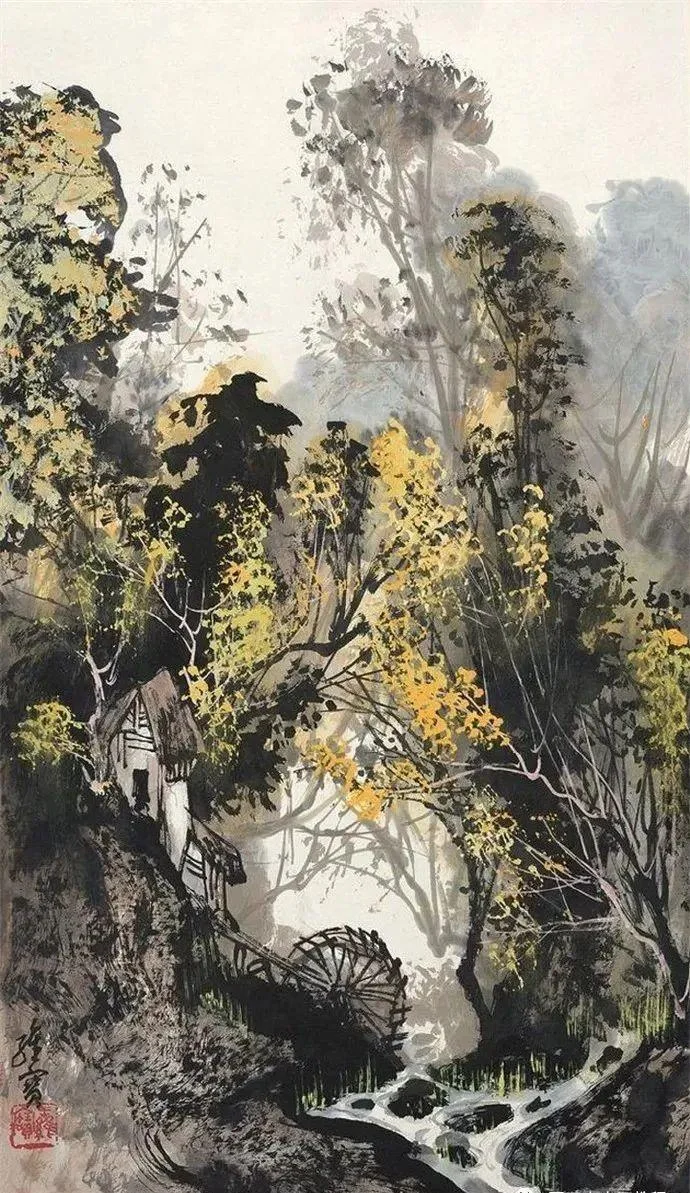
Autumn, Always Autumn
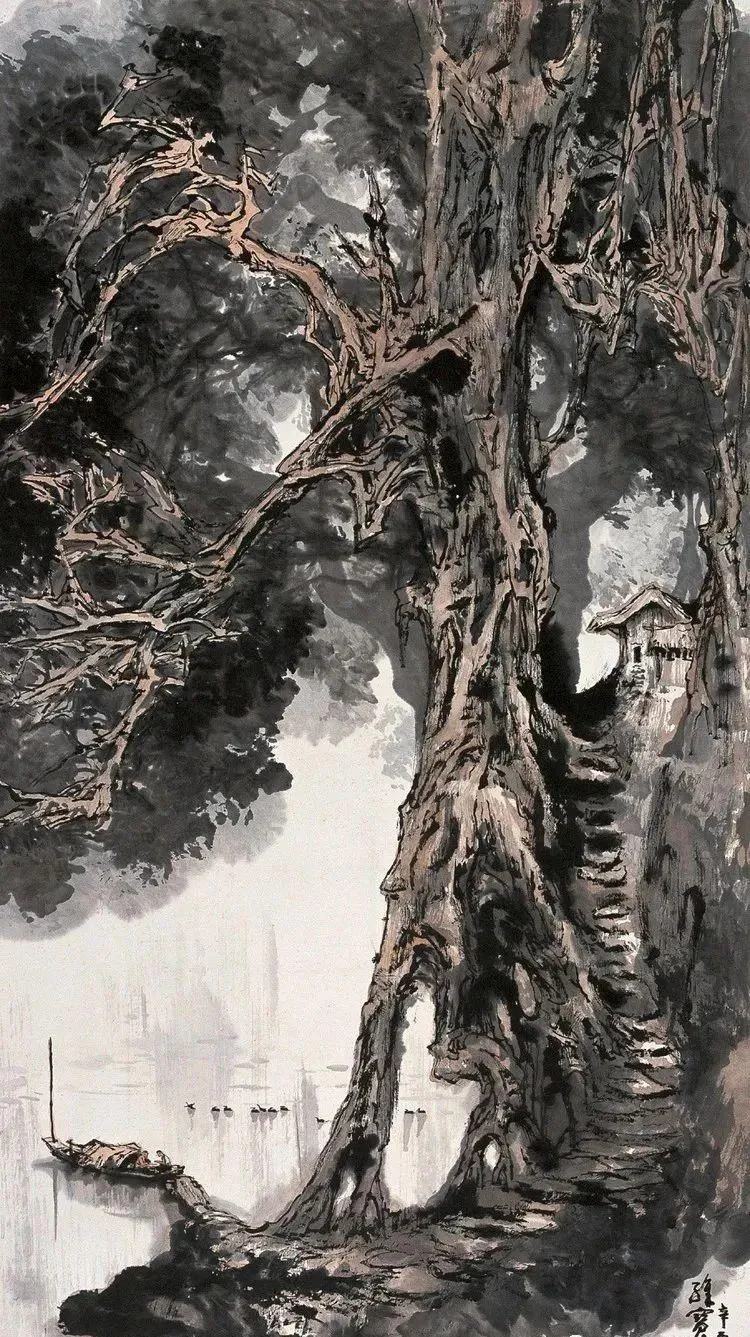
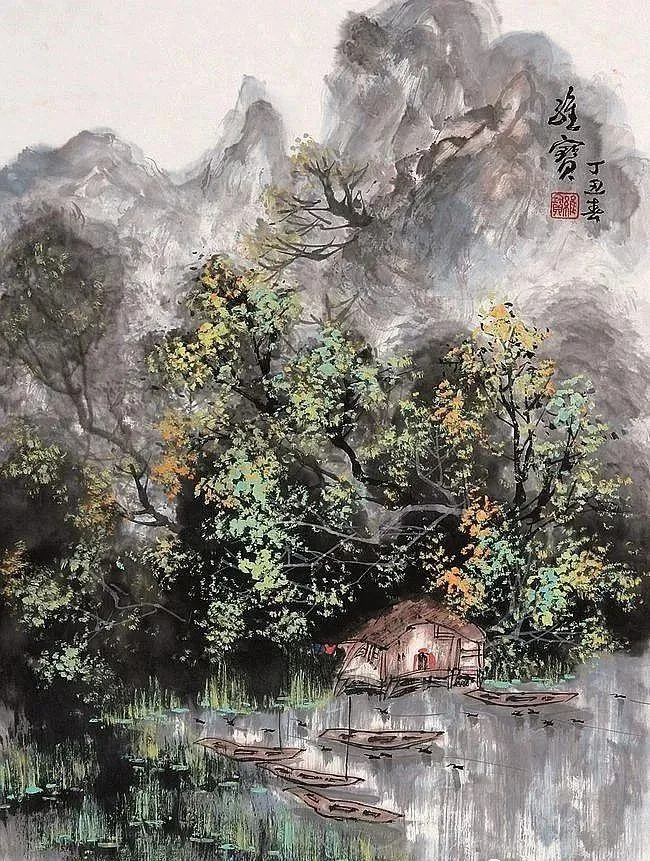
Critics trace today’s popular lyrical landscape vignettes—”a few old houses, a bend of shallow water, two or three little boats”—directly to Wang’s pioneering example. His works are collected by the National Art Museum of China, the Nanjing Museum and the Tianjin Art Museum; he has held solo exhibitions in Singapore, Hong Kong and Canada, exhibited in Japan and Italy, and in 1993 received Indonesia’s “Solowang” medal from its head of state. A graduate of the Guangzhou Academy, a member of the China Artists Association and a first-class artist of the Guangdong Painting Academy, he is counted among the outstanding representatives of the Lingnan school. Why do viewers find his village houses so alive? “Because I don’t just paint houses—I could build them,” he says. “I know their structure and function.”
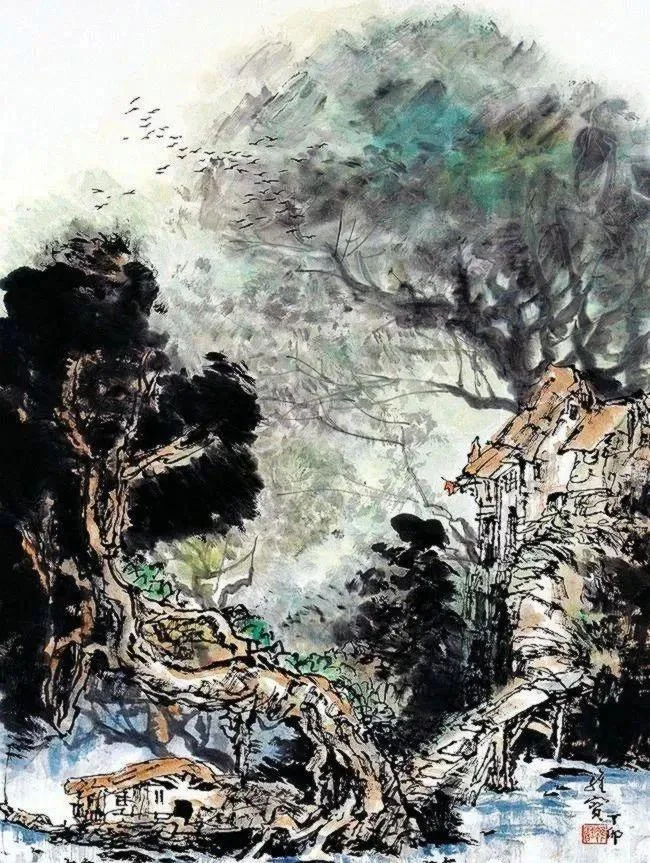
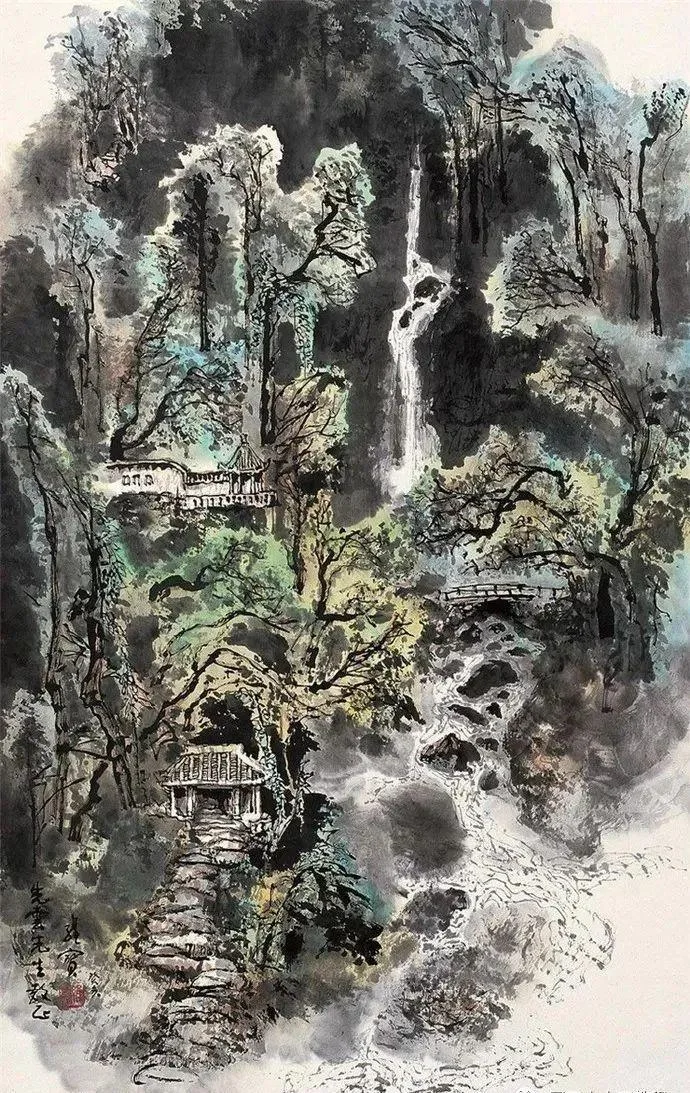
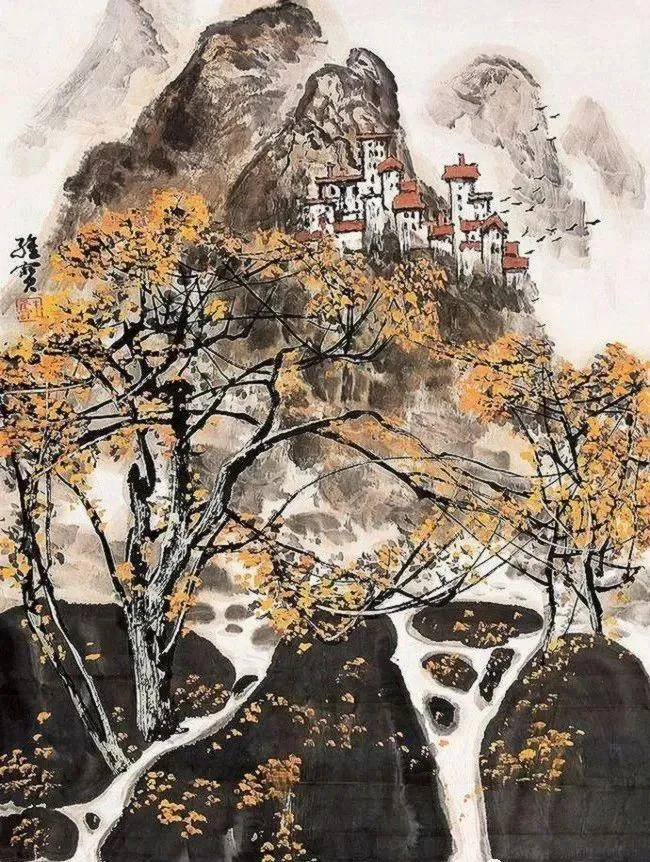
Freedom of the heart, he believes, made him: nature raised the boy no one had time to raise, and the wild child of Jinjiang’s hills became a painter of unrestrained spirit. Asked about the connection between calligraphy-brush life and art, he answers with characteristic wit: sincerity is essential, “but protect your fatal soft spot”—like the martial-arts hero whose only weakness is three inches below the belt. Diligent yet quick-witted, sincere yet shrewd, Wang belongs to nature and to the harvest season—and his autumn-toned paintings, critics agree, grow more rewarding the longer one looks.
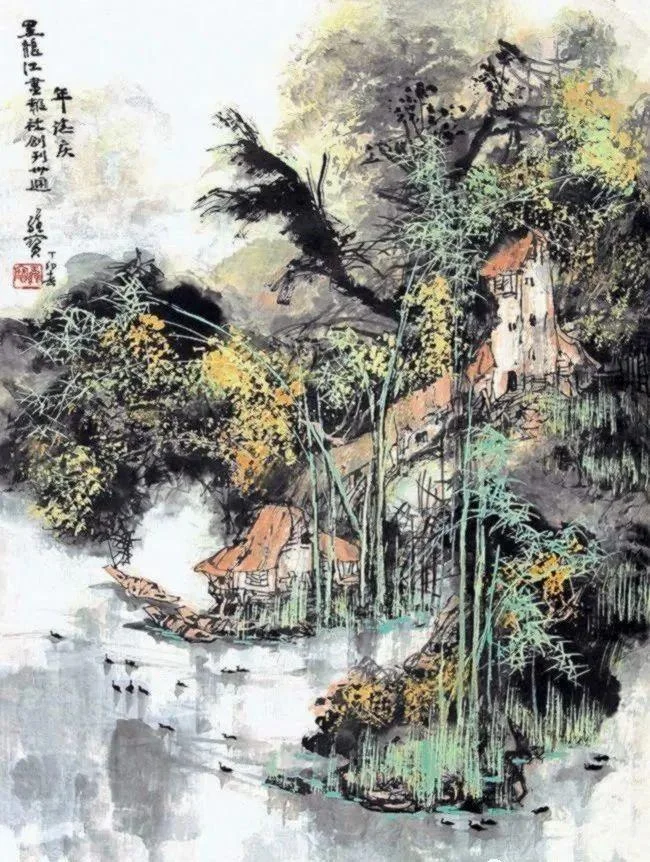
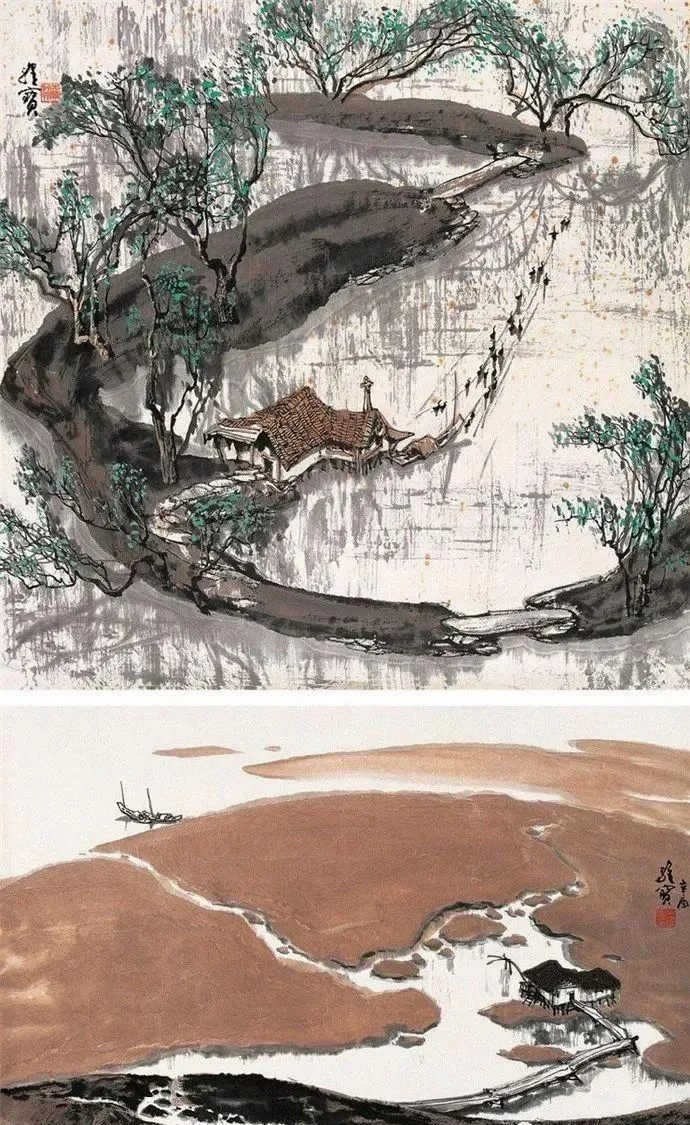
*Source: republished from Badou Art’s featured-artist archive.*