Our Featured Collection
Hand‑picked premium works for you
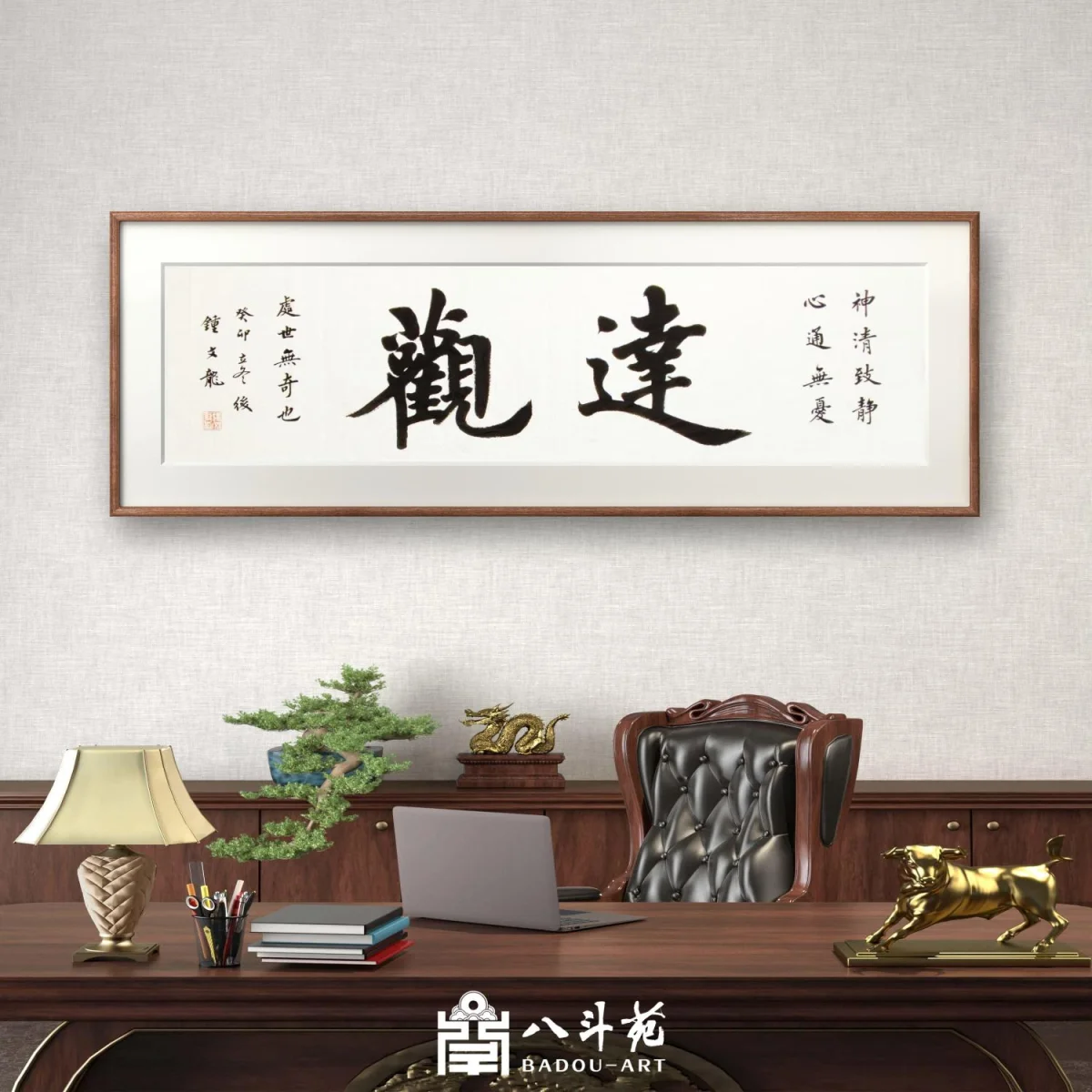
Zhong Wenlong Calligraphy | 达观
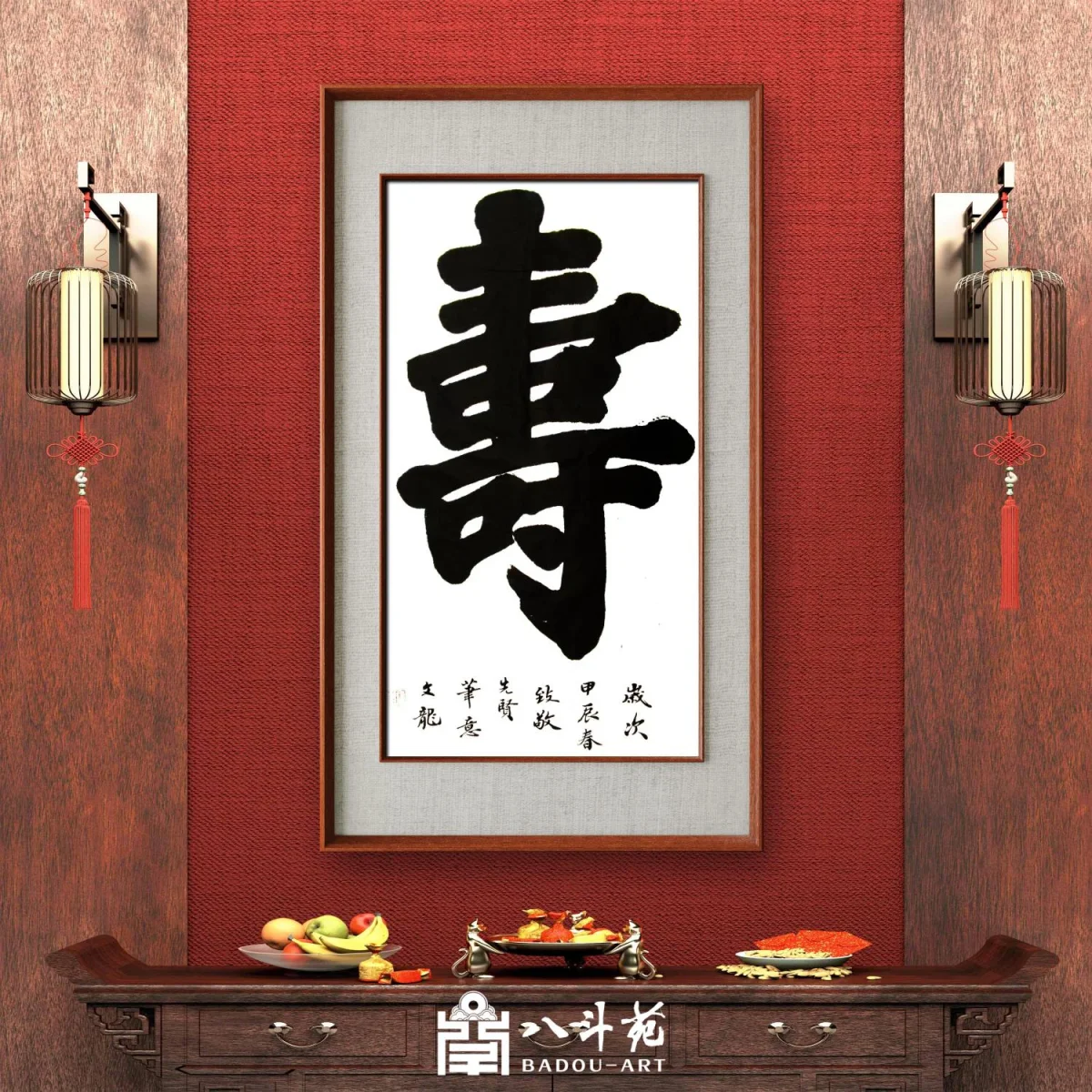
Zhong Wenlong Calligraphy | 壽
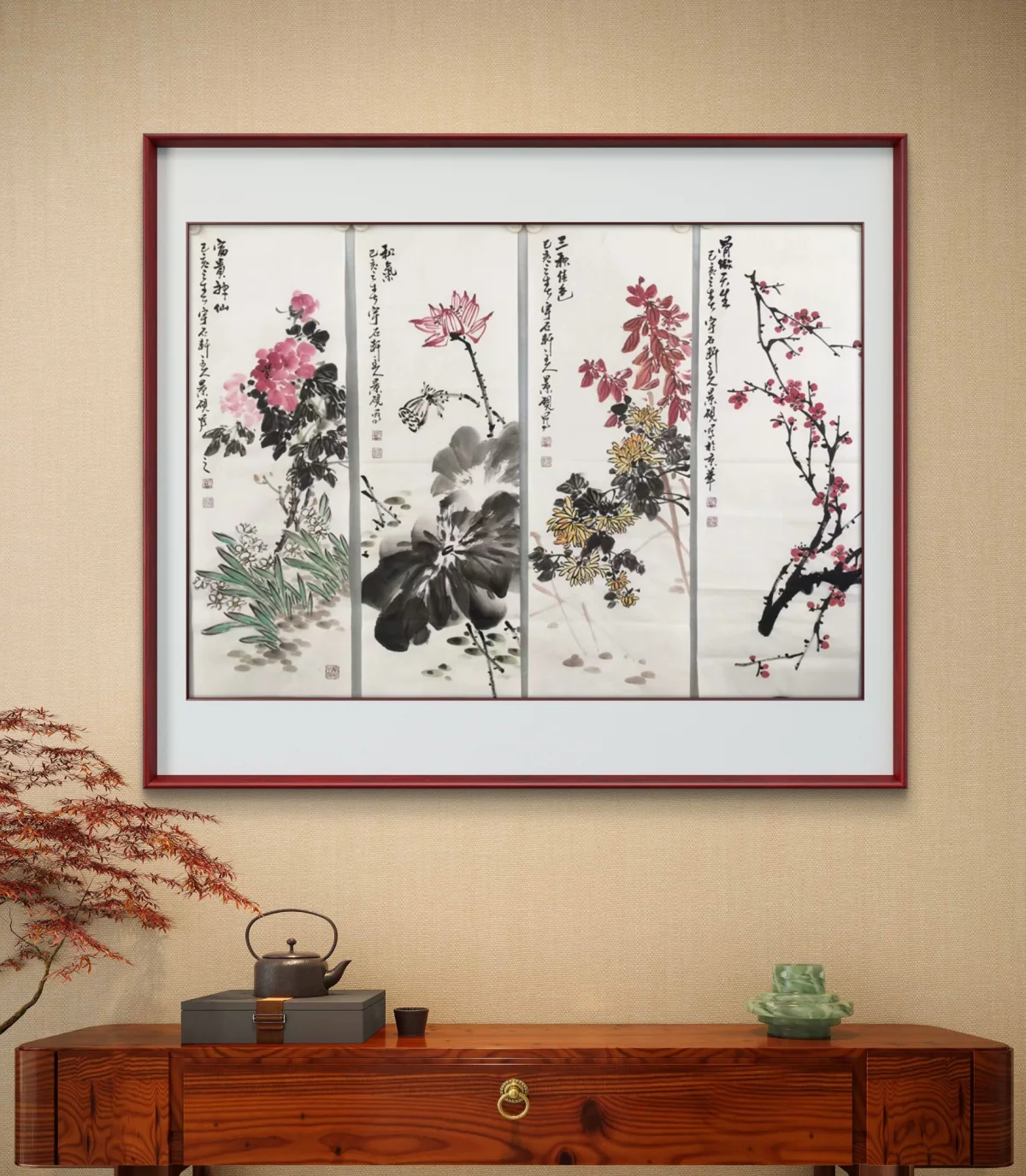
Wu Jingyan Chinese Freehand Painting・Four‑Panel Flower‑and‑Bird Screens(花鸟四条屏)
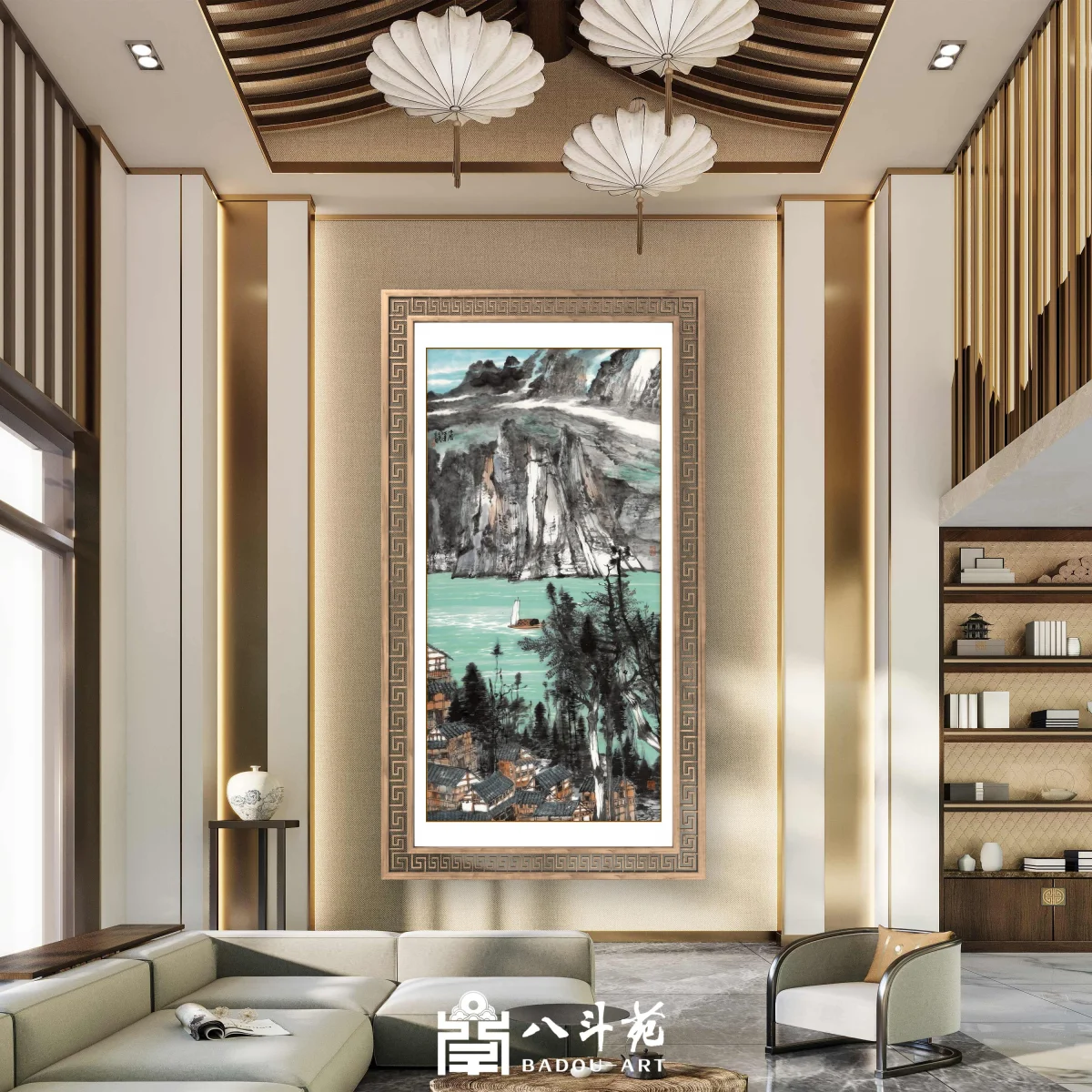
Liu Liyong Landscape Painting | Riverside Mountain Hamlet (山居江远)
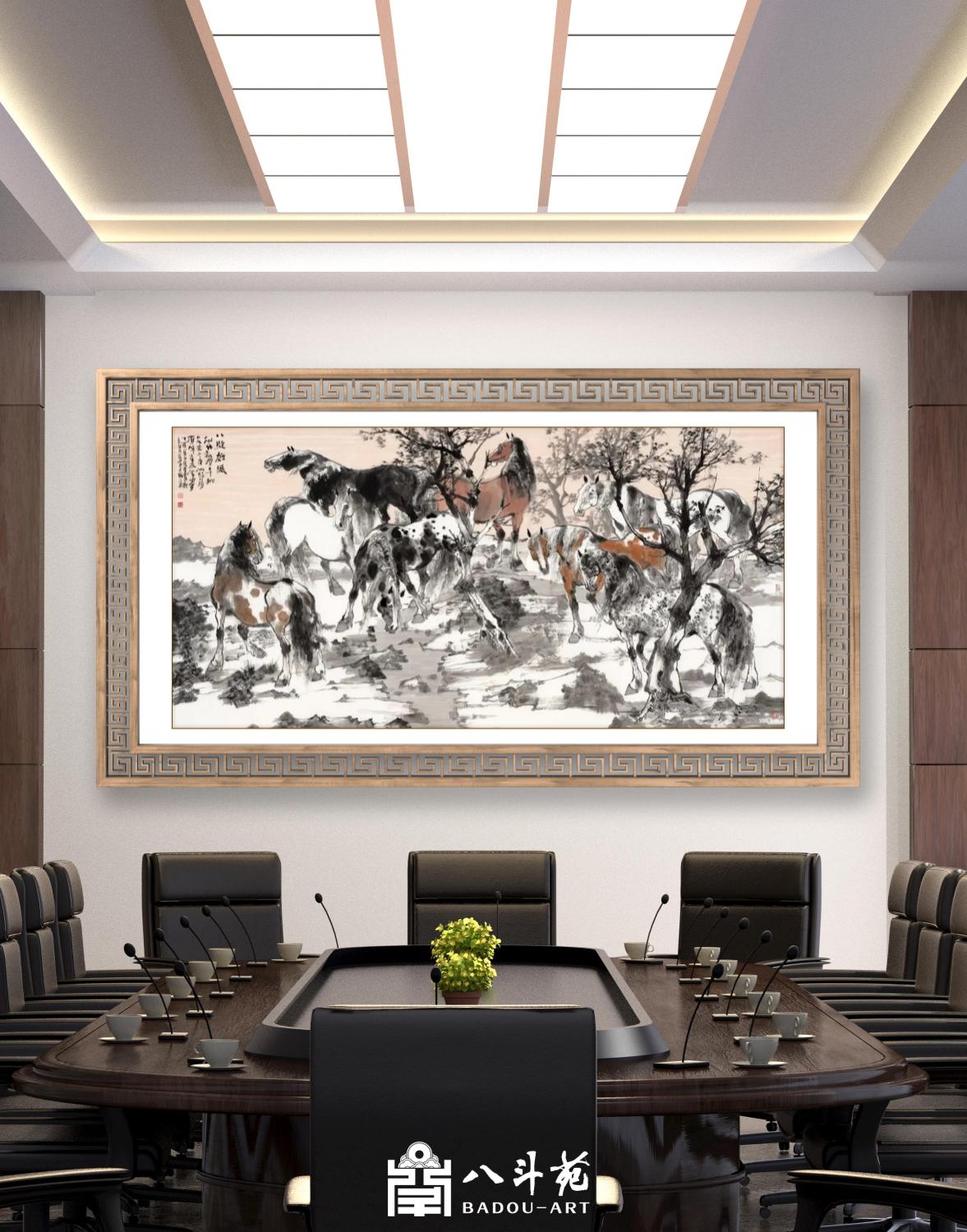
Liu Liyong Animal Painting | Eight Steeds (八骏图)
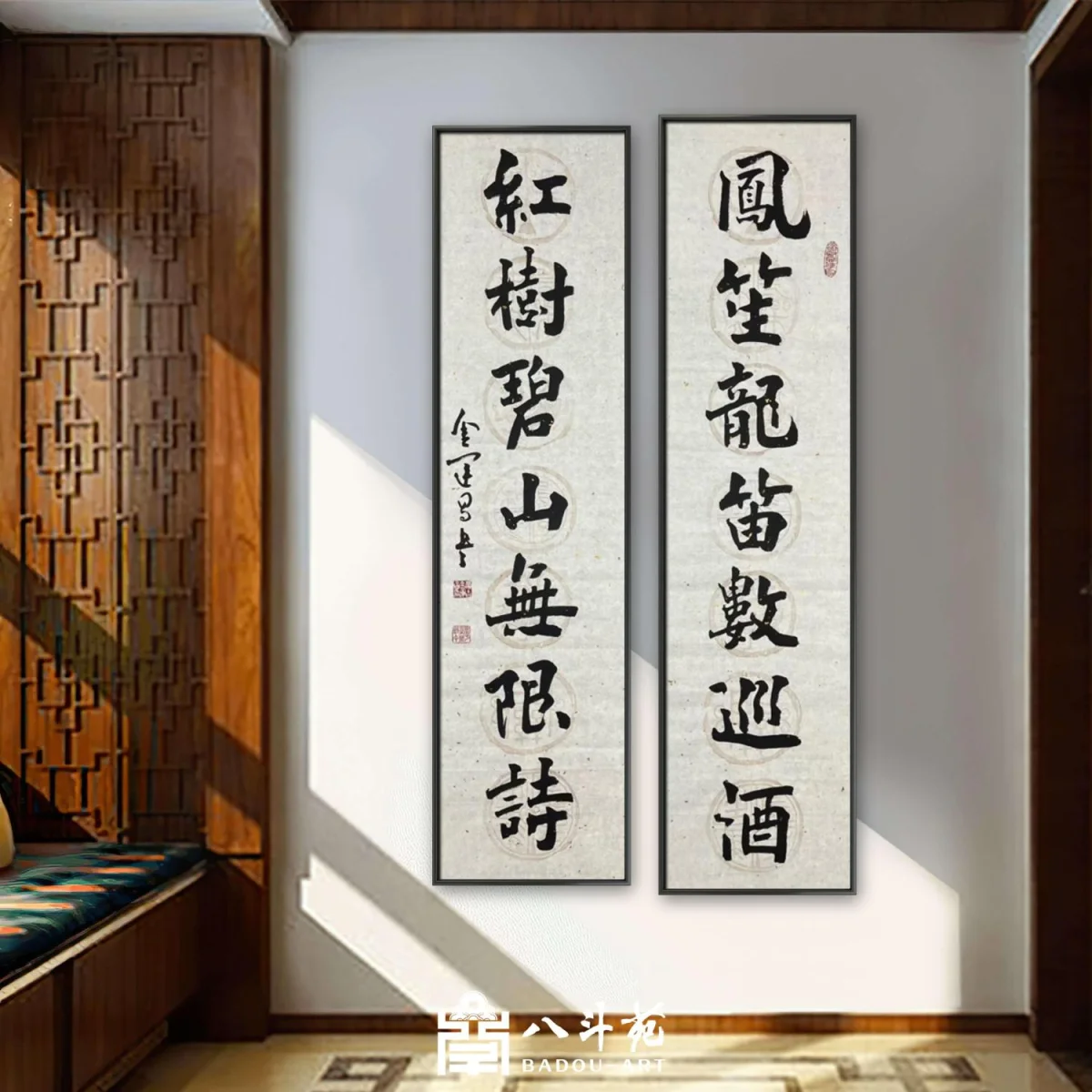
Jin Yunchang Calligraphy | 鳳笙龍笛數巡酒
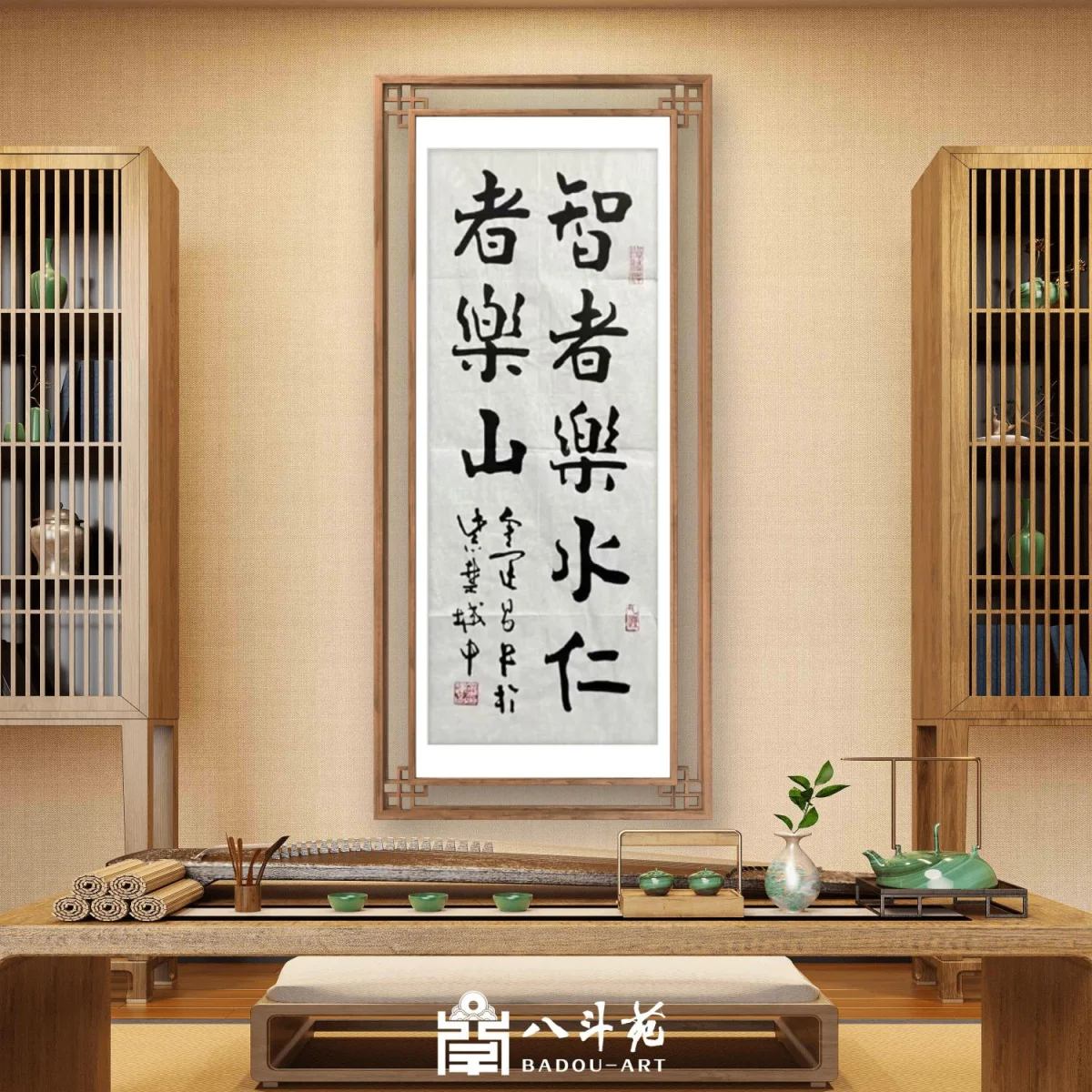
Jin Yunchang Calligraphy | 智者樂水仁者樂山
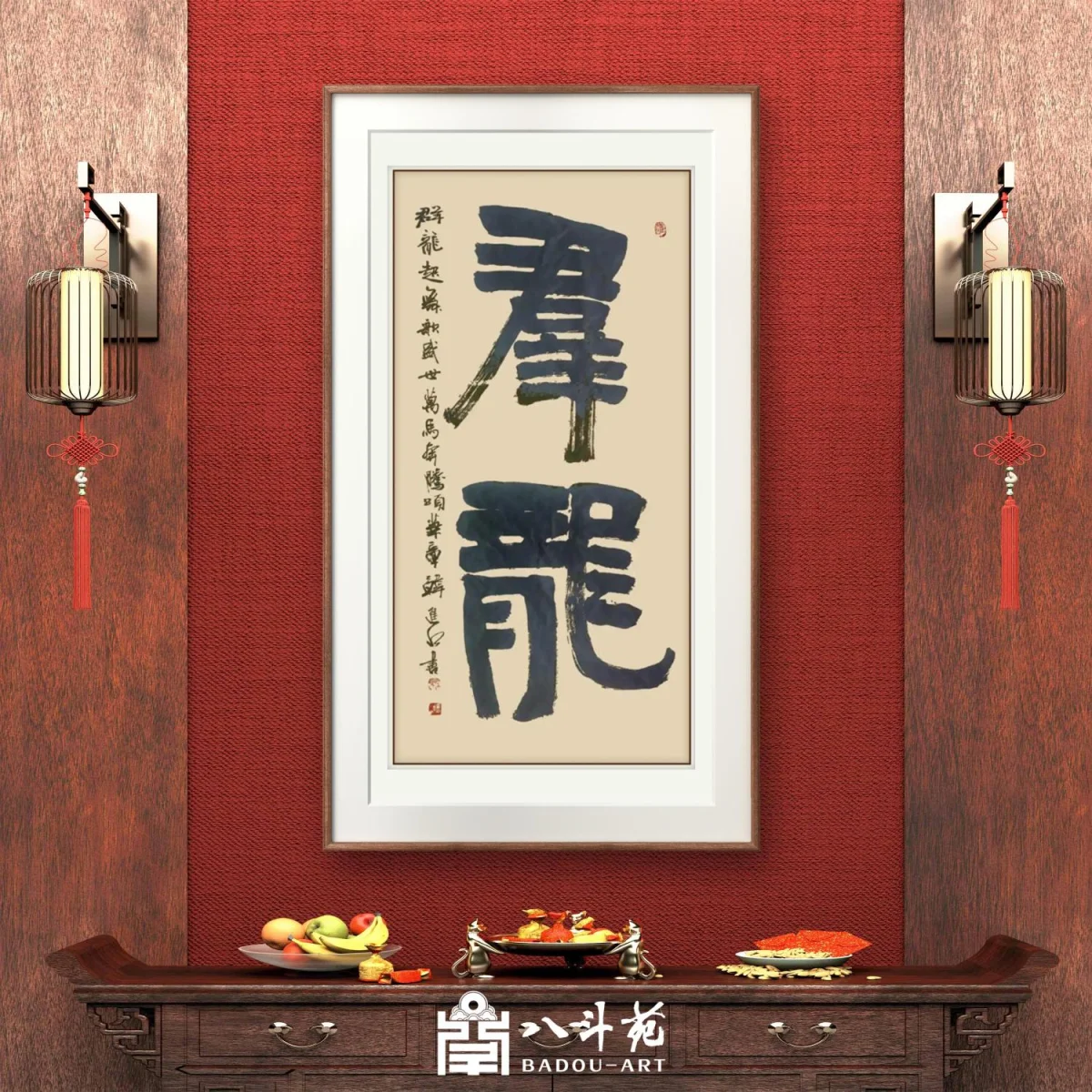
Han Jinshui Calligraphy | 羣龍 (A Group of Dragons)
Ji Qingyuan: The Cultural Vision of Literati Painting
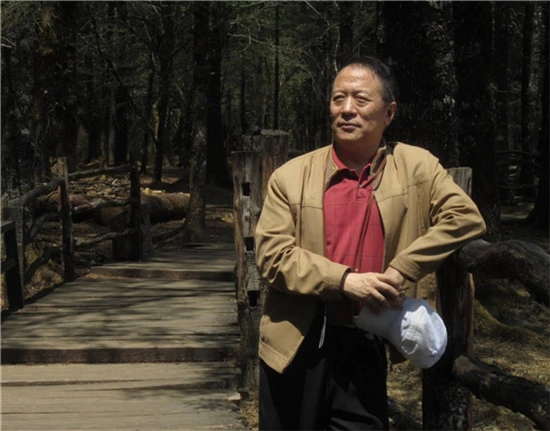
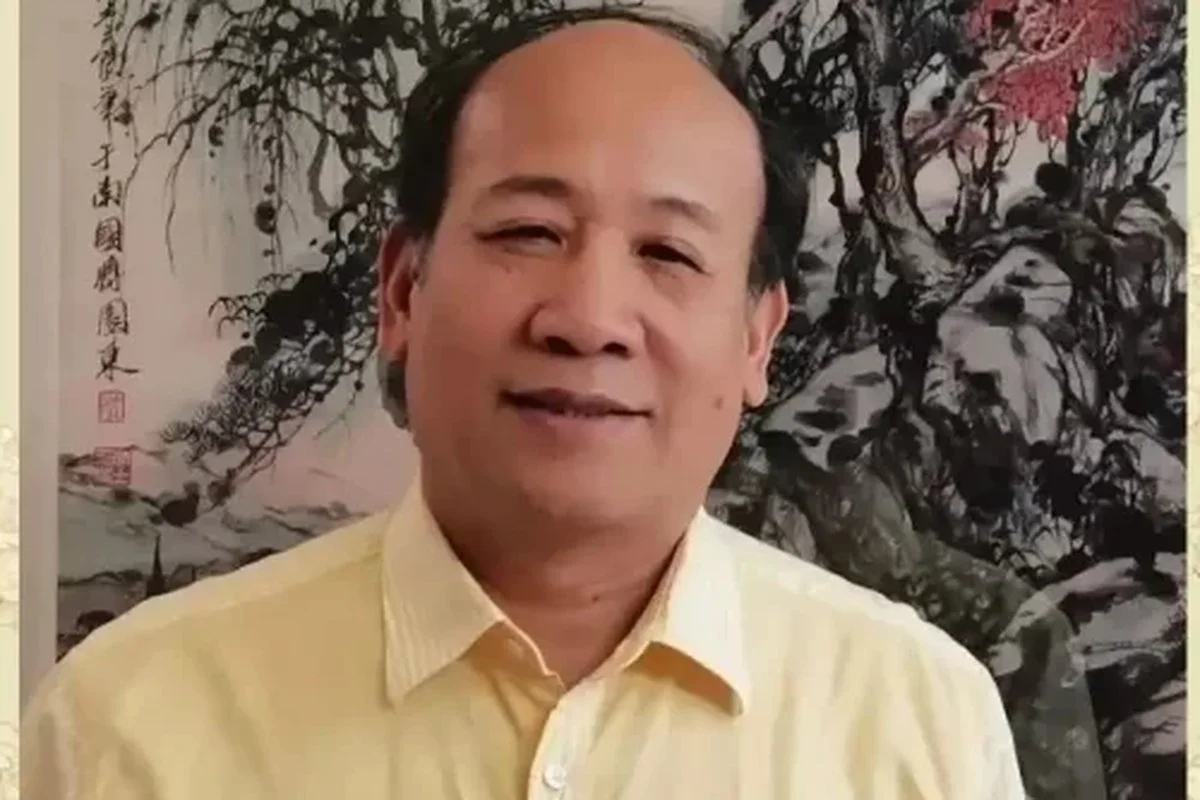
Ji Qingyuan, born in Beijing in February 1954, is an advisor to the art committee of the Beijing Fine Art Academy, a national first-class artist, a member of the China Artists Association, a member of the Beijing Research Institute of Culture and History, a standing director of the Chinese Painting Society, and a consultant to the Ji Xiaolan Research Society. He is also a direct descendant of the Qing scholar Ji Xiaolan.
What Literati Painting Means
In an essay on the perception and practice of literati painting (wenren hua), Ji traces the tradition to its acknowledged founder, the Tang poet-painter Wang Wei, of whom Su Shi said: “In his poems there is painting; in his paintings, poetry.” The literati tradition—which values spirit-resonance, the scholar’s air and personal cultivation, holding that “in painting, resonance comes first and reading comes before the brush”—has run from the Tang through the Song, Yuan, Ming and Qing into the present day, becoming Chinese painting’s most enduring standard of taste.
Emptiness and Beauty
For Ji, the heart of the tradition is the aesthetic of emptiness. The Qing critic Xuan Chongguang wrote: “Emptiness is hard to depict; when the real scene is clear, the empty scene appears. Spirit cannot be drawn; when the true scene presses close, the spirit-realm is born. Emptiness and fullness give birth to each other, and where there is no painting there is perfect wonder.” Ji quotes the classical parallels—”riding a horse to see a hero, viewing beauty by moonlight”—to argue that haze and distance refine beauty, and that art must hold itself at a distance from life: “To judge painting by likeness is to see with a child’s eyes.” Qi Baishi’s famous “between likeness and unlikeness” is the goal, and “the meaning beyond the painting” the reward.
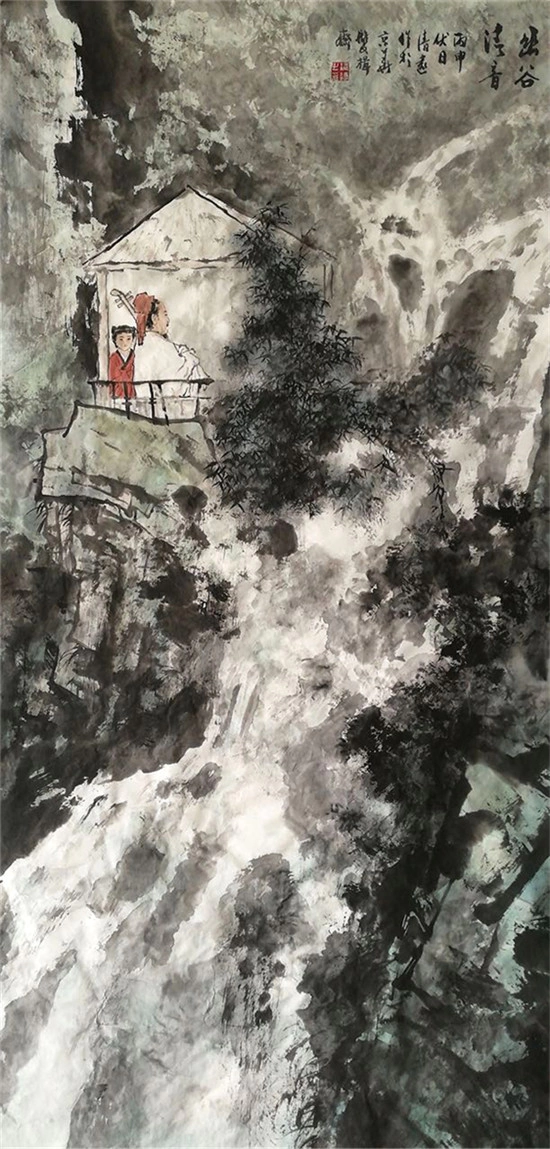
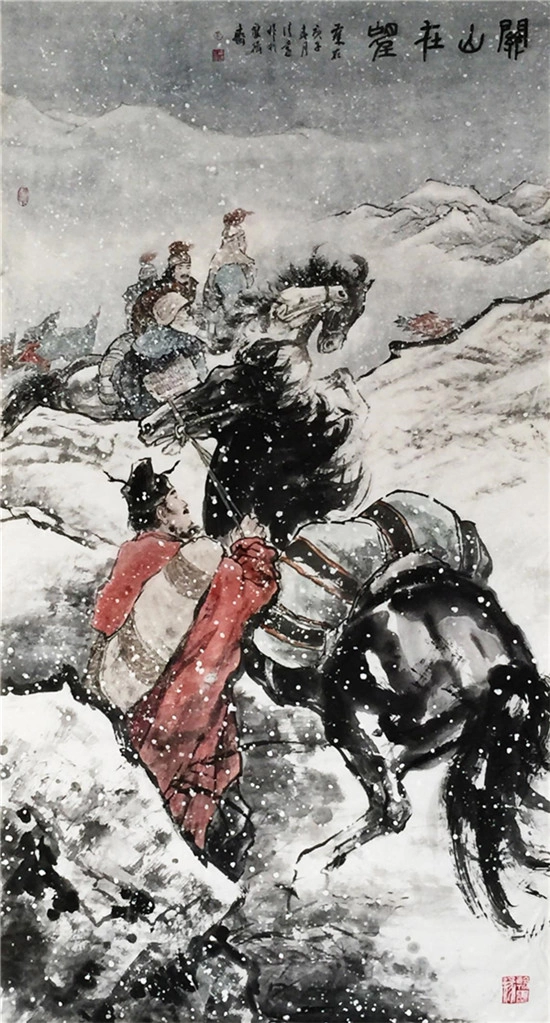
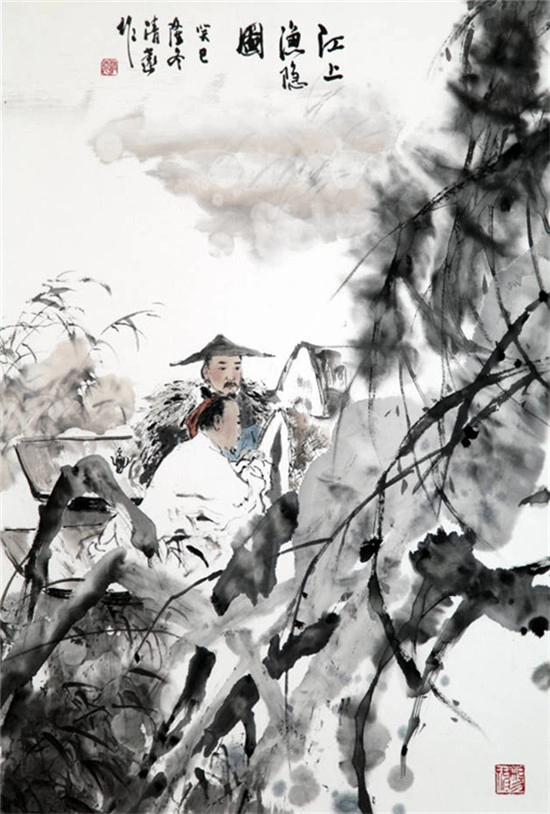
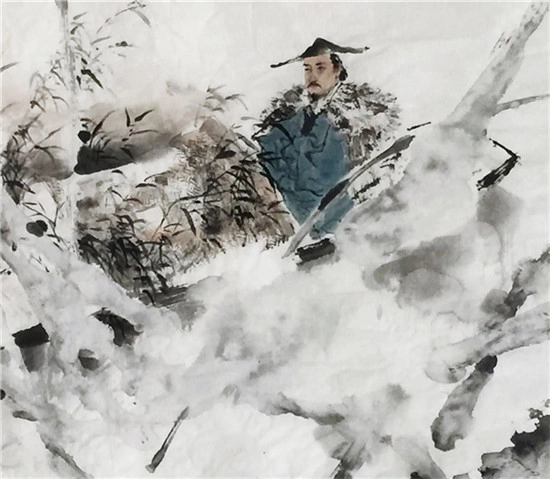
The “Writing” Spirit
The literati tradition has evolved—from the Song-Yuan ideal of “sketching the idea, not the likeness” to the defiant self-expression of the Eight Eccentrics of Yangzhou and the modern lineages of Wu Changshuo, Qi Baishi and Huang Binhong—and it has expanded from landscape and ink-plum to figure painting. Above all it lives in the word “write” (xie), the principle Wang Hui compressed into one character: the painter writes the idea of the thing, “in the interval between likeness and unlikeness,” as poetry alludes without stating. Ji insists this spirit remains the core of contemporary ink painting: without it, however skillful, a work sinks into mere craft or vulgar display; with it, scholarship, bookish air and lofty loneliness still mark the true painter’s hand.
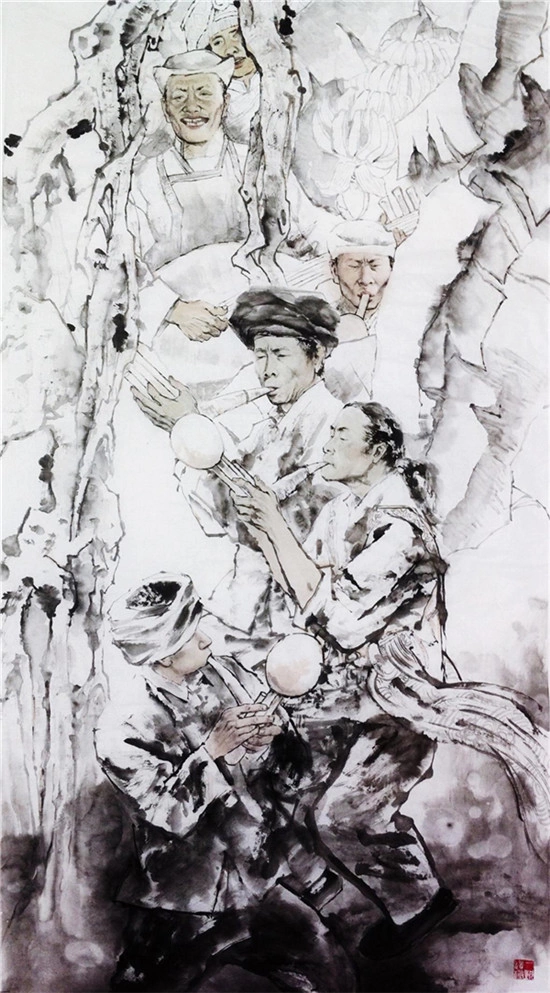
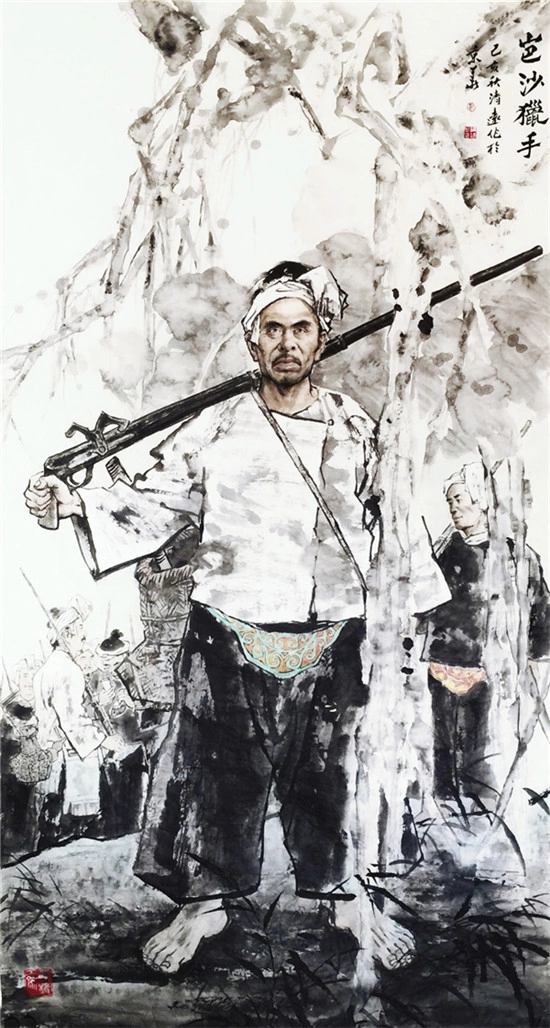
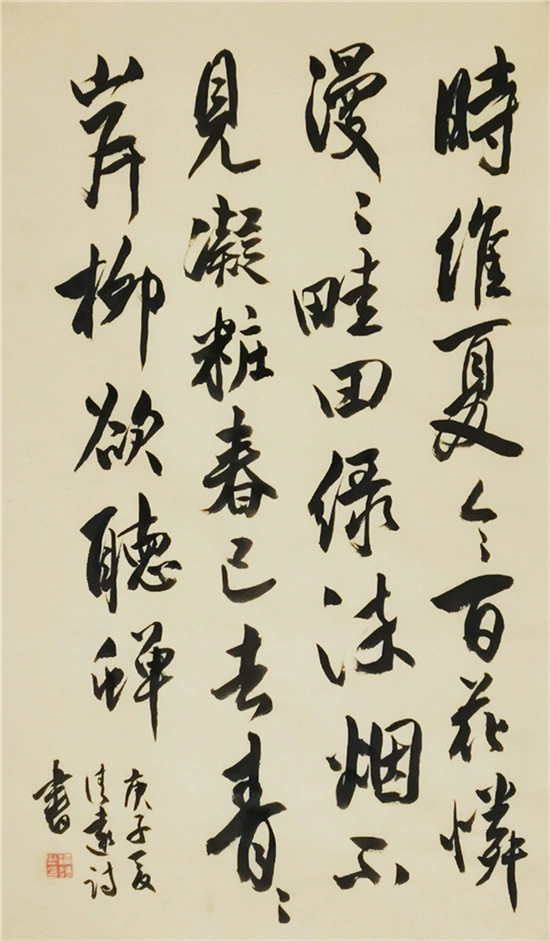
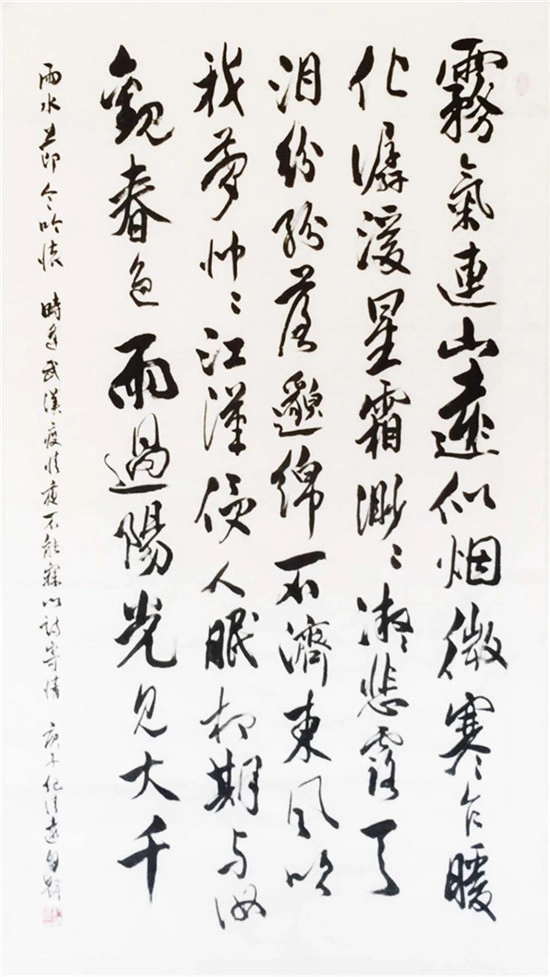
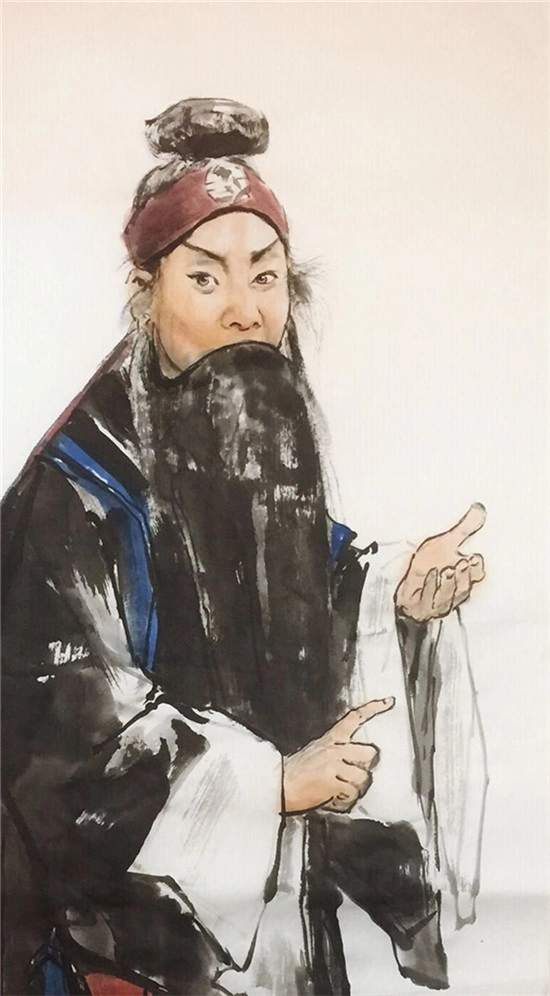
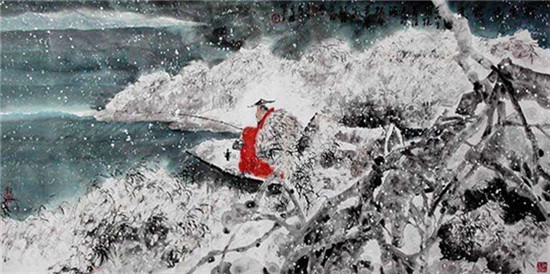
Ji’s own figures—operatic characters, lone anglers, hunters—carry this literati quiet: precise in structure, free in brush, resonant with the solitude of snow, ancient trees and empty valleys. It is, he writes, the union of perception and practice, and the highest achievement of the tradition: “the mind wandering in the work.”
*Source: republished from Badou Art’s featured-artist archive.*
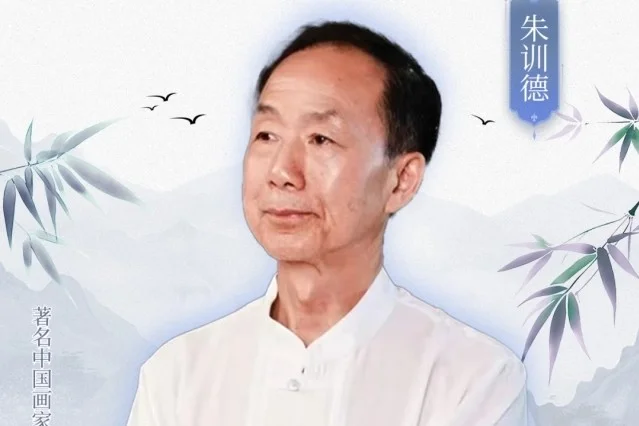
Zhu Xunde: Sitting with the Cosmos in Hunan Ink
You May Also Like

Gathered masters, custom-made for you
BadouArt connects you to Oriental ink art, adding artistic charm to your life. Subscribe to get the latest collection tips and artist news.
Type a few things below to search
Out of a total of 113 products: