Our Featured Collection
Hand‑picked premium works for you
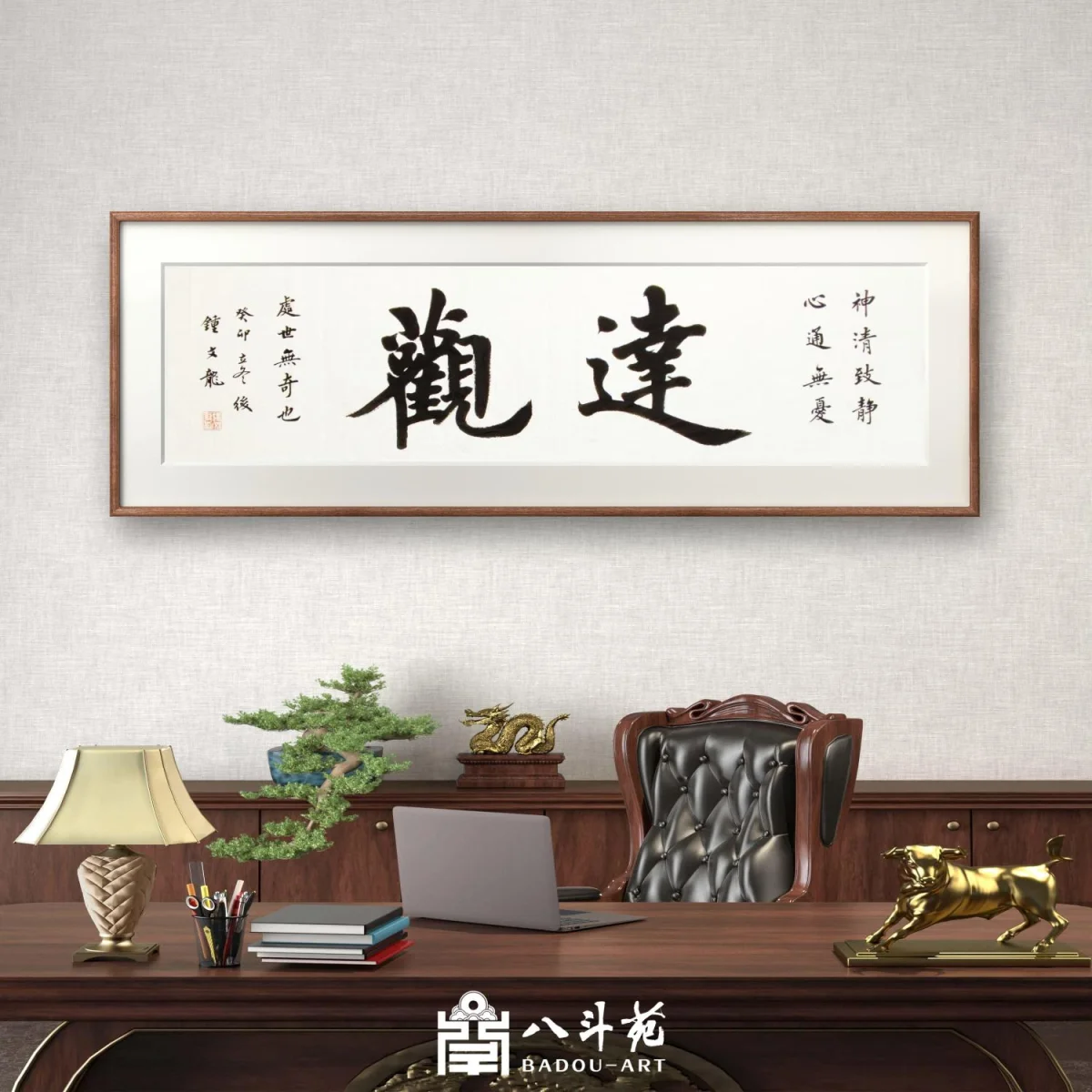
Zhong Wenlong Calligraphy | 达观
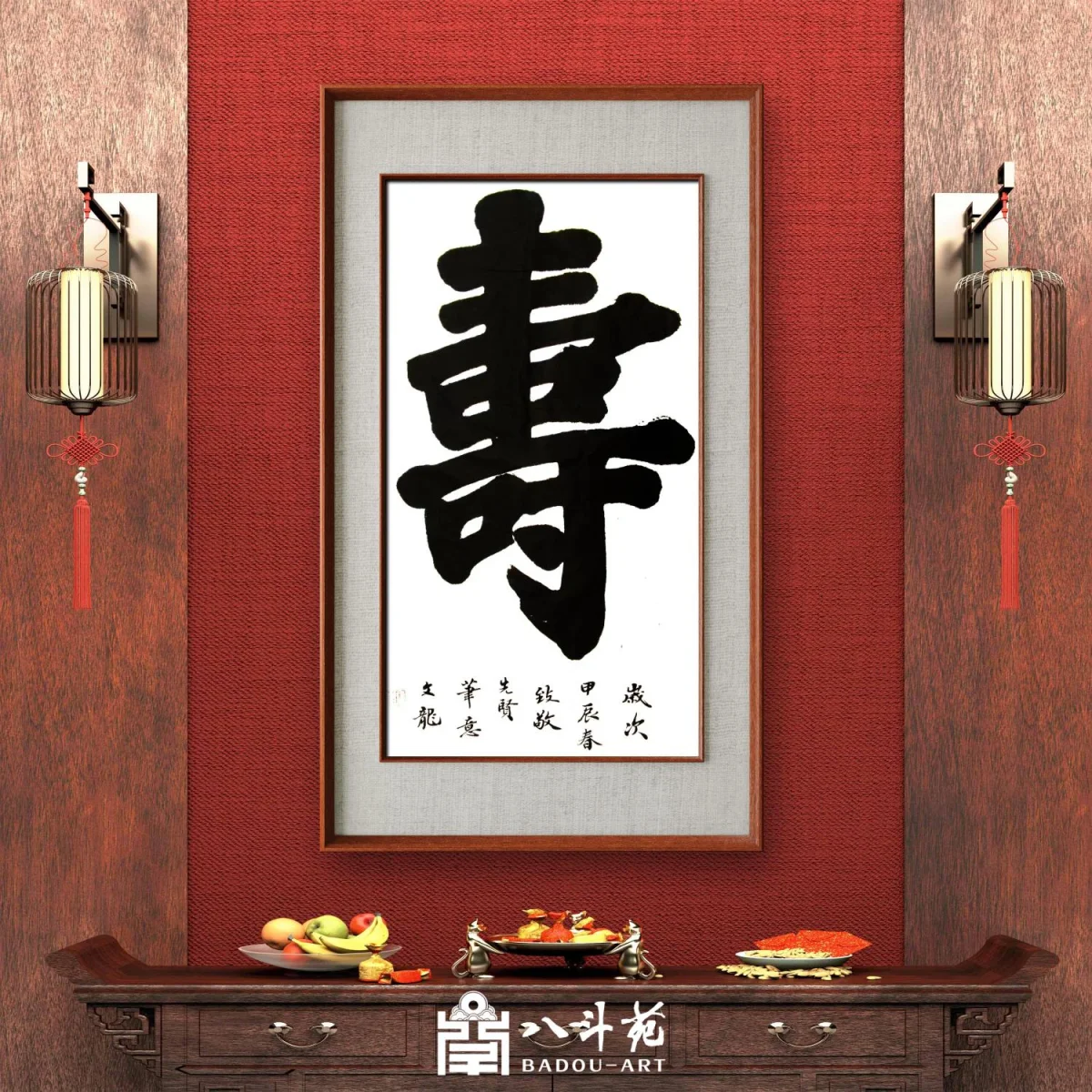
Zhong Wenlong Calligraphy | 壽
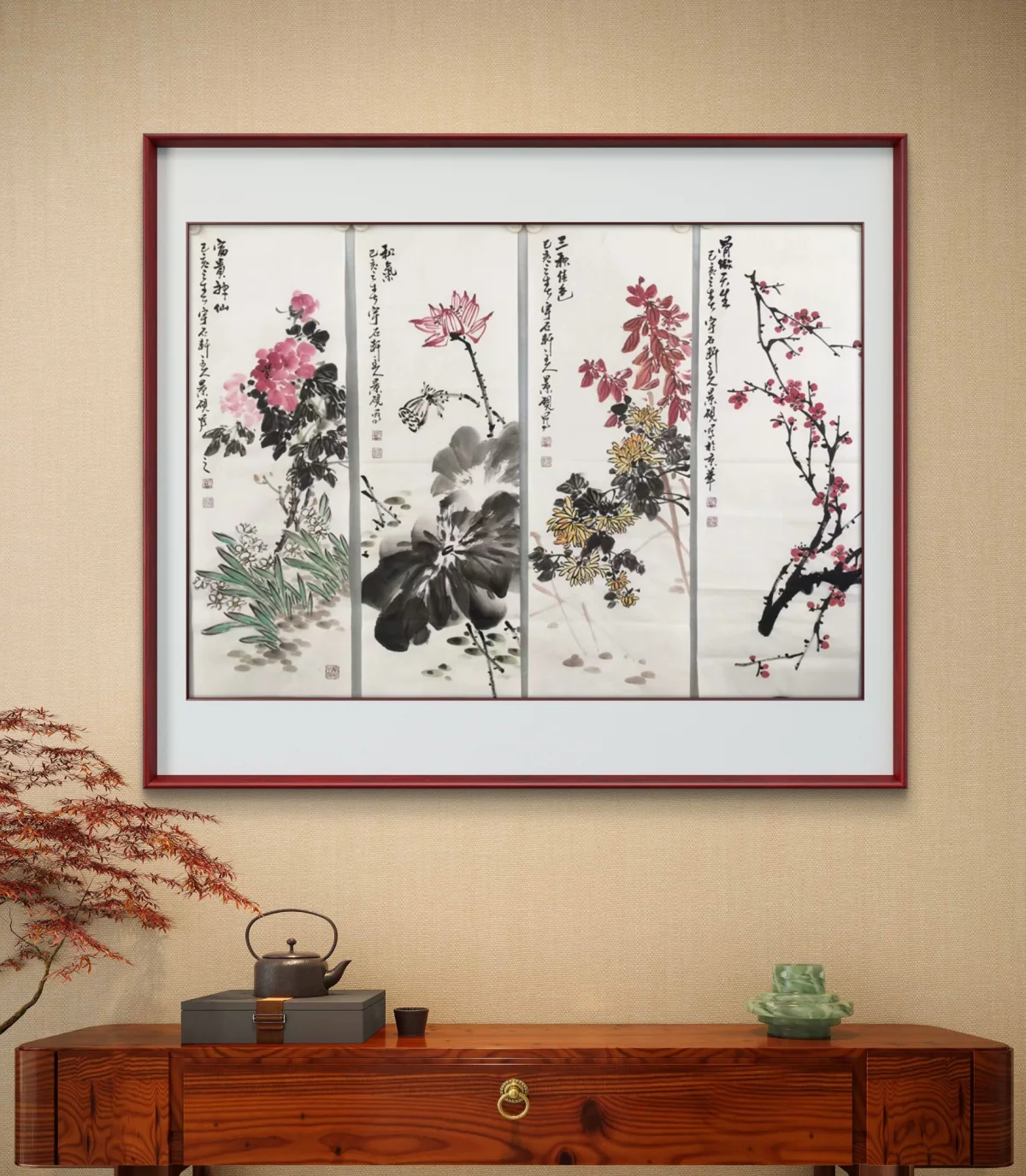
Wu Jingyan Chinese Freehand Painting・Four‑Panel Flower‑and‑Bird Screens(花鸟四条屏)
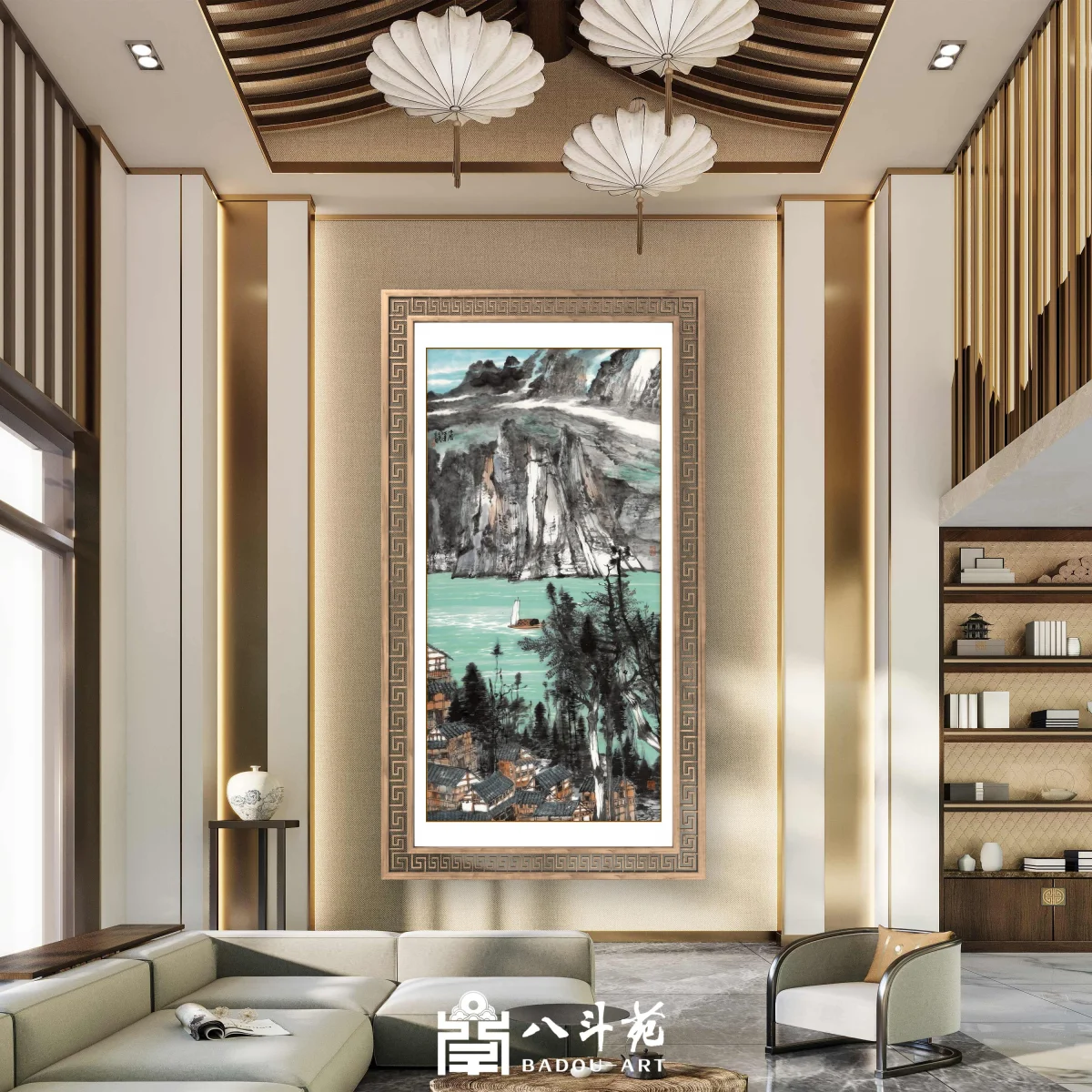
Liu Liyong Landscape Painting | Riverside Mountain Hamlet (山居江远)
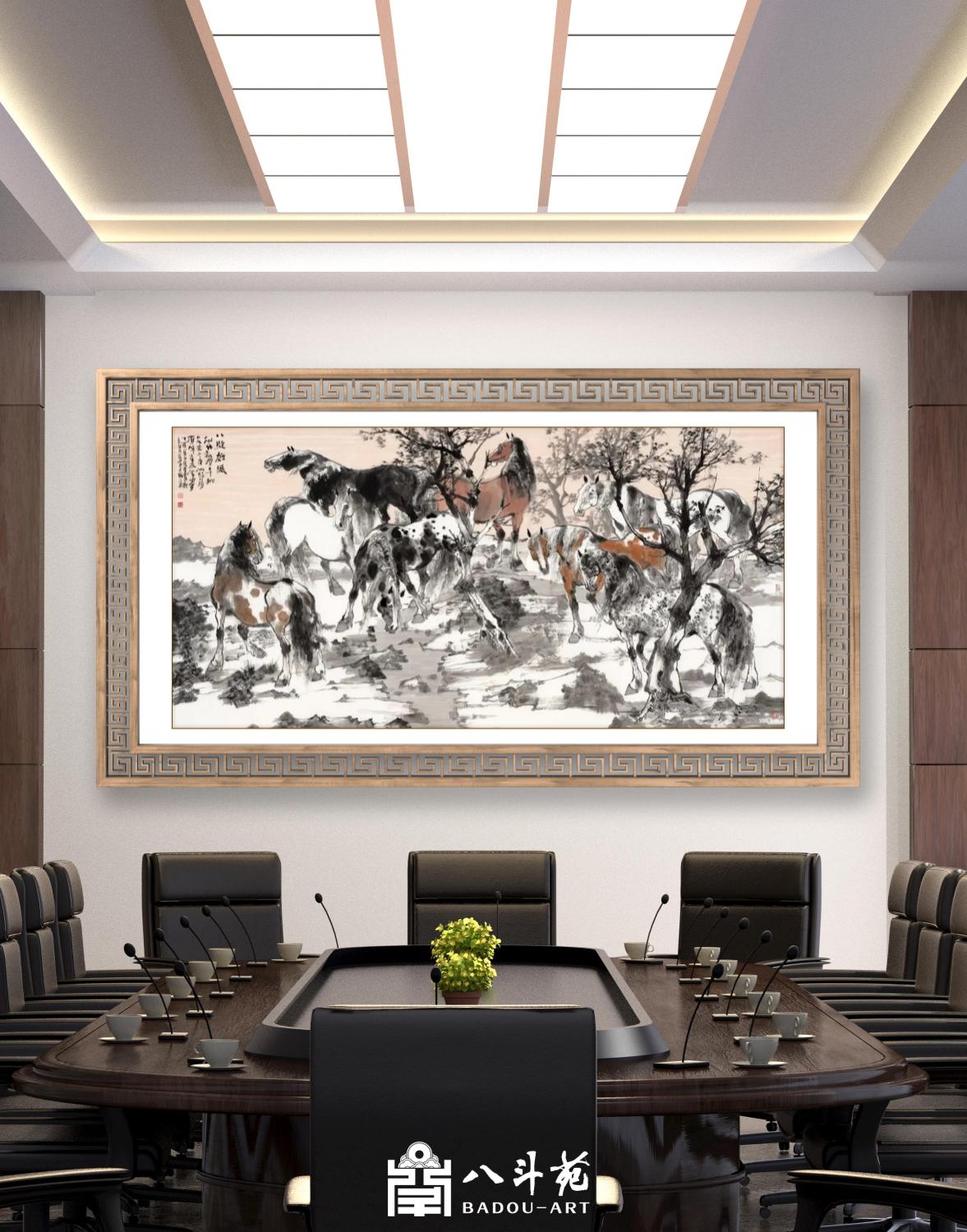
Liu Liyong Animal Painting | Eight Steeds (八骏图)
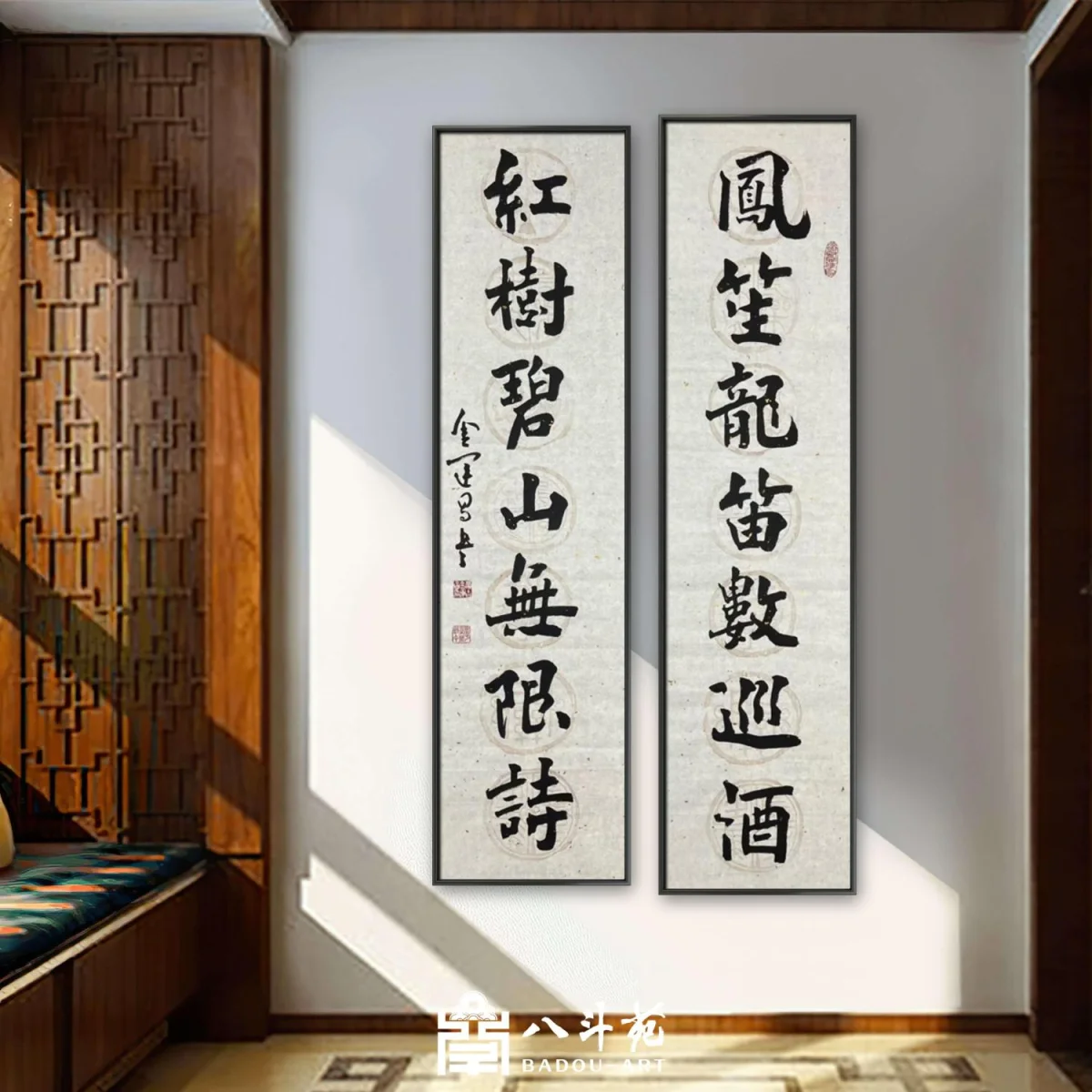
Jin Yunchang Calligraphy | 鳳笙龍笛數巡酒
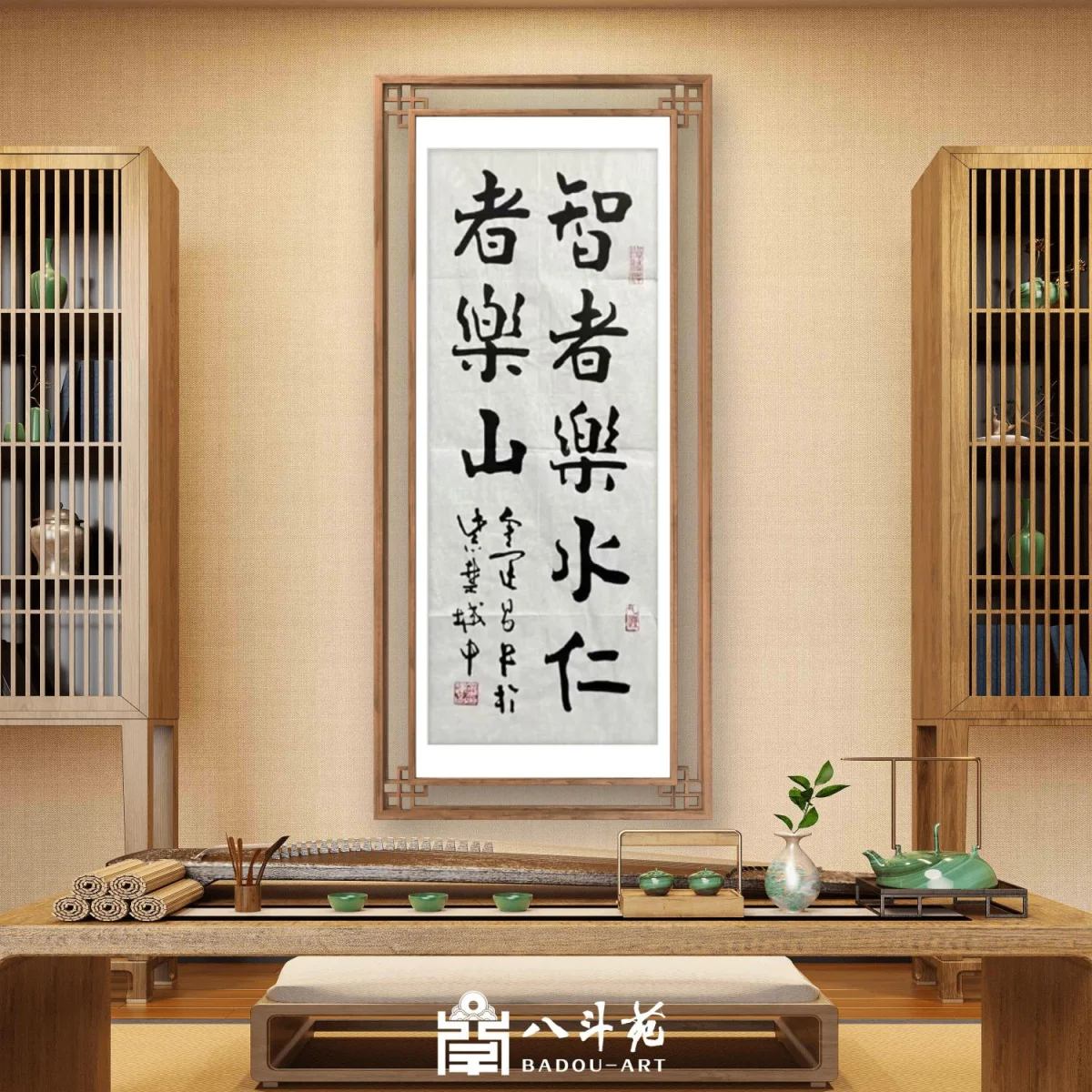
Jin Yunchang Calligraphy | 智者樂水仁者樂山
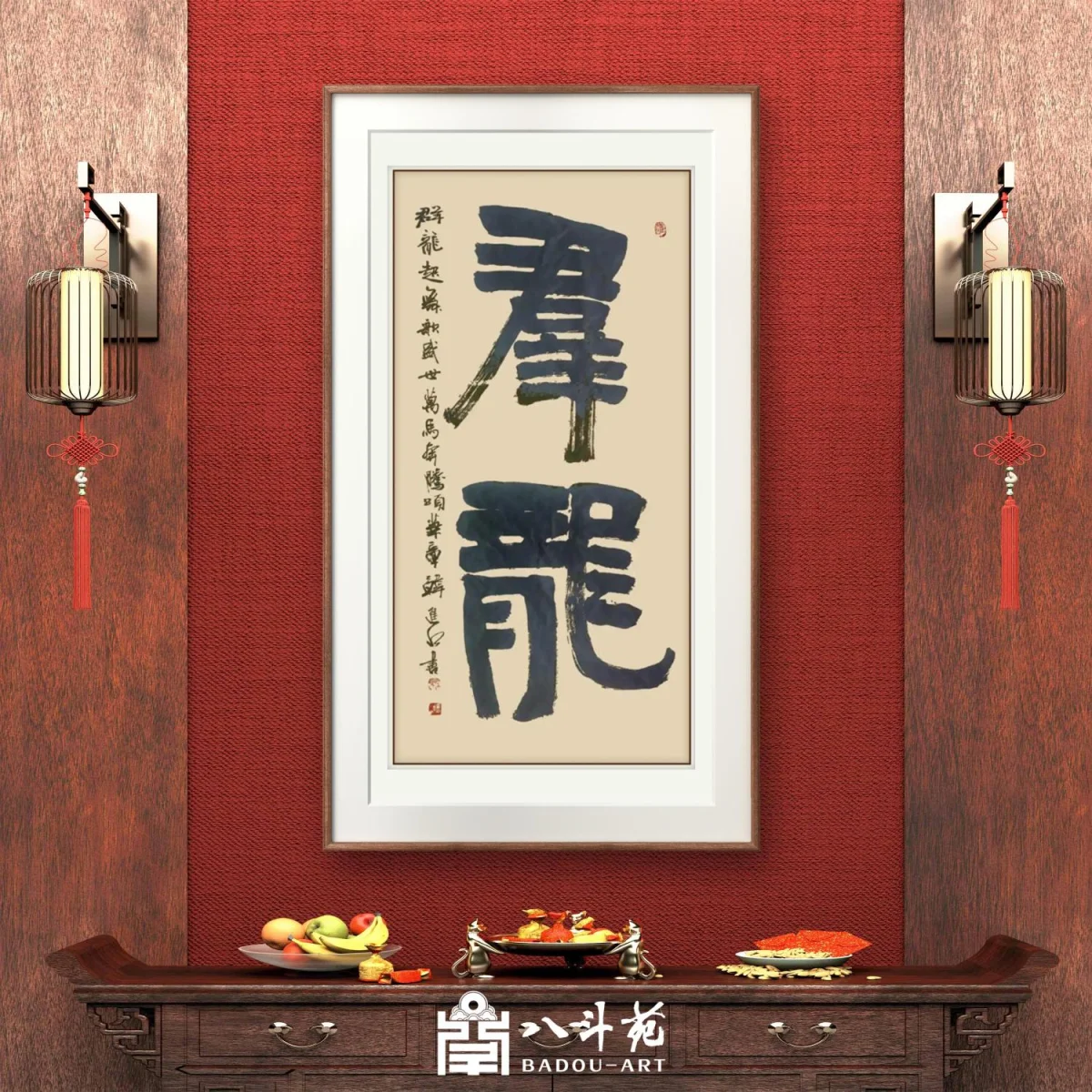
Han Jinshui Calligraphy | 羣龍 (A Group of Dragons)
Xu Hongquan: The Literati Painter of Lingering Cloud Studio
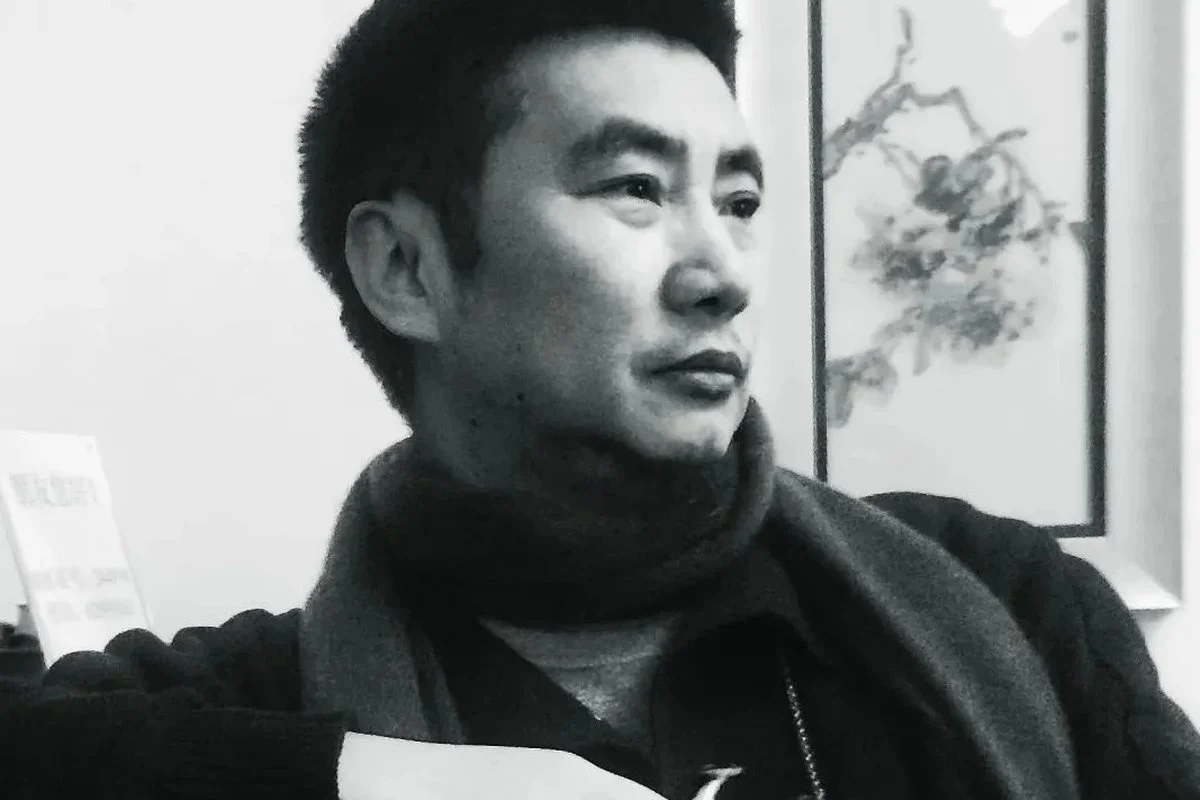
Xu Hongquan: The Literati Painter of Lingering Cloud Studio
Some artists make a living from painting; Xu Hongquan (courtesy name Fangxi) makes a life from books. Writer, editor, critic, collector and painter, he is a rare thing in contemporary Chinese art: the complete literati.
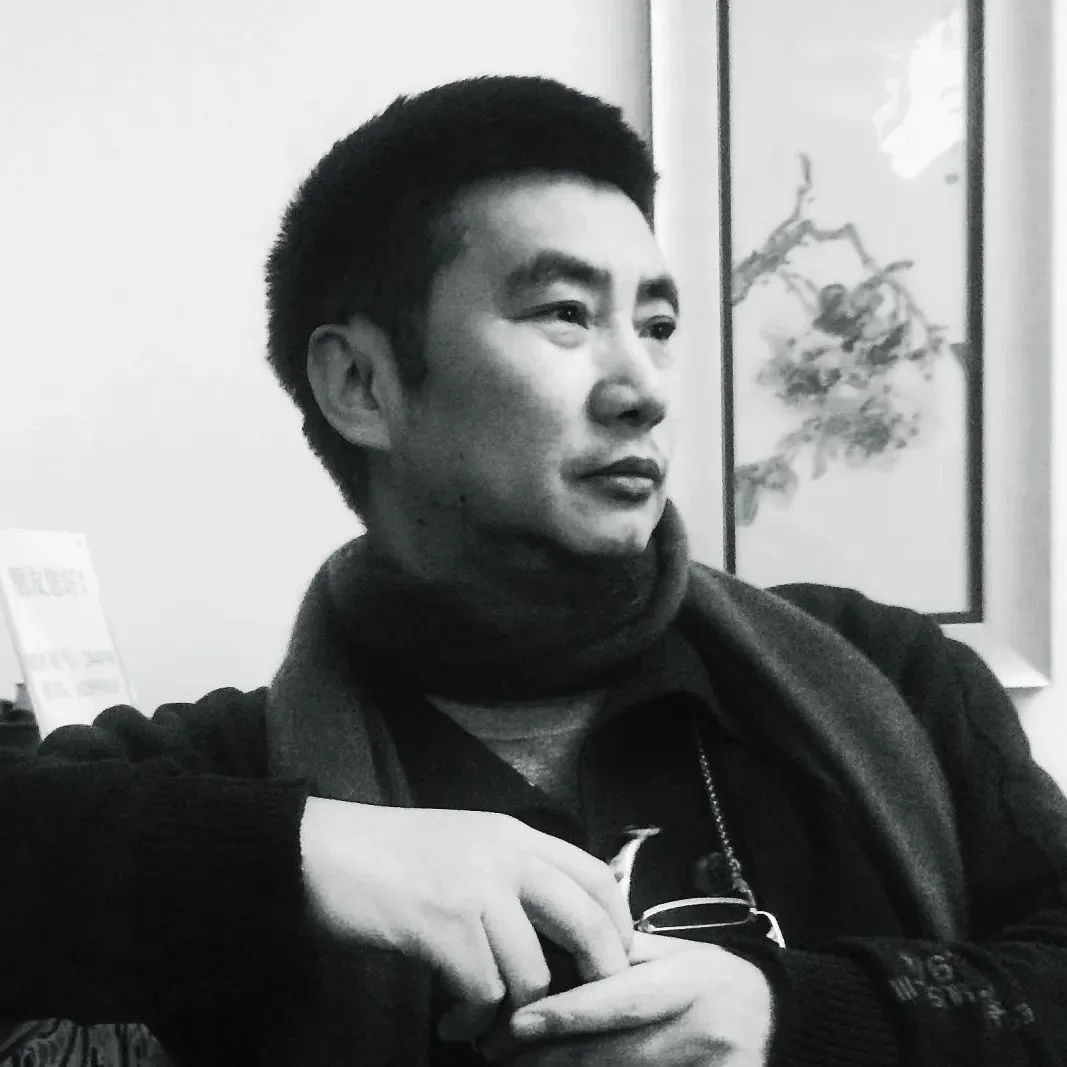
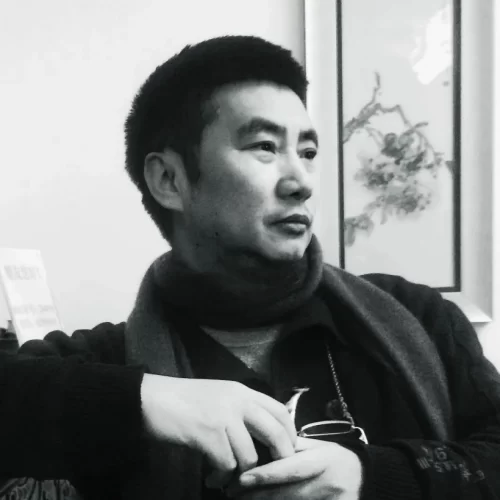
A Scholar’s Studio
Born in Hexian County, Anhui Province, and based in Beijing, Xu is chief editor of the art journal *Bianyue Yishu* (*Marginal Art*) and the author of dozens of books — art histories, essays and fiction, from a monograph on Huang Binhong to a continuing series on the letters of Chinese scholars across three centuries. His paintings have filled more than twenty solo exhibitions, among them the Nanjing Museum and the Hunan Provincial Museum.
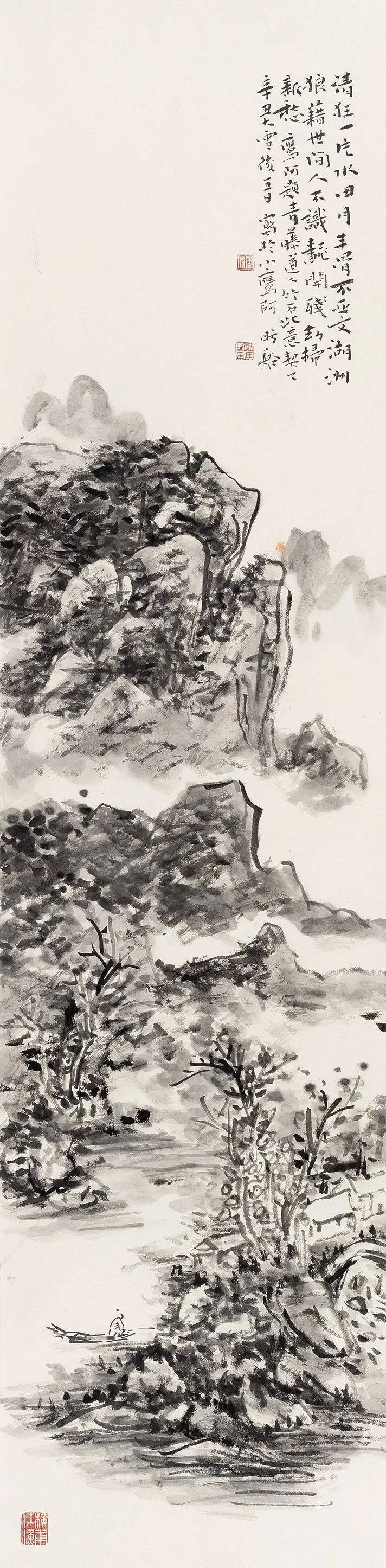
The studio says as much as the résumé. Converted from an abandoned factory on Beijing’s outskirts, Liuyun Caotang — the Lingering Cloud Studio — is lined with thousands of volumes and hung with old masters’ calligraphy. When the writer Hao Yongwei visited one spring, he came away with a conviction: reading and writing are the permanent foundation of calligraphy and painting.
The Roads Taken
Xu’s path has been unusually varied. In his home county he studied under Luo Jiye, Huang Yecun and Shi Gufeng, and became a close friend of the calligraphy master Lin Sanzhi. Years at Huangshan produced a “Huangshan Art Series” and an album of modern masters painting the mountain. His scholarship later settled on the Qianlong–Jiajing scholars and the Tongcheng school, yielding a chronology and a critical biography of the Qing painter Dai Benxiao.
His literary name, in fact, outshines his painting name — a state he accepts cheerfully. Writing is the “big brush” that sustains the “small brush” of painting, not a rival to it.
A Collector’s Eye
For Xu, collecting is not investment. He seeks out literati manuscripts, epigraphic rubbings and old books that fashion has not yet priced, judging them by historical value and human content. And he reads them: many volumes carry his own colophons and marginal notes, binding collection, research and creation into one life.
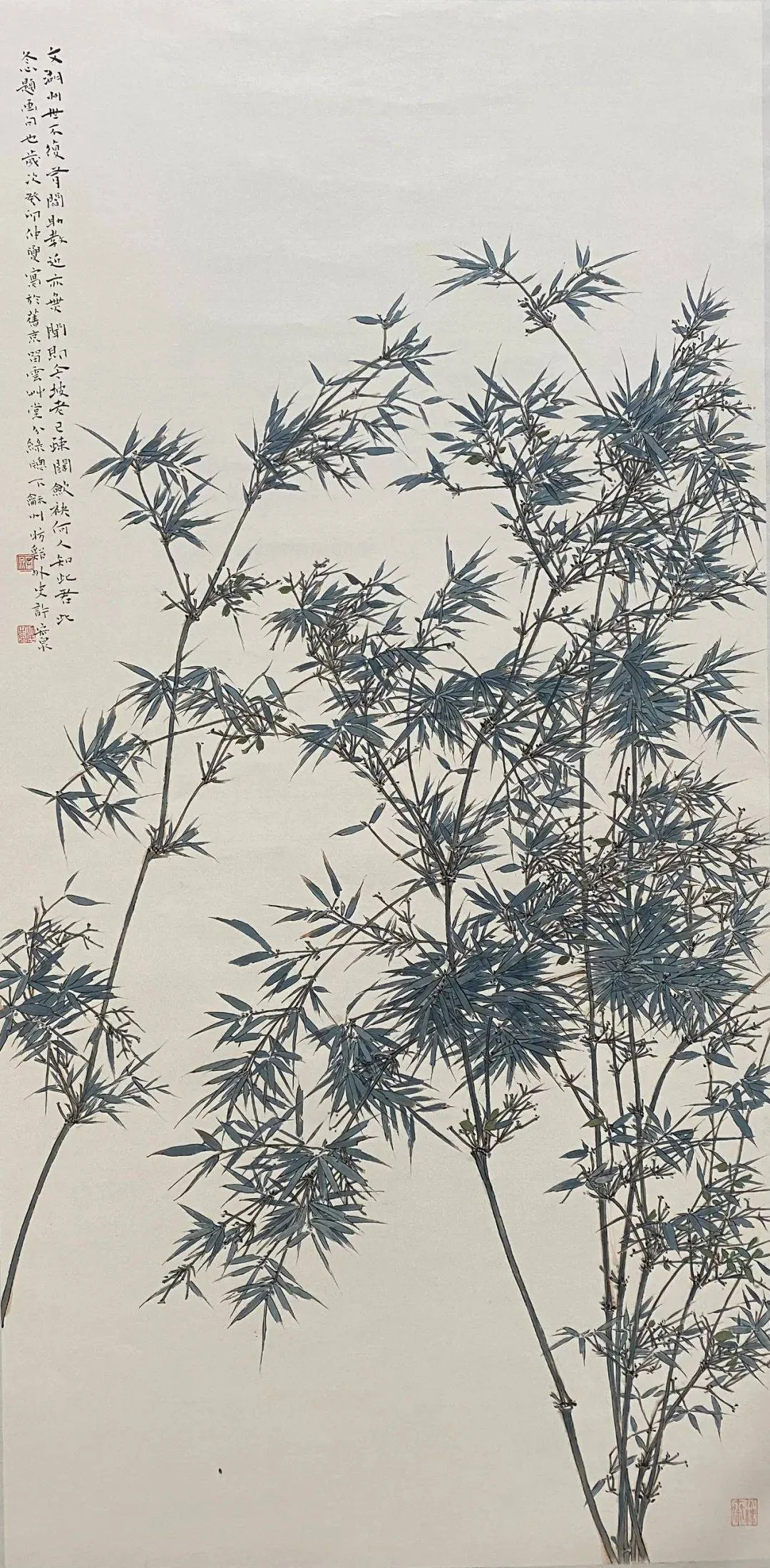
His shelves also hold signed editions by modern luminaries — Yu Ying-shih, Dong Qiao, Jia Pingwa — a library that doubles as an intellectual autobiography.
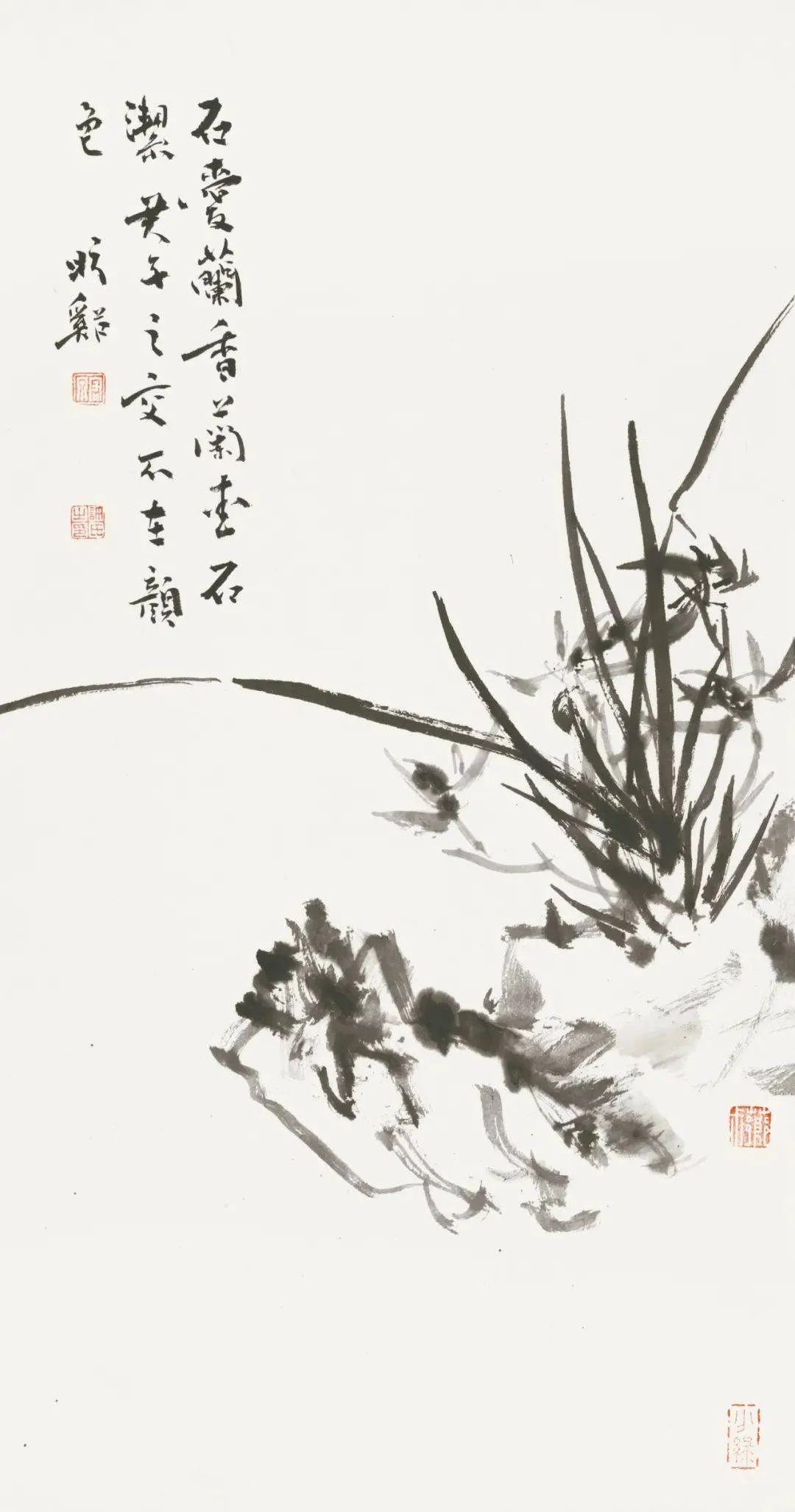
Wild-Grown, Yet Rooted
“I grew up in something like a wilderness of art, and later among reinforced concrete,” Xu once said. “Like weeds or wild trees, I may not look sturdy, but I have my own vitality — and may grow into unexpected forms.”
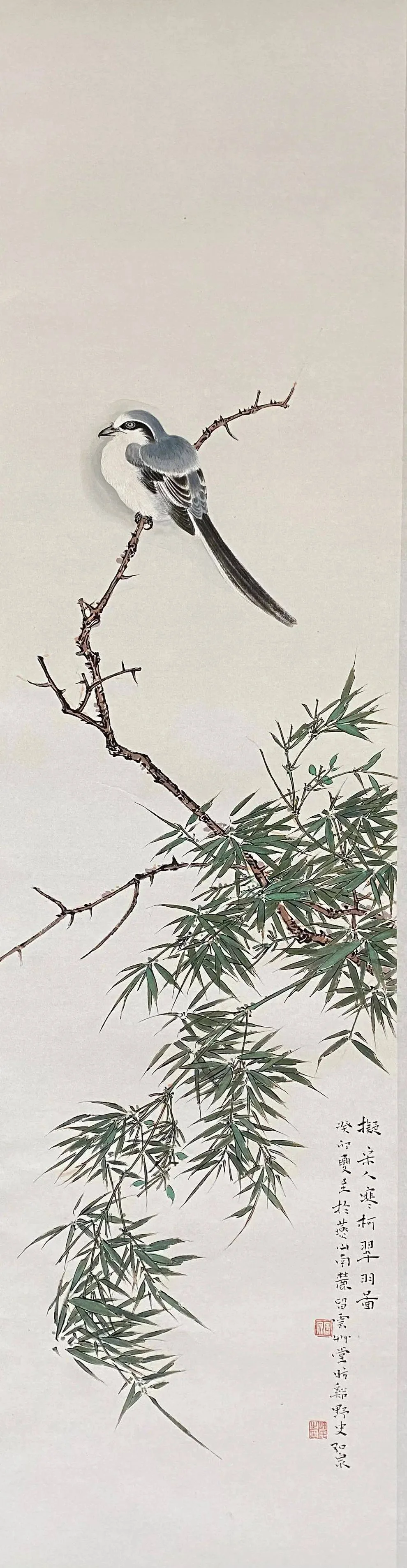
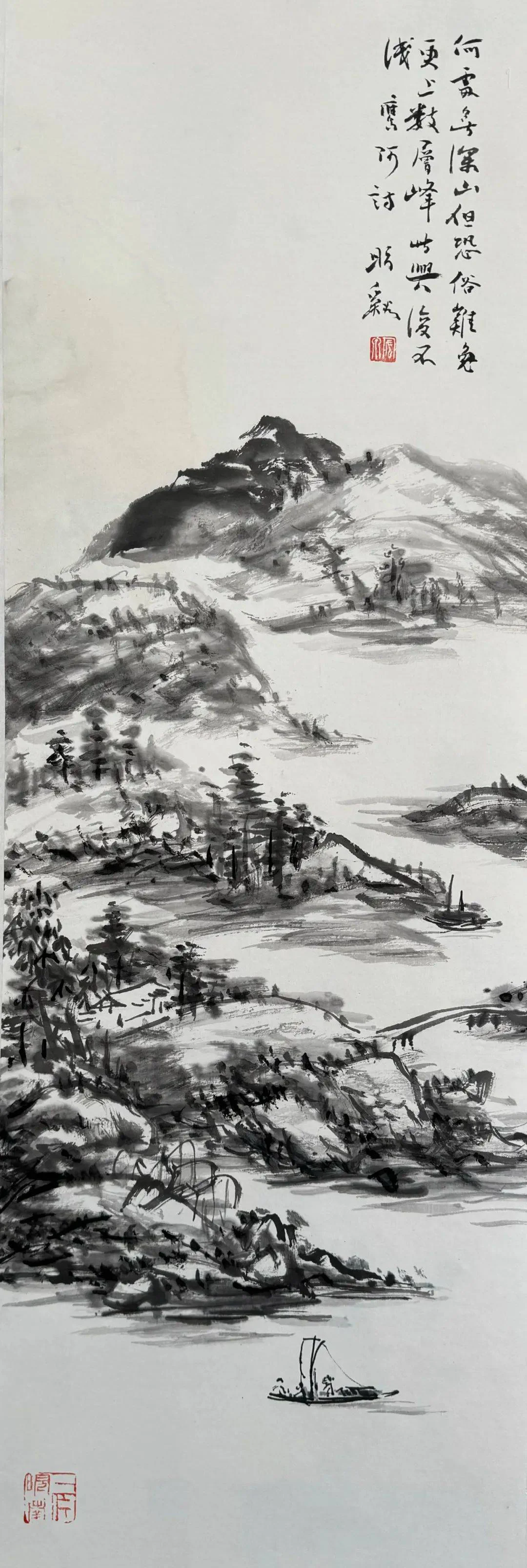
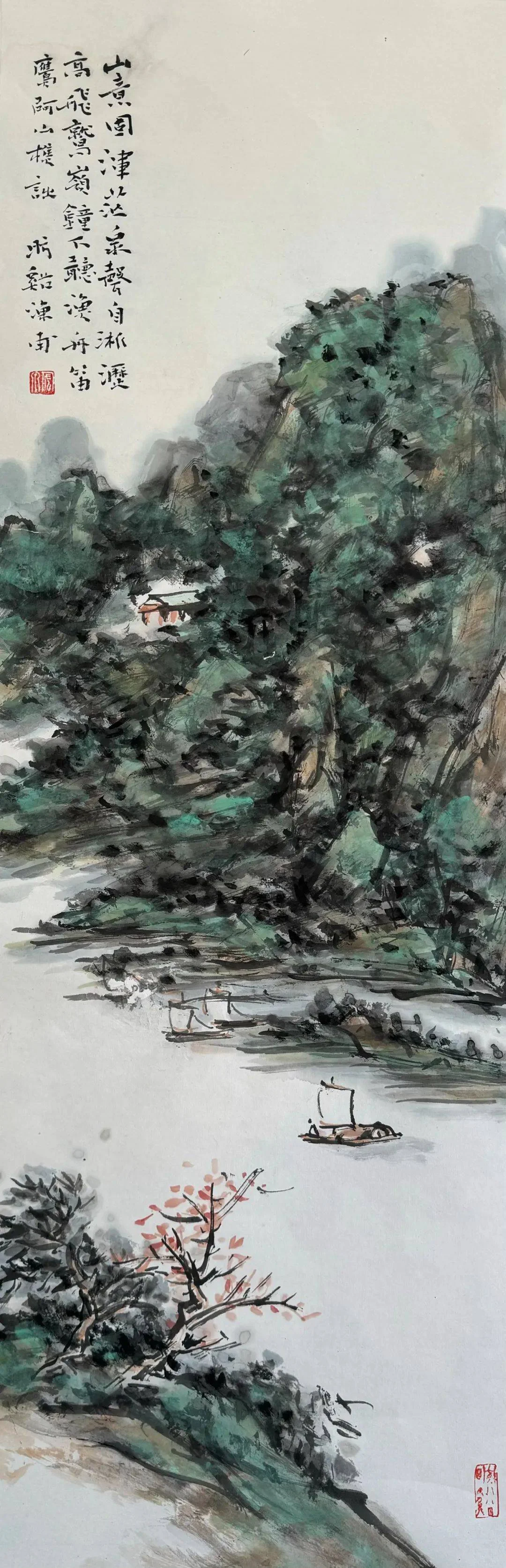
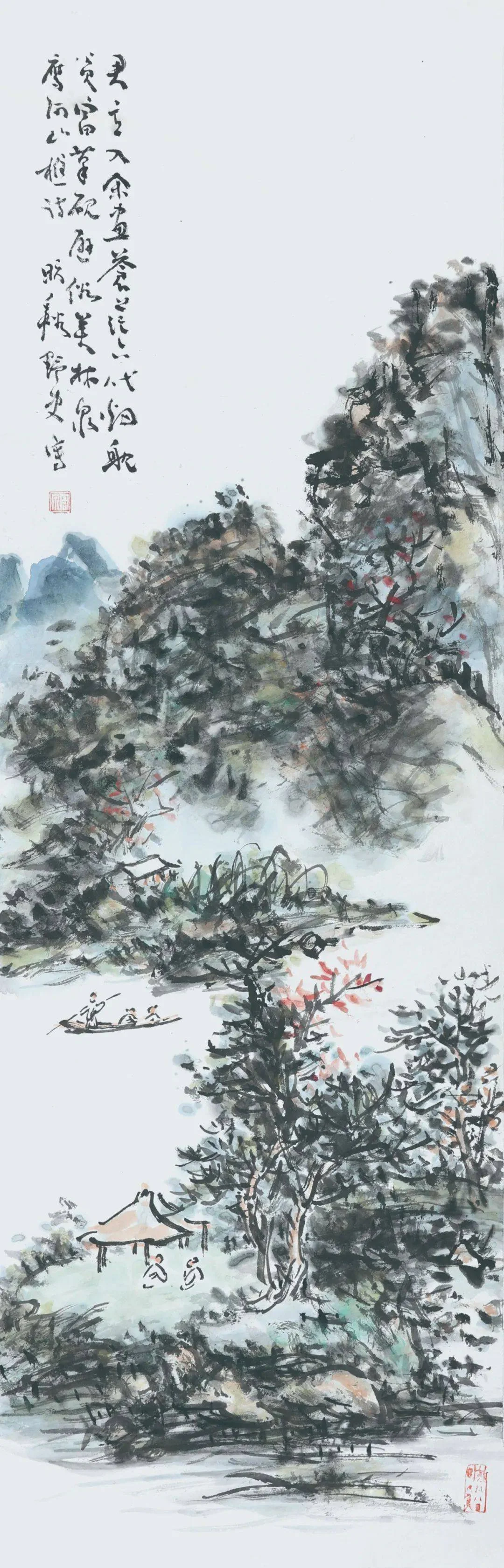
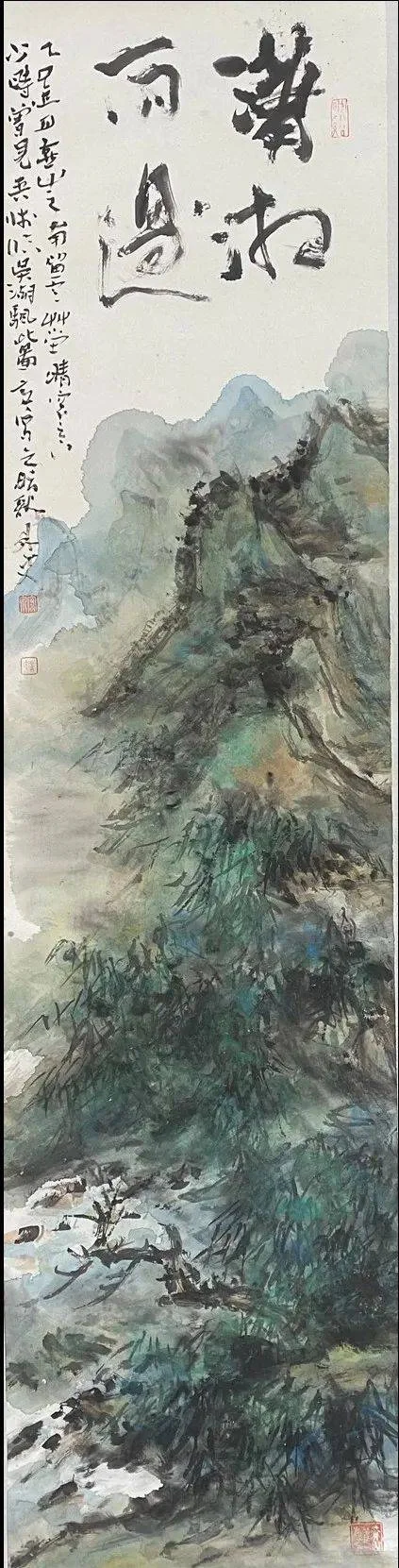
Those unexpected forms are there in the work. His landscapes and flower studies absorb Huang Binhong’s “five brushes and seven inks,” the epigraphic flavor of Wu Aoting and the tradition of the Xin’an school. His deeper strength is how he reads paintings — Song and Yuan, Ming and Qing, his own collection — guided by the painter Liu Zhibai’s maxim: when learning, others dominate; when transforming, the self must.
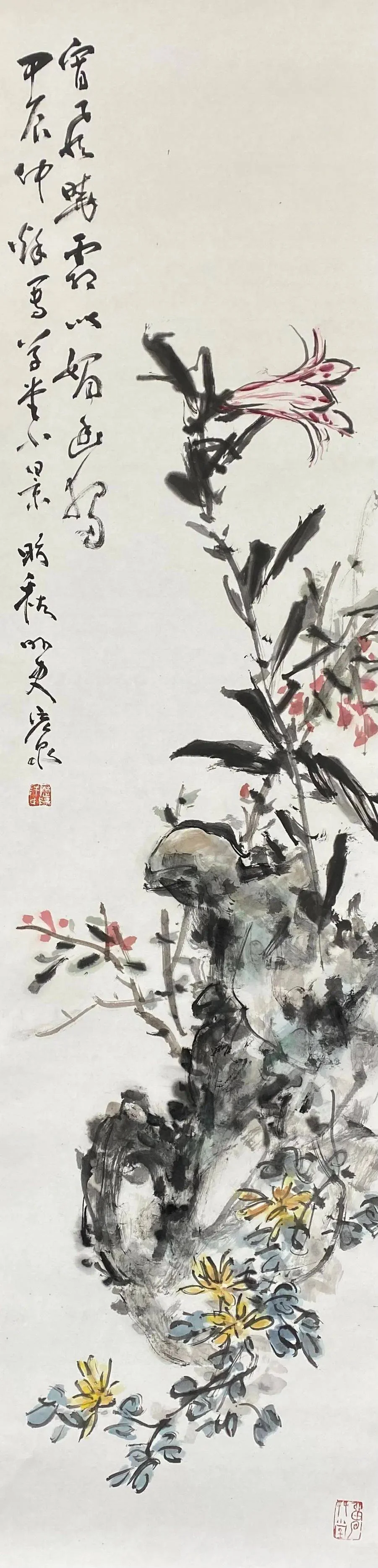
Calligraphy is the second breath of his painting: the freshness of his ink storytelling comes from line training practiced with hand and heart together.
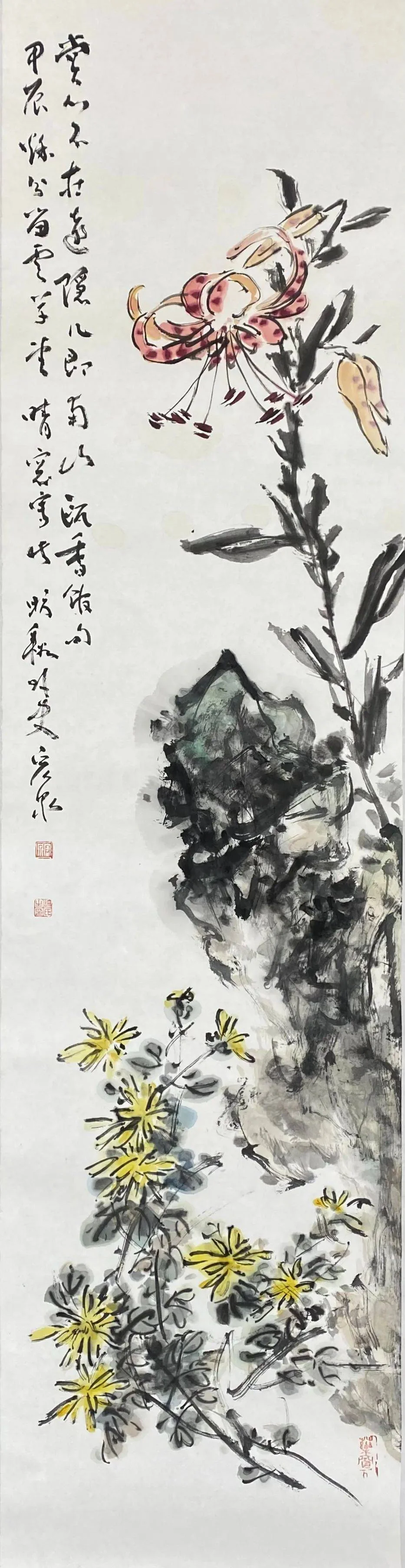
Mountains Remembered, Flowers at Hand
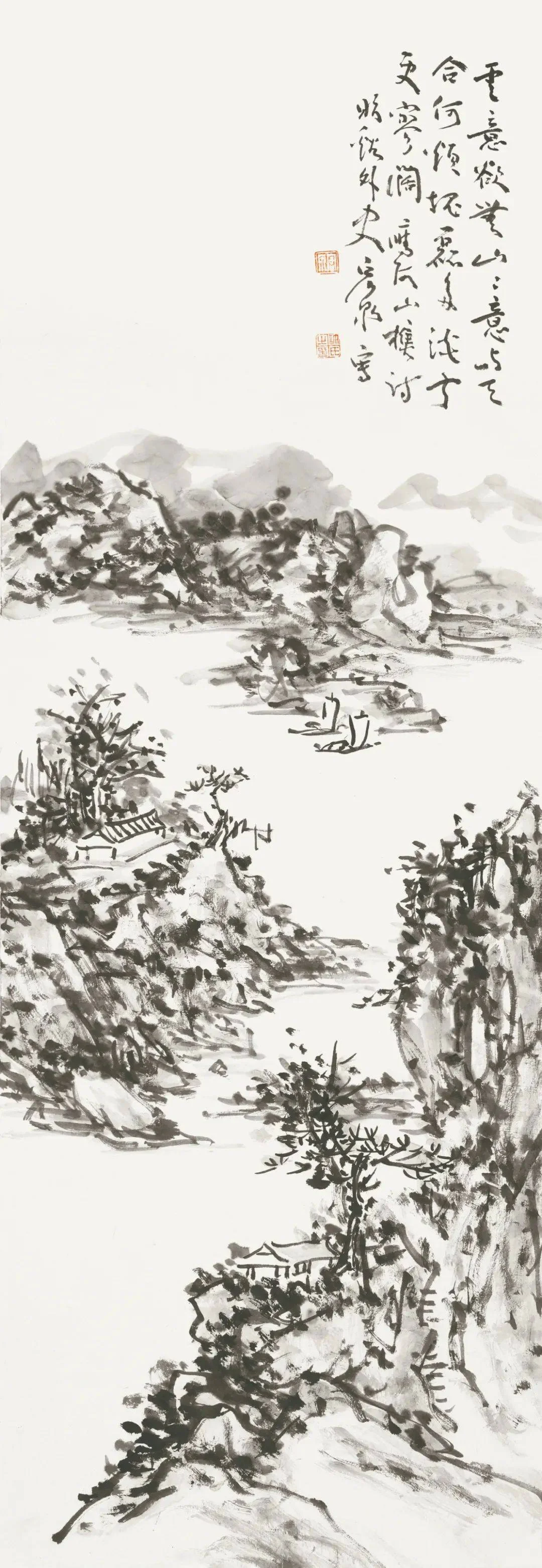
Most of his landscapes date from his Huangshan years — passionate, sensitive, carrying the air of mountains and books at once. The bird-and-flower pieces belong to his Beijing years as an editor, and they carry homesickness: the sound of a hoe striking the ground, he says plainly, is nostalgia itself.
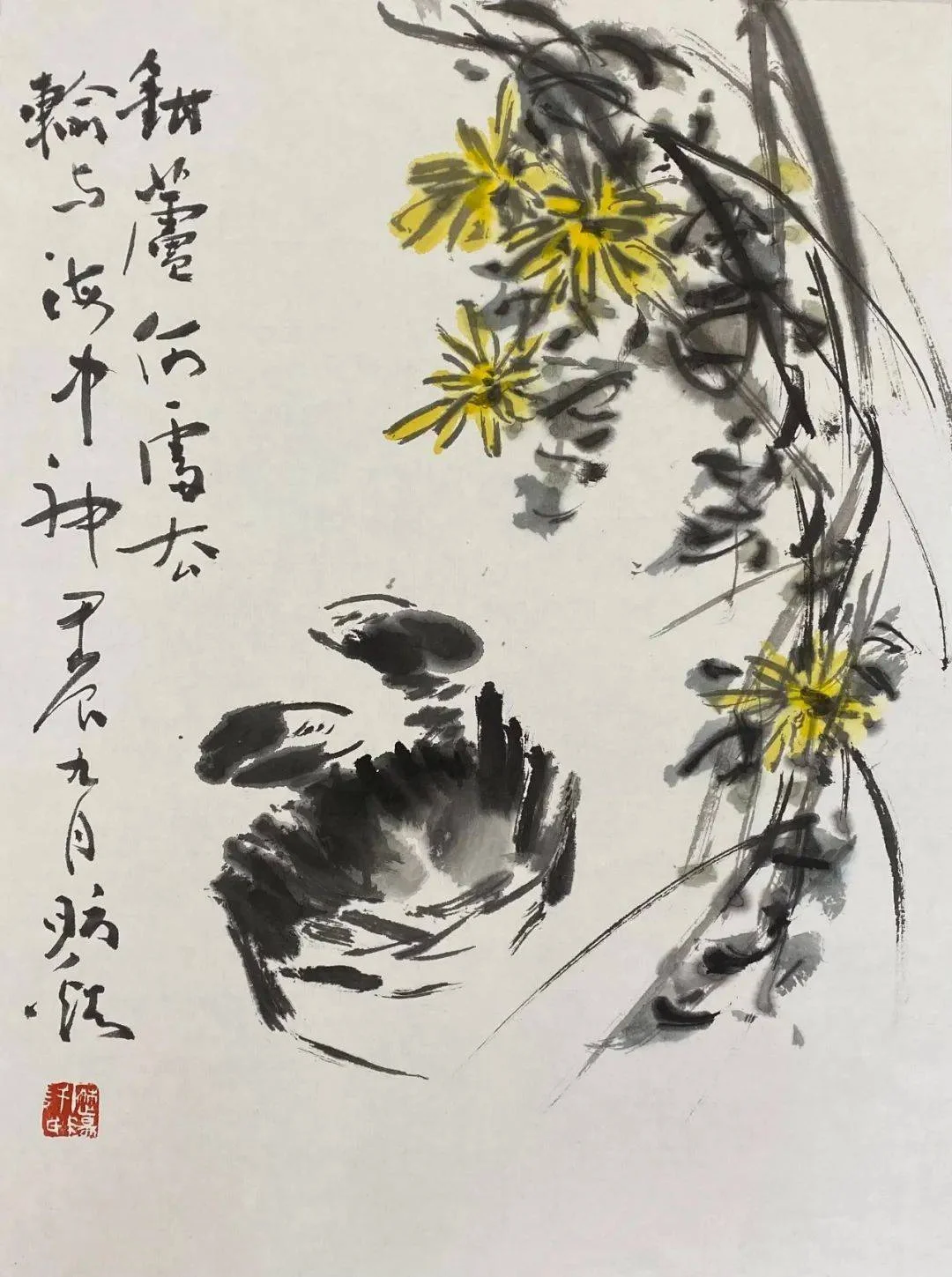
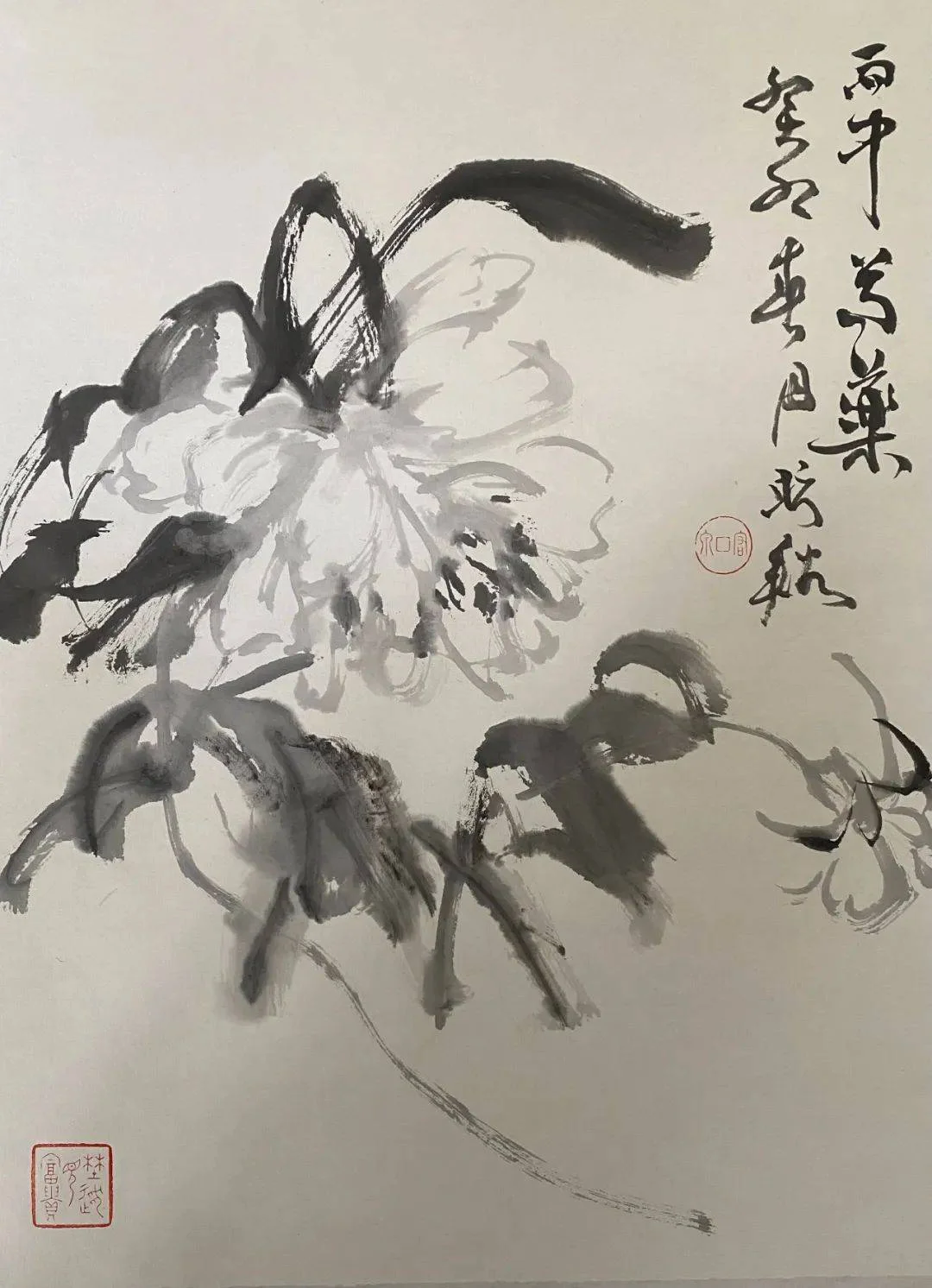
Of all his subjects, bamboo may reach the modern viewer most directly. Instead of repeating the polished “literati integrity” motif, his bamboo simply grows wild — a freedom that touches the child in every adult.
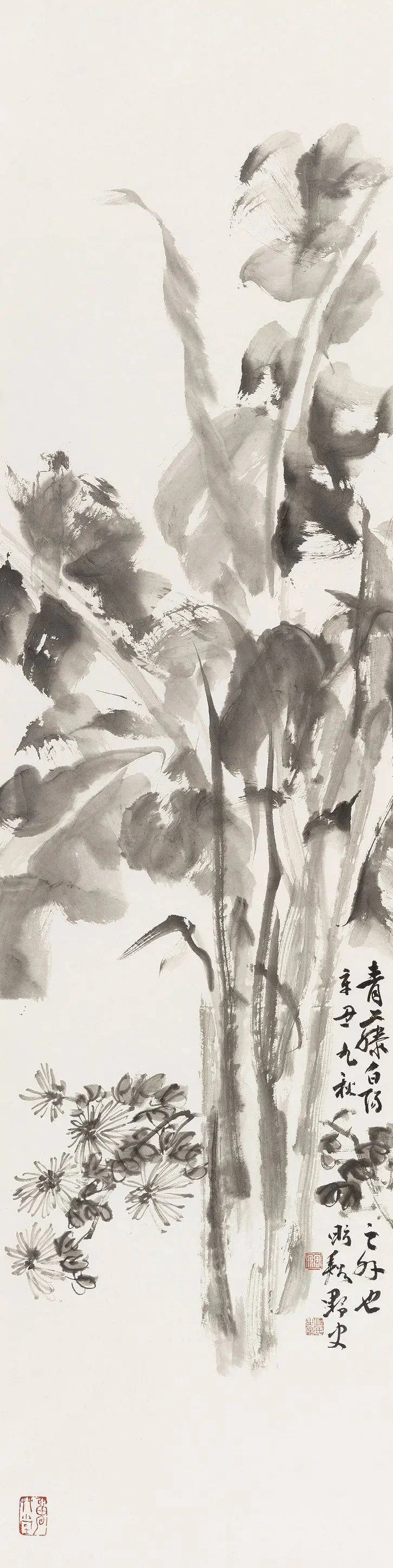
If the literati manner of Xu Hongquan speaks to you, Badou Art’s specialists are happy to guide you through commissioning a work in this tradition.