Our Featured Collection
Hand‑picked premium works for you
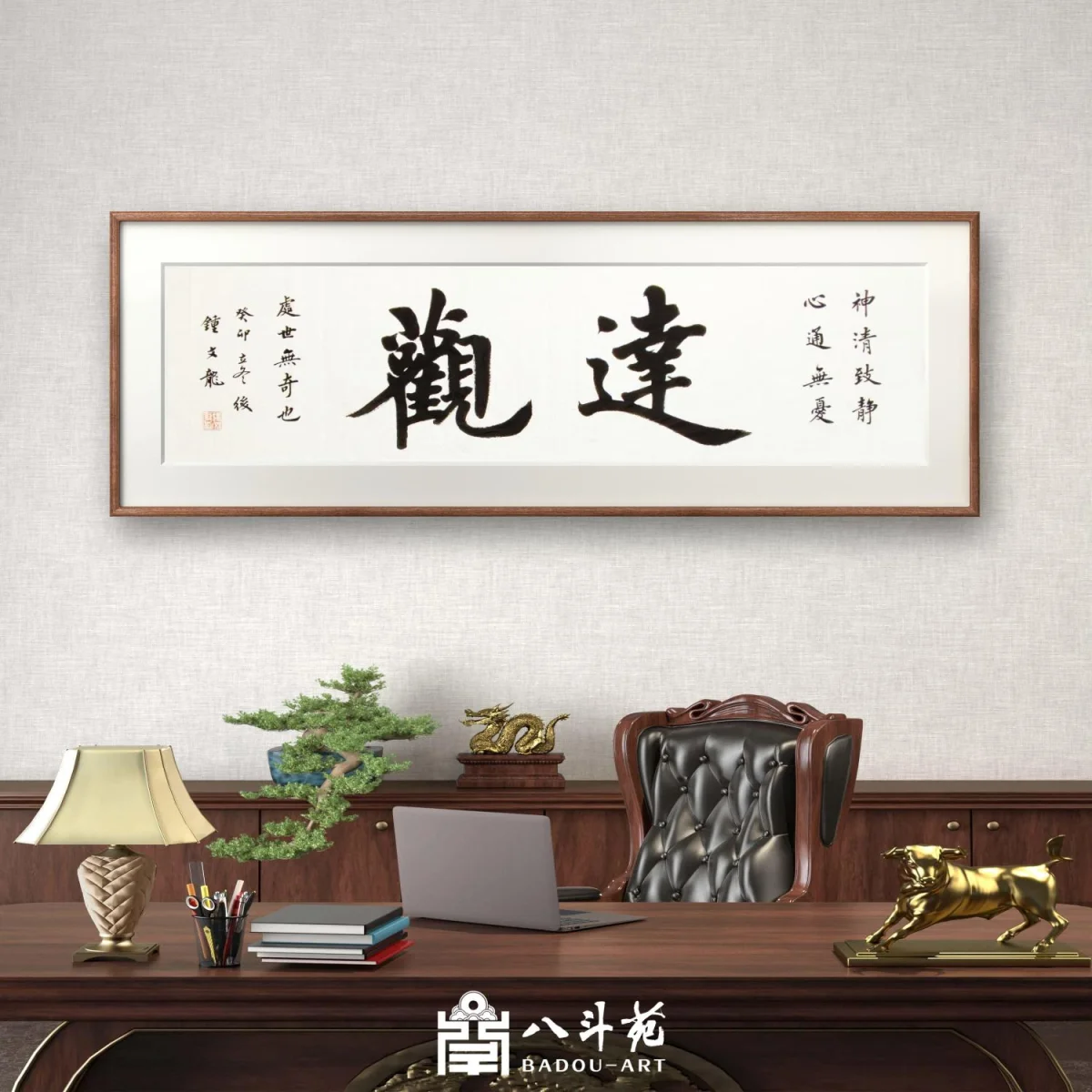
Zhong Wenlong Calligraphy | 达观
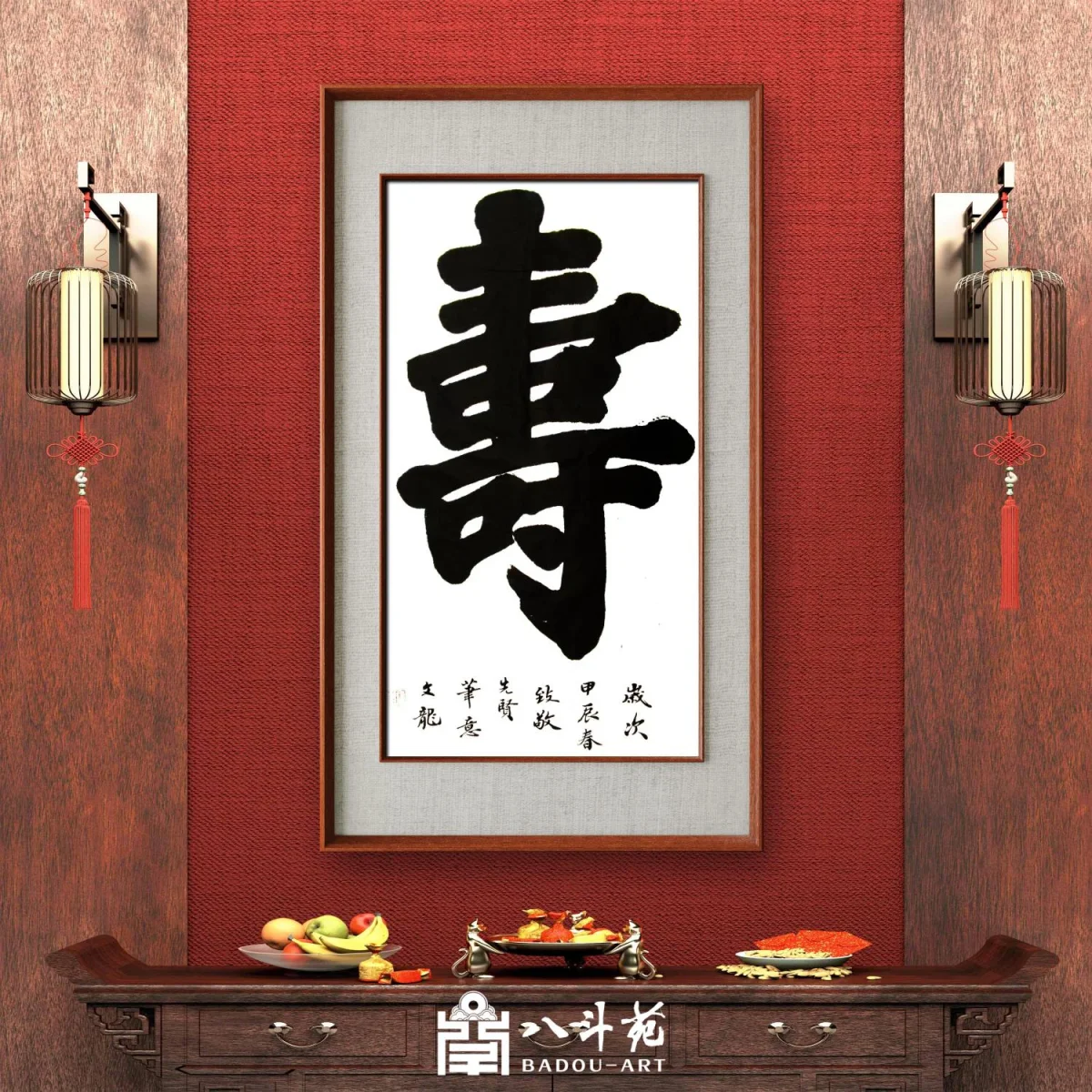
Zhong Wenlong Calligraphy | 壽
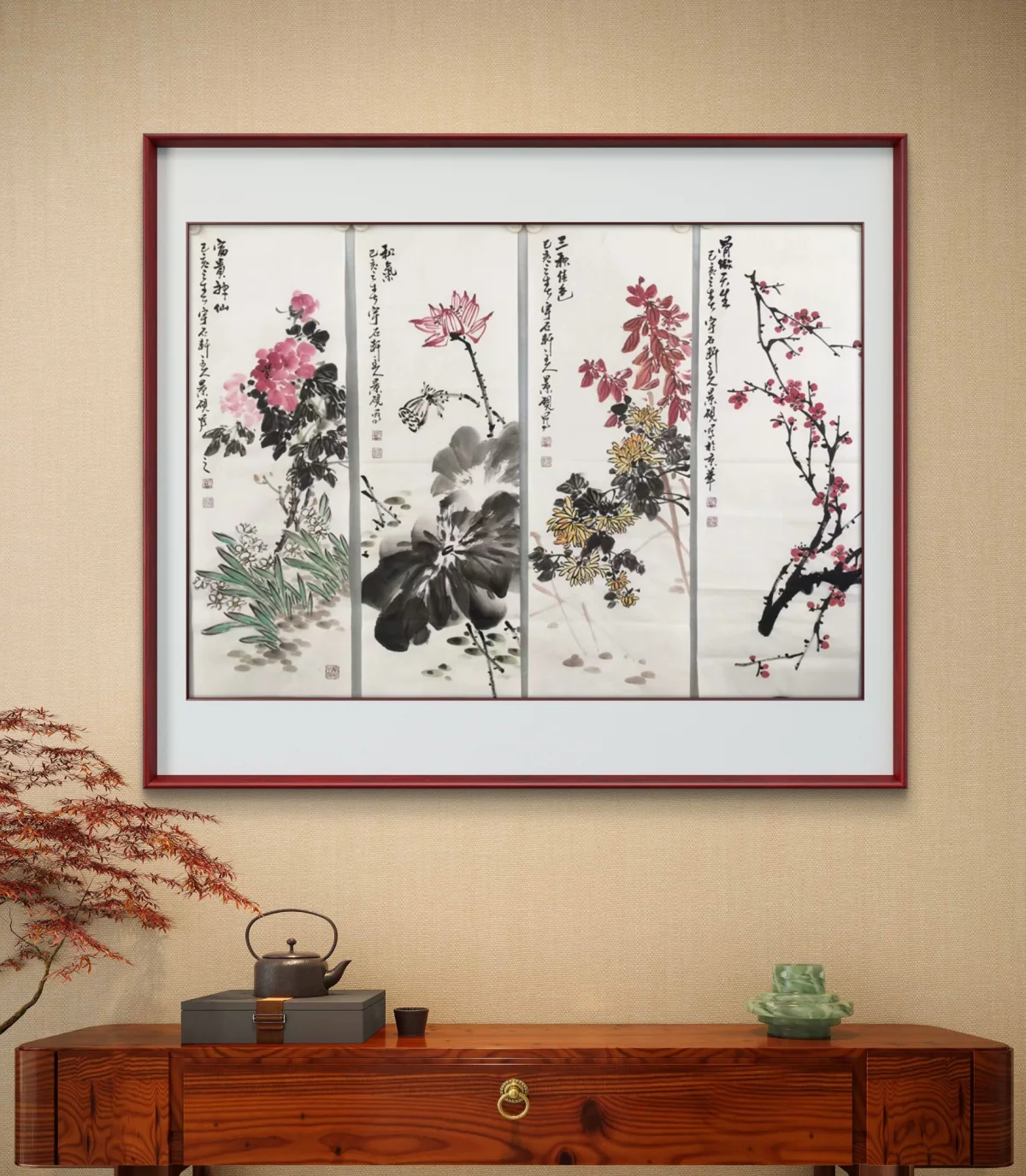
Wu Jingyan Chinese Freehand Painting・Four‑Panel Flower‑and‑Bird Screens(花鸟四条屏)
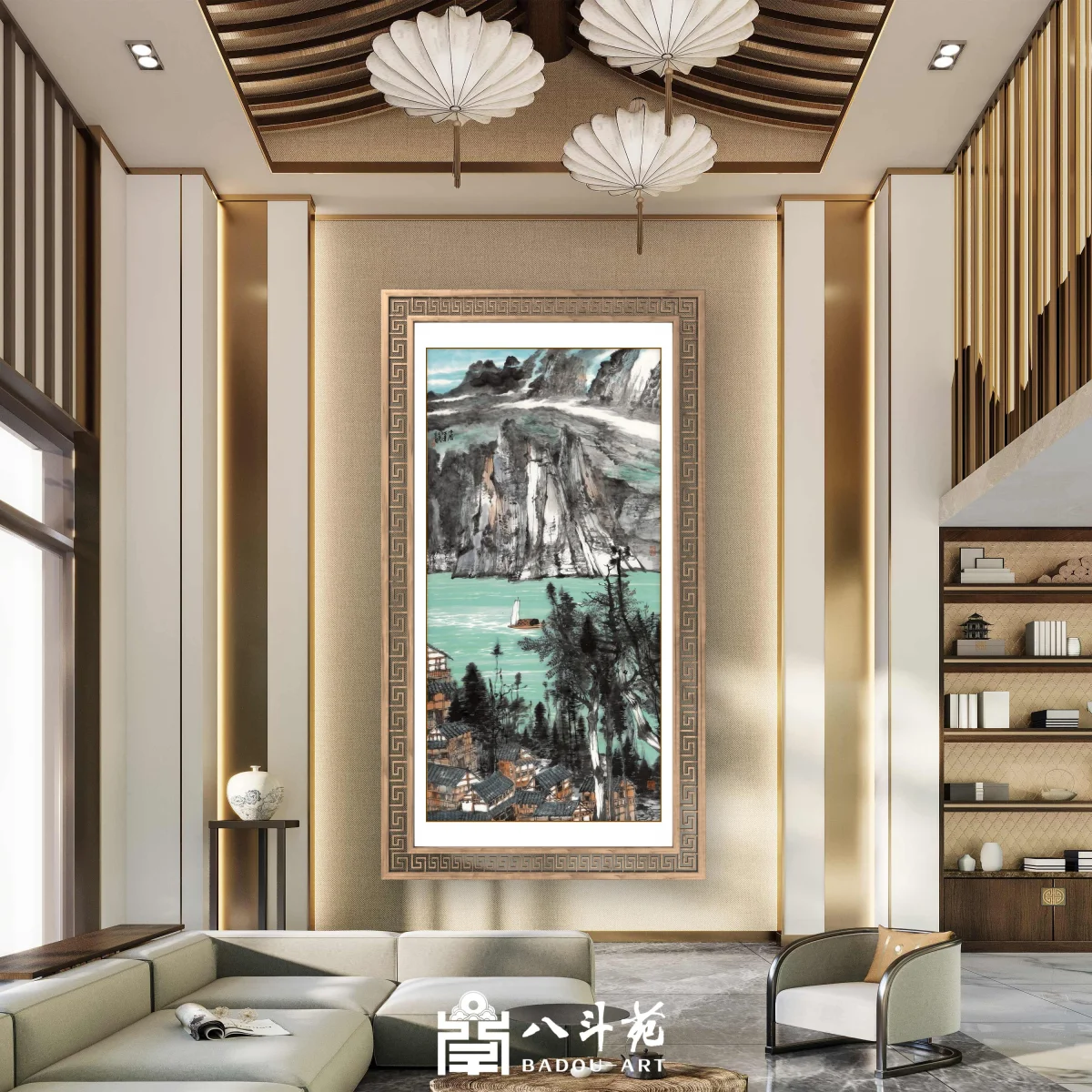
Liu Liyong Landscape Painting | Riverside Mountain Hamlet (山居江远)
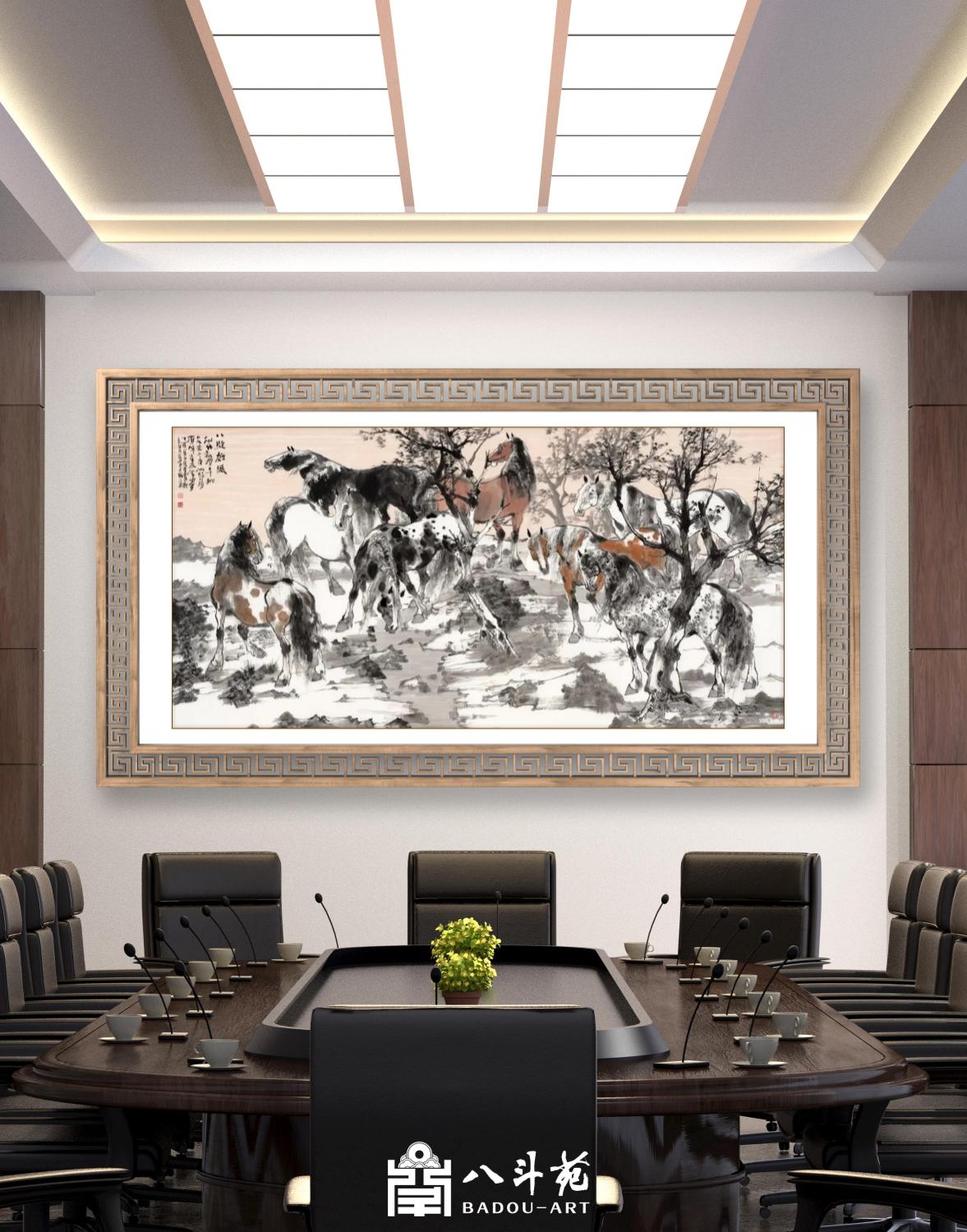
Liu Liyong Animal Painting | Eight Steeds (八骏图)
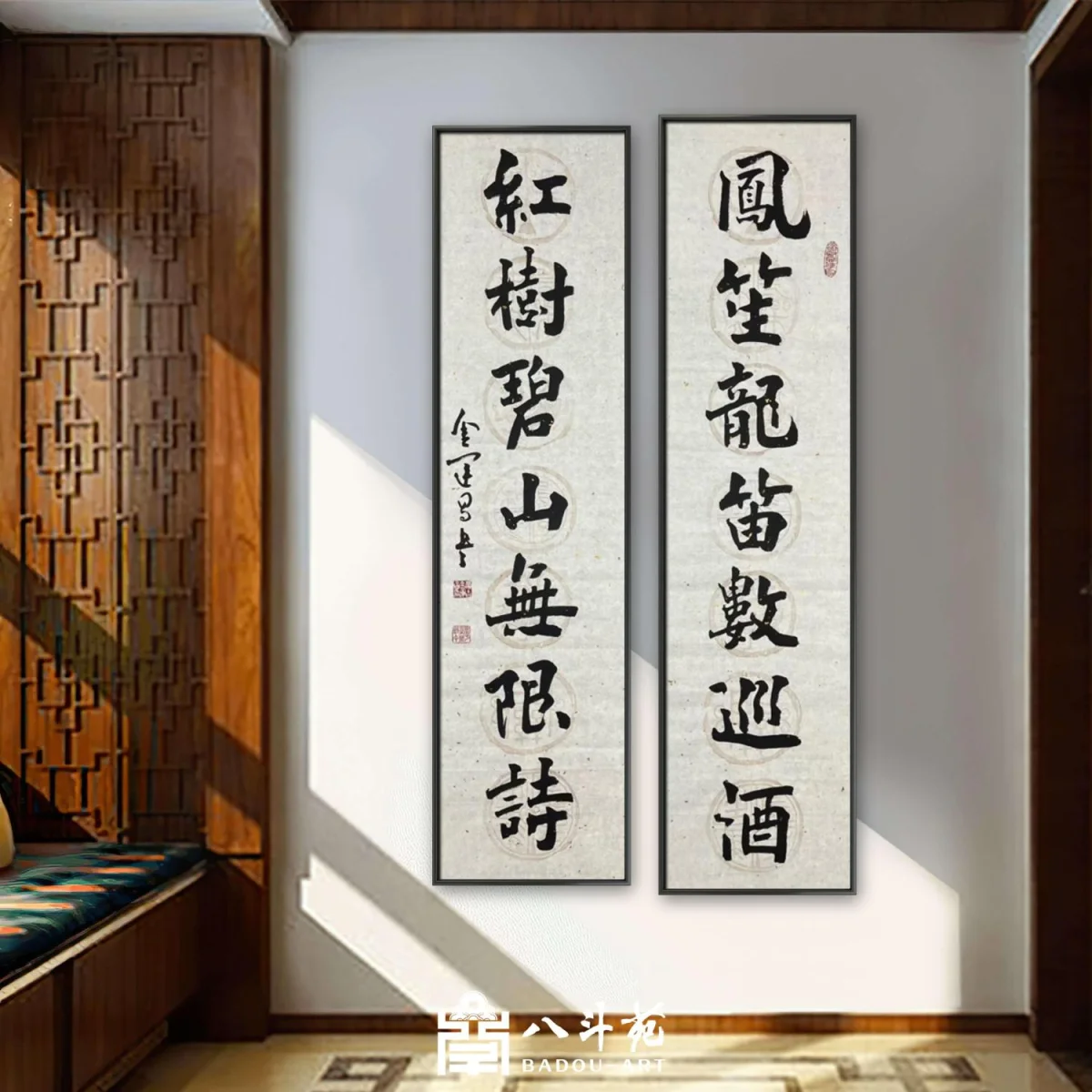
Jin Yunchang Calligraphy | 鳳笙龍笛數巡酒
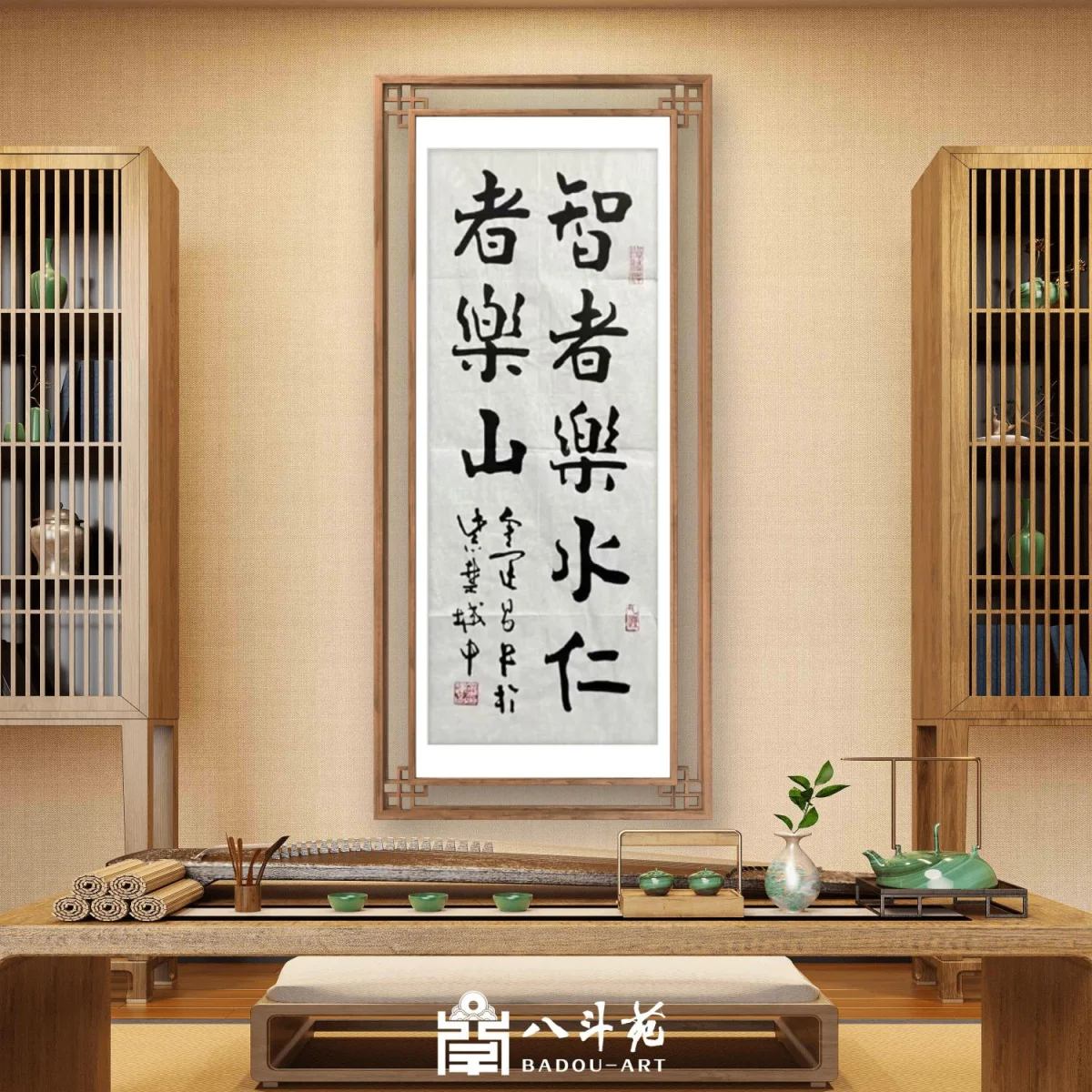
Jin Yunchang Calligraphy | 智者樂水仁者樂山
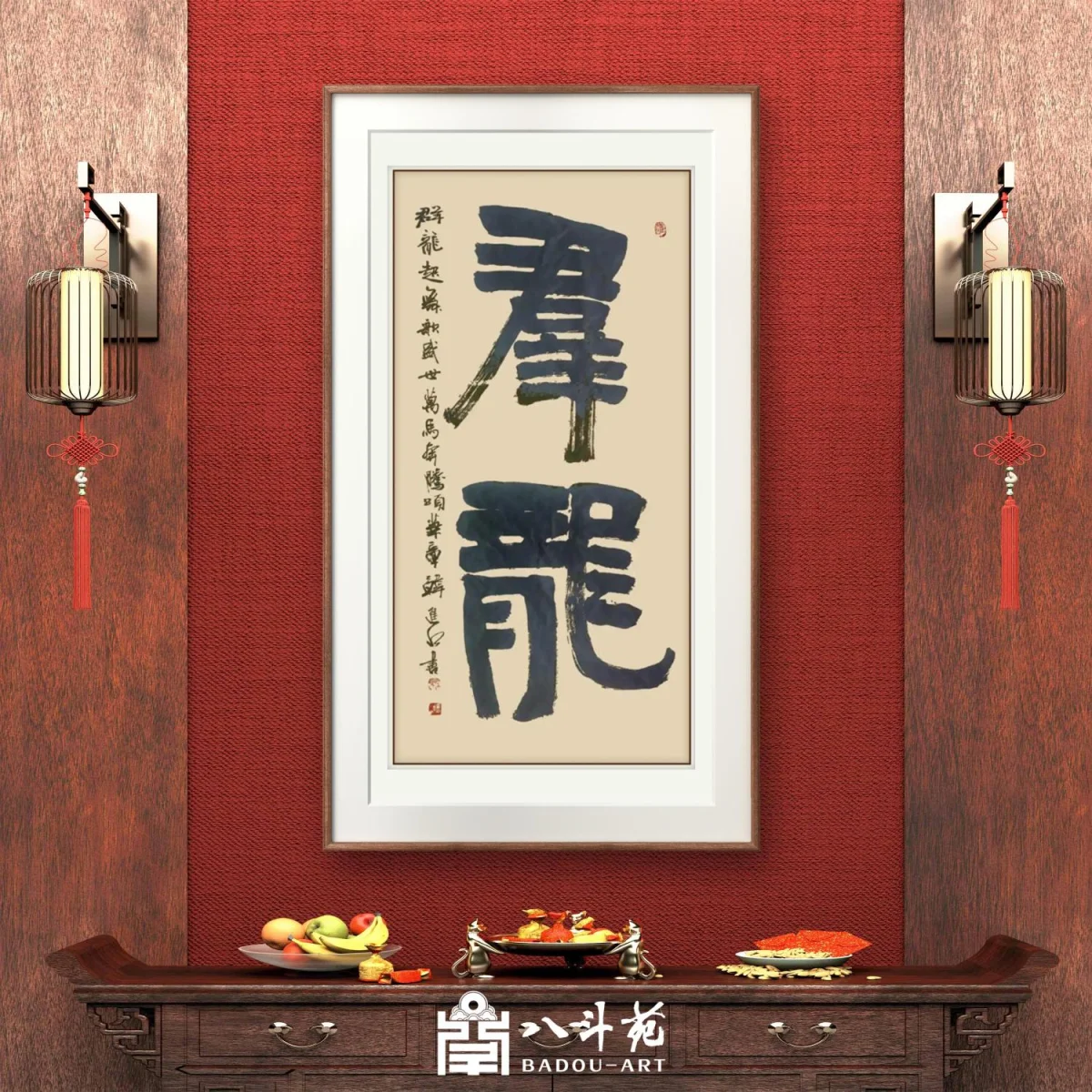
Han Jinshui Calligraphy | 羣龍 (A Group of Dragons)
China’s Top 10 Traditional Culture Treasures Explained
China’s Top 10 Traditional Culture Treasures Explained
“National treasure” (guocui) means the finest of a nation’s native culture. China’s ten national treasures are the achievements most representative of five thousand years of Chinese civilization — and most are still alive today. Here is a quick tour of the ten, what makes each unique, and why they still matter.
The Ten National Treasures
1. **Traditional Chinese medicine (zhongyi).** China’s native medicine is built on the legend of Shennong, who tasted hundreds of herbs to found pharmacology. With acupuncture, tuina massage, herbal formulas, and an emphasis on prevention over cure, it remains one of the world’s great healing traditions.
2. **Martial arts (wushu), known in the West as kung fu.** Practiced through the “eight methods” of hands, eyes, body, footwork, spirit, energy, strength, and skill, it trains body and mind alike — and in the early twentieth century was briefly renamed guoshu, “national art.”
3. **Calligraphy.** The art of the written character belongs to China alone, with a history of some five thousand years. Scripts evolved from oracle-bone and bronze inscriptions to great and small seal, clerical, cursive, regular, and running forms. The Chinese call it “speechless poetry, formless dance, imageless painting, soundless music.”
4. **Embroidery.** A folk craft two to three thousand years old, worked in silk thread on cloth for clothing, decoration, and accessories — and once a major export of the Silk Road. Its four great schools are Su, Xiang, Shu, and Yue embroidery.
5. **Paper cutting (jianzhi).** At Spring Festival, homes are dressed with red “window flowers” — cut paper animals and blossoms that bring festive cheer.
6. **Go (weiqi).** Invented in China more than four thousand years ago, this board game of profound strategy is one of the four arts of the scholar, alongside music, calligraphy, and painting.
7. **Porcelain.** China is the homeland of porcelain, a great invention of ancient civilization whose name still travels the world as “china.”
8. **Tea ceremony (chayi).** Tea is woven into daily life — “open the door, and the seven daily necessities are firewood, rice, oil, salt, sauce, vinegar, and tea.” Tea art sprouted in the Tang dynasty, flourished in the Song, was reformed in the Ming, and peaked in the Qing.
9. **Hanfu**, the traditional dress of the Han Chinese, embodies the ideal of the “state of robes and coronets, the land of rites.” Its weaving, dyeing, and embroidery carry more than thirty items of China’s intangible cultural heritage.
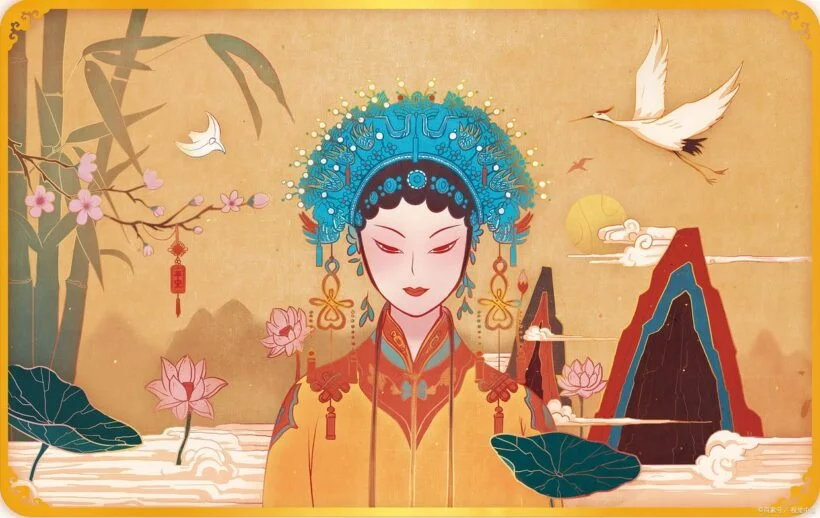
10. **Peking Opera (jingju),** first among China’s five great operas, sings in xipi and erhuang modes to the huqin fiddle and gongs and drums.
Why They Still Matter
These ten treasures are not museum relics. Medicine heals, tea is poured, Go is played, calligraphy is practiced, and every New Year scissors still meet red paper. They are the living core of Chinese culture — worth knowing, and worth passing on.
If this tour has sparked an interest in calligraphy or ink painting, a commissioned work is a beautiful way to bring one of these treasures into your home; Badou Art’s specialists are happy to help you begin.