Featured Products


Our Featured Collection
Hand‑picked premium works for you
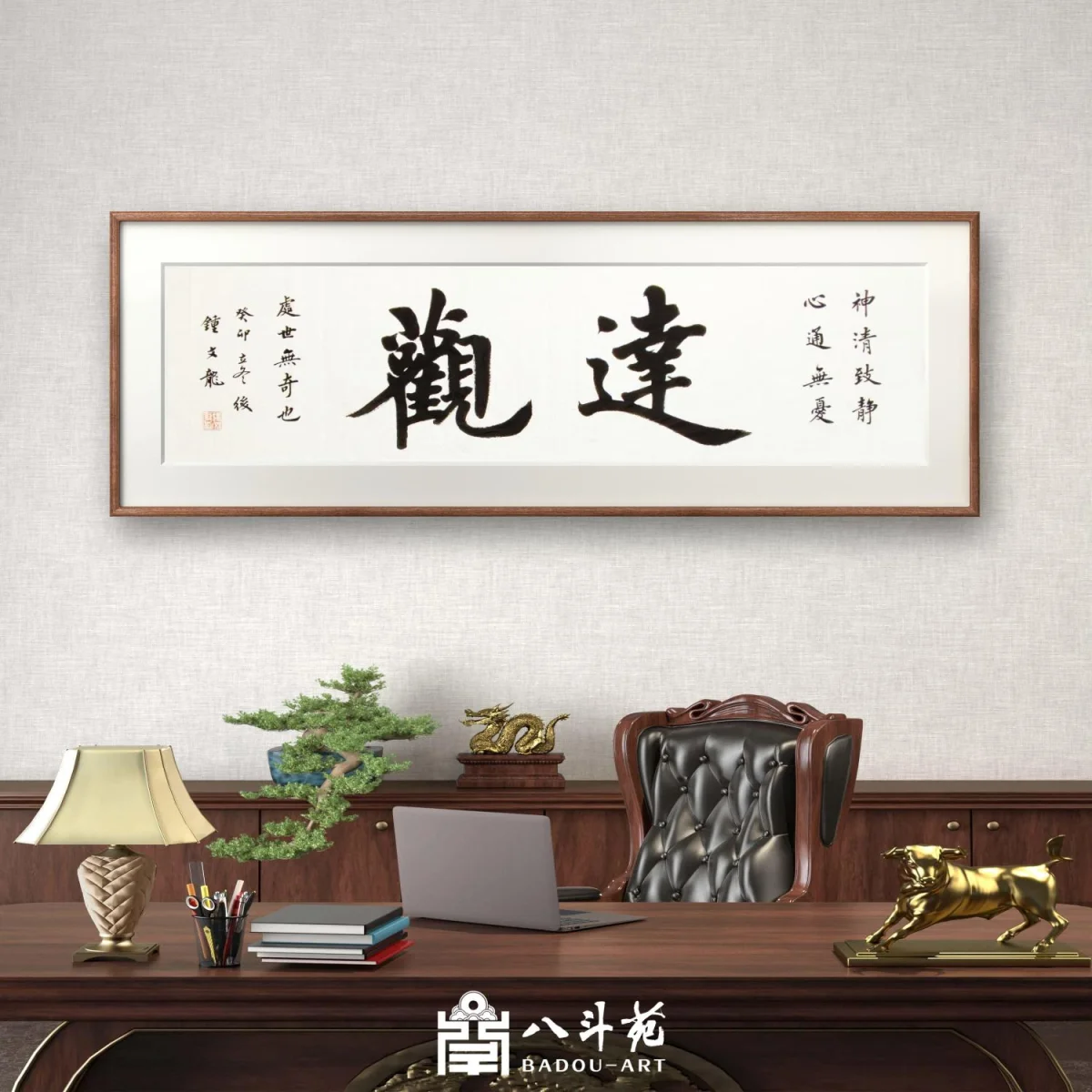
Price range: $750.00 through $1,900.00
Zhong Wenlong Calligraphy | 达观
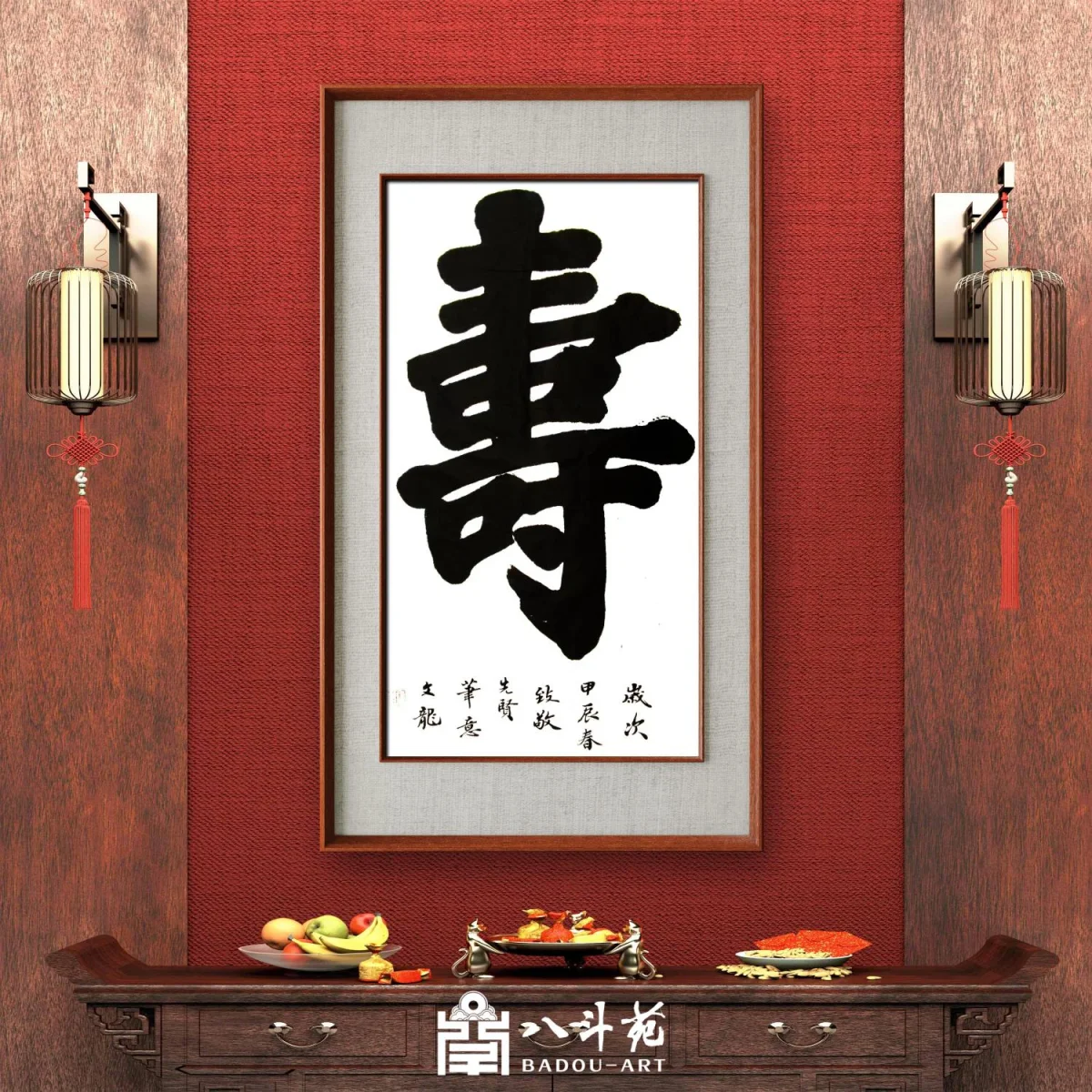
Price range: $1,188.00 through $3,400.00
Zhong Wenlong Calligraphy | 壽
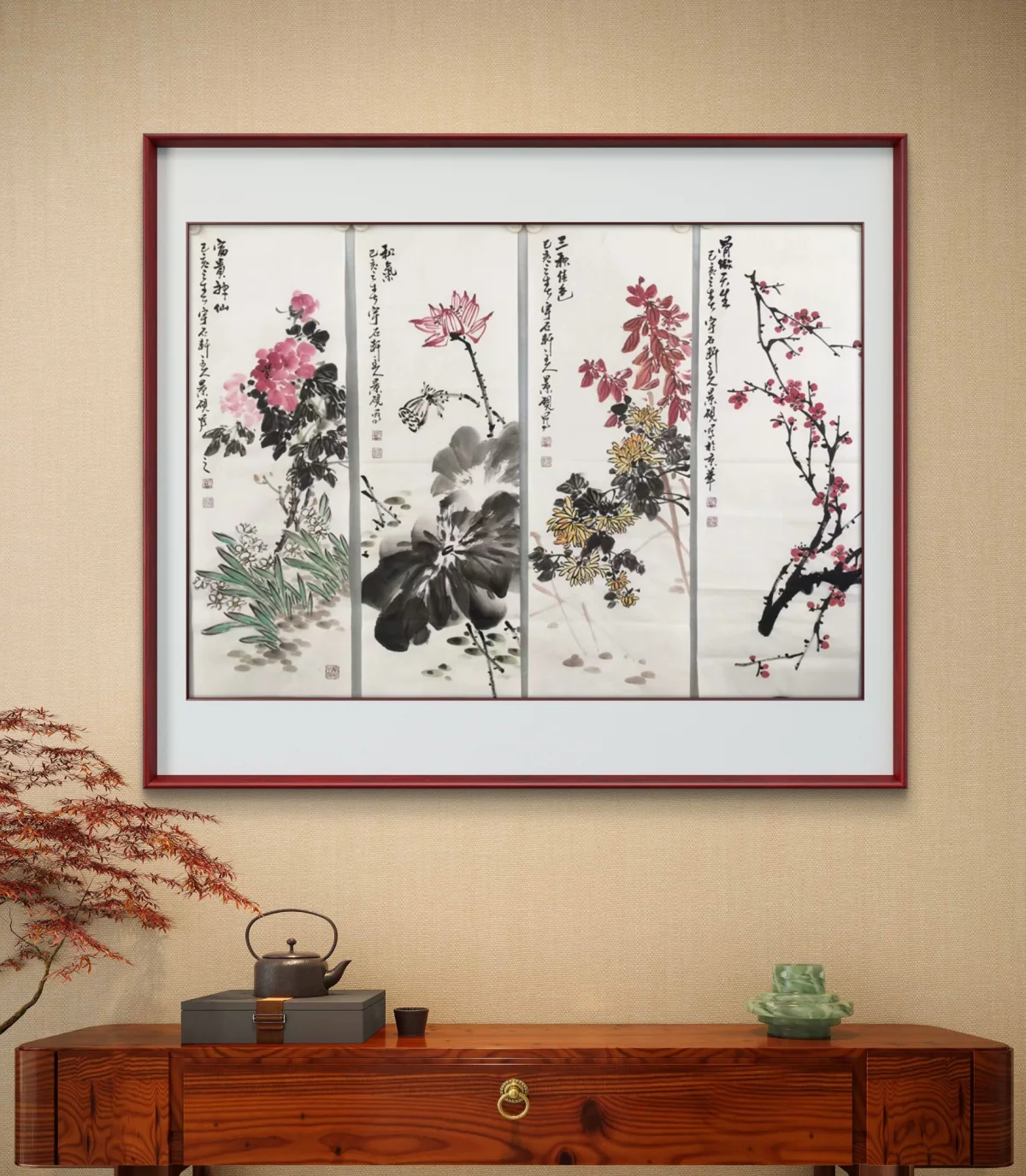
Price range: $1,520.00 through $2,720.00
Wu Jingyan Chinese Freehand Painting・Four‑Panel Flower‑and‑Bird Screens(花鸟四条屏)
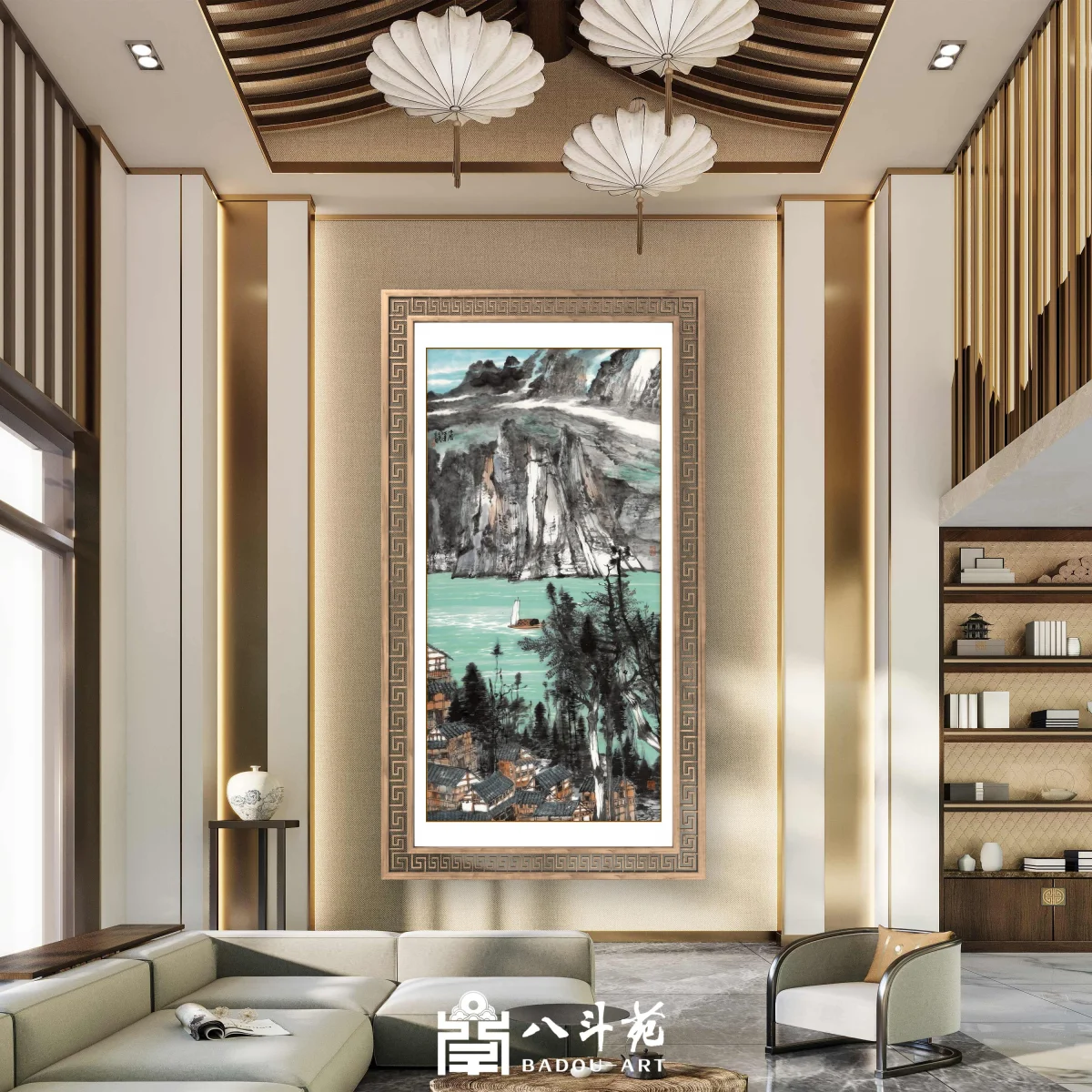
Price range: $28,500.00 through $81,600.00
Liu Liyong Landscape Painting | Riverside Mountain Hamlet (山居江远)
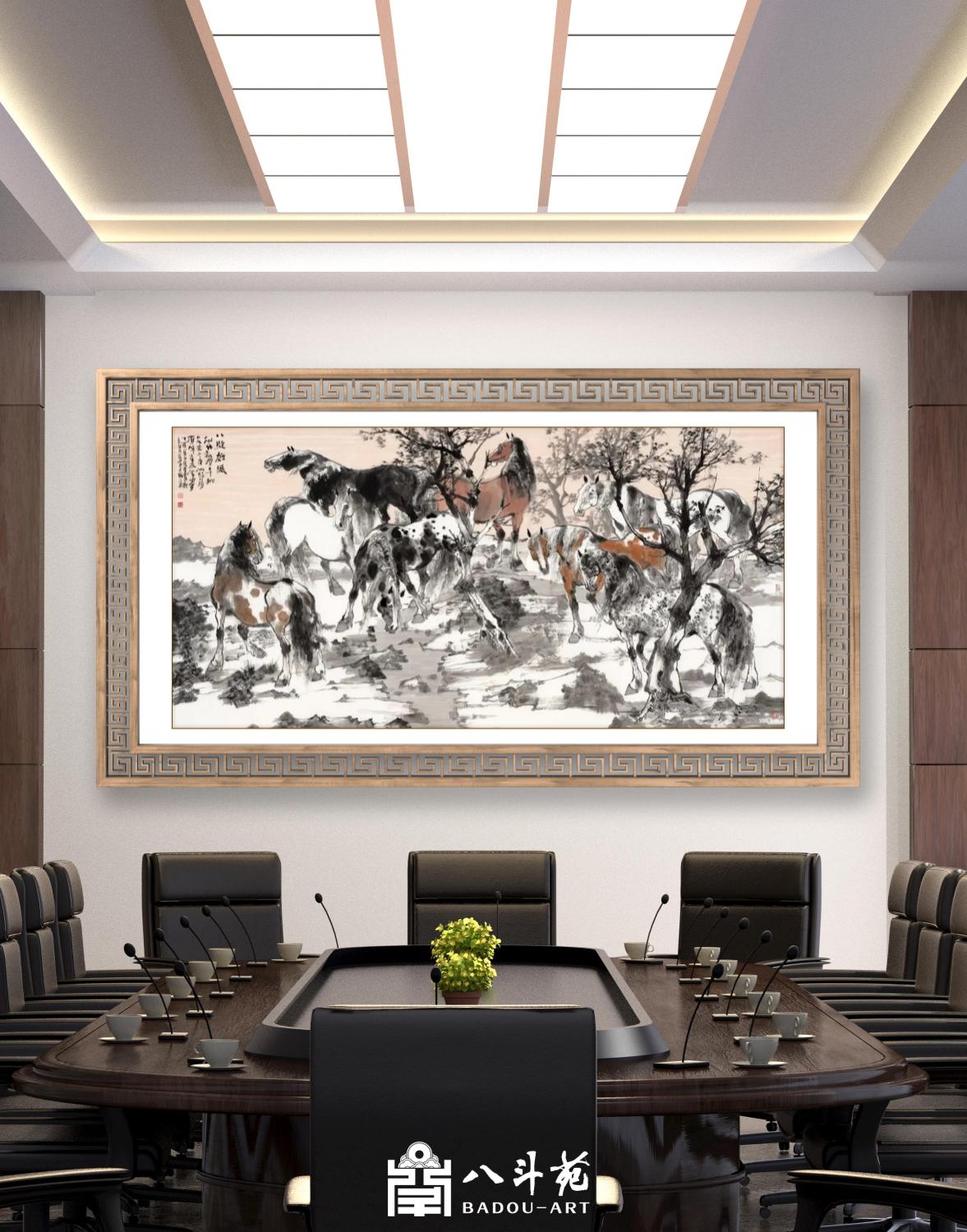
Price range: $28,500.00 through $81,600.00
Liu Liyong Animal Painting | Eight Steeds (八骏图)
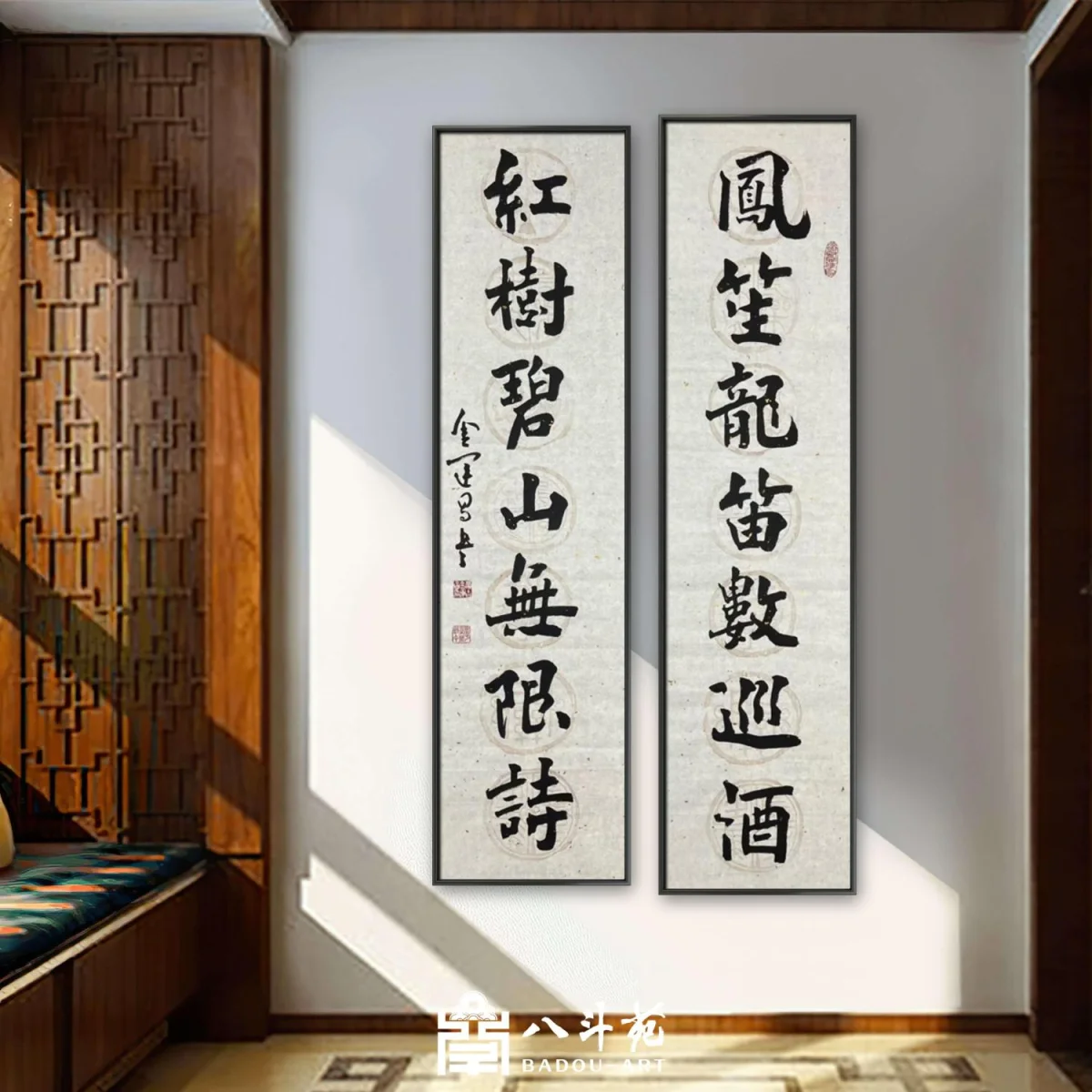
Price range: $4,750.00 through $13,600.00
Jin Yunchang Calligraphy | 鳳笙龍笛數巡酒
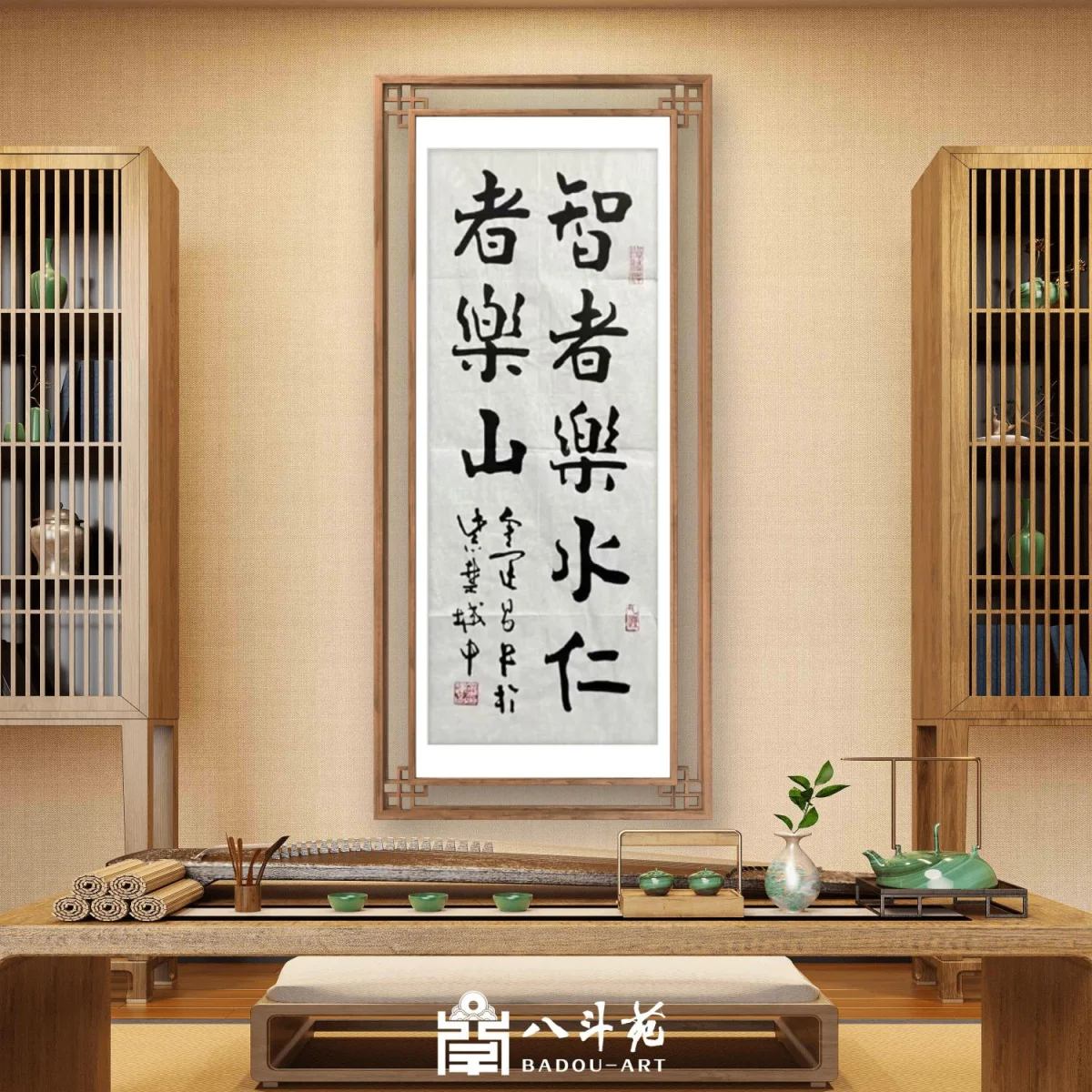
Price range: $4,750.00 through $13,600.00
Jin Yunchang Calligraphy | 智者樂水仁者樂山
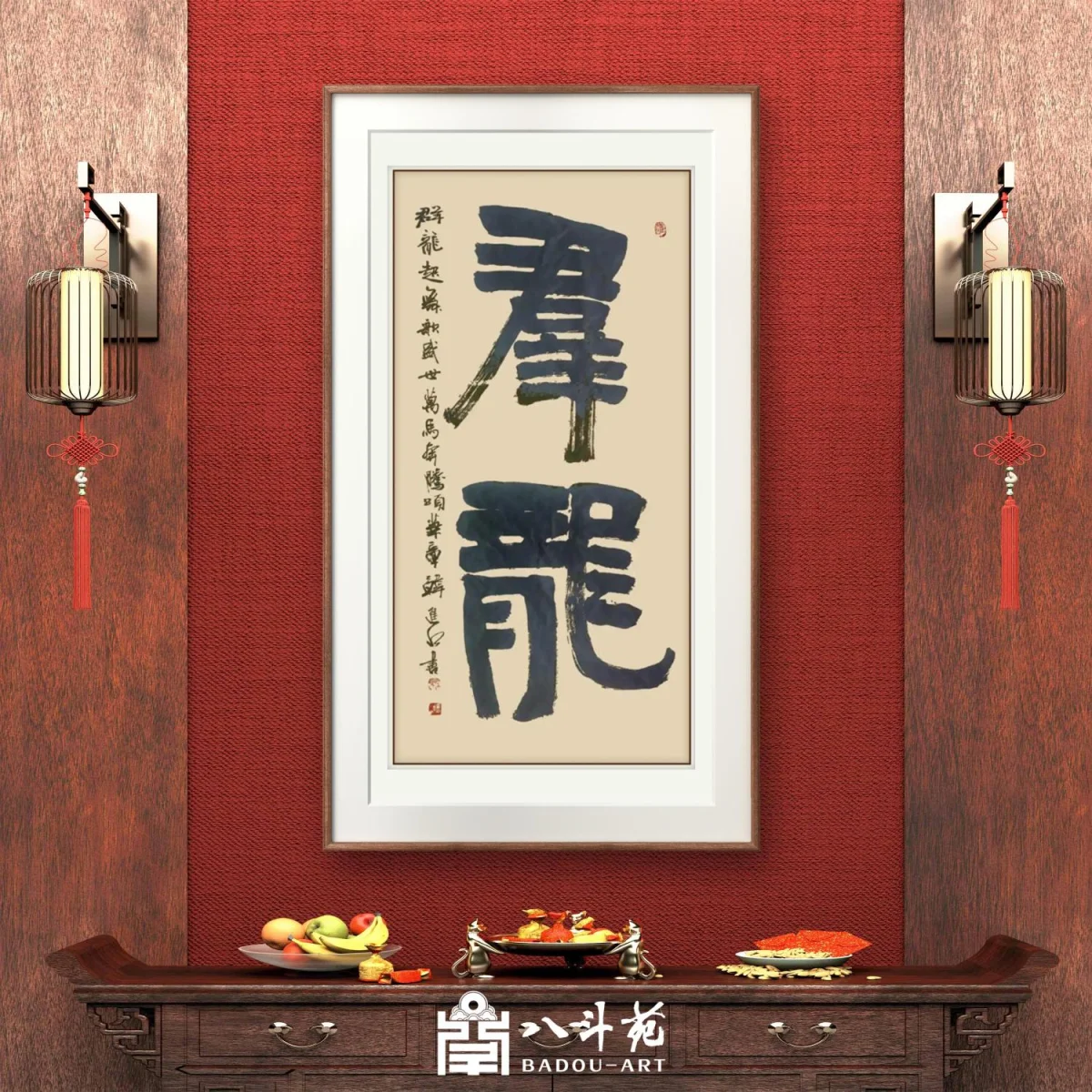
Price range: $1,425.00 through $4,080.00
Han Jinshui Calligraphy | 羣龍 (A Group of Dragons)
Modern Uses of Chinese Seal Carving: Beyond the Stamp
Modern Uses of Chinese Seal Carving: Beyond the Stamp
The carved seal (yinzhang) was once China’s signature, pressed on documents, letters, and works of art to prove authorship and authority. Today the craft of seal carving (zhuanke) has quietly reinvented itself: the seal now serves as artwork, accessory, keepsake, and personal brand. Here are the main ways modern Chinese use seals — and how you might use one too.
Art and Aesthetics
- **Signing paintings and calligraphy.** Seals balance the composition of ink works: artists press a name seal, a leisure seal (xianzhang) bearing a poetic phrase, or a corner seal (yajiao zhang) into the empty spaces of a painting. A leading seal (yinshou zhang) traditionally sits at the upper right of a calligraphy scroll.
- **Refining layout.** An edge seal (lanbian zhang) at a work’s side gathers its energy; a waist seal (yao zhang) fills the middle of long scrolls so the eye is never lost.
- **Decorating handcrafted objects.** Seals stamped on folding fans, screens, and ceramics add the mark of “scholar-made” craftsmanship and raise an object’s artistic value.
Everyday Life
- **Marking belongings.** Book lovers stamp collection seals reading “treasured” or “secret delight” (zhencang, miwan) across their libraries; scholars mark stationery and tea ware with name or studio seals.
- **Letters and journals.** Traditional correspondence seals — “respectfully sealed” (jinfeng), “kowtow” (dunshou) — bring old-world elegance to letters and notebooks.
- **Fashion and accessories.** Seals now appear as qipao clasps and jade pendant ornaments, blending ancient craft with modern style.
Collecting and Heritage
- **Authentication marks.** Connoisseurship seals reading “appraised” (shending) or “examined” (kaoding) record a work’s history; imperial seals such as “Xuanhe” and “Zhenguan” are themselves evidence used to date treasures.
- **Rare stones.** Seals cut from Shoushan stone, Tianhuang, and chicken-blood stone are collected for the scarcity of the material as much as the carving.
- **Scholar’s play.** Veteran collectors enjoy handling old seals with a fine patina, savoring the “world within a square inch” of the scholar’s study.
Expression, Gifts, and Community
- **Personal milestones.** Carving a motto, a self-written phrase, or a commemorative image marks weddings, graduations, and other turning points.
- **Gifts of respect.** A custom name seal for a teacher or friend — or a leisure seal reading “unflagging in teaching” (huiren bujuan) or “friendship of metal and stone” (jinshi zhi jiao) — speaks more deeply than an ordinary present.
- **Mindfulness and community.** Carving demands a steady hand and a quiet mind, which is why many practice it today as a form of meditation. Enthusiasts exchange seal-print albums and gather at yaji, refined cultural gatherings, to share new work.
A Tradition Reborn
The seal has traveled from token of office to a carrier of art, emotion, and identity — proof that an ancient craft can keep finding new life. If the idea of a personal seal appeals to you, Badou Art’s master carvers can design one in the stone, script, and motif that fit your story.