Our Featured Collection
Hand‑picked premium works for you
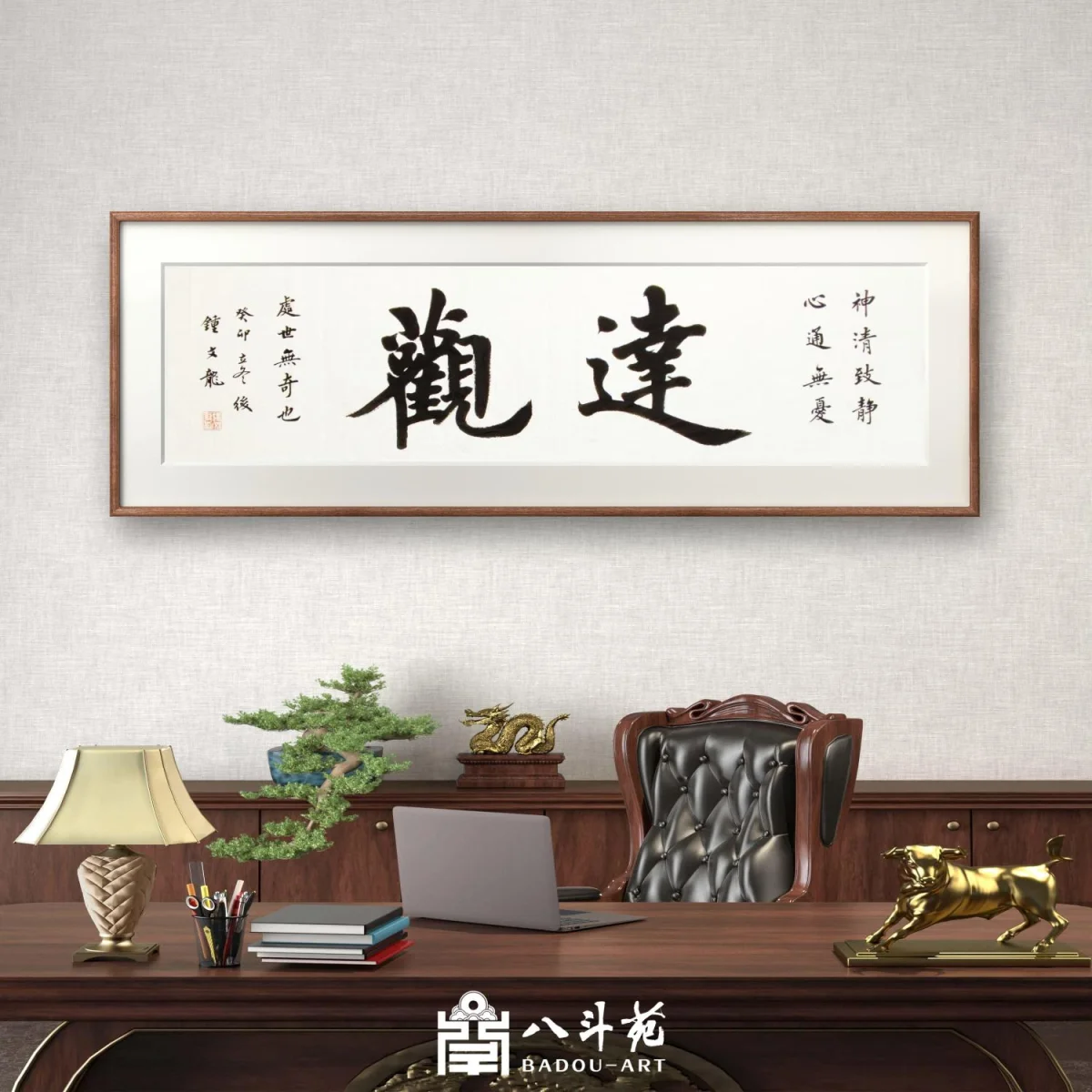
Zhong Wenlong Calligraphy | 达观
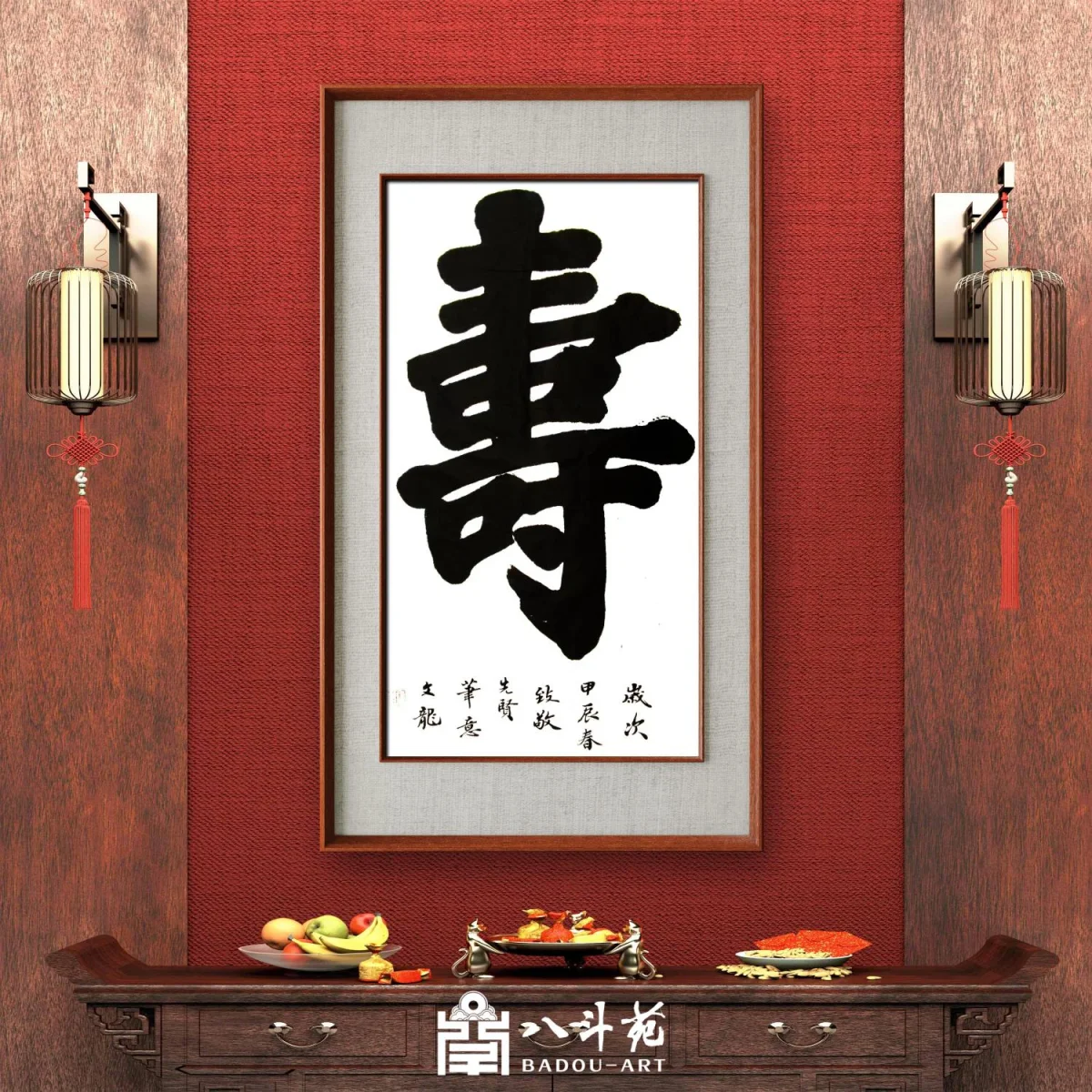
Zhong Wenlong Calligraphy | 壽
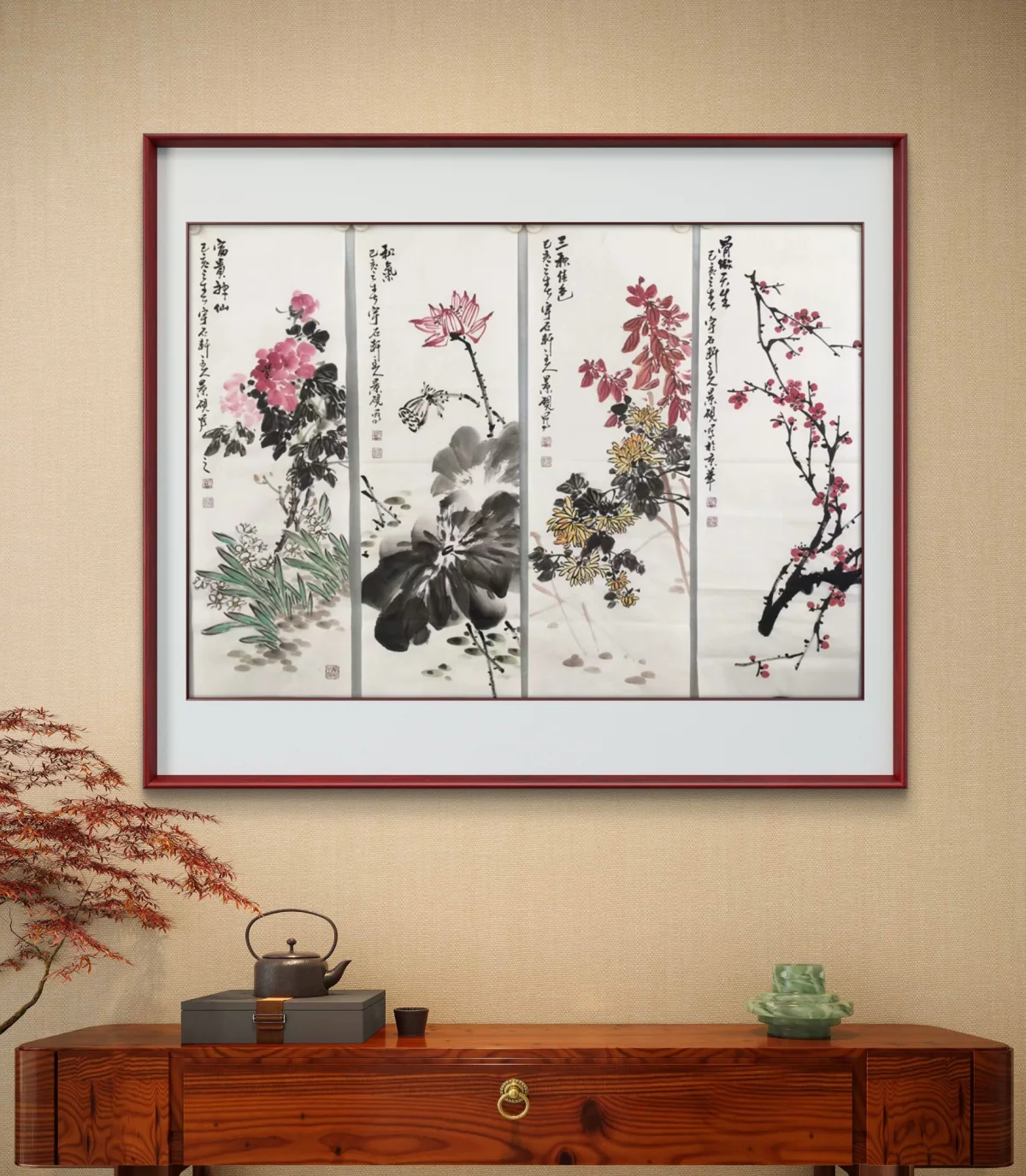
Wu Jingyan Chinese Freehand Painting・Four‑Panel Flower‑and‑Bird Screens(花鸟四条屏)
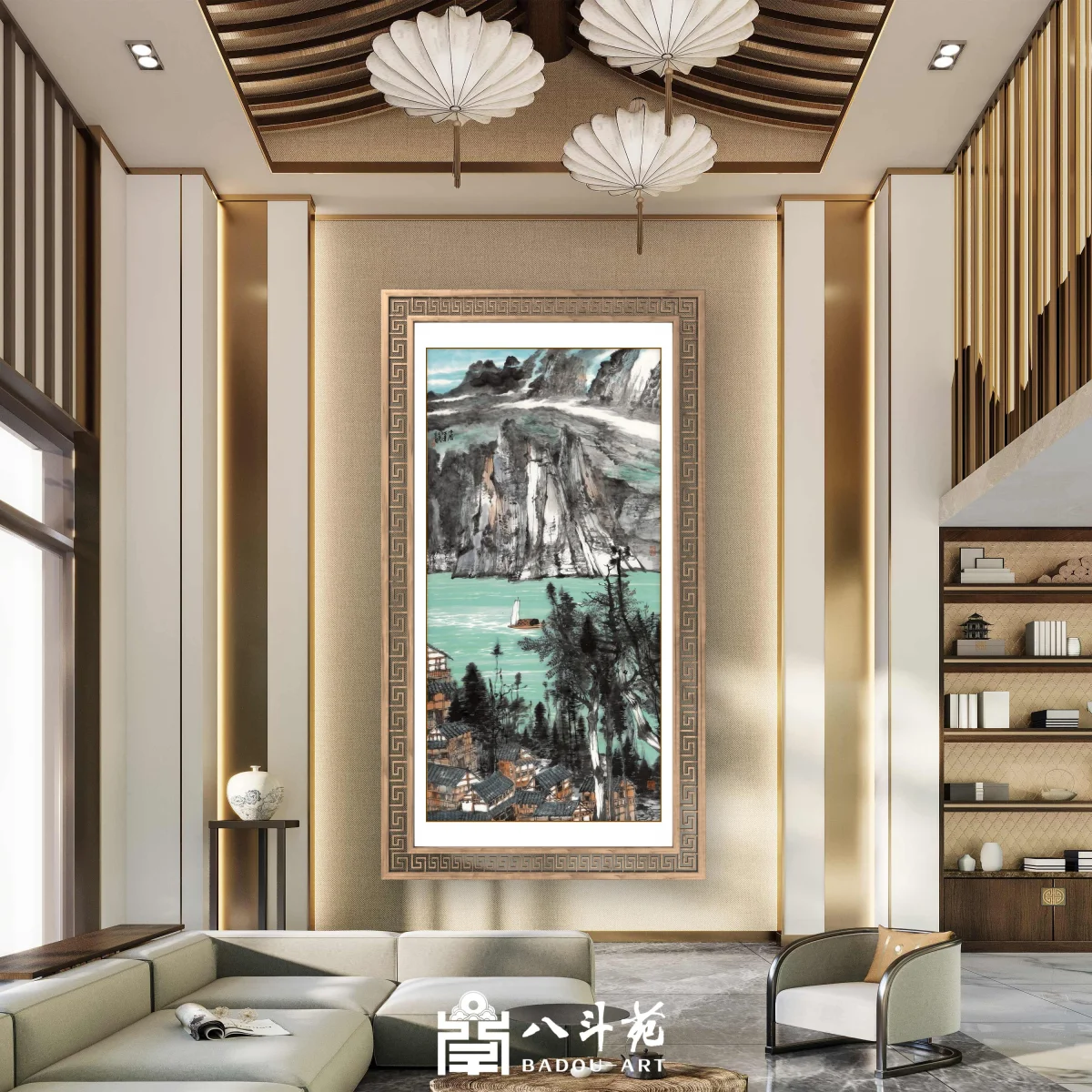
Liu Liyong Landscape Painting | Riverside Mountain Hamlet (山居江远)
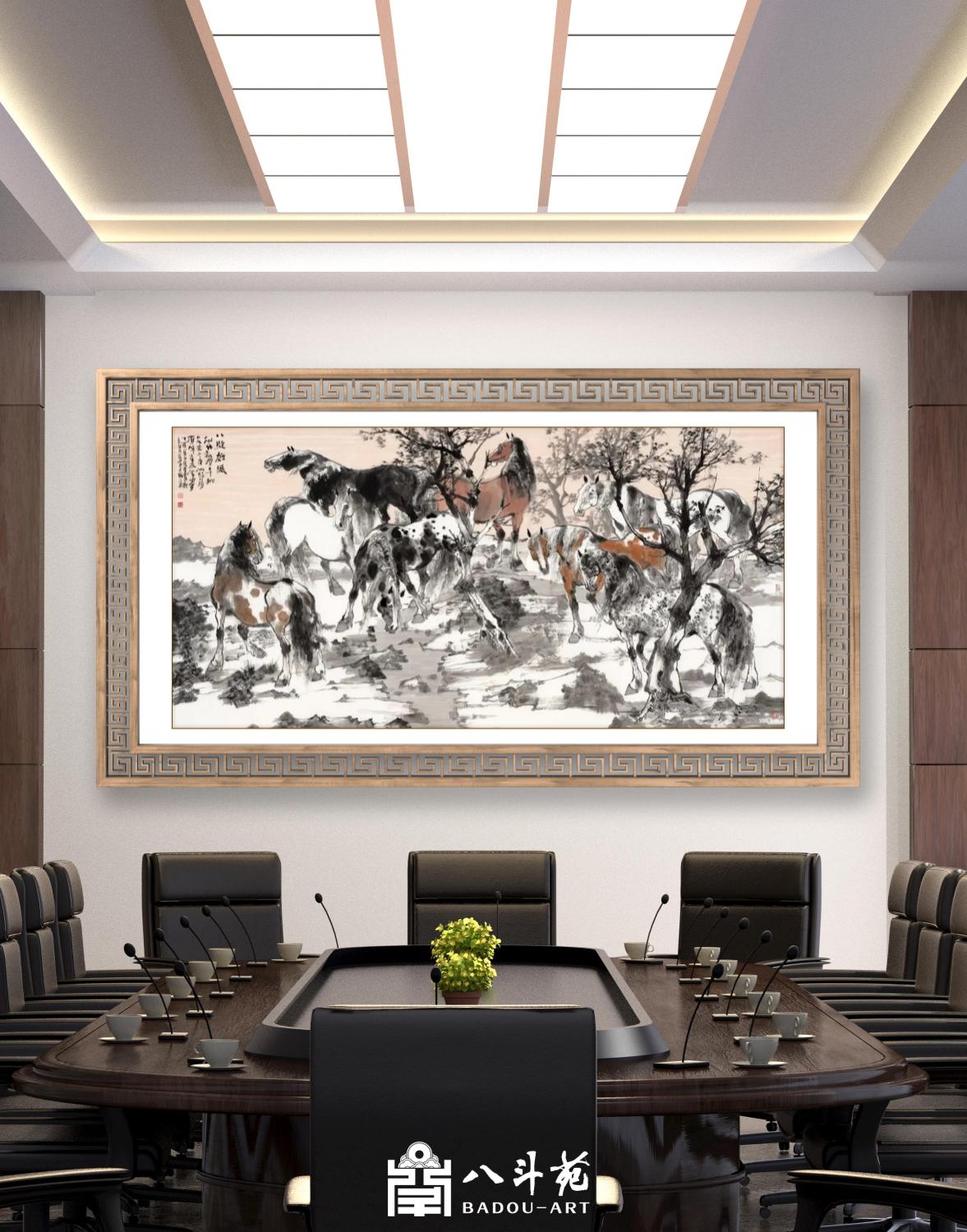
Liu Liyong Animal Painting | Eight Steeds (八骏图)
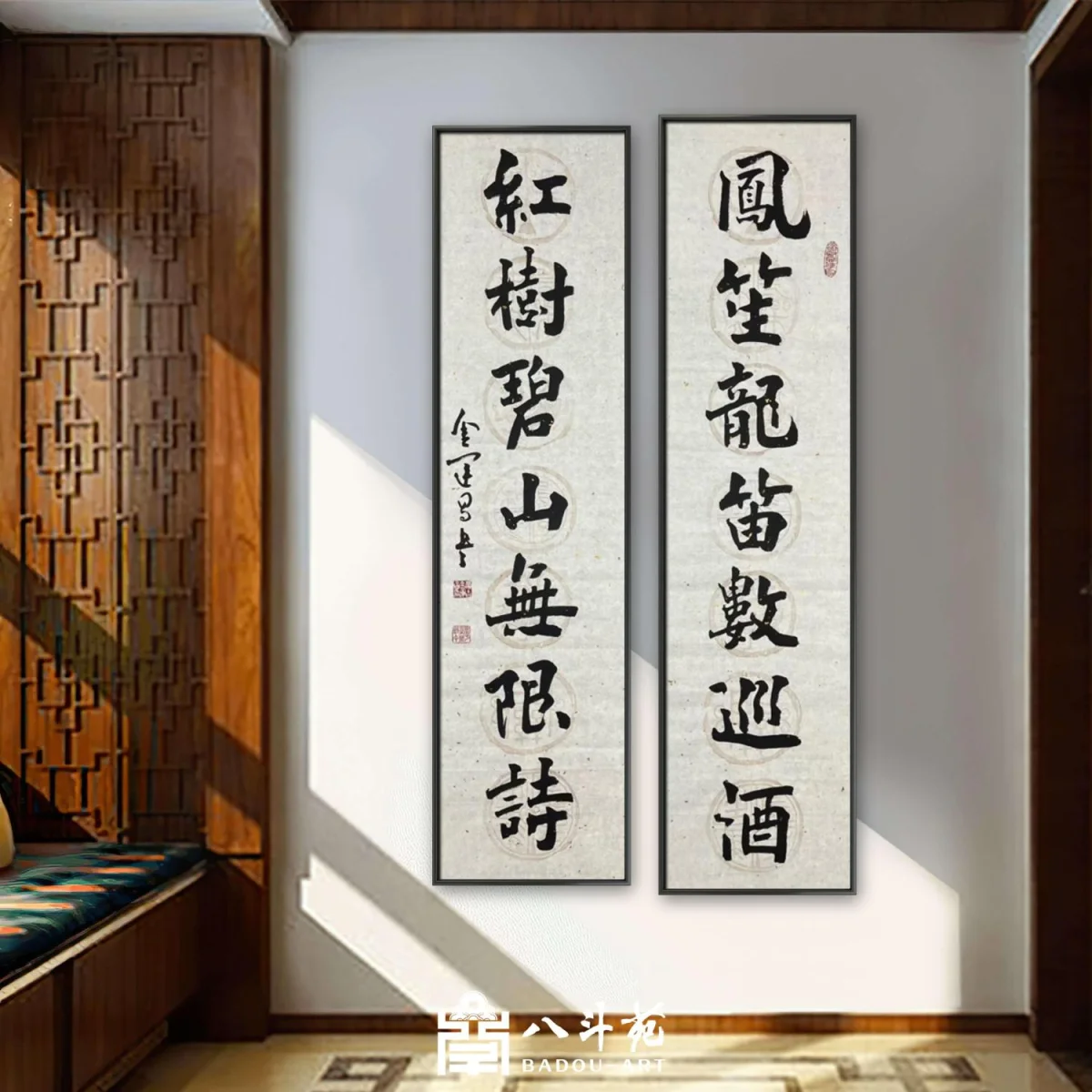
Jin Yunchang Calligraphy | 鳳笙龍笛數巡酒
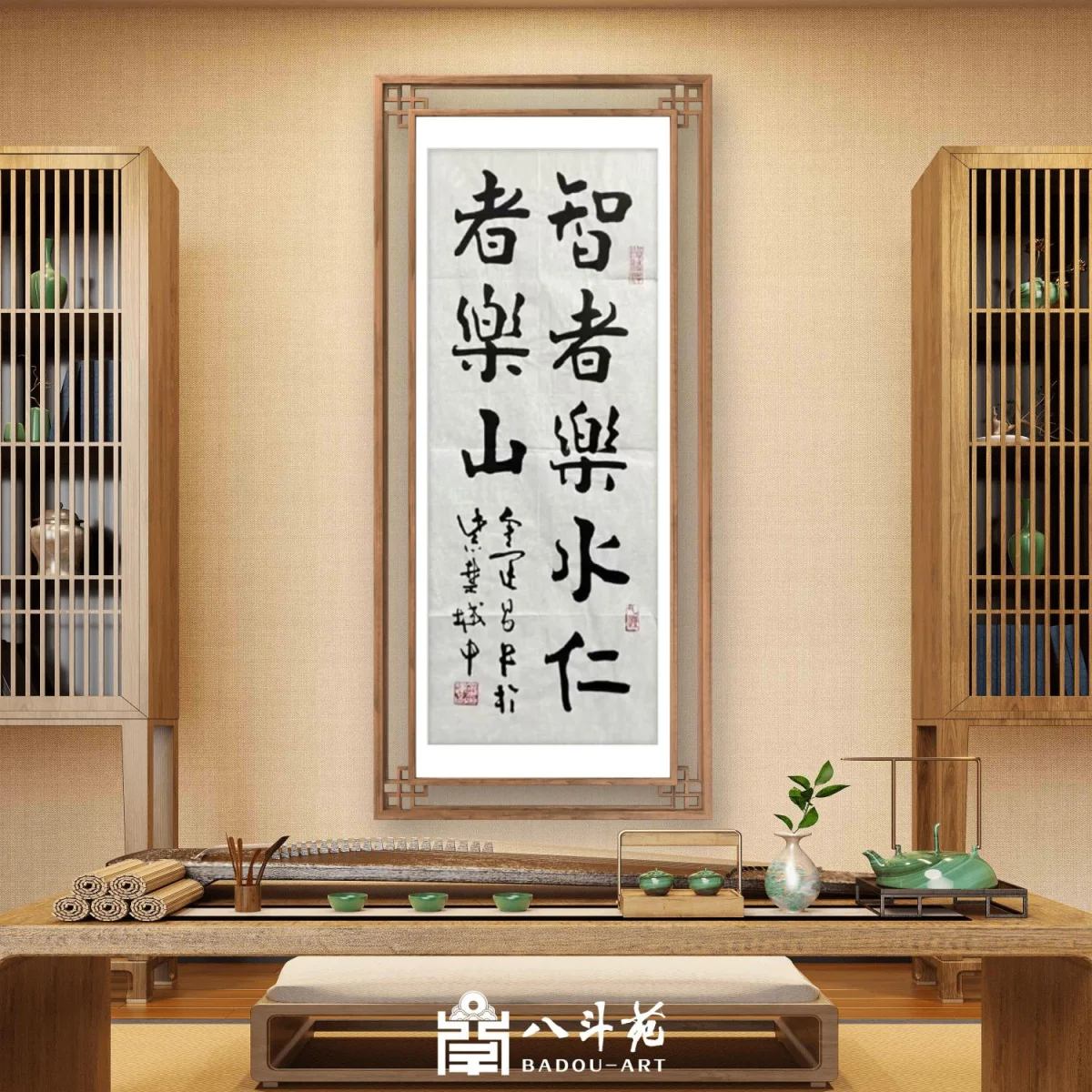
Jin Yunchang Calligraphy | 智者樂水仁者樂山
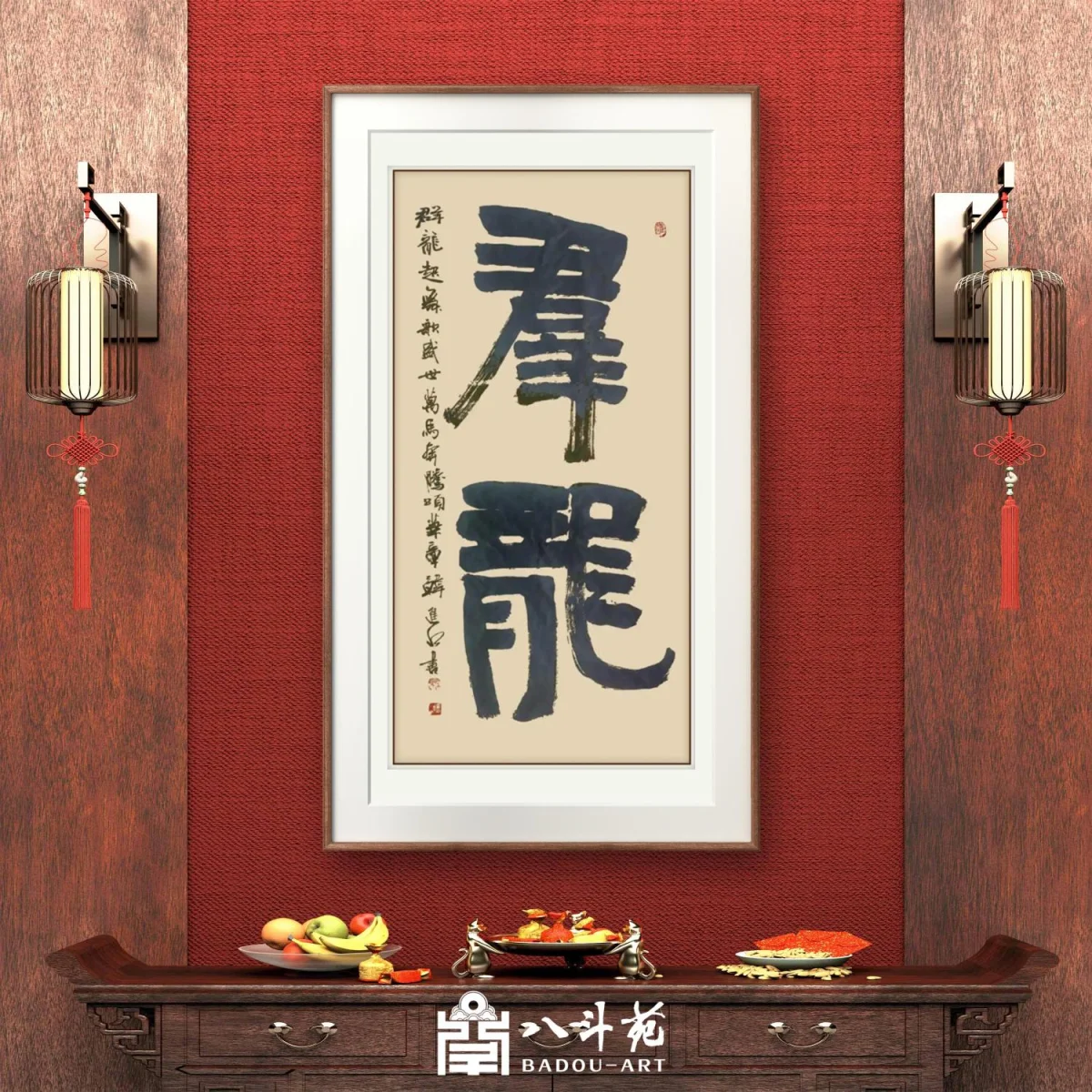
Han Jinshui Calligraphy | 羣龍 (A Group of Dragons)
Thousand Character Classic: China’s Timeless Primer
Thousand Character Classic: China’s Timeless Primer
The Thousand Character Classic (Qianzi Wen) is one of the most beloved texts in Chinese culture: a poem of exactly one thousand characters, each used only once, that served as a literacy primer for some fifteen centuries. For calligraphy lovers it is also the perfect practice text — because no character repeats, every stroke demands attention. Here is what makes this ancient classic endure.
A Poem That Taught a Civilization
The classic was composed by Zhou Xingsi (周兴嗣), a scholar of the Northern and Southern Dynasties (420–589), in rhyming lines of four characters. Over the centuries it became the standard first text for learning to read and write, memorized aloud by generations of children in the same way Western students once chanted their ABCs.
Despite its modest length, the text ranges widely: the cosmos and the seasons, the legends of sage kings, the virtues of filial piety, honesty, and diligence, the rewards of study, and the rhythms of daily life — farming, food, family, even the tools of writing itself.
The Opening Lines
The classic begins with the creation of the world:
- 天地玄黄,宇宙洪荒 — “The sky was dark and the earth yellow; the universe was vast and wild.”
- 日月盈昃,辰宿列张 — “The sun and moon wax and wane; the stars are set in their ranks.”
- 寒来暑往,秋收冬藏 — “Cold comes and heat goes; autumn harvests and winter stores.”
- 云腾致雨,露结为霜 — “Rising clouds bring rain; gathering dew becomes frost.”
In a few lines the reader moves from cosmology to agriculture — the whole Chinese worldview in miniature.
Timeless Wisdom in Four Characters
Some of the most-quoted lines of Chinese moral teaching come from this text:
- 尺璧非宝,寸阴是竞 — “A foot of jade is no treasure; even an inch of time is worth striving for.”
- 知过必改,得能莫忘 — “Correct your faults without fail; never forget what you have learned.”
- 似兰斯馨,如松之盛 — “Let your virtue be fragrant as the orchid and flourish like the pine.”
- 信使可覆,器欲难量 — “Let your words bear rechecking; let your capacity be hard to measure.”
These are not abstract maxims. They were meant to be lived, and their language — balanced, musical, concrete — is precisely why they stuck.
Why Calligraphers Love It
For the artist, the Thousand Character Classic has one unique advantage: no character appears twice. Practicing it means mastering a thousand different structures, from the simplest stroke to the most intricate composition, in a single continuous rhythm of four-character lines.
That rhythm also makes it a natural text for large-format works — long scrolls, inscribed plaques, and study wall hangings, where the steady cadence of the classic gives the composition both order and grandeur. It is, in every sense, a complete education in the Chinese writing system and the values it carries.
The Classic in Your Home
Whether you want a full scroll, an inscribed plaque, or a couplet drawn from the classic, a master calligrapher can bring this thousand-character tradition to life in a commissioned work. If you are considering such a piece, Badou Art’s specialists are happy to help you choose the passage and format that fits your space.
Source: https://www.cntizi.com/3806.html