Our Featured Collection
Hand‑picked premium works for you
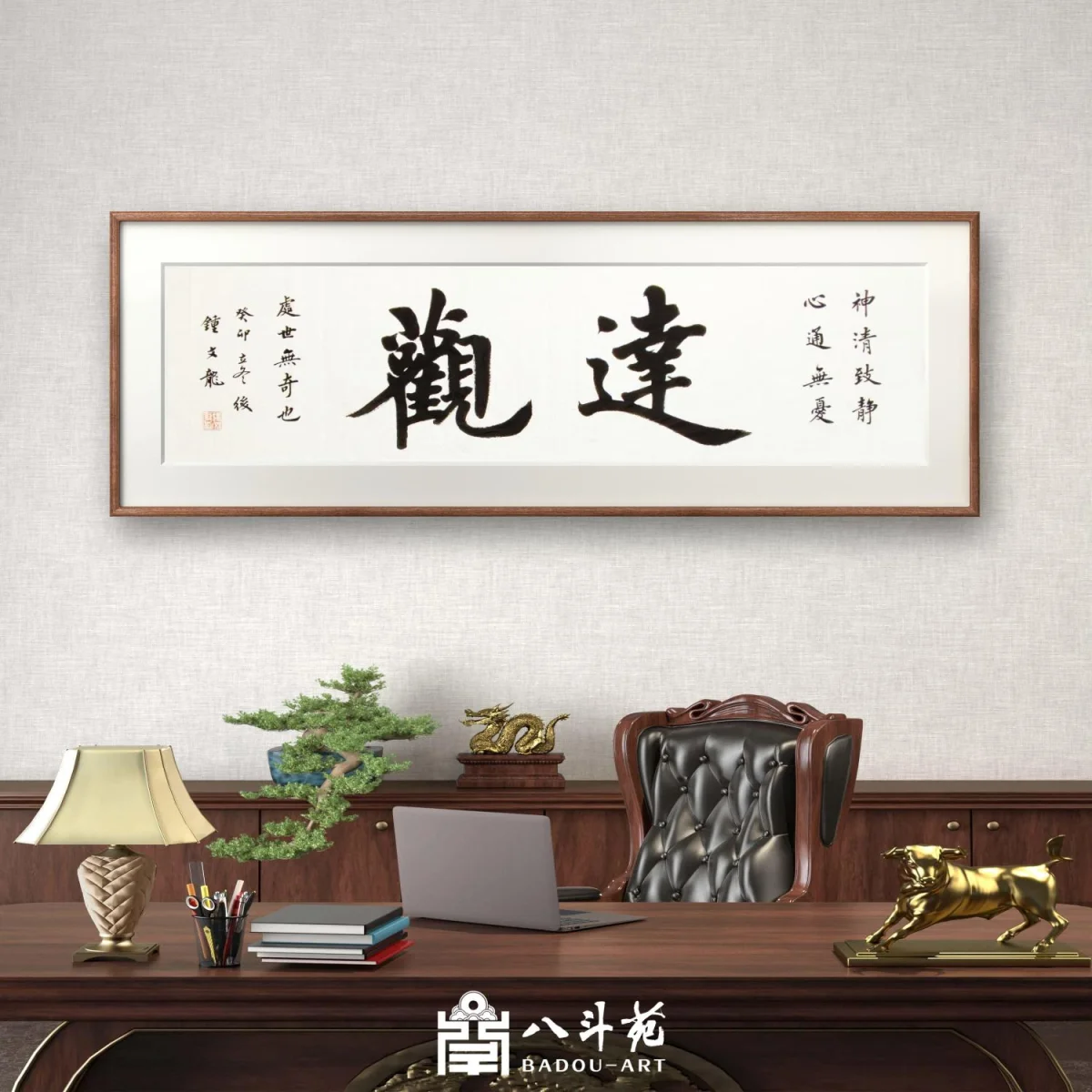
Zhong Wenlong Calligraphy | 达观
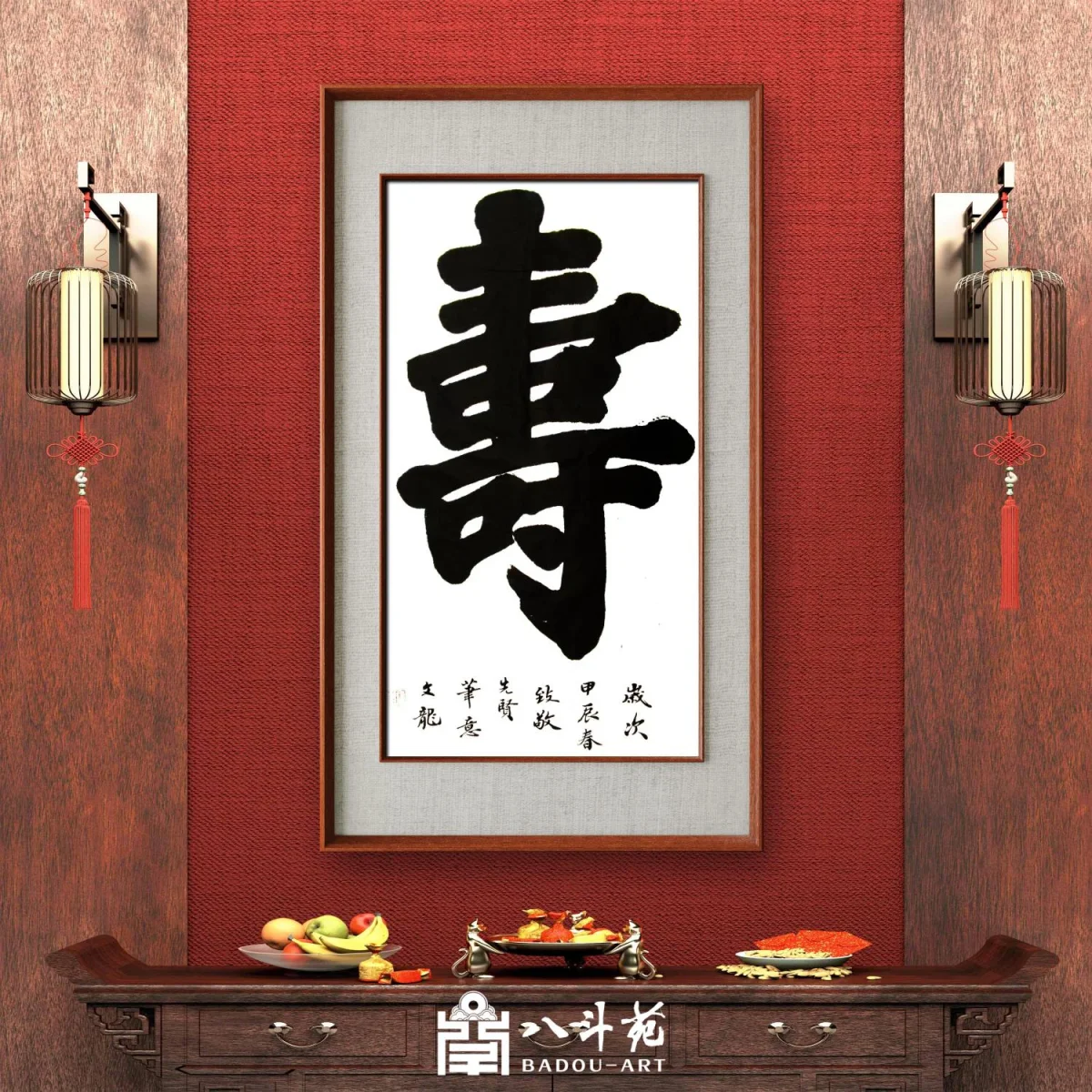
Zhong Wenlong Calligraphy | 壽
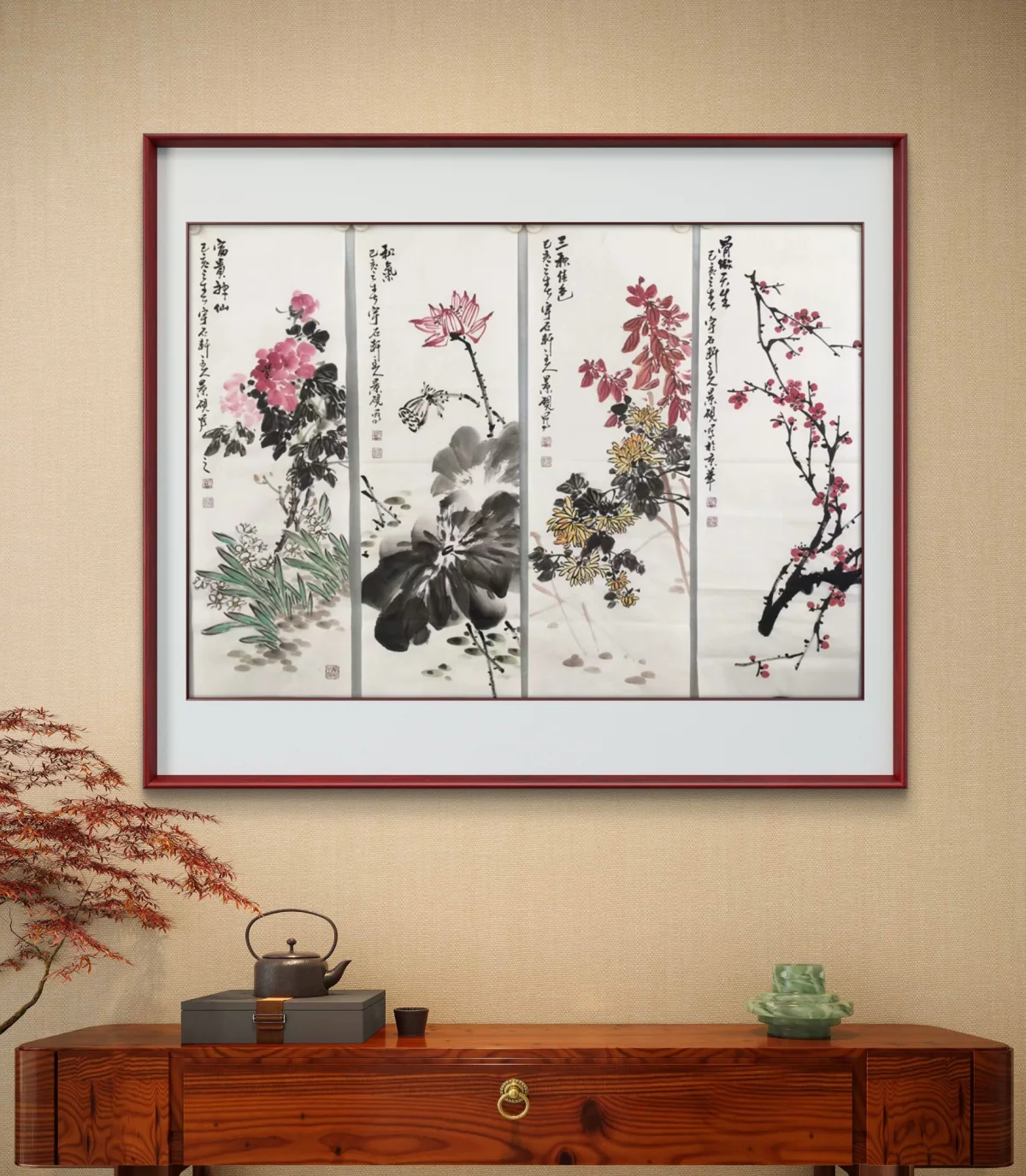
Wu Jingyan Chinese Freehand Painting・Four‑Panel Flower‑and‑Bird Screens(花鸟四条屏)
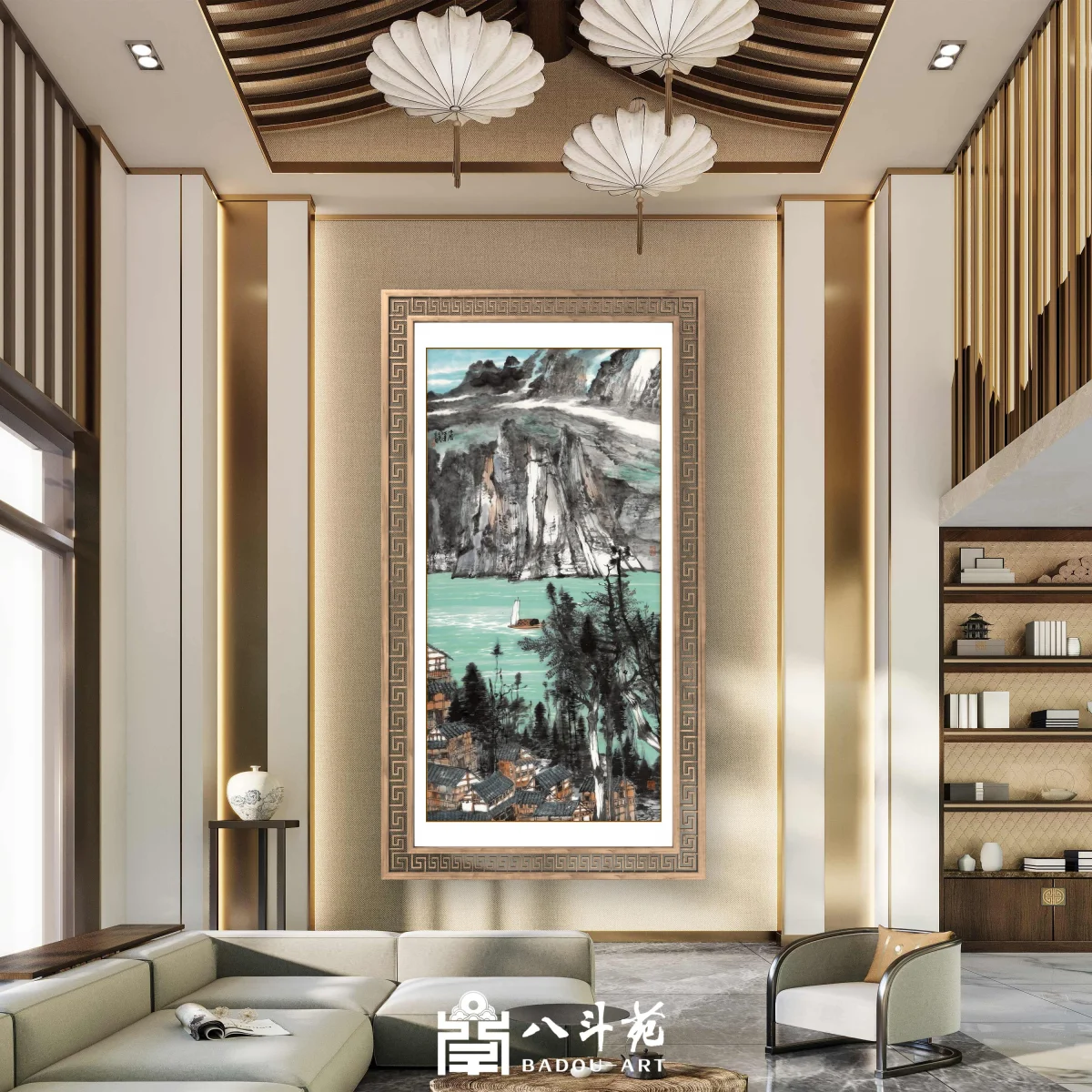
Liu Liyong Landscape Painting | Riverside Mountain Hamlet (山居江远)
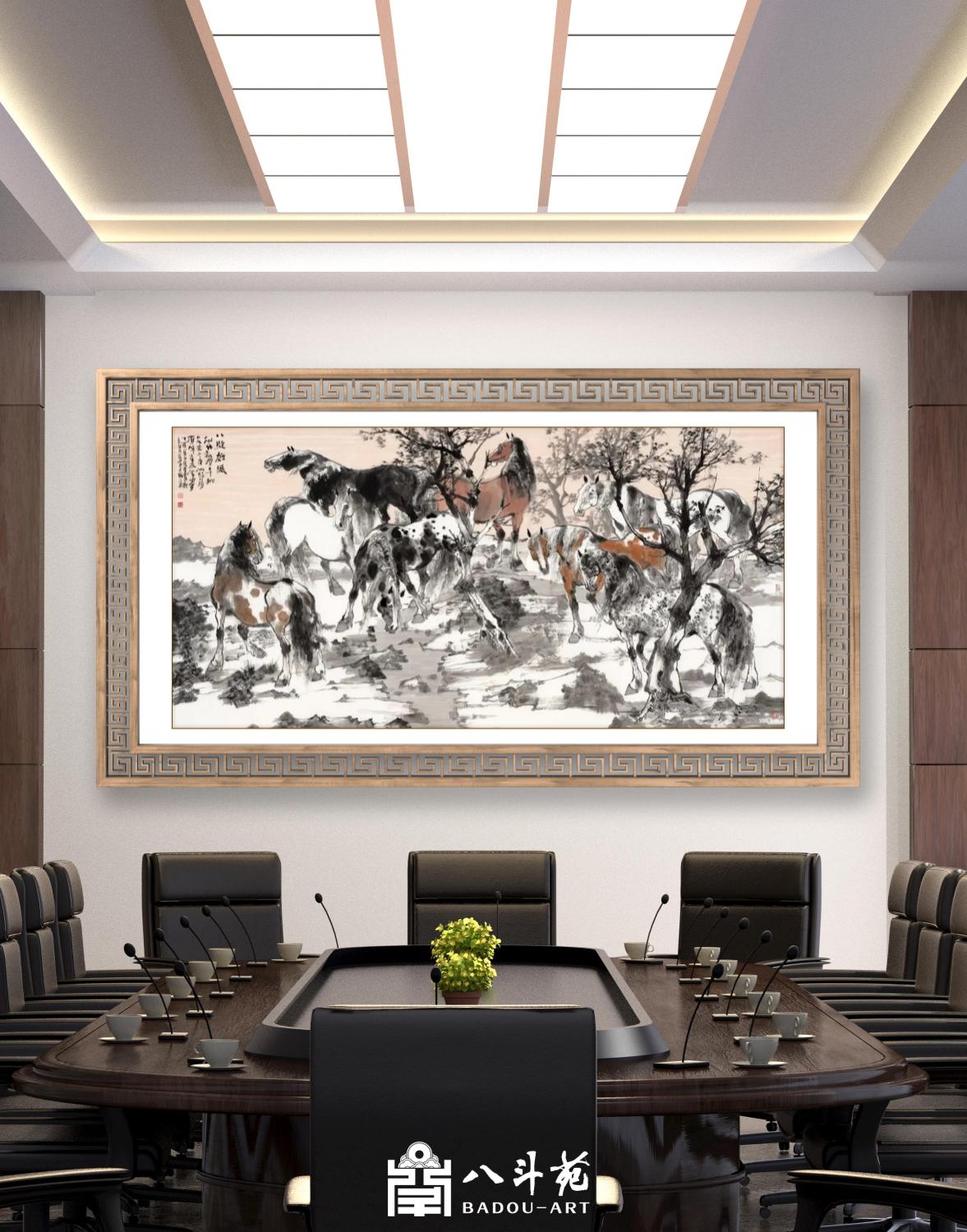
Liu Liyong Animal Painting | Eight Steeds (八骏图)
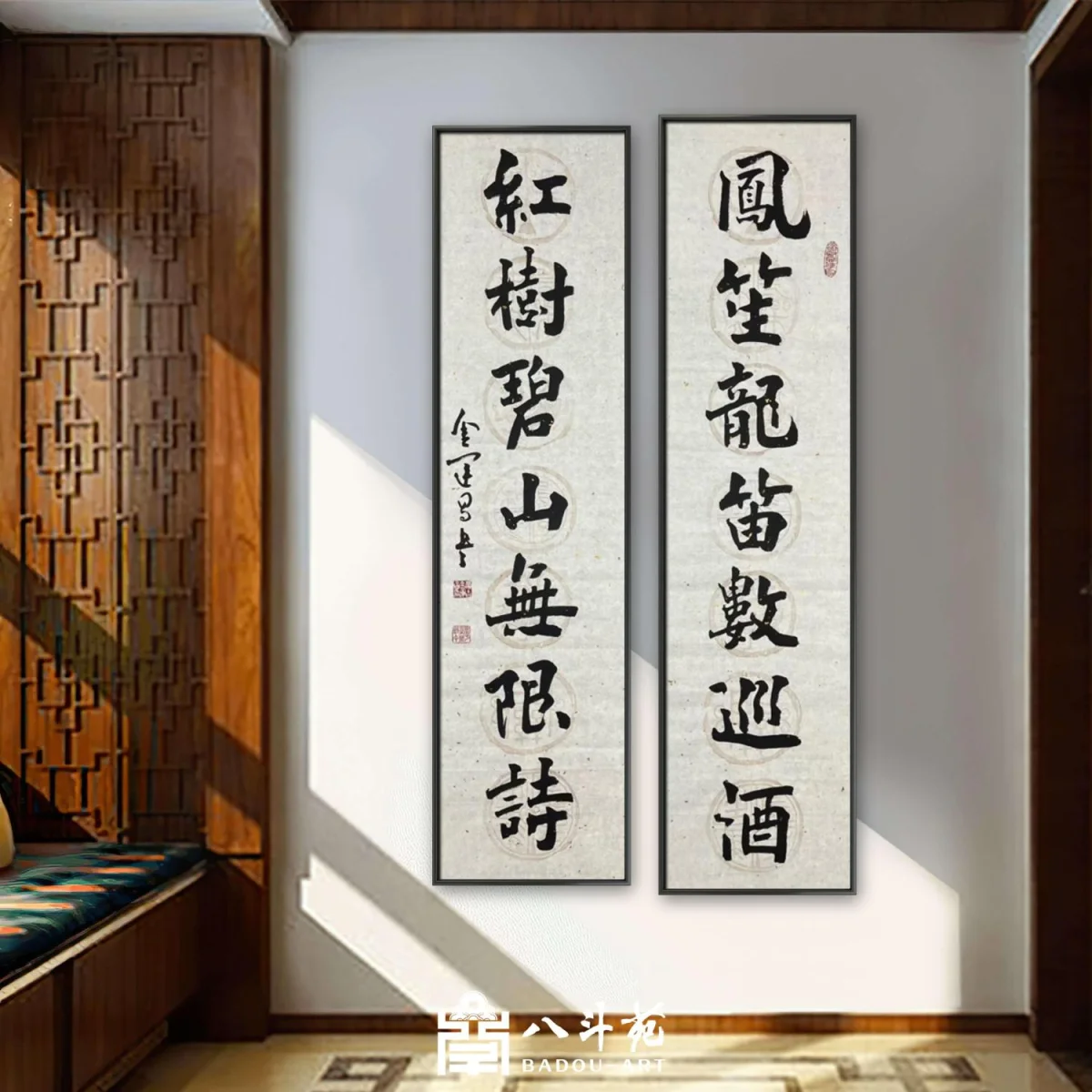
Jin Yunchang Calligraphy | 鳳笙龍笛數巡酒
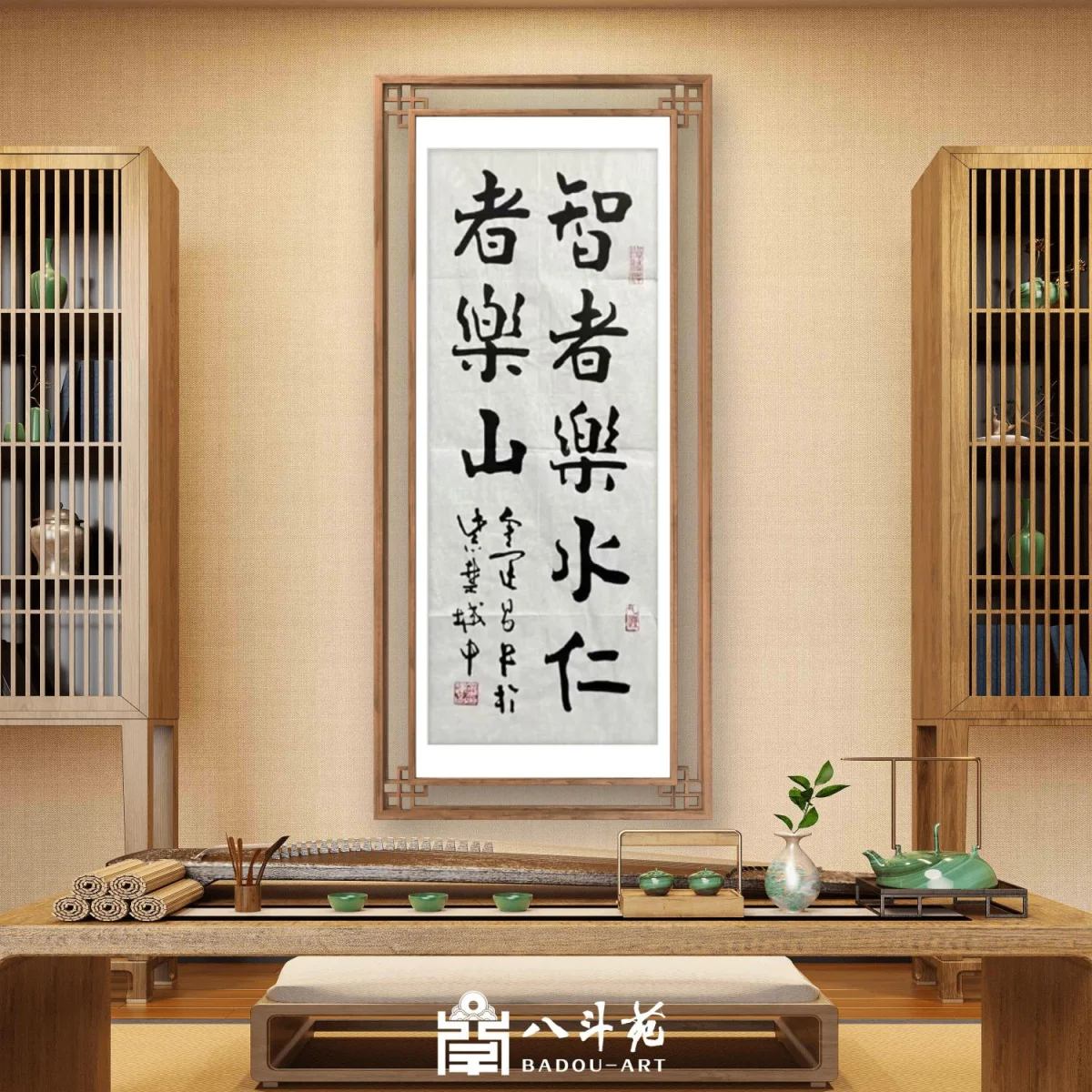
Jin Yunchang Calligraphy | 智者樂水仁者樂山
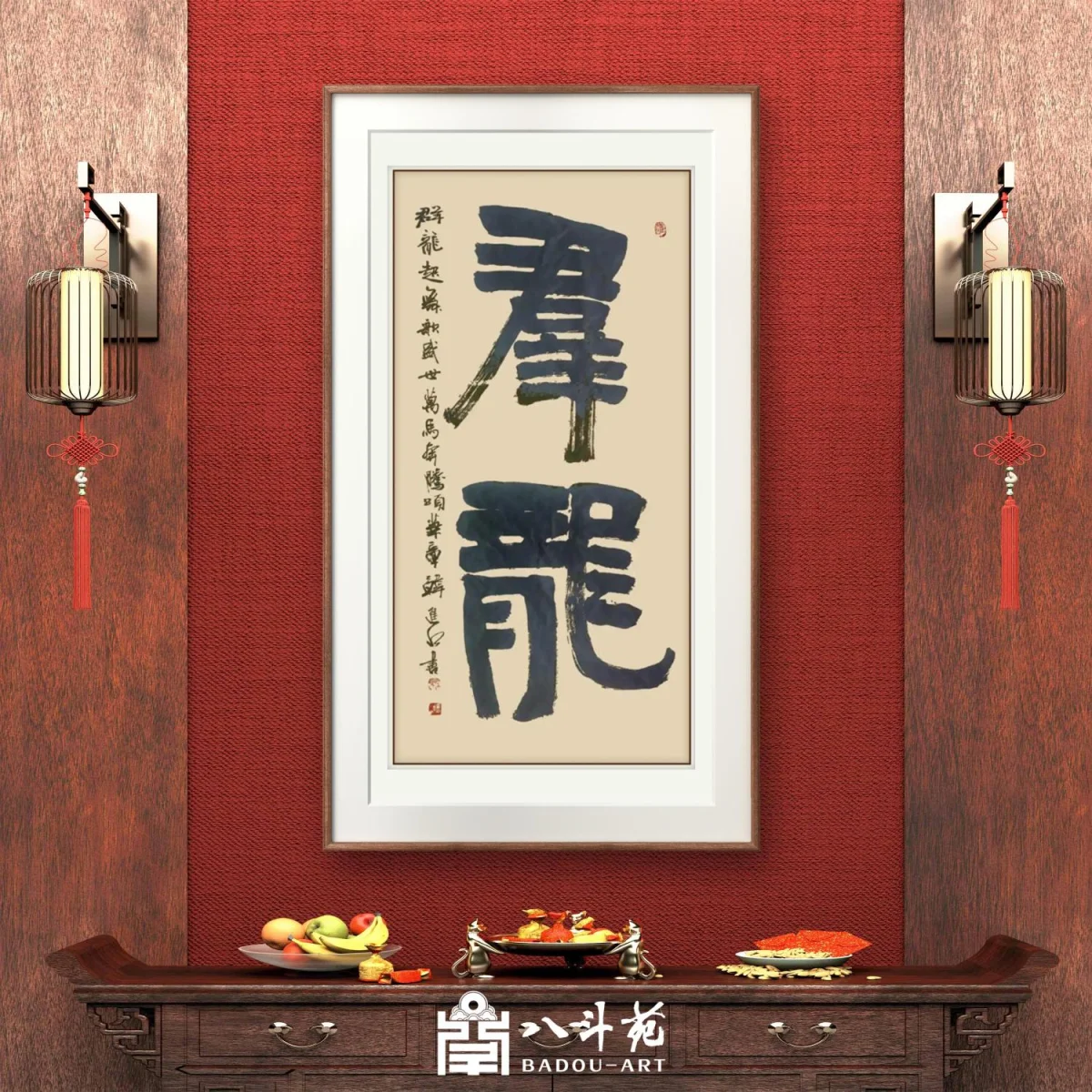
Han Jinshui Calligraphy | 羣龍 (A Group of Dragons)
Why Calligraphy Is the Core of Chinese Culture
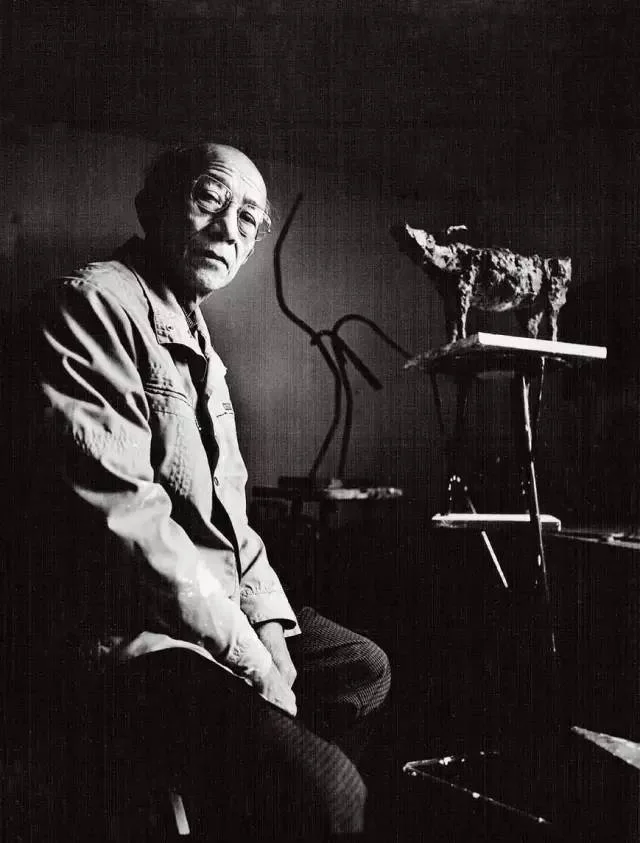
Why Calligraphy Is the Core of Chinese Culture
“Chinese calligraphy is the core of the core of Chinese culture.” No sentence about the art is quoted more often. Its author, Xiong Bingming (熊秉明), was a philosopher, poet, sculptor, and calligrapher who spent more than fifty years in France after studying philosophy at the Sorbonne and sculpture in Paris. In this essay adapted from his 1995 writing, he explains what the famous phrase means.
Culture’s Core Is Philosophy
Culture, Xiong argues, is not the sum of a people’s activities — it is the pattern that connects them: a way of seeing the world, thinking, and feeling. In some civilizations, religion sits at the center of that pattern. In China, it is philosophy — not as an academic system, but as a way of life. Chinese philosophers care less about building airtight logical systems than about living well: the Confucian ideal of the “inner sage, outer king,” the harmony of heaven and humanity, the pursuit of “the highest wisdom within the everyday.”
Where Thought Becomes Life
Western philosophy, Xiong notes, unfolds through concepts and logical argument. Chinese thought, by contrast, is meant to return to daily life — and calligraphy is the first step on that return. Its material is the written character, the very symbol used by abstract thought. But in calligraphy the symbol takes on flesh: your “tian” (heaven) and mine are the same character, yet utterly different in form. One is steady, the other daring; one forceful, the other gentle. Each rendering is unique and alive, with “bone, flesh, blood, and breath.”
Between Idea and World
Painters depict the visible world; calligraphers work with pure line and space. A single large “tian” character does not illustrate a philosophical argument — it embodies a whole range of them: the greatness of heaven, the place of humanity, the silence of nature. As the Tang critic Sun Guoting wrote, calligraphy shares “the mysterious workings of nature,” moving the heart through black and white, emptiness and form.
The Last Practice
Xiong finds the same truth in the lives of monks and martyrs. When the master Li Shutong became the monk Hongyi, he gave up music, painting, poetry, and drama — but never calligraphy, which he kept as his daily practice. And when Huang Daozhou, a Ming loyalist, was led to execution, he calmly finished the calligraphy he had promised before going to his death. At the extreme moments of life, what other art could speak?
What Cannot Be Destroyed
Xiong watched calligraphy survive even the Cultural Revolution, when the movement against tradition used writing itself: the big-character posters, and poems brushed by leading figures of the era. He tells of a scientist who, forbidden to work or read, crept out of bed each night to practice calligraphy — and lived through the crisis because of it. “Because this art is the core of the core,” he writes, “it cannot be destroyed.”
For Every Stage of Life
Today many Chinese retirees take up calligraphy as their last great pursuit — much as Western elders play the piano for an hour a day, not for fame but for the health of hand and mind, for peace and joy. That quiet daily practice, Xiong suggests, is the deepest proof of his claim: a culture’s heart is whatever its people keep doing when everything else has been stripped away.
Whether you are beginning your own practice or commissioning a work for your wall, Badou Art can connect you with master calligraphers who carry this tradition forward.
Source: https://www.cntizi.com/2775.html