Our Featured Collection
Hand‑picked premium works for you
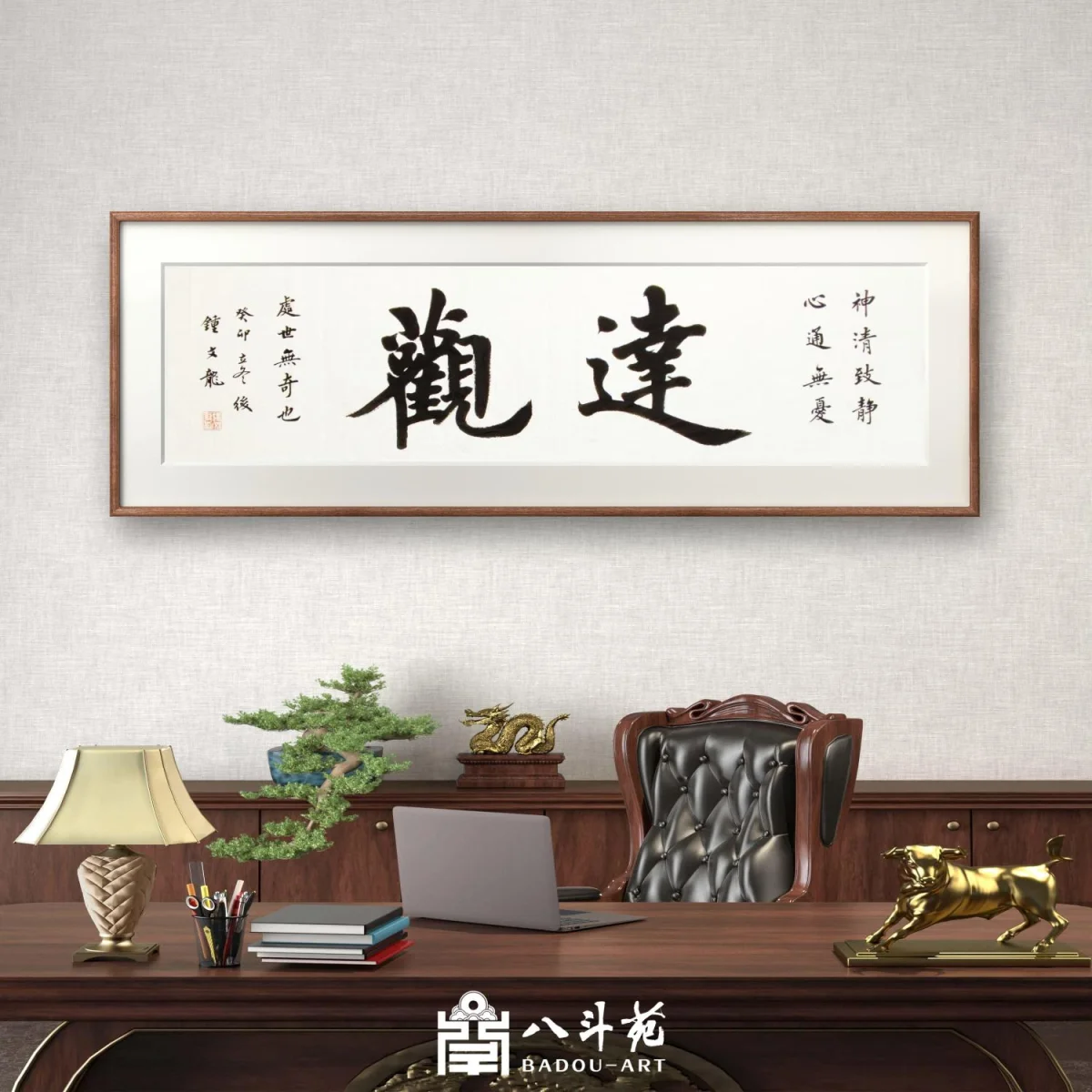
Zhong Wenlong Calligraphy | 达观
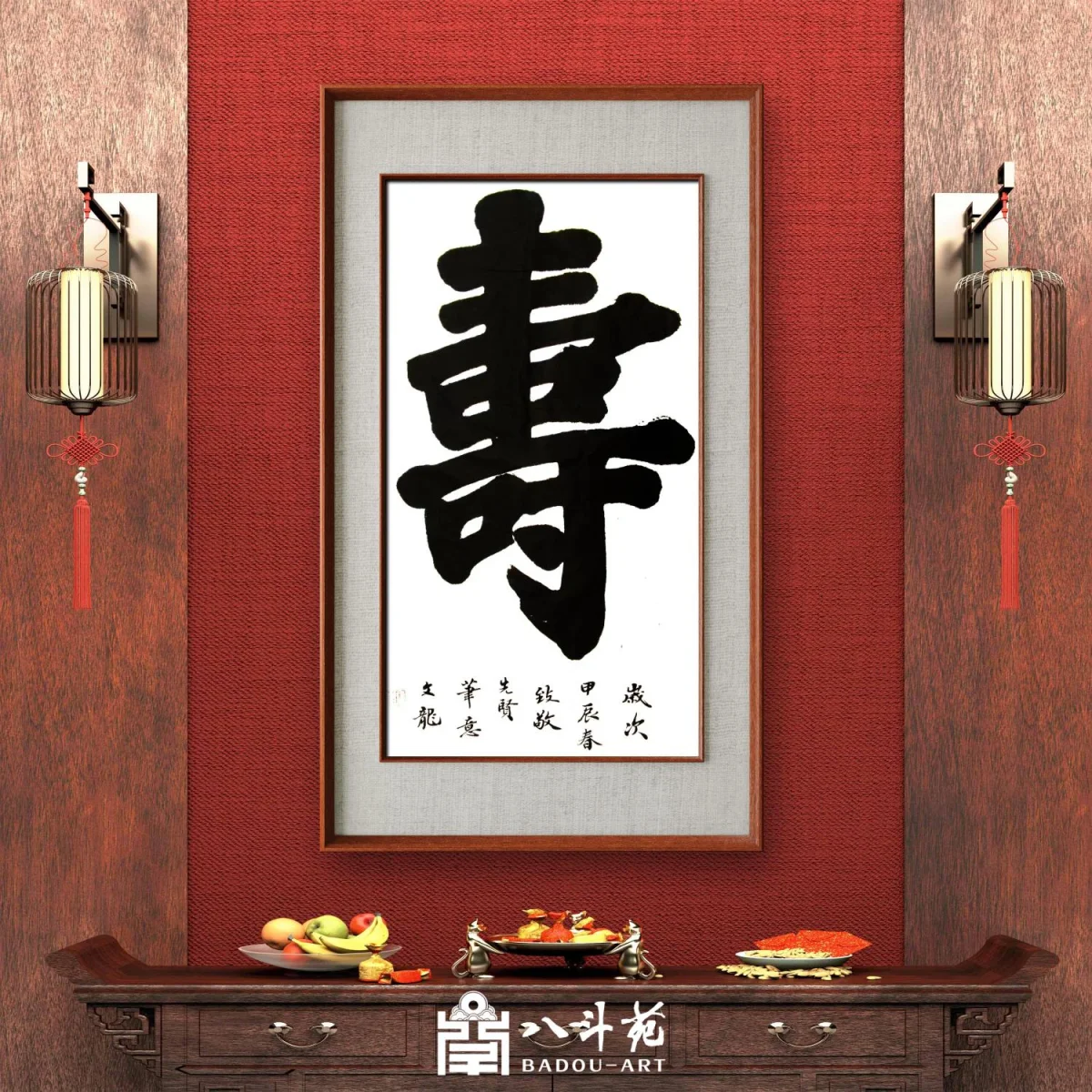
Zhong Wenlong Calligraphy | 壽
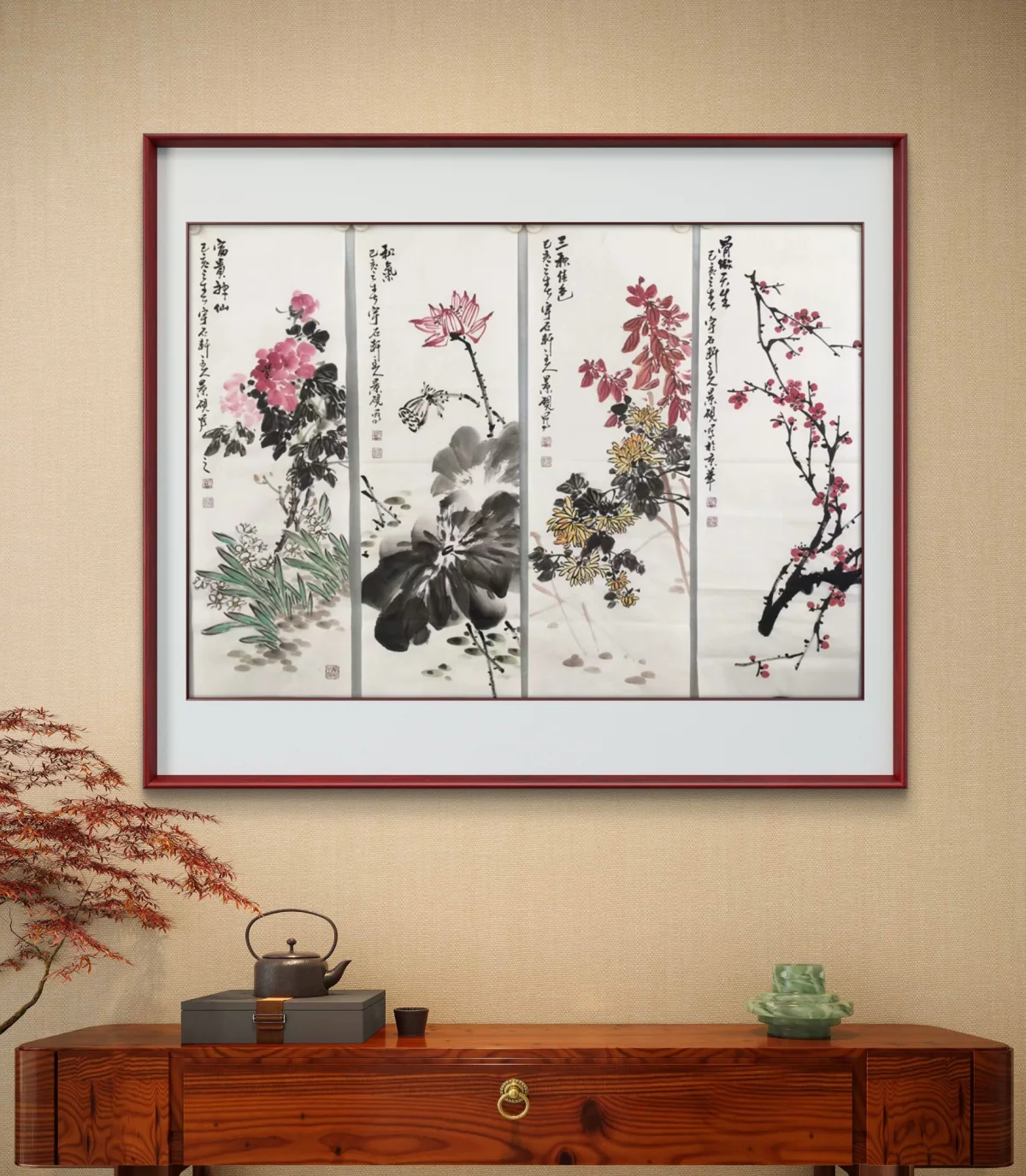
Wu Jingyan Chinese Freehand Painting・Four‑Panel Flower‑and‑Bird Screens(花鸟四条屏)
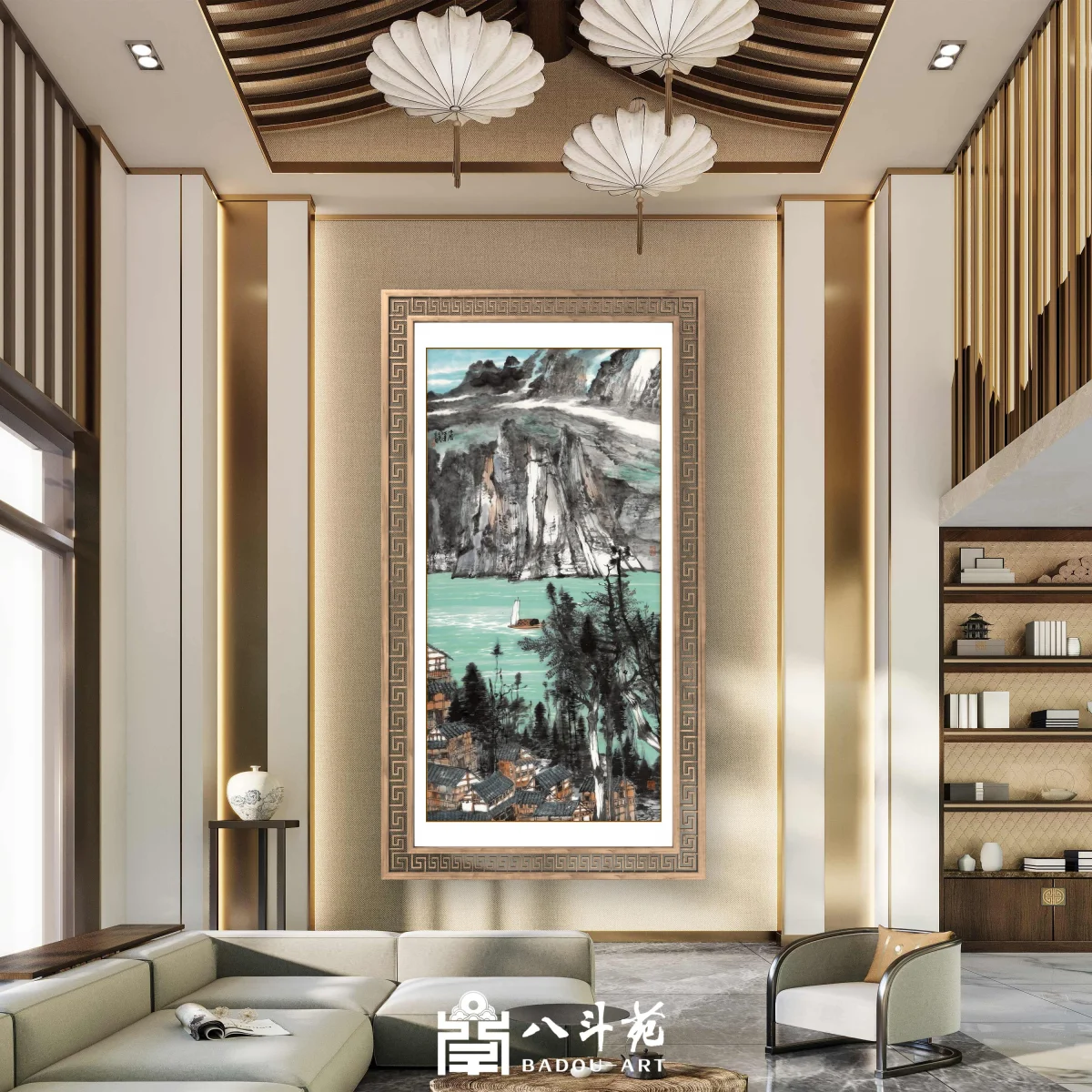
Liu Liyong Landscape Painting | Riverside Mountain Hamlet (山居江远)
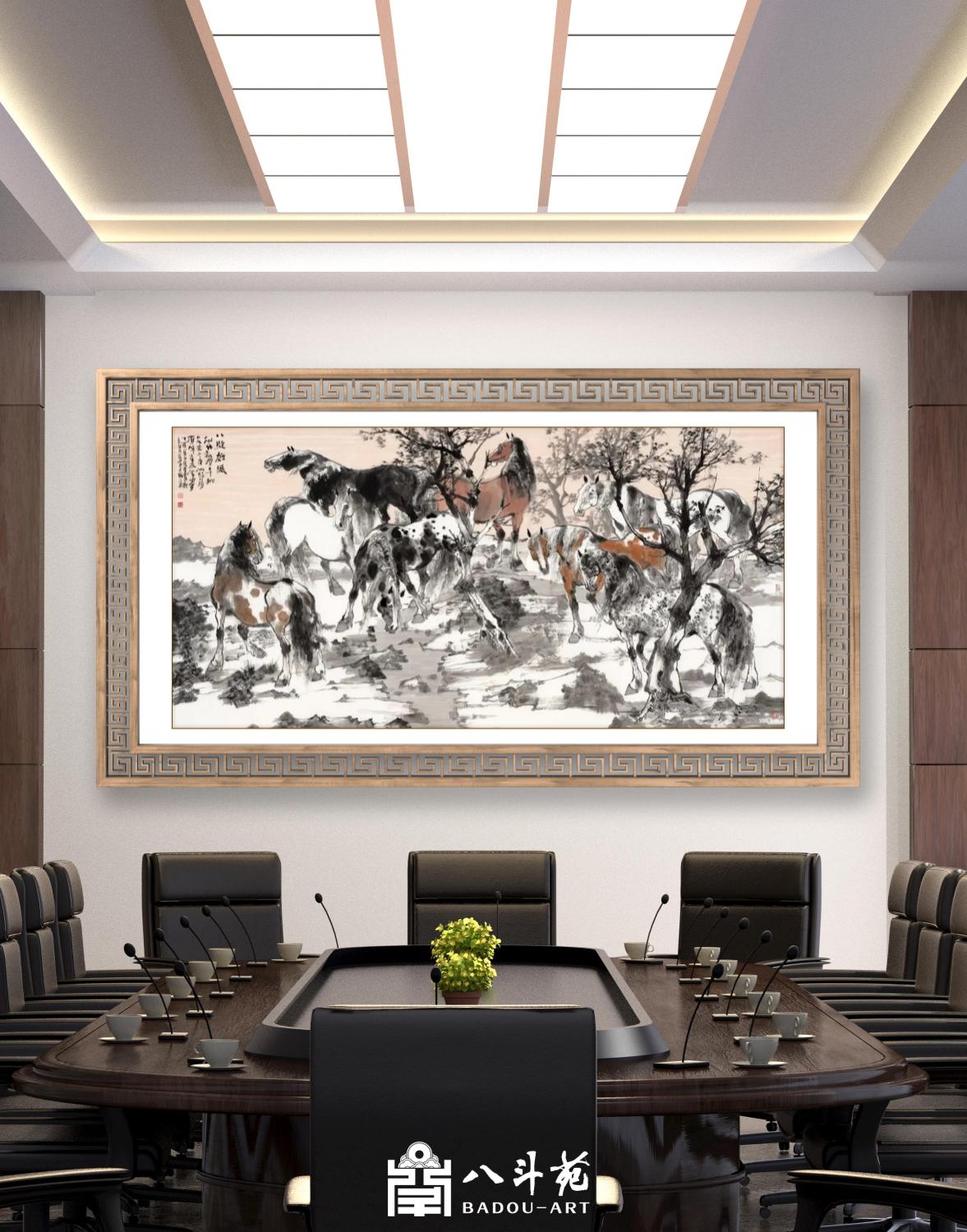
Liu Liyong Animal Painting | Eight Steeds (八骏图)
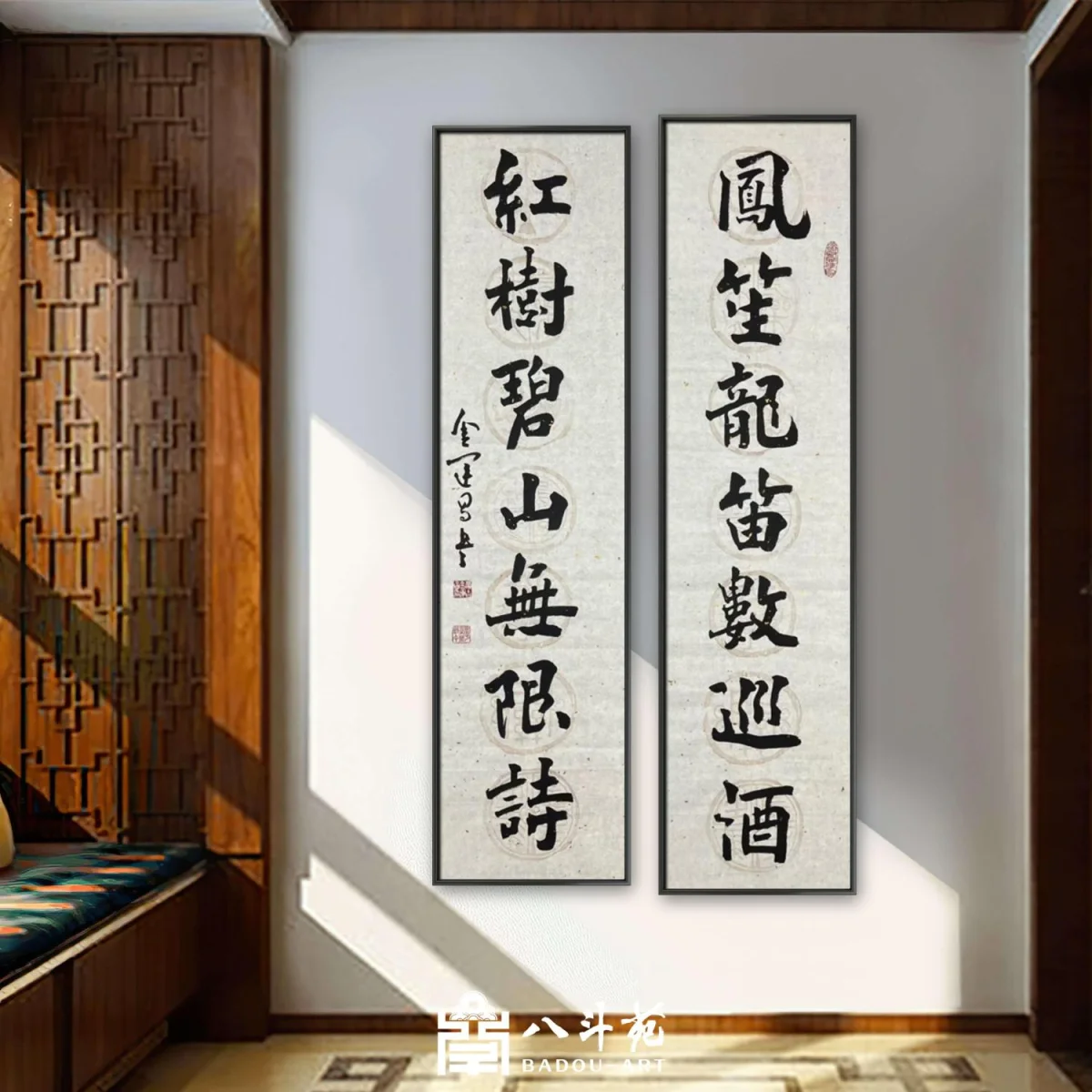
Jin Yunchang Calligraphy | 鳳笙龍笛數巡酒
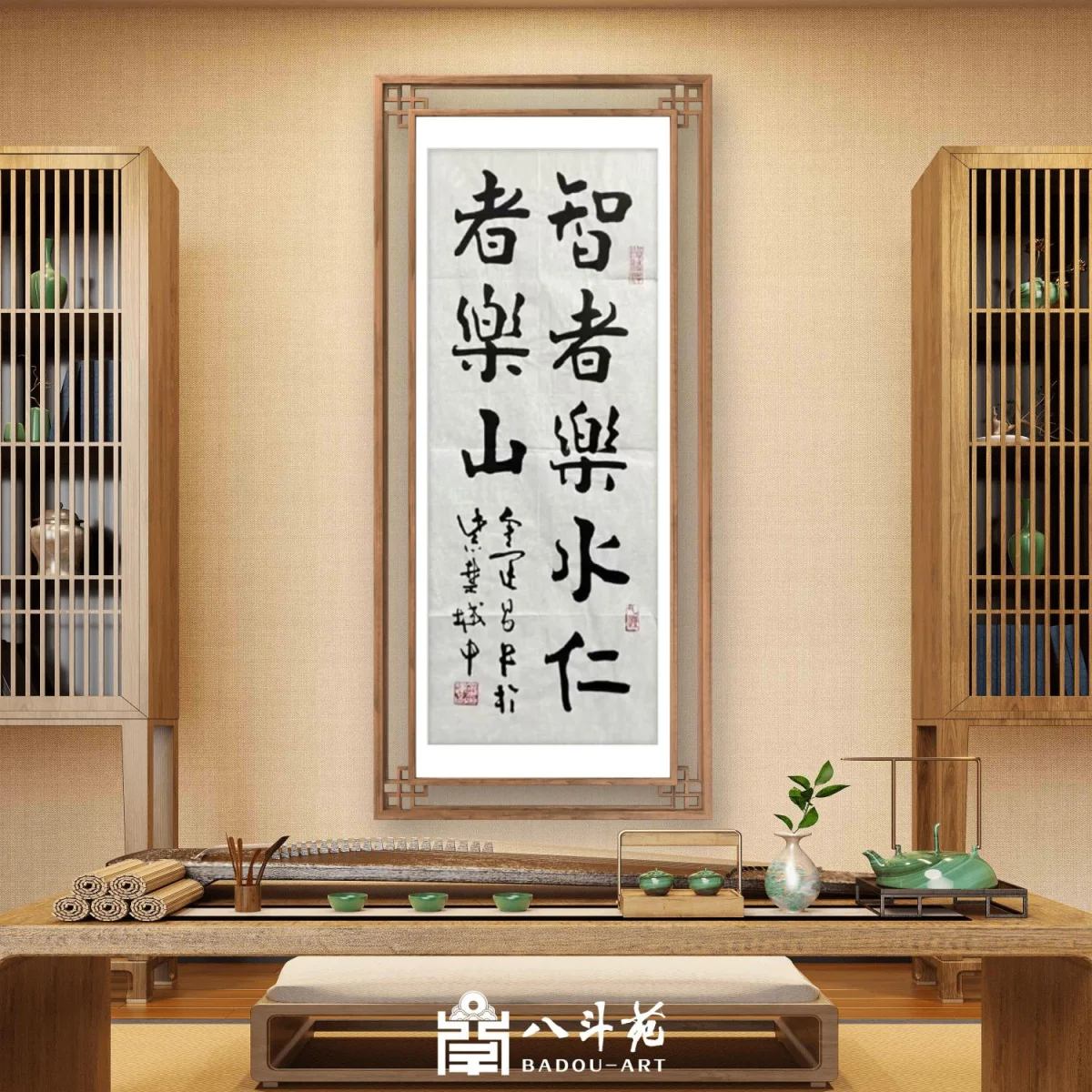
Jin Yunchang Calligraphy | 智者樂水仁者樂山
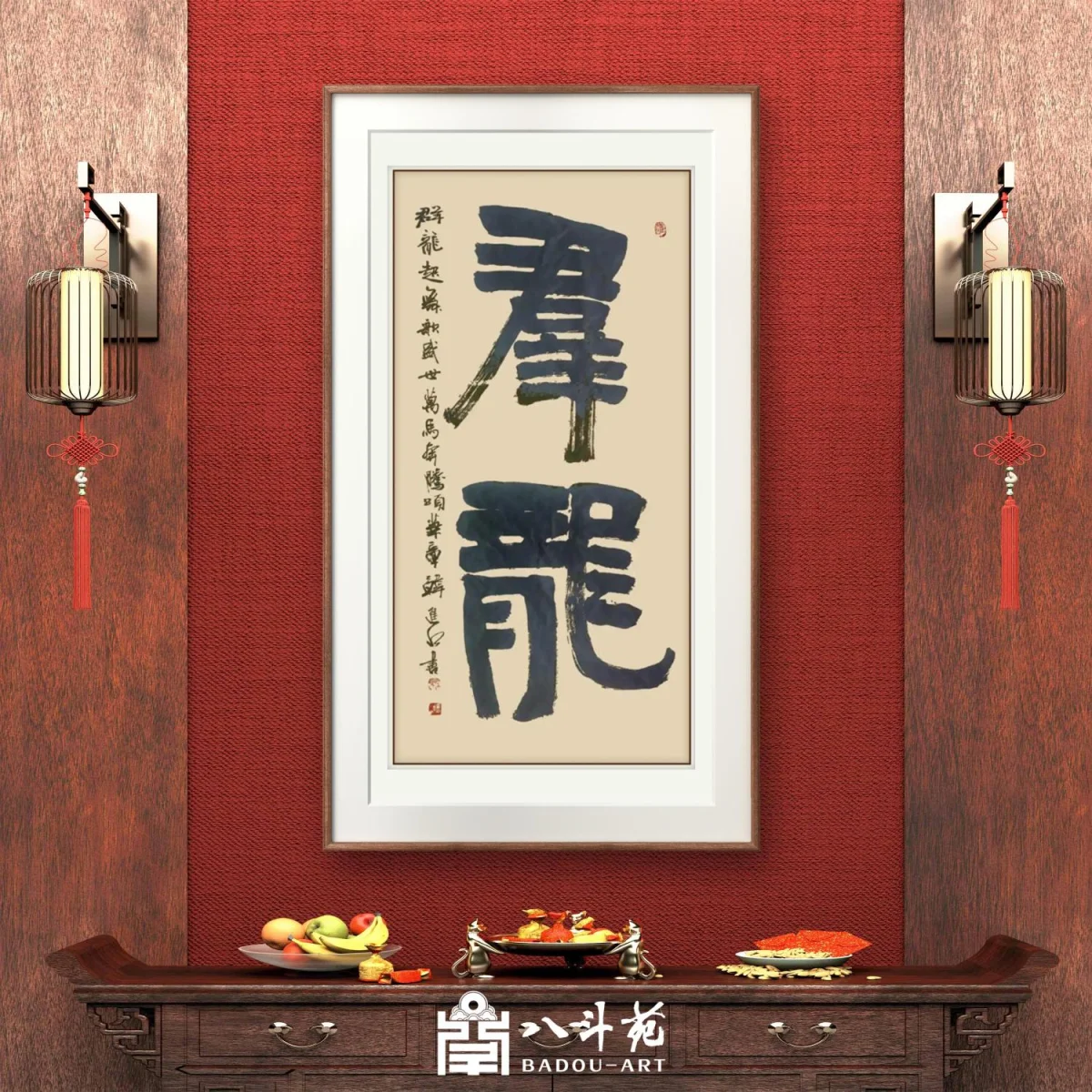
Han Jinshui Calligraphy | 羣龍 (A Group of Dragons)
Chinese Calligraphy & Paintings: How to Decorate a Room

Chinese Calligraphy & Paintings: How to Decorate a Room
Hanging Chinese calligraphy and paintings at home does more than decorate: traditional belief holds that it nourishes an air of refinement and quiet elegance. Over the centuries, however, clear conventions developed — about auspicious subjects, feng shui (the art of harmonizing a space’s energy), and even seasonal rotation. Some rules may sound superstitious, but they are part of China’s living cultural tradition, and following them shows taste and learning.
Auspicious Subjects to Hang
- **Calligraphy:** blocks “door sha” (rushing energy) when a door faces a room directly, and its message is always meaningful.
- **Peony:** symbol of wealth; suits north or south walls (peony is “wood”; water in the north nourishes it, fire in the south brings prosperity), but avoid the west, where metal overcomes wood.
- **Roc spreading its wings:** ambition and long journeys; hang in study or living room — just don’t point the beak at anyone’s head.
- **Fish:** “surplus every year” (*nian nian you yu*); place at the wealth corner, 45 degrees from the entrance.
- **Landscape (shanshui):** gentle mountains behind a desk or seat act as a “backing mountain,” attracting support from mentors.
- **Bamboo:** steady rise and integrity; ideal for studies, children’s rooms, and offices.
- **Lotus:** harmony and purity — “unstained by the mud.”
- **Rooster:** “great luck” (*da ji*); traditionally hung in children’s rooms to ward off illness.
- **Zhong Kui, the demon queller:** faces the entrance — but many avoid it, saying it is easier to invite than to dismiss.
What to Avoid
Fierce beasts — a tiger descending the mountain is hunting and “bites.” Also avoid: very dark or very bright colors, sunsets (a declining scene), large portraits of the deceased, nudes, and subjects that clash with the owner’s zodiac sign. Water scenes are unlucky for someone whose element is water-averse, and waterfalls bring “reversals.”
Hanging Essentials
1. **Position:** a prominent, well-lit wall — above a sofa, desk, or headboard — never a corner or shadowed spot.
2. **Light:** natural light usually comes from the upper left; hang paintings on the wall at a right angle to the window.
3. **Height:** the center of the work should sit slightly above eye level, about two meters from the floor.
4. **Quantity:** one or two carefully chosen pieces; more creates visual chaos.
5. **Harmony:** ink paintings suit traditional furniture; watercolors or oils suit modern rooms.
6. **Scale:** a small room calls for a small work.
Rotate with the Seasons
Long-term display fades paper and breeds boredom. Traditional practice changes the hanging by season: spring blossoms, summer landscapes, autumn maples and chrysanthemums, winter camellias and snowy scenes — or reverse it, hanging a winter scene in July for a breath of cool. Dust works with a soft feather duster only; never use a wet cloth (except on oil paintings). Keep scrolls out of direct sunlight and away from the humid plum-rain season.
Follow the principle of *ya, jing, kong* — elegant, refined, and uncluttered — and your walls will speak well of you. If you would like help choosing a work for a specific room, Badou Art’s specialists are happy to guide you.
Source: https://www.cntizi.com/4103.html