Our Featured Collection
Hand‑picked premium works for you
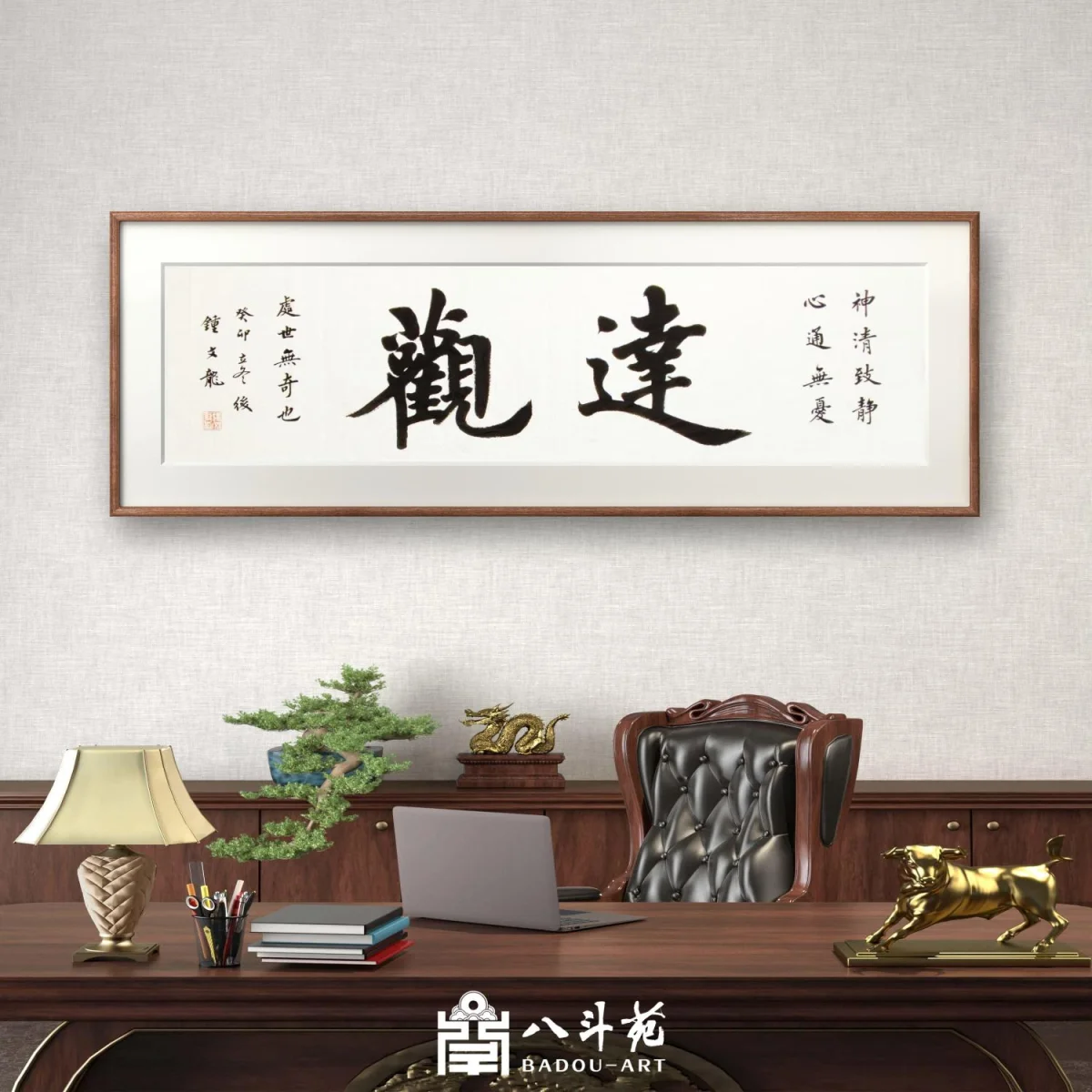
Zhong Wenlong Calligraphy | 达观
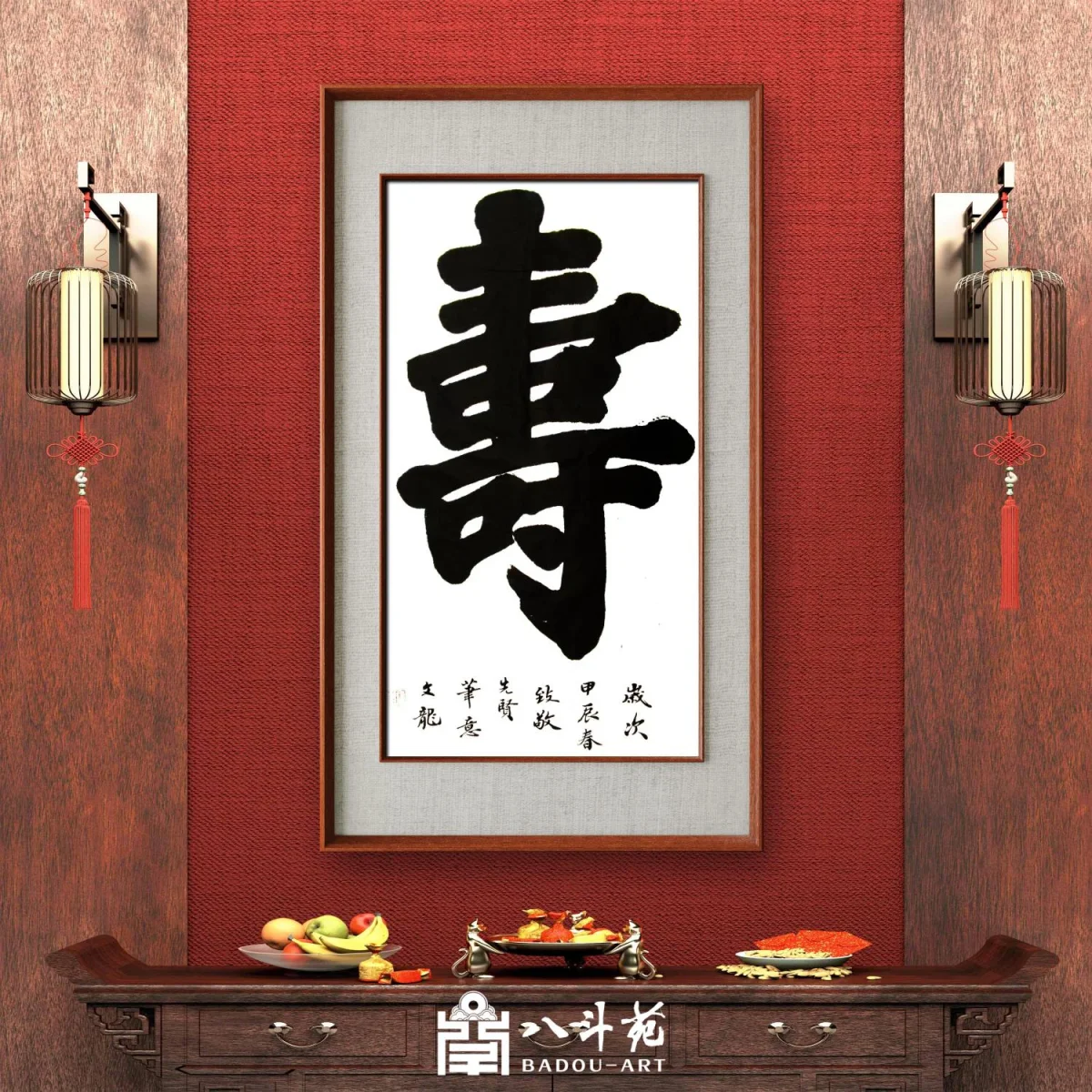
Zhong Wenlong Calligraphy | 壽
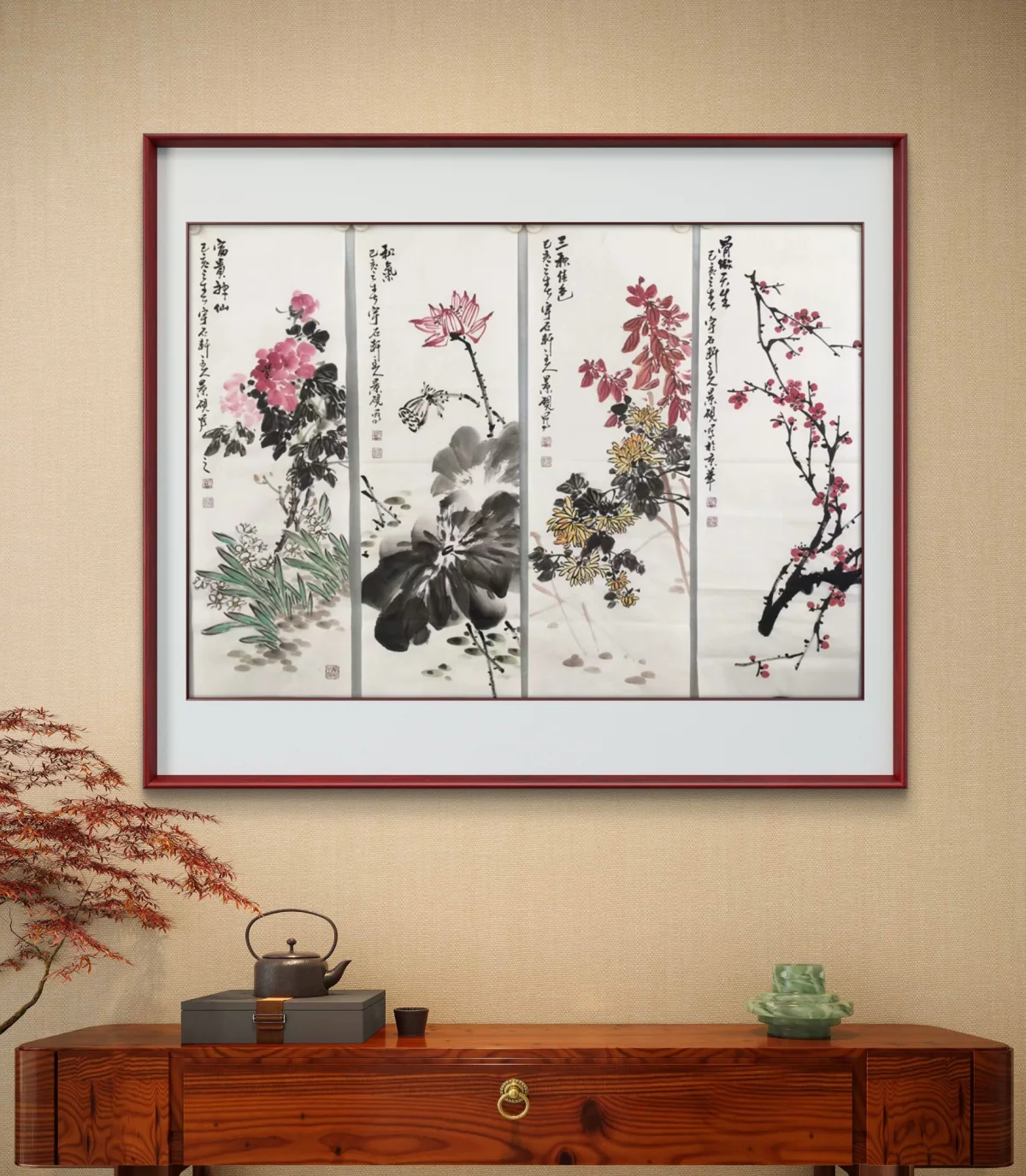
Wu Jingyan Chinese Freehand Painting・Four‑Panel Flower‑and‑Bird Screens(花鸟四条屏)
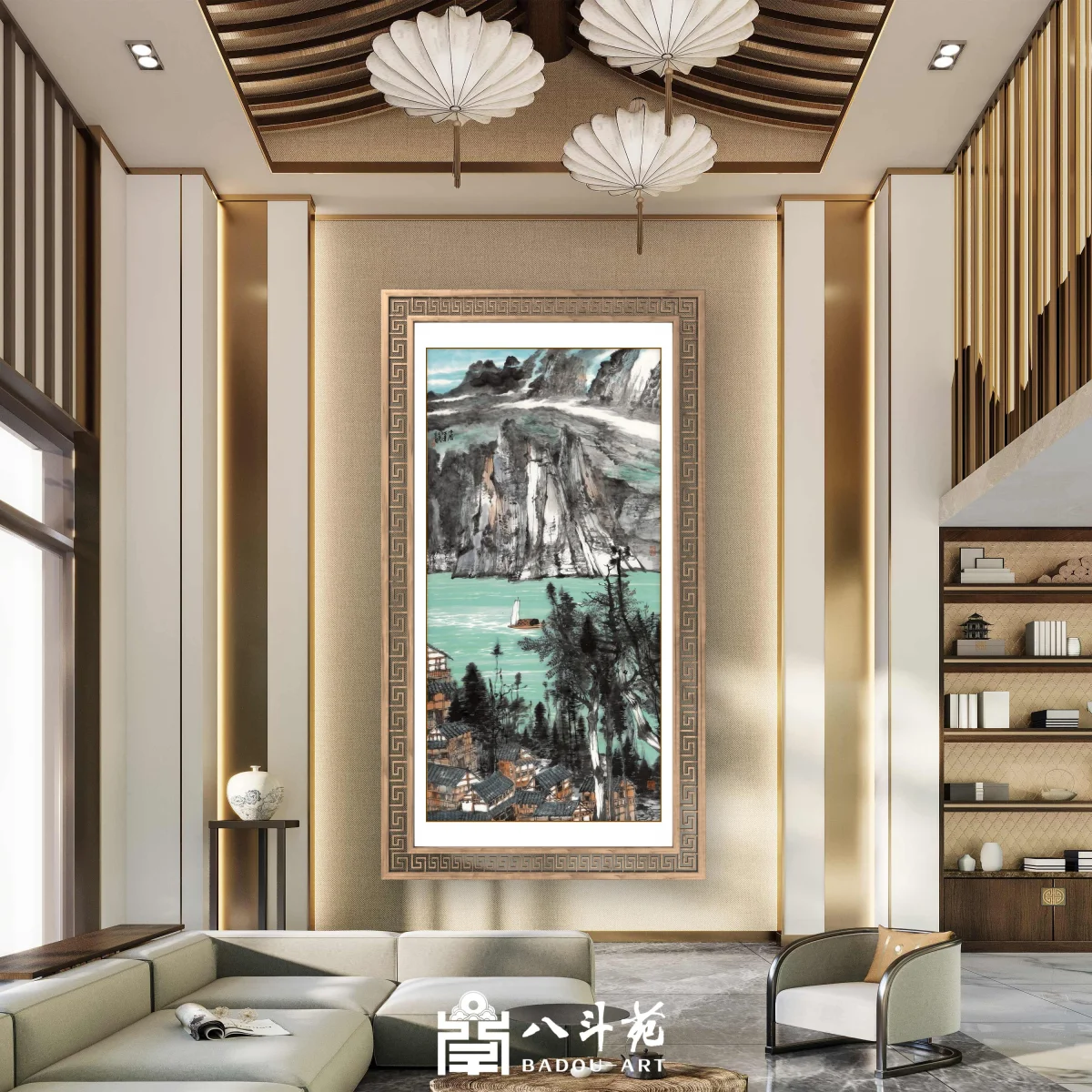
Liu Liyong Landscape Painting | Riverside Mountain Hamlet (山居江远)
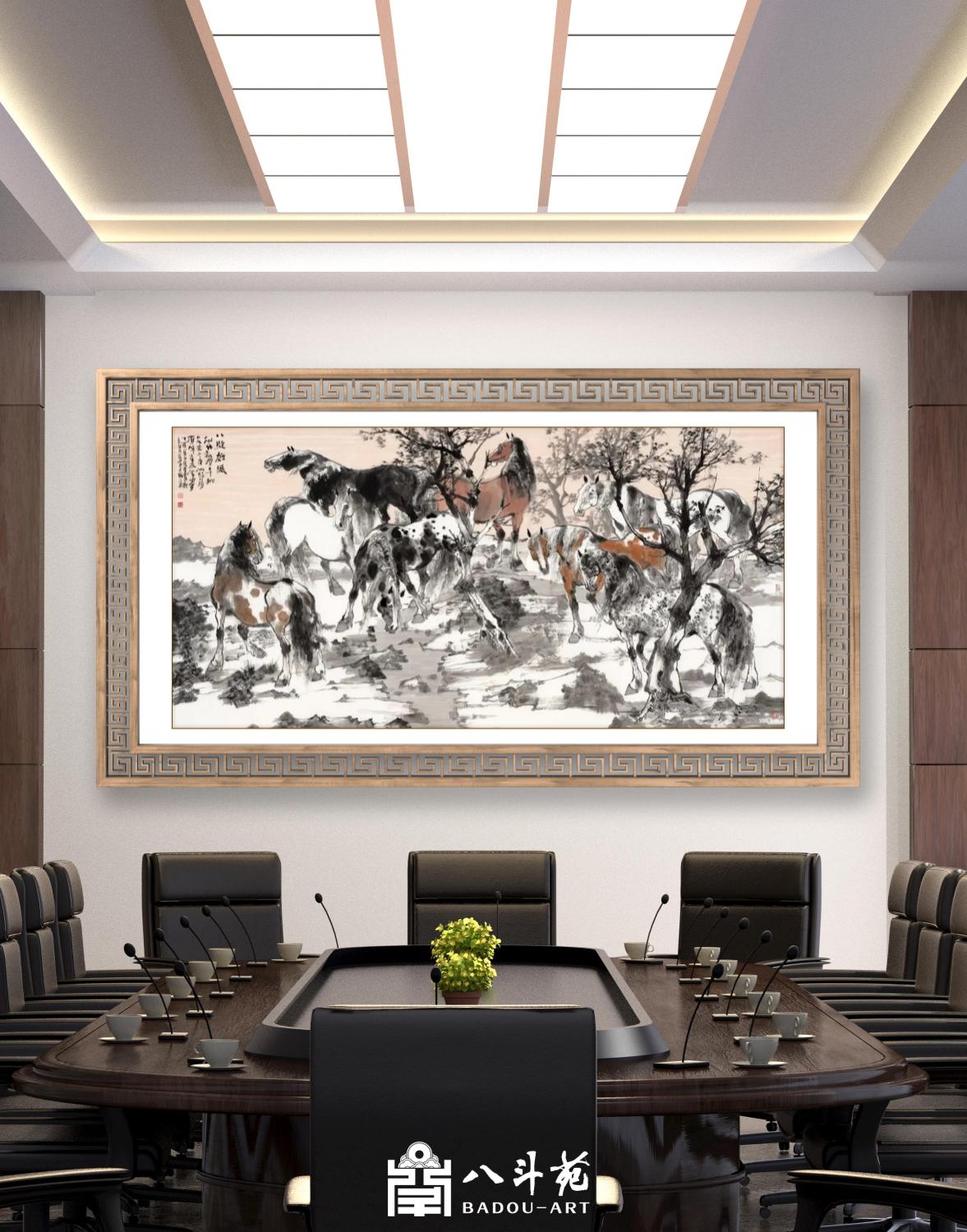
Liu Liyong Animal Painting | Eight Steeds (八骏图)
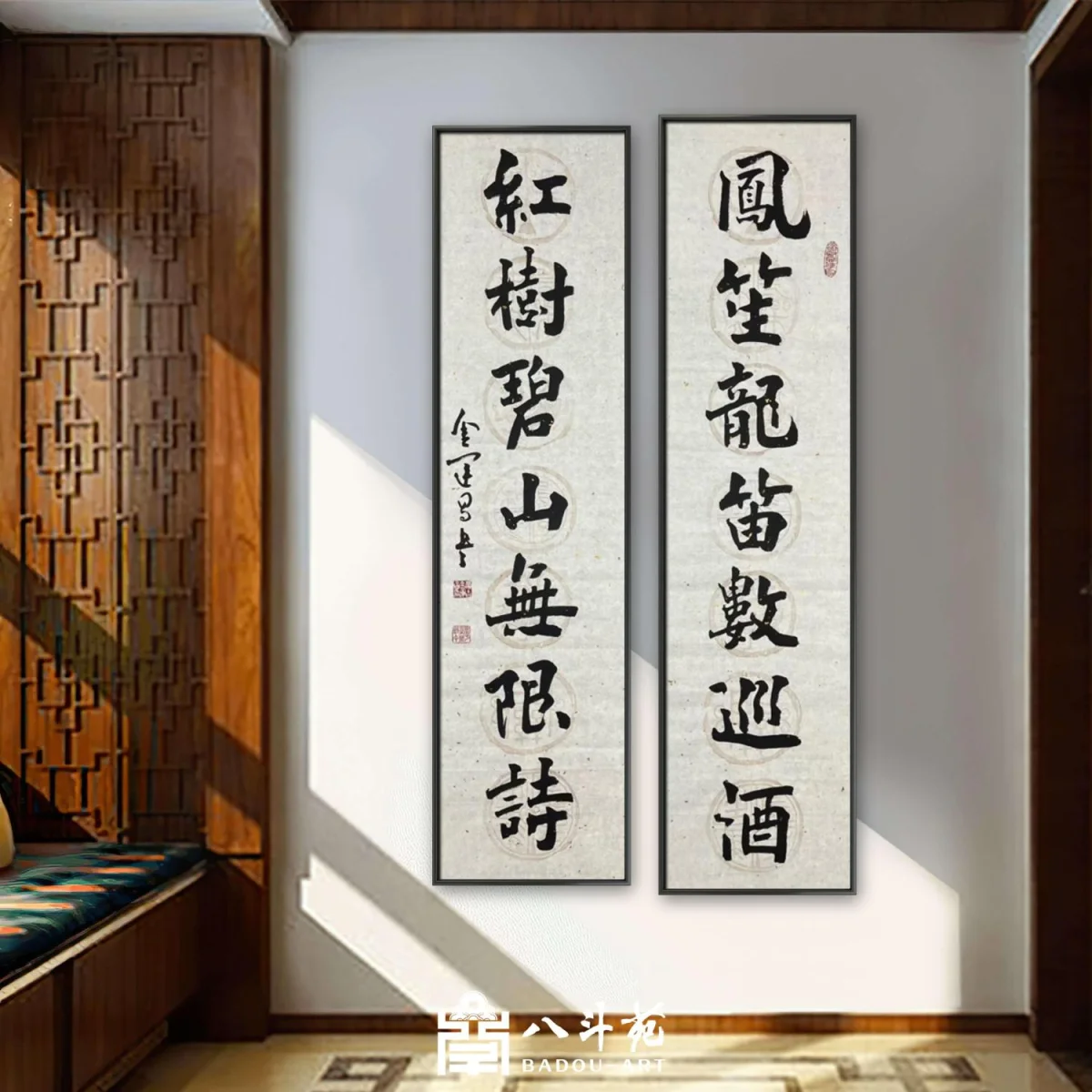
Jin Yunchang Calligraphy | 鳳笙龍笛數巡酒
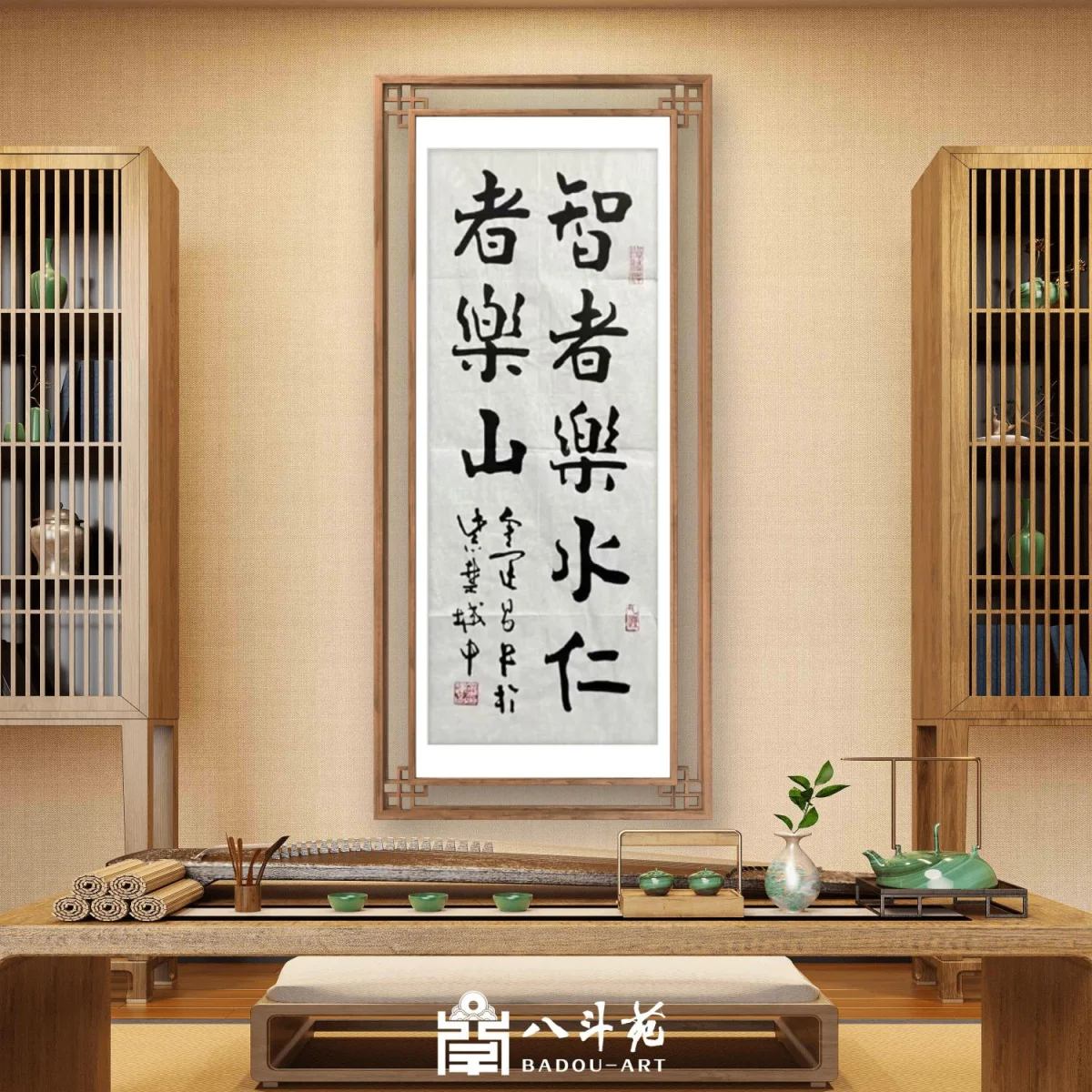
Jin Yunchang Calligraphy | 智者樂水仁者樂山
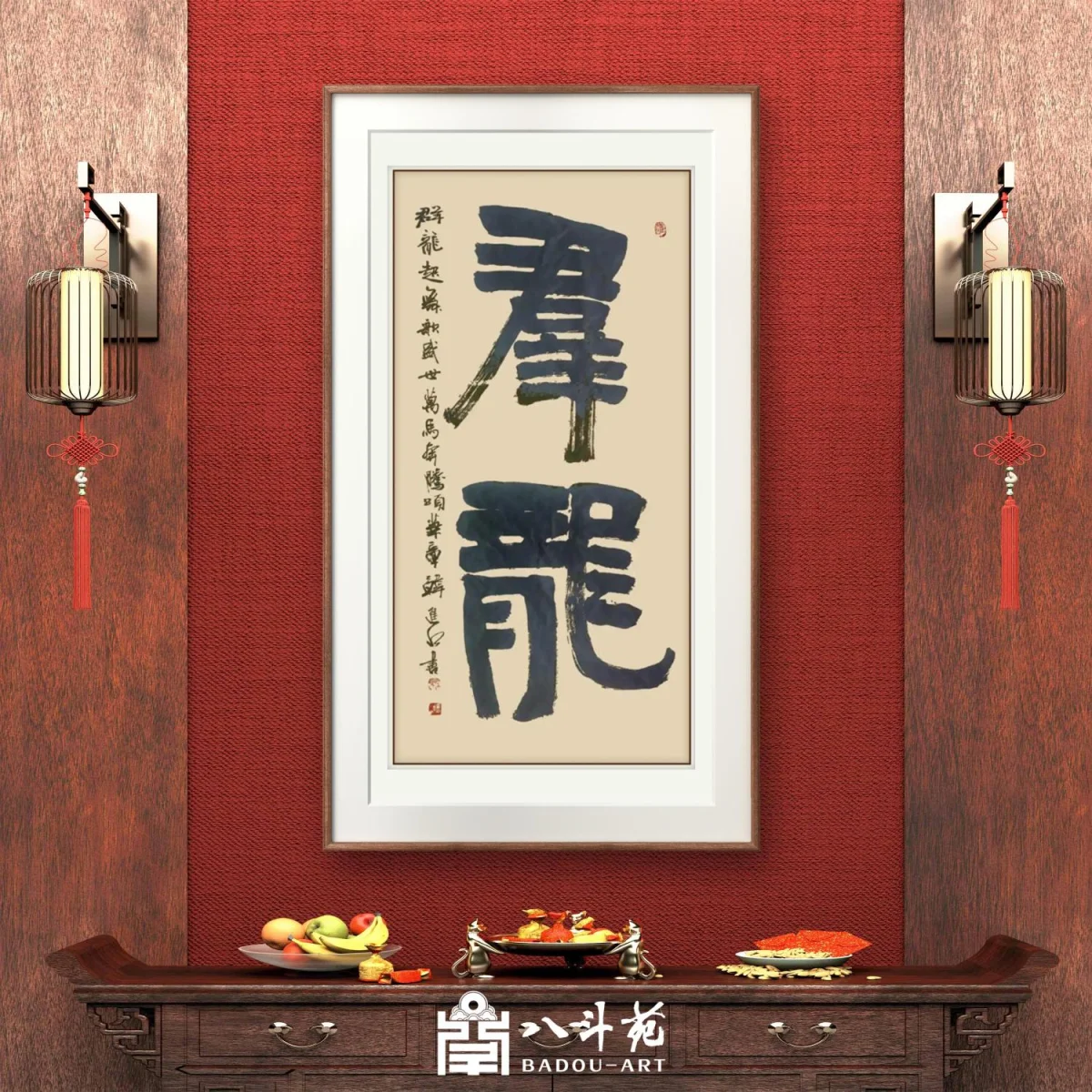
Han Jinshui Calligraphy | 羣龍 (A Group of Dragons)
Hand vs Machine Mounting: How to Tell Chinese Artwork Apart
Hand vs Machine Mounting: How to Tell Chinese Artwork Apart
Chinese paintings and calligraphy are normally mounted (*zhuangbiao*) before display — backed with paper and silk, then hung as scrolls or framed. There are two ways to do it: by hand, layer upon layer, or by machine. Xu Enpei (徐恩培), a mounter with nearly 20 years of hand-mounting experience, has seen fine works roughened by machine mounting. Here is how to tell the two apart, and how to keep your works safe.
Hand Mounting: The Sound of Quality
In a hand-mounted piece, the paper layers adhere tightly, and the surface is smooth and taut. Hang it up and give it a flick with a finger: a good hand-mounted work rings with a crisp, resonant “tang, tang” sound, like a clear chime. A careful mounter also waxes the back of the piece to protect the painting core. If the back is unwaxed, you can see the rice-paper texture; repeated rolling will raise fuzz on the back that can scratch the artwork.
Machine Mounting: What to Look For
A machine-mounted piece looks slightly puffy and dull rather than smooth, and feels a little damp to the touch. Flick it and you hear a muffled “pu, pu” thud. Ironically, the back is smooth — but that is not wax: it is the glossy coating of machine-mounting paper, a “foreign paper” that is not rice paper. Close inspection often reveals tiny specks on the surface, wrinkles left by the pressing machine, and rough, unevenly thick mounting lines. Within a short time, machine-mounted works hung or framed go limp and uneven, while good hand-mounted works stay firm for years.
Why Hand Mounting Matters for Collectors
Hand mounting also shows the ink better: washes keep their gradation, and the picture never looks stiff. If you collect, do not rush to mount a new work fully. Have the core backed first (*tuo hua xin*) — a single backing layer done by hand — which is the safest way to store it. Works you want to view often should be finished into full mountings for easy handling. As Xu puts it, a fine work deserves a fine mount: machine mounting is quick and cheap, but for prized pieces, hand mounting remains the standard of care.
Storing Scrolls and Cores
Never fold a painting — rolled storage is the rule. Roll the work or core tightly, wrap it in several layers of rice paper (newspaper works too), and keep it in a painting box, ideally of camphor wood, in a dry place away from damp and direct sun. Camphor balls guard against insects and mold. Paintings most often arrive damaged because of careless folding — a little care protects a work for generations.
If you are having a work mounted or need advice on caring for a commission, Badou Art’s specialists are happy to guide you.
Source: https://www.cntizi.com/8662.html