Our Featured Collection
Hand‑picked premium works for you
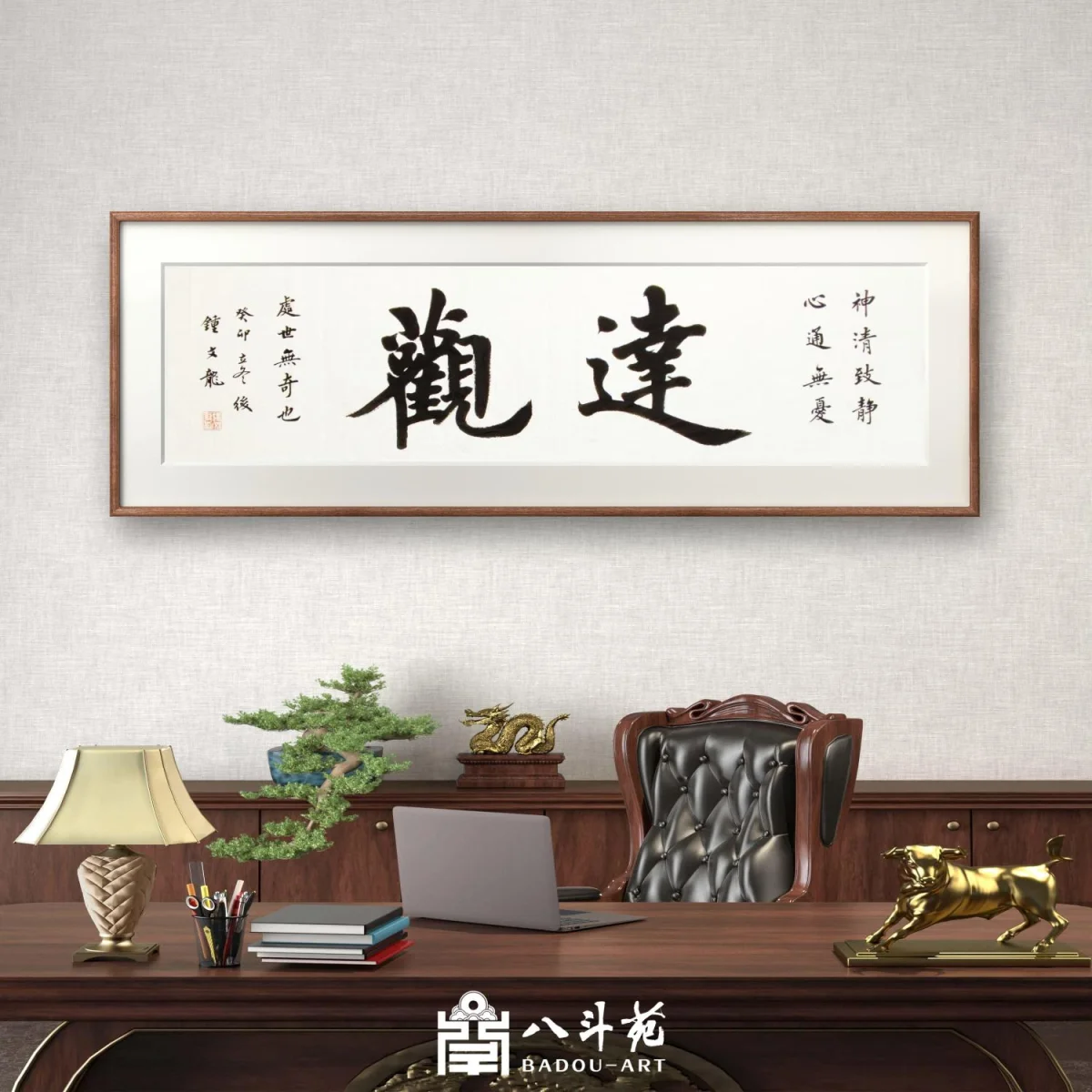
Zhong Wenlong Calligraphy | 达观
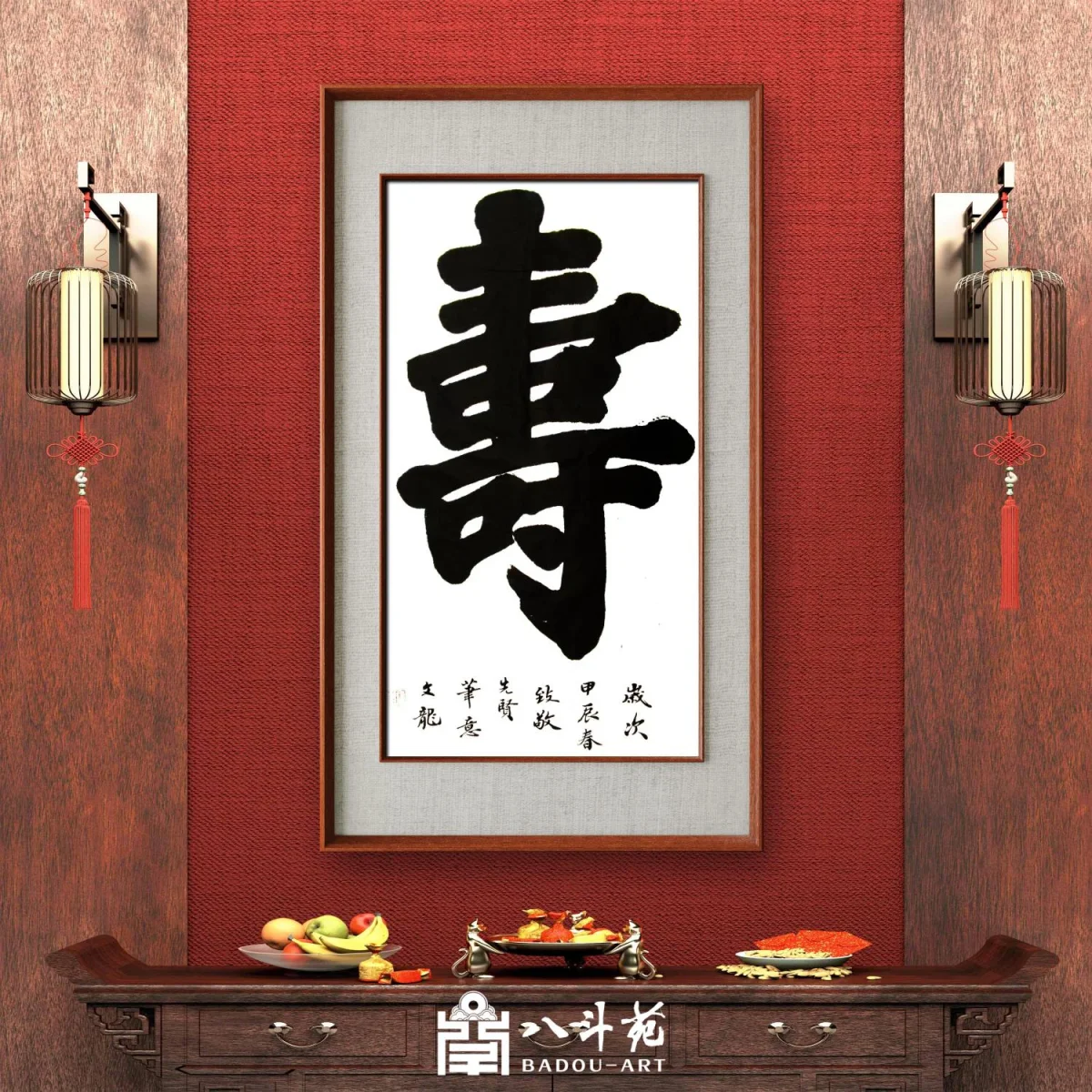
Zhong Wenlong Calligraphy | 壽
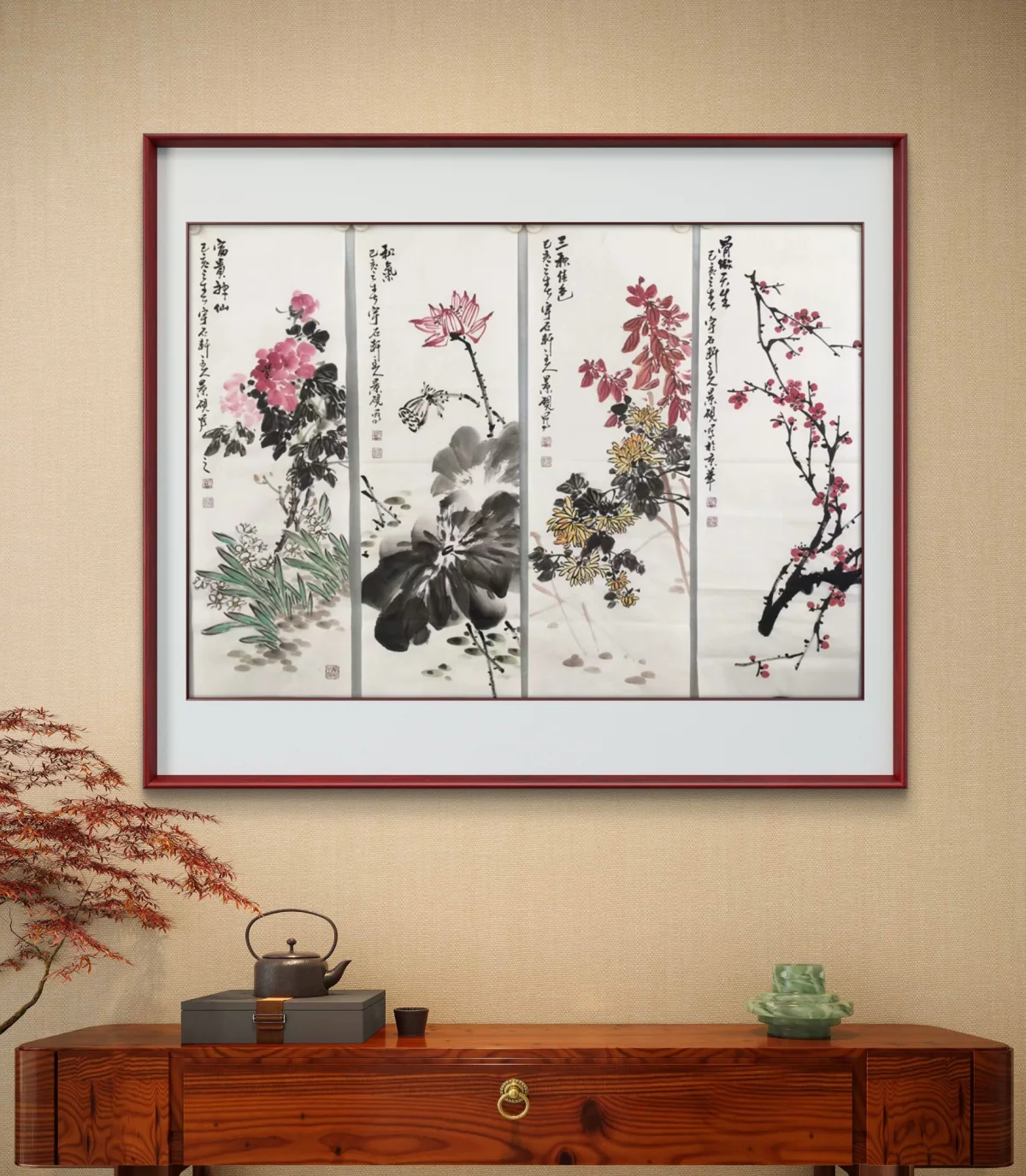
Wu Jingyan Chinese Freehand Painting・Four‑Panel Flower‑and‑Bird Screens(花鸟四条屏)
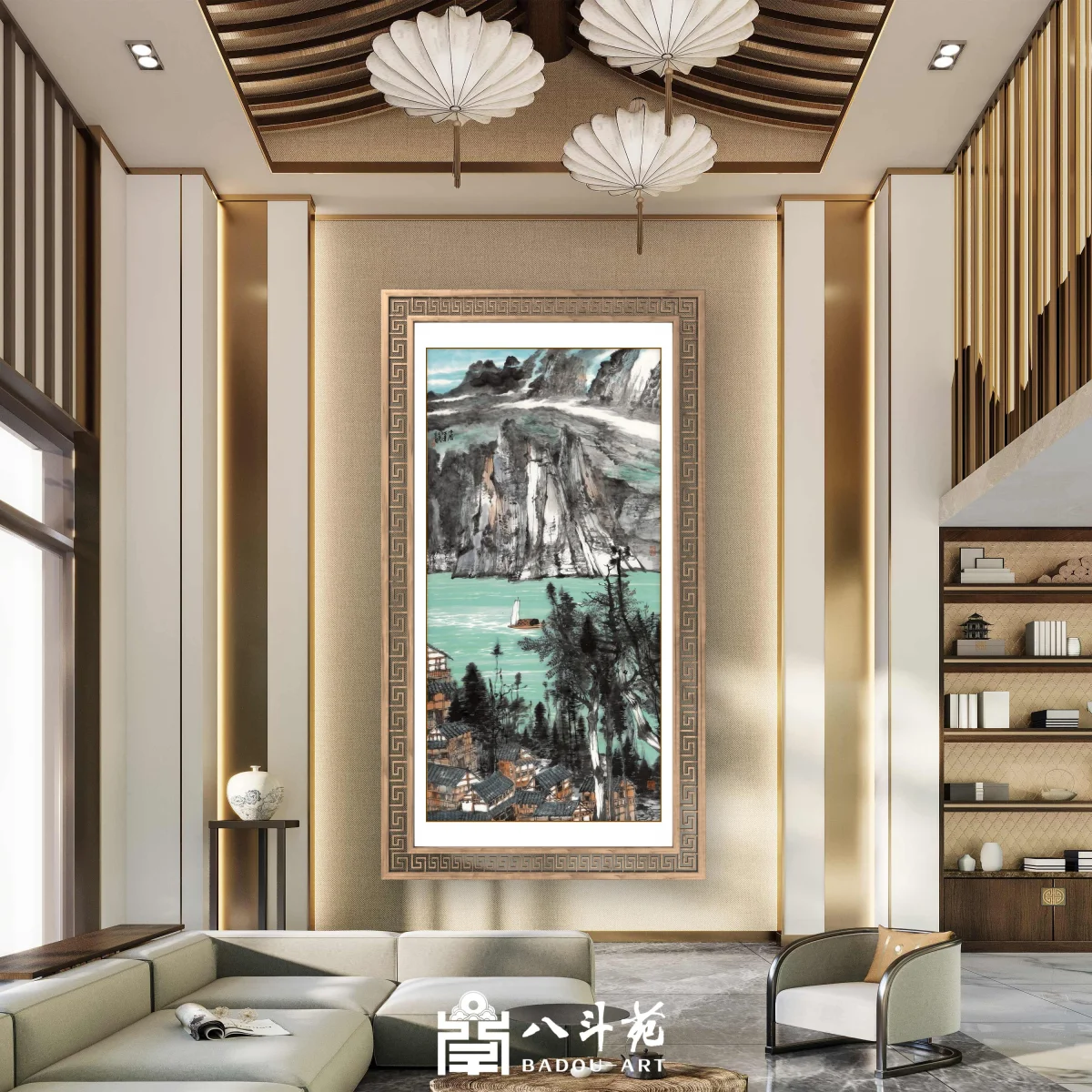
Liu Liyong Landscape Painting | Riverside Mountain Hamlet (山居江远)
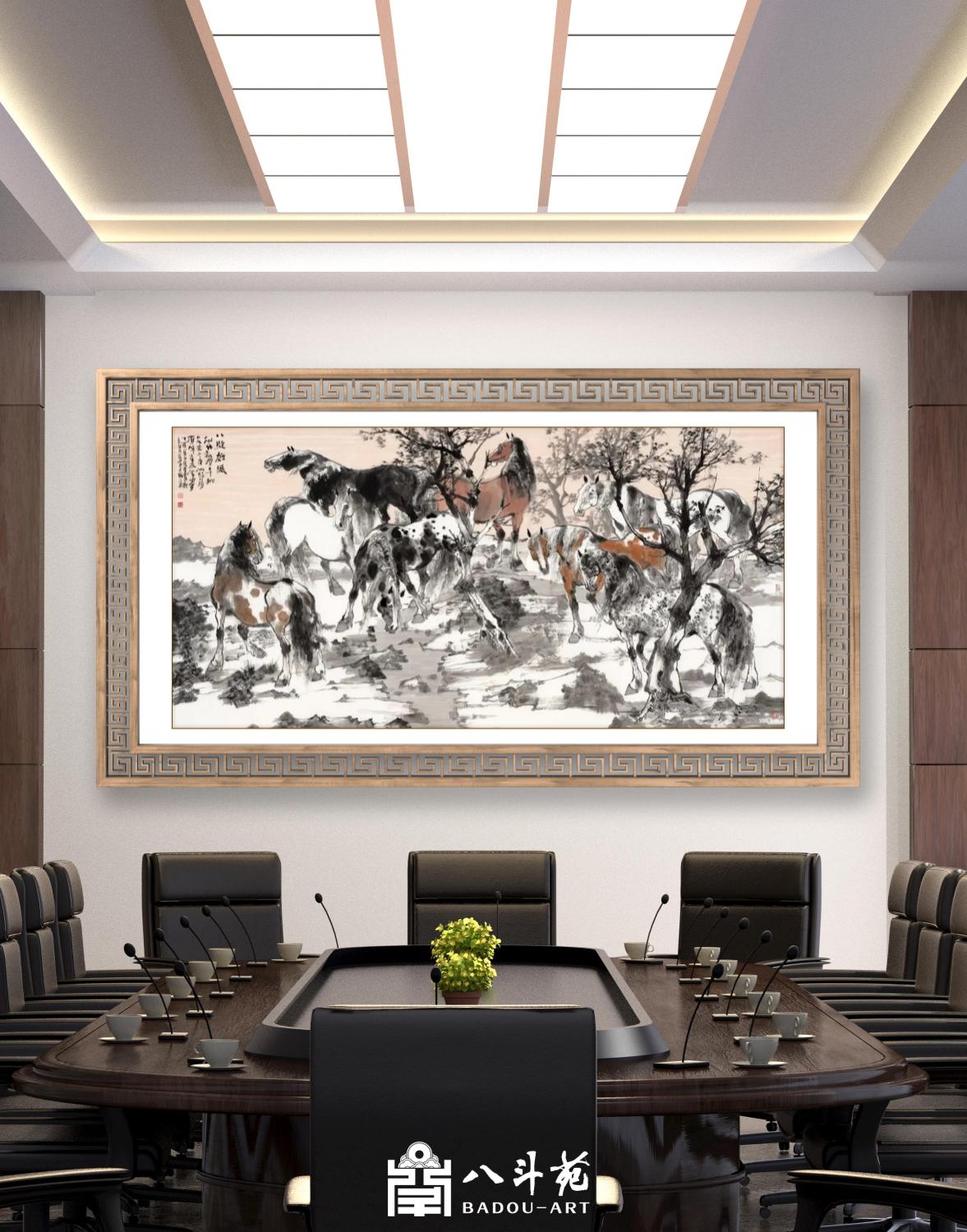
Liu Liyong Animal Painting | Eight Steeds (八骏图)
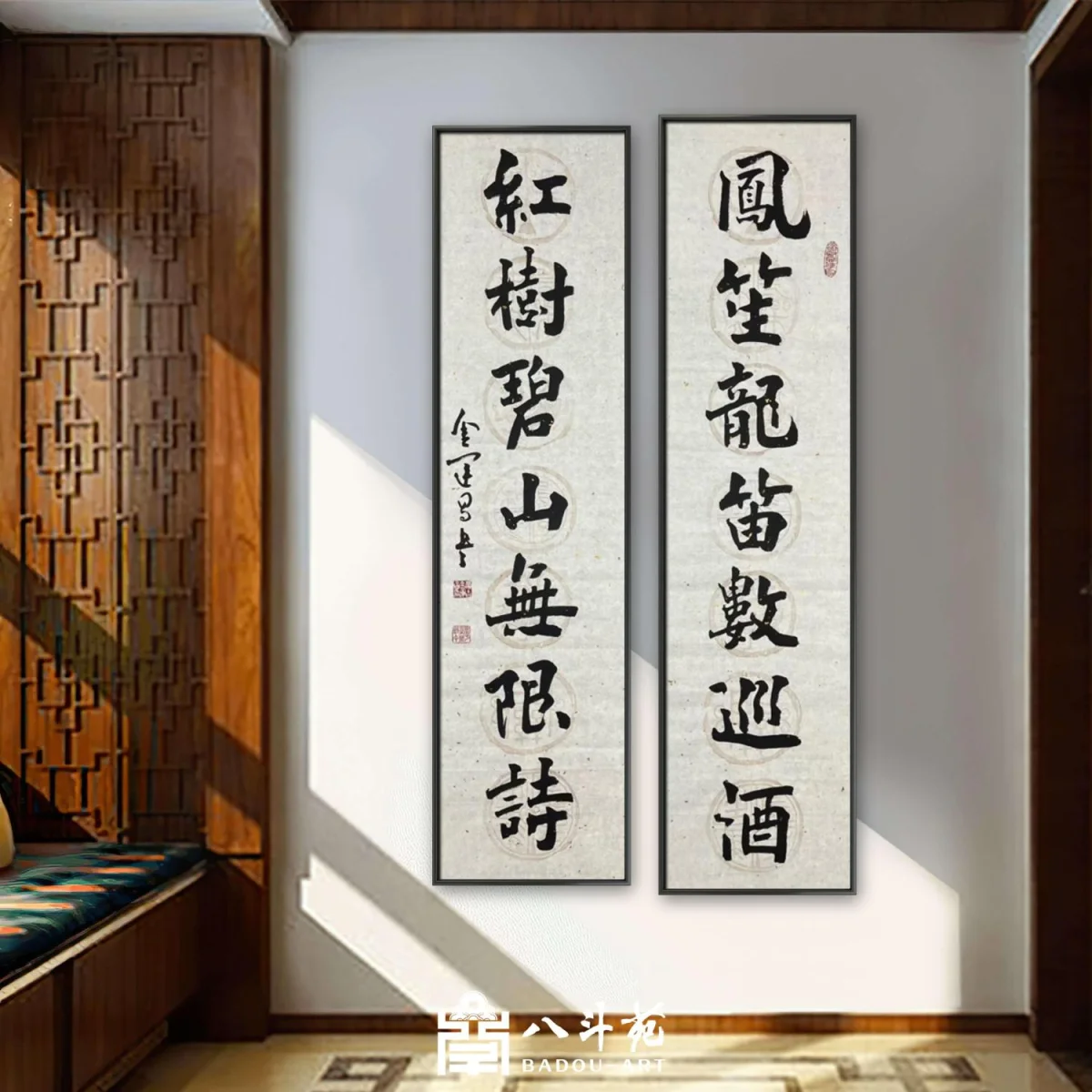
Jin Yunchang Calligraphy | 鳳笙龍笛數巡酒
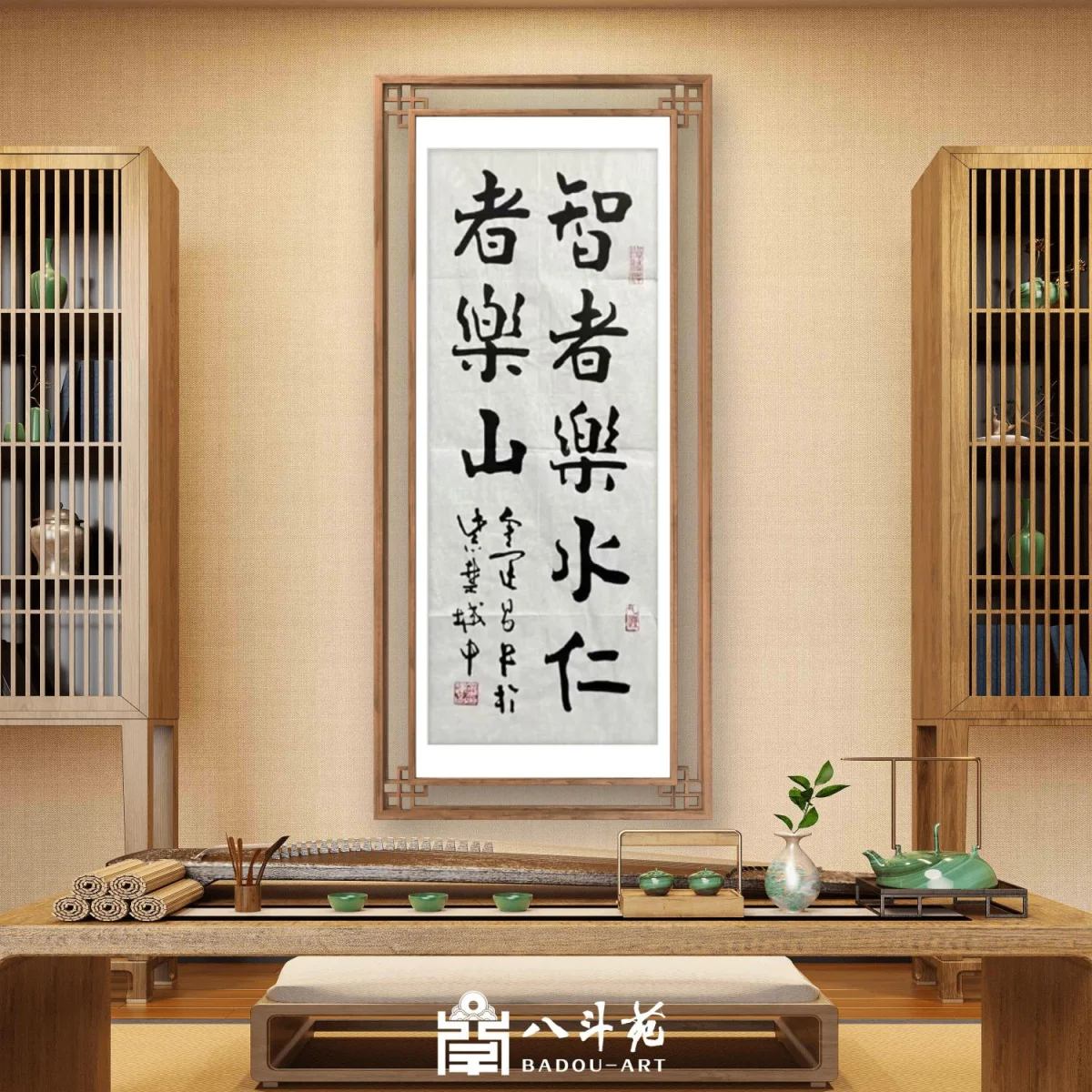
Jin Yunchang Calligraphy | 智者樂水仁者樂山
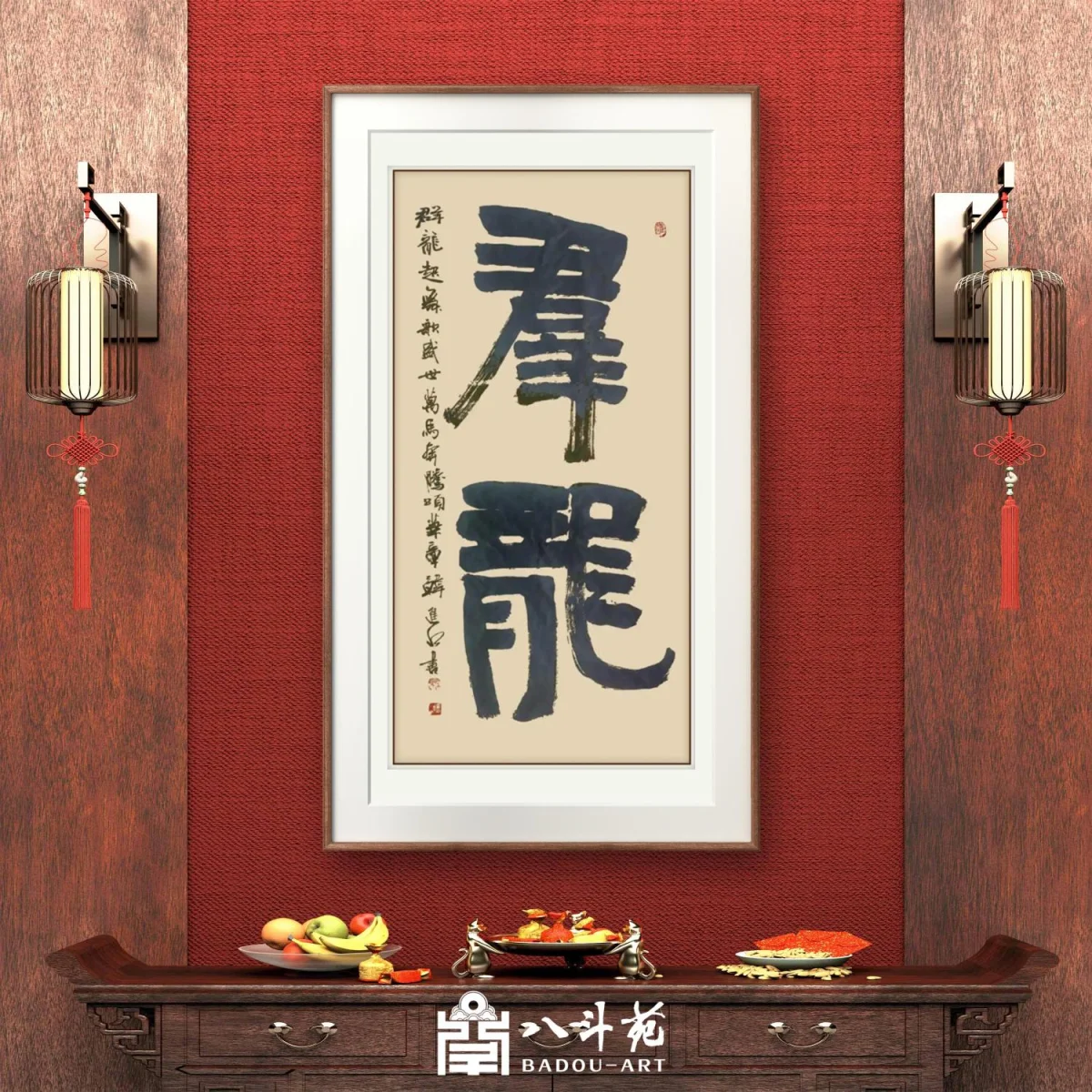
Han Jinshui Calligraphy | 羣龍 (A Group of Dragons)
Xiling Seal Society: China’s Premier Seal Carving Society
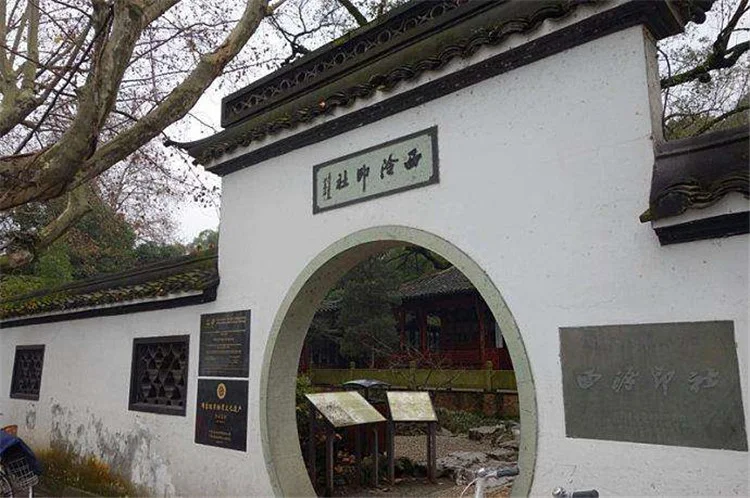
Xiling Seal Society: China’s Premier Seal Carving Society
Deep in the seal-carving world, one name stands above all others: the Xiling Seal Society (西泠印社) of Hangzhou, honored as “the No. 1 society under heaven.” Founded in 1904 (the 30th year of the Guangxu reign of the Qing dynasty), it was established by Zhejiang-school seal carvers Ding Fuzhi, Wang Fu’an, Wu Yin, and Ye Weiming, with the great master Wu Changshuo as its first president. Its charter: “preserve epigraphy, study seal art, and appreciate calligraphy and painting.” More than a century later, it remains the oldest, most accomplished, and most influential society of its kind in China and abroad.
A Garden on West Lake
The society sits on the southern slope of Gushan (Lone Hill) by West Lake in Hangzhou, covering 7,090 square meters with 1,750 square meters of buildings. Because the ground rises and falls, the pavilions — Baitang Hall, the Bamboo Pavilion, Yangxian Pavilion, and Huanpu Jinglu among them — climb the hill in layers, a fine example of a Jiangnan garden. Stone inscriptions by famous hands appear throughout the grounds, and the China Seal Museum within holds more than 6,000 paintings, calligraphy works, and seals.
Milestones of a Century
1961: designated a key cultural relic by Zhejiang Province. 1979: approved as an official publishing house. 1999: the China Seal Museum opened to the public. 2001: listed as a national key cultural relic protection unit. 2009: “Chinese seal carving” — nominated under the society’s leadership — was inscribed on UNESCO’s Representative List of the Intangible Cultural Heritage of Humanity. 2019: the society’s council was confirmed as the national protection unit for the heritage item.
Roots in the Zhejiang School
Seal carving as an art traces back to the Warring States period (475–221 BCE), though it only became a full art form after the Tang dynasty. The society grew out of the Zhejiang school: in the Qianlong era, the “Eight Masters of Xiling,” led by the school’s founder Ding Jing, revived the archaic, vigorous style of the Qin and Han dynasties and dominated the field for more than a century through the Jiaqing and Daoguang reigns. Wu Changshuo once remarked that the society’s founding was only natural given the school’s flourishing.
“People Gather by Seals, the Society Takes Its Name from the Place”
The society is named after Xiling Bridge, which neighbors the site on West Lake. As the old saying goes, “The tide roars in eastern Zhejiang; the study of seals speaks of Xiling.” For over a century the society has been the world’s most renowned center for *jinshi* (epigraphy) and seal scholarship — an international meeting point for artists and collectors.
For collectors, seal carving is one of China’s most distinctive art forms, and a custom seal remains a deeply personal commission. If you would like to explore one, Badou Art’s specialists are happy to guide you.
Source: https://www.cntizi.com/7891.html