Our Featured Collection
Hand‑picked premium works for you
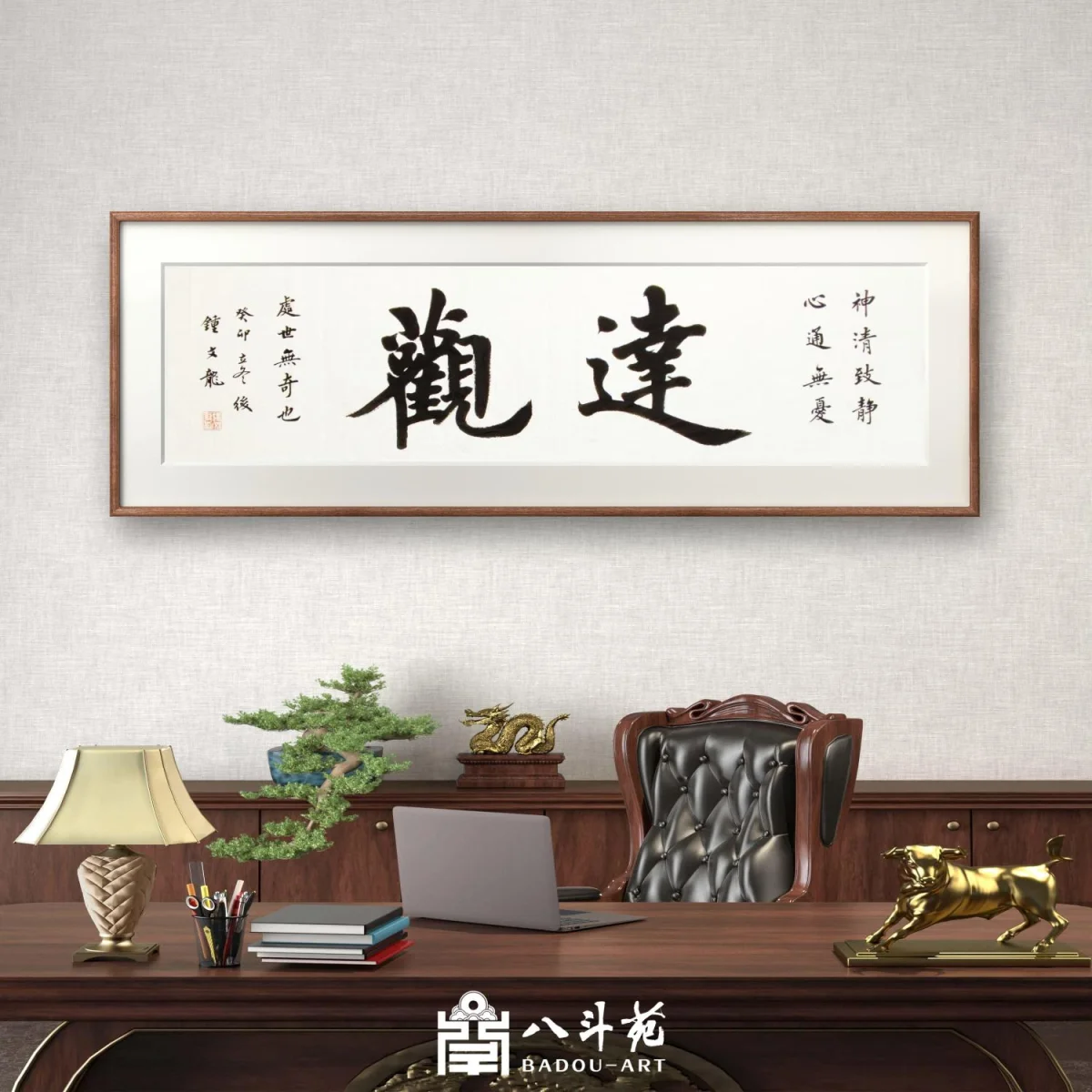
Zhong Wenlong Calligraphy | 达观
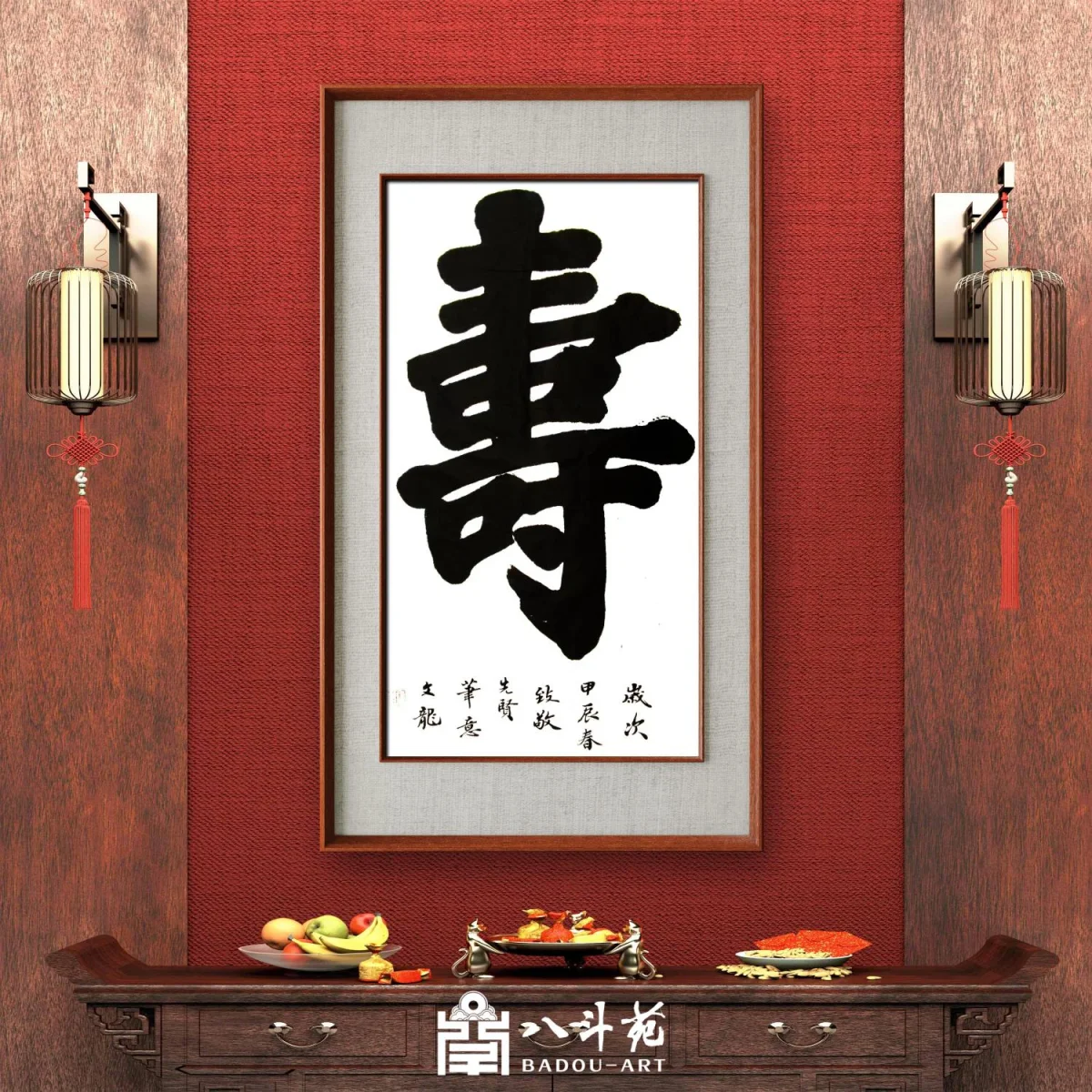
Zhong Wenlong Calligraphy | 壽
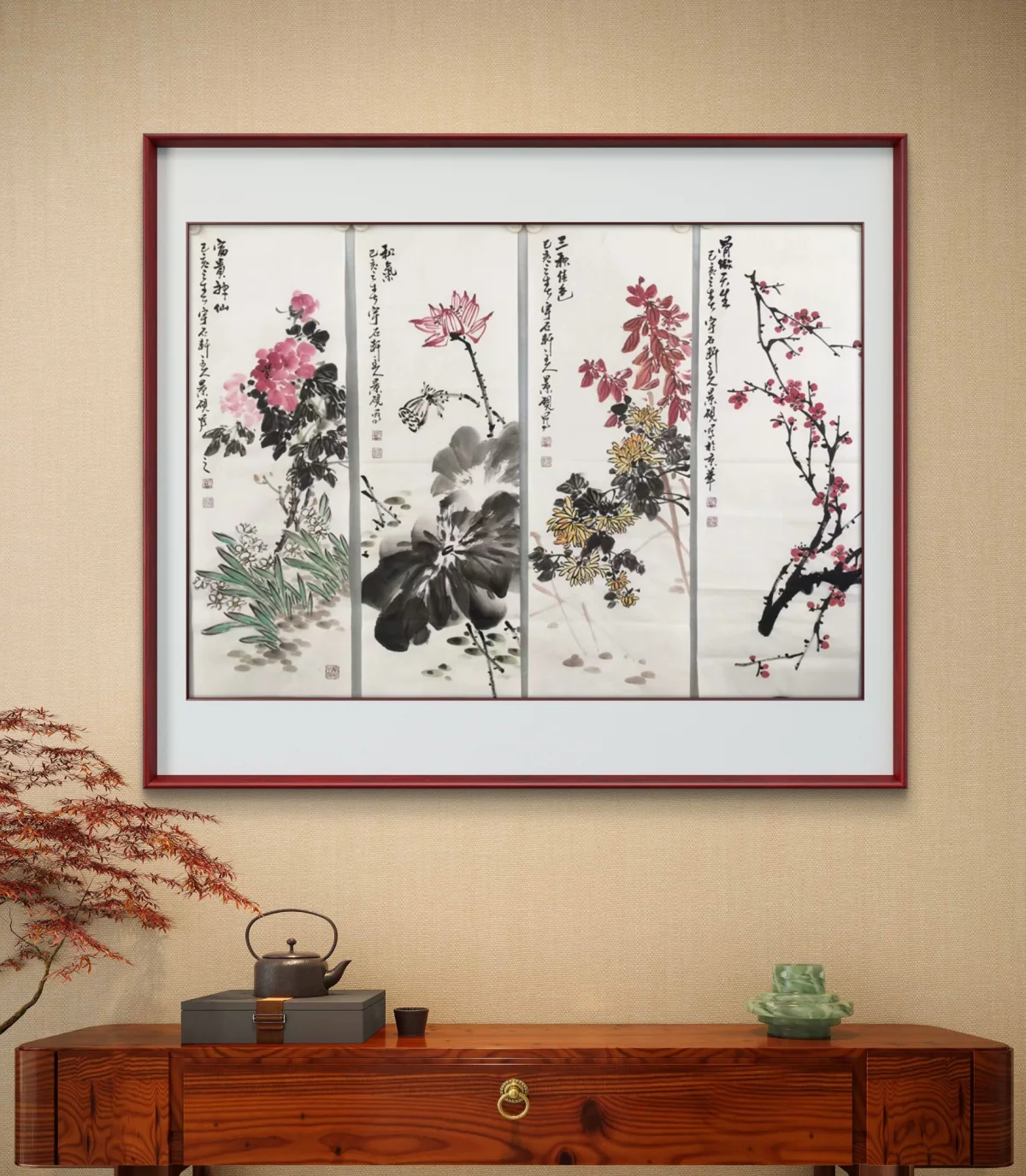
Wu Jingyan Chinese Freehand Painting・Four‑Panel Flower‑and‑Bird Screens(花鸟四条屏)
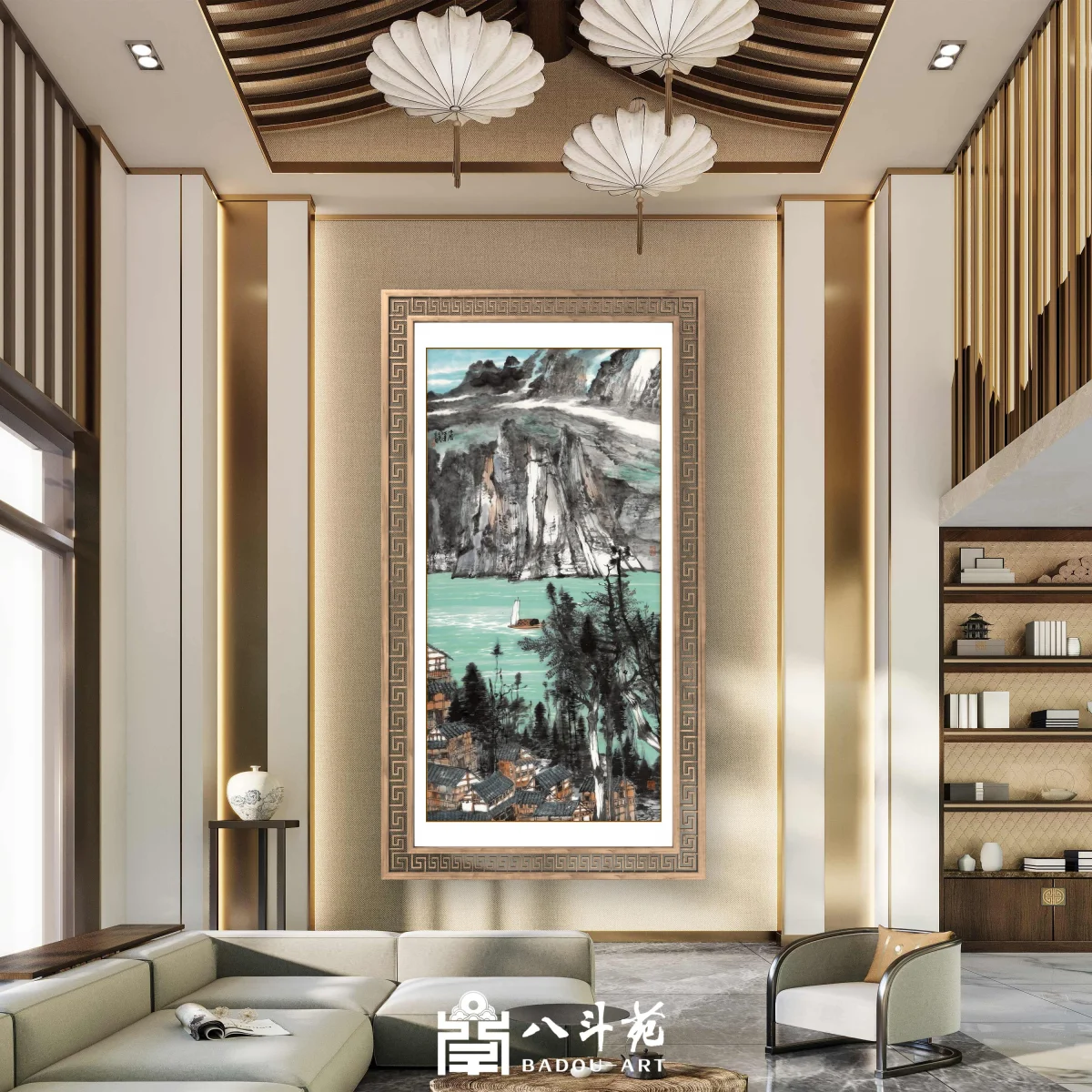
Liu Liyong Landscape Painting | Riverside Mountain Hamlet (山居江远)
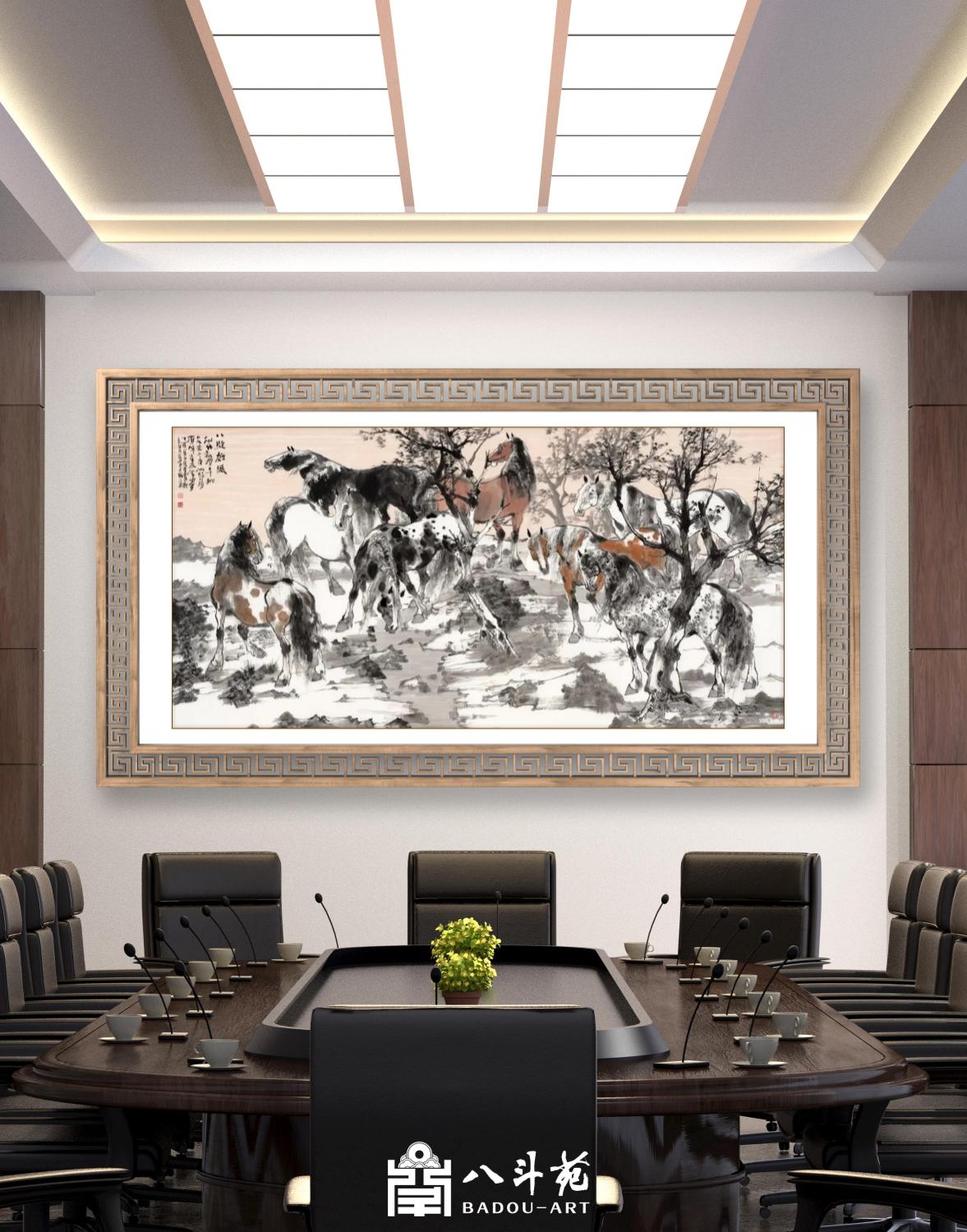
Liu Liyong Animal Painting | Eight Steeds (八骏图)
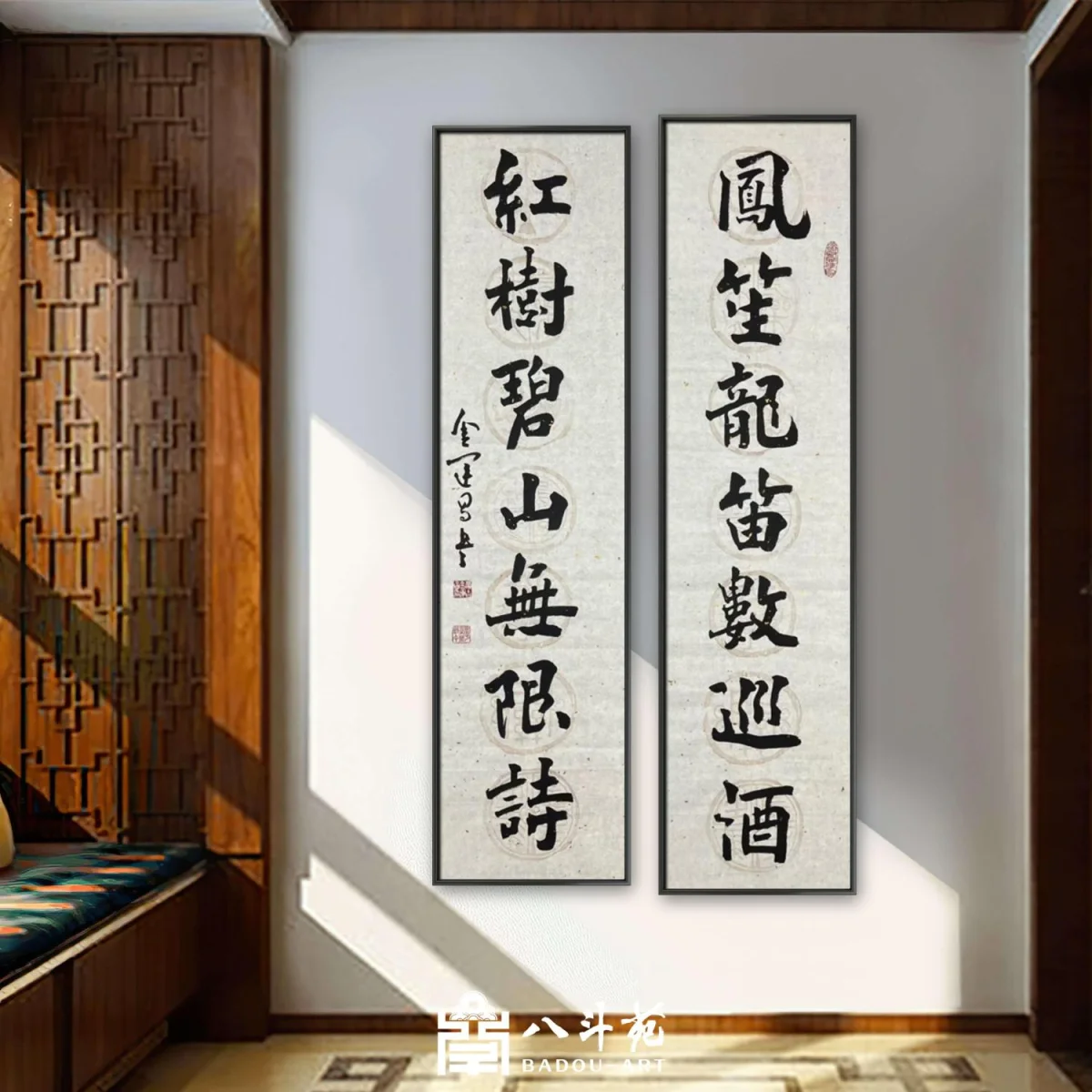
Jin Yunchang Calligraphy | 鳳笙龍笛數巡酒
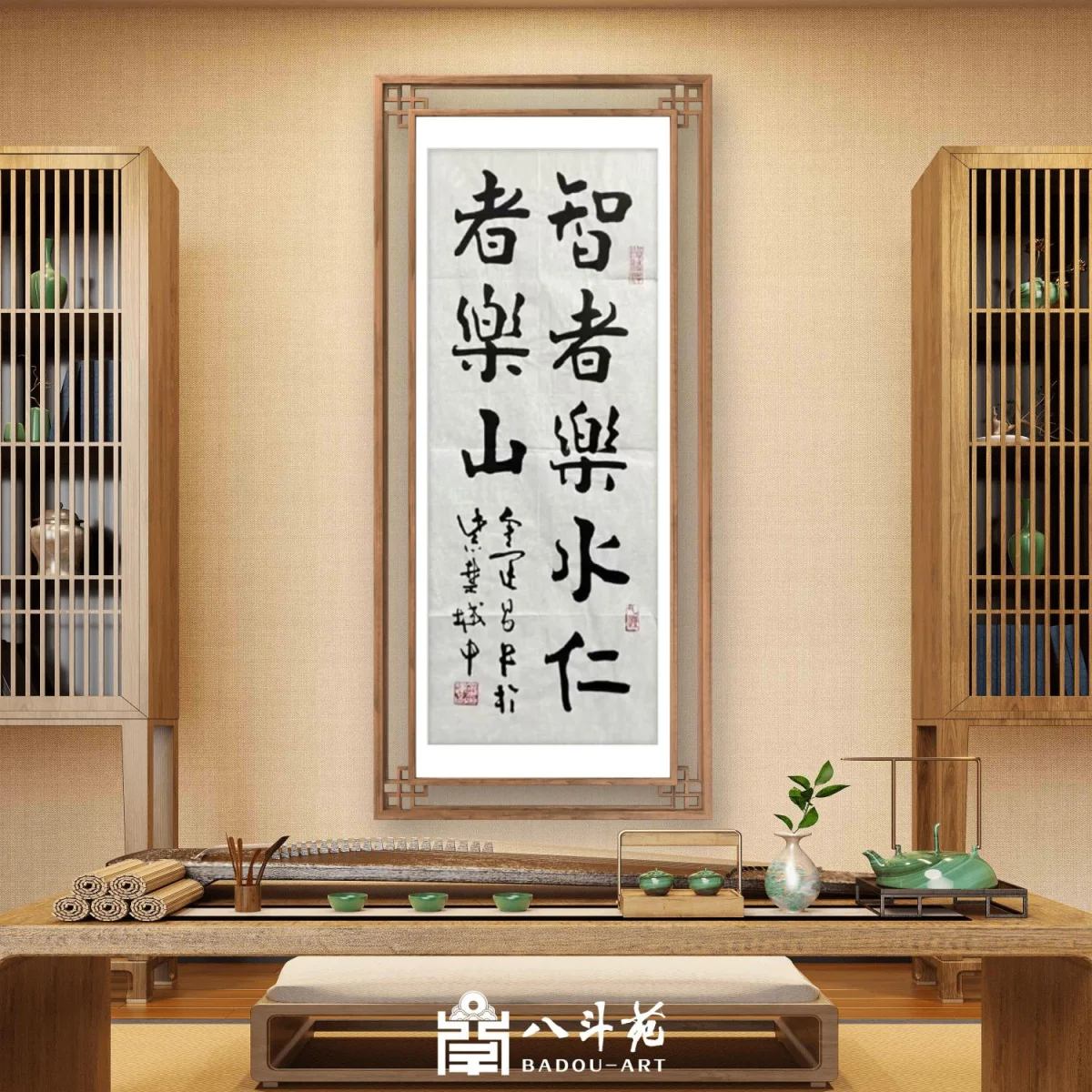
Jin Yunchang Calligraphy | 智者樂水仁者樂山
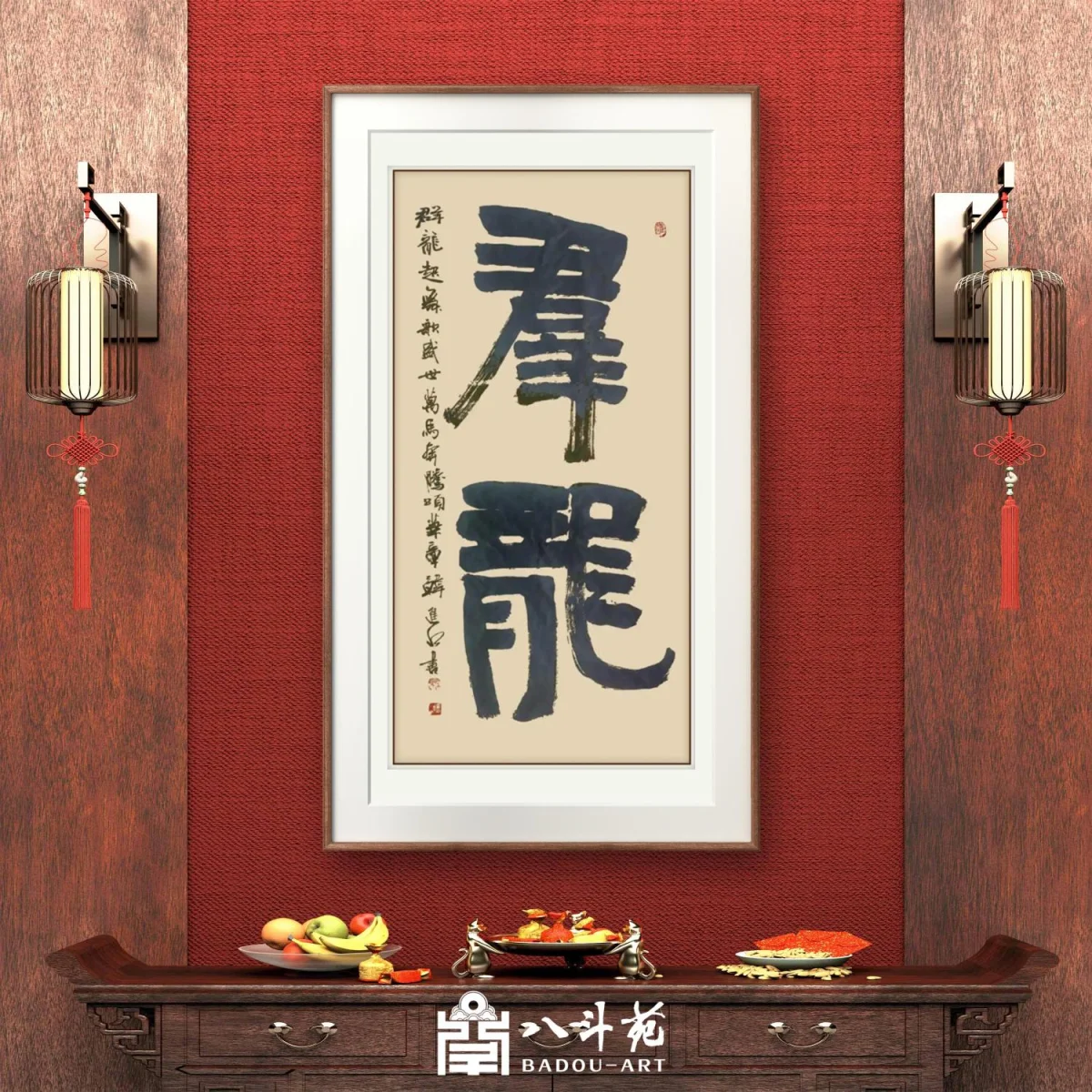
Han Jinshui Calligraphy | 羣龍 (A Group of Dragons)
Why Calligraphy Is China’s Greatest Art Form, Explained
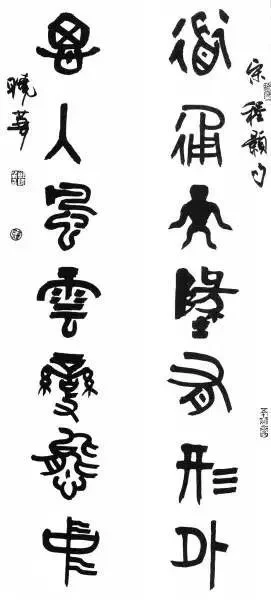
Why Calligraphy Is China’s Greatest Art Form, Explained
Is calligraphy a craft or an art? By Western standards, the question is debatable; by Chinese standards, it is not. As the scholar Zheng Xiaohua (郑晓华) argues, calligraphy is China’s first great art. Zheng — vice dean of the School of Arts at Renmin University of China and secretary-general of the Chinese Calligraphers Association — made the case in a widely discussed lecture: no other art form is more Chinese.
The Art That Survived Everything
Calligraphy carries the Chinese written word through brushwork. Developing independently in early world civilization, it flourished for some 1,500 years as a regional “international art,” adopted and absorbed by neighboring East Asian cultures. After China’s mid-19th-century defeats by Western powers, nearly every Chinese art form — literature, theater, music, dance — was reshaped by Western influence. Calligraphy alone stood firm, the one art that remained untouched at its core.
Three Defining Traits
First, calligraphy is born of Chinese characters: it exists for the written word and cannot exist without it. Second, its entire visual language evolved in lockstep with the script itself. Third, artistic calligraphy covers virtually all practical writing — a “dual-function” art that is both useful and beautiful. This is why, Zheng notes, critics influenced by Kant’s definition of art as “purposeless” once denied calligraphy the status of art. Chinese history disagrees: calligraphy is the country’s first great art.
Bound to Daily Life
Unlike dance or song, which separate from daily life once they become art, calligraphy stays fused with everyday writing — every writing occasion can be calligraphy. Readability remains an iron rule; the traditional vertical, right-to-left direction survives even in the digital age; and a calligrapher writes in a single forward flow. One stroke sets the pattern for the whole work: there is no erasing and no revision, unlike painting.
Why Characters Became Pure Art
Two reasons, Zheng argues. First, the Chinese script never shifted from pictographs to a phonetic alphabet. Each character keeps its own graphic structure — a reservoir of tens of thousands of abstract line compositions that became a vast language of visual beauty. Second, Chinese aesthetics prized the Dao over mere likeness. Su Shi (1037–1101) said that judging a painting by resemblance is a child’s view, and Qi Baishi put it best: art lives “between likeness and unlikeness.” Painting hovers at about half abstraction; calligraphy is one hundred percent abstract — the highest level of Chinese *xieyi* (freehand) expression.
China’s Own “Daydream”
Western modernism built its dream worlds through surrealism and abstraction; China built its “daydream” in misty ink landscapes and flowing calligraphic lines. Calligraphy is both the foundation of Chinese art and a fully independent art — with its own language, standards, techniques, history, and pedagogy, unlike any Western “calligraphy.” For centuries it belonged to every educated person’s inner life: many officials and scholars are remembered today only as calligraphers.
If you would like to commission a calligraphy work — a plaque, a couplet, or a scroll — Badou Art’s specialists are happy to guide you.
Source: https://www.cntizi.com/7819.html