Our Featured Collection
Hand‑picked premium works for you
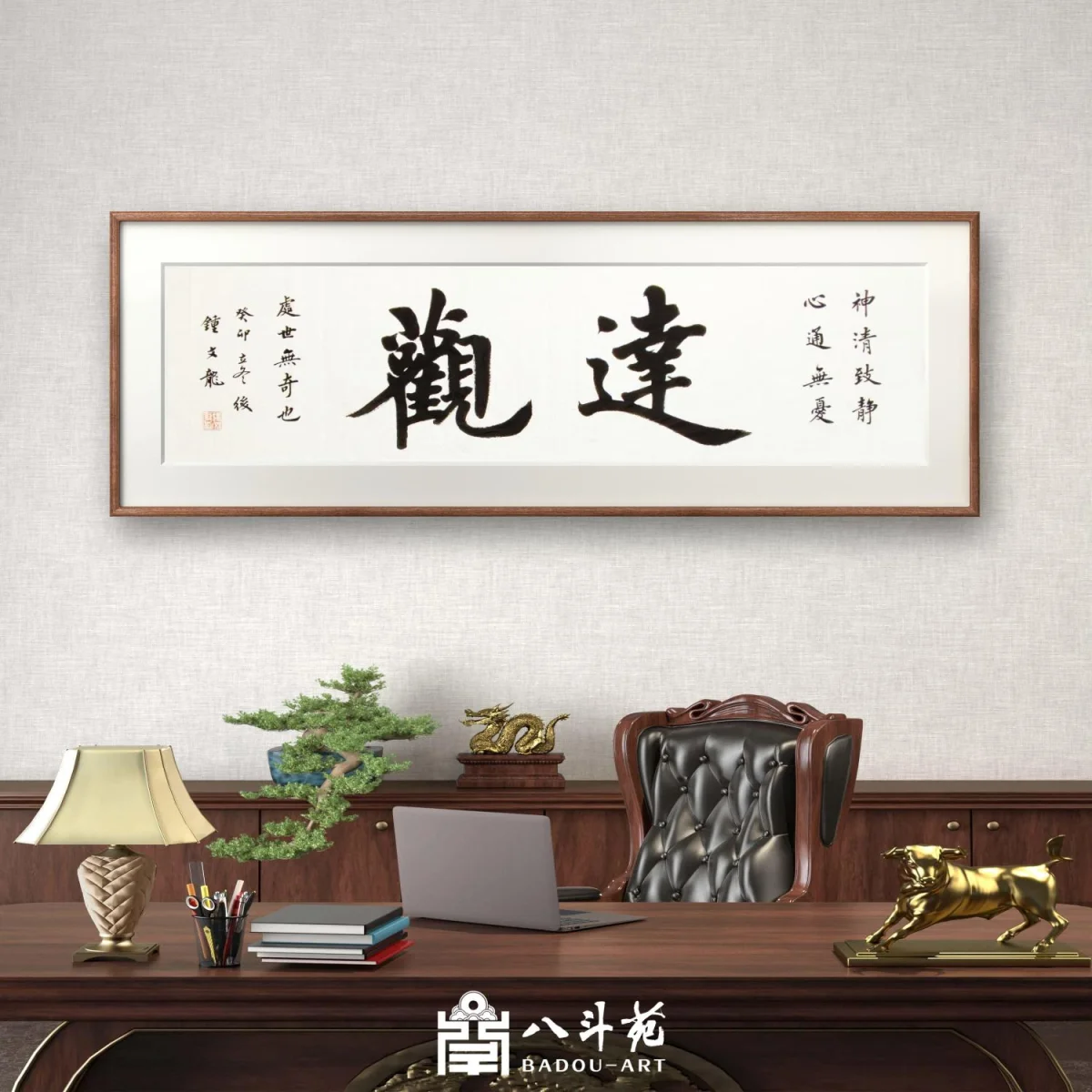
Zhong Wenlong Calligraphy | 达观
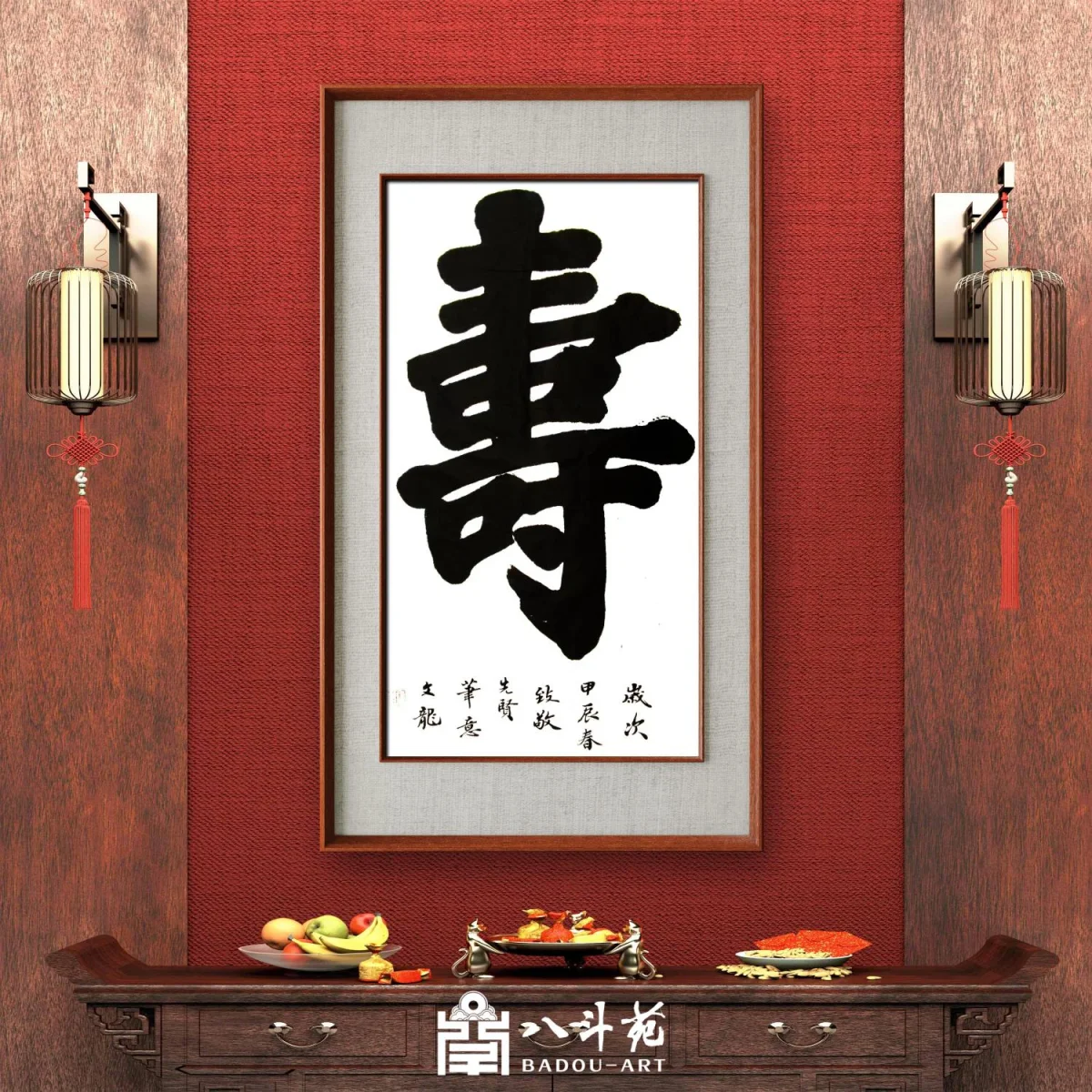
Zhong Wenlong Calligraphy | 壽
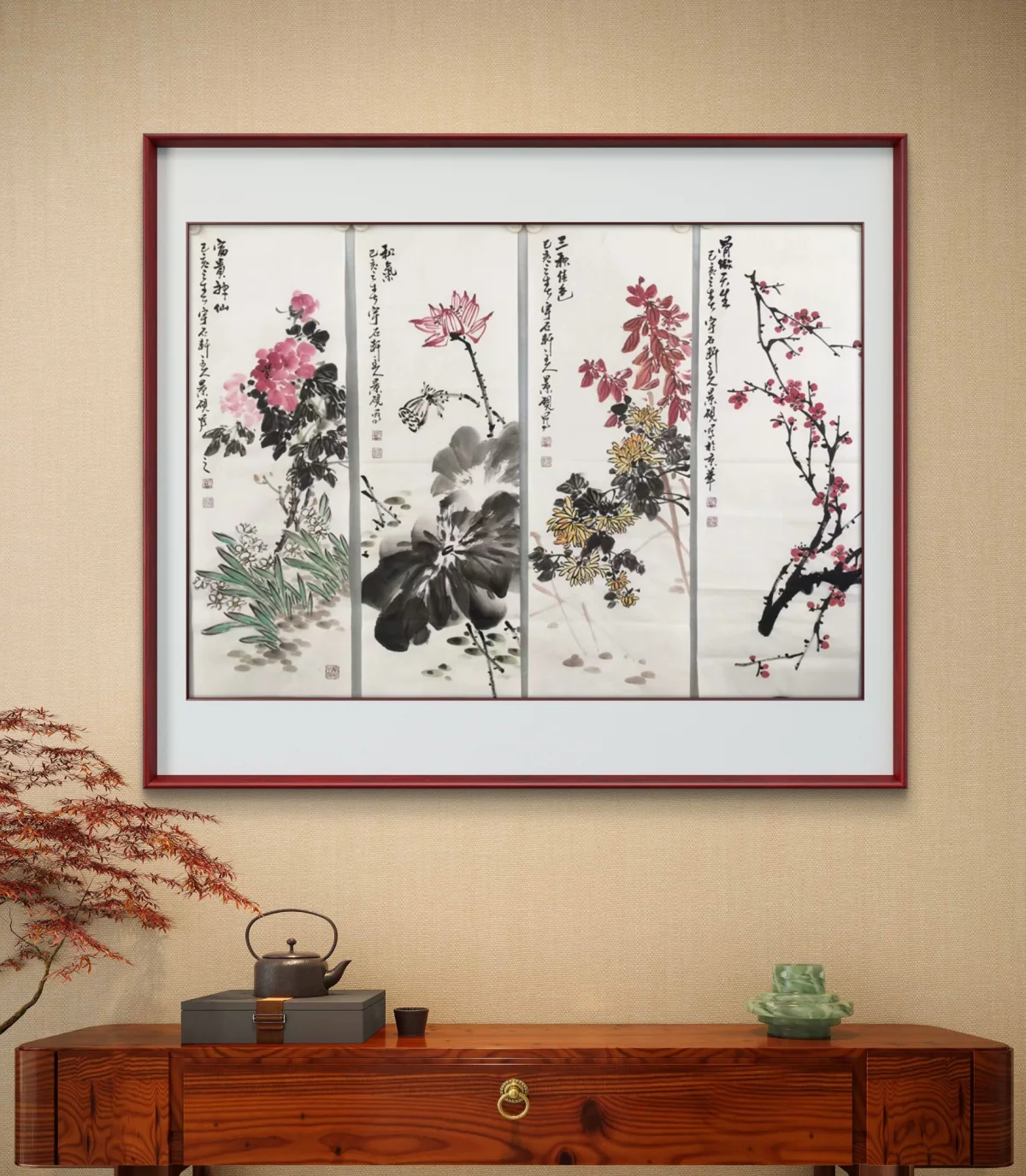
Wu Jingyan Chinese Freehand Painting・Four‑Panel Flower‑and‑Bird Screens(花鸟四条屏)

Liu Liyong Landscape Painting | Riverside Mountain Hamlet (山居江远)
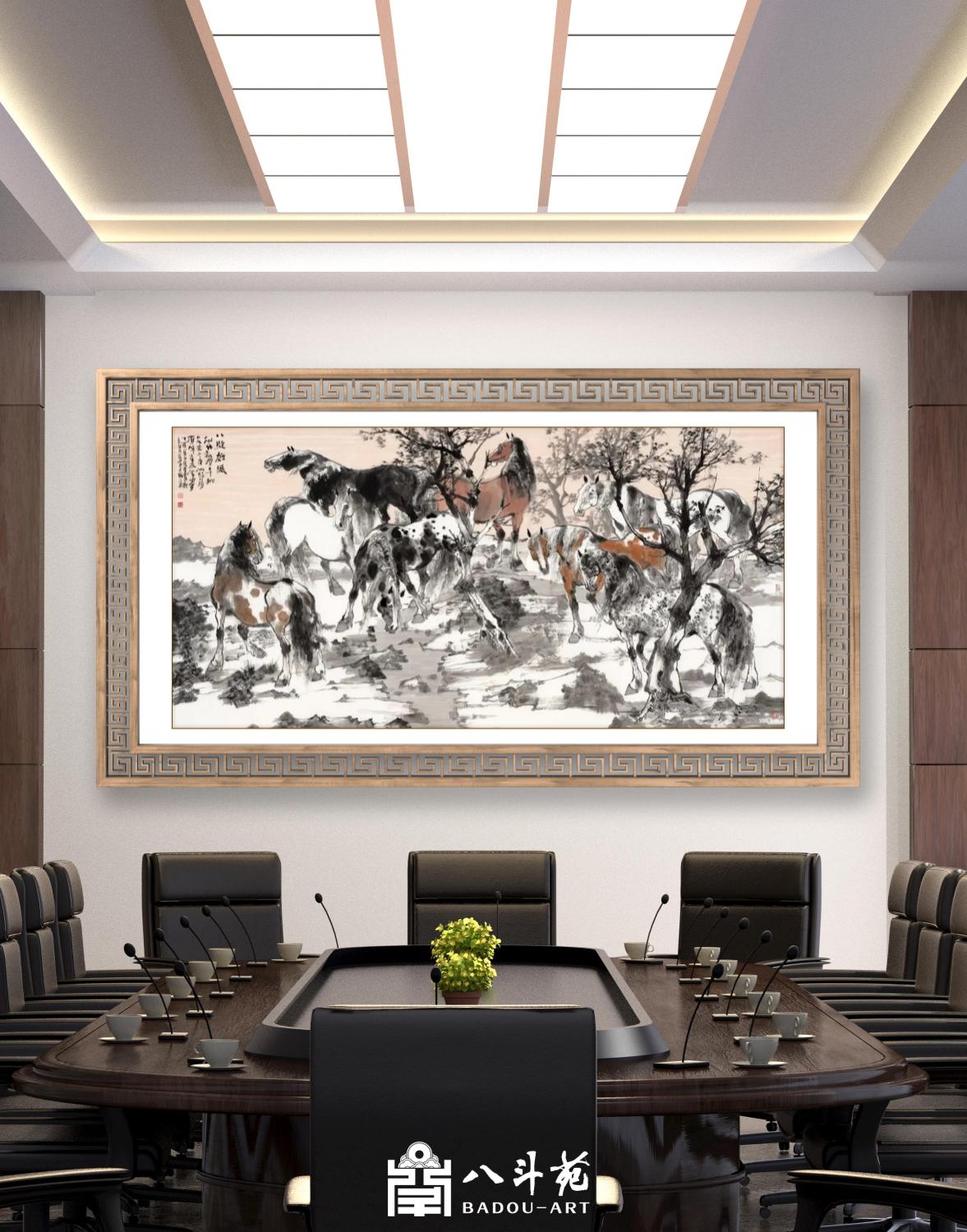
Liu Liyong Animal Painting | Eight Steeds (八骏图)
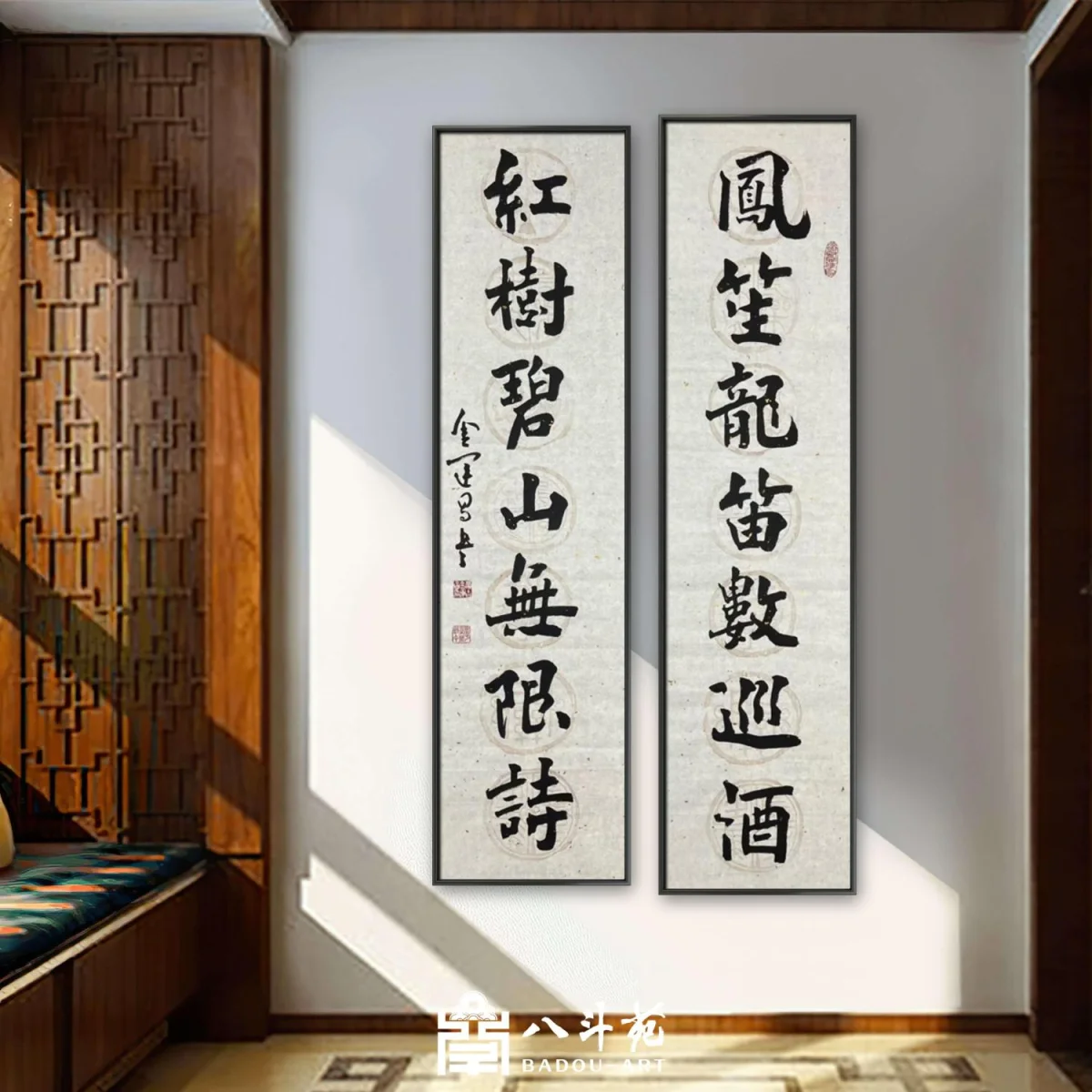
Jin Yunchang Calligraphy | 鳳笙龍笛數巡酒
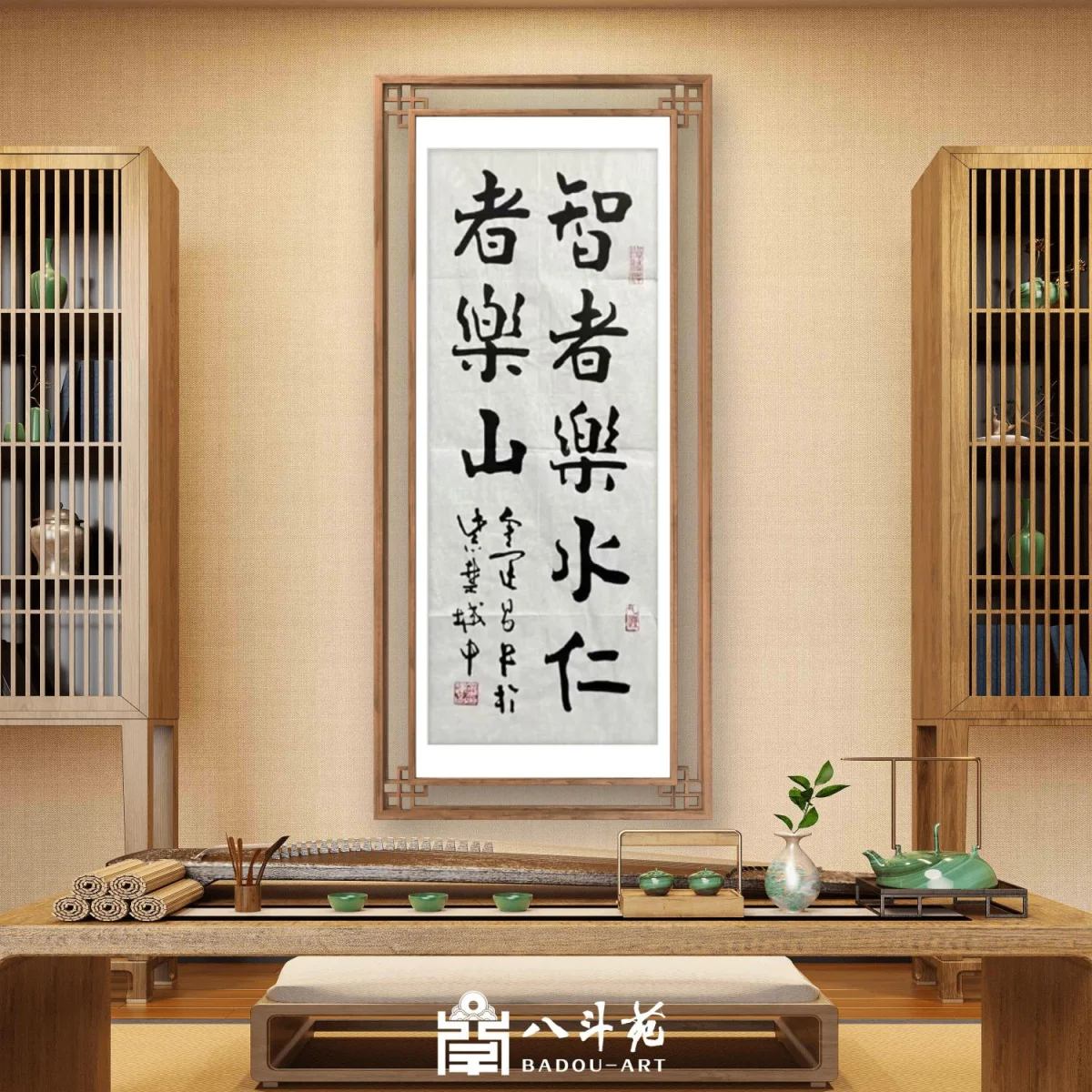
Jin Yunchang Calligraphy | 智者樂水仁者樂山
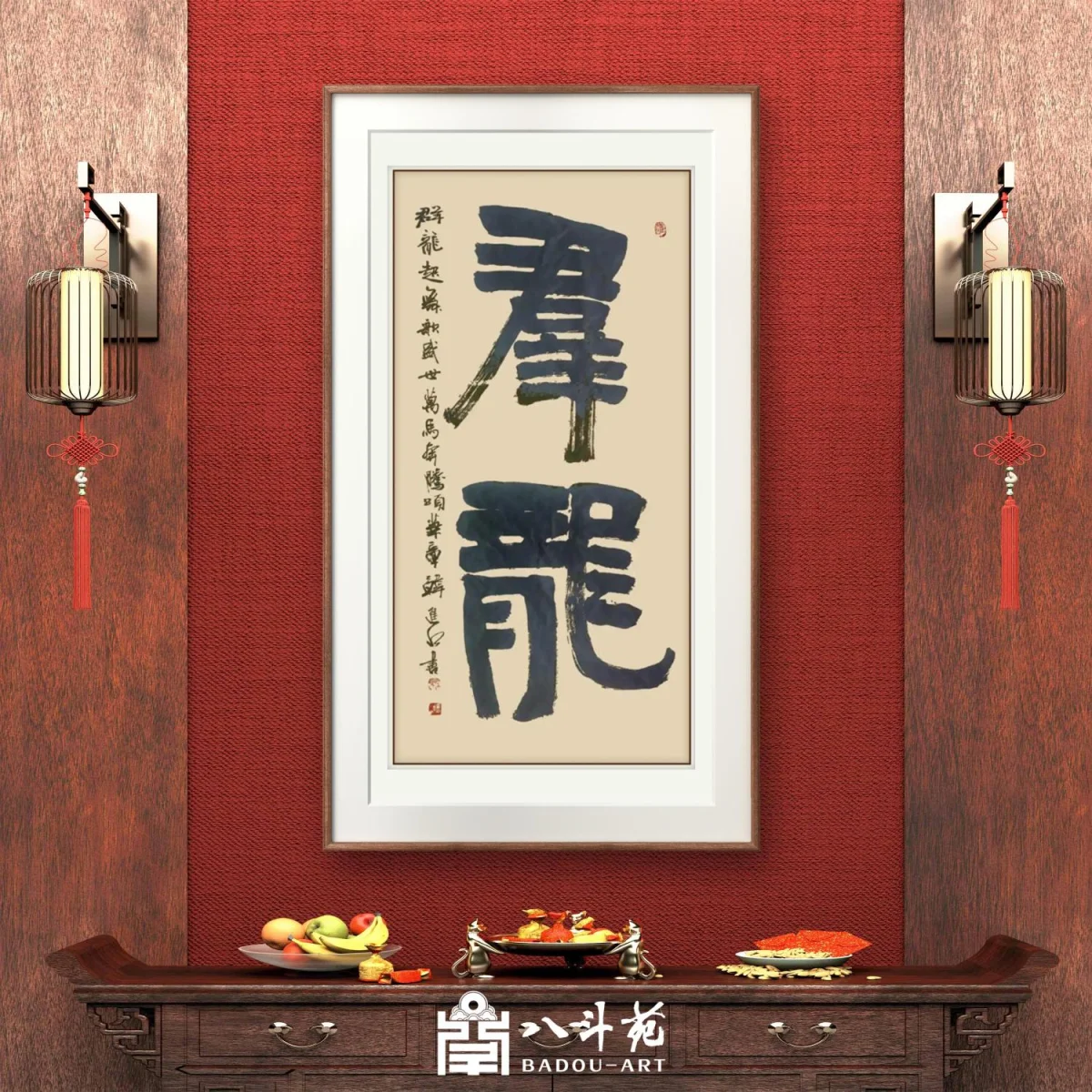
Han Jinshui Calligraphy | 羣龍 (A Group of Dragons)
Old Brand Plaques: The Calligraphy Defining Chinese Cities
Old Brand Plaques: The Calligraphy Defining Chinese Cities
Walk through any old Chinese city and you will see them above shop doors: carved wooden signboards bearing the calligraphy of emperors, statesmen, and artists. These plaques (bian’e) once hung in palaces, gardens, and homes; today, the ones surviving on city streets belong mostly to celebrated old brands. More than signage, they are condensed history — works of art that record a business’s story and a city’s character.
The Plaque as a City’s Business Card
Since the Song dynasty, when shop-name culture flourished, merchants knew that a well-lettered signboard could make a business. A plaque was seen as the “eye of the shop’s life”: as long as it hung there, the brand lived on. Most surviving plaques are wooden; stone ones appear on brick buildings, as in Beijing’s Dashilan district. Shapes are usually rectangular, with the occasional fancy — Daoxiangcun’s gourd-shaped plaque or Duyichu’s oval bat-shaped board, the bat an auspicious symbol of fortune.
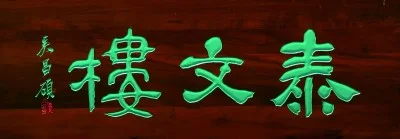
Colors carry meaning too. Black lacquer with gold characters — the classic “golden signboard” promising prosperity — dominates: Tongrentang, Quanjude, Neiliansheng, and Rongbaozhai all chose it. Others favor vivid contrasts: Ruifuxiang’s yellow board with black characters, Taotaoju’s red with gold, Taiwenlou’s brown with green.
Masters Behind the Signboards
Inviting celebrated figures to write plaques is an old tradition. Qing-dynasty shopkeepers prized the brush of a high official: the stationery shop Qingmi Pavilion in Beijing’s Liulichang was signed successively by court elder Akedun, governors Nayan Cheng and Qi Junzao, the statesman Zeng Guofan, and Grand Councilor Weng Tonghe — prompting the era’s joke that “princes wrote the plaques and top scholars the couplets.”
Modern times broadened the circle. Wu Changshuo, Kang Youwei, Qi Baishi, Guo Moruo, Xu Beihong, Zhang Daqian, Sha Menghai, Li Keran, Zhao Puchu, and Qi Gong (1912–2005) all wrote for old brands — and Duyichu even carries characters by the Qianlong emperor himself. These masters turned private brushwork into public art: a plaque was a merchant’s “special business card” and, at the same time, a free calligraphy lesson for everyone on the street.
Scripts and the “Upright Grand Bearing”
A plaque must be readable — that is its first duty — so regular script and running script dominate, though seal, clerical, and cursive examples exist. Wu Zuoren’s plaques for Yunyu Zhai and the Beijing Painting Shop are in seal script; Wu Changshuo’s Taiwenlou is clerical; Qi Gong’s Tongrentang is running script, his China Bookstore plaque regular script, and his Daguanlou cursive.
Beneath this variety lies a shared ideal that calligraphy educators call “zheng da qi xiang” — an upright, grand bearing. Many plaques follow the spirit of the Tang master Yan Zhenqing (709–785), whose firm, majestic regular script has been the model for signboard writers ever since. From Beijing’s Cuiwen Pavilion to Tianjin’s Quanyechang, Hangzhou’s Huichuntang, and Guangzhou’s Chen Liji, the style is instantly recognizable: bold rounded strokes, square dignified structure.
Why Plaques Still Matter
In an age of standardized fonts and careless digital lettering, these hand-written signboards stand as a corrective — practical and beautiful at once, they are the most visible face of the calligraphy tradition. Small in size, immense in meaning, each plaque carries the memory of a brand and the cultural lineage of its city.
For a plaque of your own — a name board for a home, studio, or business — Badou Art commissions hand-lettered calligraphy in the classic style of these great signboards.