Our Featured Collection
Hand‑picked premium works for you
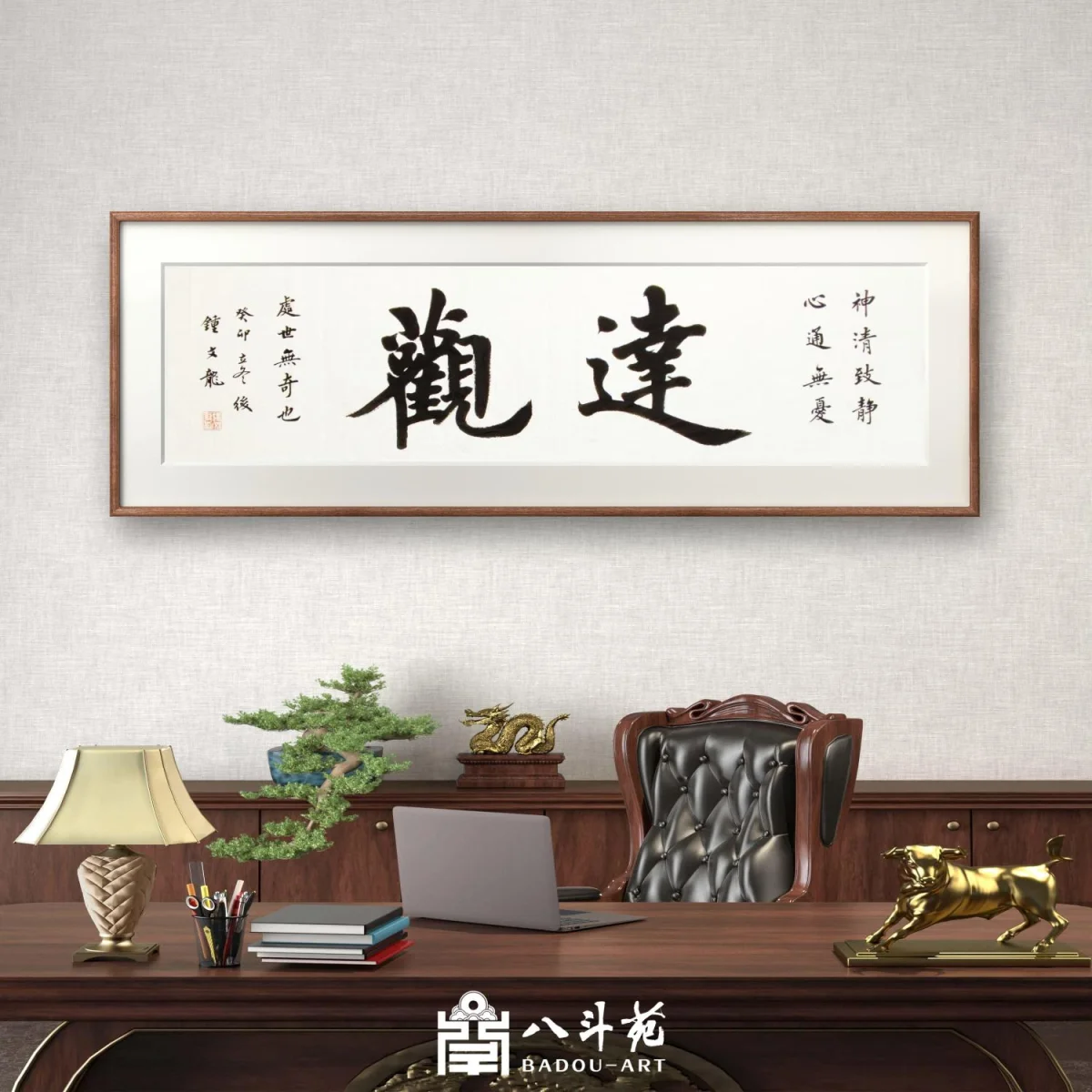
Zhong Wenlong Calligraphy | 达观

Zhong Wenlong Calligraphy | 壽
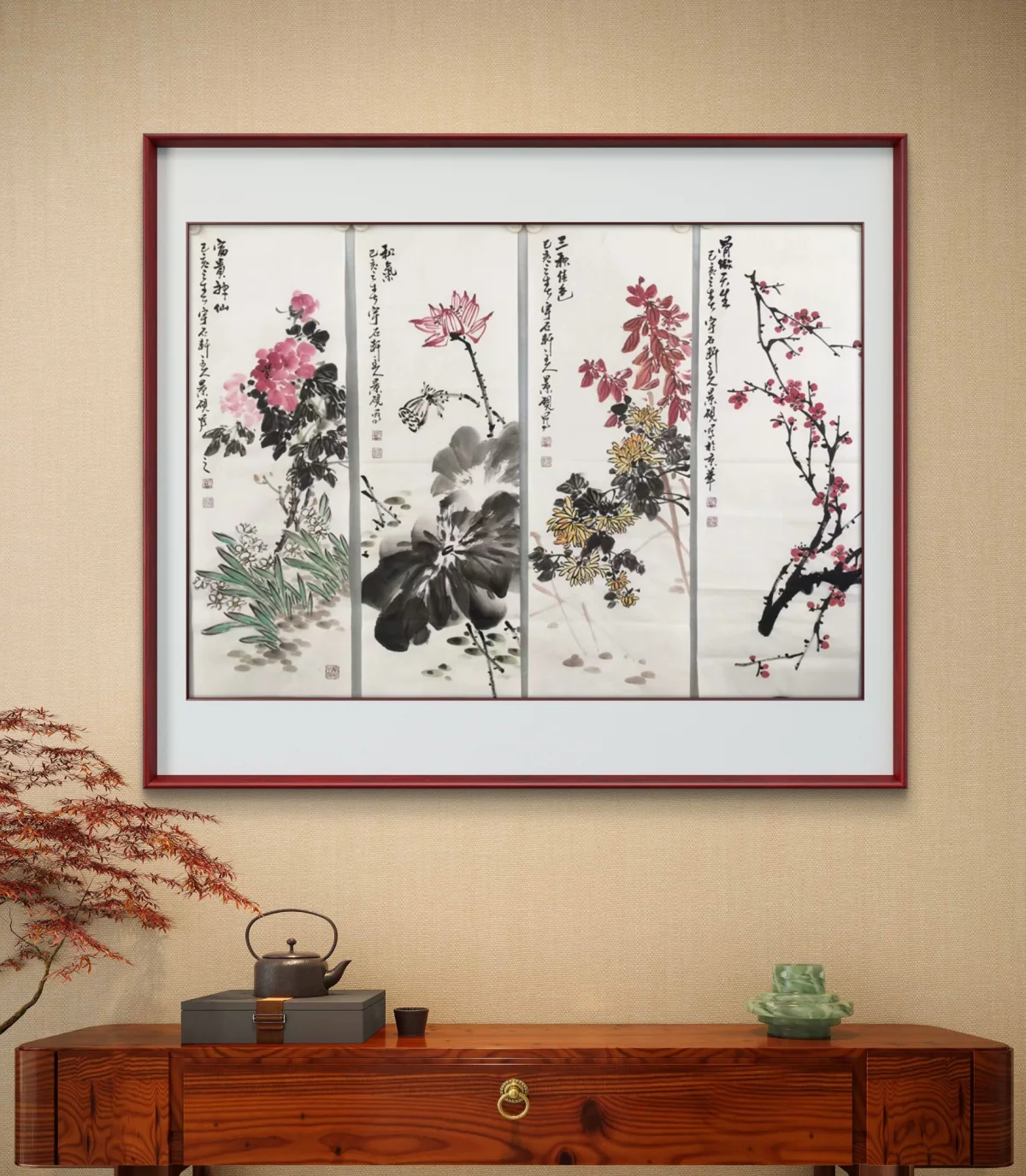
Wu Jingyan Chinese Freehand Painting・Four‑Panel Flower‑and‑Bird Screens(花鸟四条屏)

Liu Liyong Landscape Painting | Riverside Mountain Hamlet (山居江远)
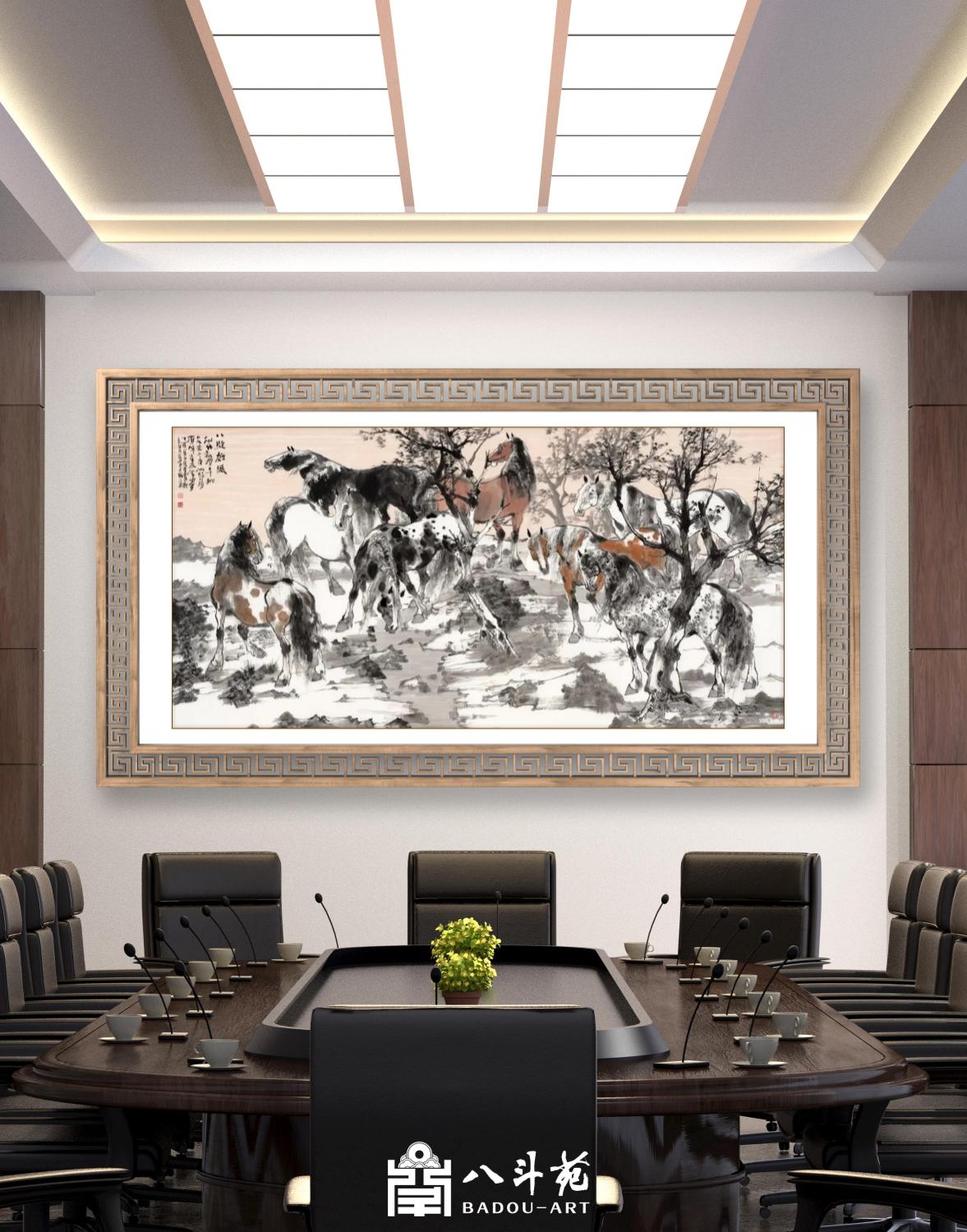
Liu Liyong Animal Painting | Eight Steeds (八骏图)
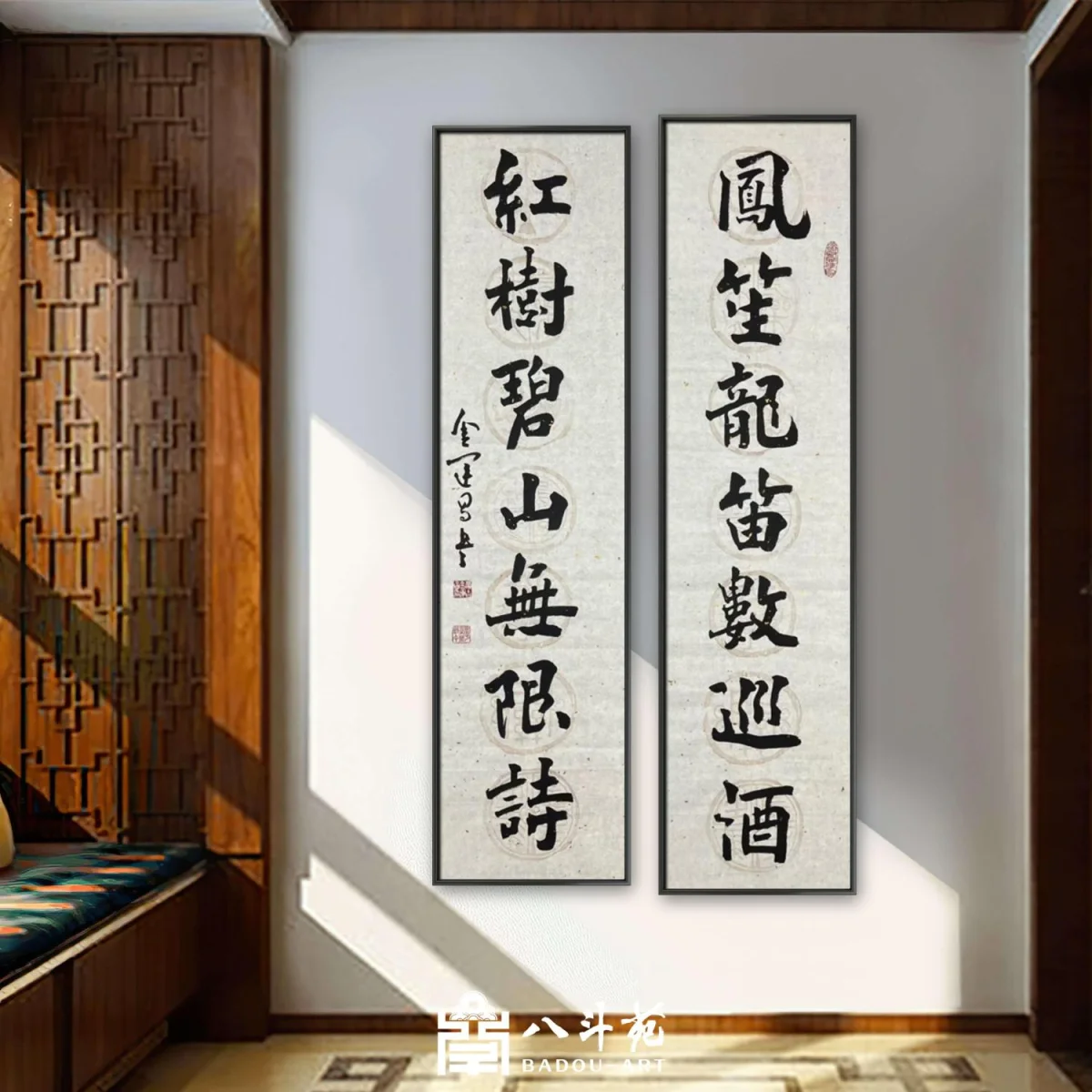
Jin Yunchang Calligraphy | 鳳笙龍笛數巡酒
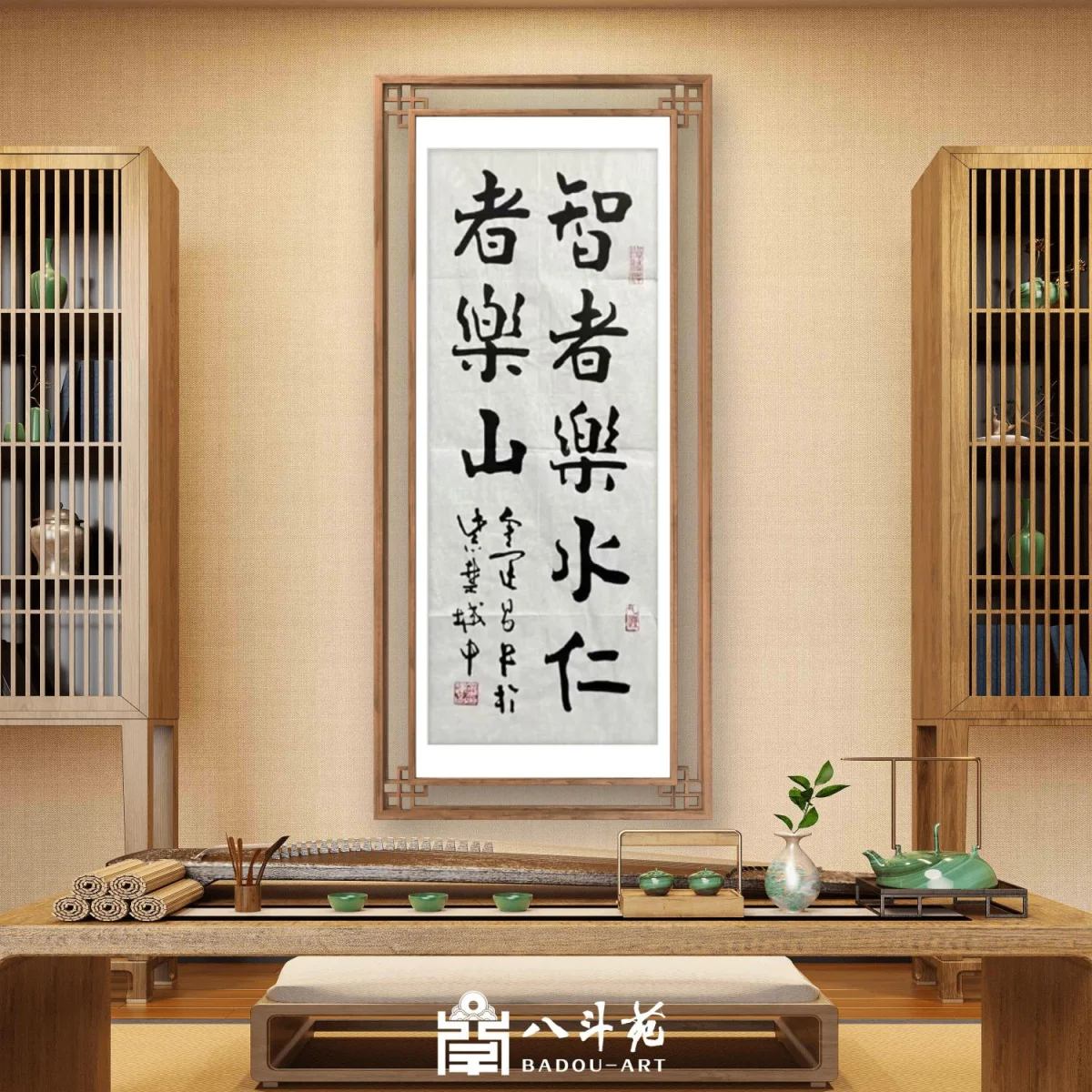
Jin Yunchang Calligraphy | 智者樂水仁者樂山
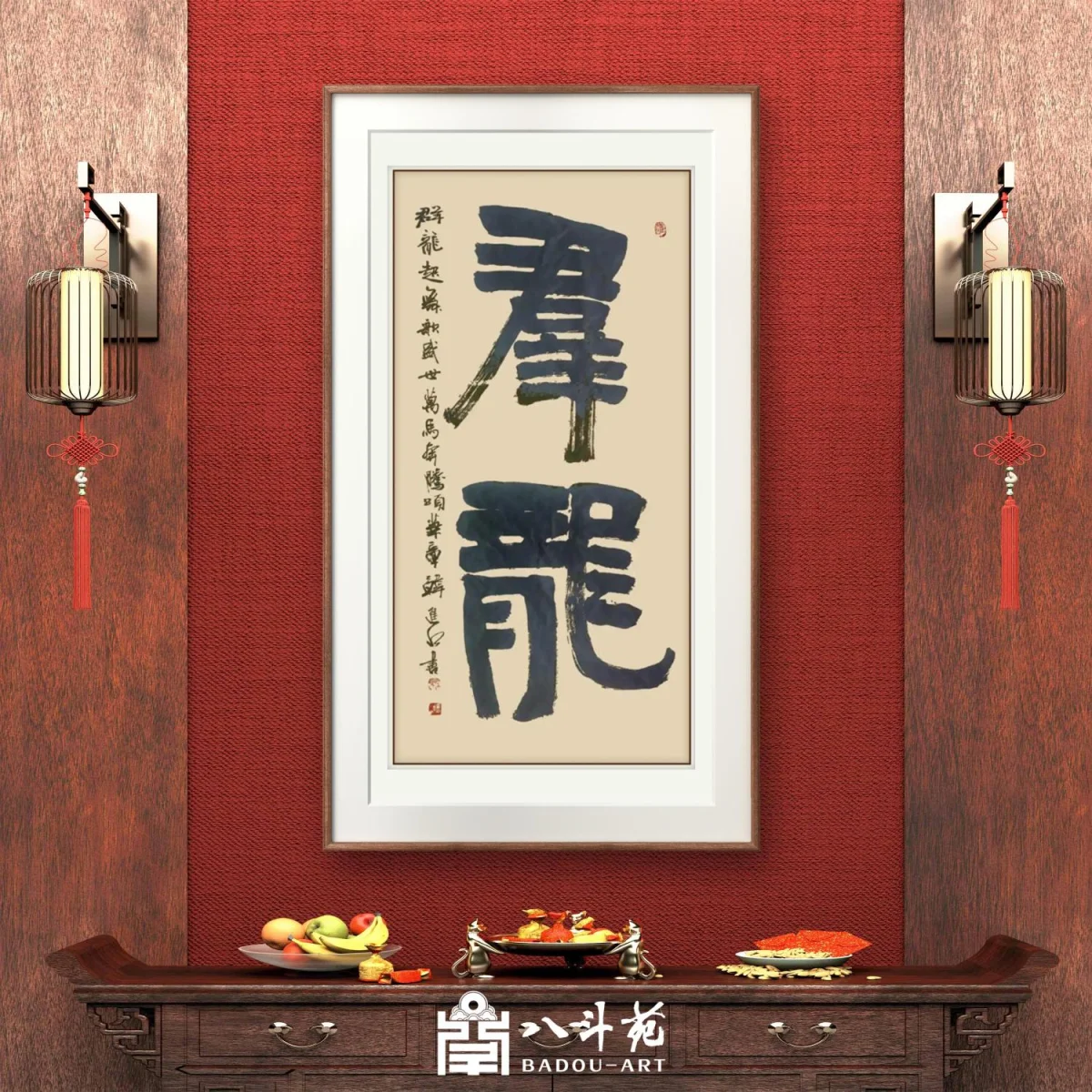
Han Jinshui Calligraphy | 羣龍 (A Group of Dragons)
Qin Kunlun Inscription in Qinghai: A Calligrapher’s View
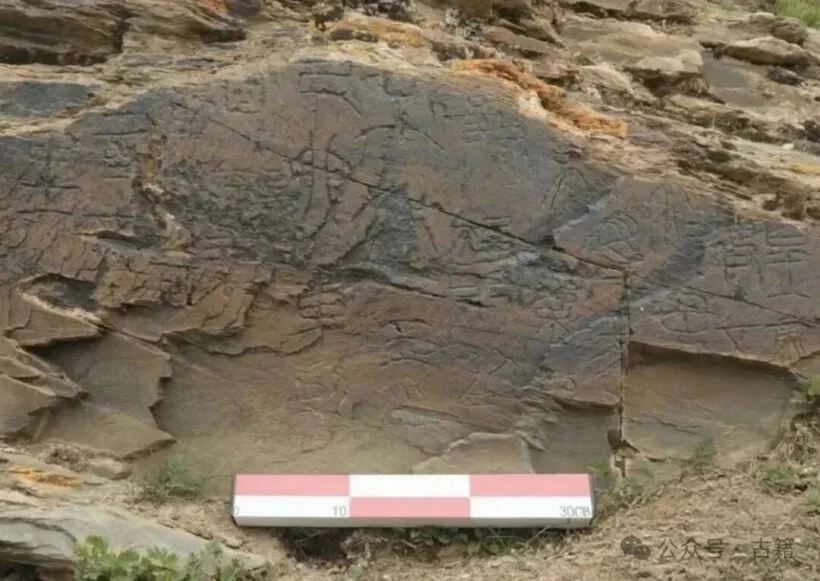
Qin Kunlun Inscription in Qinghai: A Calligrapher’s View
In June 2025, Guangming Daily reported a striking discovery: a 37-character cliff inscription in Qin-dynasty small seal script, found by archaeologists on the north shore of Zhaling Lake in Maduo County, Qinghai Province — the source region of the Yellow River. If genuine, it is the only inscribed stone from the reign of Qin Shi Huang, China’s first emperor, still standing at its original site, and the best-preserved of its kind. The find has sparked a lively debate among archaeologists, philologists, and historians.
What the Inscription Says
The text records that in the 26th year of the First Emperor’s reign, the ruler dispatched Yi, an official of the fifth rank, with a group of fangshi (alchemists) to Mount Kunlun to seek the elixir of immortality. They reached the lakeshore in the third month, on the ji-mao day of the old calendar, about 150 li (roughly 75 km) from their destination. The writing is classic Qin small seal script — the standardized script introduced after the Qin unification of China.
The Debate Over Authenticity
Scholars immediately split over the inscription’s age. Critics point to oddities in grammar, the unusual rendering of certain characters, and the sharp contrast between the carved grooves and the weathered rock surface, which they say does not match two thousand years of exposure. In response, the paleographer Liu Zhao published a careful analysis of the script’s dating, language, and the possibility of forgery — a study that Xi Jianlin, a calligraphy and seal-carving enthusiast who has lived in Qinghai for more than 30 years, finds both rigorous and persuasive.
Why Forgery Seems Unlikely
The location itself argues against a fake. The site sits at over 4,300 meters above sea level in a barren, oxygen-thin landscape of wetlands and wild animals. Local herders would have no reason — or ability — to carve Qin script, and no forger with the skill this text demands would risk his life in so desolate a place to show off or make mischief. Only a coordinated team could have produced such an inscription: hardly the profile of a hoax.
The Weathering Question
To the objection that the cut marks look too fresh, Xi offers a telling comparison: ancient petroglyphs in nearby Yushu Prefecture, carved thousands of years ago at similar altitudes and climates, show the same clear contrast between carved grooves and rock surface. Their weathering pattern is comparable — evidence, he suggests, that the inscription could indeed be two millennia old.
A Calligrapher’s Reading
From the perspective of the brush, Xi finds the composition complete, the spacing balanced, and the character structures consistent with Qin small seal script, with a strong sense of handwriting throughout — reminiscent of the Qin edict plaques. Such work, he believes, must come from someone thoroughly versed in Qin script. He even offers a modest suggestion: the undeciphered character between “qian” and “ke” in the third-to-last column may be “xing,” based on his memory of a distinctive Qin seal bearing the name “Wang Xing.”
Looking Ahead
Xi hopes the relevant authorities will organize a proper field examination and issue an official conclusion soon. Whatever the verdict, the discovery has already given the art world a wonderful excuse to revisit the earliest chapter of Chinese writing.
If ancient scripts inspire you, Badou Art’s calligraphers and seal carvers are happy to create commissioned works in classical styles.