Our Featured Collection
Hand‑picked premium works for you
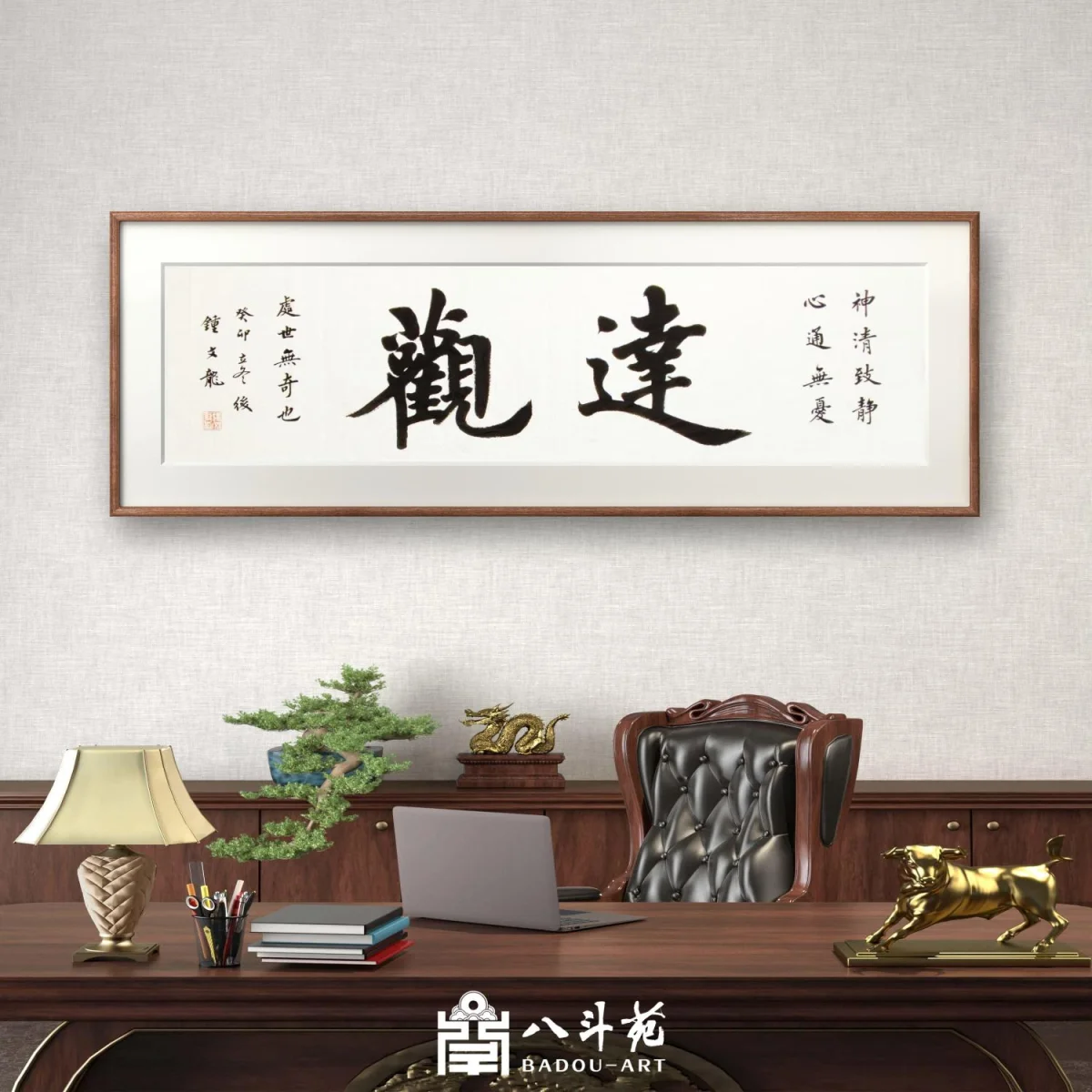
Zhong Wenlong Calligraphy | 达观
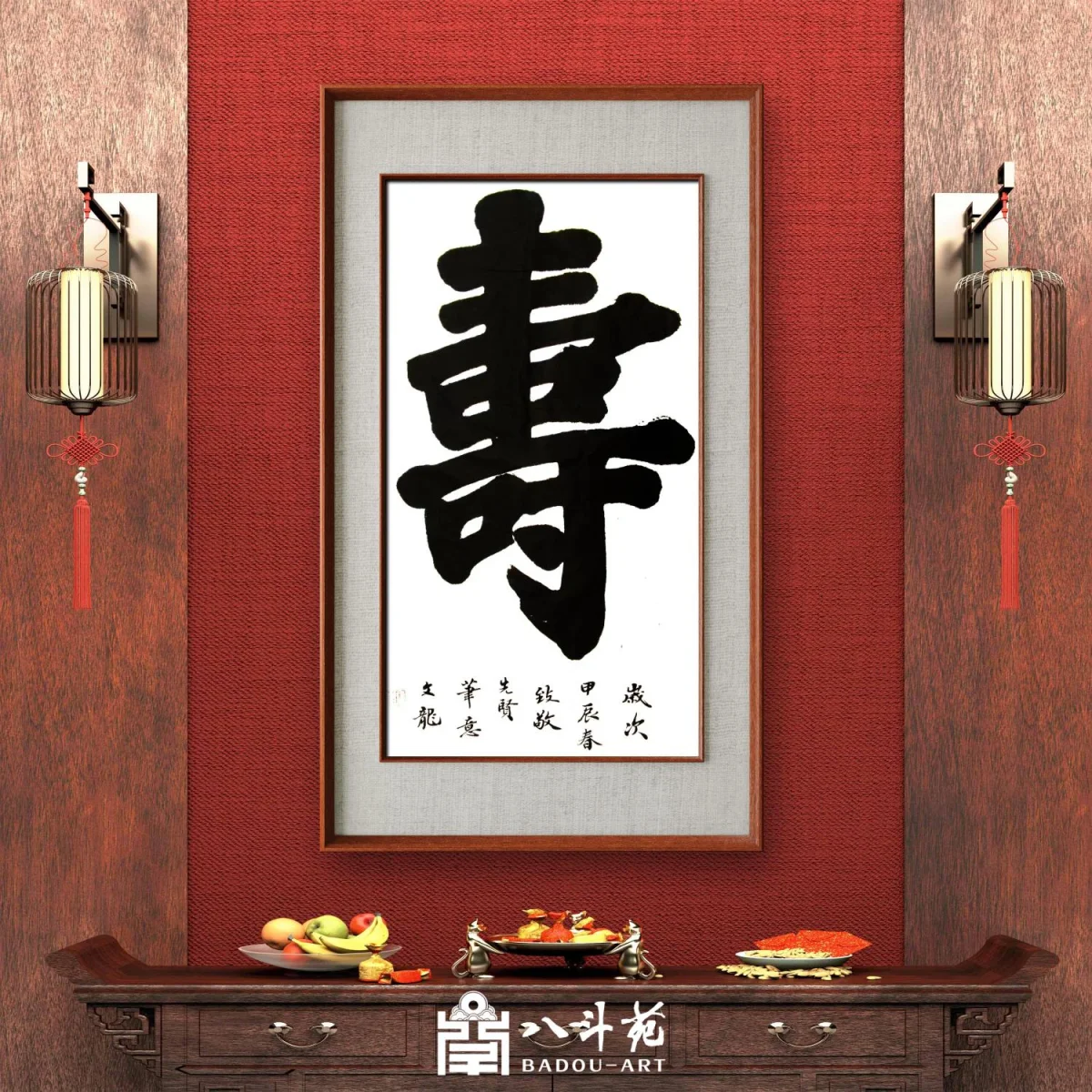
Zhong Wenlong Calligraphy | 壽
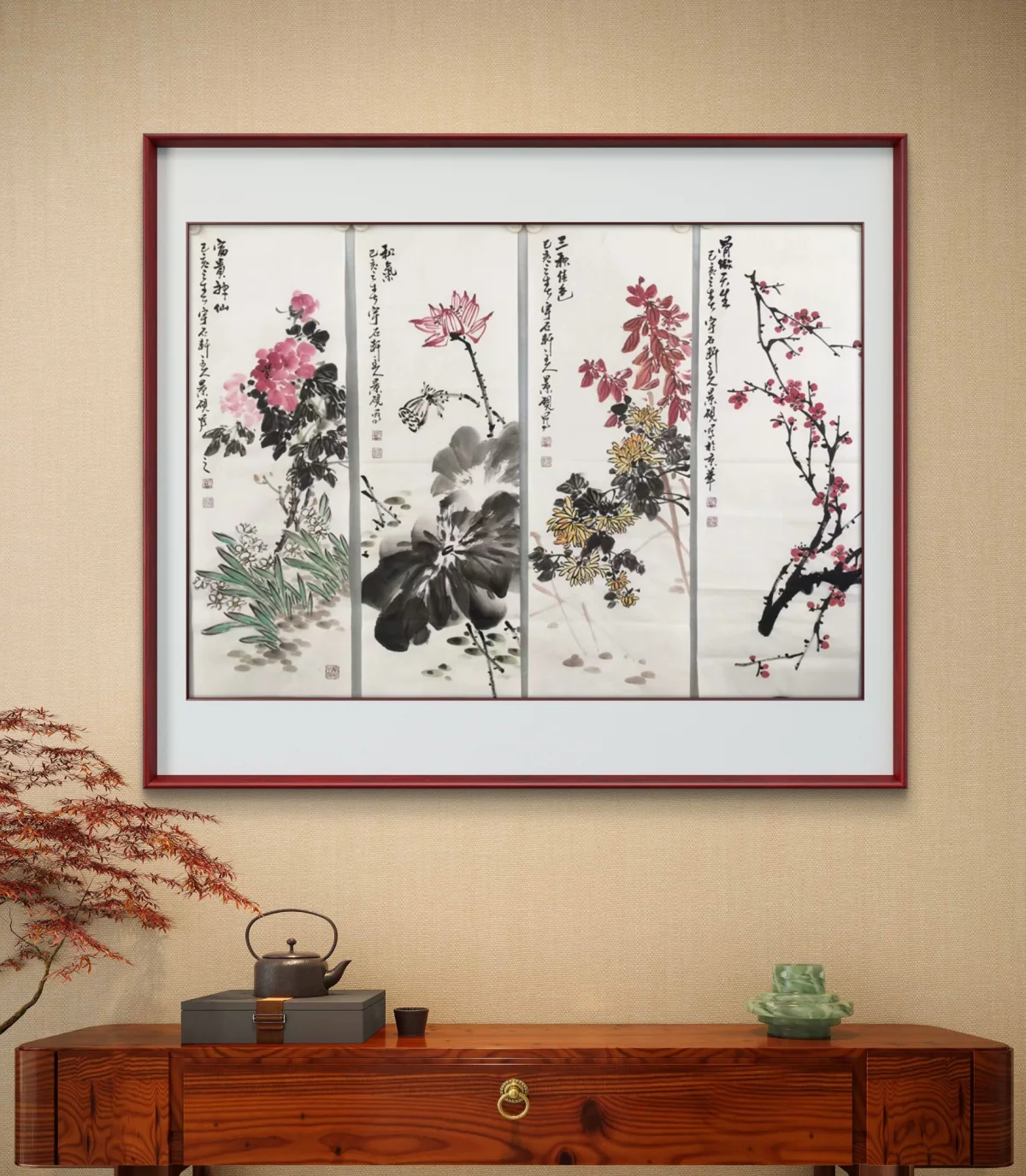
Wu Jingyan Chinese Freehand Painting・Four‑Panel Flower‑and‑Bird Screens(花鸟四条屏)
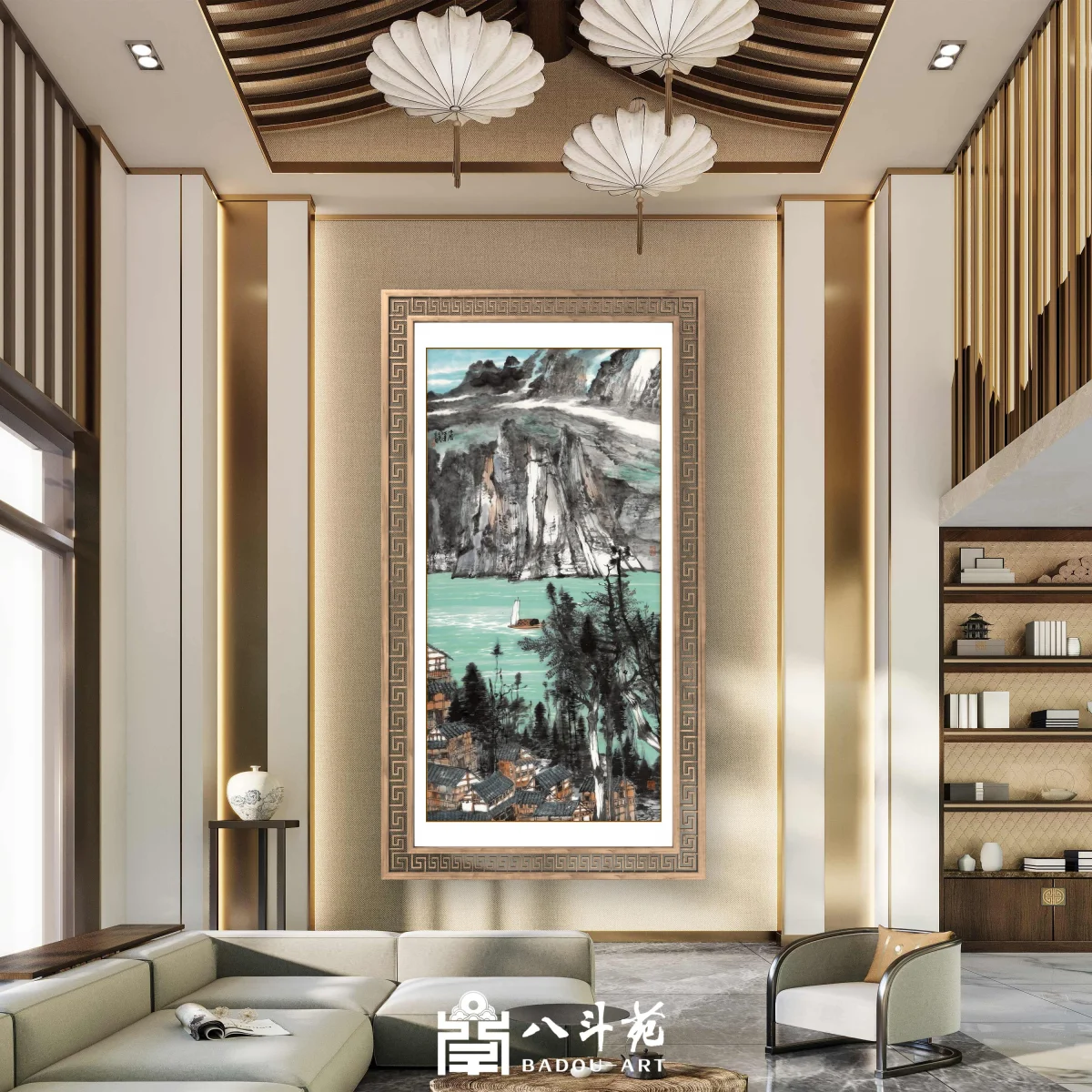
Liu Liyong Landscape Painting | Riverside Mountain Hamlet (山居江远)
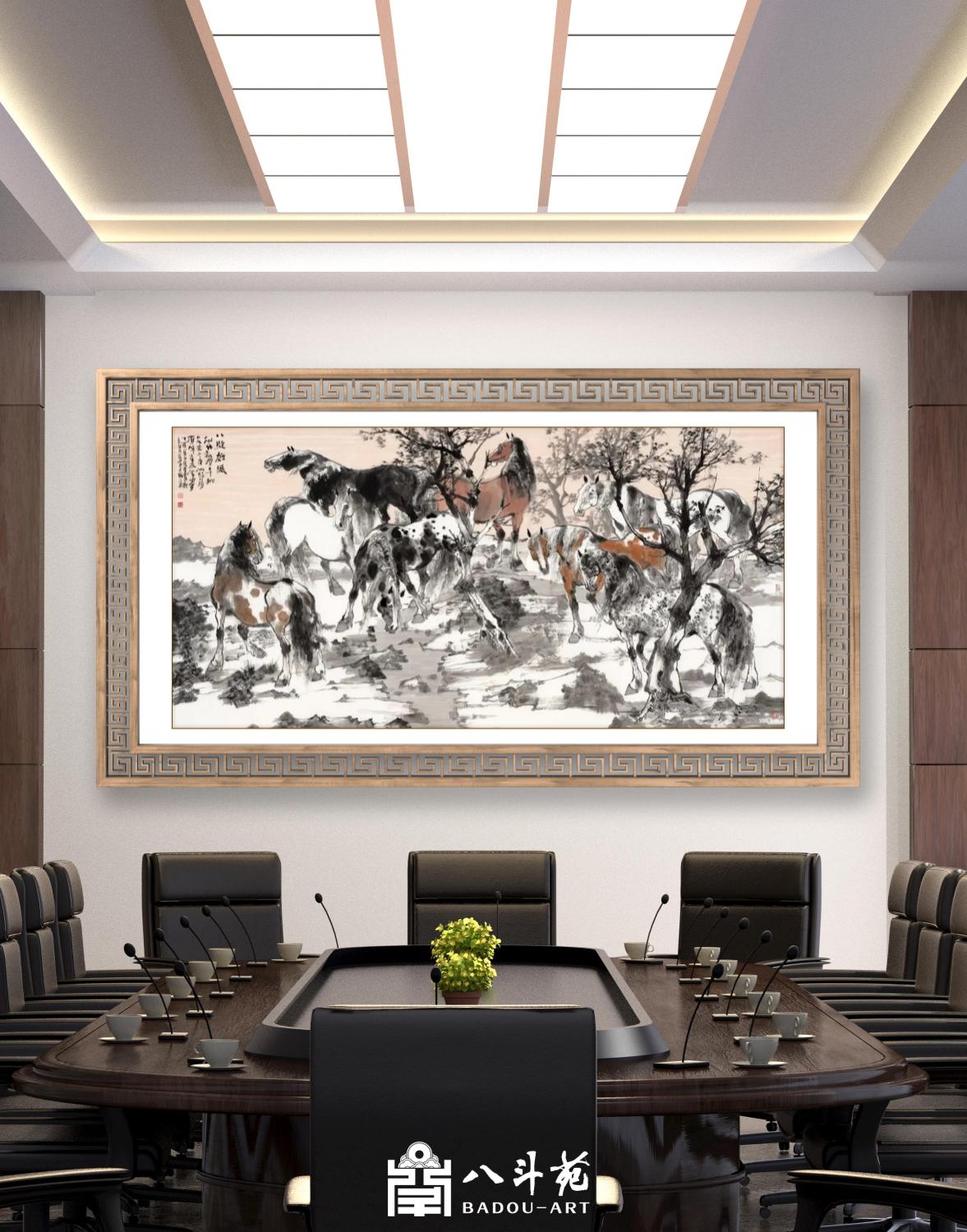
Liu Liyong Animal Painting | Eight Steeds (八骏图)
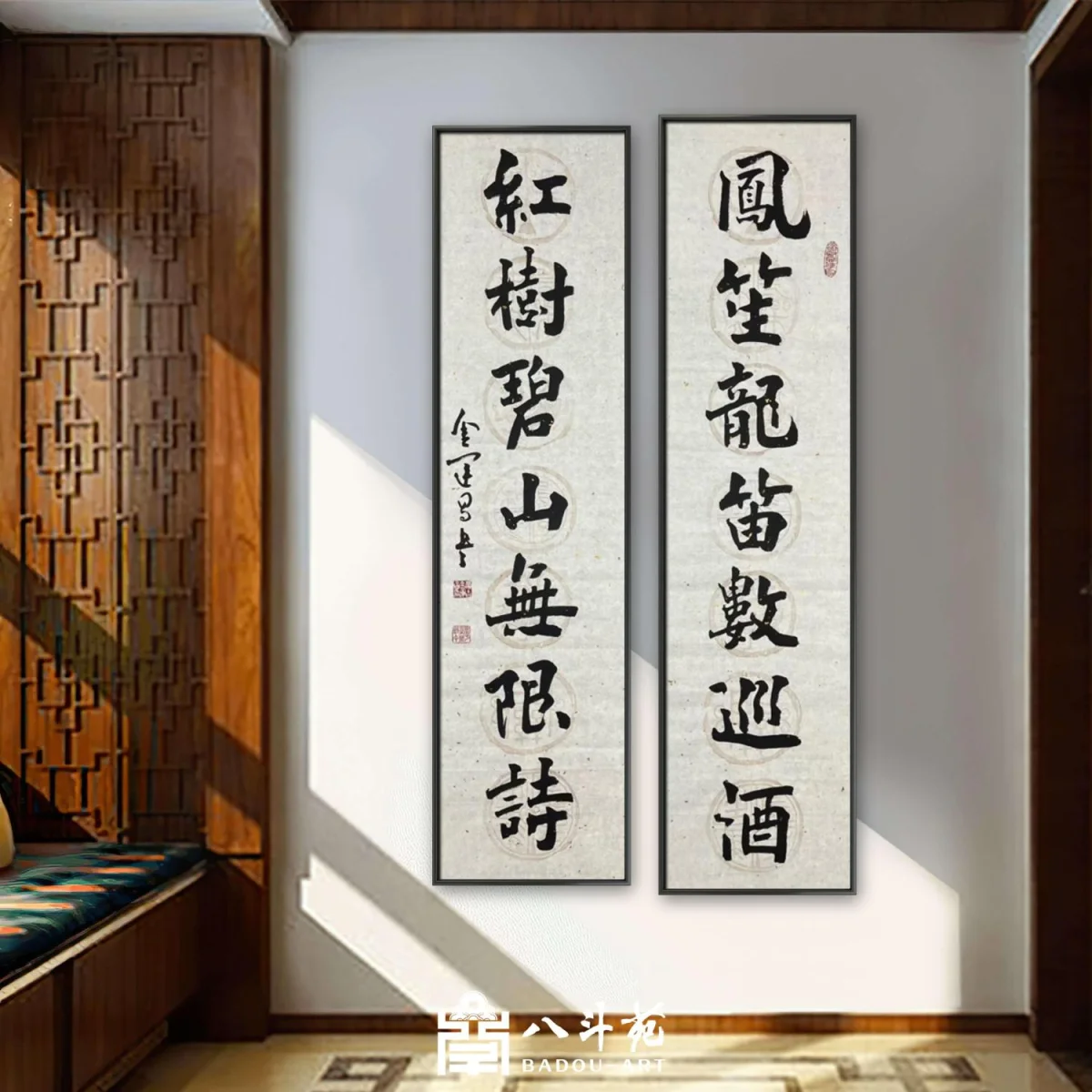
Jin Yunchang Calligraphy | 鳳笙龍笛數巡酒
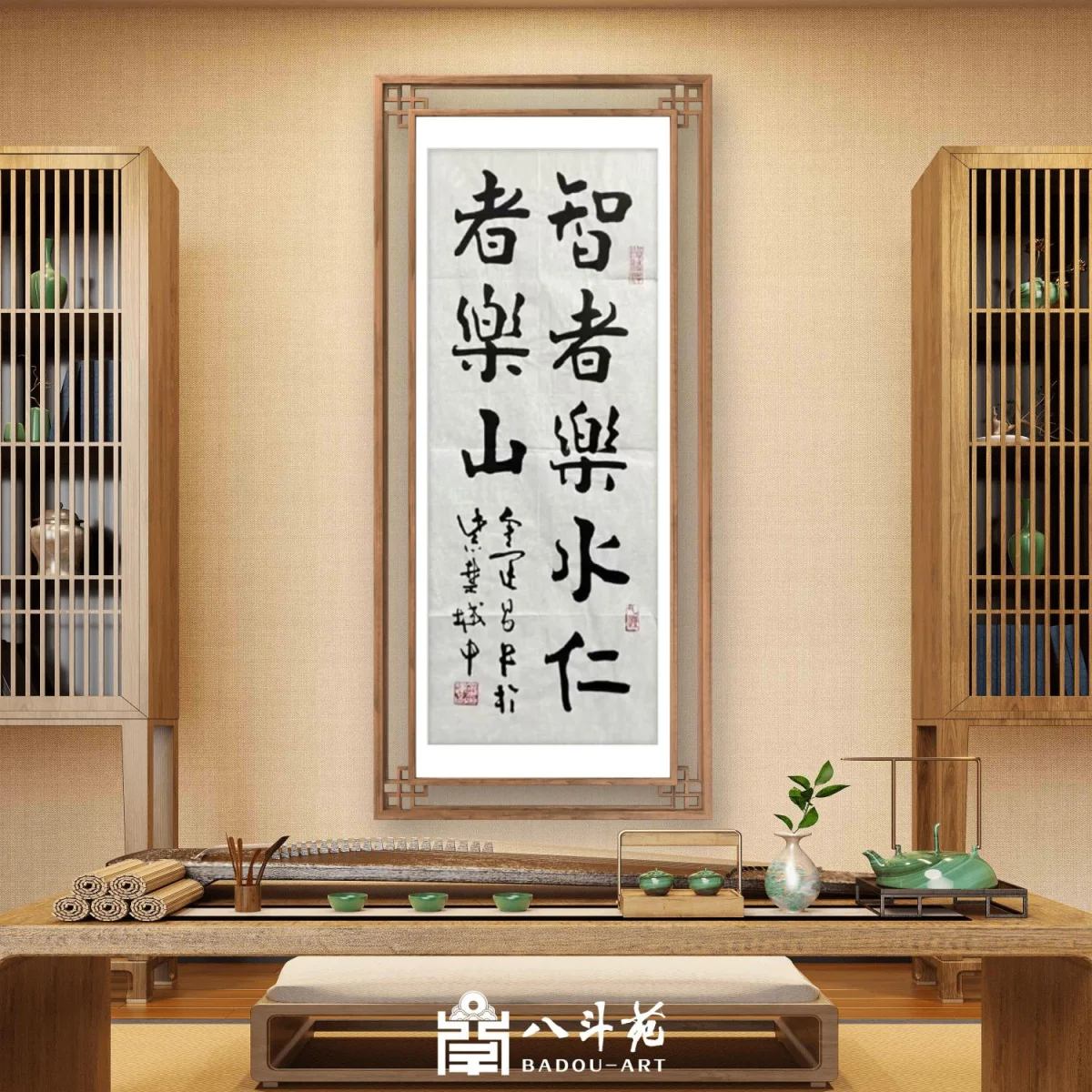
Jin Yunchang Calligraphy | 智者樂水仁者樂山
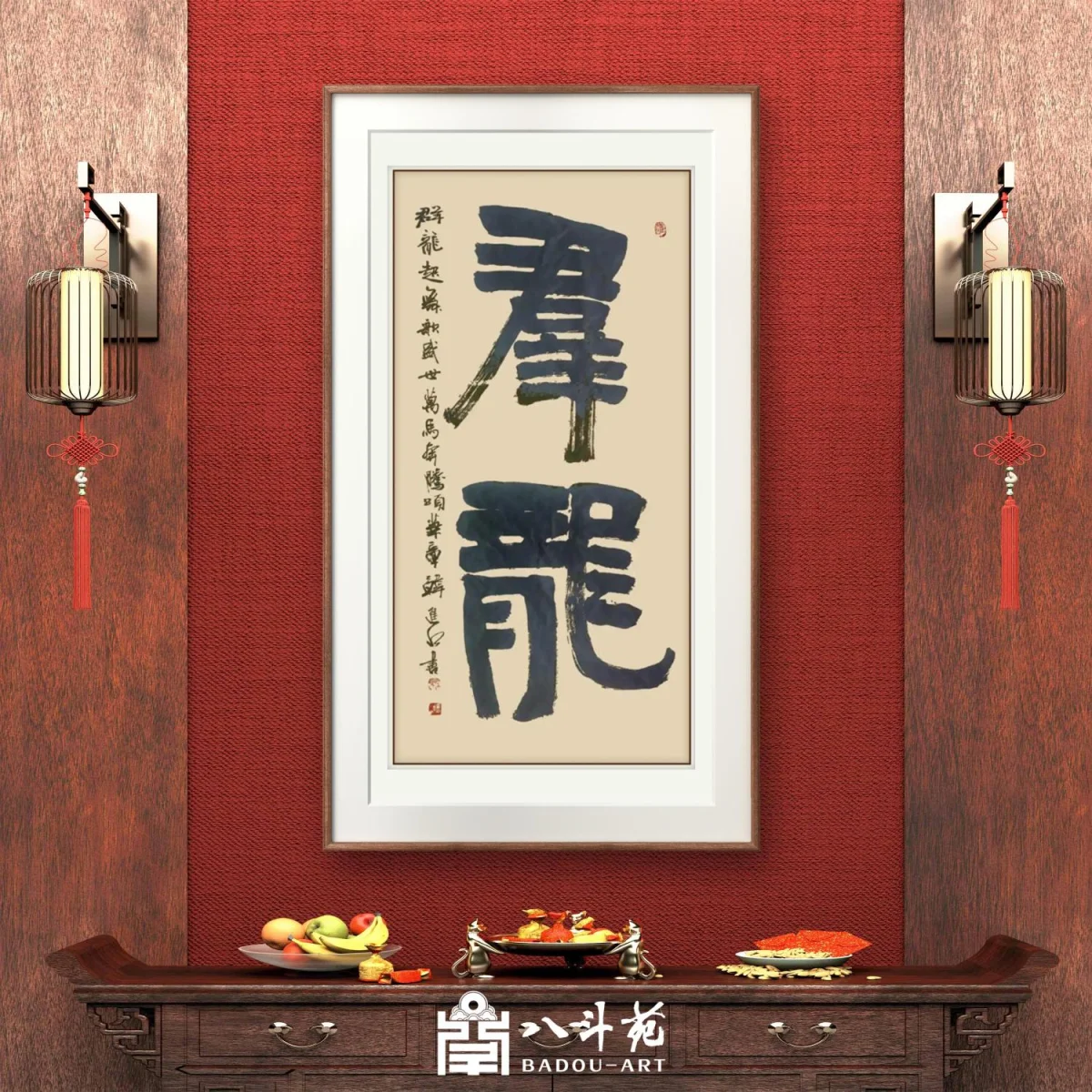
Han Jinshui Calligraphy | 羣龍 (A Group of Dragons)
China’s 20 Cultural Quintessences Worth Knowing
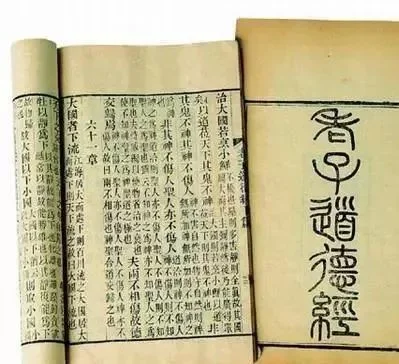
China’s 20 Cultural Quintessences Worth Knowing
The Chinese phrase guocui (“quintessences of the nation”) describes the cultural treasures that define Chinese civilization. Here is a compact tour of China’s 20 most celebrated quintessences — from the I Ching to Li brocade — with key facts for collectors and culture lovers.
The Twenty Quintessences at a Glance
| # | Quintessence | Key Facts |
|---|---|---|
| 1 | I Ching (Yijing) | Oldest classic, “source of the great way”; linked to the legendary rulers Fuxi, Shennong, and the Yellow Emperor |
| 2 | Tao Te Ching | Laozi’s 81-chapter classic, China’s first complete philosophy |
| 3 | Traditional Chinese medicine | Rooted in the Huangdi Neijing; herbal medicine dates back some 7,000 years |
| 4 | Hanfu | Traditional Han Chinese dress, from the Yellow Emperor era to the Han dynasty |
| 5 | Silk | Invented in China; credited to Leizu, honored as the “Silk Mother” |
| 6 | Tea | China’s national drink; discovered, per legend, by Shennong |
| 7 | Porcelain | The craft that gave “China” its name |
| 8 | Chinese painting | Ink and brush on paper or silk; gongbi and xieyi styles |
| 9 | Calligraphy | Five scripts; Wang Xizhi’s Lanting Xu, “the best running script under heaven” |
| 10 | Guqin | Four-thousand-year-old seven-stringed zither, first of the “four arts” |
| 11 | Go (weiqi) | Invented by the legendary Emperor Yao; reached Japan in the 7th century |
| 12 | Four treasures of the study | Hubi brushes, Huimo ink, Xuan paper, Duan inkstone |
| 13 | Taoism | China’s native religion, founded by Zhang Daoling; honors Laozi |
| 14 | Architecture and gardens | Classical gardens, buildings, and Hakka houses |
| 15 | Martial arts, tai chi, qigong | China’s fighting and health disciplines |
| 16 | Kunqu opera | “Mother of Chinese opera”; the most complete performance system in Chinese theater |
| 17 | Chinese cuisine | Eight great regional cuisines; festival foods such as dumplings and mooncakes |
| 18 | Acupuncture | Needling and moxibustion, a pillar of Chinese medicine |
| 19 | Couplets, lantern riddles, qu shui liu shang | Literary games; “floating cups on winding water” inspired Lanting Xu |
| 20 | Knots, paper cutting, embroidery, Li brocade | Folk crafts; Hainan’s Li brocade is 3,000 years old, a “living fossil” |
Treasures Behind the Brush
For art lovers, items 8, 9, and 12 are especially relevant. Chinese painting and calligraphy share the same tools — brush, ink, rice paper, and inkstone — and the same aesthetic of “brush and ink” (bi mo). Xuan paper from Jingxian, Anhui, is famed as “paper that lives a thousand years,” while Duan inkstones from Zhaoqing, Guangdong, were treasured by emperors and scholars alike. Calligraphy reached full maturity in the Tang dynasty, and its five script families still define the art today.
Quintessences Still Alive Today
Many of these traditions remain vibrant. Kunqu is still performed, and its influence on other opera forms earned it the title “mother of Chinese opera.” Paper cutting adorns windows during the Spring Festival, Go is played in tournaments around the world, and the guqin’s great melodies are still recorded and taught.
Preserving the Legacy
Each quintessence carries centuries of history, skill, and symbolism. Understanding them enriches any encounter with Chinese art — whether you are admiring a scroll, choosing a gift, or commissioning a calligraphy plaque. If you would like a commissioned work inspired by this heritage, Badou Art’s specialists are happy to guide you.