Our Featured Collection
Hand‑picked premium works for you
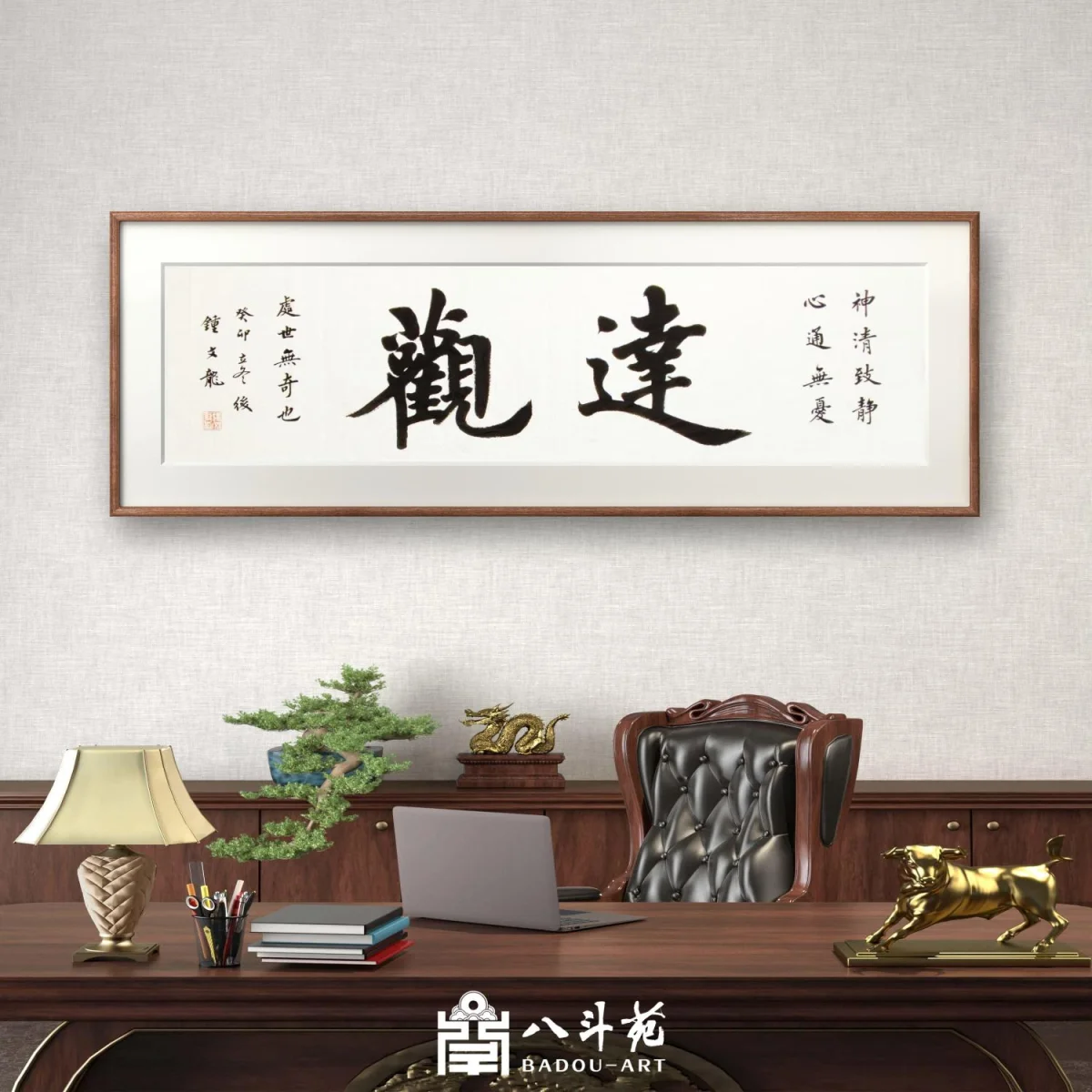
Zhong Wenlong Calligraphy | 达观
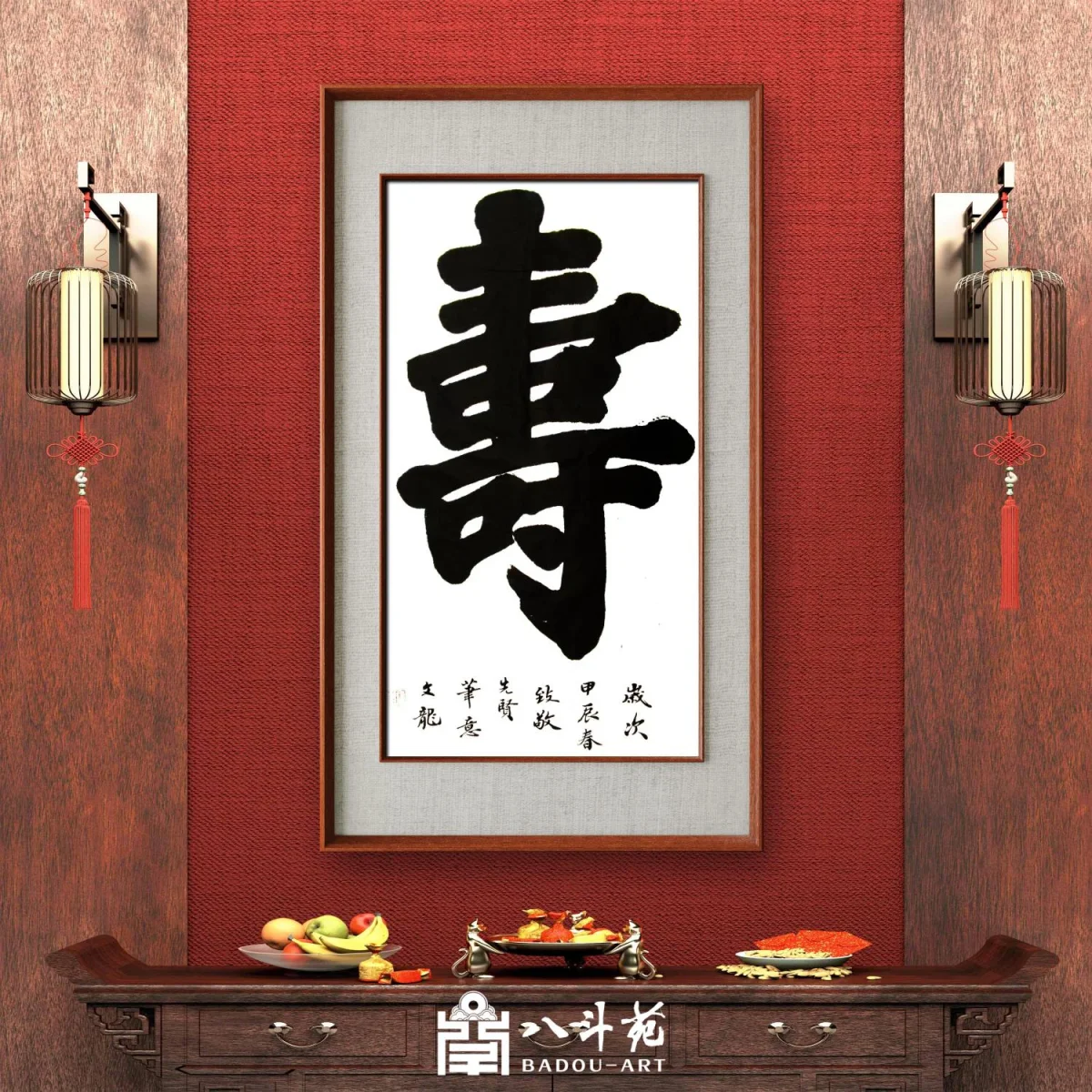
Zhong Wenlong Calligraphy | 壽
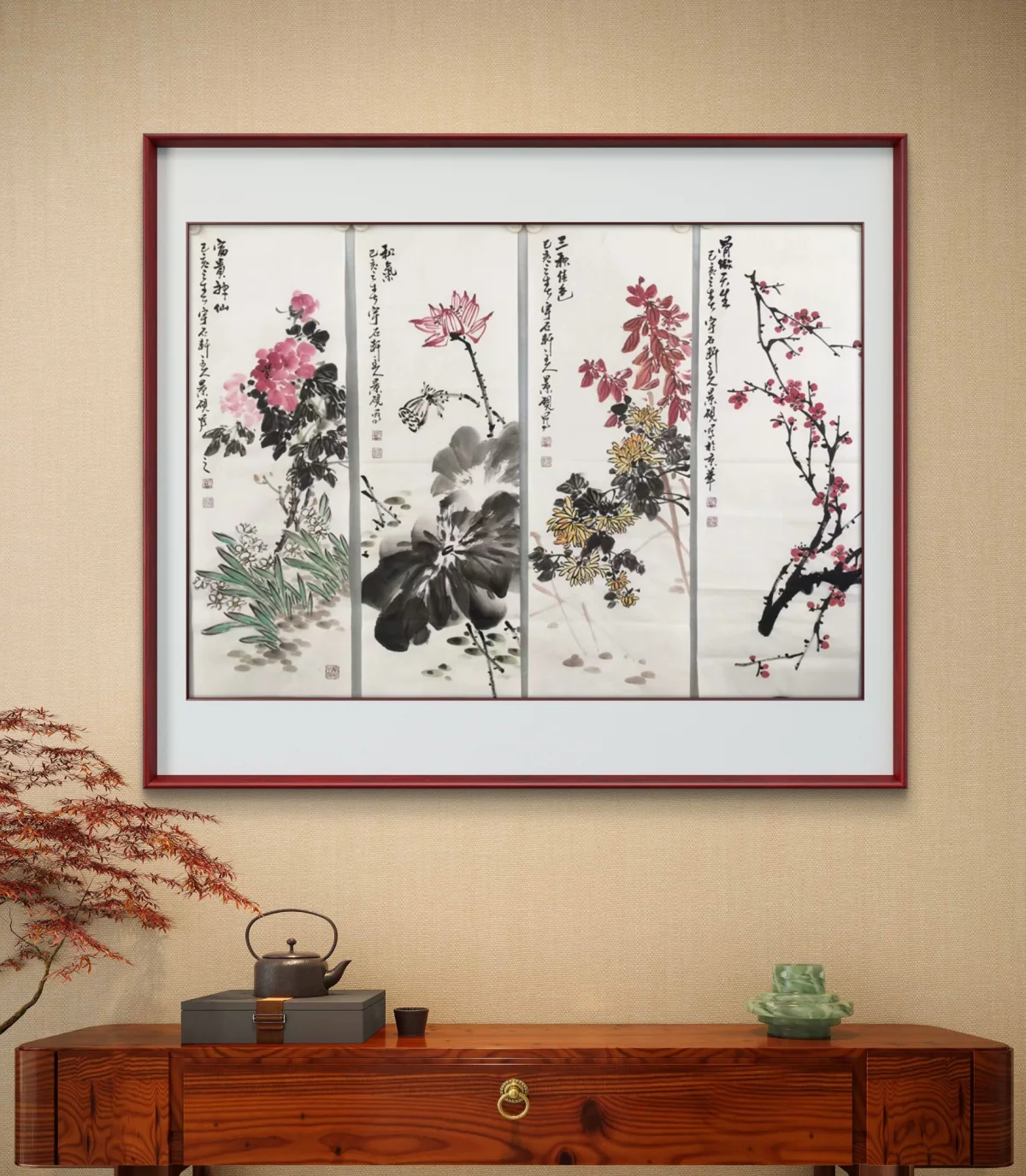
Wu Jingyan Chinese Freehand Painting・Four‑Panel Flower‑and‑Bird Screens(花鸟四条屏)
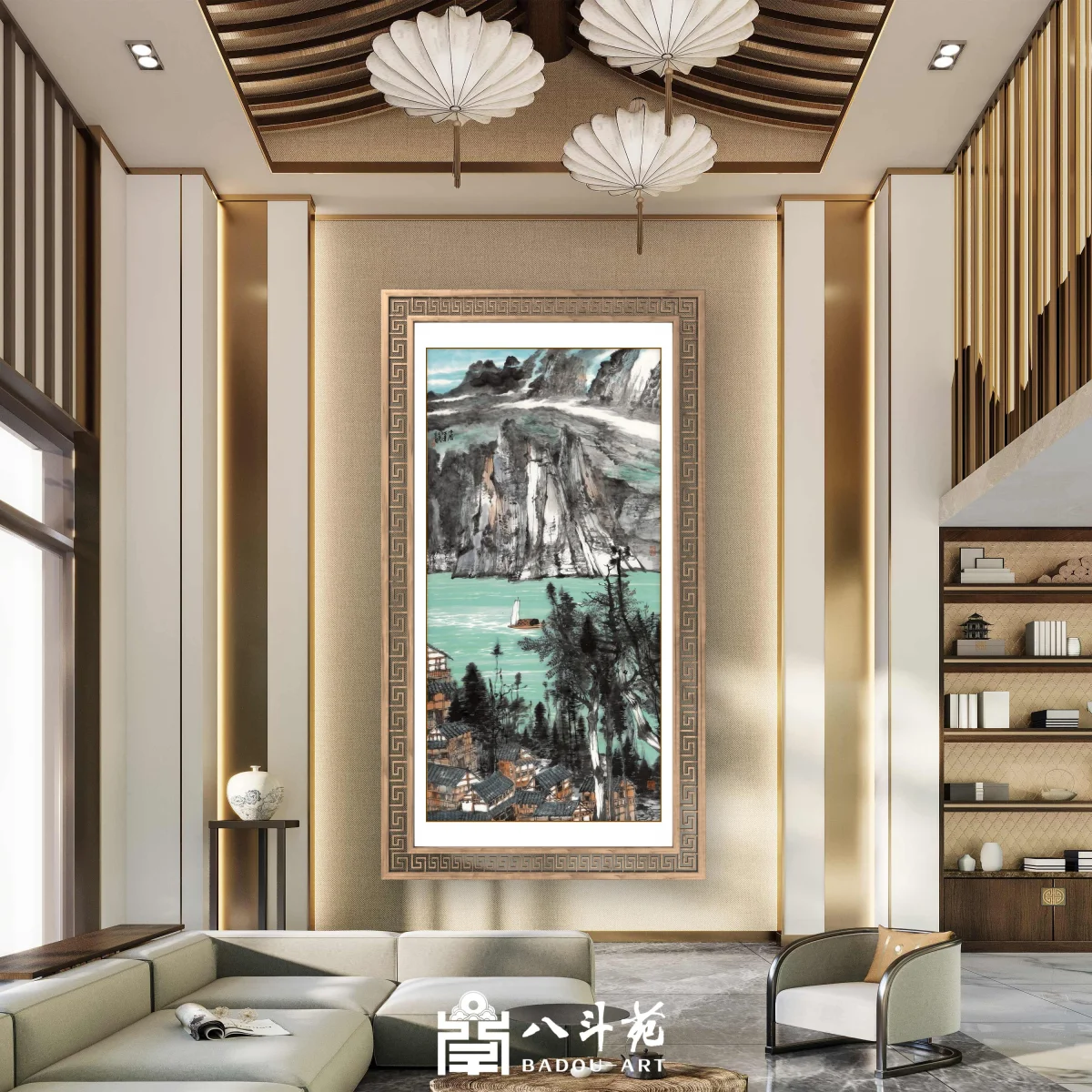
Liu Liyong Landscape Painting | Riverside Mountain Hamlet (山居江远)
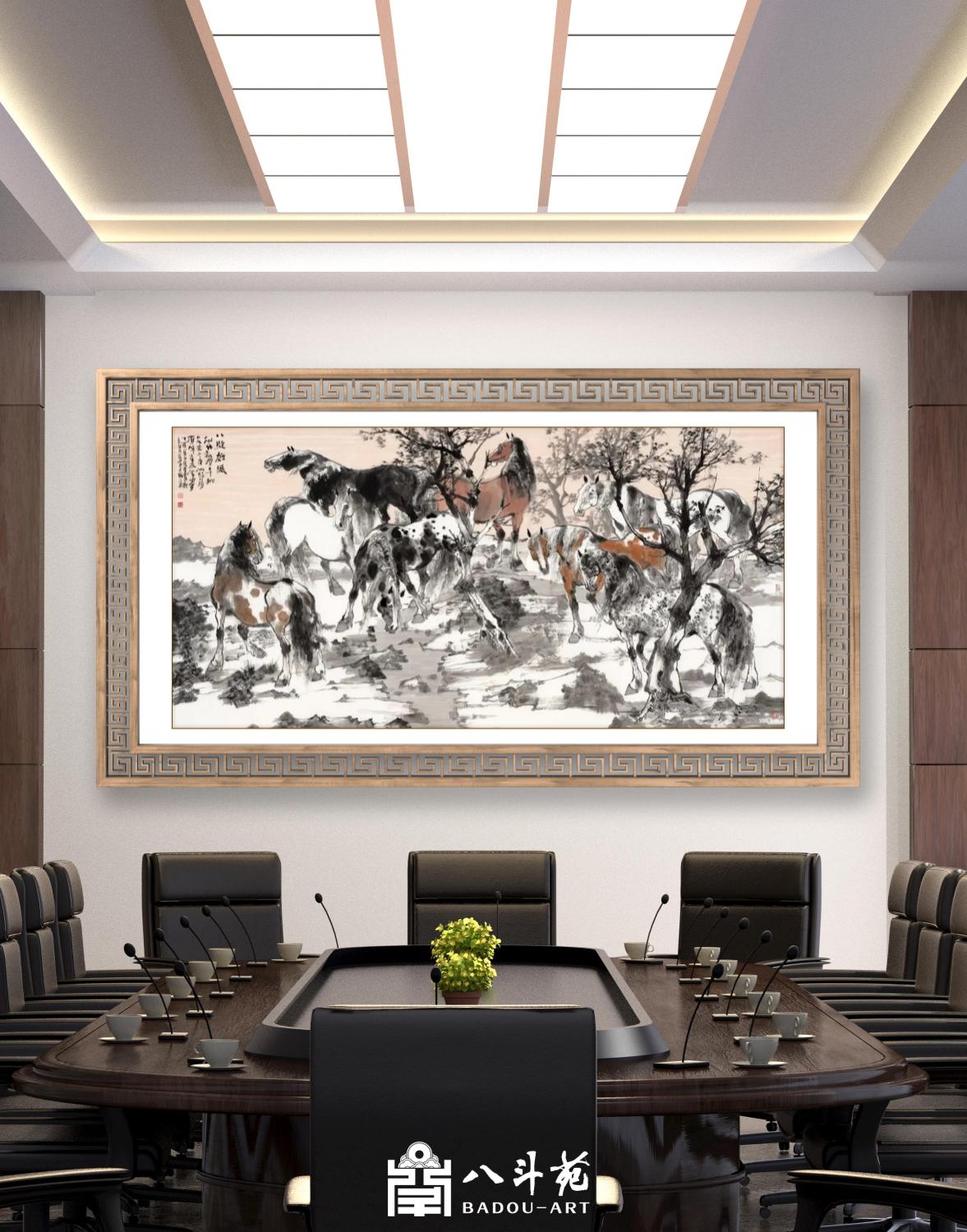
Liu Liyong Animal Painting | Eight Steeds (八骏图)
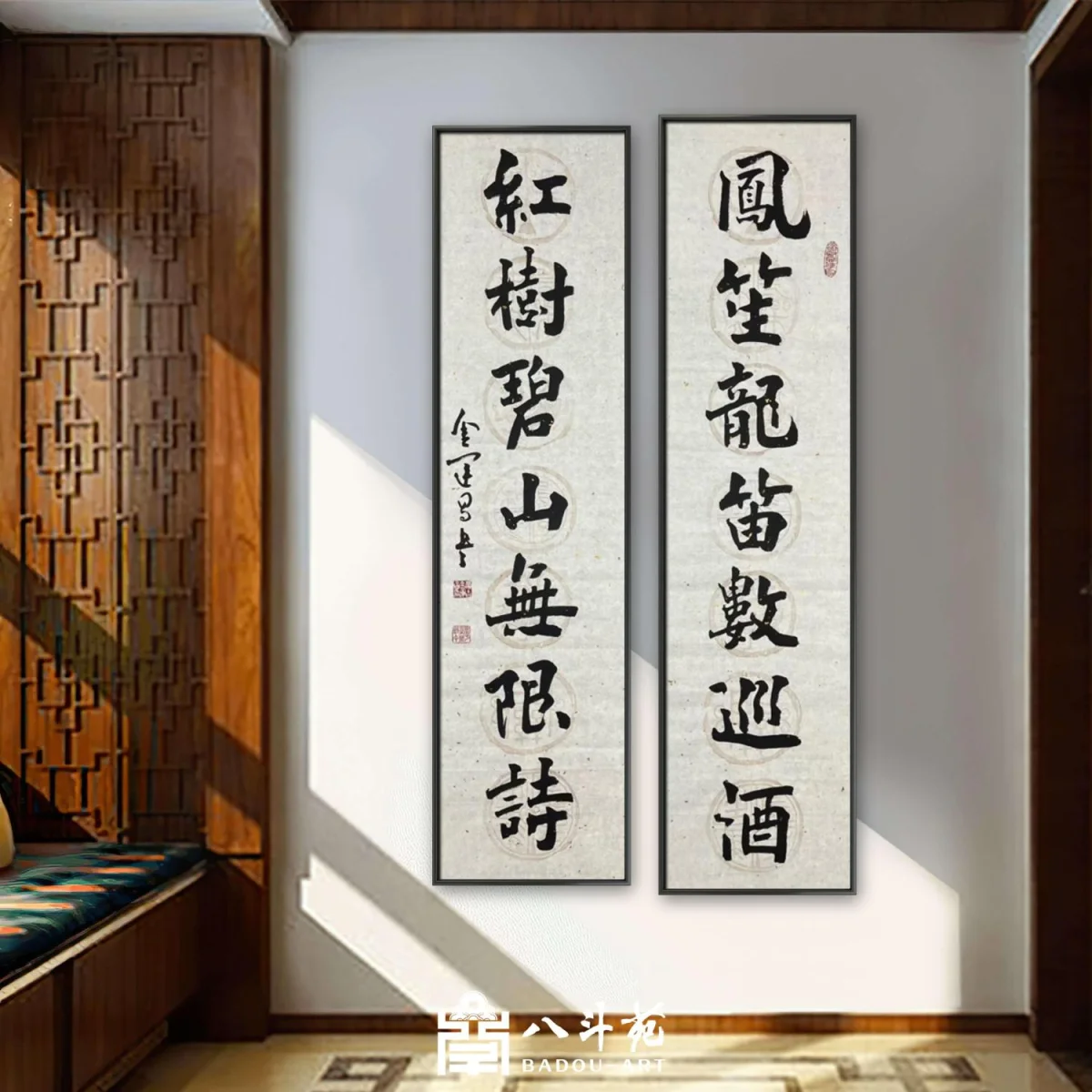
Jin Yunchang Calligraphy | 鳳笙龍笛數巡酒
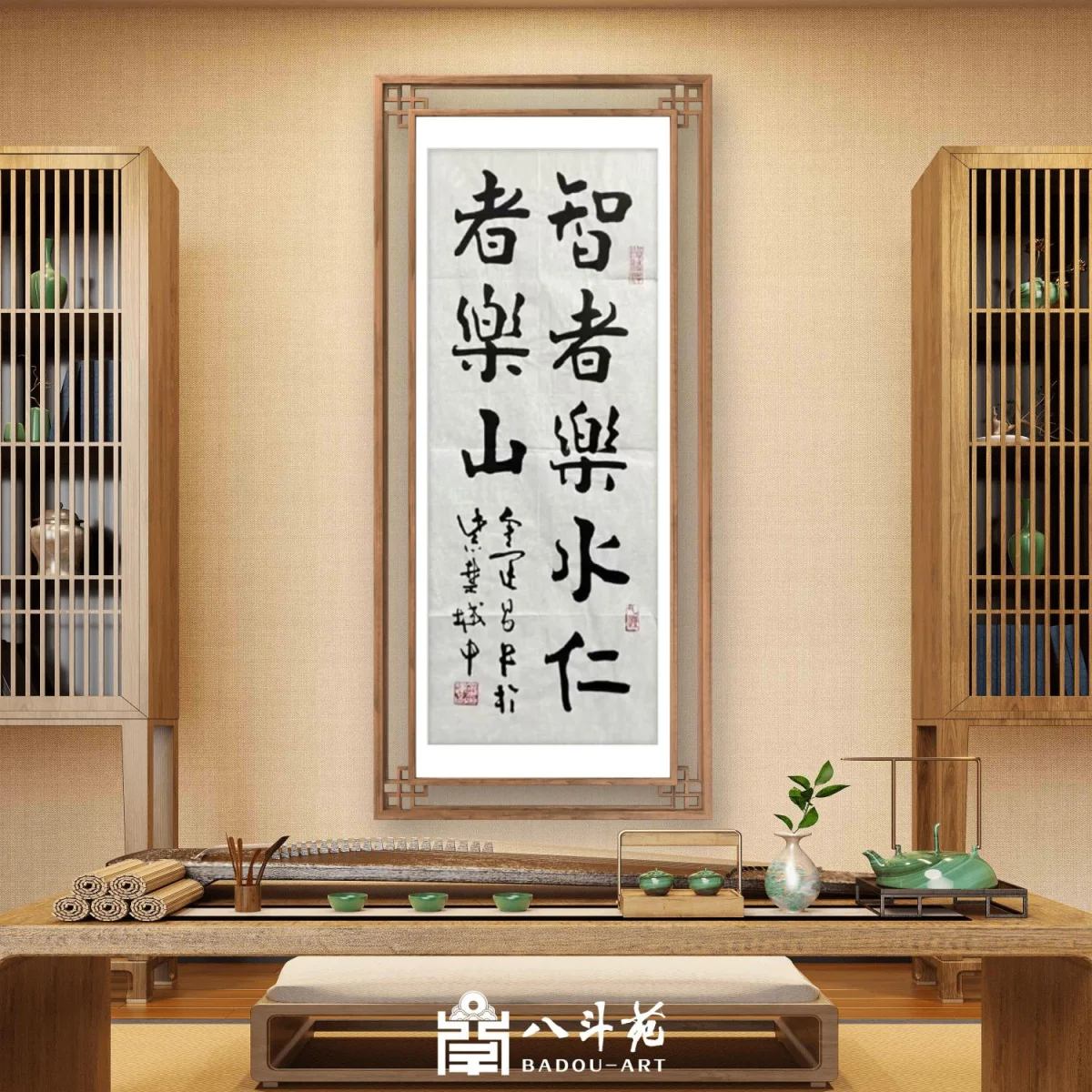
Jin Yunchang Calligraphy | 智者樂水仁者樂山
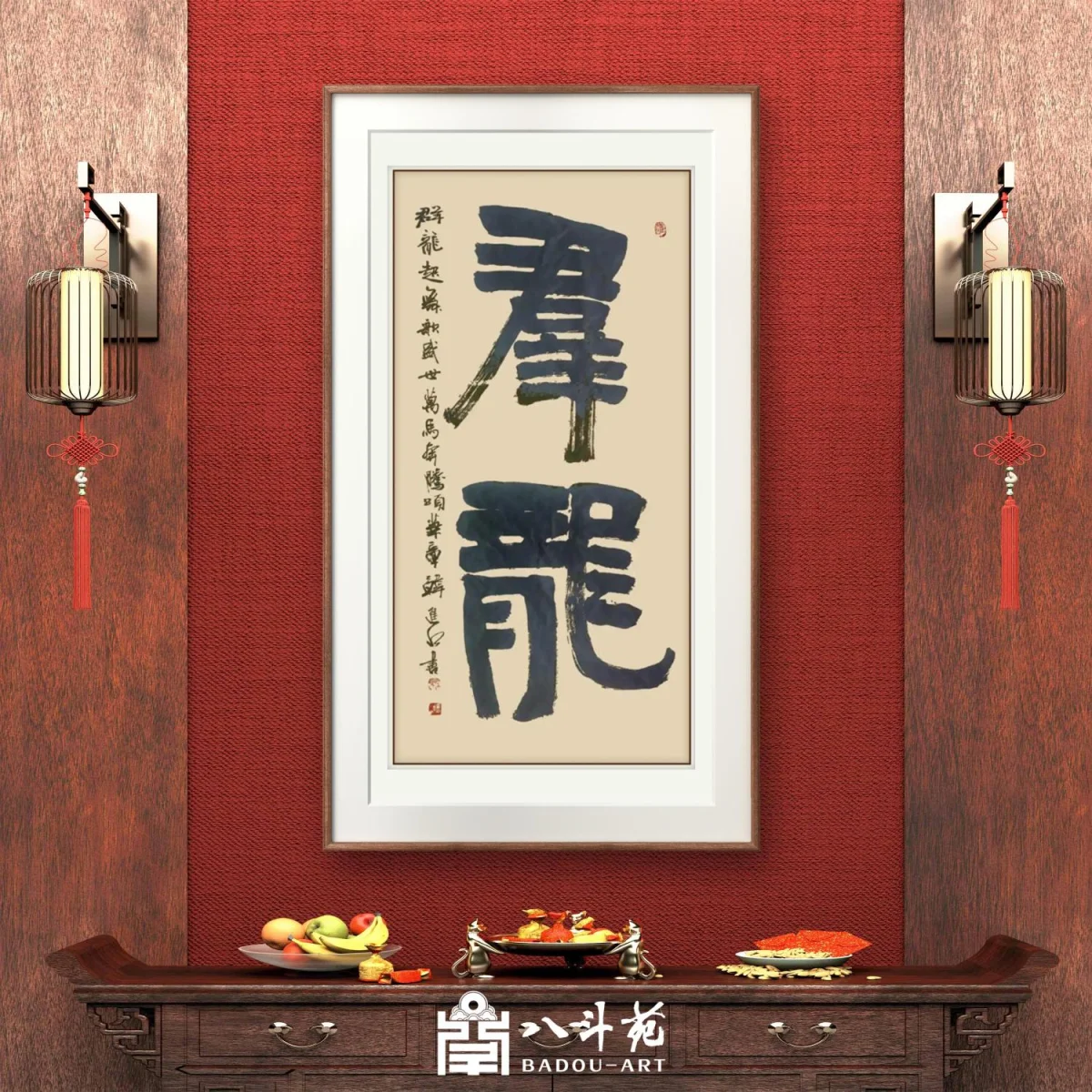
Han Jinshui Calligraphy | 羣龍 (A Group of Dragons)
Juque Inkstone: Sichuan’s Gem of the Scholar’s Studio
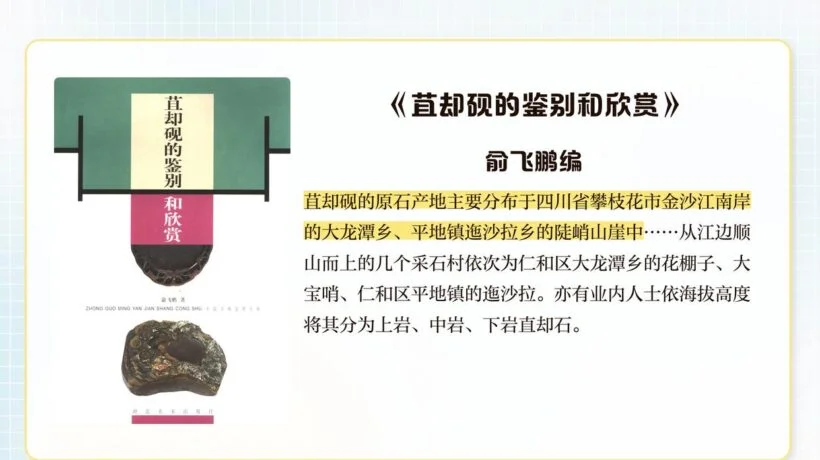
Juque Inkstone: Sichuan’s Gem of the Scholar’s Studio
The Juque inkstone is one of China’s celebrated inkstones, prized for its distinctive stone and intricate carving. In this guide we look at where it comes from, what makes its stone special, and why contemporary masters consider it a gem of the study.
A Stone with a Storied Past
Juque inkstones are named after Juque Town on the south bank of the Jinsha River in Panzhihua, Sichuan Province. Mining there dates back to the Song dynasty, but the craft was lost several times through war and broken lineages — in the early Republic era, an artisan named Cun Bingxin tried to pass on the skill in Kunming without success. The Juque inkstone reappeared in 1989, when it was celebrated for its large “stone eyes” and beautiful qinghua (bluish) patterns, and hailed as a “treasure among inkstones.”
The core quarries lie in the cliffs around Huapengzi, Dabaoshao, and Yishala villages in Dalongtan Township. The Dabaoshao pit, famous for fine eye stones, is called the “old pit,” while the Pingdi pit is known for green luo-yu stone. Because the veins sit on steep cliffs at altitudes of 500–800 meters, stone is still carried out by porters or pack goats.
What Makes the Stone Special
Juque inkstones are carved from chlorite slate with a Mohs hardness of about 3 to 3.5 — soft enough to carve, firm enough to grind. Connoisseurs say the stone combines the “eyes” of the Duan inkstone, the “gold stars” of the She inkstone, and the grain of the Tao inkstone. It is fine and smooth, grinds ink quickly, and, as The Stone Arts of China notes, “holds water without drying and delivers ink to the paper” — ideal for both calligraphy and painting.
The prized features include stone eyes — round rings resembling animal pupils, up to 2–3 cm across, the finest from the Dabaoshao pit; green luo-yu and golden huang-biao bands; and qinghua, subtle bluish patterns visible when the stone is wetted, a hallmark of quality. A rare recent find, purple-brown zisha hong stone, grinds very fast despite its coarse texture.
Carving: Following the Stone
Carvers use yang-diao (relief), tou-diao (openwork), and fu-diao (low relief), guided by the principle of “shaping the work to the stone.” Natural strata become landscapes — purple-and-green banded stone turns into mountain scenes, while coarse zisha hong suits gnarled old pines. Contemporary master Wang Jun pushed the craft forward with works such as Huangshan Song (Song of Mount Huang), which uses natural grain as cloud and peak.
From the 1980s, artists such as Luo Jingru revived the tradition; at a 1989 Beijing exhibition, 108 masterworks were shown, including the seven-color Kunbi inkstone and the Lanting inkstone inspired by Wang Xizhi’s calligraphy, introducing Juque stone to an international audience.
A Treasure of the Study
For collectors of calligraphy tools, the Juque inkstone offers rarity, beauty, and living craftsmanship. If you are considering a commissioned calligraphy or painting work, Badou Art’s specialists are happy to guide you — and the right inkstone is a fine companion to the right brush.