Our Featured Collection
Hand‑picked premium works for you
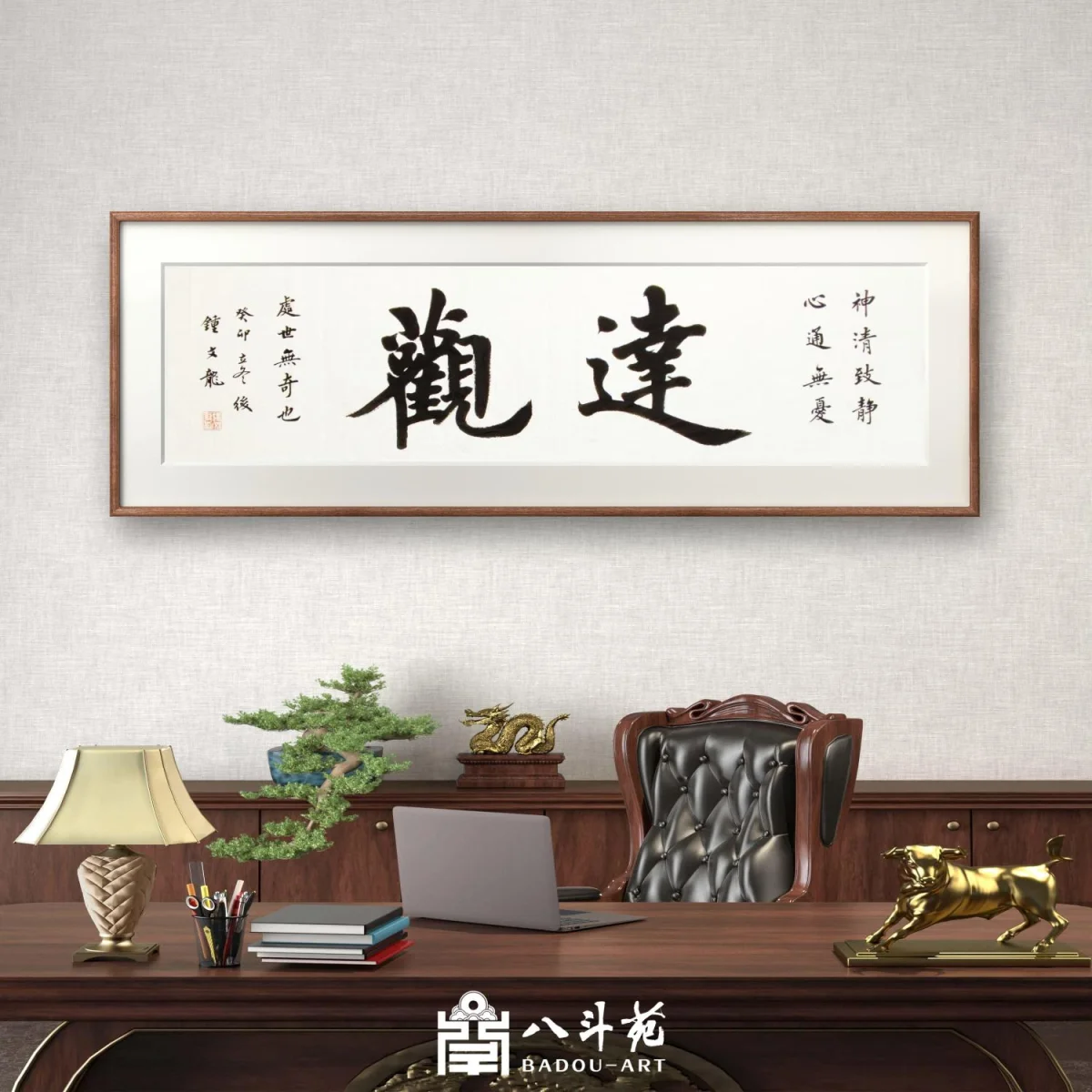
Zhong Wenlong Calligraphy | 达观
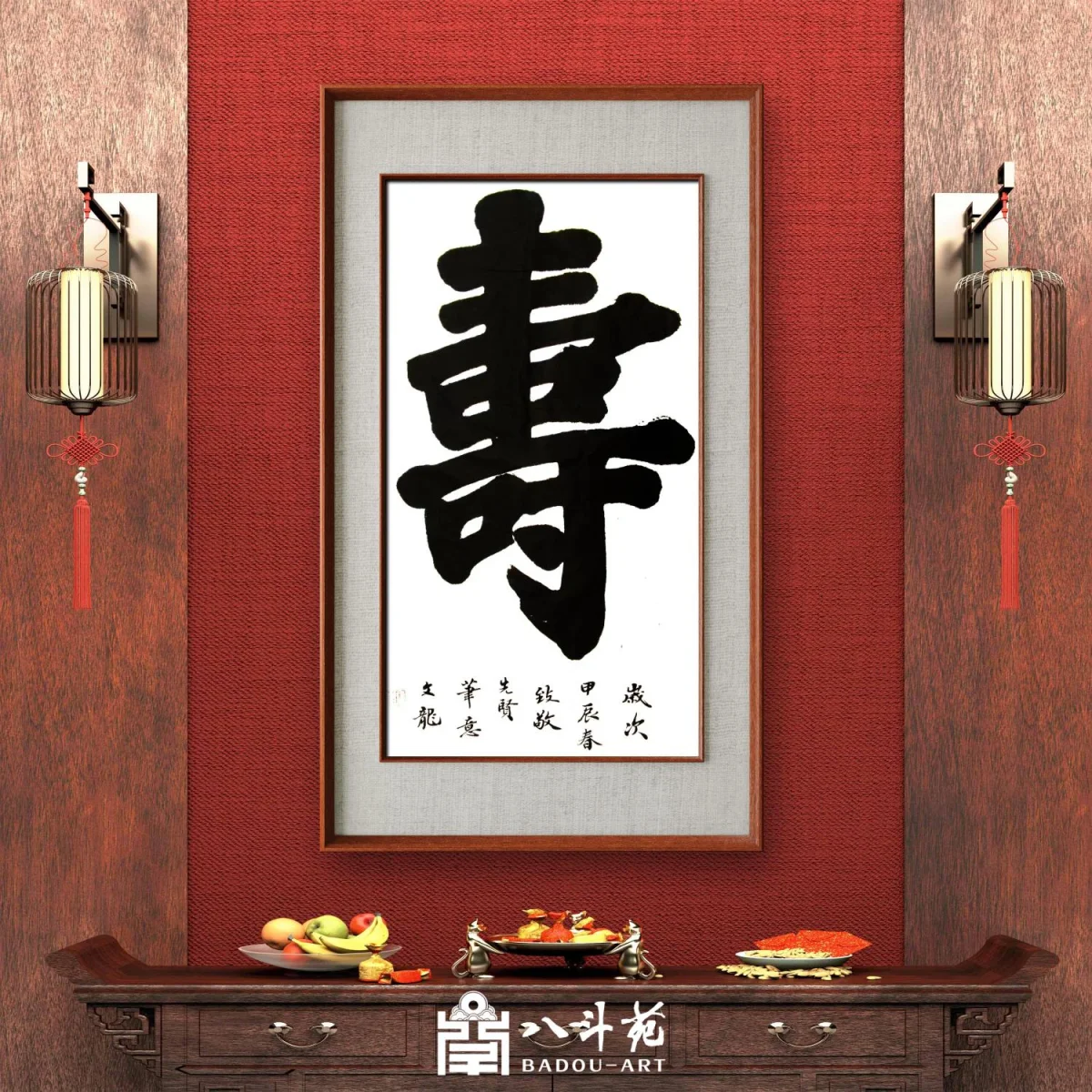
Zhong Wenlong Calligraphy | 壽
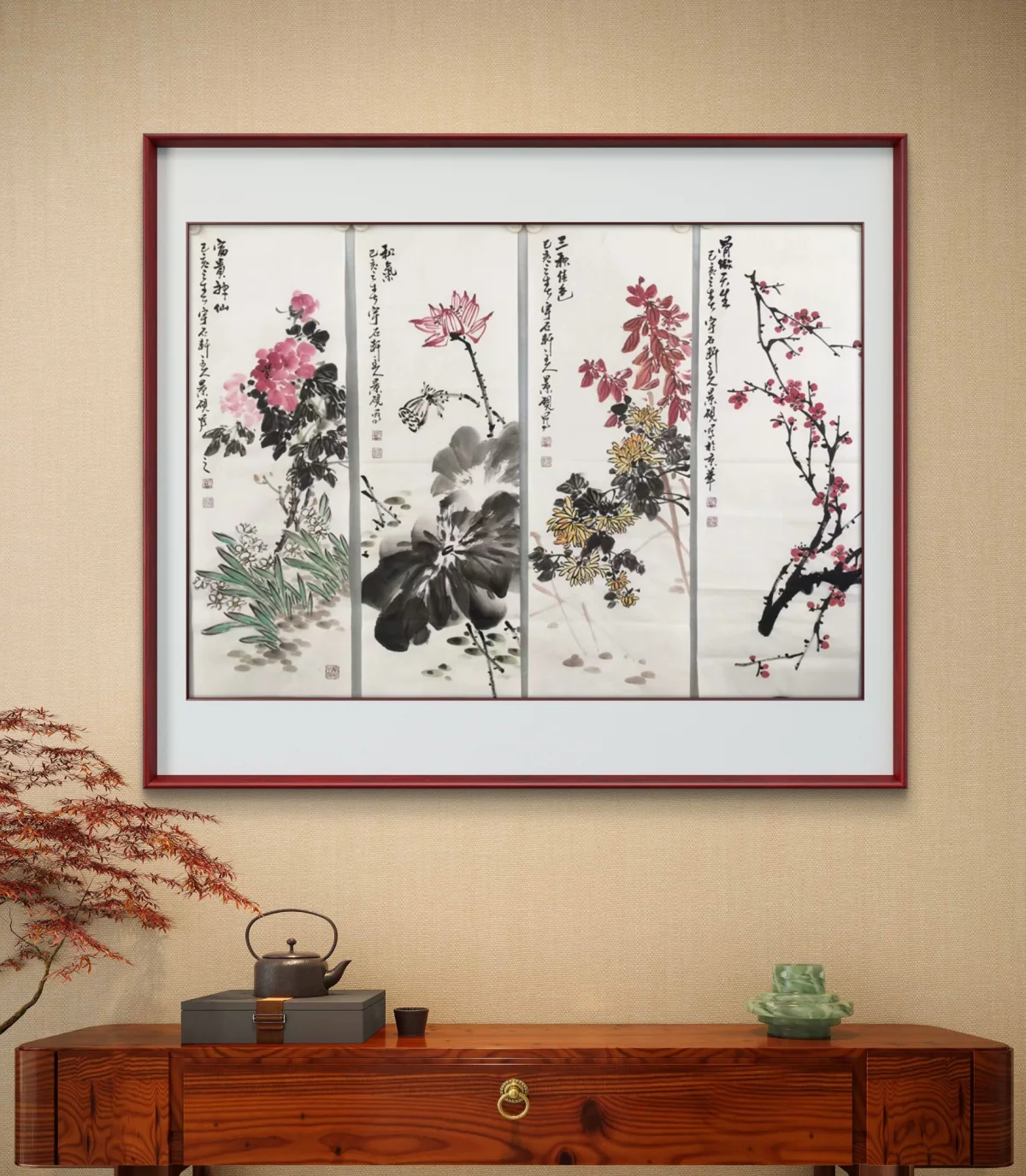
Wu Jingyan Chinese Freehand Painting・Four‑Panel Flower‑and‑Bird Screens(花鸟四条屏)
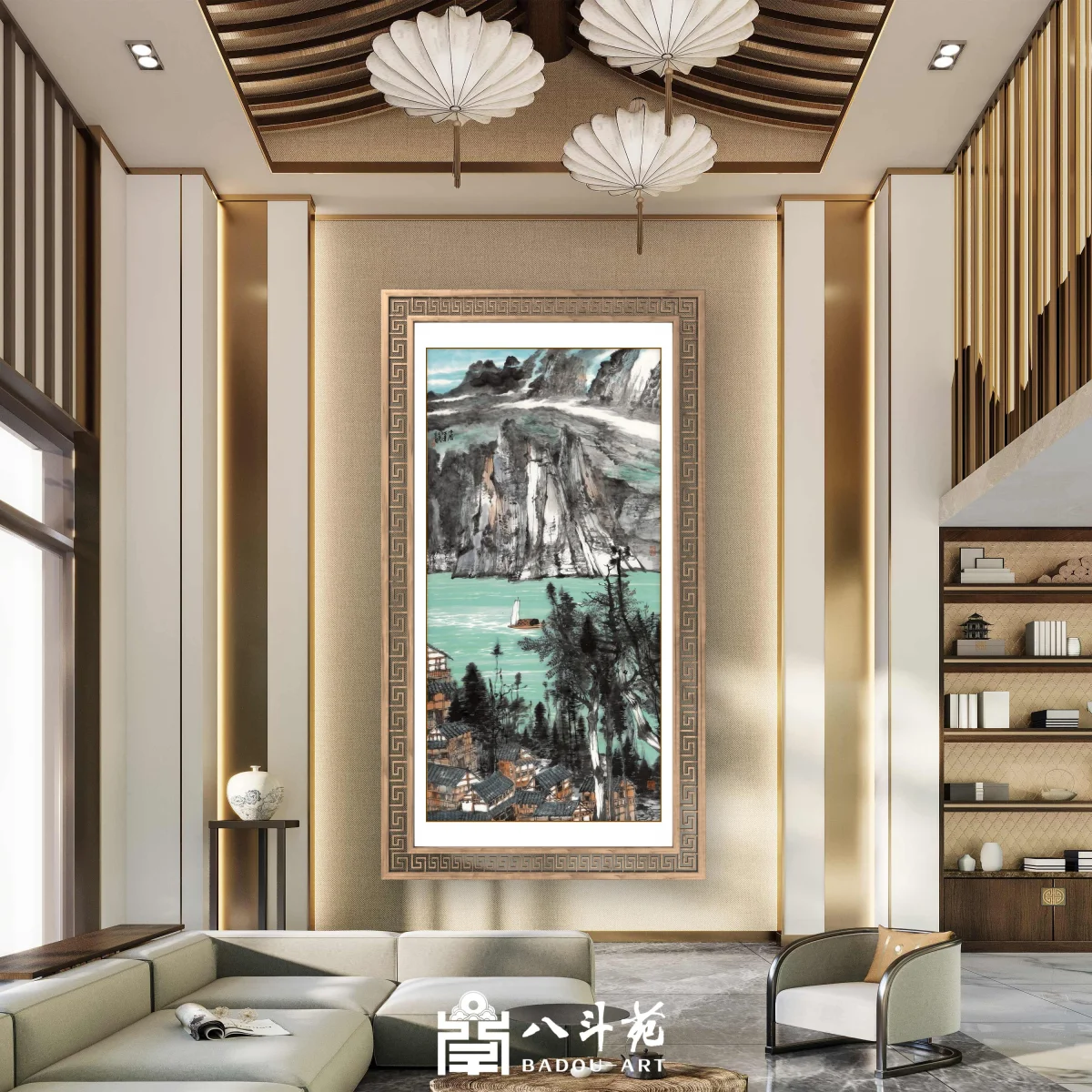
Liu Liyong Landscape Painting | Riverside Mountain Hamlet (山居江远)
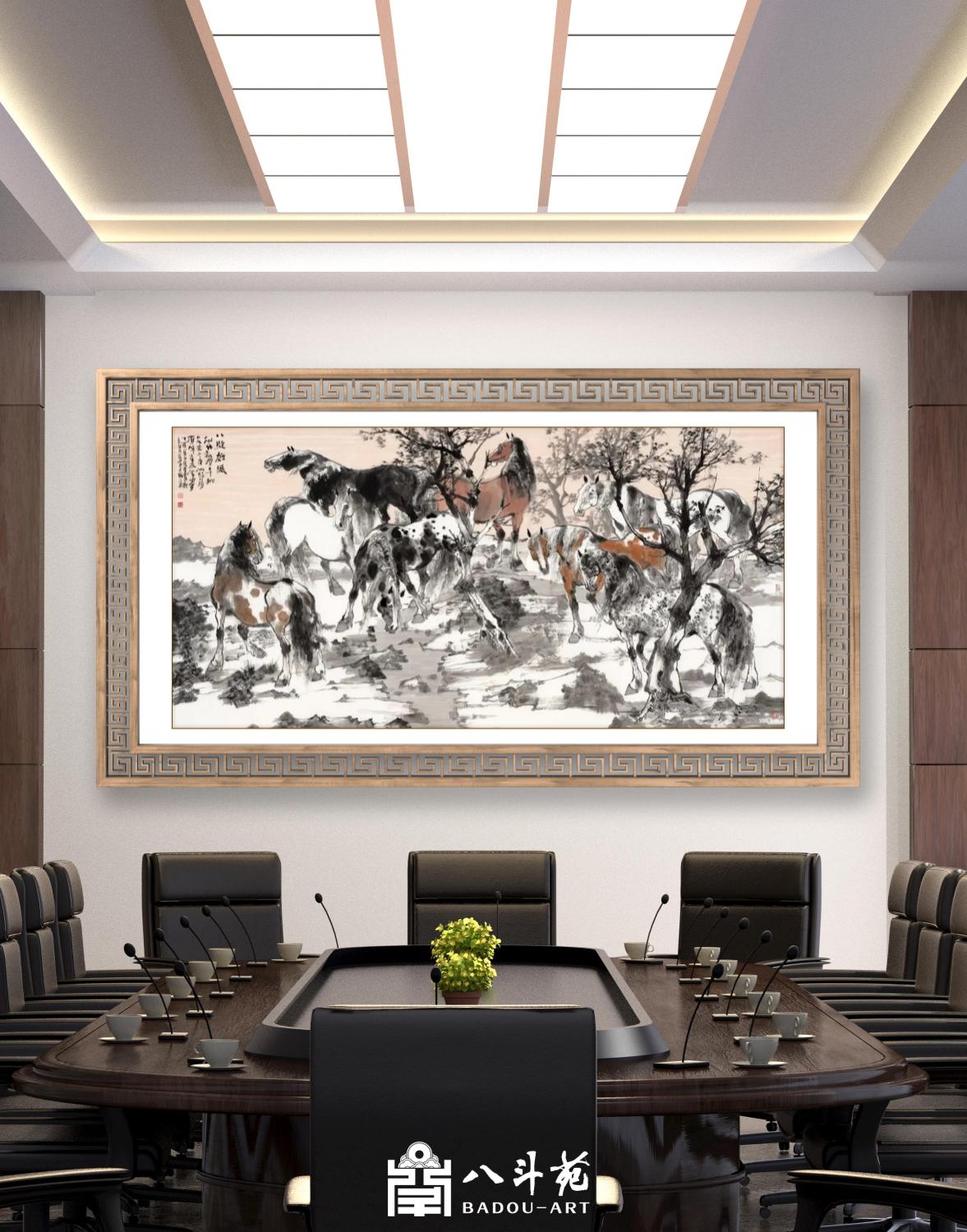
Liu Liyong Animal Painting | Eight Steeds (八骏图)
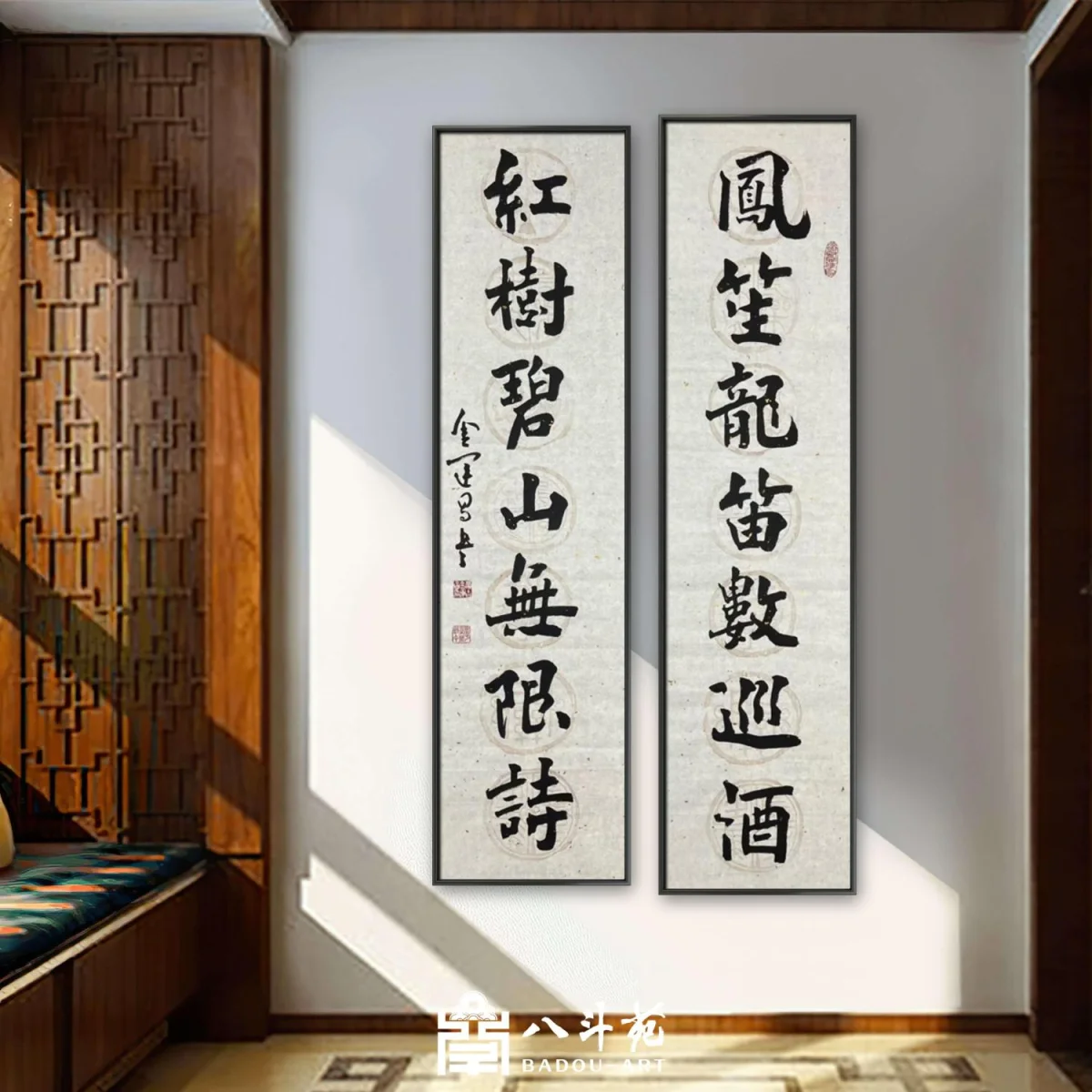
Jin Yunchang Calligraphy | 鳳笙龍笛數巡酒
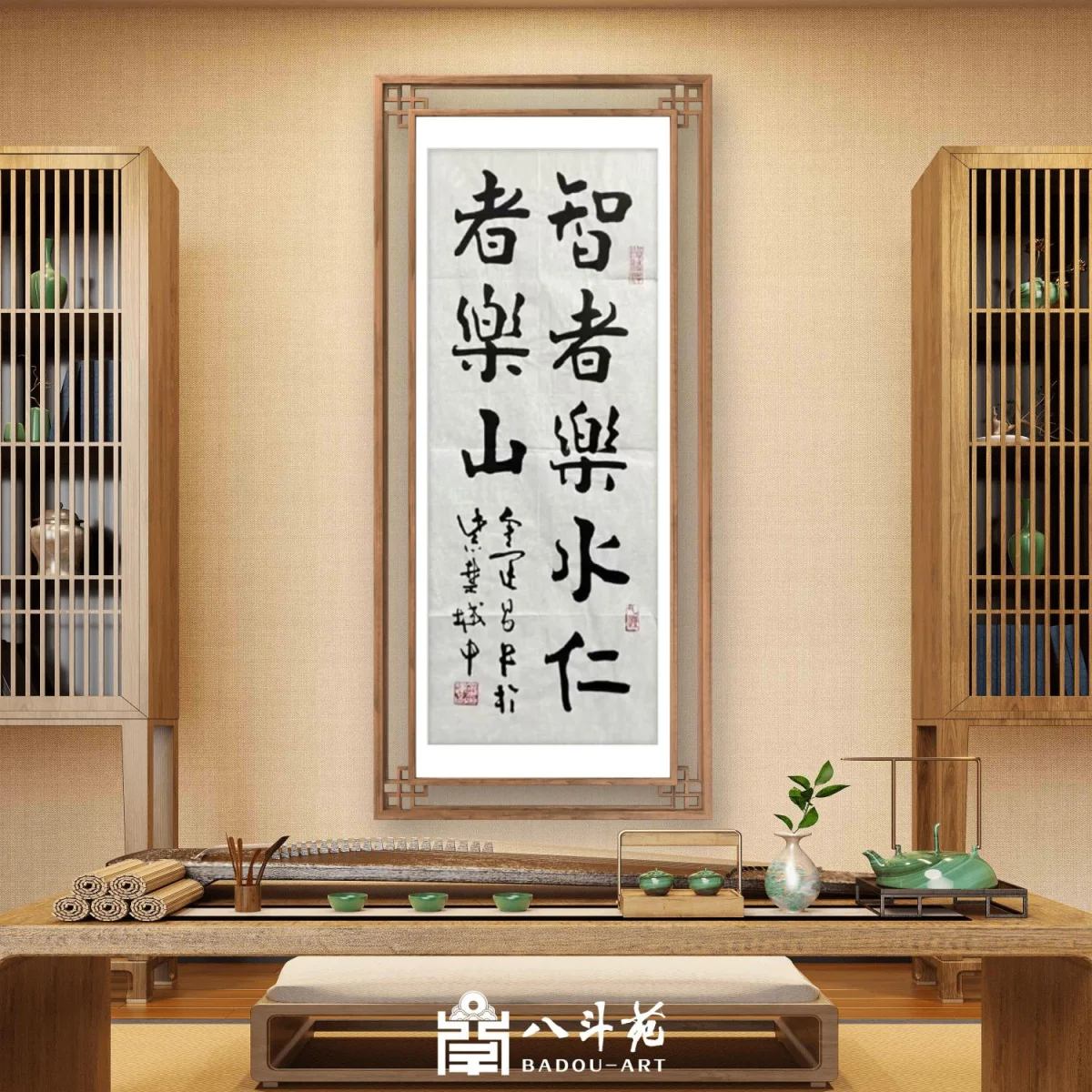
Jin Yunchang Calligraphy | 智者樂水仁者樂山
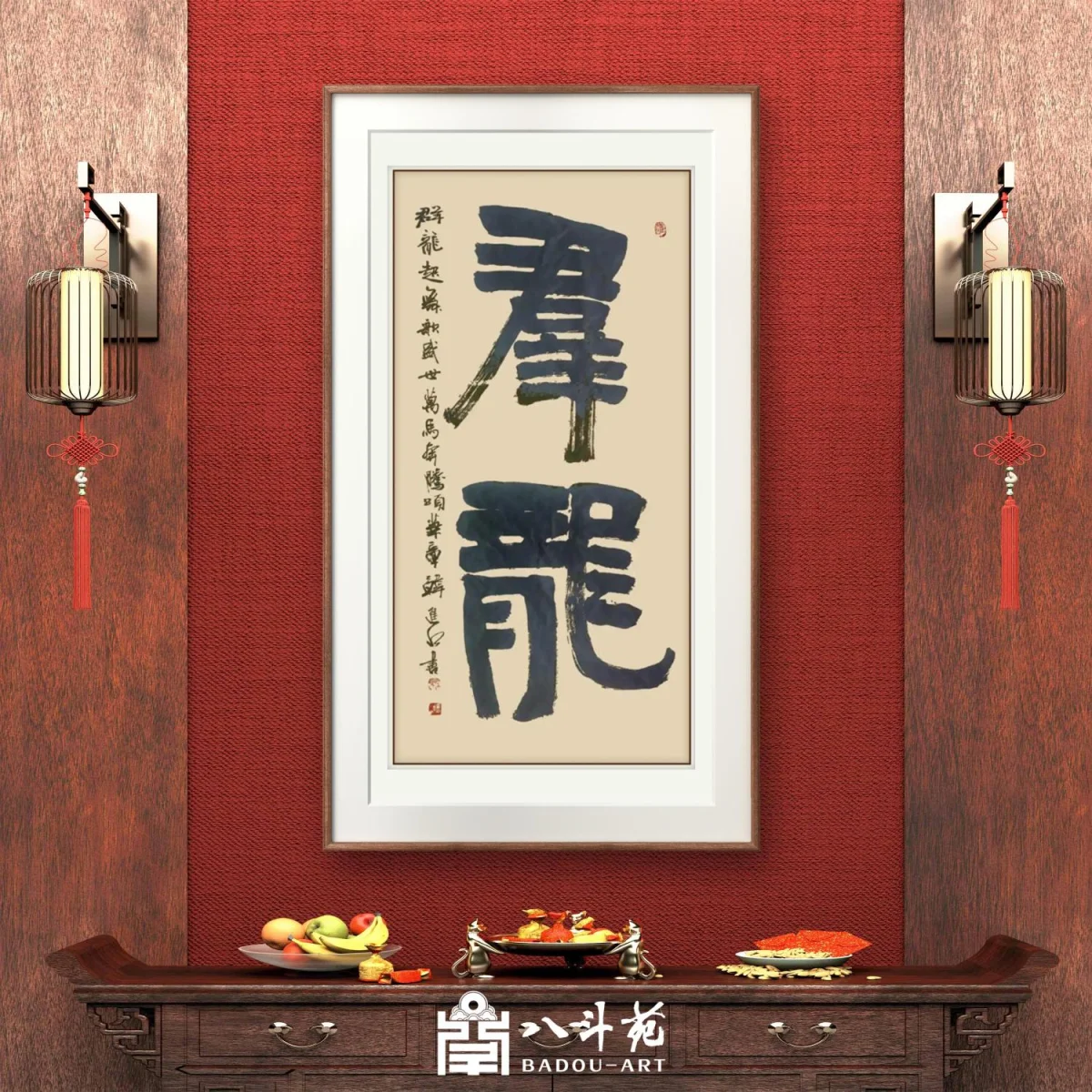
Han Jinshui Calligraphy | 羣龍 (A Group of Dragons)
How Chinese Paintings Are Inscribed and Sealed
How Chinese Paintings Are Inscribed and Sealed
In Chinese painting, an inscription and seal are not afterthoughts — they complete the composition. This guide explains the traditions of tizi (inscriptions) and yinzhang (seals), so you can appreciate — or commission — a scroll with fresh eyes.
Why Inscriptions Exist
Chinese poetry, prose, calligraphy, and painting are sister arts. Before the Yuan dynasty, most painters hid their names in tree roots or rock crevices, fearing that writing would spoil the picture. Gradually, scholar-artists such as Su Shi (1037–1101) began to add poems and comments, turning the empty space into part of the design and creating the distinctive unity of poetry, calligraphy, and painting. As one Ming dynasty treatise put it, a finished painting has “a natural place awaiting its inscription — miss it and the composition suffers.”
Four Kinds of Inscription
Inscriptions generally take four forms:
- **Painting title only** — often written larger than the signature, sometimes in a different script such as seal or clerical style.
- **A poem** — composed by the artist or quoted from the classics, matched to the mood of the painting. The Qing painter Jin Nong inscribed whole classical essays on his album leaves.
- **Tishi (commentary)** — a short prose reflection that extends the image in words. Zheng Banqiao compared the thorns among orchids to petty people; Qi Baishi used a painted abacus to satirize the world.
- **Tiji (record)** — a brief note of time, place, and impression, placed to balance the composition.
Matching Script to Painting
The script should echo the painting’s manner: wild cursive would fight a meticulous gongbi (meticulous) figure, just as neat small regular script would feel stiff on a freehand xieyi landscape. Inscriptions are usually placed in blank areas, but painters must leave “breathing room.” If your calligraphy is unsure, tradition offers dan kuan: a simple signature in a carefully chosen spot — artists may test a signature on paper scraps first.
The Art of the Seal
Sealing practice began with the Northern Song painter Guo Xi and flourished in the Yuan dynasty. Before the Ming artist Wang Mian discovered flower-milk stone, literati rarely carved their own seals; afterwards, self-carved seals became common. The name seal should not be larger than the signature; if name and style-name are carved separately, one is cut in yang (red characters) and the other in yin (white); and the seal is normally stamped below the signature — though Qi Baishi liked to press his seal directly over his name.
A single cinnabar-red seal can “dot the eye” of a composition, steadying the whole picture. But restraint is everything: the Ming collector Xiang Yuanbian and the Qing emperor Qianlong were notorious for plastering ancient masterpieces with seals. Leisure seals (xian zhang), carrying poetic phrases or studio names, have their own grammar: a rectangular “leading seal” (yinshou) opens the inscription, and a square “corner seal” (yajiao) anchors the bottom corner. Their history reaches back to the Qin dynasty.
Inscription and Seal in Harmony
A fine scroll unites painting, calligraphy, and seal in one organic whole. If you are considering a commissioned work, Badou Art’s specialists are happy to guide you on inscriptions and seals that suit your piece.
Source: https://www.cntizi.com/76.html