Our Featured Collection
Hand‑picked premium works for you
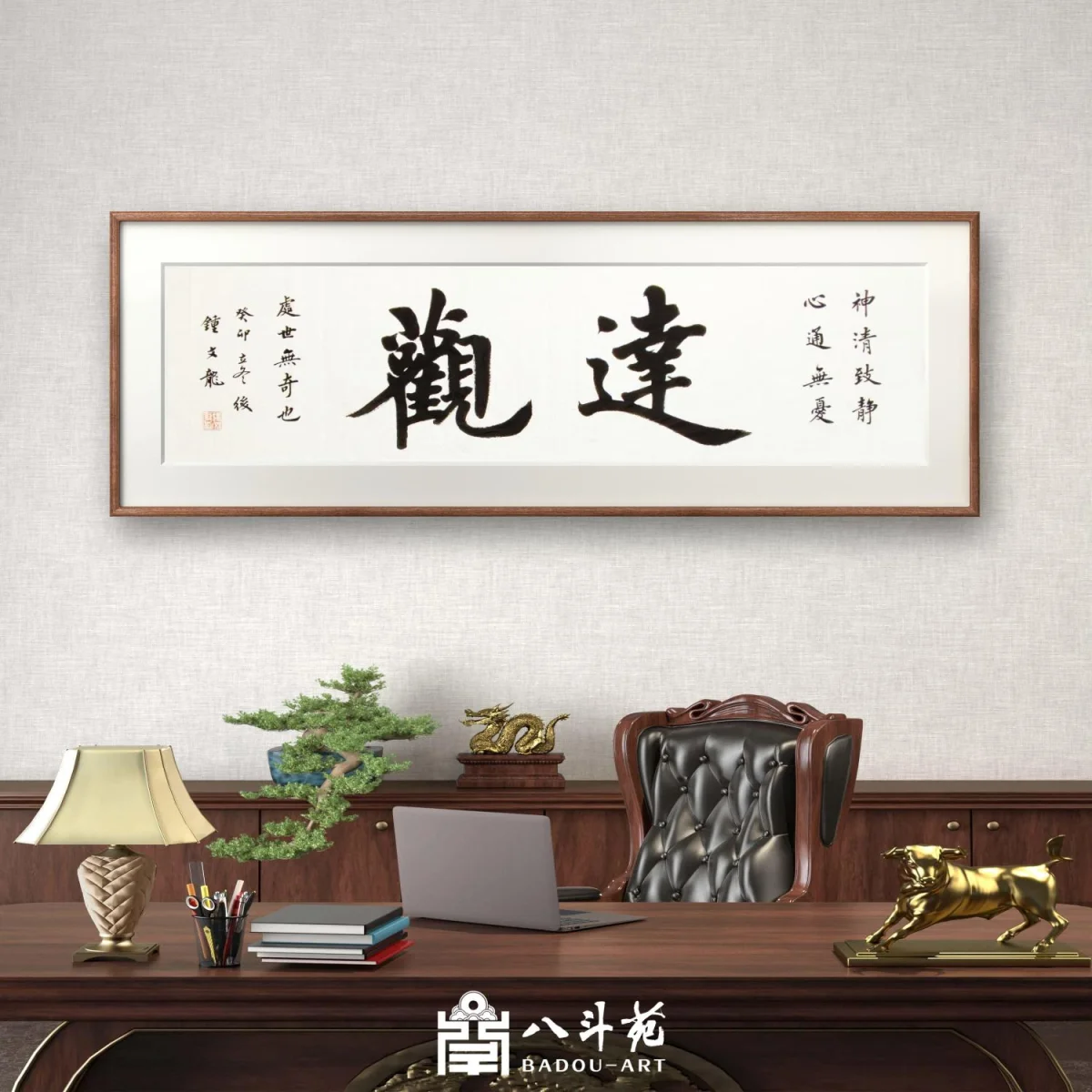
Zhong Wenlong Calligraphy | 达观
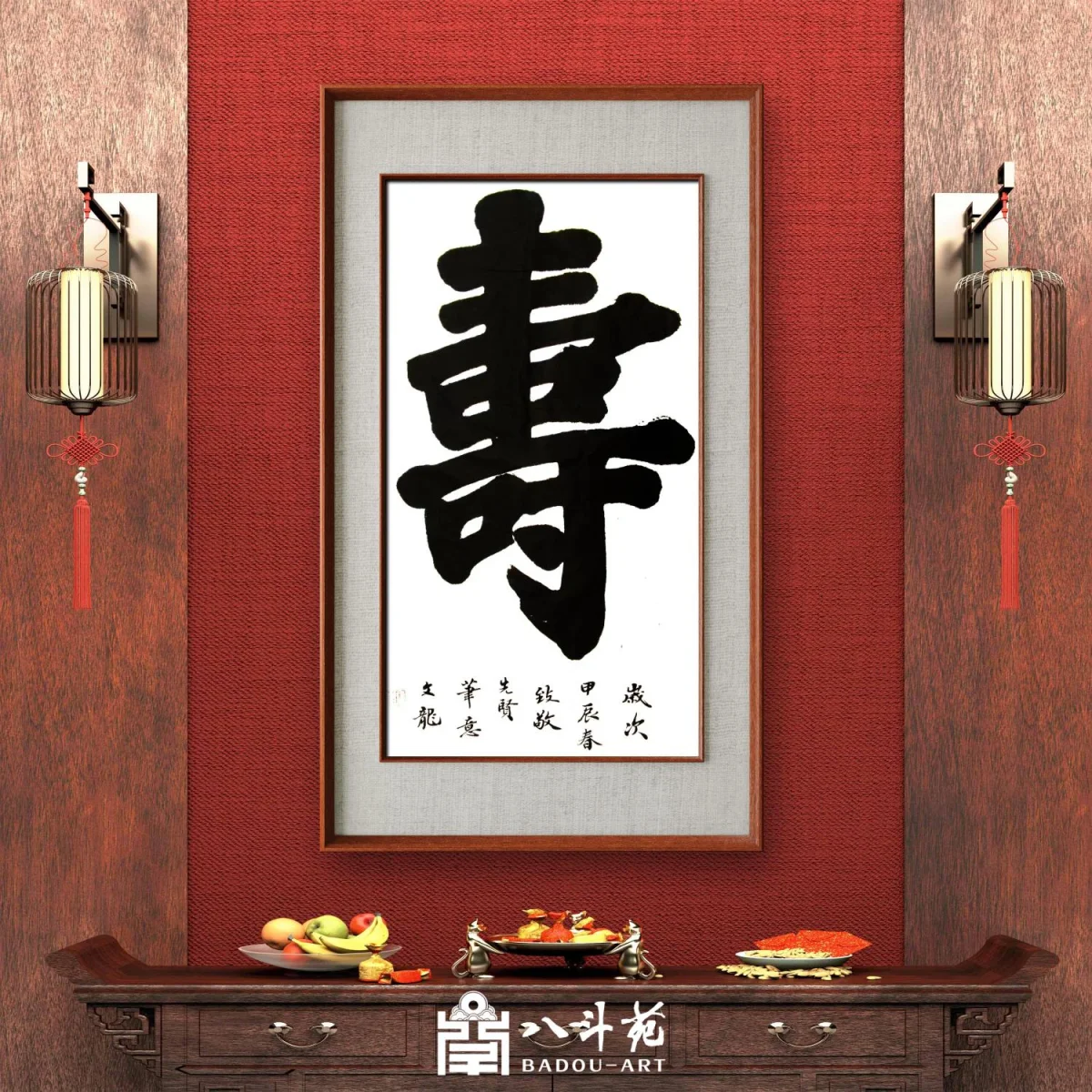
Zhong Wenlong Calligraphy | 壽
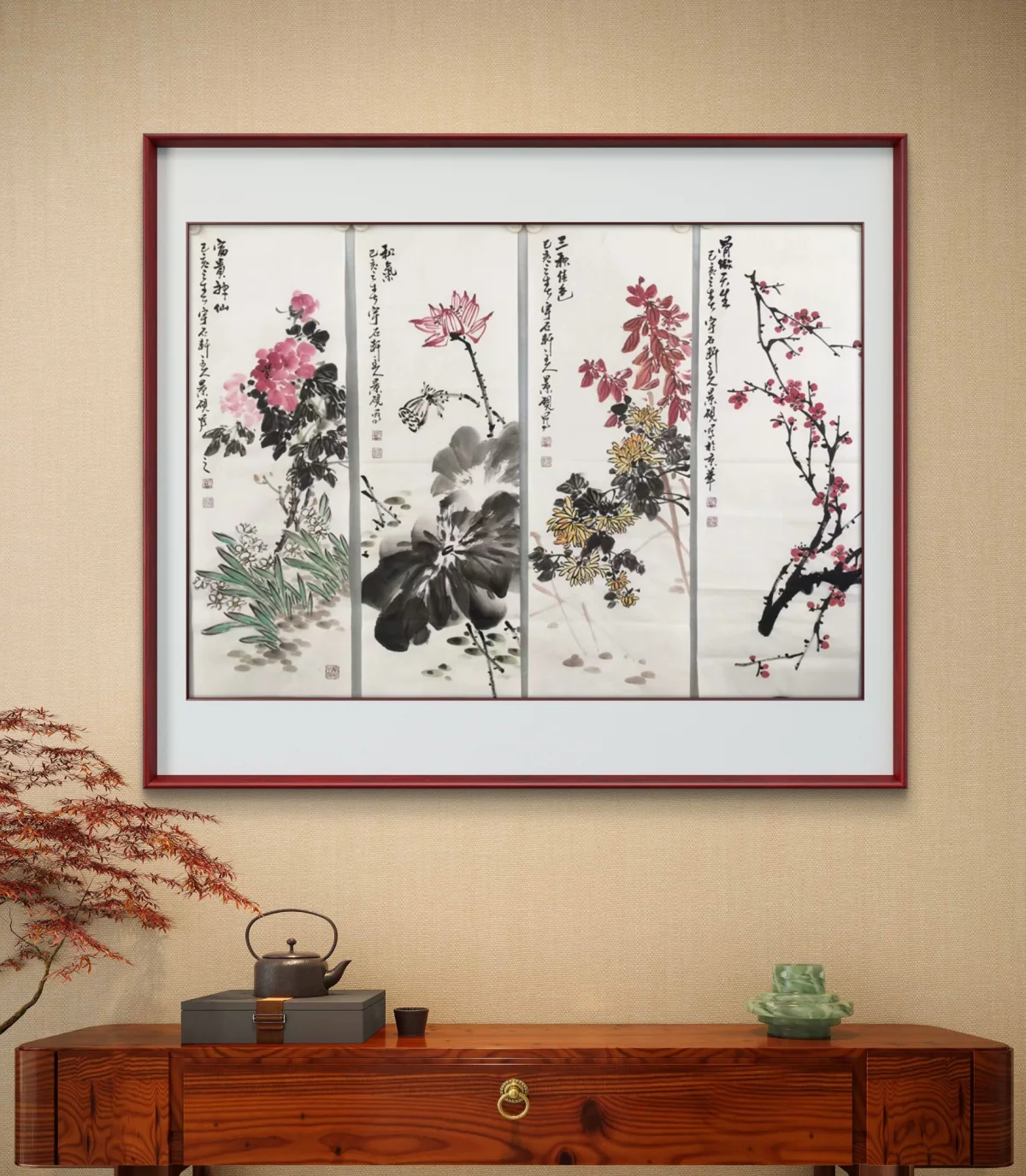
Wu Jingyan Chinese Freehand Painting・Four‑Panel Flower‑and‑Bird Screens(花鸟四条屏)

Liu Liyong Landscape Painting | Riverside Mountain Hamlet (山居江远)
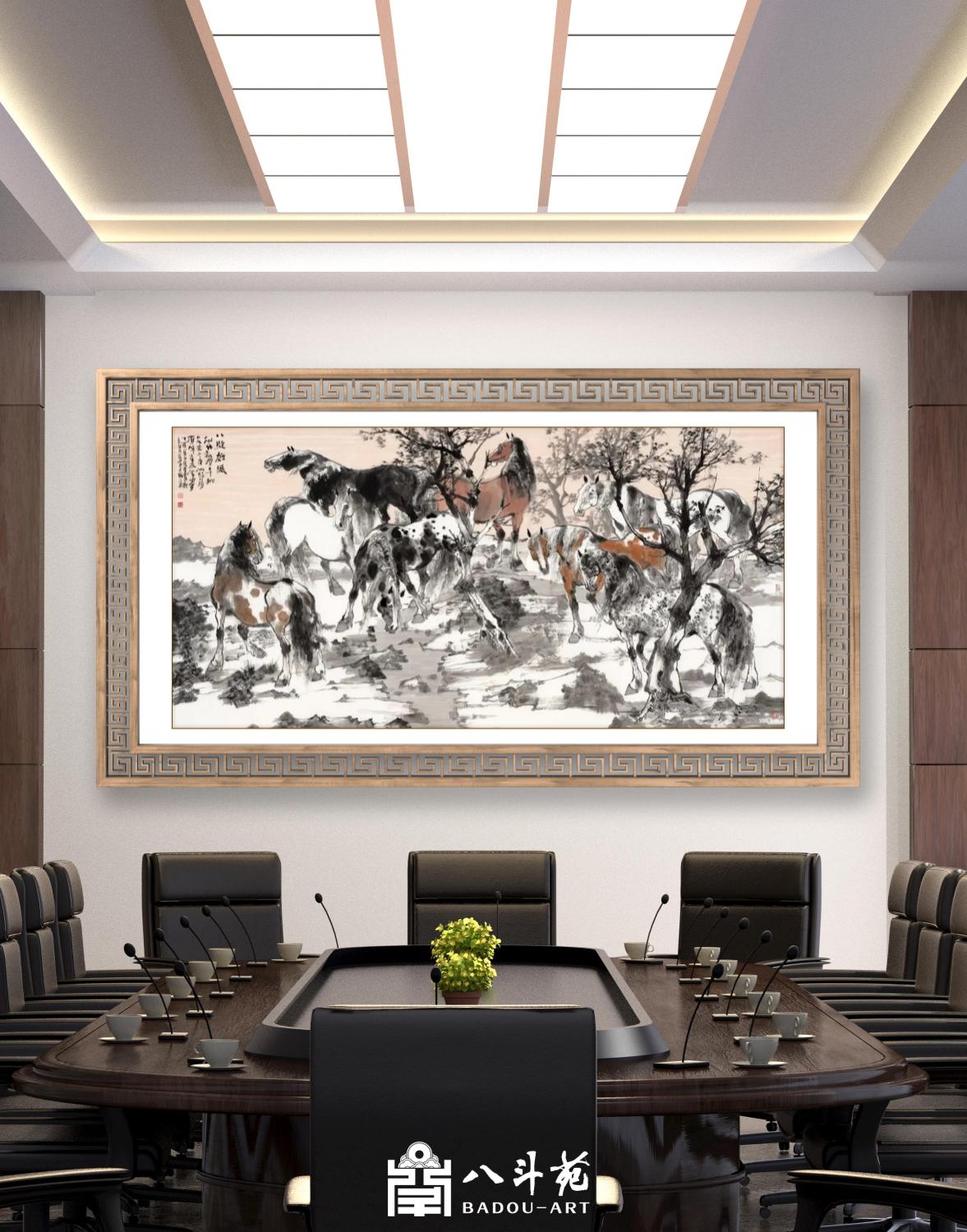
Liu Liyong Animal Painting | Eight Steeds (八骏图)
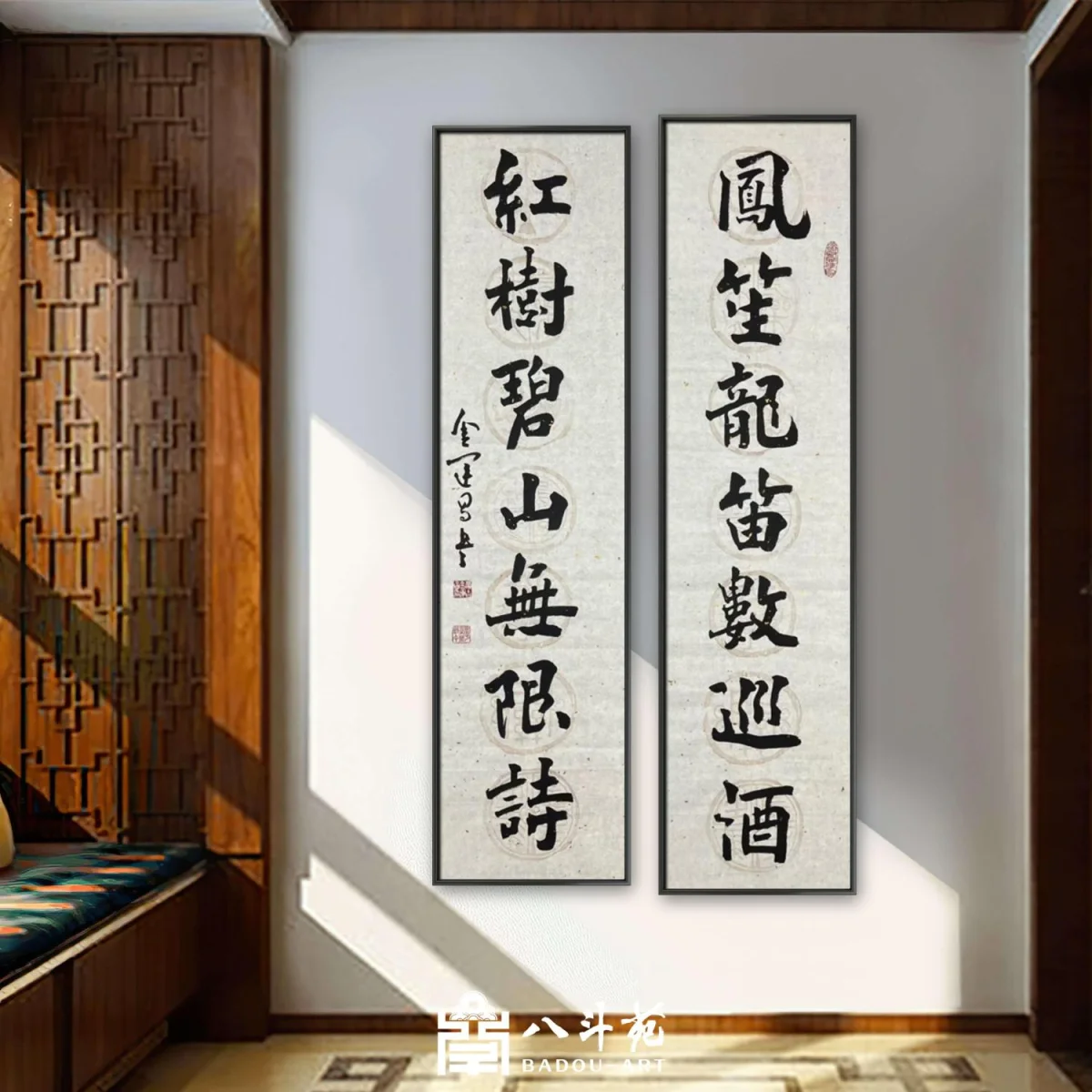
Jin Yunchang Calligraphy | 鳳笙龍笛數巡酒
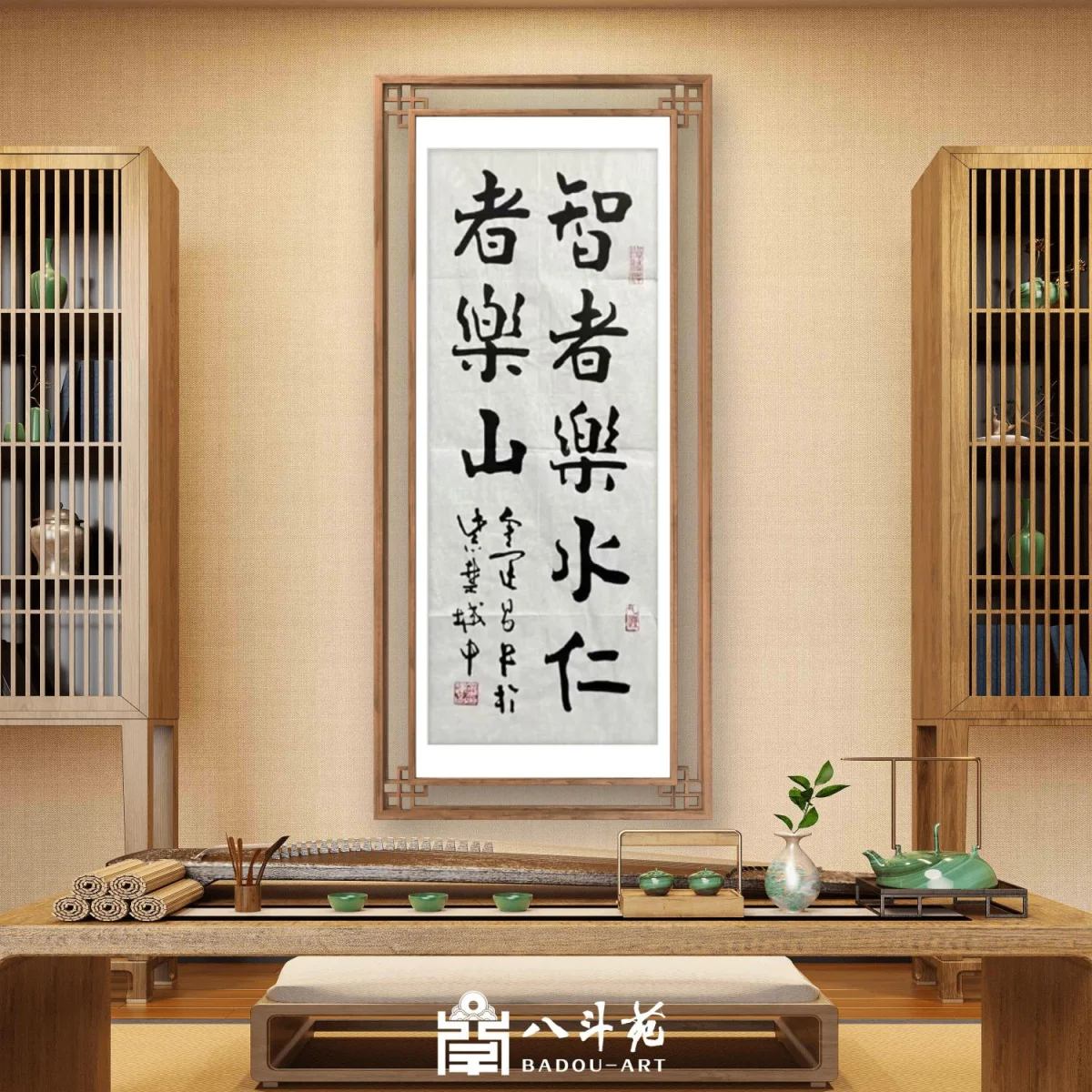
Jin Yunchang Calligraphy | 智者樂水仁者樂山
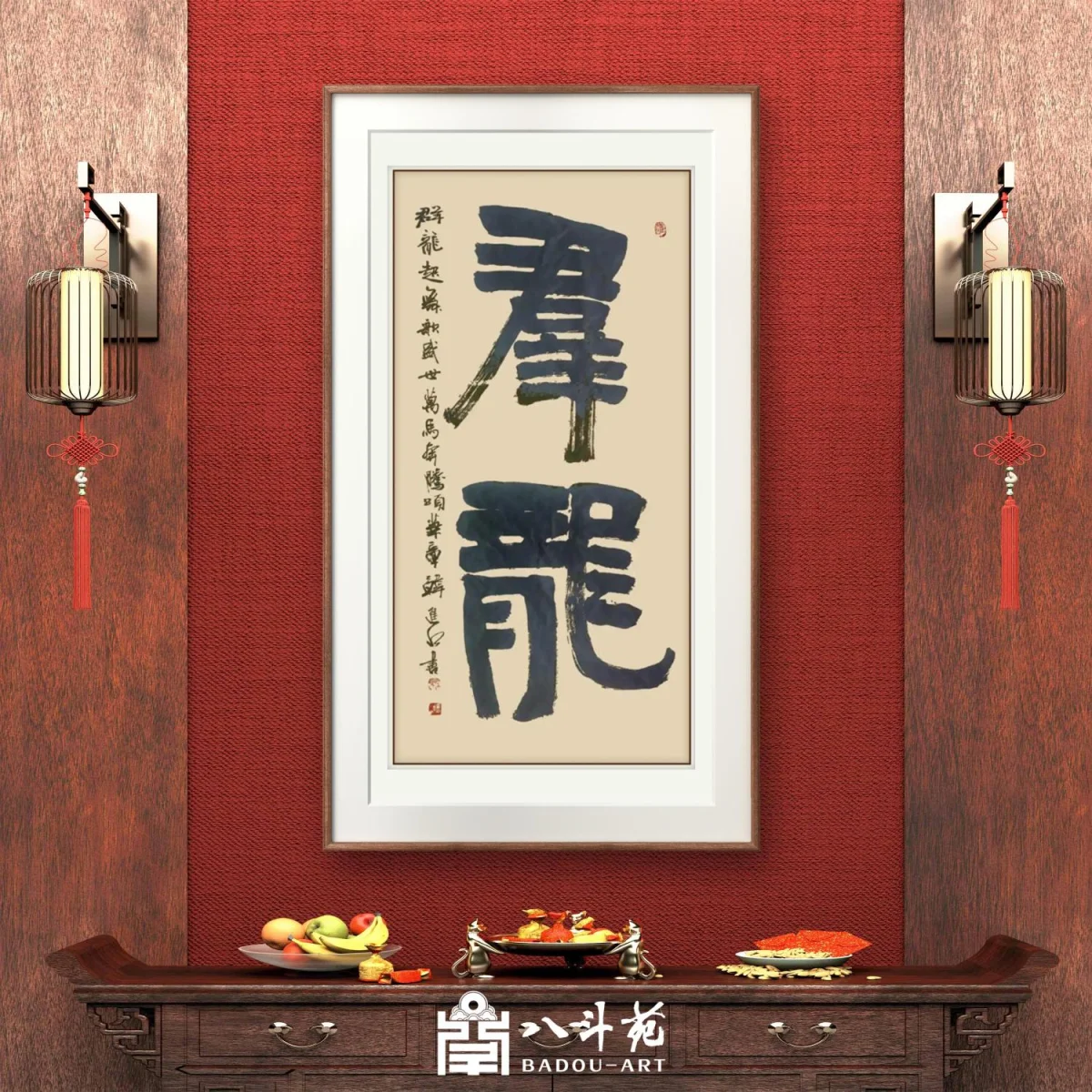
Han Jinshui Calligraphy | 羣龍 (A Group of Dragons)
Dating Calligraphy: Traditional Inscription Dates Explained
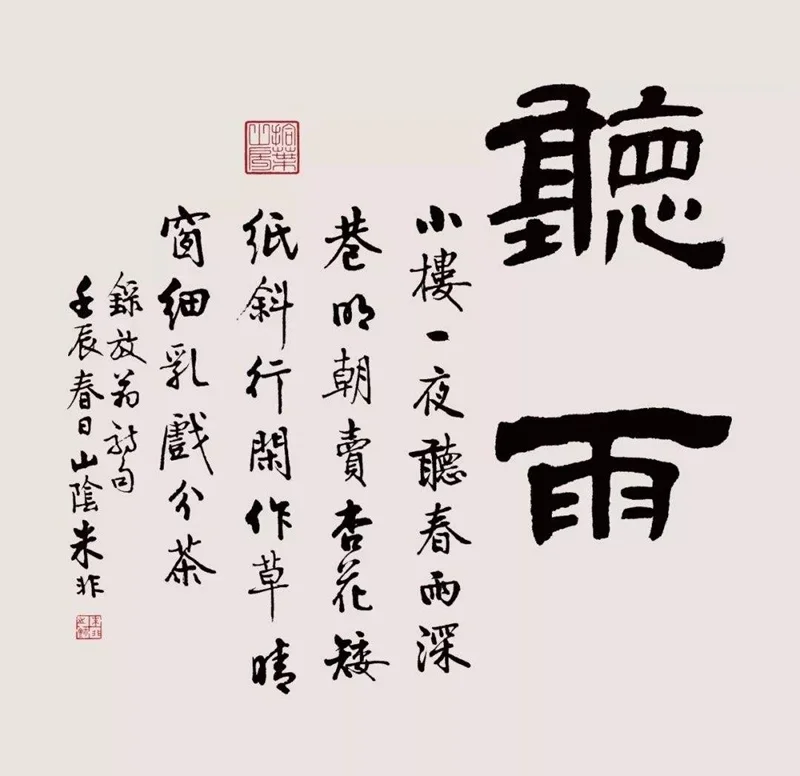
Dating Calligraphy: Traditional Inscription Dates Explained
Reading the date on a Chinese calligraphy work is like decoding a second language: reign eras, sixty-year cycles, lunar months, and poetic names for seasons. This guide unpacks the dating conventions found in calligraphy inscriptions.
Three Ways to Write the Year
Ancient calligraphers usually dated their works by the reigning emperor’s era name. Su Shi’s colophon “third year of Yuanfeng, eighth day of the fifth month” refers to 1080. Some added the ganzhi (stem-branch) year as well: Mi Fu’s “Shaosheng bingxu” pins his work to 1106. Others used the ganzhi year alone — Chen Chun’s “renchen summer” is 1532.
The ganzhi system pairs ten heavenly stems (jia, yi, bing, ding…) with twelve earthly branches (zi, chou, yin, mao…), completing a full cycle — one jiazi — every sixty years. A date written only as “renchen” therefore needs context to identify the exact year.
Months and Seasons in Code
Instead of ordinary numbers, traditional colophons often use elegant aliases: the first month is zhengyue or mengchun (“beginning of spring”); the fifth month is duanyang or liuyue (“pomegranate month”); the eighth month is guiyue (“osmanthus month”); the twelfth is layue (“candle month”). Seasons, too, have literary names — spring is qingyang (“green light”), summer zhuming (“vermilion brightness”), autumn baisang (“white storehouse”), winter xuanying (“dark essence”).
Festival names also appear as dates: the fifteenth of the first month (Shangyuan, the Lantern Festival), the fifth of the fifth (Duanwu, Dragon Boat Festival), the fifteenth of the eighth (Mid-Autumn), and the ninth of the ninth (Chongyang, Double Ninth). The moon’s phases mark days: shuo (new moon, the first day), wang (full moon, the fifteenth), ji wang (the sixteenth), and hui (the last day). The first, middle, and last ten days of a month are shang huan, zhong huan, and xia huan — from the Tang dynasty practice of granting officials a bathing day every ten days.
The Twenty-Four Solar Terms
The agricultural calendar divides the year into twenty-four solar terms, each tied to a fixed point in the Gregorian calendar — Lichun (Beginning of Spring) around February 4, Qingming (Clear and Bright) around April 5, and Dongzhi (Winter Solstice) around December 22. Some colophons use these terms, which give a precise seasonal anchor to the date.
Tradition Meets the Modern Calendar
Since 1949, China has officially used the Gregorian calendar, and it is now the norm in daily life. Yet many calligraphers still prefer traditional dating, partly out of reverence for classical practice. The trend, however, is gradually toward the common era calendar, which contemporary viewers understand instantly. Knowing both systems lets you enjoy the full flavor of a colophon — and, when commissioning a work, to choose a date style that suits the occasion.
A Note on Age
Elderly artists often add their age with classical terms: zhixue (fifteen), erli (thirty), buhuo (forty), zhiming (fifty), ershun (sixty), guxi (seventy), and qizhi or bazhi for the seventh and eighth decades. A respectful “weng” (old man) may follow.
If you are considering a commissioned calligraphy, Badou Art’s specialists are happy to help you choose an inscription style — including the date — that fits your purpose.
Source: https://www.cntizi.com/1282.html