Our Featured Collection
Hand‑picked premium works for you
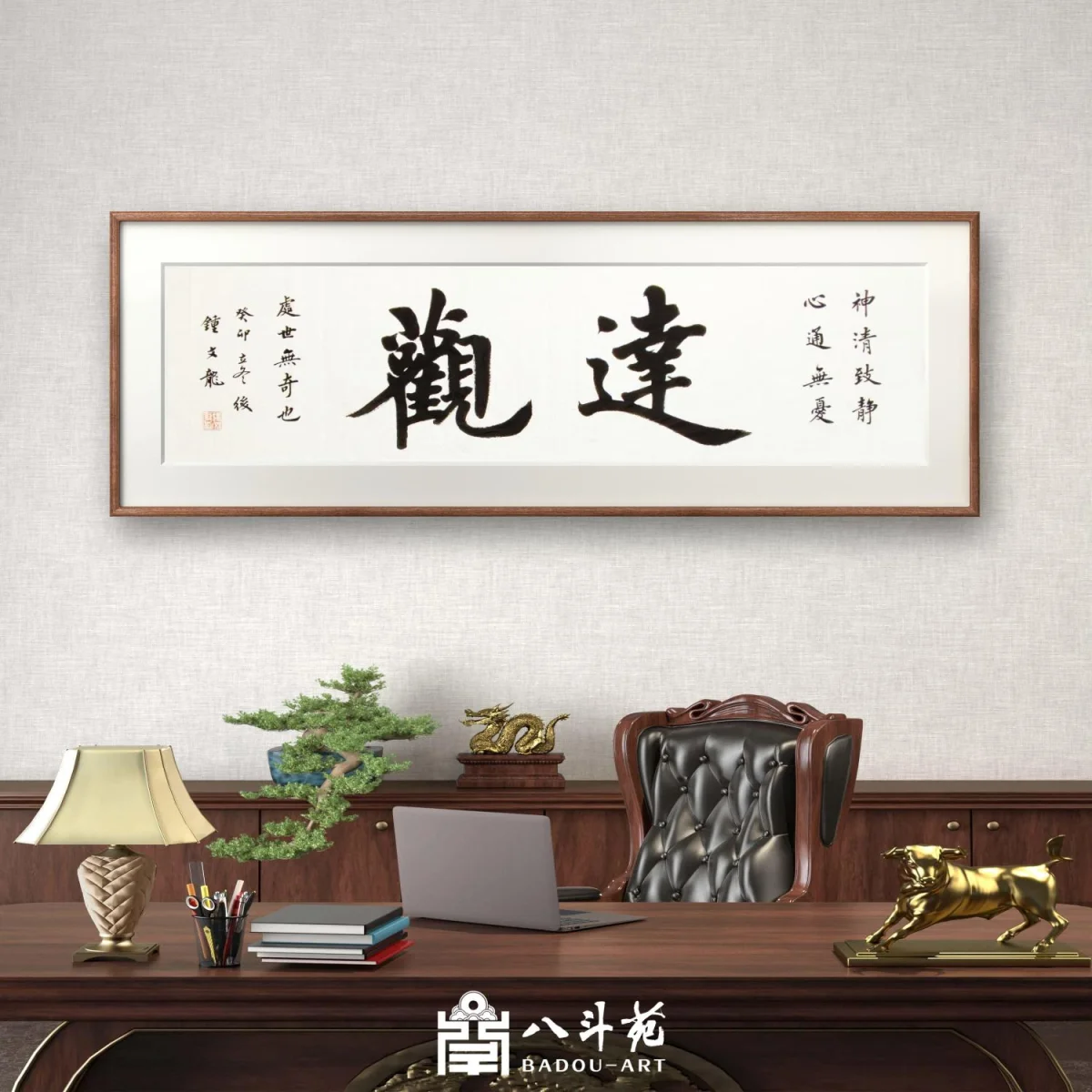
Zhong Wenlong Calligraphy | 达观
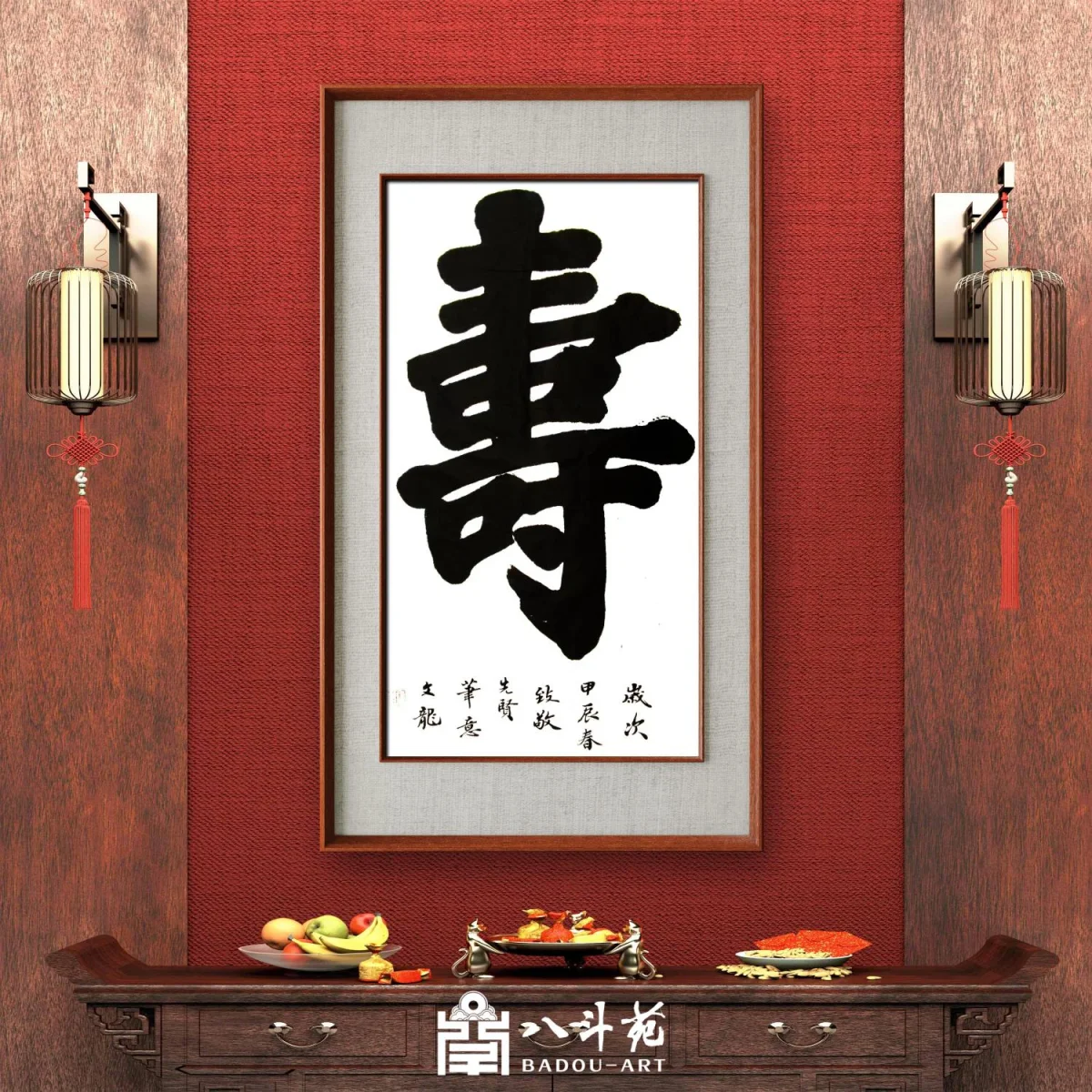
Zhong Wenlong Calligraphy | 壽
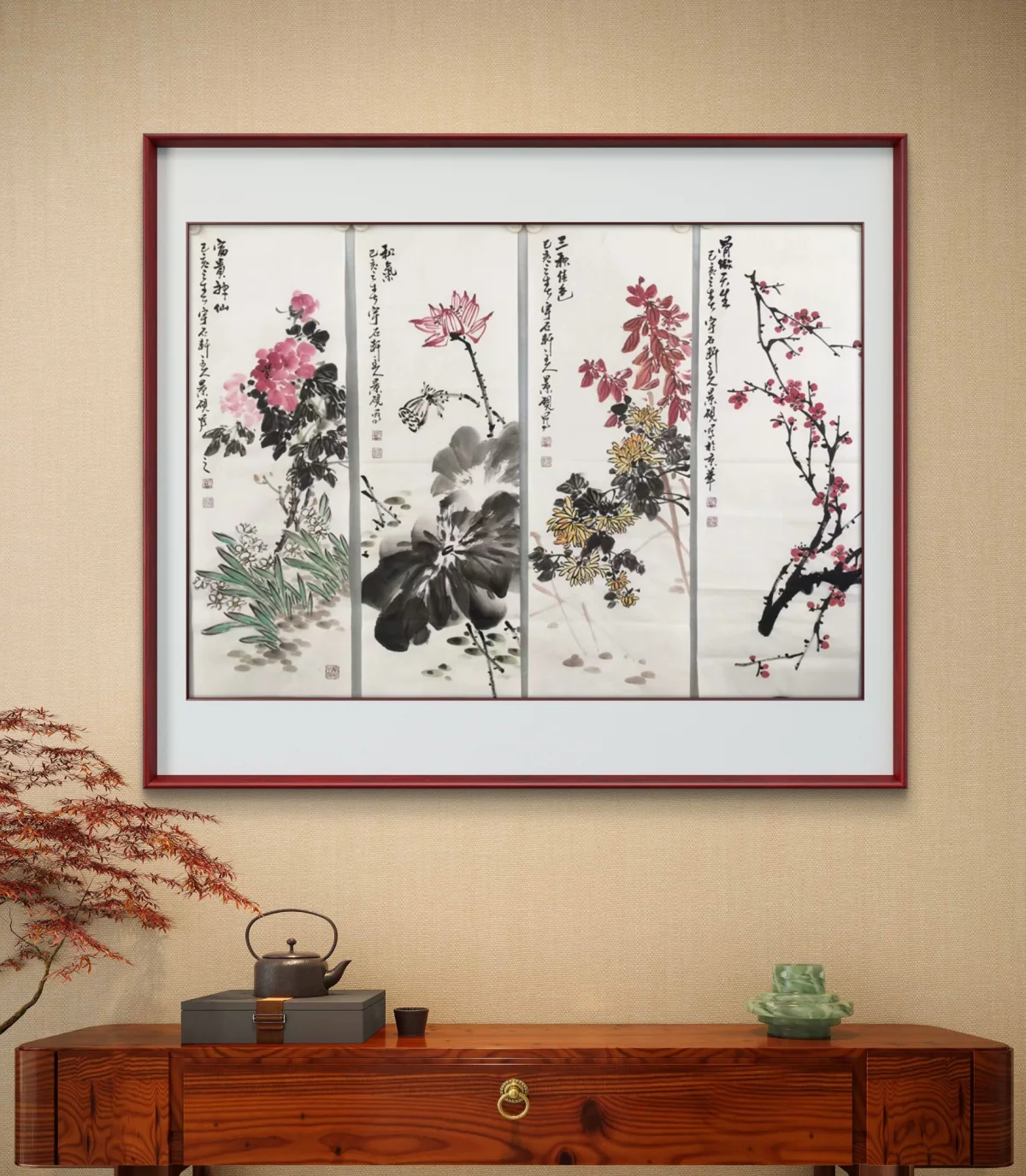
Wu Jingyan Chinese Freehand Painting・Four‑Panel Flower‑and‑Bird Screens(花鸟四条屏)
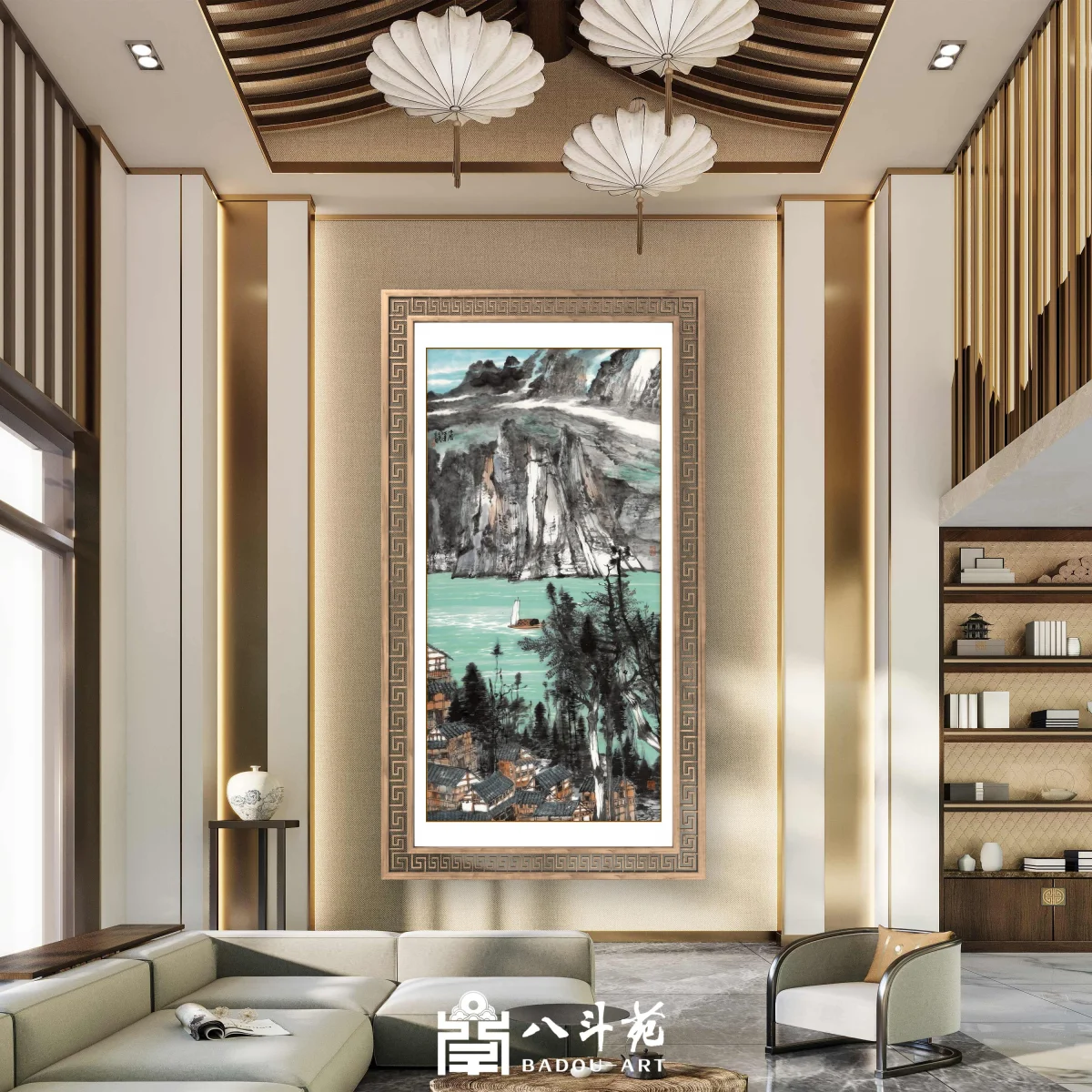
Liu Liyong Landscape Painting | Riverside Mountain Hamlet (山居江远)
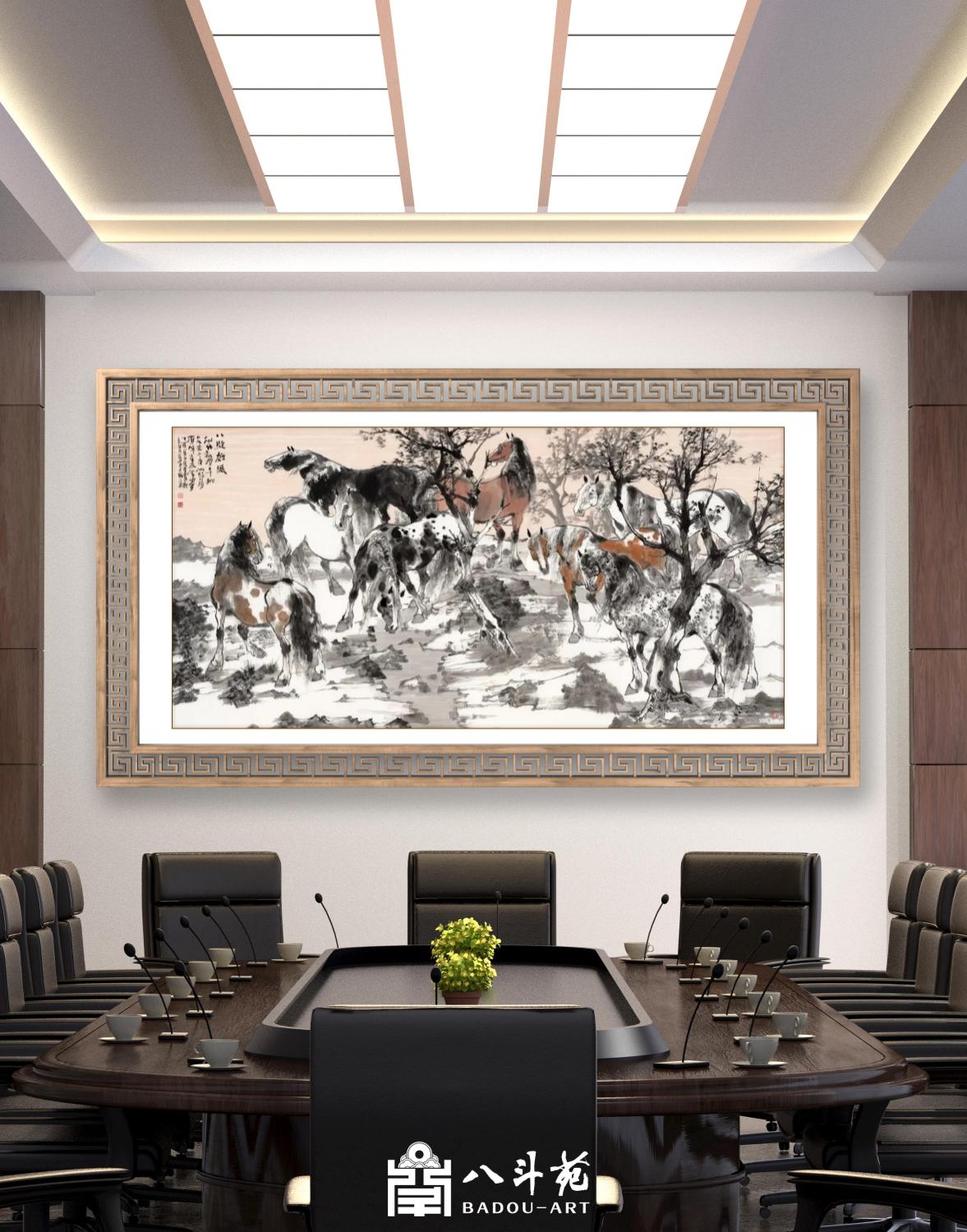
Liu Liyong Animal Painting | Eight Steeds (八骏图)
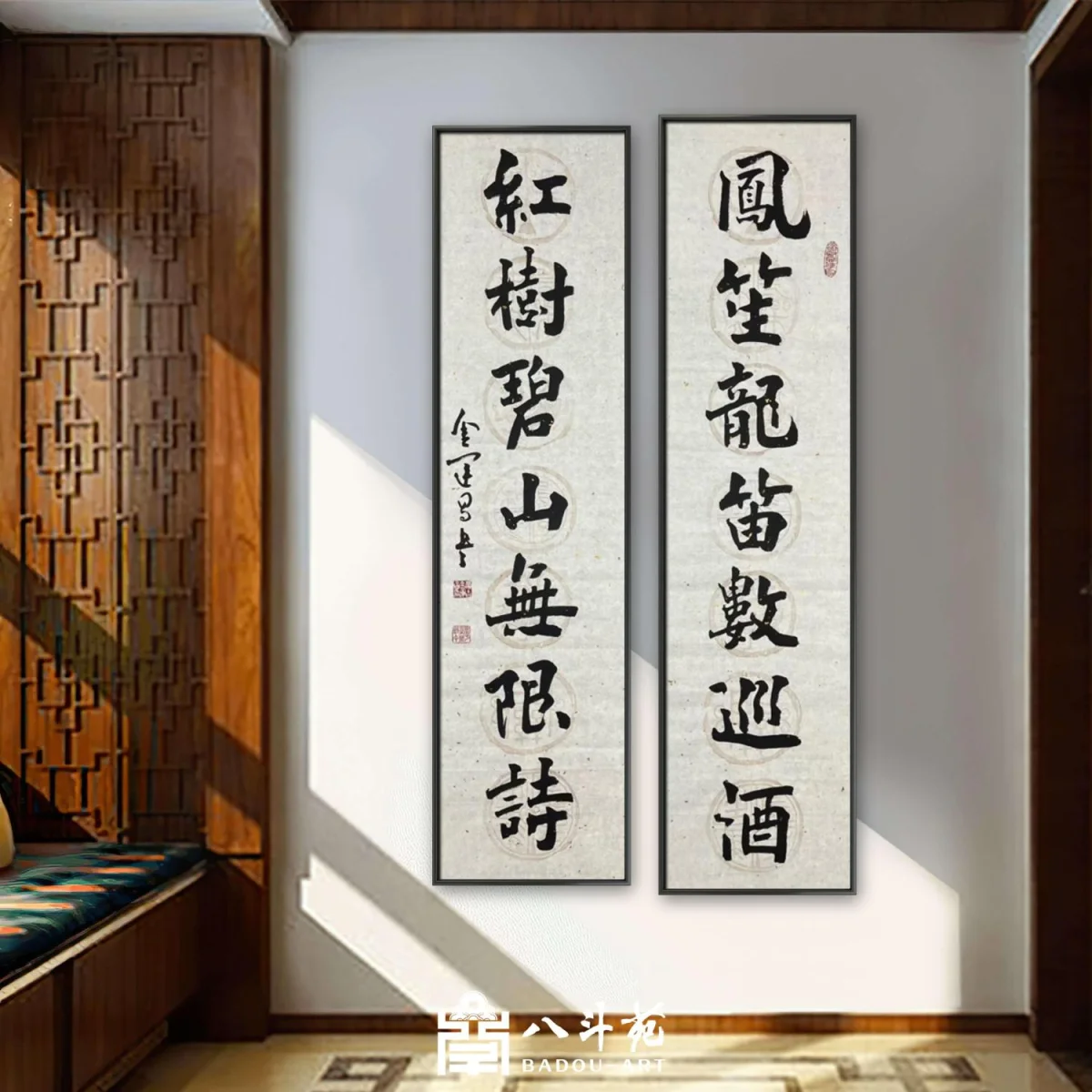
Jin Yunchang Calligraphy | 鳳笙龍笛數巡酒
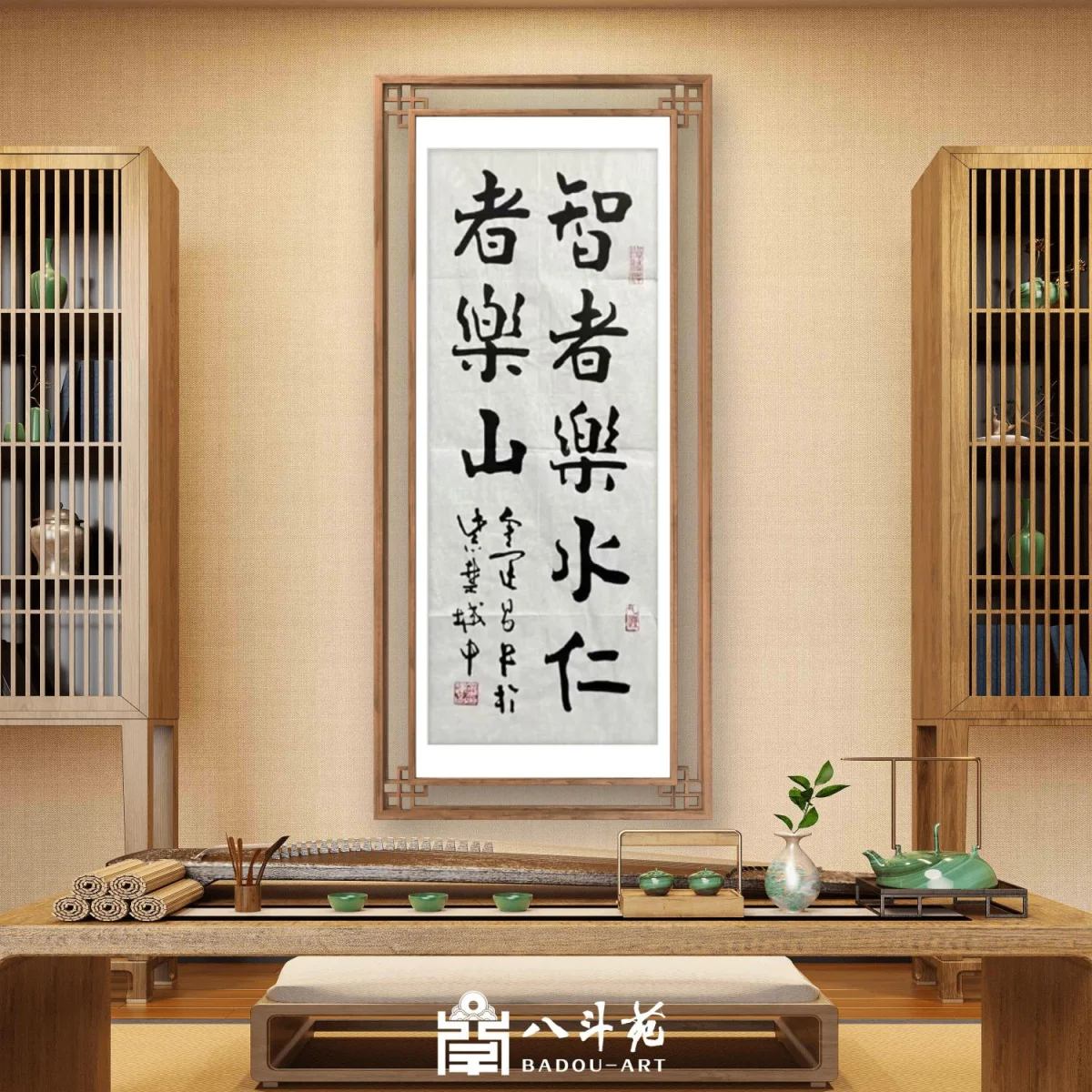
Jin Yunchang Calligraphy | 智者樂水仁者樂山
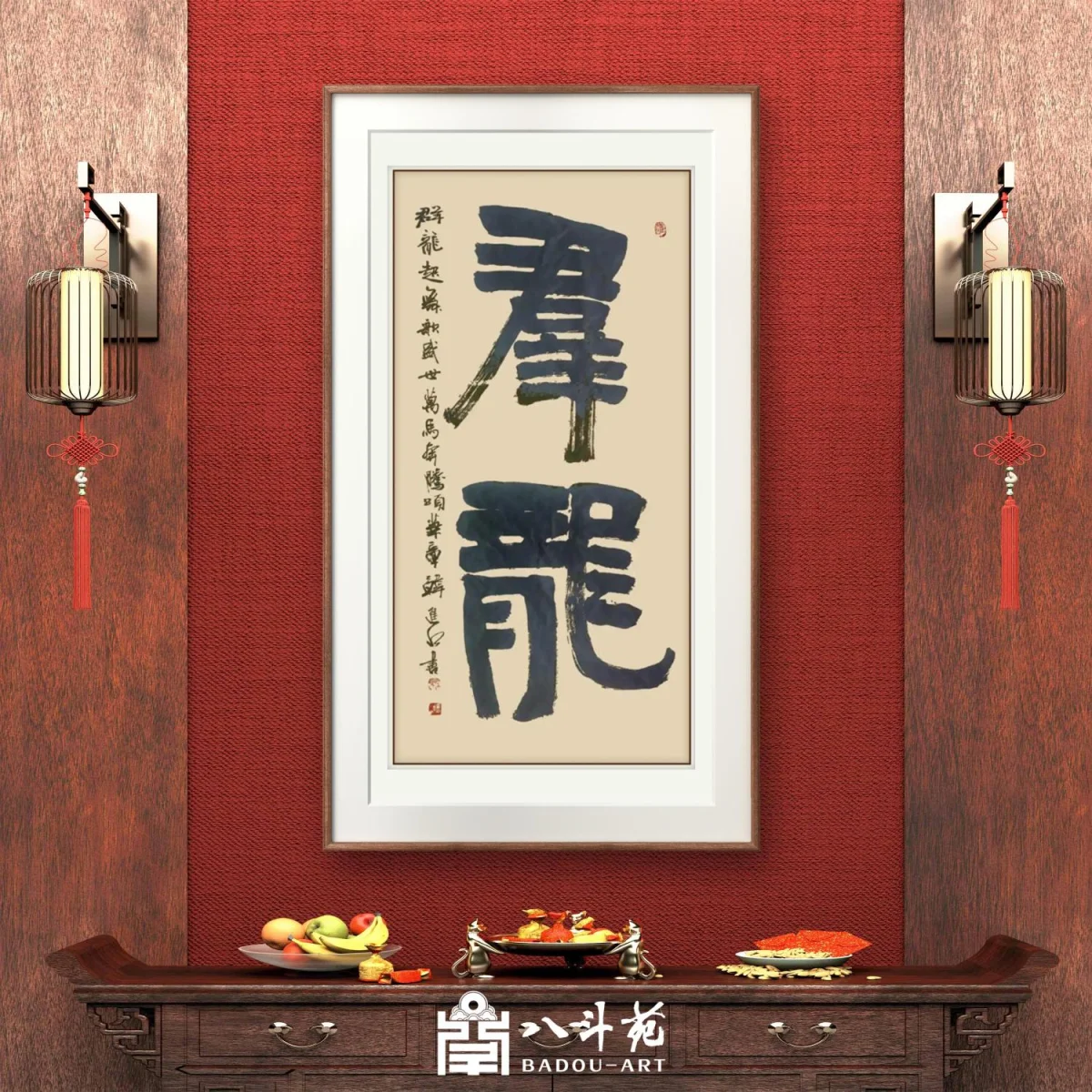
Han Jinshui Calligraphy | 羣龍 (A Group of Dragons)
Wu Guanzhong’s Lion Grove: Masterpiece of Nostalgia
Wu Guanzhong’s Lion Grove: Masterpiece of Nostalgia
On the evening of June 2, 2019, Wu Guanzhong’s monumental ink painting Lion Grove sold for more than 140 million yuan at China Guardian’s spring “Grand View” night auction — a record for his Chinese paintings. Behind the price tag lies a quieter story: the master’s lifelong belief that art must keep its “kite string” connected to life.
The Kite String Philosophy
In the 1980s, Wu Guanzhong (1919–2010) proposed the theory of “the kite string never breaking” (fengzheng buduanxian). For Wu, abstract painting is like flying a kite: the work is the kite distilled from real life, the audience is the sky, and the artist holds the string linking work to life. Only with the string intact, he argued, does art keep its roots and its dialogue with viewers. His 1990s remark that “ink equals zero” outside a specific picture still stirs debate.
A Garden Turned Abstract
Lion Grove (Shizilin) — one of Suzhou’s four great classical gardens — was the perfect subject for this idea. “The Lion Grove in Suzhou is really a museum of abstract sculpture,” Wu said. “More than four-fifths of the picture is stone — a pure abstraction of dots, lines, and planes. I bring in water and fish below the rocks, a corridor and pavilion above, and at once it reads as a garden.”
The record-setting painting, created in 1988, measures 1.44 by 2.97 meters and had already sold for 115 million yuan at Poly’s spring auction in 2011. An earlier 1983 version (1.73 by 2.9 meters) belongs to the China Art Palace in Shanghai. The series is widely regarded as the pivot of Wu’s career — the moment his personal style of dots, lines, and planes took flight.
What Viewers See
Before the sale, the auction house asked artists in other fields what they saw. The 92-year-old soprano Guo Shuzhen counted ten “eyes” in the composition: “Mr. Wu wanted to tell us to look at the world.”
A Home in Shanghai
The centenary of Wu’s birth in 2019 brought retrospectives across China — 58 works at the National Art Museum of China, a touring show of more than 30 works by Poly, and “Own Mountains and Rivers” at Rongbaozhai. The deepest collection, however, rests at the China Art Palace in Shanghai, which holds 110 works: 87 donated by Wu himself between 2005 and 2009, plus 23 added by his son Wu Keyu in 2012. The largest single gift, 66 works in 2008, included Lion Grove and Lu Xun’s Hometown. He chose Shanghai because, he said, “it is a city where East and West meet, much like my own painting.”
Wu compared his works to his children and his donations to “finding them a good home.” In his 2004 essay “This Feeling Must Never Be Cut,” he explained why the string could never be broken: “If the line is cut, I lose contact with my people. The line should grow finer, more hidden — but this feeling must never, ever be cut.”
Legacy
For collectors, Lion Grove embodies the meeting of tradition and modernity at its highest level. If you are considering a commissioned painting or calligraphy, Badou Art’s specialists are happy to guide you.
Source: https://www.cntizi.com/2477.html