Our Featured Collection
Hand‑picked premium works for you
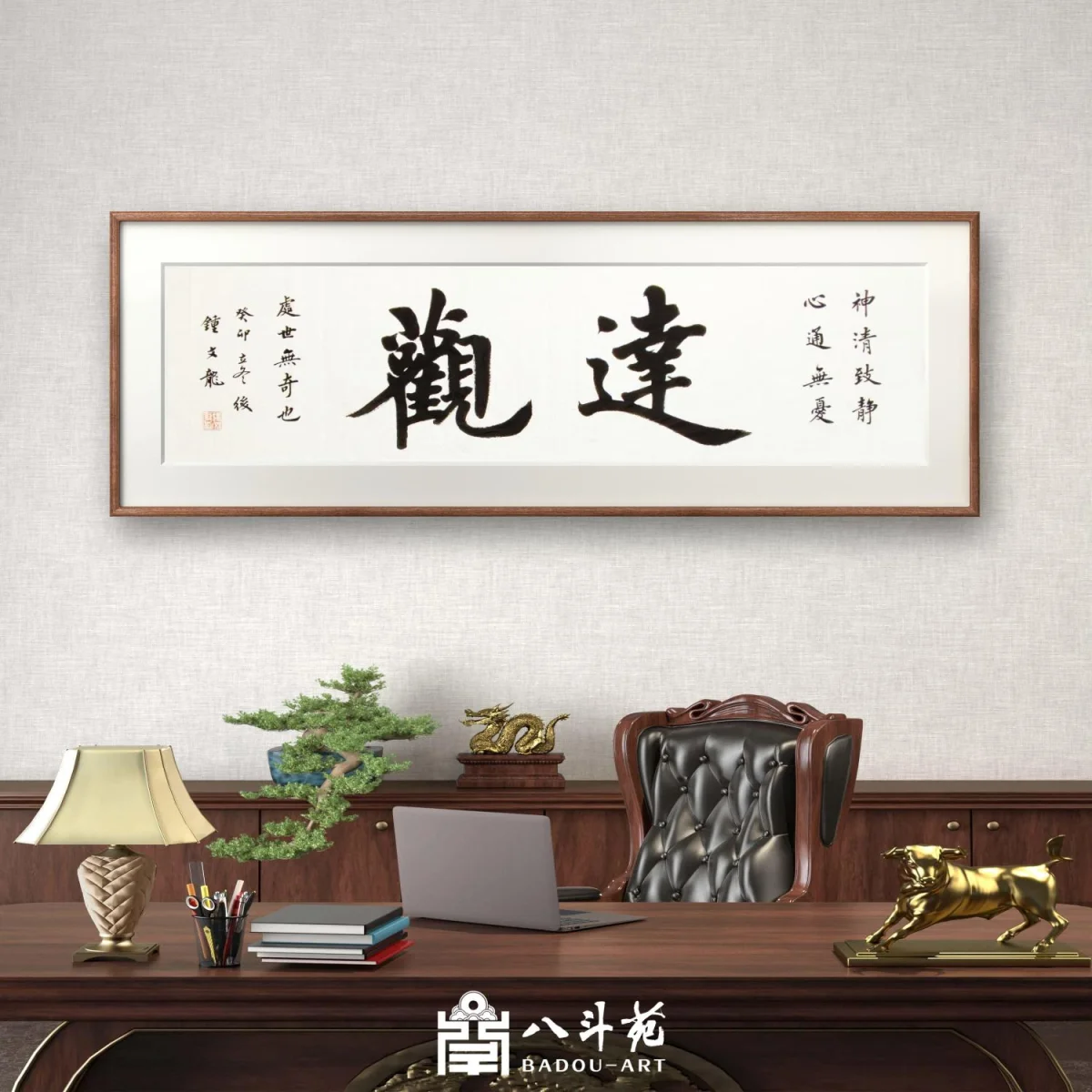
Zhong Wenlong Calligraphy | 达观
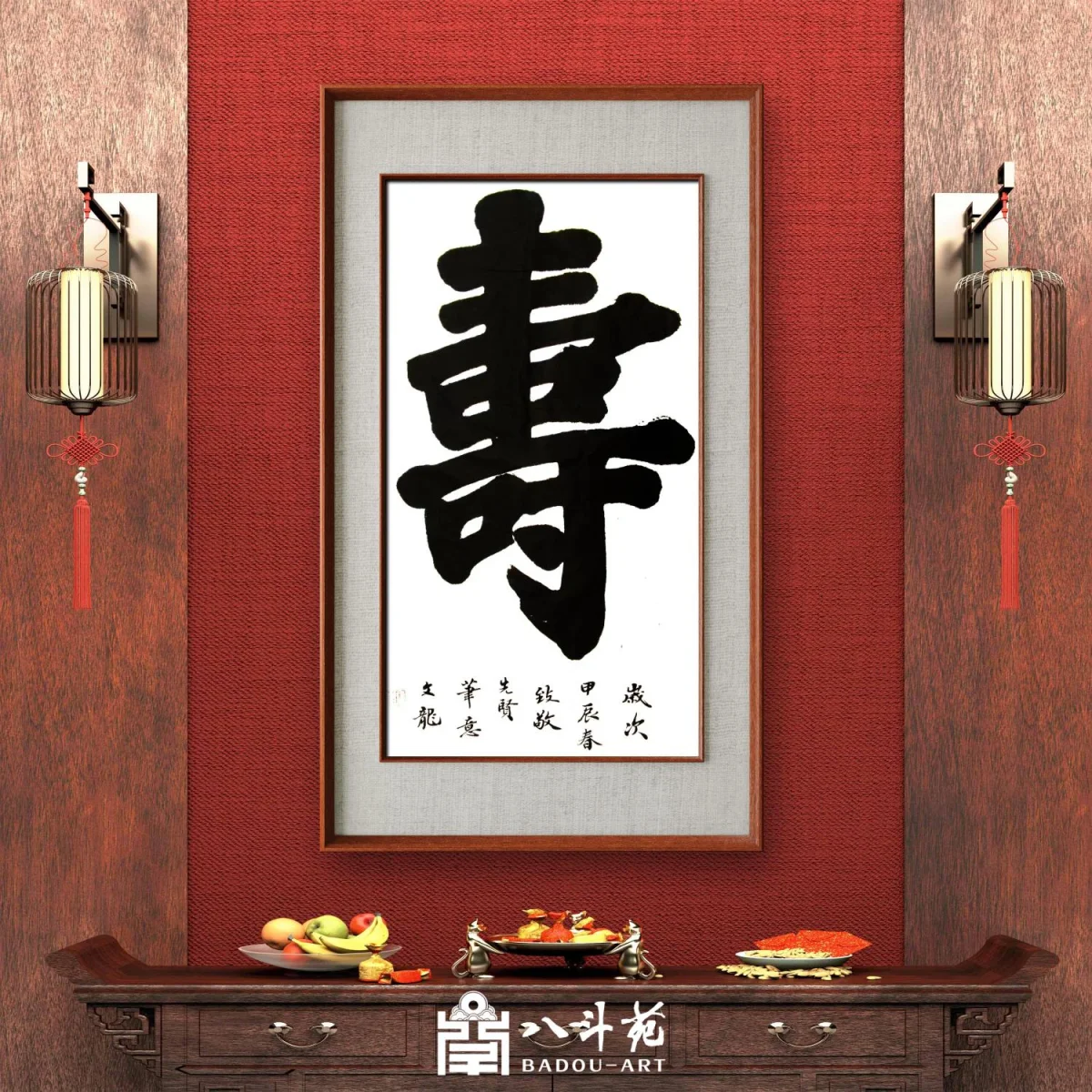
Zhong Wenlong Calligraphy | 壽
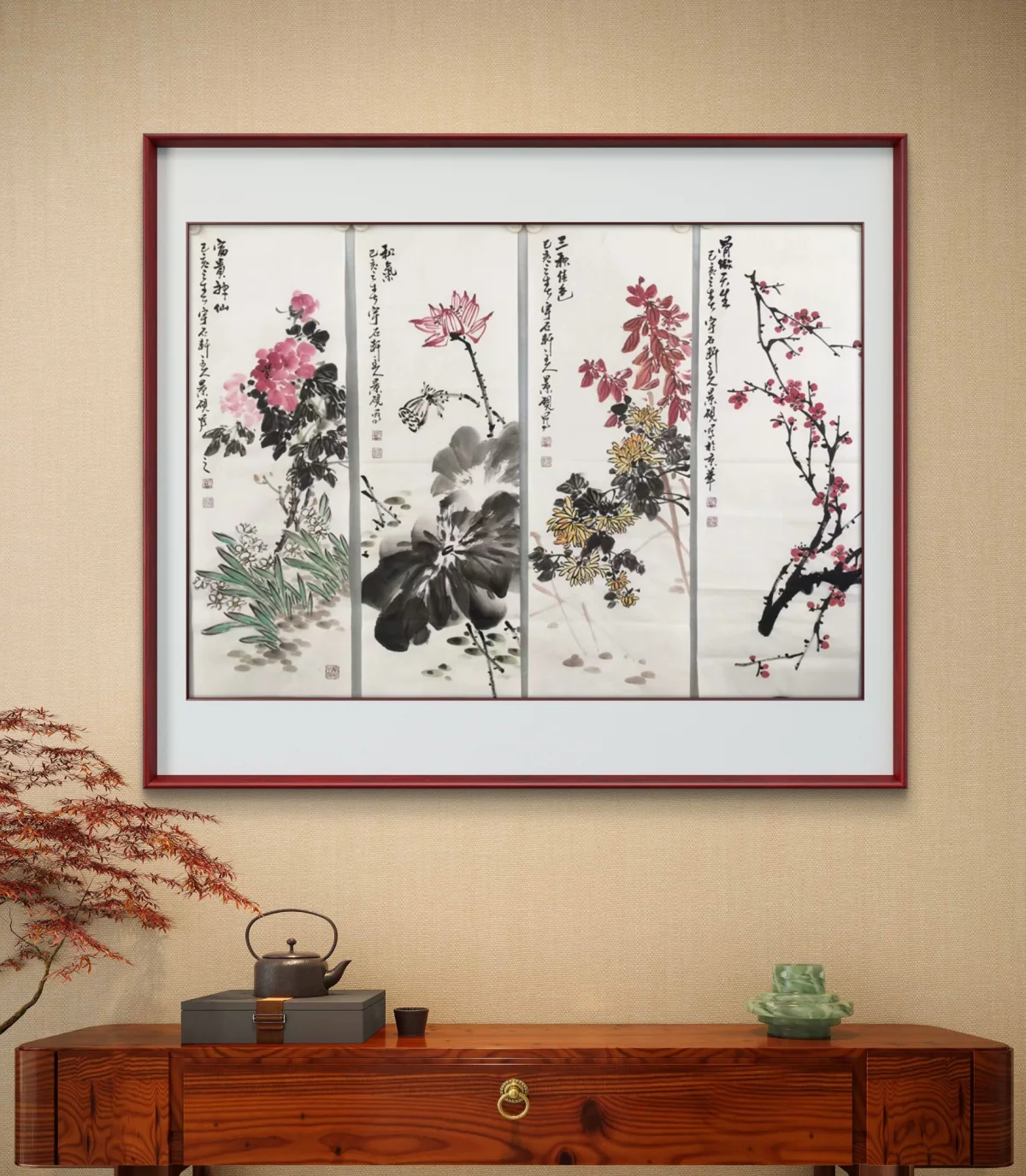
Wu Jingyan Chinese Freehand Painting・Four‑Panel Flower‑and‑Bird Screens(花鸟四条屏)
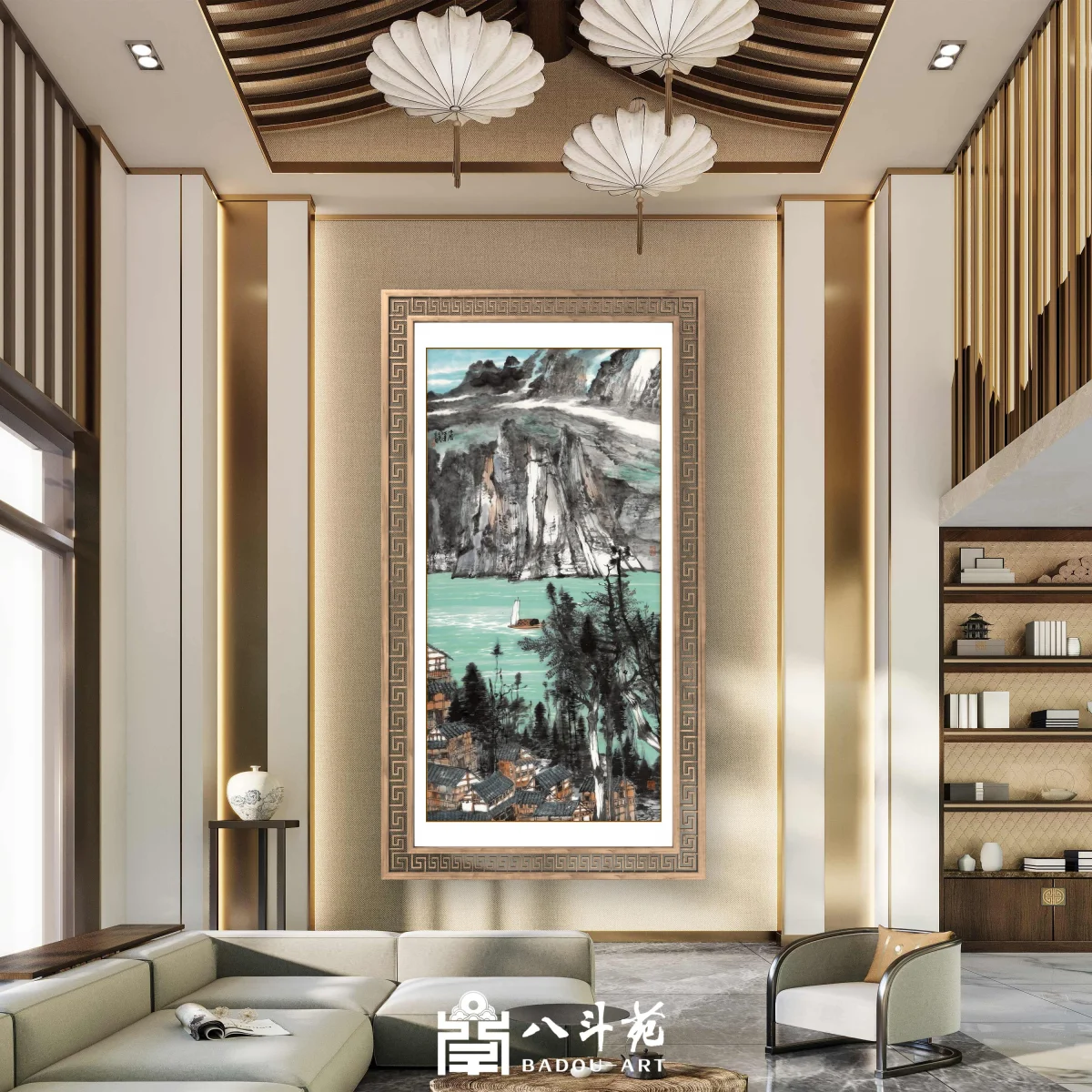
Liu Liyong Landscape Painting | Riverside Mountain Hamlet (山居江远)
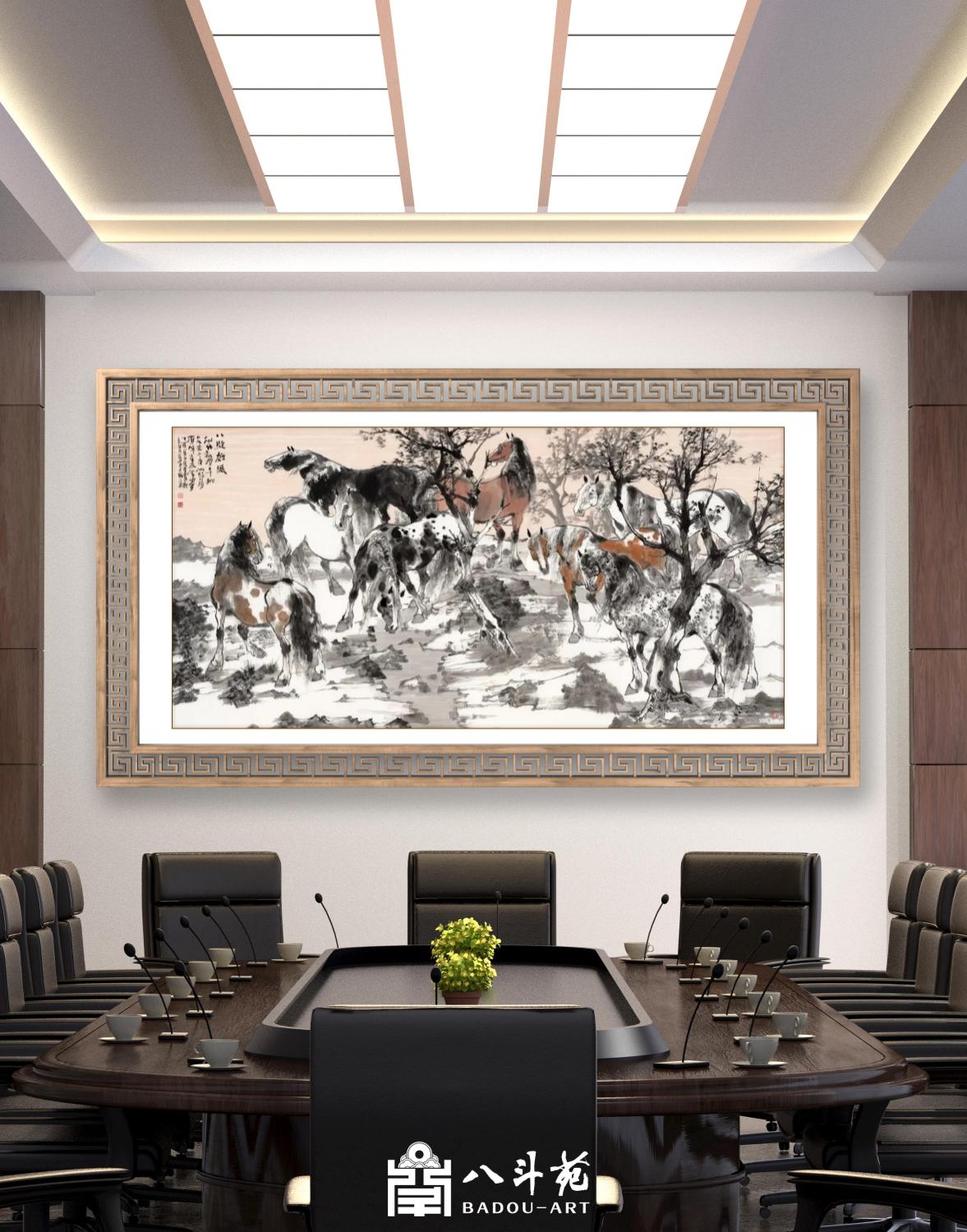
Liu Liyong Animal Painting | Eight Steeds (八骏图)
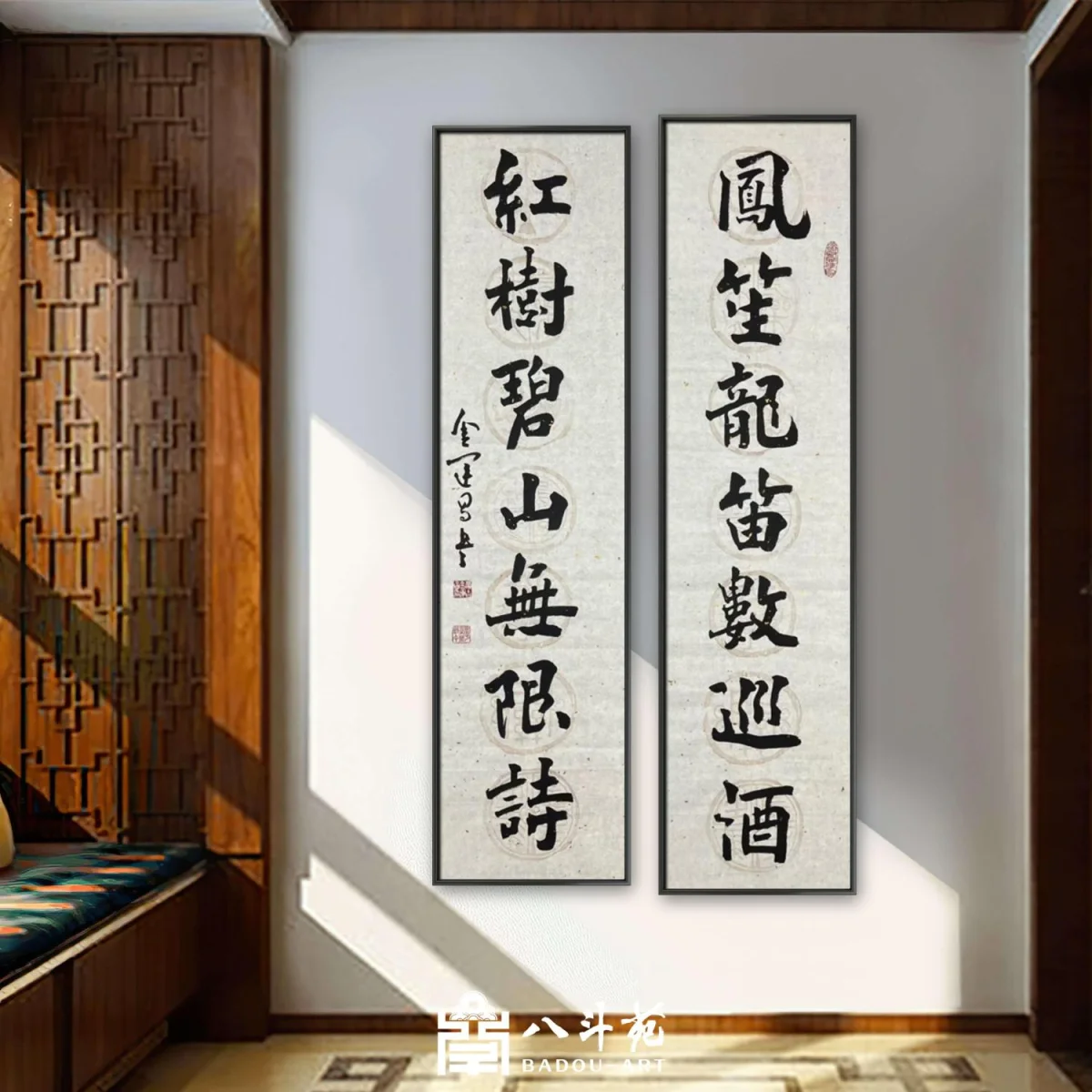
Jin Yunchang Calligraphy | 鳳笙龍笛數巡酒
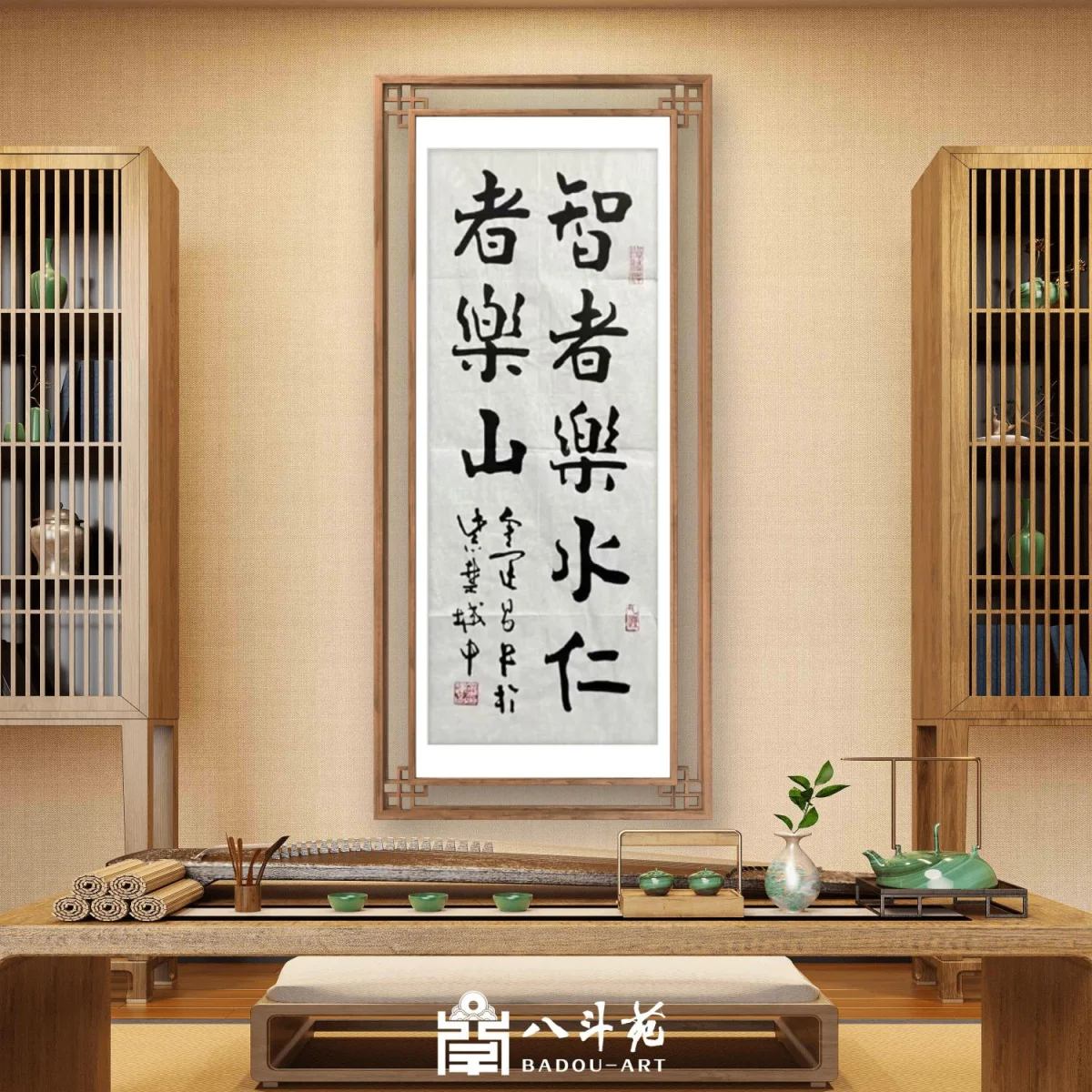
Jin Yunchang Calligraphy | 智者樂水仁者樂山
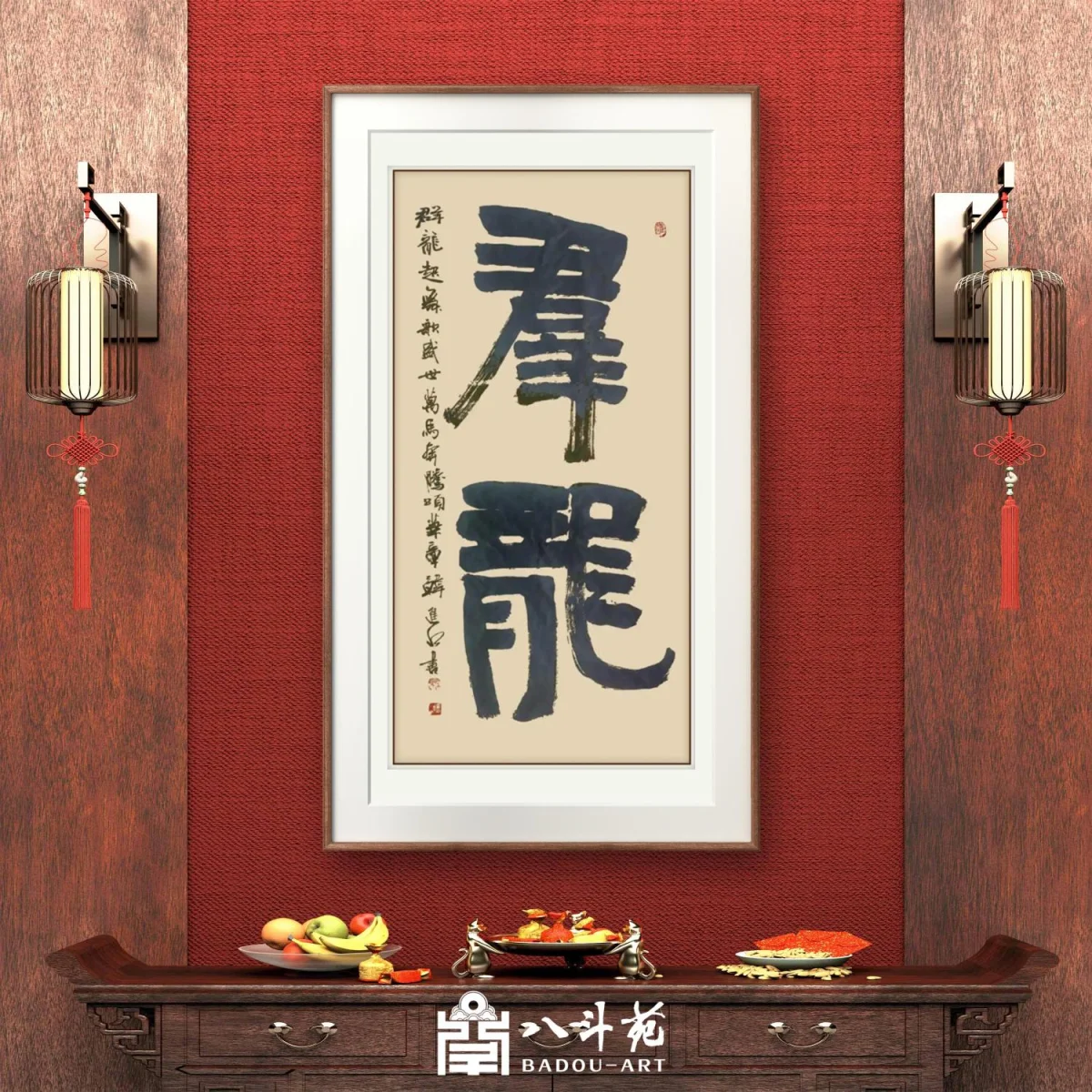
Han Jinshui Calligraphy | 羣龍 (A Group of Dragons)
What Is Calligraphy? More Than Beautiful Writing
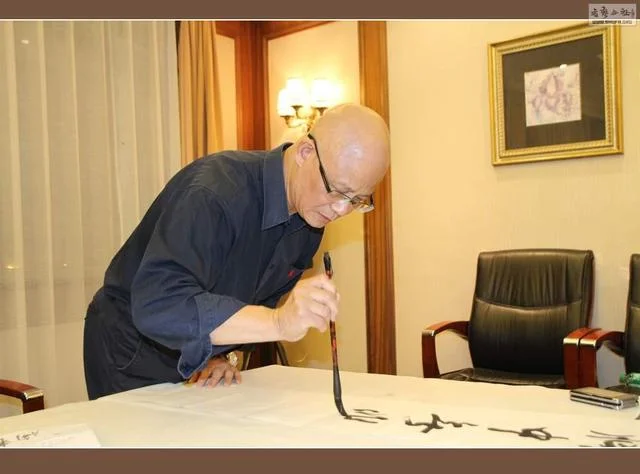
What Is Calligraphy? More Than Beautiful Writing
Ask ten people what calligraphy is and you may get ten different answers. Even among China’s calligraphy professionals, there is no single accepted definition — and that is normal, because the question “what is calligraphy?” is one no one can answer for you. This article, distilled from talks by Dr. Yu Zhonghua, a calligraphy scholar known for his popular television lectures, walks through the major ways of understanding this ancient art and how to approach learning it.
Three Popular Modern Answers
Over the past decades, three views have dominated:
- **Writing with method.** Sun Xiaoyun’s influential book *Calligraphy Has Its Method* argues that calligraphy means writing with proper brush technique — without it, even beautiful writing is not calligraphy. Critics note that this treats each character as an object outside the writer, a “painting-like” approach.
- **The art of expressing emotion.** A famous debate of 1978–1981 concluded that calligraphy is an expressive art, echoing the Tang dynasty critic Sun Guoting: “convey temperament; give form to joy and sorrow.”
- **Freehand lines cutting blank space.** In 1989, scholar Qiu Zhenzhong defined calligraphy as “the cutting of blank space by hand-drawn lines,” as opposed to mechanical lines drawn with ruler and compass.
Each view captures part of the truth, but none tells the whole story.
What the Character Shu (書) Really Means
In classical Chinese, the word *shu* was both noun and verb: the finished work and the act of writing. True calligraphy, the ancients believed, is the unity of the two. Four ancient glosses unfold its meaning:
- **Ru (如), “likeness.”** Brushwork was described as “like an awl drawing in sand,” “like a seal pressed into paste” — a soft, harmonious responsiveness to nature, not mere copying.
- **Zhu (著), “making luminous.”** Writing lets things stand out and become clear; the brush is the right hand speaking.
- **Shu (舒), “ease.”** A work aligned with the Way of heaven, such as Wang Xizhi’s *Lanting Xu* or Yan Zhenqing’s *Draft of a Eulogy for His Nephew*, brings clarity and comfort.
- **Shu (抒), “pouring out.”** Feeling must flow out through the hand, as in Su Shi’s *Cold Food Observance*.
Between Confucius and Laozi
Chinese calligraphy never became pure “art for art’s sake.” It lives in the balance between Confucian restraint and Daoist spontaneity: the brush is held to ethical discipline, then released into natural freedom. Wang Xizhi, the “Sage of Calligraphy,” carried both traditions — and even elements of Buddhism — in his hand. The Ming dynasty painter Xu Wei, who crossed that balance into pure self-expression, remains the exception that proves the rule.
How to Begin: From Finished Work to Living Brushwork
Since no one can watch the ancients write, the only path is to study their finished masterpieces and infer the moving hand behind them. Look at how each stroke is made, how strokes connect into parts, and how parts form characters. Stroke execution and connection belong to brush technique (*bifa*); the assembly of parts and characters is structure (*jiezixing*). Practice both, and the meaning of calligraphy will slowly reveal itself — through your own brush.
If you’re considering a commissioned calligraphy piece, Badou Art’s specialists are happy to guide you.
Source: https://www.cntizi.com/4206.html