Featured Products


Our Featured Collection
Hand‑picked premium works for you
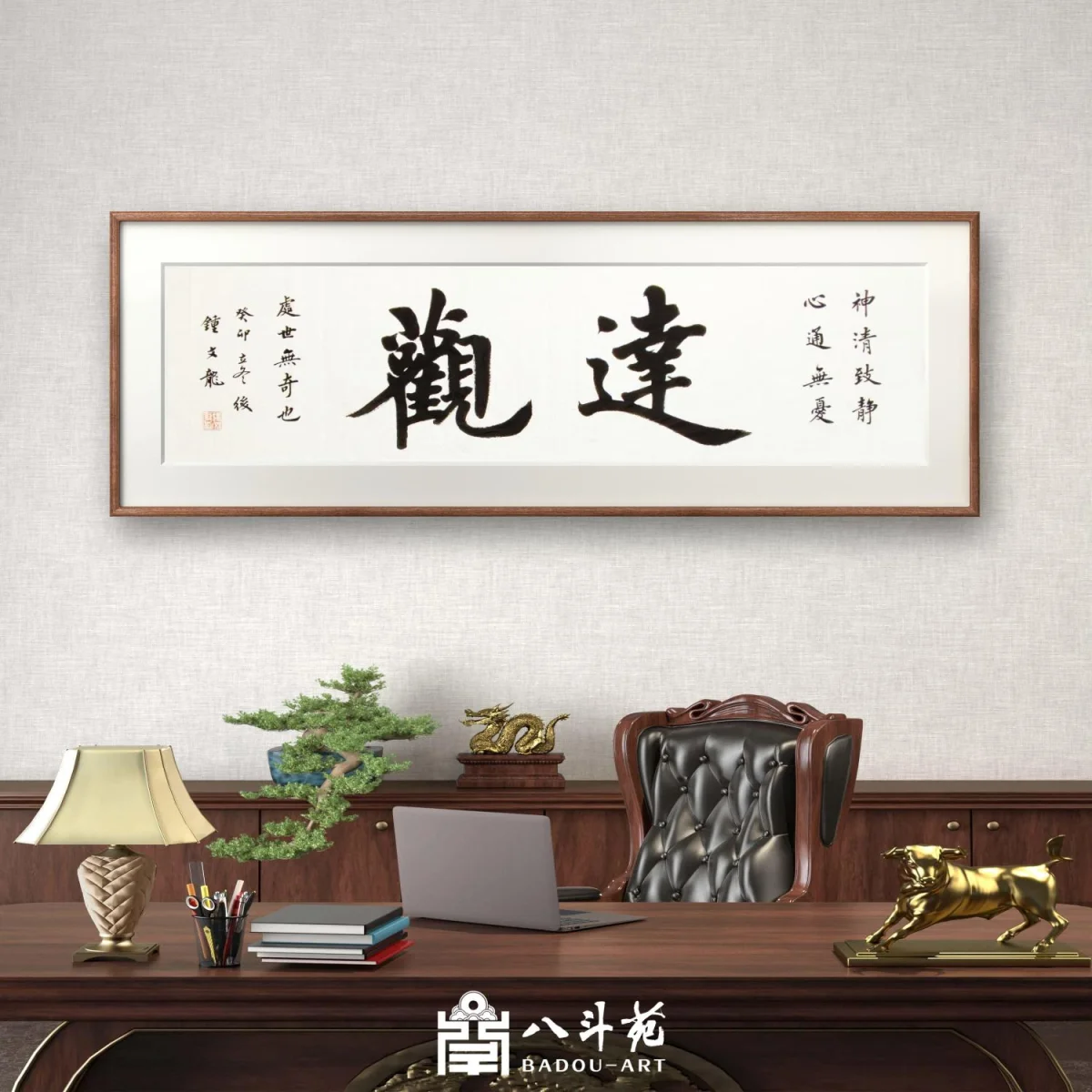
Price range: $750.00 through $1,900.00
Zhong Wenlong Calligraphy | 达观
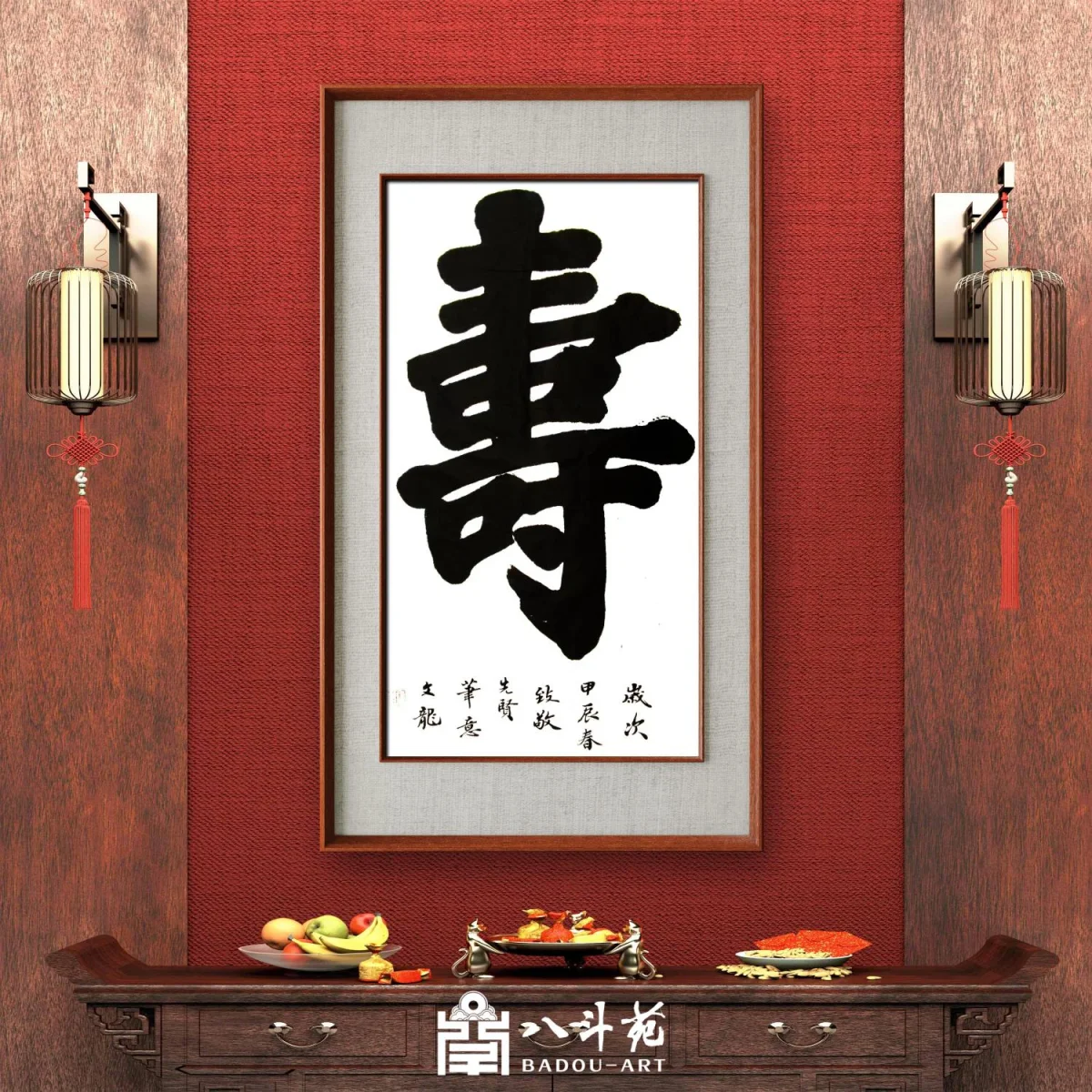
Price range: $1,188.00 through $3,400.00
Zhong Wenlong Calligraphy | 壽
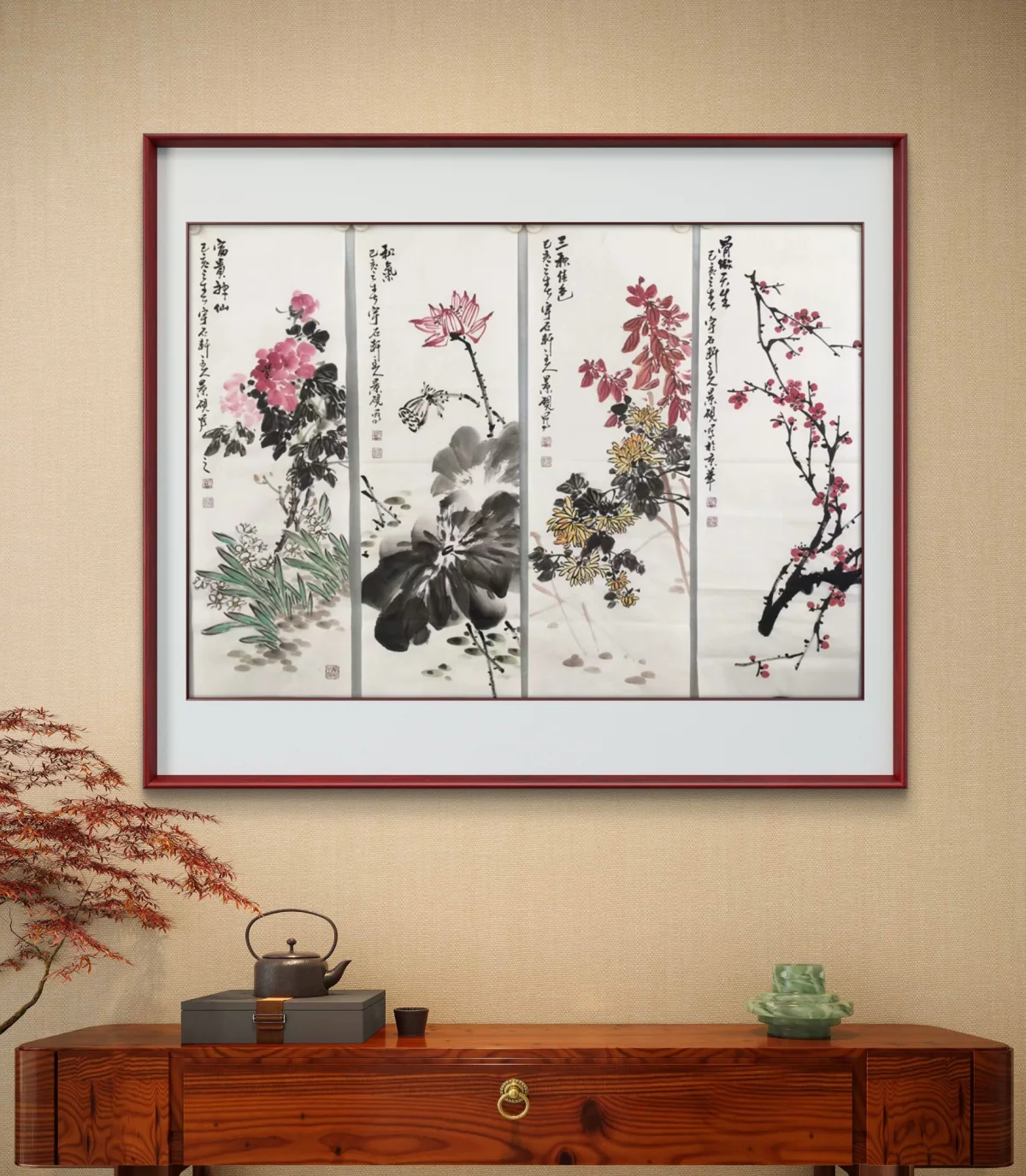
Price range: $1,520.00 through $2,720.00
Wu Jingyan Chinese Freehand Painting・Four‑Panel Flower‑and‑Bird Screens(花鸟四条屏)
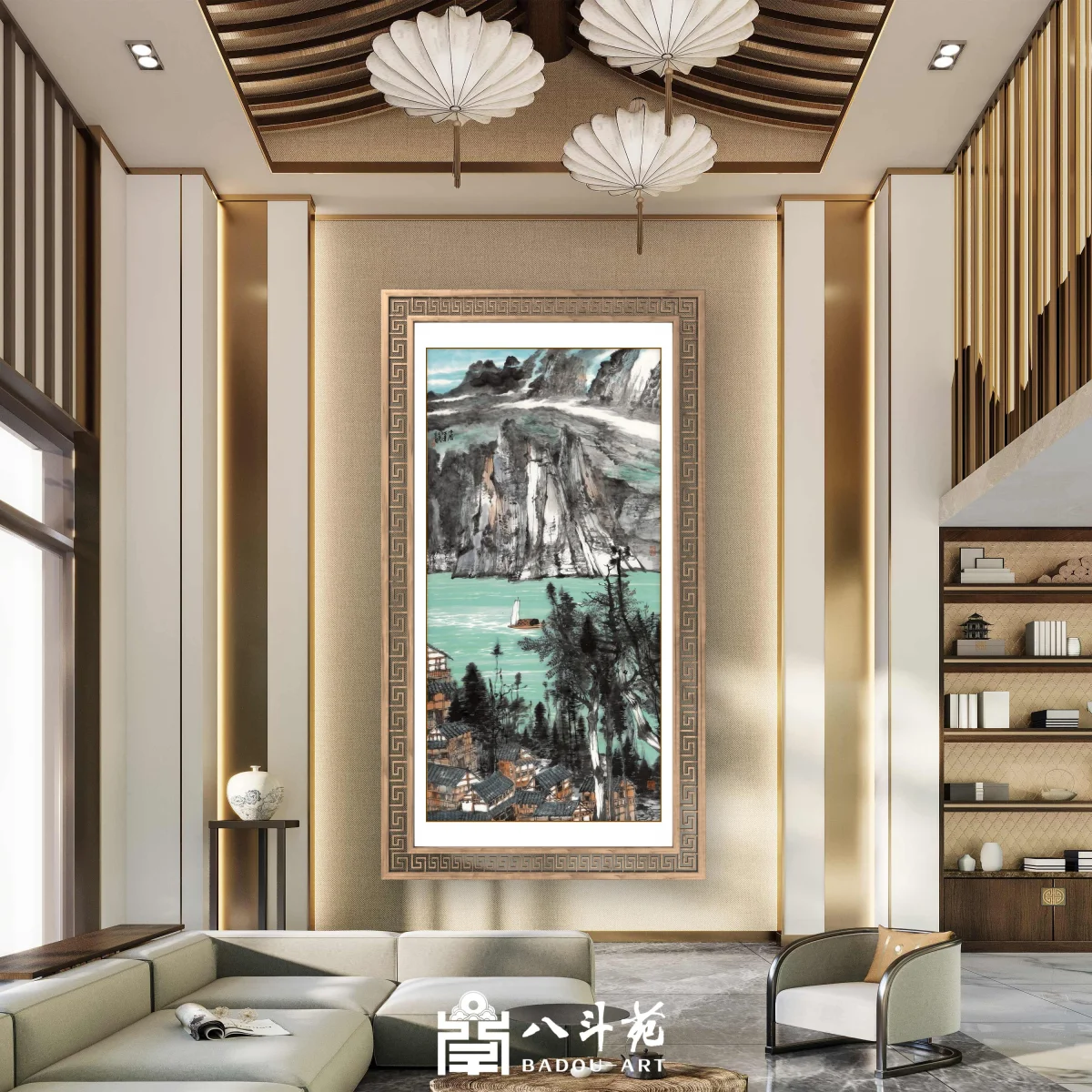
Price range: $28,500.00 through $81,600.00
Liu Liyong Landscape Painting | Riverside Mountain Hamlet (山居江远)
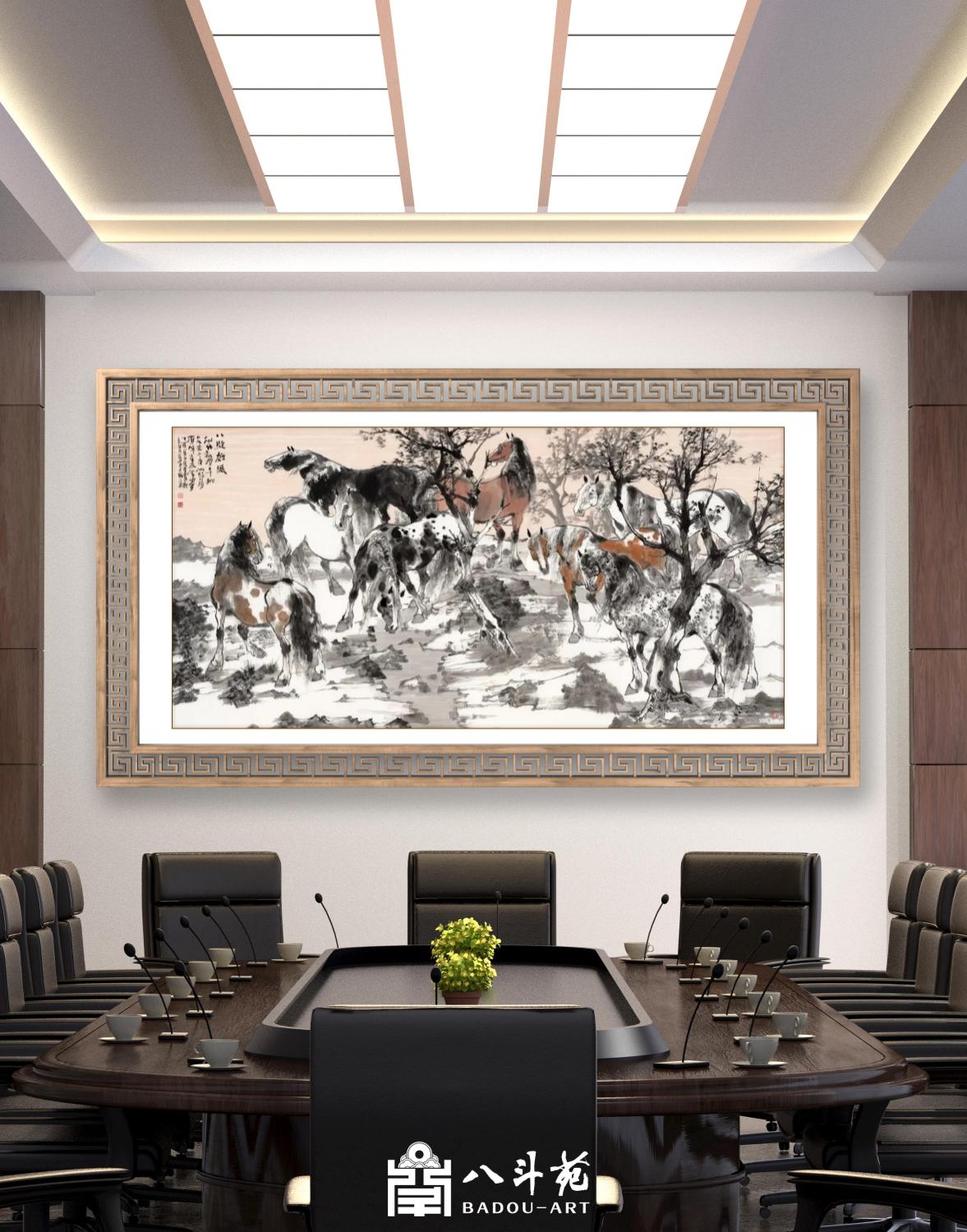
Price range: $28,500.00 through $81,600.00
Liu Liyong Animal Painting | Eight Steeds (八骏图)
Price range: $4,750.00 through $13,600.00
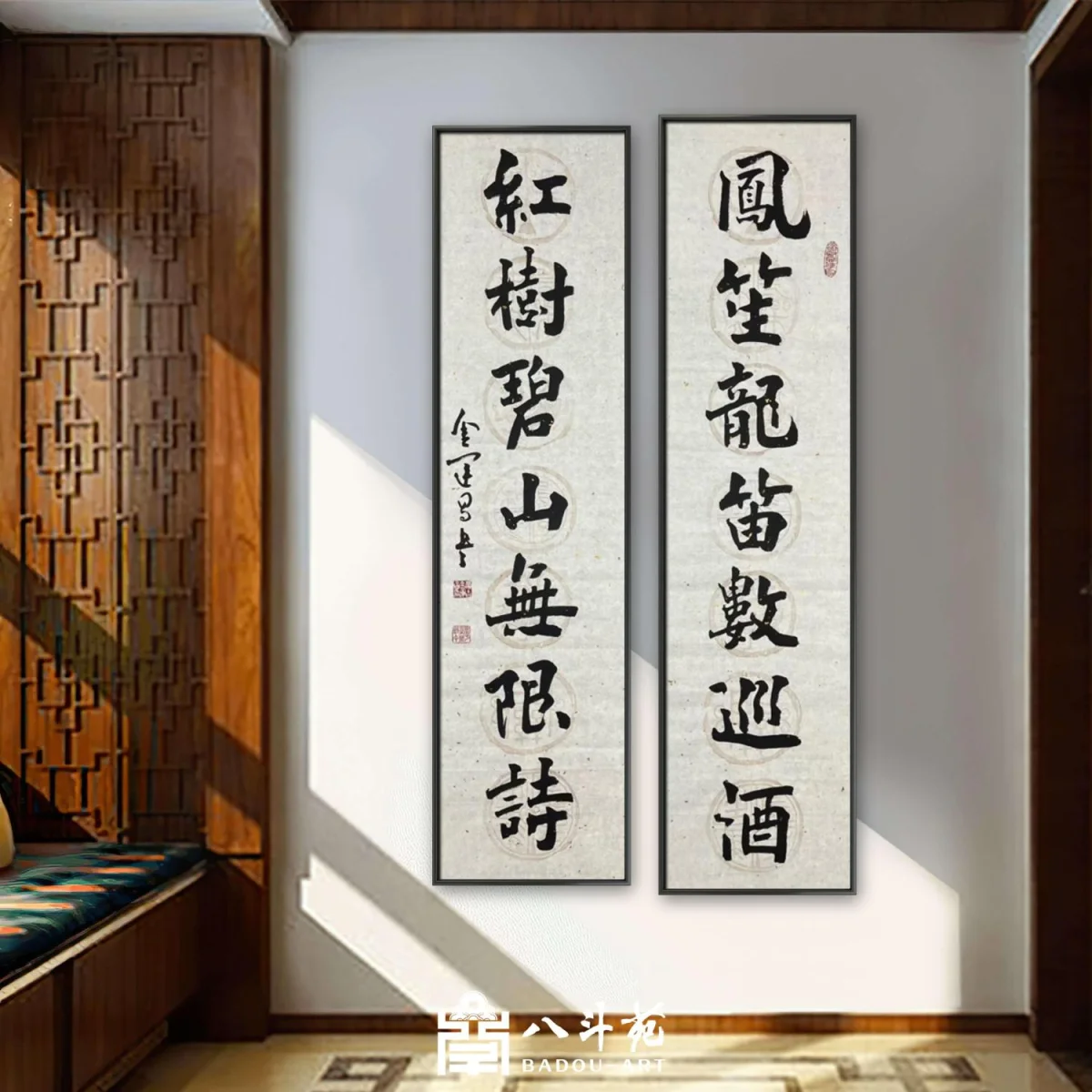
Jin Yunchang Calligraphy | 鳳笙龍笛數巡酒
Price range: $4,750.00 through $13,600.00
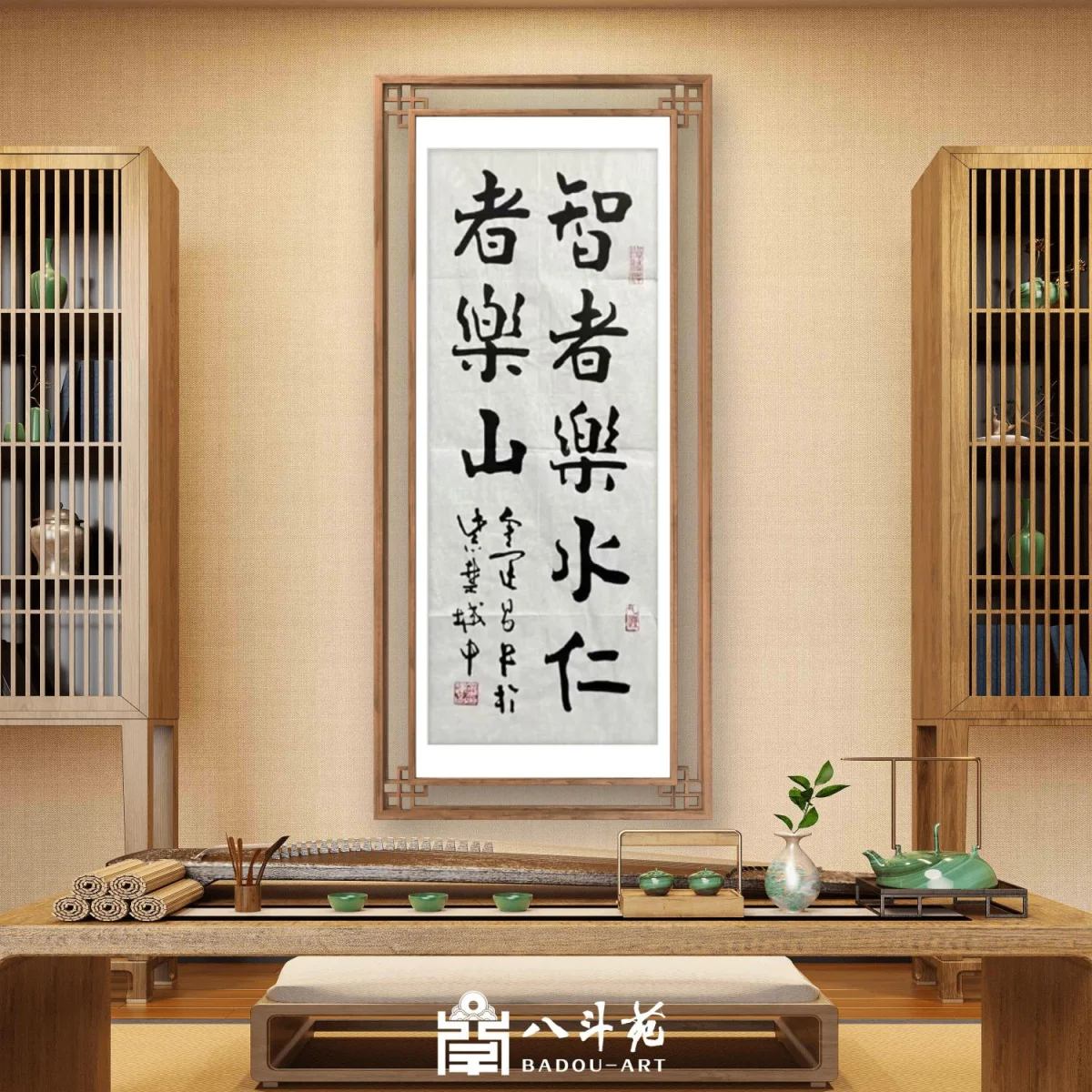
Jin Yunchang Calligraphy | 智者樂水仁者樂山
Price range: $1,425.00 through $4,080.00
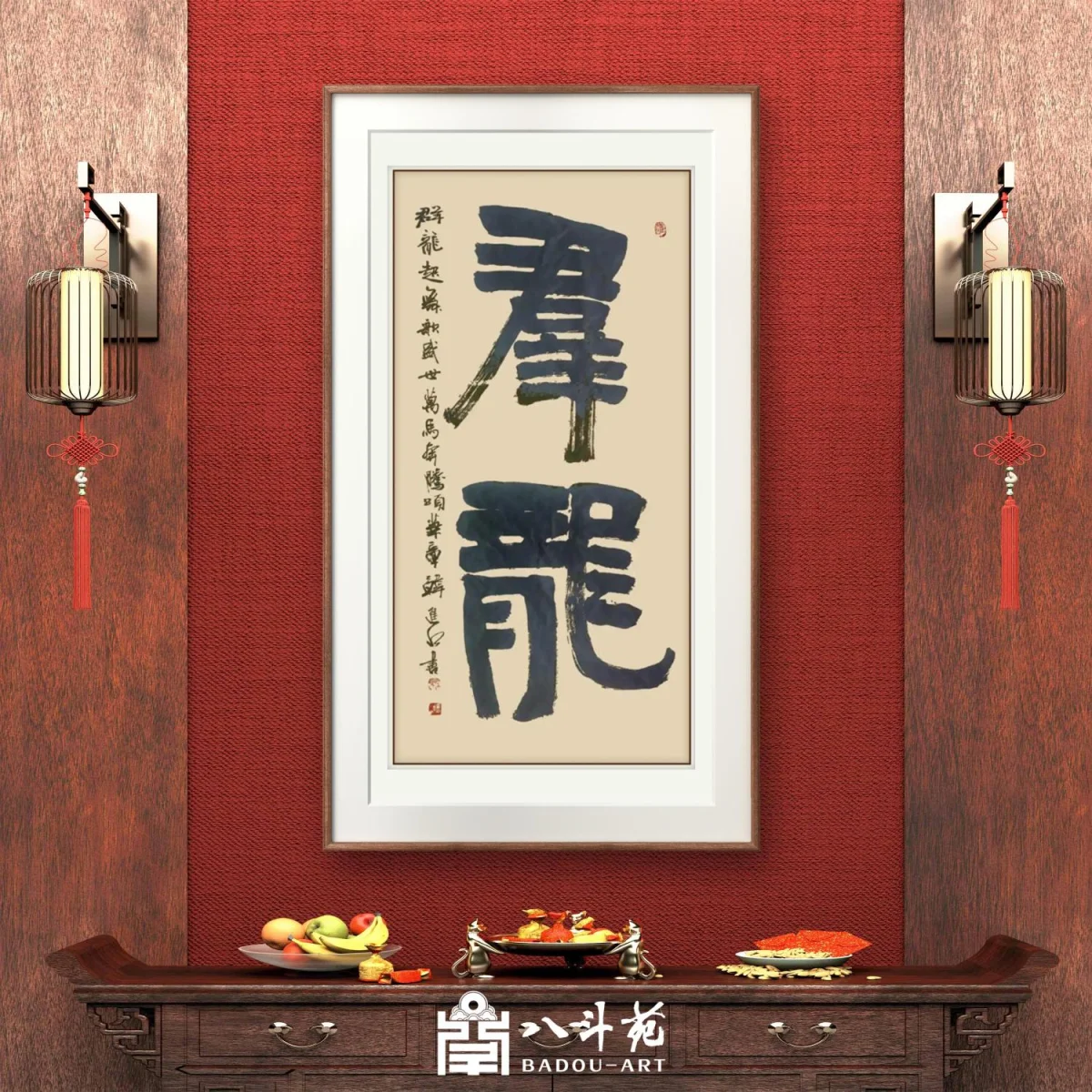
Han Jinshui Calligraphy | 羣龍 (A Group of Dragons)
Chinese Calligraphy Basics: 100 Questions, Key Answers
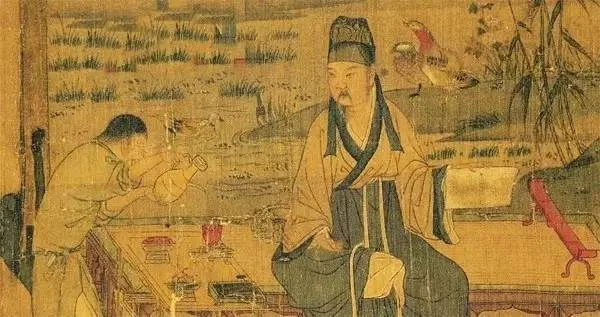
Chinese Calligraphy Basics: 100 Questions, Key Answers
“100 Questions on Chinese Calligraphy Basics” is a beloved reference for beginners in China, covering everything from ancient scripts to the four treasures of the study. This guide distills the essentials, grouped by theme.
Script Types
- **Oracle bone script (jiaguwen):** characters carved on turtle shells and animal bones in the Shang dynasty.
- **Bronze script (jinwen):** inscriptions cast into bronze vessels; key works include the *Mao Gong Ding* and *San Shi Pan*.
- **Large seal (dazhuan):** all writing before the Qin unification, including oracle bone, bronze, and Zhou script.
- **Small seal (xiaozhuan):** standardized by Prime Minister Li Si of Qin; examples include the *Taishan Inscription*.
- **Clerical script (lishu):** developed from fast cursive-seal writing; Eastern Han masterpieces (*Zhang Qian Bei*, *Yi Ying Bei*, *Cao Quan Bei*) define it.
- **Cursive scripts:** *zhangcao* (clerical cursive), *jincao* (modern cursive, matured under the Eastern Jin Wangs), and *kuangcao* (wild cursive, created by Tang masters Zhang Xu and Huai Su).
- **Regular script (kaishu):** first perfected by Zhong Yao; later divided into Jin, Wei (Northern Wei stelae), and Tang styles.
- **Running script (xingshu):** between regular and cursive; said to originate with Liu Desheng of the late Han.
- **Thin gold (shoujinti) and lacquer script (qishu):** Emperor Huizong’s iron-stroke style, and Jin Nong’s idiosyncratic manner.
Masters and Their Styles
- **Zhong Yao** — clear, archaic, broad and rounded; paired with Wang Xizhi as “Zhong–Wang.”
- **Lady Wei (Wei Shuo)** — graceful “as a dancing flower maiden”; Wang Xizhi’s first teacher.
- **The Two Wangs** — Wang Xizhi and his son Wang Xianzhi, fathers of the model-copy tradition; the younger Wang created a free running-cursive style.
- **The Four Early Tang Masters** — Ouyang Xun, Yu Shinan, Chu Suiliang, Xue Ji; Ouyang’s *Jiuchenggong* remains a classic model.
- **Yan Zhenqing & Liu Gongquan** — “Yan’s sinews, Liu’s bones”: full, muscular strokes versus lean, angular strength.
- **Zhang Xu & Huai Su** — wild cursive masters; Zhang was nicknamed “Zhang the Crazy” for writing drunk on walls.
- **The Four Song Masters** — Cai Xiang, Su Shi, Huang Tingjian, Mi Fu; Su’s *Cold Food Observance* ranks second among running-script masterpieces.
- **Zhao Mengfu** — Yuan revivalist; his “Zhao style” is one of the four great regular-script styles.
- **Qing voices** — Dong Qichang’s subtle elegance, Fu Shan’s wild honesty, the Eight Eccentrics of Yangzhou, Liu Yong’s “dense-ink prime minister.”
Steles, Model Books, and Masterworks
- **Bei vs. tie:** stelae are stone inscriptions; tie are engraved copies of handwritten works by Jin, Tang, and Song masters.
- **Chunhua Ge Tie (992):** the first great imperial anthology of model calligraphy, ten volumes carved in wood.
- **Sanxitang Model Calligraphy (1747):** the Qianlong emperor’s 32-volume anthology, named for three treasures including Wang Xizhi’s *Kuai Xue Shi Qing*.
- **The three great running-script works:** Wang Xizhi’s *Lanting Xu* (first), Yan Zhenqing’s *Draft of a Eulogy for His Nephew* (second), and Su Shi’s *Cold Food Observance* (third).
Learning Methods and the Four Treasures
- **Four ways to practice:** study (*du tie*), copy beside the model (*lin tie*), trace over translucent paper (*mo tie*), and write from memory (*bei lin*).
- **The Eight Principles of Yong:** the character *yong* contains eight basic stroke types — the foundation of brush practice.
- **Four treasures of the study:** brush, ink, paper, inkstone — finest among them the Huzhou brush, Huizhou ink, Xuan (rice) paper, and Duan inkstone. Xuan paper from Jing County, Anhui, absorbs ink with a special bloom: raw Xuan spreads ink, sized Xuan resists it.
If you’re considering a commissioned piece, Badou Art’s specialists are happy to guide you.
Source: https://www.cntizi.com/6791.html