Our Featured Collection
Hand‑picked premium works for you
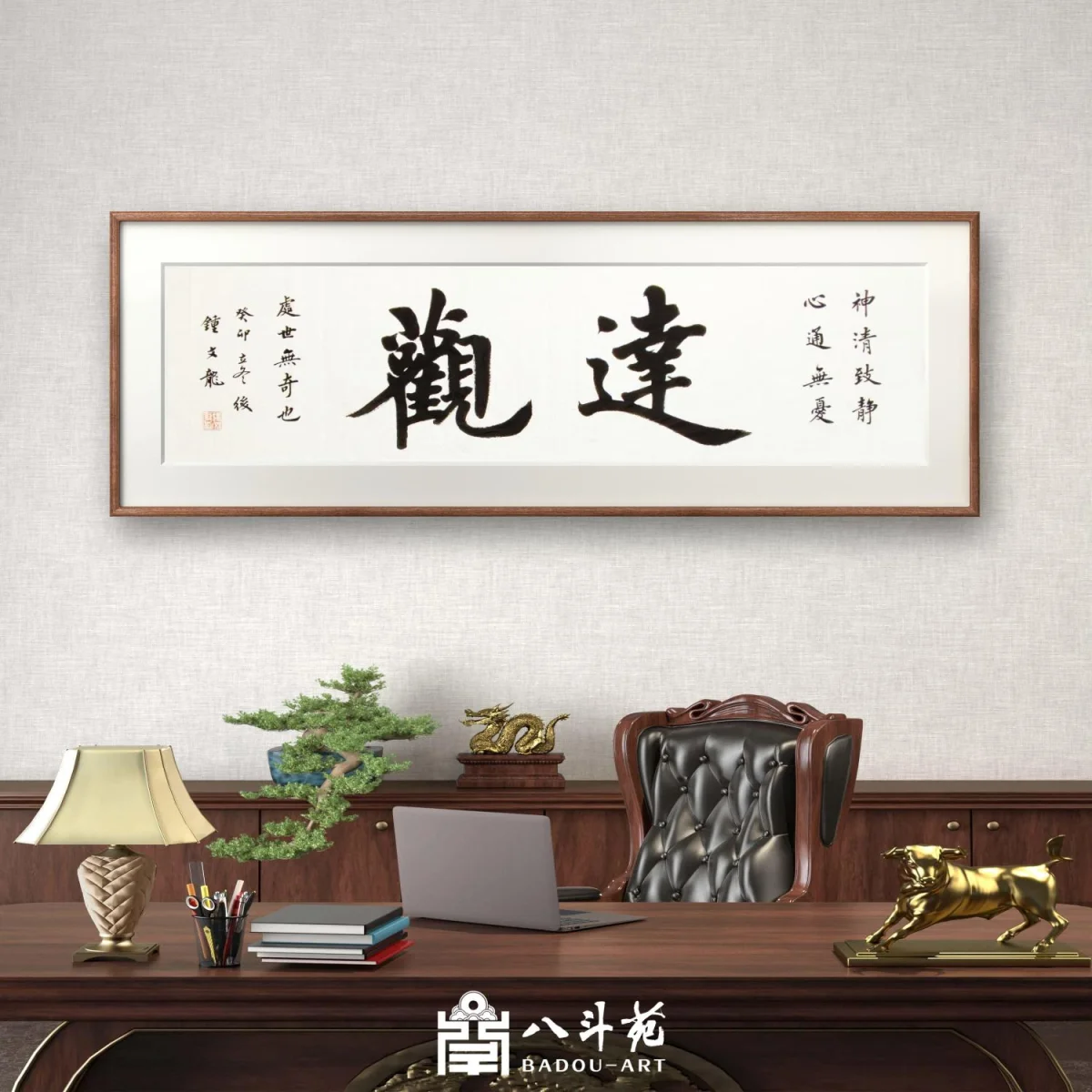
Zhong Wenlong Calligraphy | 达观
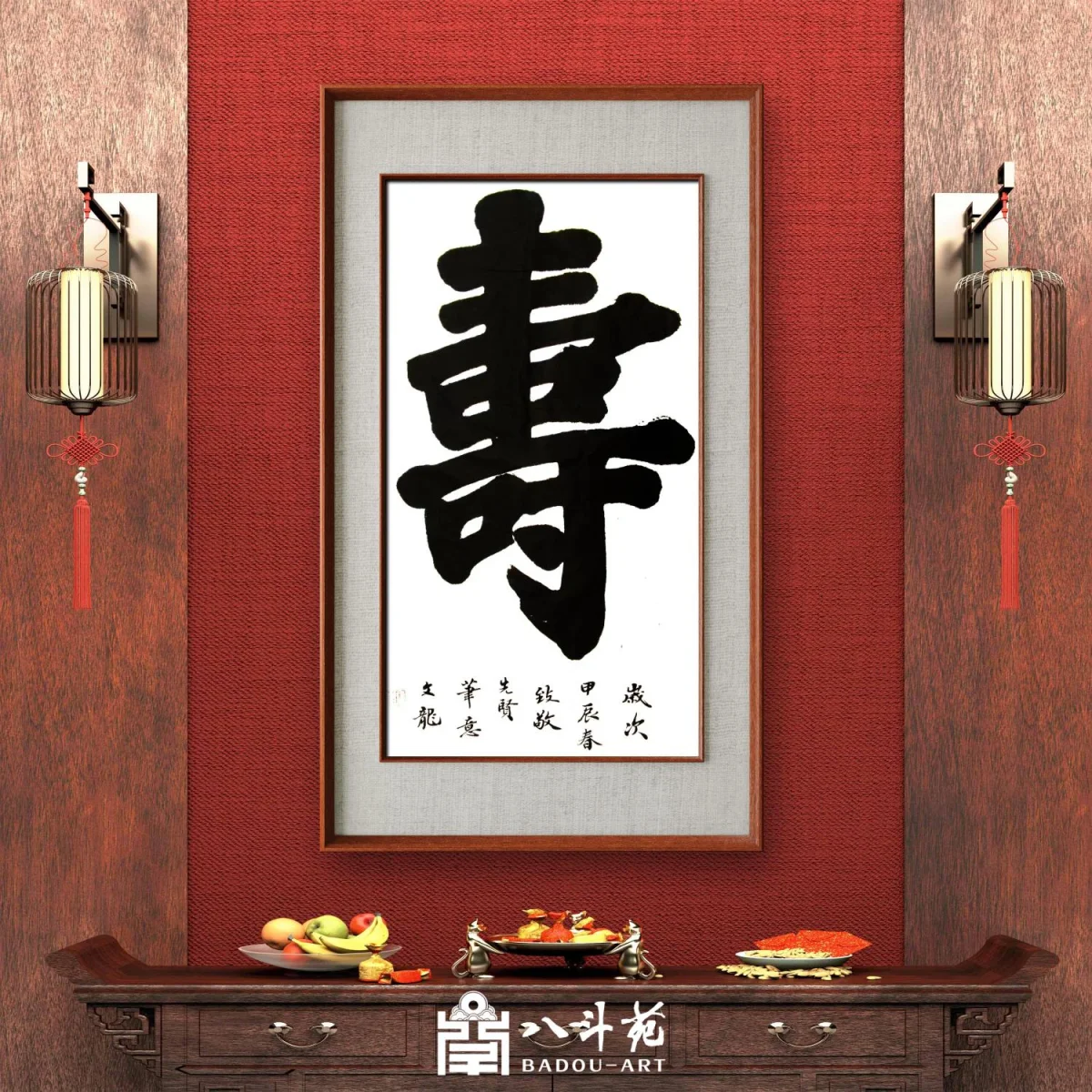
Zhong Wenlong Calligraphy | 壽
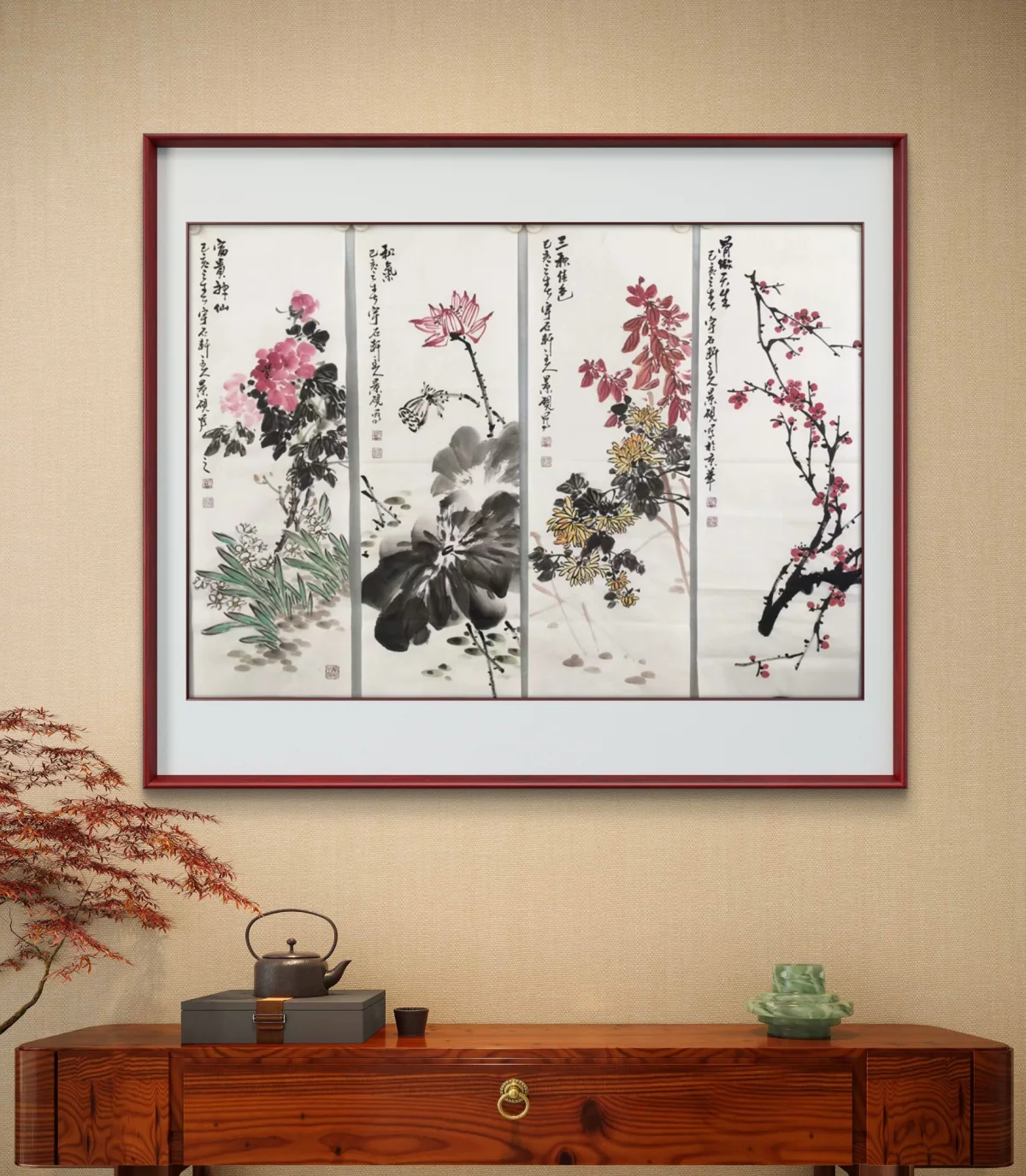
Wu Jingyan Chinese Freehand Painting・Four‑Panel Flower‑and‑Bird Screens(花鸟四条屏)
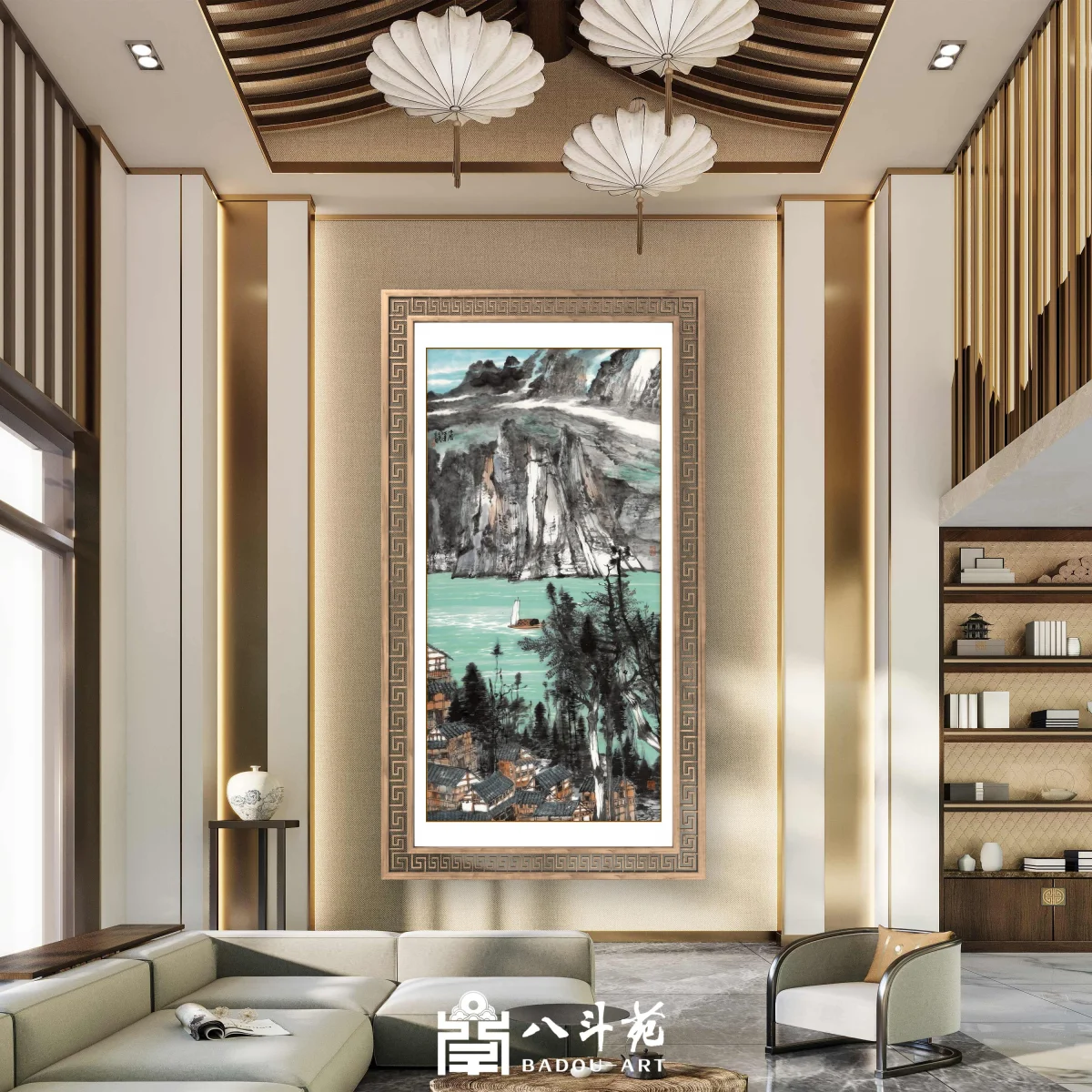
Liu Liyong Landscape Painting | Riverside Mountain Hamlet (山居江远)
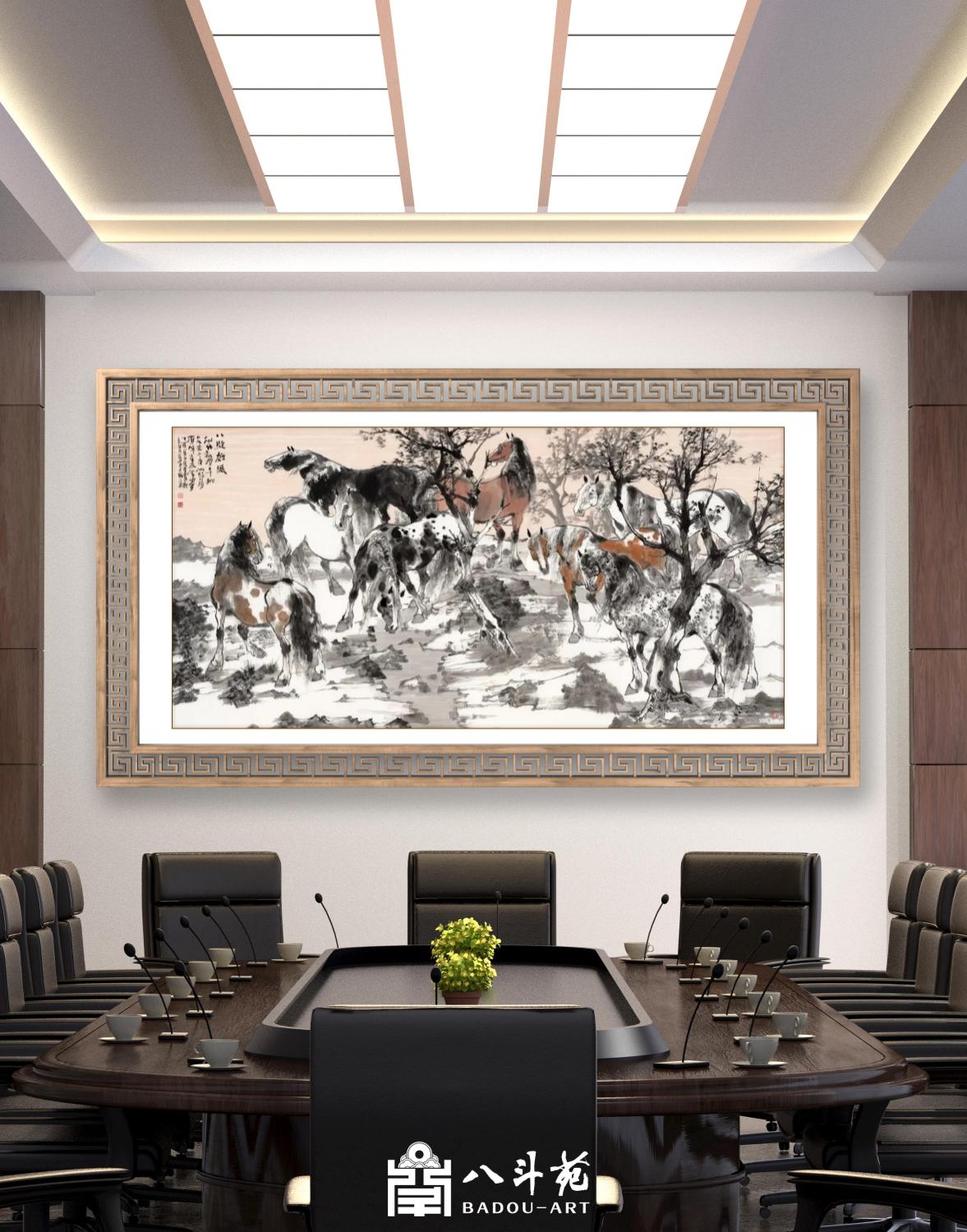
Liu Liyong Animal Painting | Eight Steeds (八骏图)
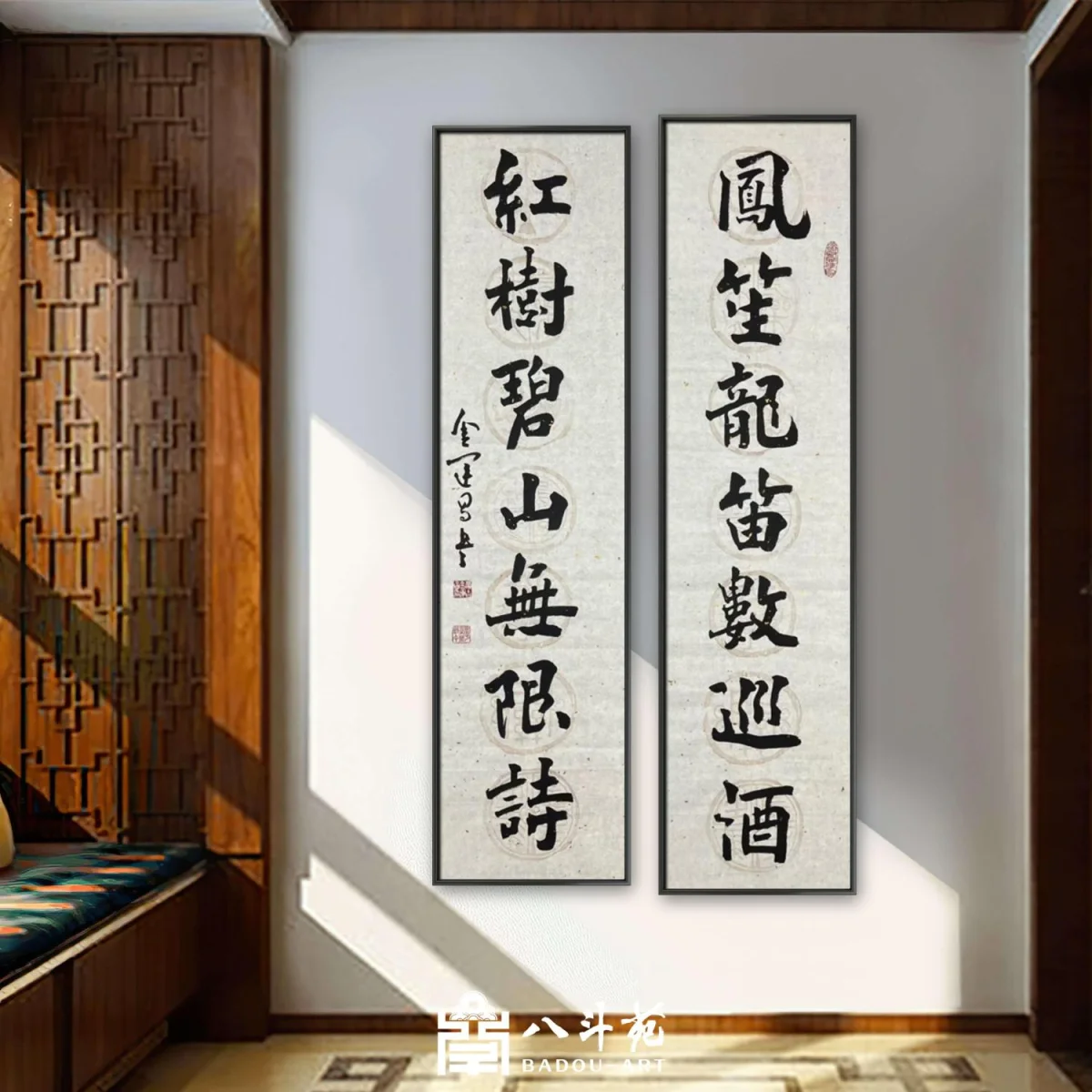
Jin Yunchang Calligraphy | 鳳笙龍笛數巡酒
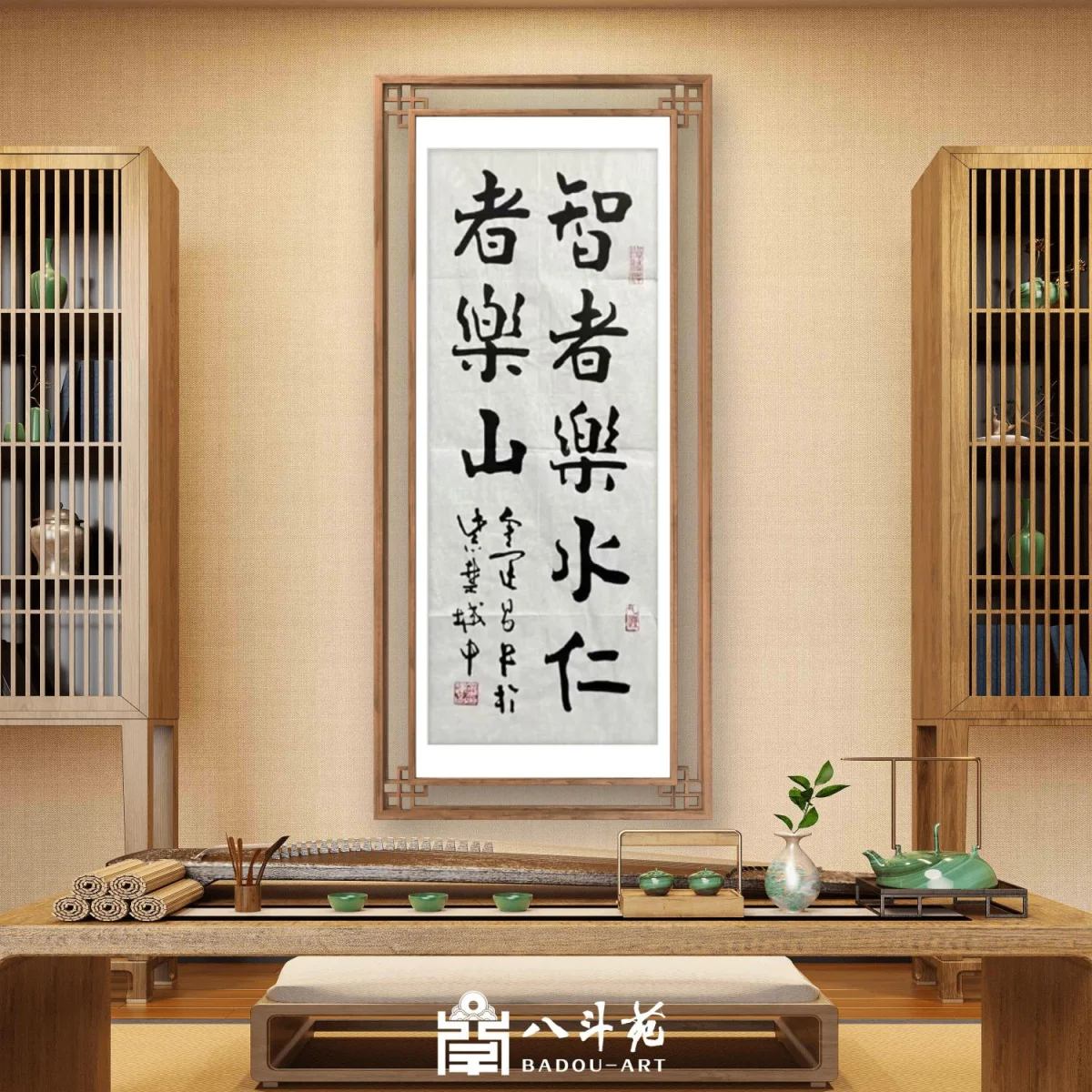
Jin Yunchang Calligraphy | 智者樂水仁者樂山
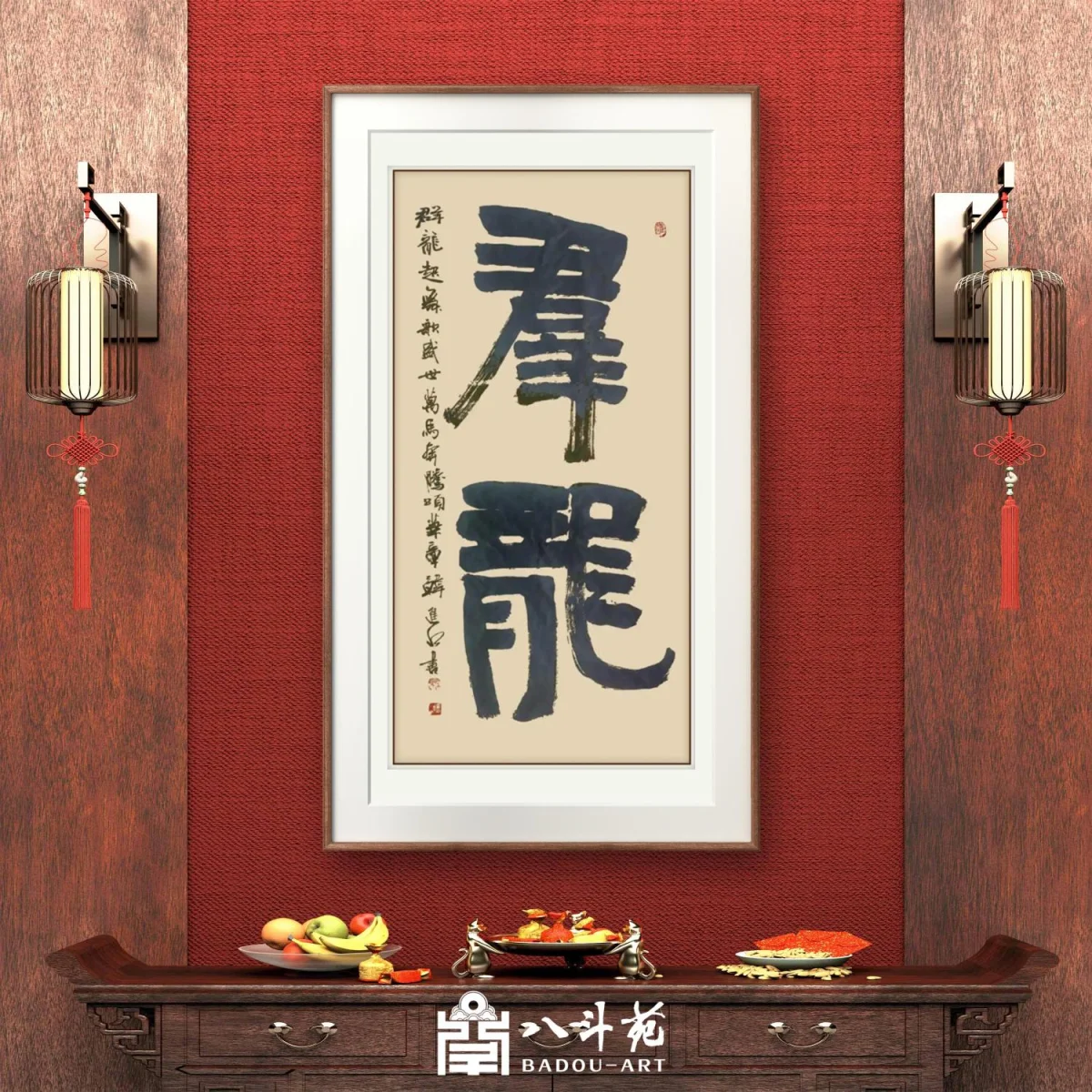
Han Jinshui Calligraphy | 羣龍 (A Group of Dragons)
Xu Beihong’s Art Philosophy: Truth, Spirit, and Legacy
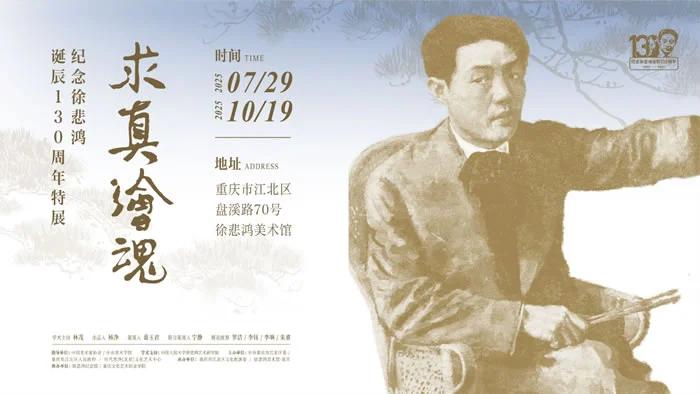
Xu Beihong’s Art Philosophy: Truth, Spirit, and Legacy
In 2025, China marked the 130th anniversary of the birth of Xu Beihong (1895–1953), the founder of modern Chinese art education and one of the most influential painters of the 20th century. Exhibitions across the country — from “A Thousand Years with Beihong” in Guangdong to the sketch show at the Xu Beihong Memorial Hall in Beijing — have re-examined his legacy. In Chongqing, the exhibition “Seeking Truth, Painting the Soul” at the Xu Beihong Art Museum displayed more than 20 original works in oil, ink, and sketch, together with archival materials. Its curator, Ge Yujun, professor at the Central Academy of Fine Arts, frames Xu’s thought in three principles that speak directly to artists today.
Fusion: A Modern Cultural Subjectivity
Xu Beihong believed that “all scholarship shares one goal: the pursuit of truth in creation; art is truth dwelling in image, color, and sound” (1942). His famous 1920 manifesto, “On the Reform of Chinese Painting,” urged artists to “keep the best of ancient methods, continue what is dying, correct what is weak, add what is lacking, and integrate what is worth adopting from Western painting.” With deep training in Chinese brushwork and Western academic drawing, he fused sculptural anatomy and light with the expressive pulse of ink — restoring a distinct place for Chinese art in the world.
Immersion: Art’s Duty to Reality
Xu rejected “art for art’s sake.” “Art must reach supreme beauty and complete goodness,” he insisted. During the war against Japan, his galloping horses — painted in dry, flying ink — became visual symbols of national spirit, and he traveled tirelessly to raise funds for the resistance. For Xu, the artist’s sincerity (“only after thousands of accumulated sketches can hand and heart respond to each other,” 1947) was inseparable from engagement with the real world. His aesthetics of immersion moved Chinese art from private lyricism toward public narrative.
Nature as Teacher: From the Specific to the Vast
“Life drawing is the foundation of all figurative art,” Xu wrote in 1947; without it, an artist “will inevitably fall into copying.” He called the pines of Biyun, the rocks of Qixia, the oxen of the fields, the donkeys of Nanjing, and the working women of the north his teachers. Every observation — the curve of a giraffe’s neck, the wrinkles of a farmer’s hand — could become material for art. His animals, flowers, and portraits all carry this freshness of direct study.
What Xu Beihong Teaches Us Today
Three lessons emerge with particular force: cultural confidence built through genuine fusion rather than imitation; art’s responsibility to its time; and humility before nature as the source of creative power. In an age of algorithms and virtual images, Xu’s insistence on “truth” — moral, social, and perceptual — is a timely reminder that the artist’s hand must remain connected to the world. As curator Ge Yujun writes, revisiting Xu Beihong is “not only an activation of history, but a deep academic enlightenment with real contemporary relevance.” (This article draws on Ge Yujun’s preface to the exhibition.)
If you’re considering a commissioned painting — in ink or oil — Badou Art’s specialists are happy to guide you.