Our Featured Collection
Hand‑picked premium works for you
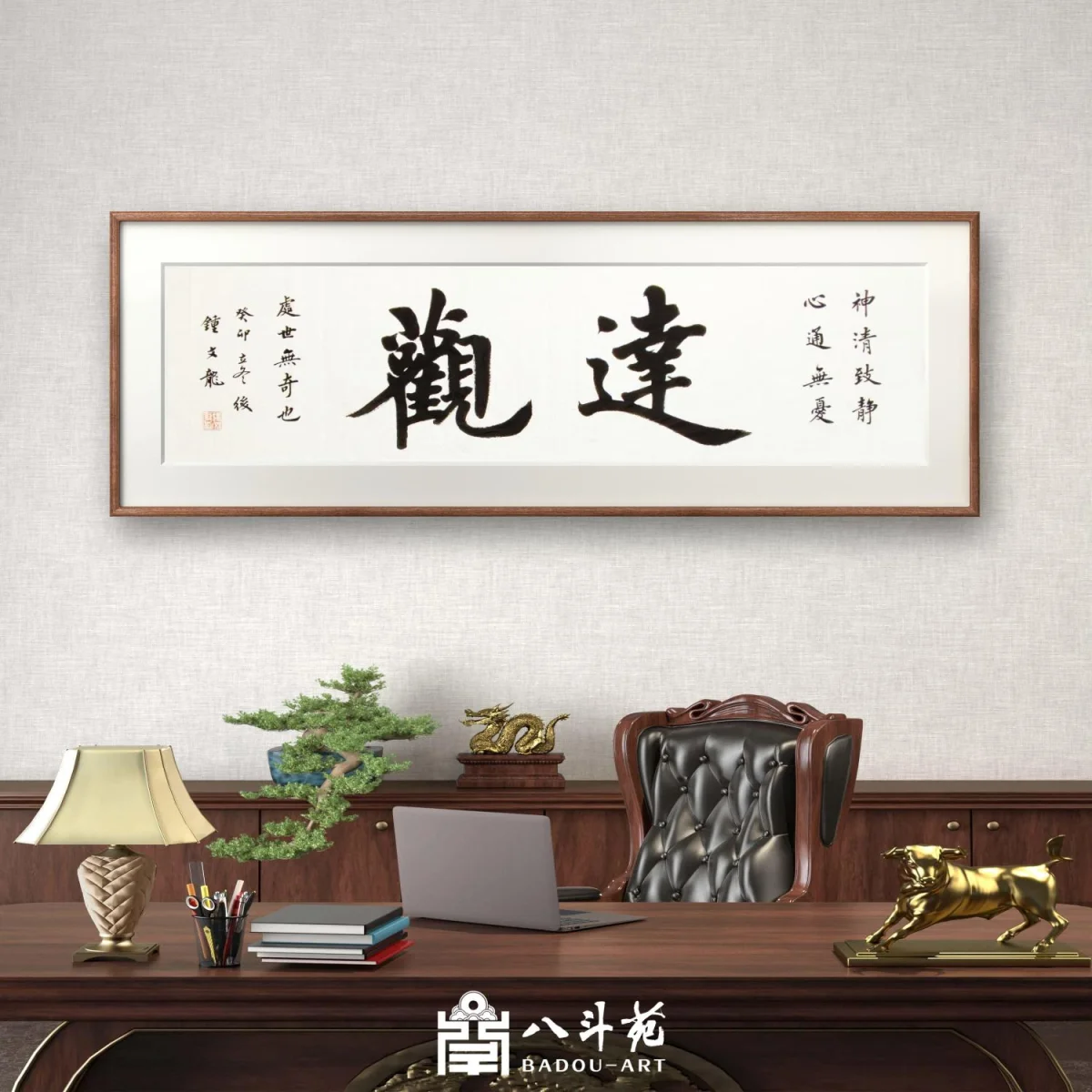
Zhong Wenlong Calligraphy | 达观
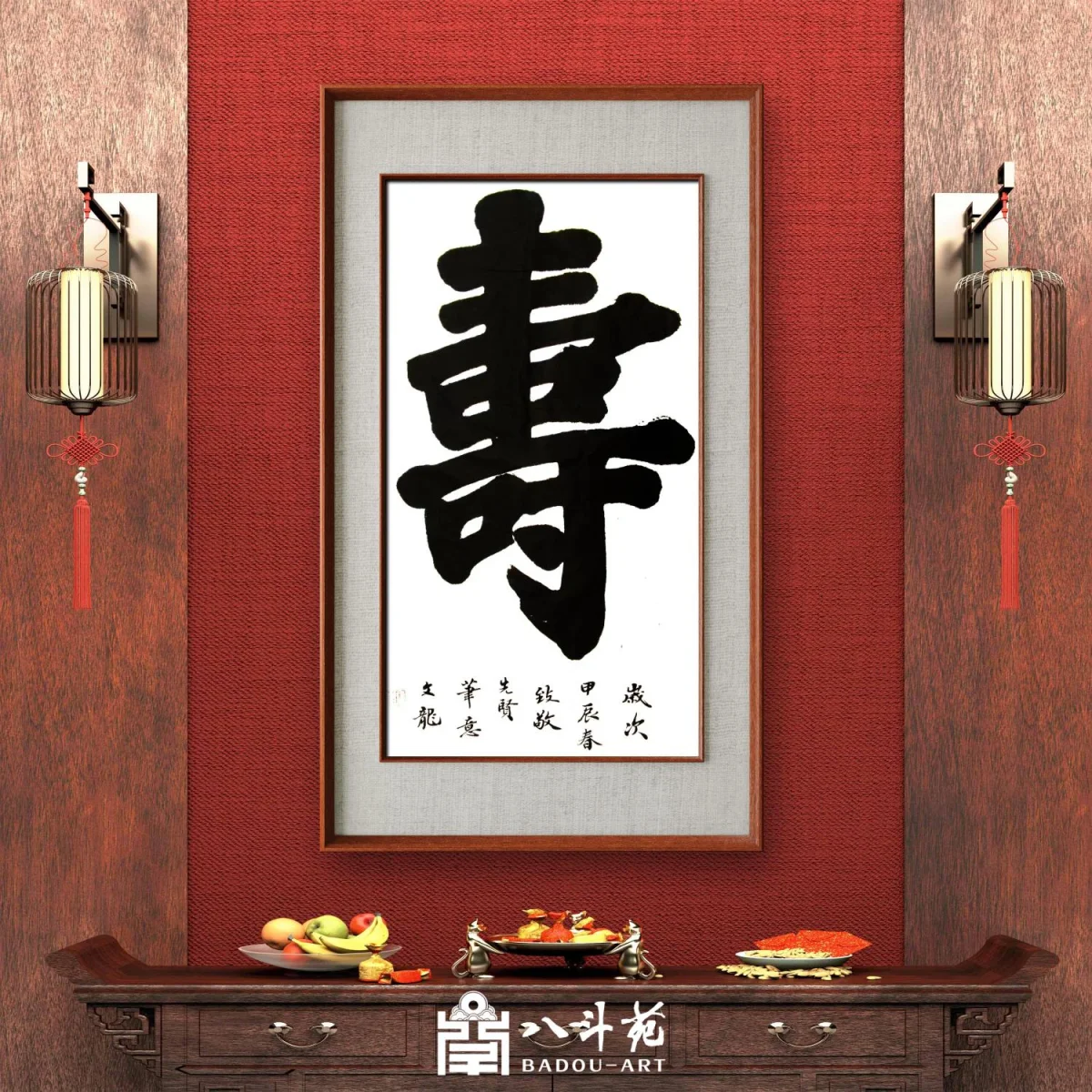
Zhong Wenlong Calligraphy | 壽
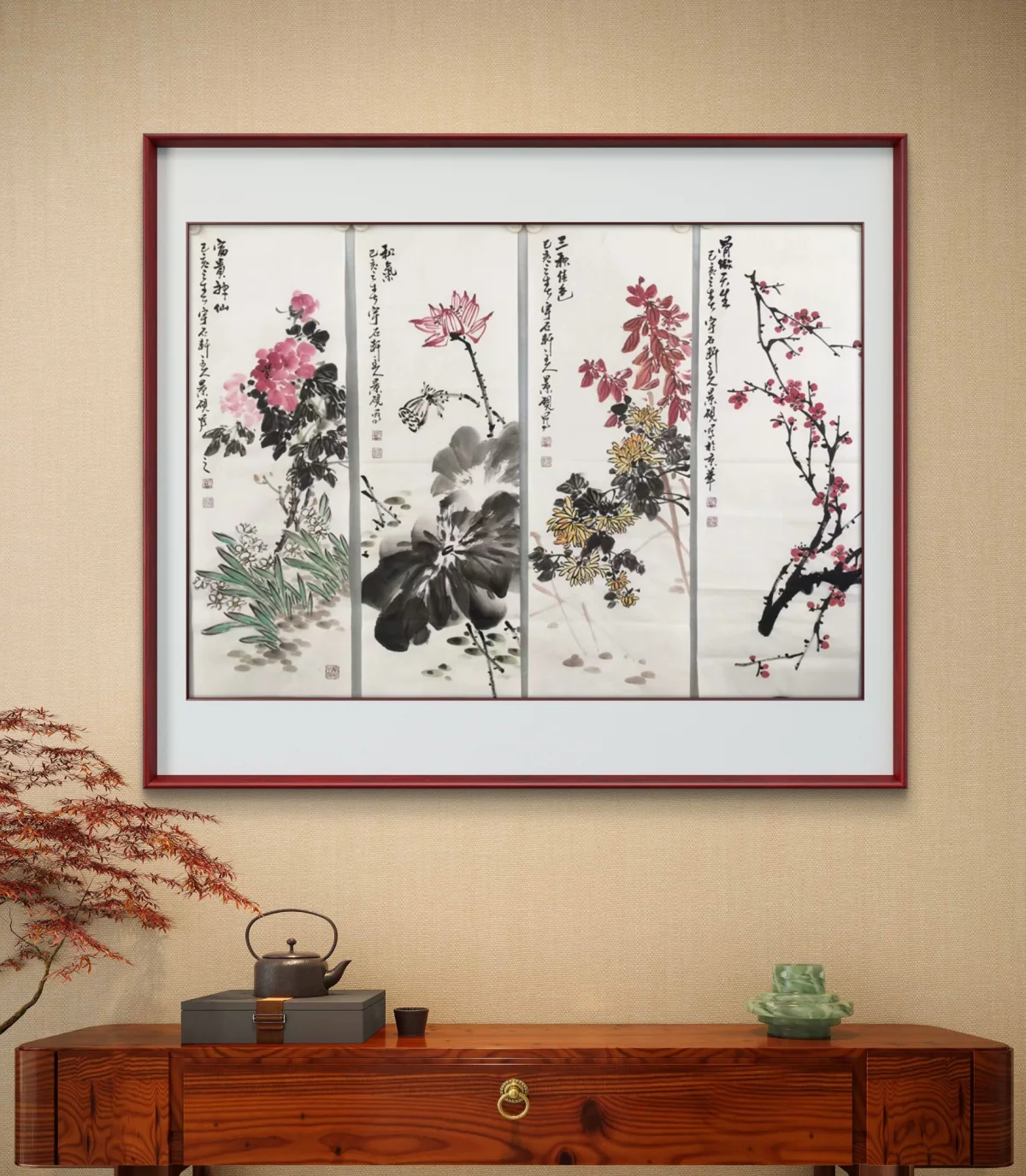
Wu Jingyan Chinese Freehand Painting・Four‑Panel Flower‑and‑Bird Screens(花鸟四条屏)
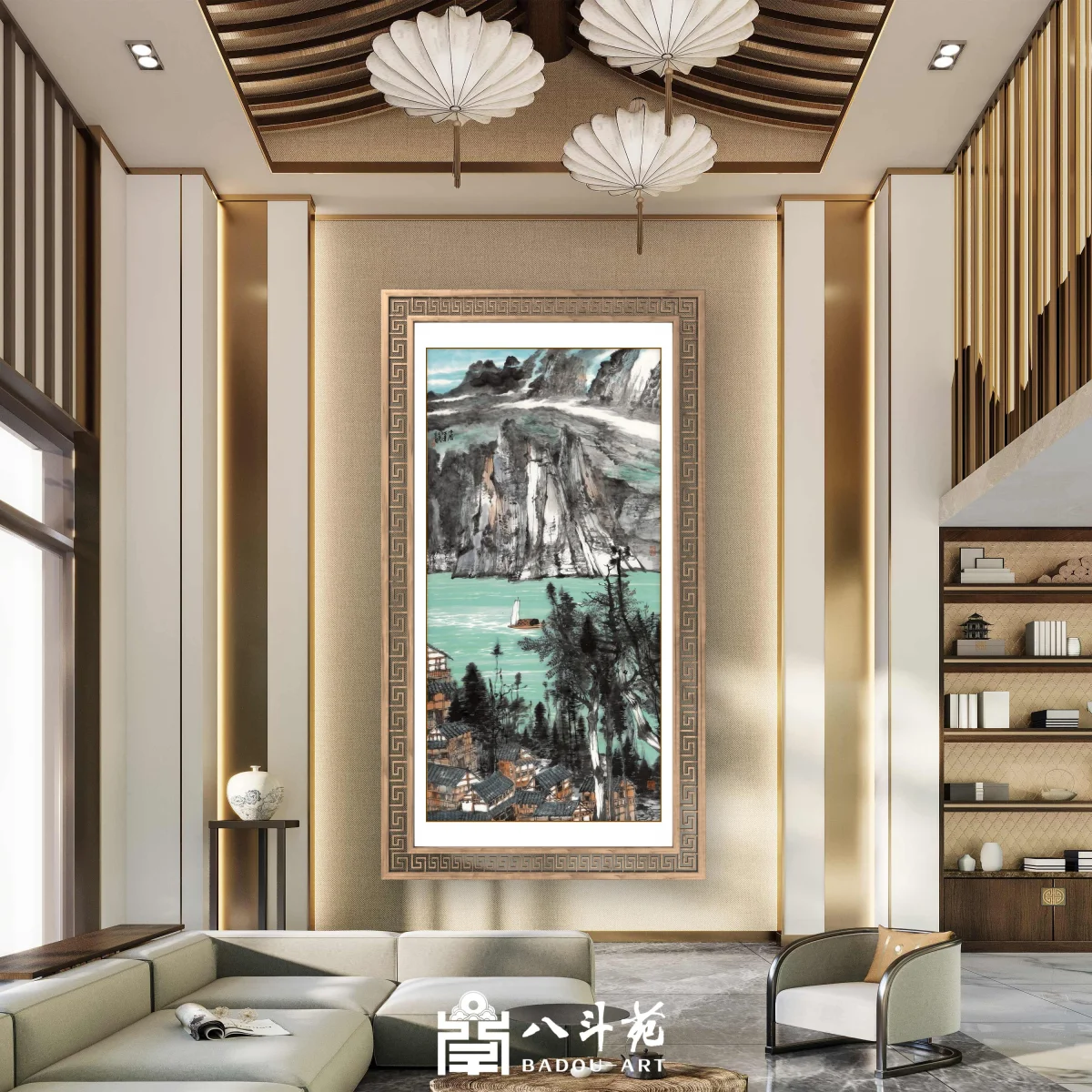
Liu Liyong Landscape Painting | Riverside Mountain Hamlet (山居江远)
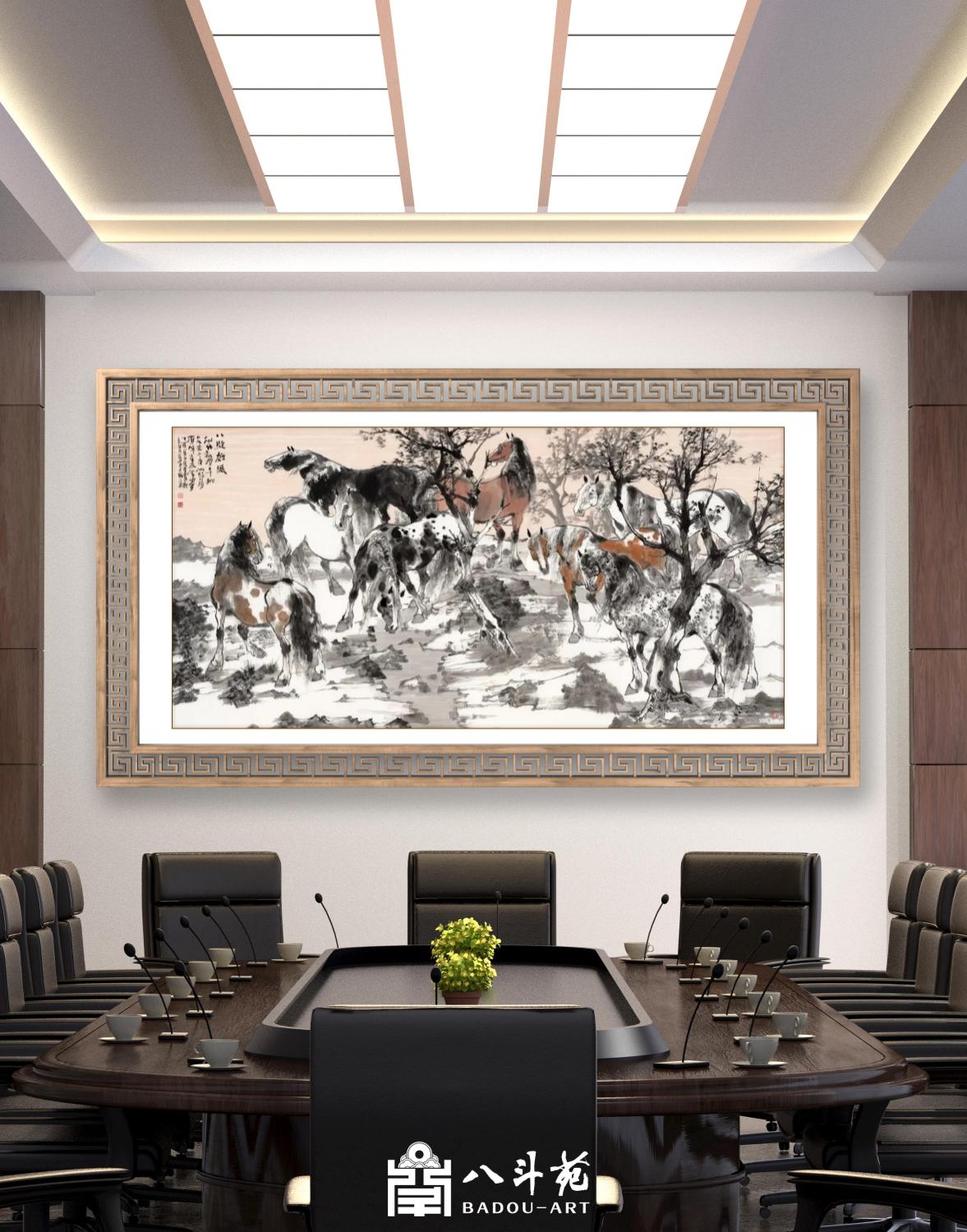
Liu Liyong Animal Painting | Eight Steeds (八骏图)
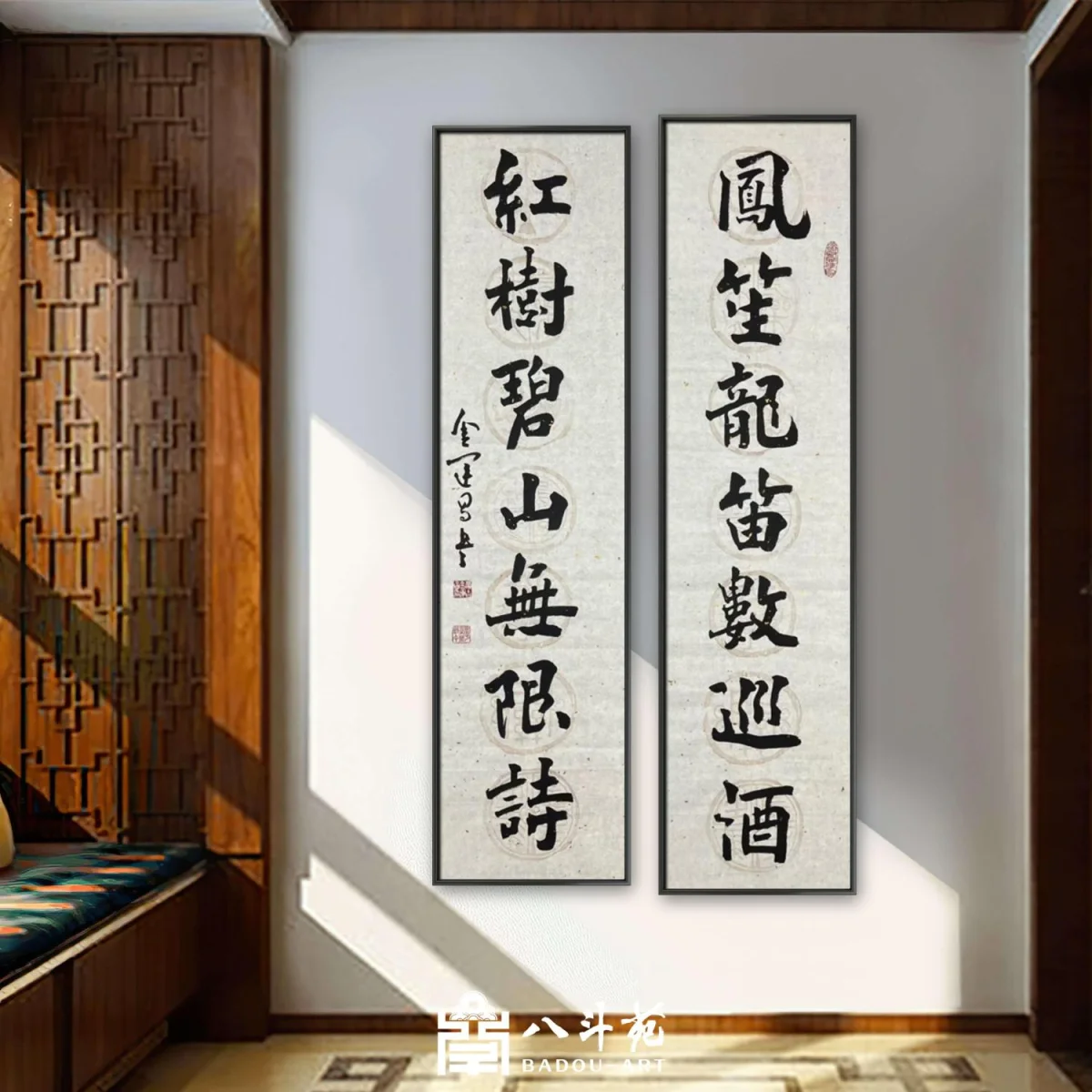
Jin Yunchang Calligraphy | 鳳笙龍笛數巡酒
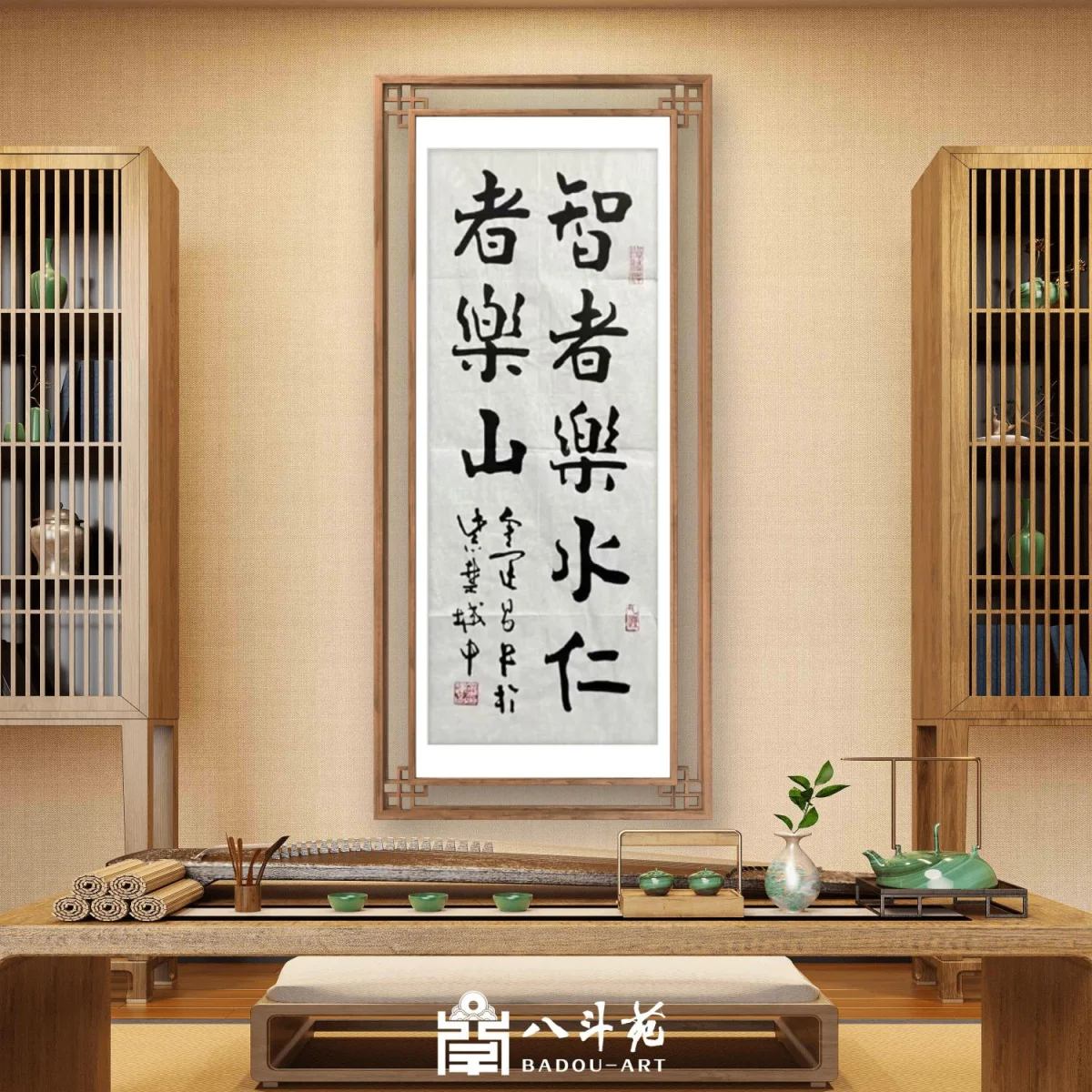
Jin Yunchang Calligraphy | 智者樂水仁者樂山
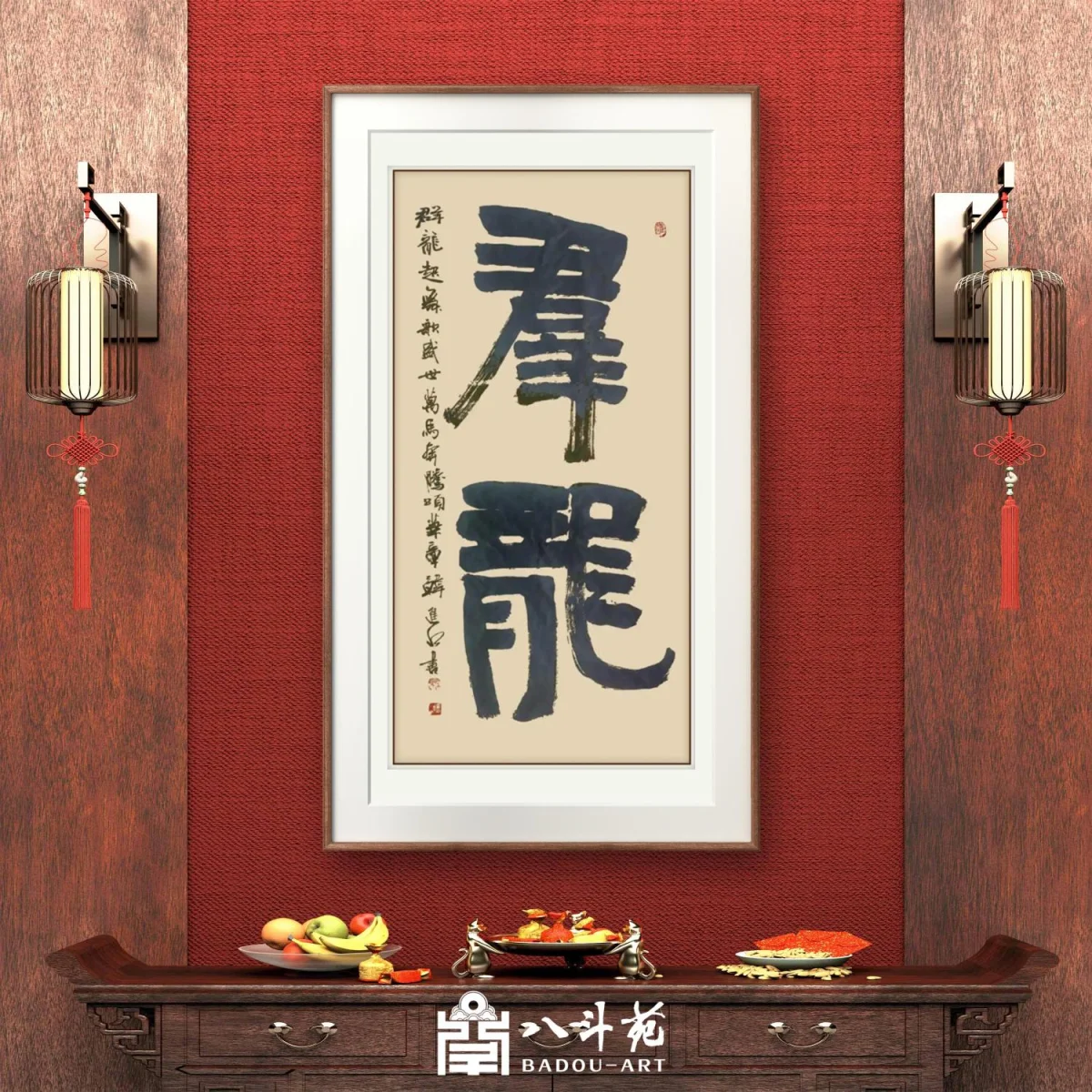
Han Jinshui Calligraphy | 羣龍 (A Group of Dragons)
From Heart to Algorithm: Why AI Can’t Replace the Creator
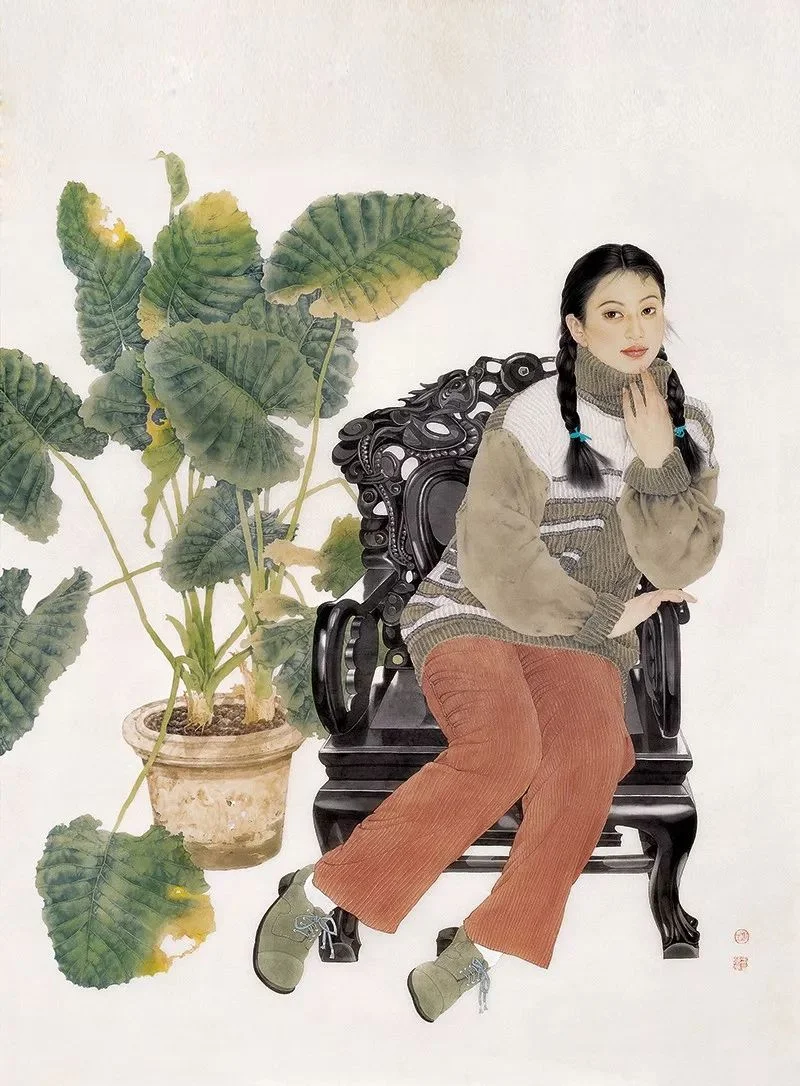
From Heart to Algorithm: Why AI Can’t Replace the Creator
Artificial intelligence can paint in any style, write verse, and compose music. Yet no matter how fluent its output, AI cannot cross the gap between algorithm and creation — the gap the Chinese tradition names “the painting of the heart” (*shu wei xin hua*, literally “calligraphy is the painting of the mind”).
What “Heart Painting” Means
The ancient idea of “heart painting” holds that calligraphy is the outward expression of the writer’s inner world. Every stroke carries emotion, thought, and temperament. Wang Xizhi’s *Lanting Xu* was written at a spring gathering of poets in 353; its flowing, effortless lines are inseparable from the joy of that day. No algorithm can replicate that contingency — the work exists precisely because a particular person felt a particular moment.
How AI Actually Creates
AI generates images and text by learning patterns from vast datasets, then recombining them. A model can imitate the brush of Qi Baishi or the composition of a Song dynasty landscape, but it has no intention, no experience of sun on rice paper, no memory of loss or delight. It holds no values and makes no aesthetic judgments; it simply executes a statistical program. The result may look creative, but it is pastiche at scale — a mirror of what already exists.
Subjectivity: The Core of Creation
Creation is the expression of a subject — a person shaped by biography, culture, and feeling. That is why Yan Zhenqing’s regular script is broad and dignified, and Liu Gongquan’s is lean and sinewy: each is the man himself, his training, his era, his character. The Chinese principle “the person, as seen in the writing” (*shu ru qi ren*) is not a moral slogan but a description of how art works. A machine has no self to express.
The Uncrossable Gap
Can AI ever cross over? It cannot understand what a work means, cannot be moved by life, cannot question or renew its own vision. Creation is a collision of emotion and thought; AI merely executes instructions. It may assist — draft a layout, suggest a composition — but the deciding, risking, loving subject remains human. The gap between “heart painting” and algorithm is not a technical limitation; it is the difference between a life and a program.
Where Real Art Lives
This is why a studio like Badou Art — a home for commissioned calligraphy, ink painting, and seal carving — exists: to put you in touch with living artists whose works carry a subject behind every stroke. An AI image can decorate a room; a work made by hand carries a person’s years, a tradition’s depth, and the quiet risk of a real brush on real paper. That is the art worth collecting — and the art worth commissioning.