Our Featured Collection
Hand‑picked premium works for you
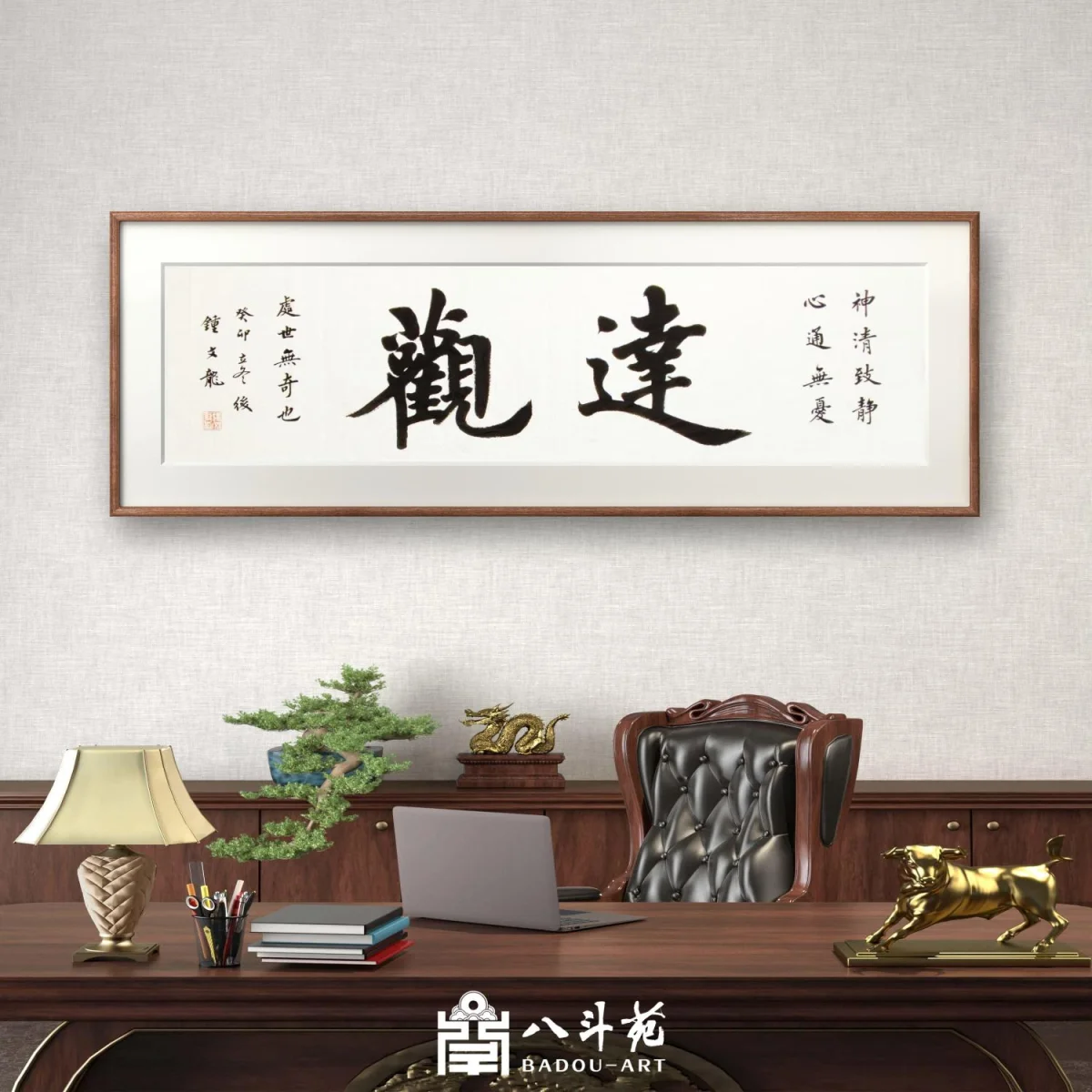
Zhong Wenlong Calligraphy | 达观
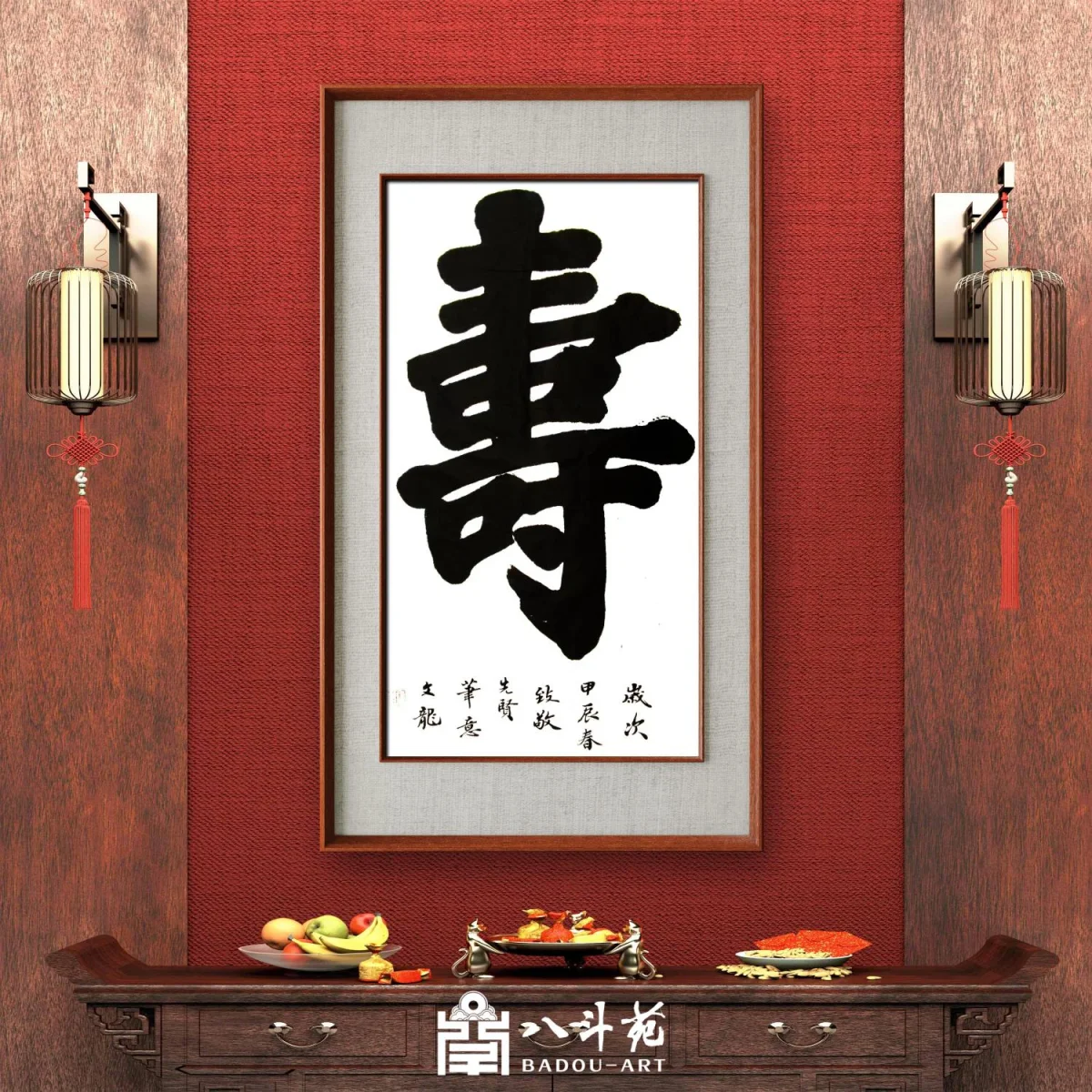
Zhong Wenlong Calligraphy | 壽
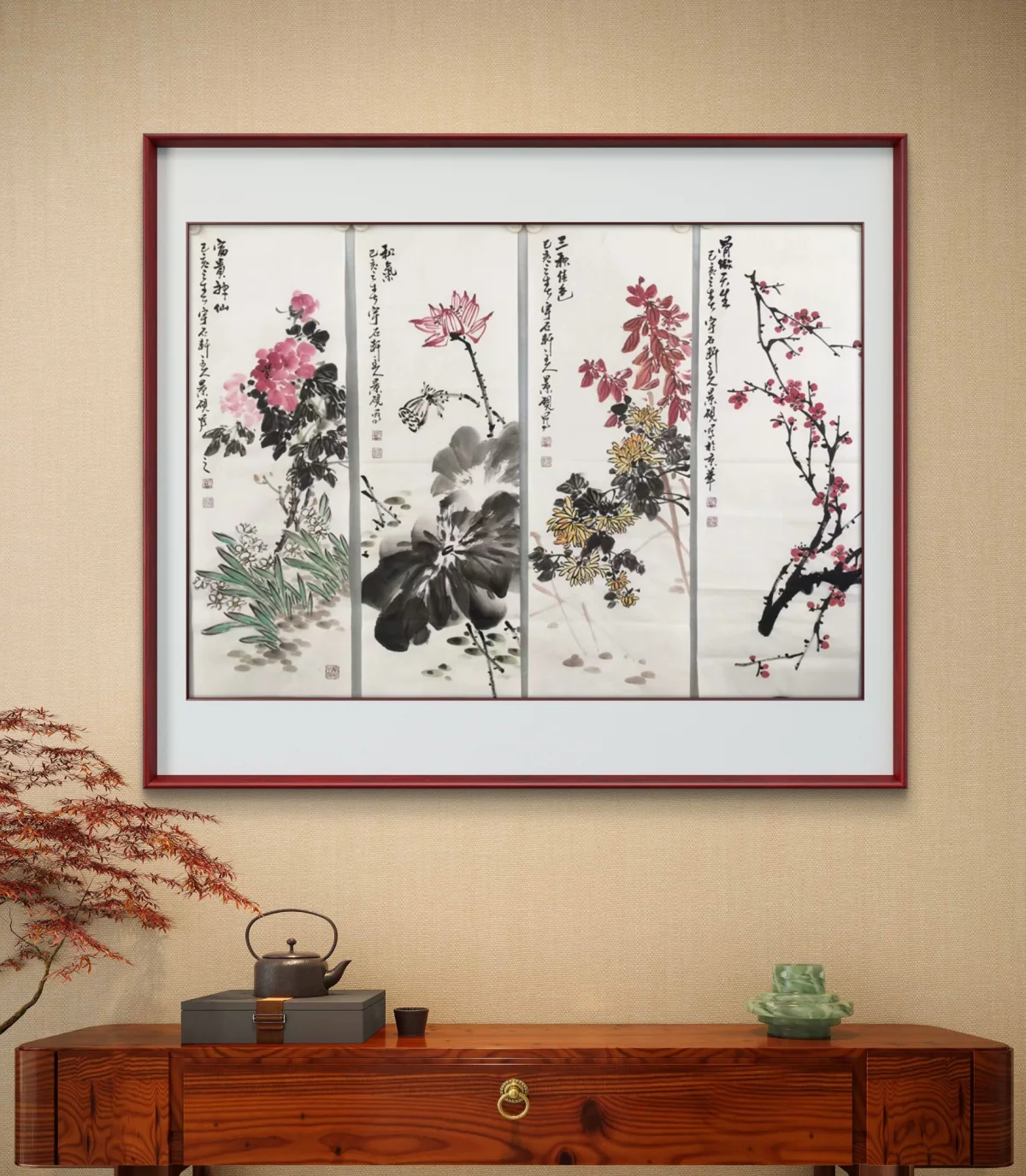
Wu Jingyan Chinese Freehand Painting・Four‑Panel Flower‑and‑Bird Screens(花鸟四条屏)
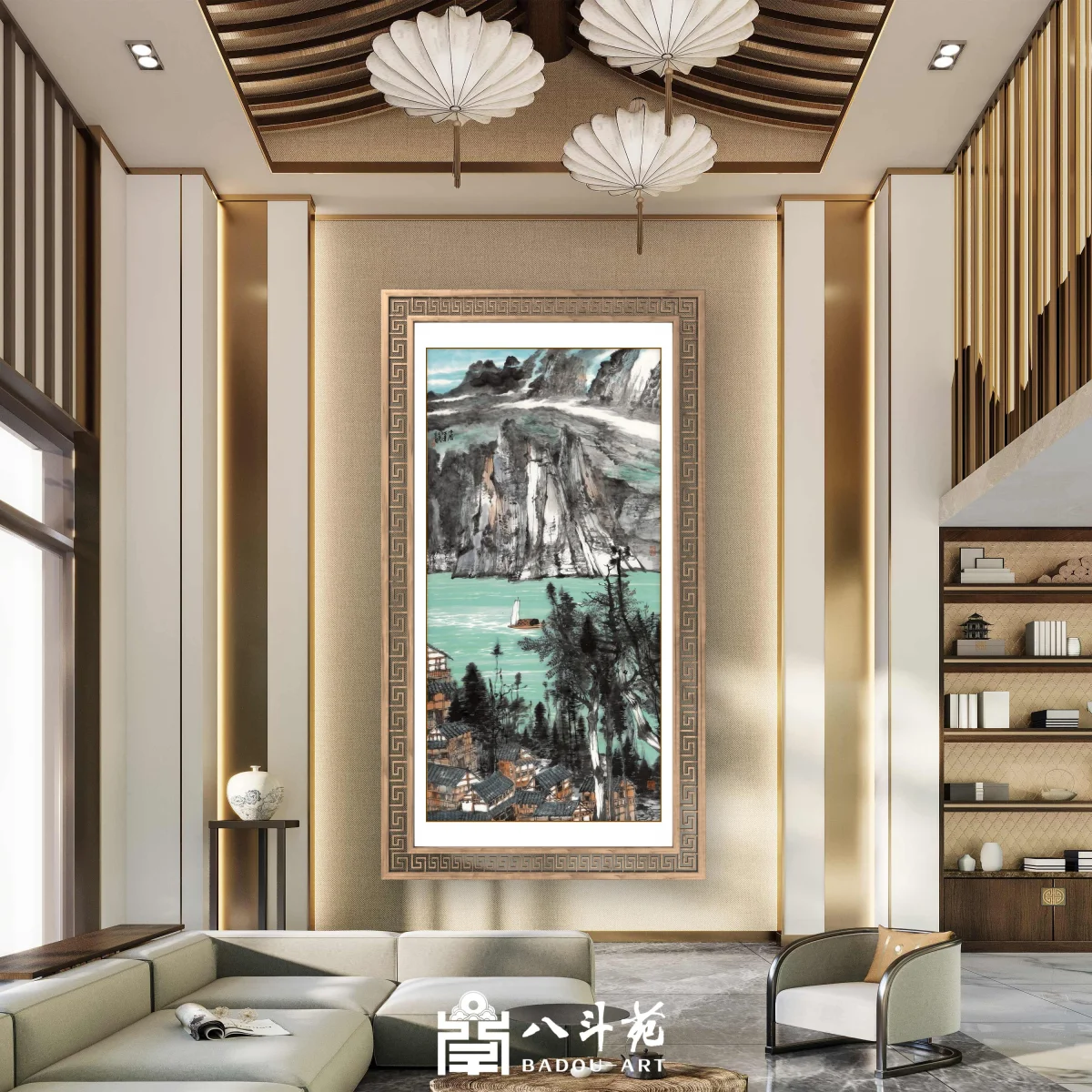
Liu Liyong Landscape Painting | Riverside Mountain Hamlet (山居江远)
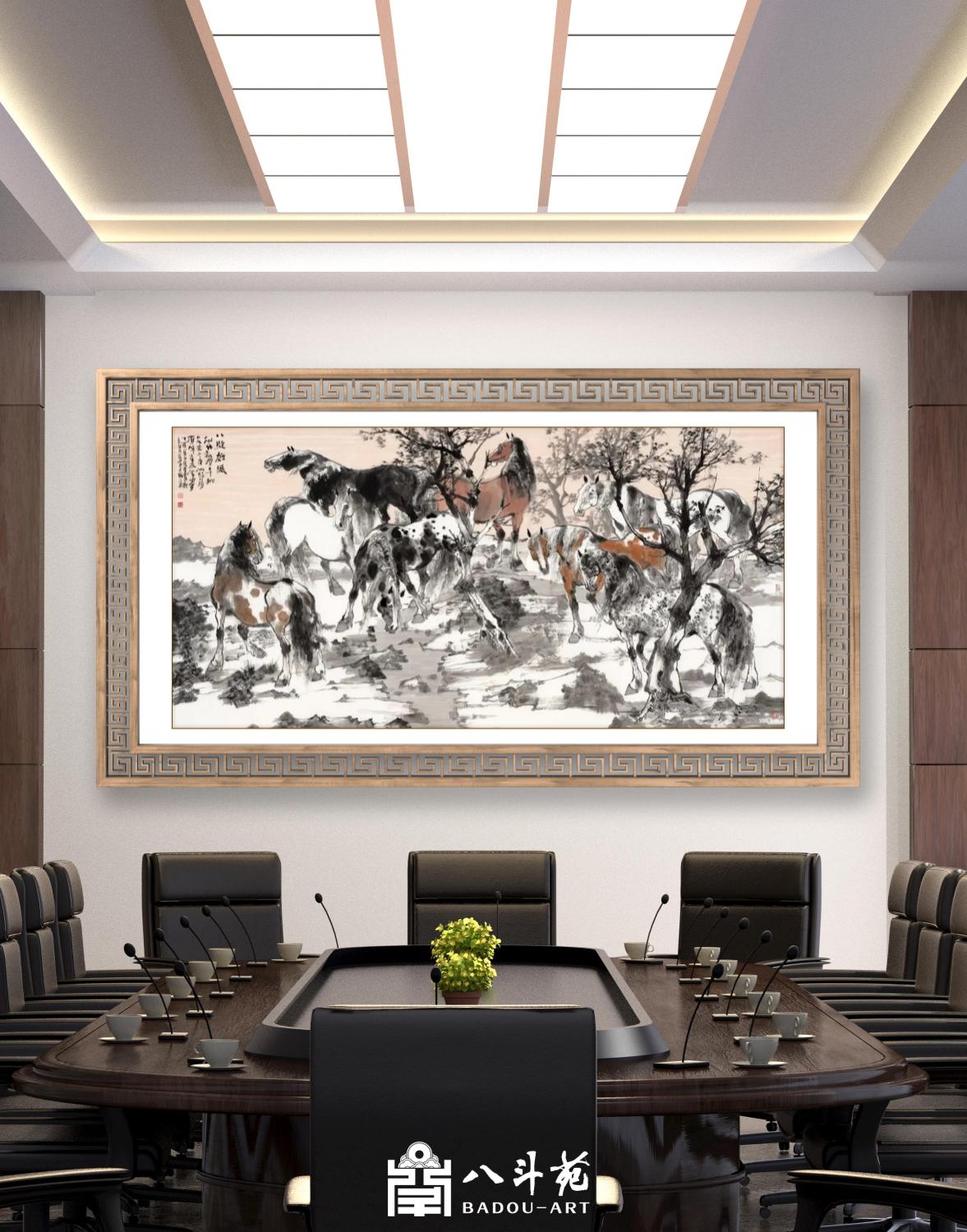
Liu Liyong Animal Painting | Eight Steeds (八骏图)
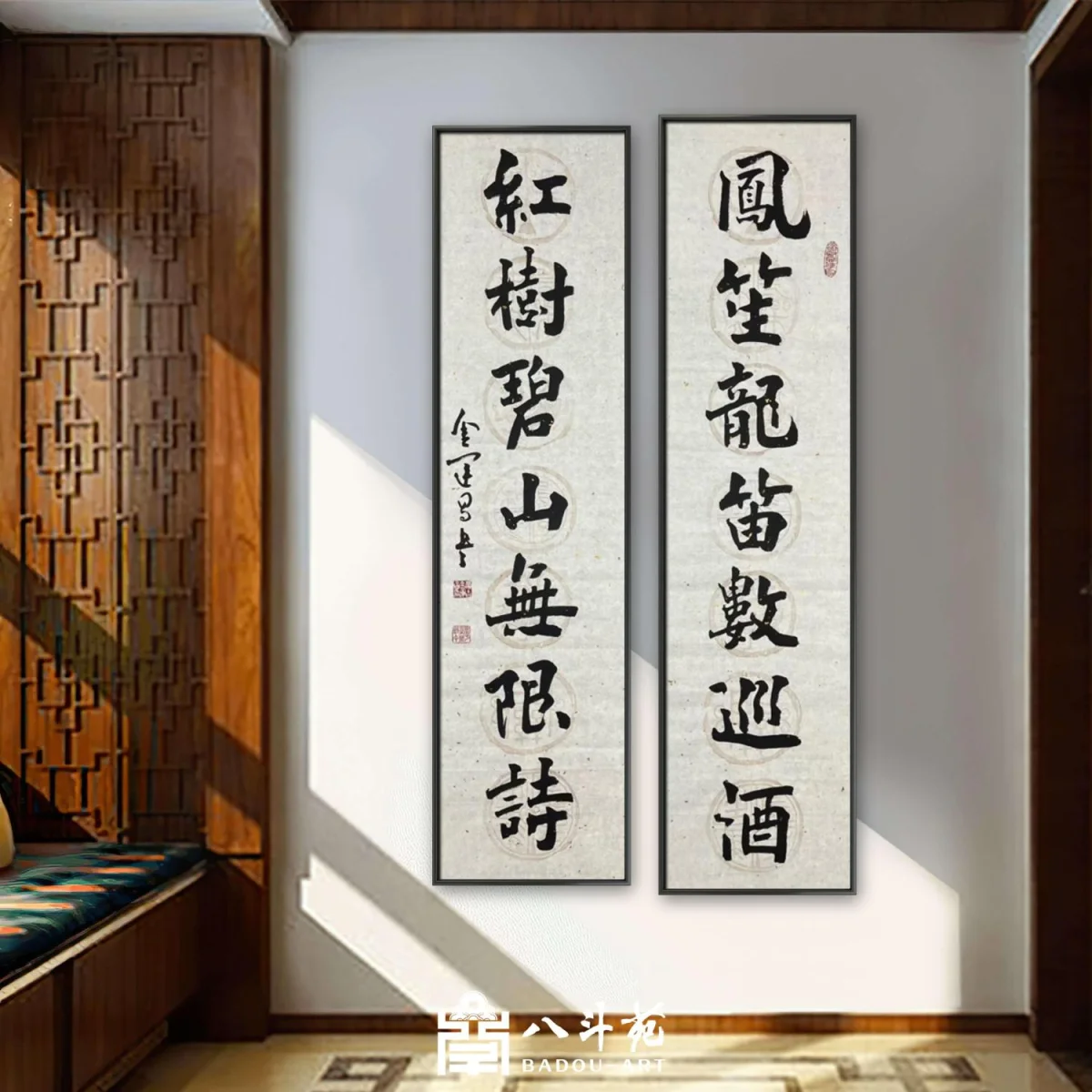
Jin Yunchang Calligraphy | 鳳笙龍笛數巡酒
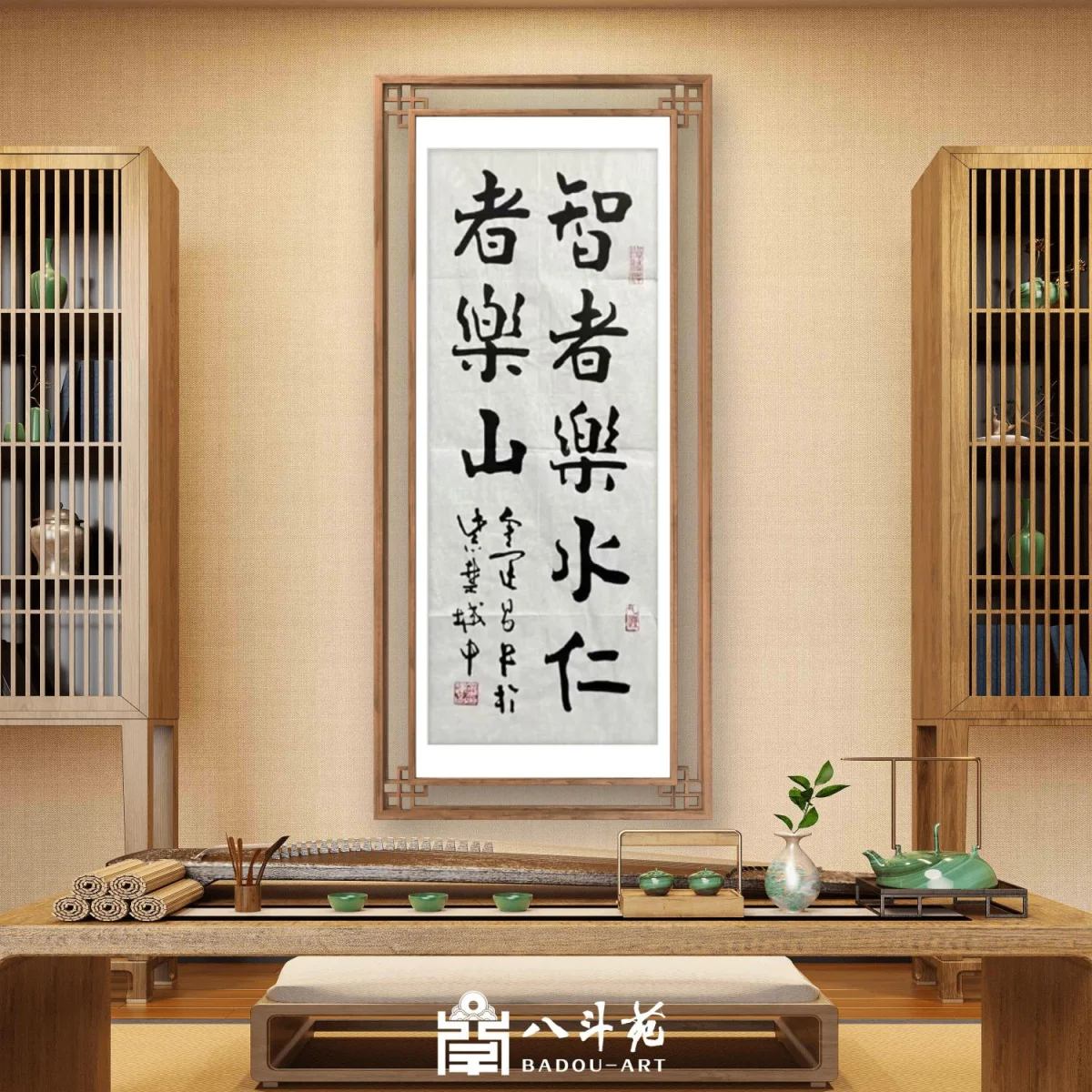
Jin Yunchang Calligraphy | 智者樂水仁者樂山
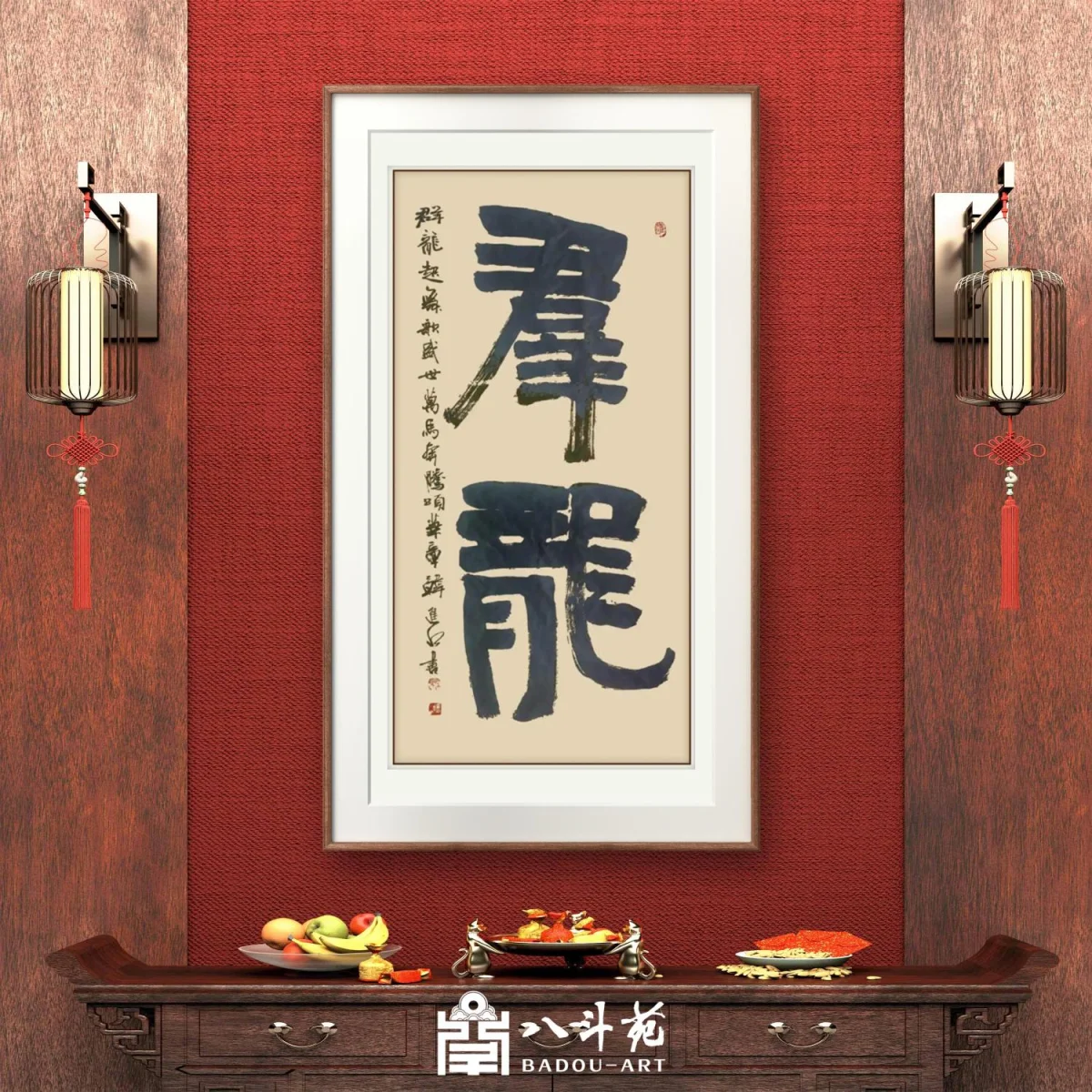
Han Jinshui Calligraphy | 羣龍 (A Group of Dragons)
Tang Tomb of Ma Sanniang Reveals Persian Silver and Gold
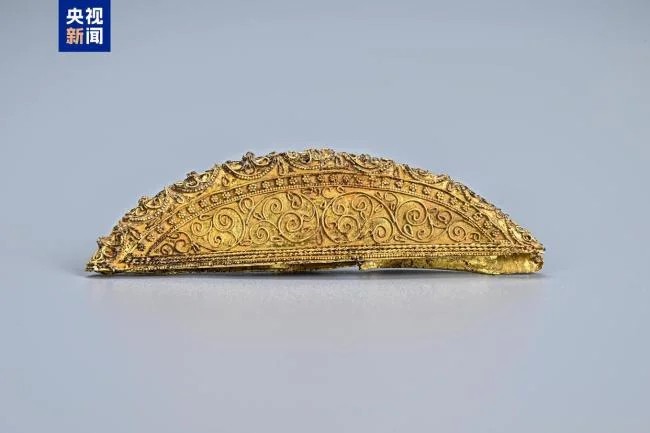
On the morning of January 6, the Shaanxi Provincial Academy of Archaeology announced the results of its excavation of a Tang dynasty tomb belonging to Ma Sanniang (马三娘), a woman buried in 698 AD whose grave goods display strong Western and Persian influences.
Excavation Background
From January 2022 to April 2024, in connection with the Jialicun village redevelopment project on Shenhe 2nd Road in Chang’an District, Xi’an, the academy excavated ancient tombs within the project area. Tomb M228 was identified as the burial of Ma Sanniang, wife of Dong Shunxian (董顺先), interred in the first year of the Shengli era of the Zhou dynasty (698 AD) — the reign of Empress Wu Zetian.
The tomb is precisely dated and well preserved, yielding 19 objects or sets of objects in ceramics, bronze, iron, gold and silver, and stone.
Gold, Silver, and Persian Coins
The gold and silver objects consist mainly of women’s hair ornaments and storage vessels. A silver three-legged jar and a silver goblet feature intricate grape and honeysuckle scrollwork — motifs that point to close contact between the Central Plains and the Western Regions during the early Tang.
The tomb also contained 19 Sasanian Persian silver coins, two of which bear stamped symbols. Near the occupant’s waist and right leg, archaeologists found nearly 1,000 *Kaiyuan Tongbao* coins laid out in strings; their consistent form shows the distinctive features of coins issued during the Wude era.
Significance for Research
The assemblage is notable for its variety and its pronounced foreign cultural character, enriching the archaeological record of early High Tang burials in the Xi’an region. The epitaph’s account of the family and the occupant’s life helps complete the genealogy of the Dong clan.
Most importantly, the gold and silver vessels and the Sasanian coins carry high research value as direct evidence of the trade and cultural exchange between China and the wider world at the time. Nearly three centuries after the Silk Road first linked the Han dynasty with the West, the finds at Ma Sanniang’s tomb show how deeply Persian and Central Asian goods had entered the daily lives — and the burials — of Tang China’s elite families.