Our Featured Collection
Hand‑picked premium works for you

Zhong Wenlong Calligraphy | 达观

Zhong Wenlong Calligraphy | 壽
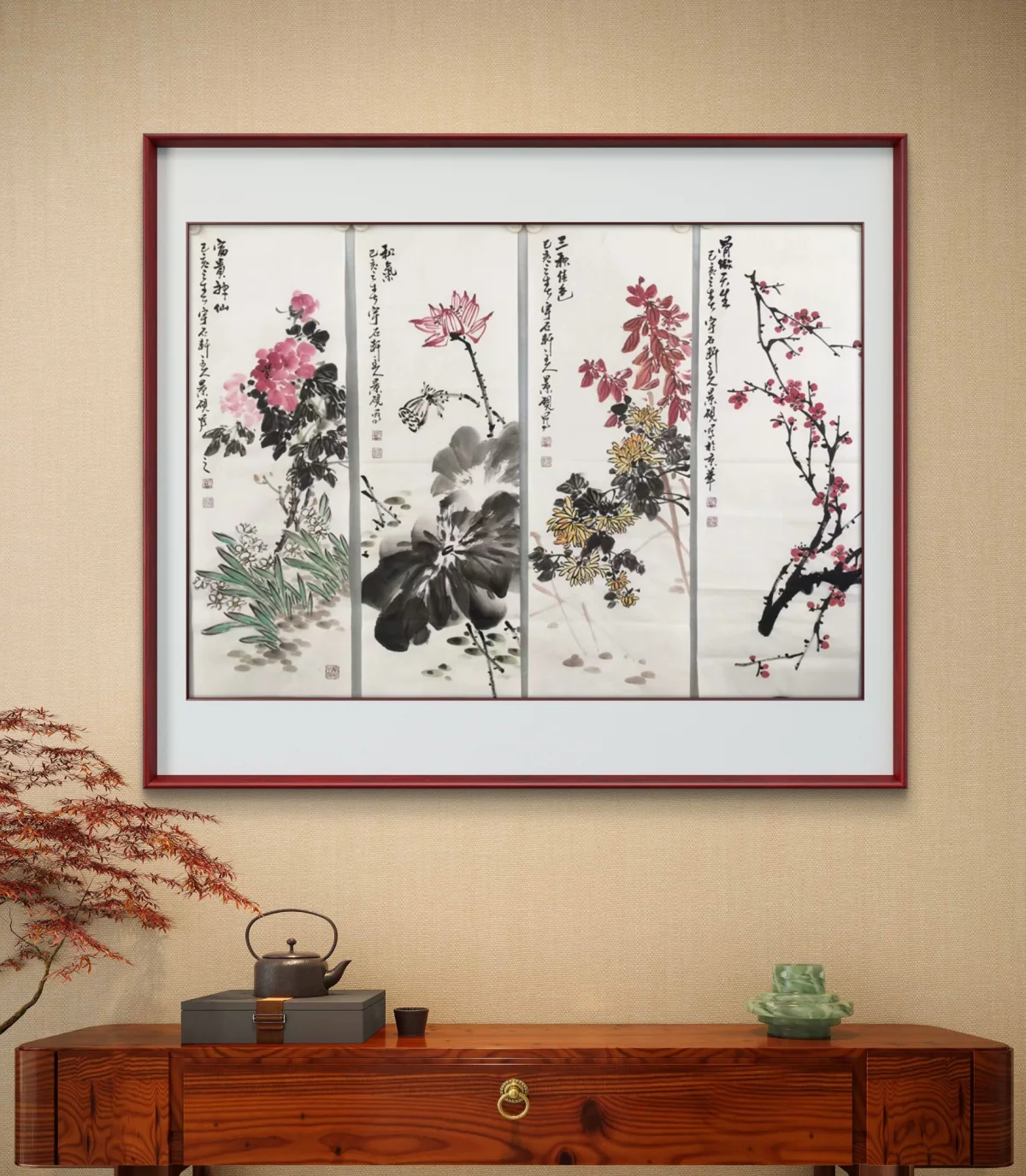
Wu Jingyan Chinese Freehand Painting・Four‑Panel Flower‑and‑Bird Screens(花鸟四条屏)

Liu Liyong Landscape Painting | Riverside Mountain Hamlet (山居江远)
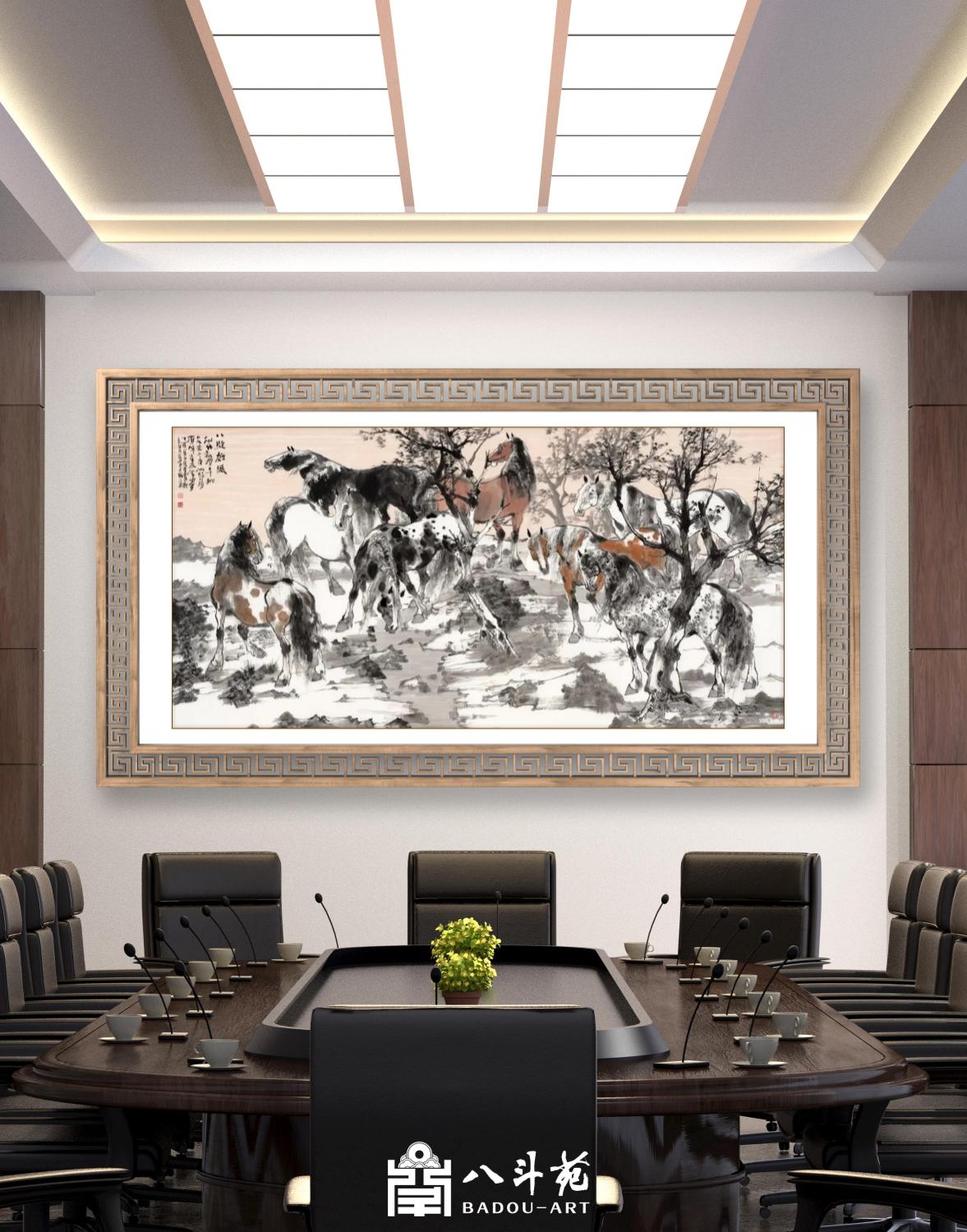
Liu Liyong Animal Painting | Eight Steeds (八骏图)
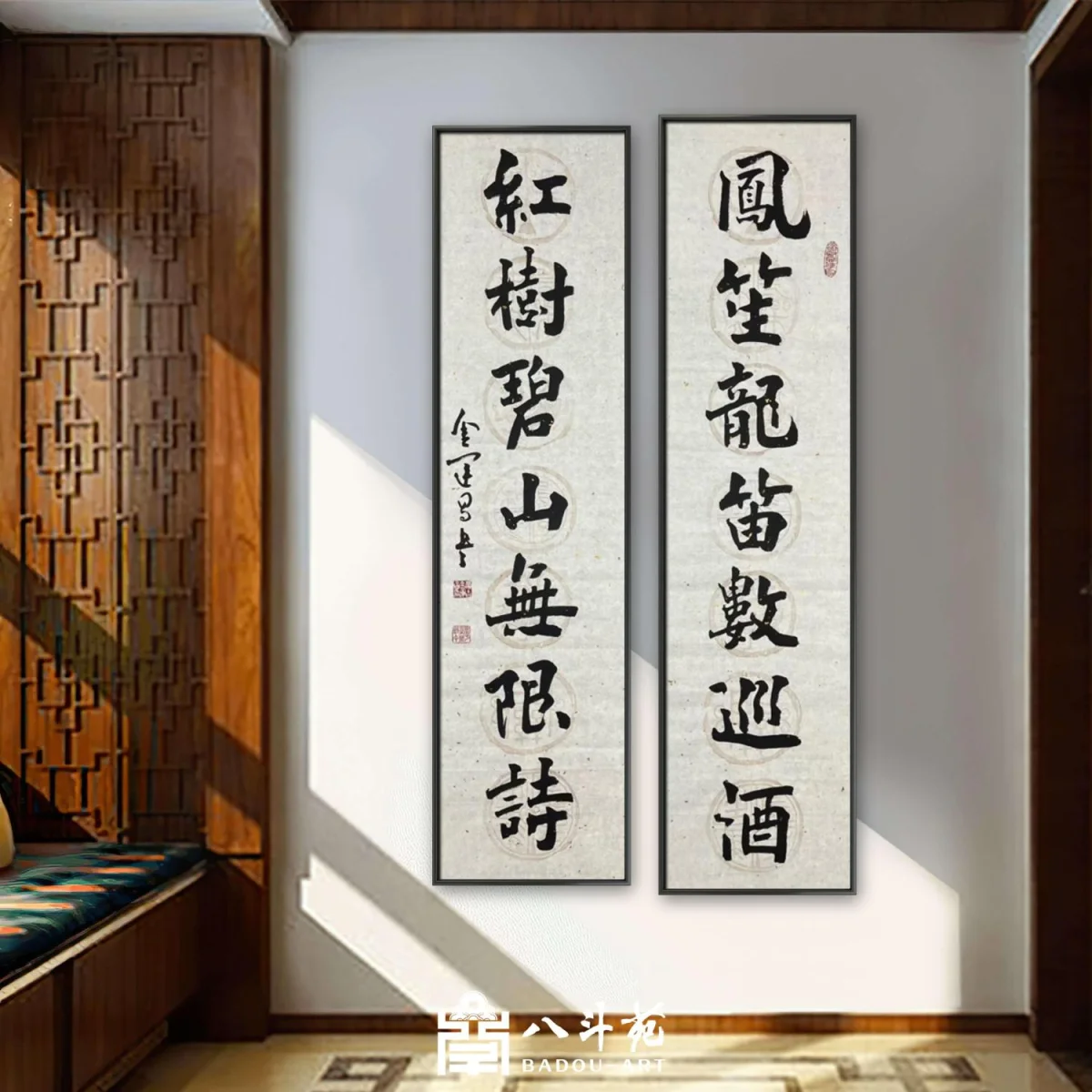
Jin Yunchang Calligraphy | 鳳笙龍笛數巡酒

Jin Yunchang Calligraphy | 智者樂水仁者樂山

Han Jinshui Calligraphy | 羣龍 (A Group of Dragons)
How to Evaluate Art for Collecting: Key Standards & Factors

How to Evaluate Art for Collecting: Key Standards & Factors
What turns a painting or piece of calligraphy into a collector’s piece? The answer is never a single number, but a set of criteria that experienced collectors weigh together. This guide walks through the main standards — the artwork itself, the artist, the market, the condition and the artist’s future — so you can evaluate a work with more confidence.
The Artistic Value of the Work Itself
Three realms matter most. The realm of scenery (jingwu jingjie) covers the depiction of nature, composition and layout. The realm of brush and ink (bimo jingjie) prizes technical mastery — the energy of the brushstroke and the mist of the ink wash. The realm of humanity (renwen jingjie) shows through subject matter, meaning and poetic inscriptions. Beyond these, a distinctive personal style raises value: think of Van Gogh’s color and brushwork, or Picasso’s cubism, which rewrote the rules of painting. Uniqueness and innovation mark works that enter art history.
The Artist’s Credentials and Character
“The painting is the painter,” as collectors say. A deep scholarly foundation — literature, history, music — gives a work its depth, as it did for Huang Binhong. Life experience and cultivation show in the work, as with Qi Baishi, whose simple character and rich life fill his paintings with warmth. Fame matters too, but it is worth distinguishing achievement-based fame from hype: works by artists known mainly through promotion or administrative position can carry inflated prices.
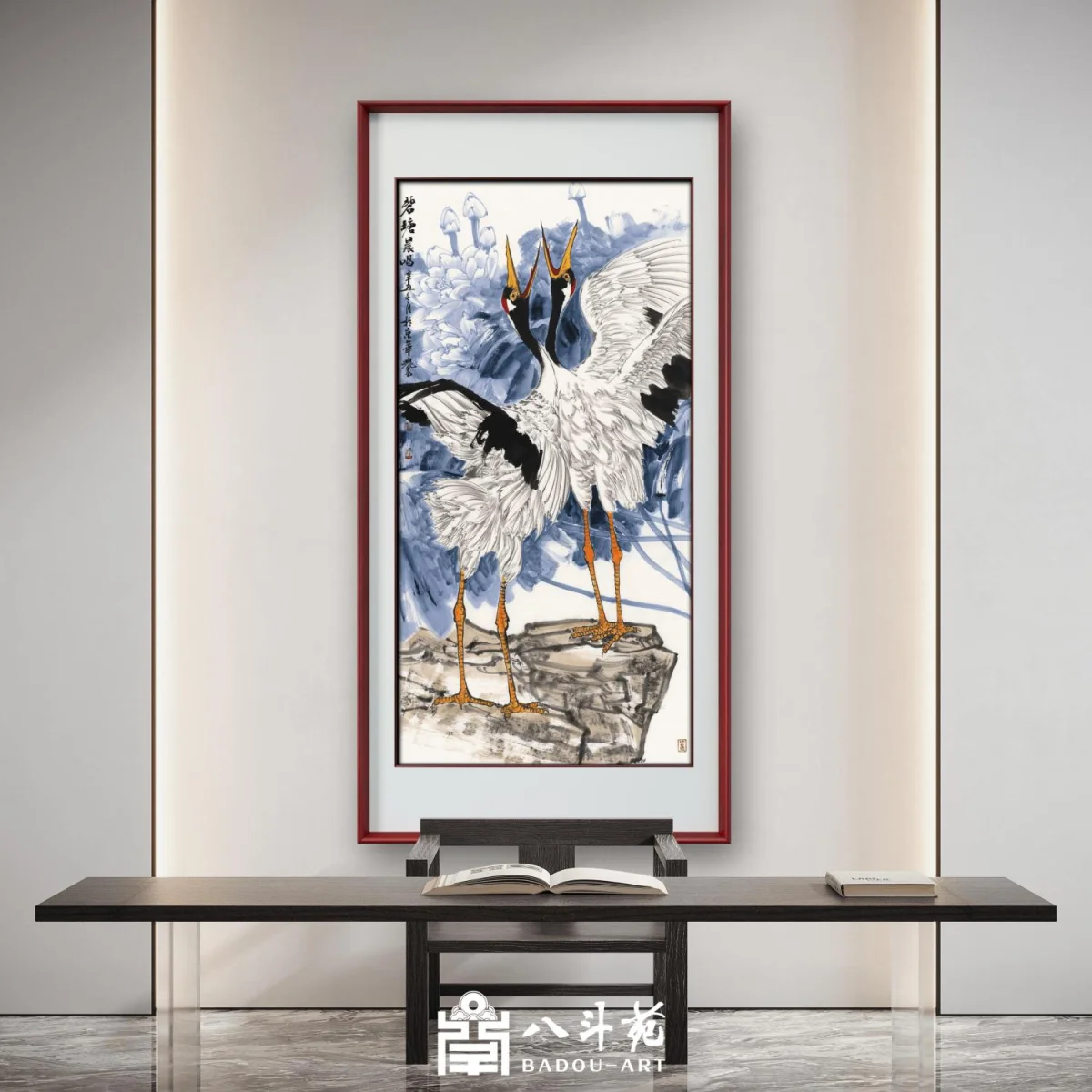
Market Factors
Scarcity drives value — last works, limited editions, works from special periods. Market performance is a second lens: stable, gently rising prices suggest lower risk, while volatile prices call for caution. And market groundwork counts: artists who exhibit regularly, appear at auctions or are represented by professional galleries gain recognition and liquidity.
Condition, Completeness and Career Stage
For paintings on paper or silk, condition is critical — no tears, stains, fading or poor mounting. Completeness includes the full image plus attached colophons (inscriptions) and seals; a missing key element sharply reduces value. Career stage also matters: mid-career masters often produce their finest work, while the late works of senior artists carry special depth. Collecting promising younger artists can offer strong growth potential if their style keeps developing.
A Balanced Judgment
No single factor decides. Pricing is subjective — every collector sees value differently — yet experienced institutions, through long observation of the market, hold reasonable price ranges for most artists. If you are considering a first serious purchase, Badou Art’s specialists can help you weigh these criteria against your goals and budget.