Featured Products


Our Featured Collection
Hand‑picked premium works for you
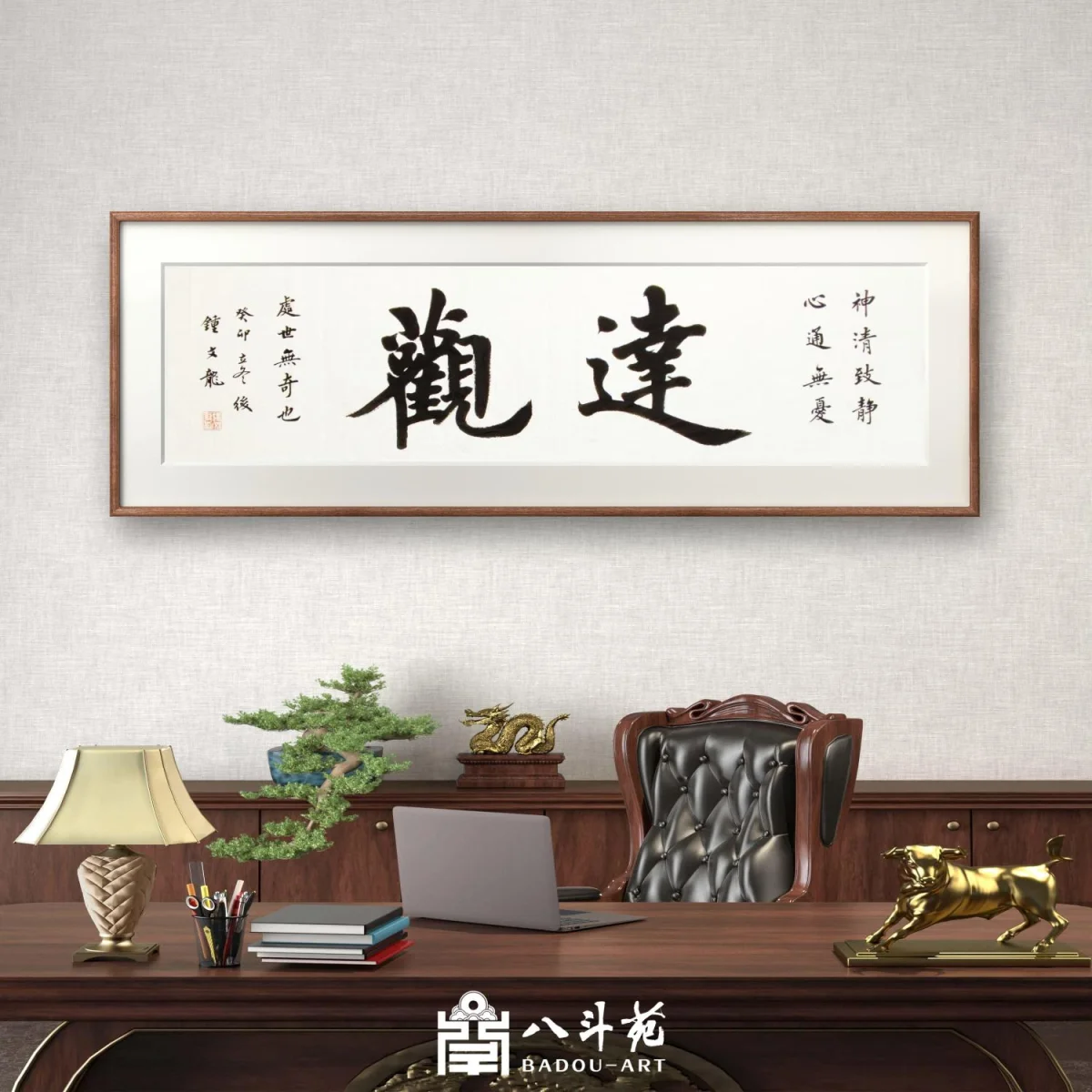
Price range: $750.00 through $1,900.00
Zhong Wenlong Calligraphy | 达观
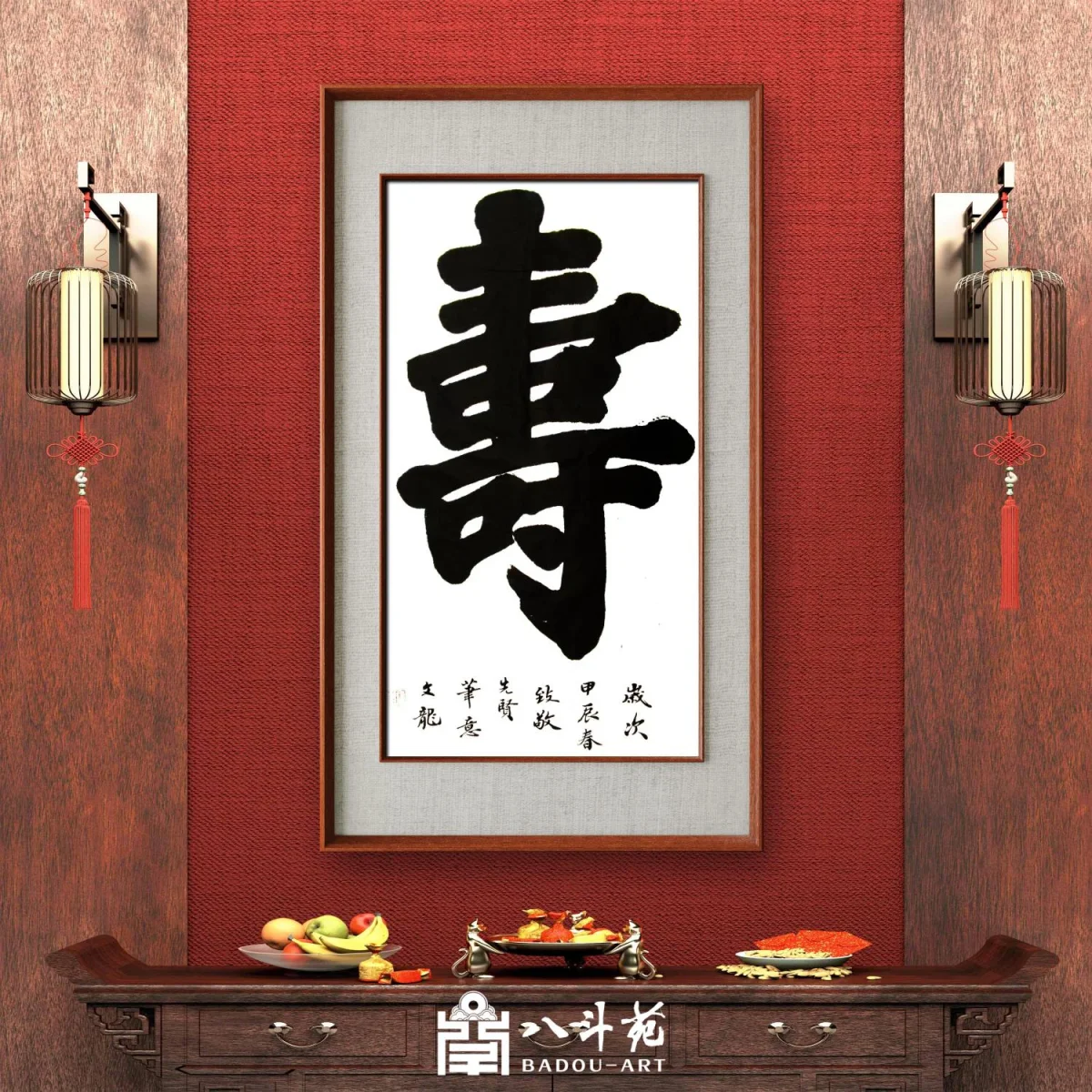
Price range: $1,188.00 through $3,400.00
Zhong Wenlong Calligraphy | 壽
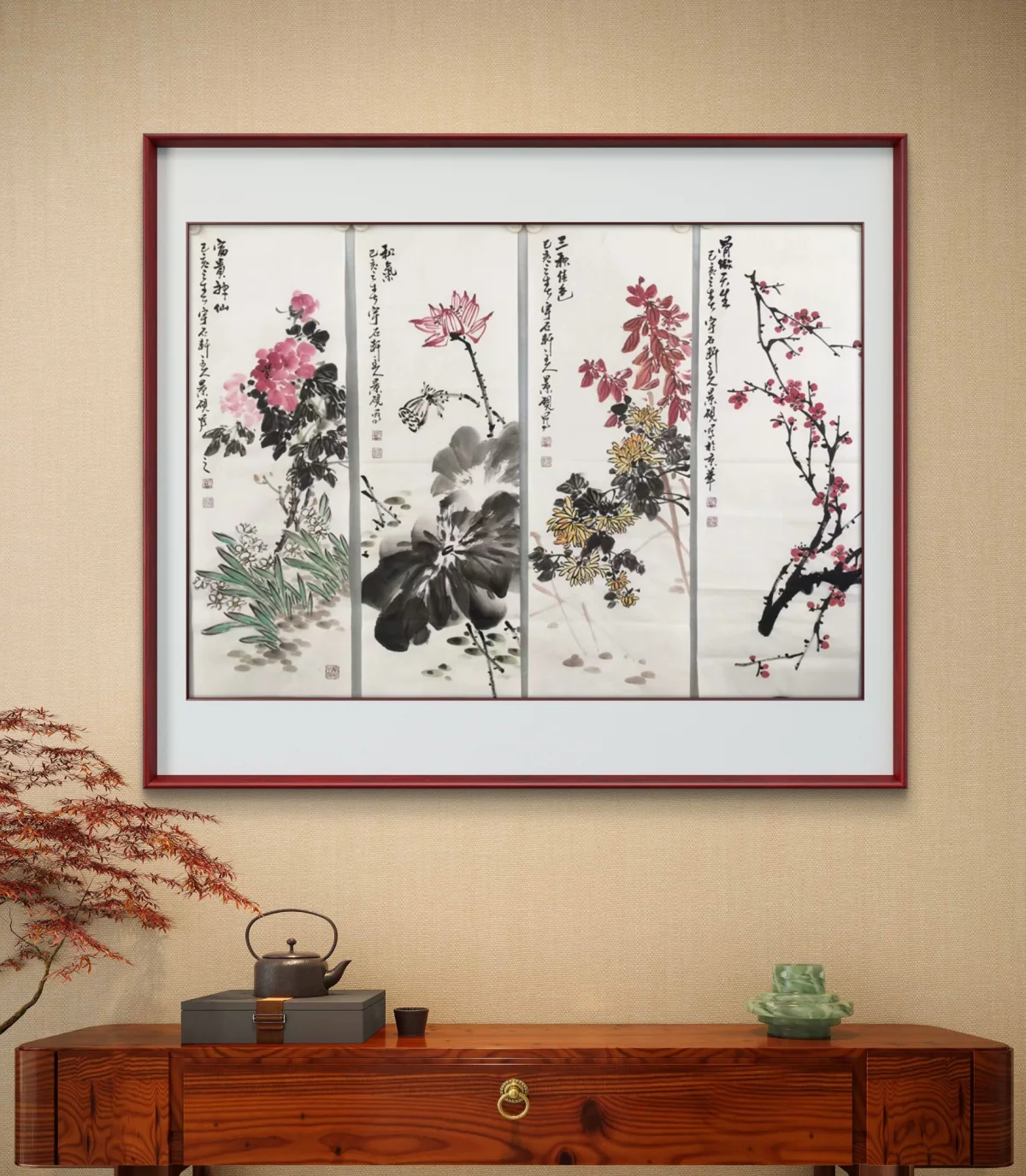
Price range: $1,520.00 through $2,720.00
Wu Jingyan Chinese Freehand Painting・Four‑Panel Flower‑and‑Bird Screens(花鸟四条屏)
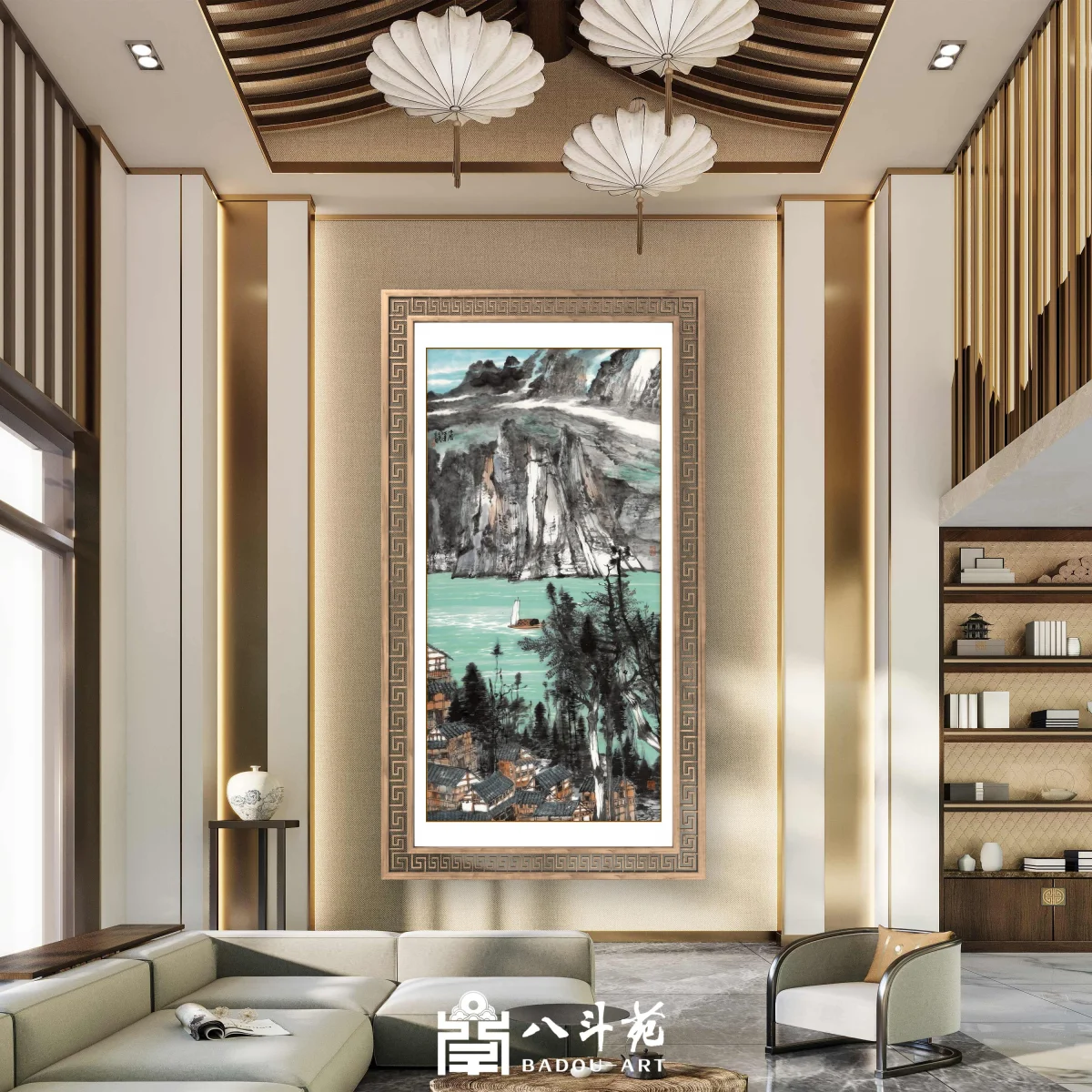
Price range: $28,500.00 through $81,600.00
Liu Liyong Landscape Painting | Riverside Mountain Hamlet (山居江远)
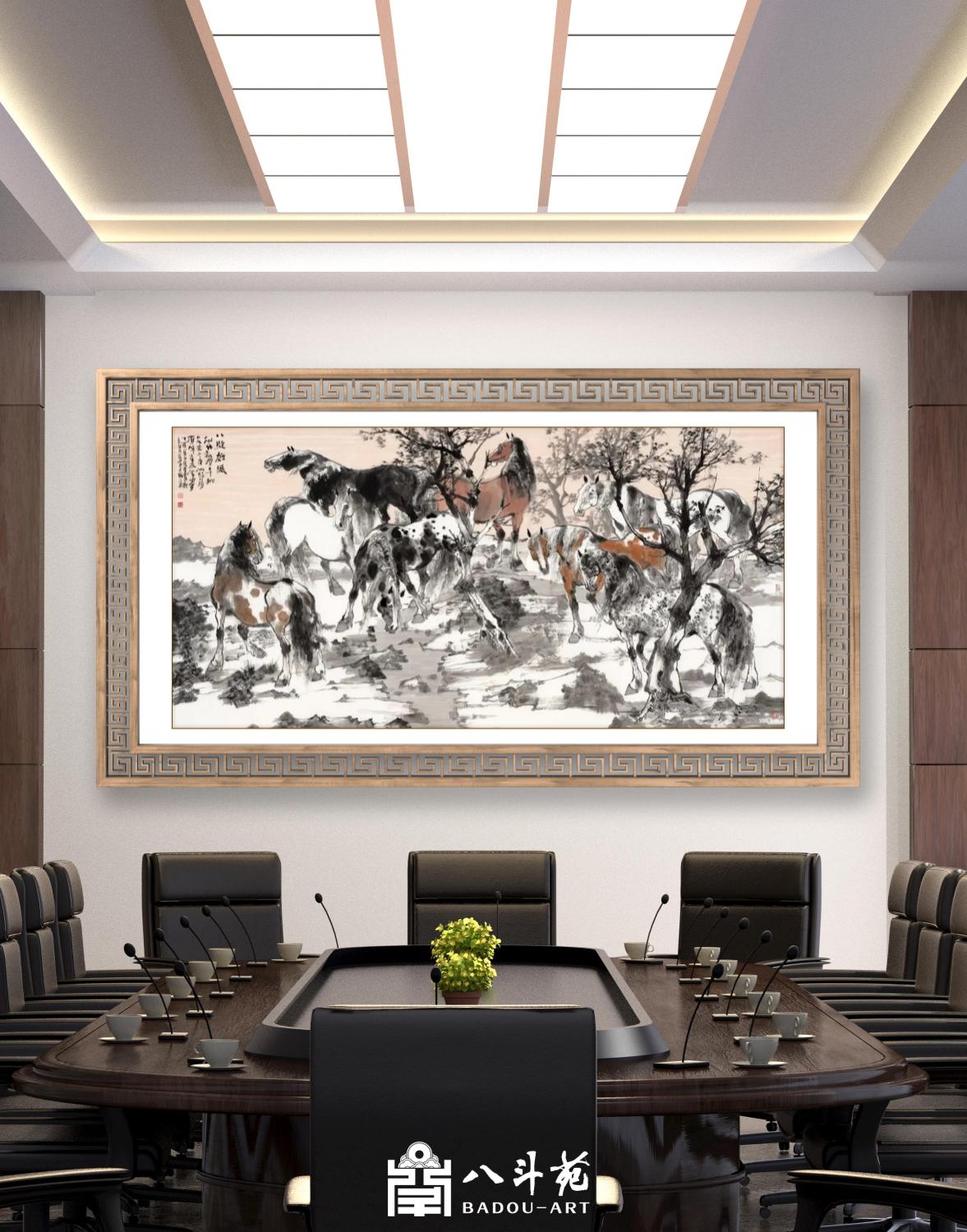
Price range: $28,500.00 through $81,600.00
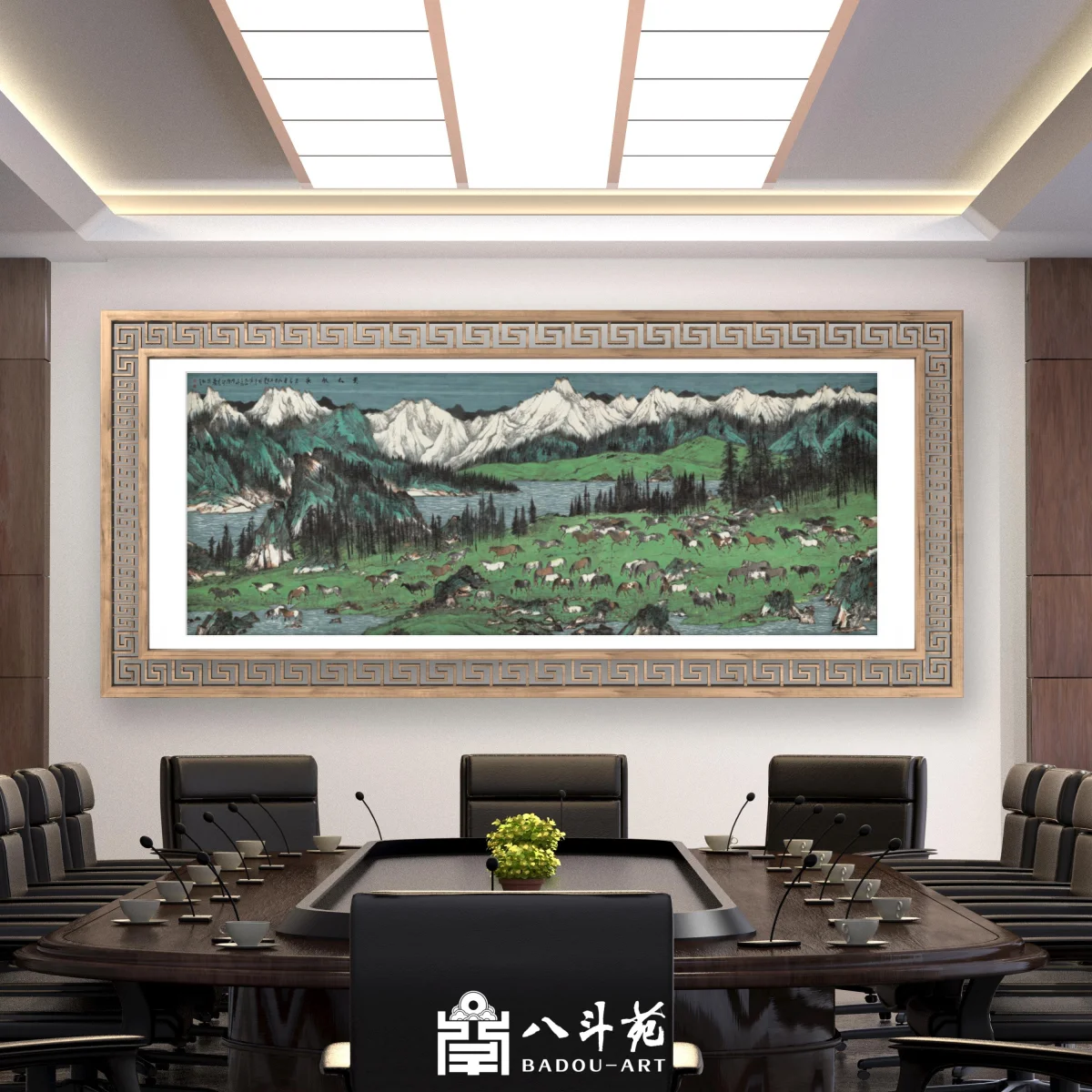
Liu Liyong Animal Painting | Eight Steeds (八骏图)
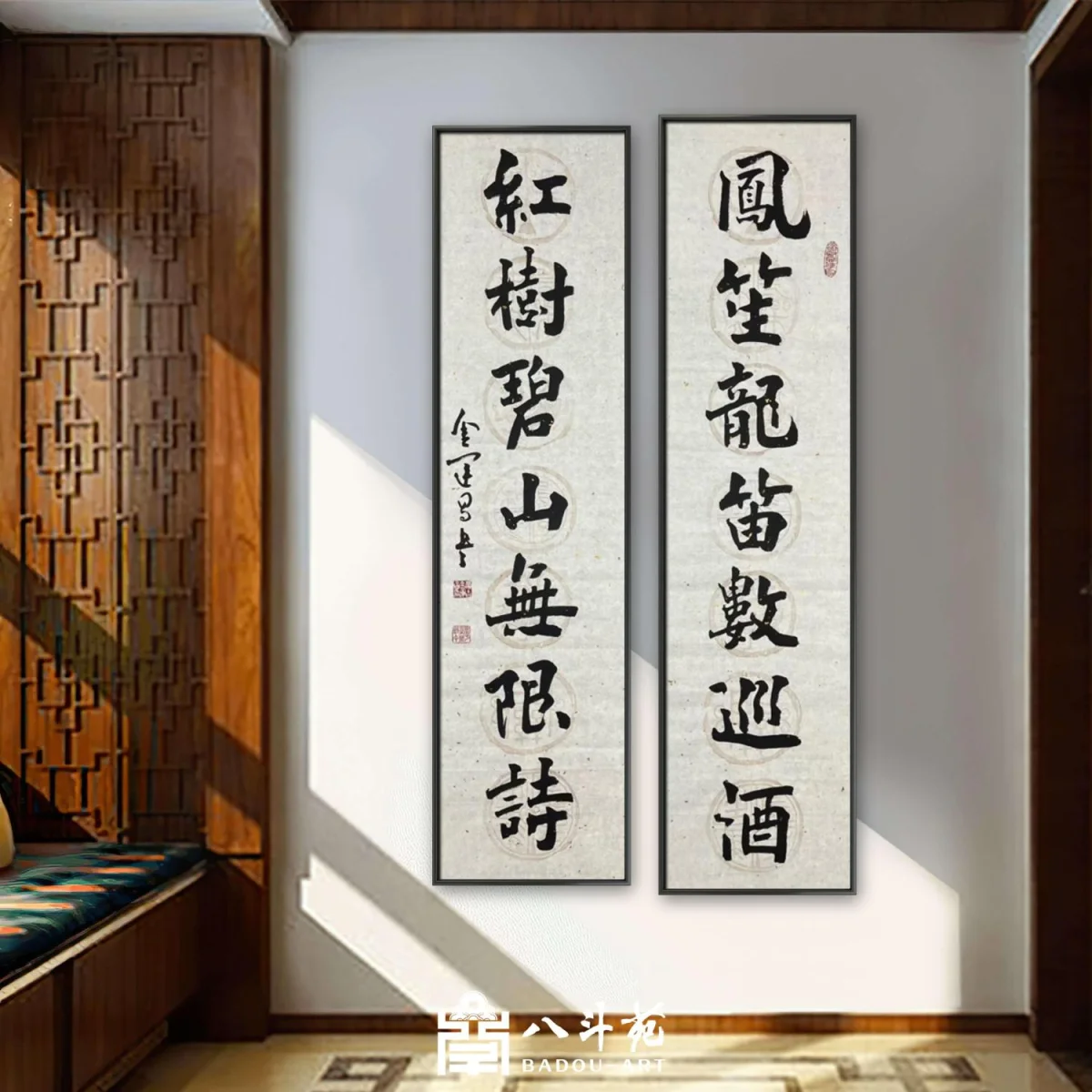
Price range: $4,750.00 through $13,600.00
Jin Yunchang Calligraphy | 鳳笙龍笛數巡酒
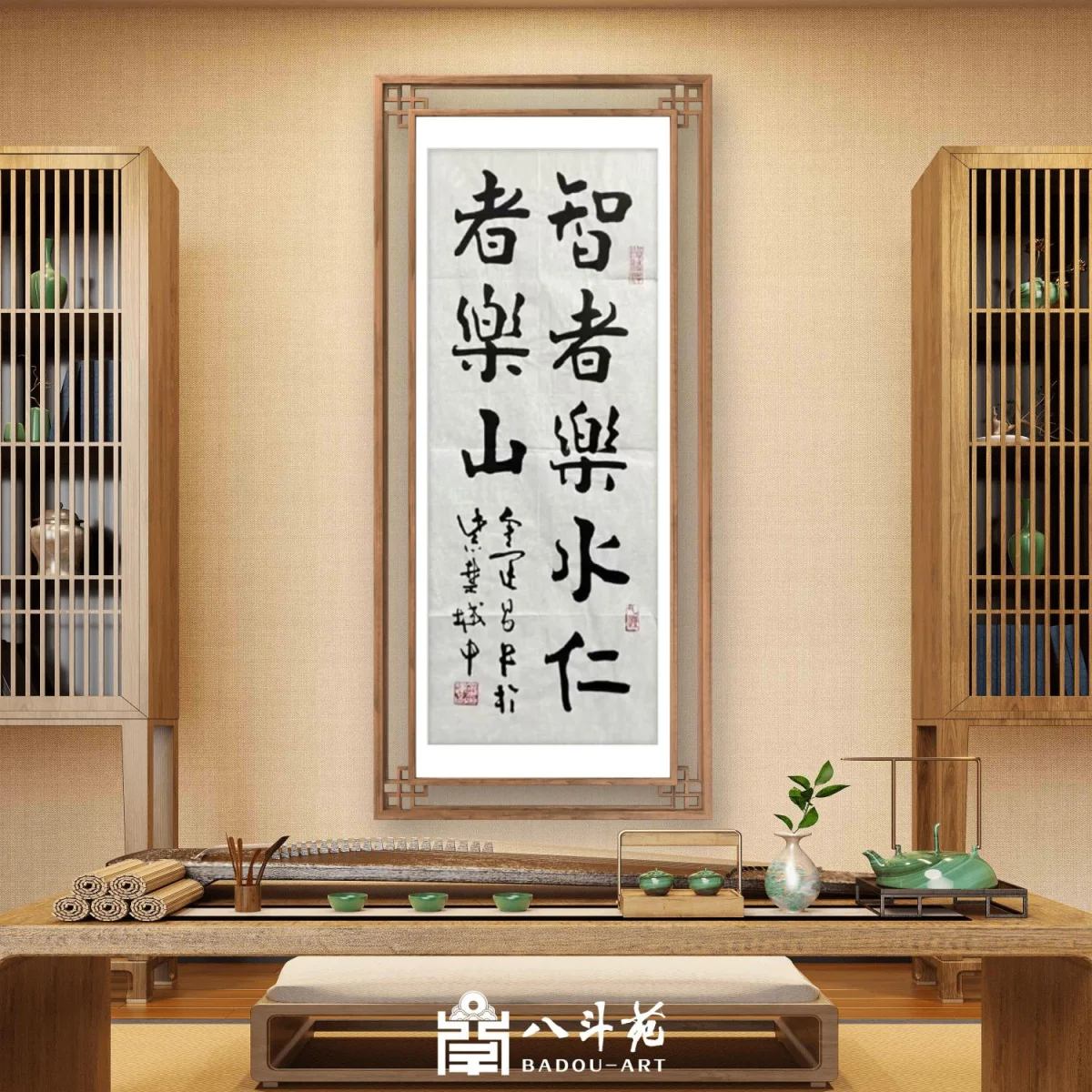
Price range: $4,750.00 through $13,600.00
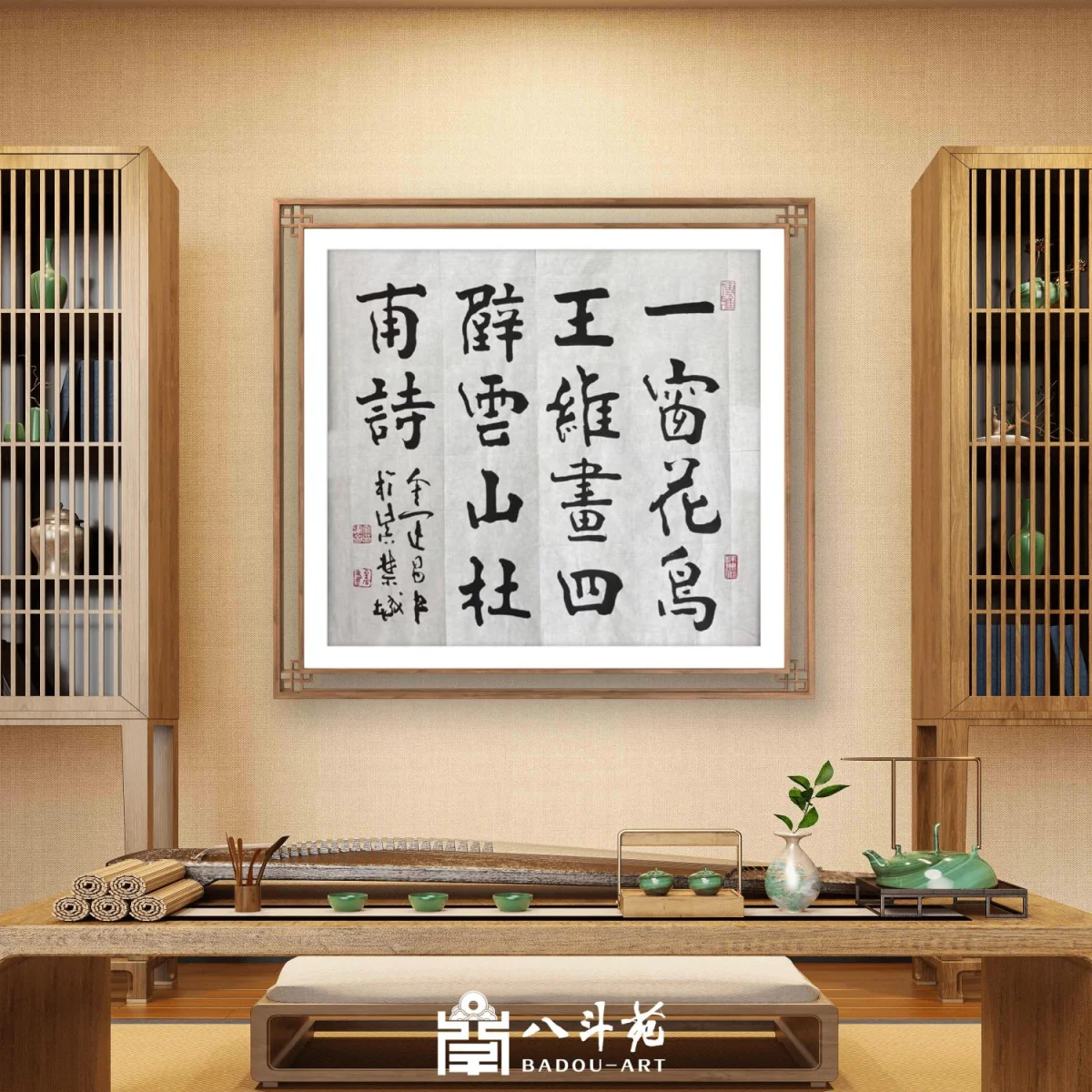
Jin Yunchang Calligraphy | 智者樂水仁者樂山
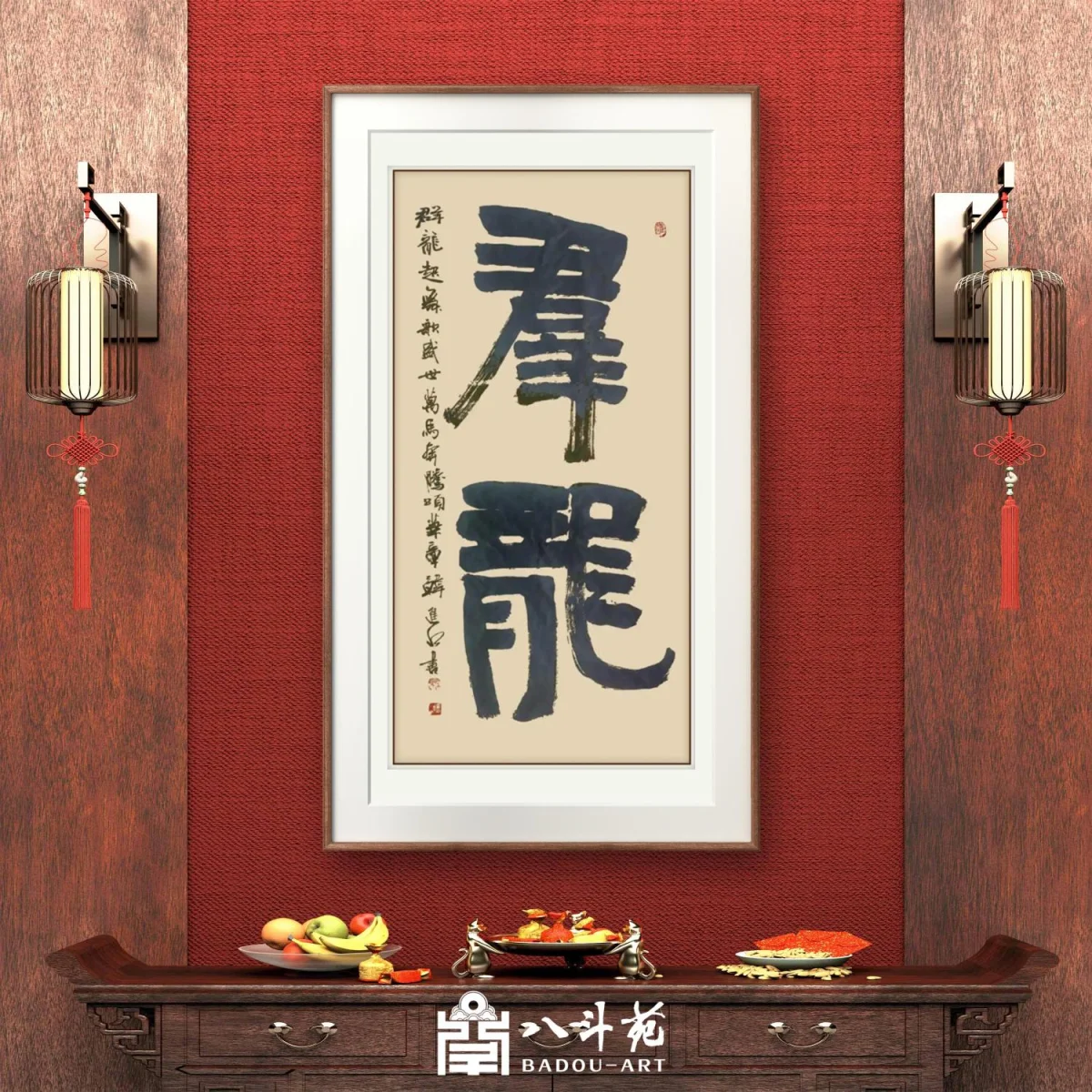
Price range: $1,425.00 through $4,080.00
Han Jinshui Calligraphy | 羣龍 (A Group of Dragons)
Commissioning Art: How to Communicate Your Vision Clearly
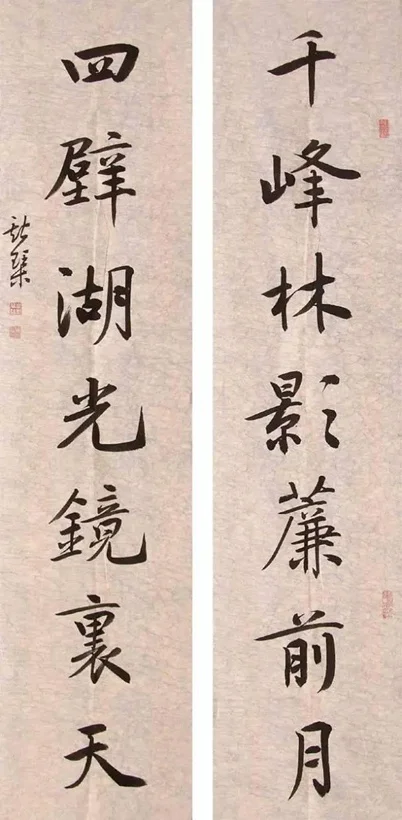
Commissioning Art: How to Communicate Your Vision Clearly
Commissioning a painting or calligraphy online is easier than ever — but the distance makes clear communication essential. A well-structured brief is the difference between a work that is “close enough” and one that is exactly right. Below is a practical template, refined over years of commissioning experience, covering materials, artistry, cultural details, process and budget.
Confirm Materials and Dimensions
- **Paper type**: raw or processed xuan (rice) paper, or silk. Specify pigments too — mineral and plant colors rather than synthetic dyes, if that matters to you.
- **Format and size**: vertical hanging scroll, hand scroll or album, with exact dimensions and the empty margins you want. Example: “Four-foot full sheet (138 x 69 cm), vertical scroll, with generous margins top and bottom.”
Describe the Artistry, Not Just the Subject
- **Technique**: name the texture strokes (cunfa) you admire — ax-cut strokes for cliffs, hemp-fiber strokes for hills — and mention ink layering methods.
- **Mood**: use aesthetic terms such as ethereal (kongling) or lush and moist (cangrun), plus metaphors: “an empty mountain after rain, with a lone boat and a straw cloak hinting at seclusion.”
- **Composition**: reference the classic “three distances” (pingyuan, gaoyuan, shenyuan) and the play between solid and empty space.
Agree on Cultural Details
- **Inscriptions and seals**: where the colophon goes, which script (seal, clerical or running), and what the seals say — a name seal plus a literary leisure seal is the classic pairing.
- **Taboos**: traditions matter. A single crane can read as loneliness; withered lotus carries a somber meaning. If in doubt, ask.
Lock Down Process and Payment
- **Timeline**: when you will see a draft (for example, a sketch within three days), the creation period, and shipping time — remember that mounting takes extra days.
- **Revisions**: agree in advance how many rounds of changes are included and how feedback is given (annotated images or video calls).
- **Budget**: request itemized quotes for creation, mounting and shipping separately. A deposit of 30–50 percent is customary, with the balance due on completion.
Four Final Cautions
- **Verify materials**: ask for photos of the paper’s watermark and the pigment packaging — “antique-style” paper is not the same as hand-made xuan.
- **Check color honestly**: compare photos under natural and warm light; screens distort color.
- **Clarify copyright**: for commercial use, all rights other than the artist’s moral rights must be bought out explicitly.
- **Put it in writing**: revision rules, mounting and delivery terms should all be confirmed in the agreement.
A clear brief shows respect for the artist’s craft and dramatically improves the result. Working with an established commissioning platform such as Badou Art also helps — our advisors refine your brief, match you with the right artist, and manage the details from draft to delivery.