Our Featured Collection
Hand‑picked premium works for you

Zhong Wenlong Calligraphy | 达观

Zhong Wenlong Calligraphy | 壽
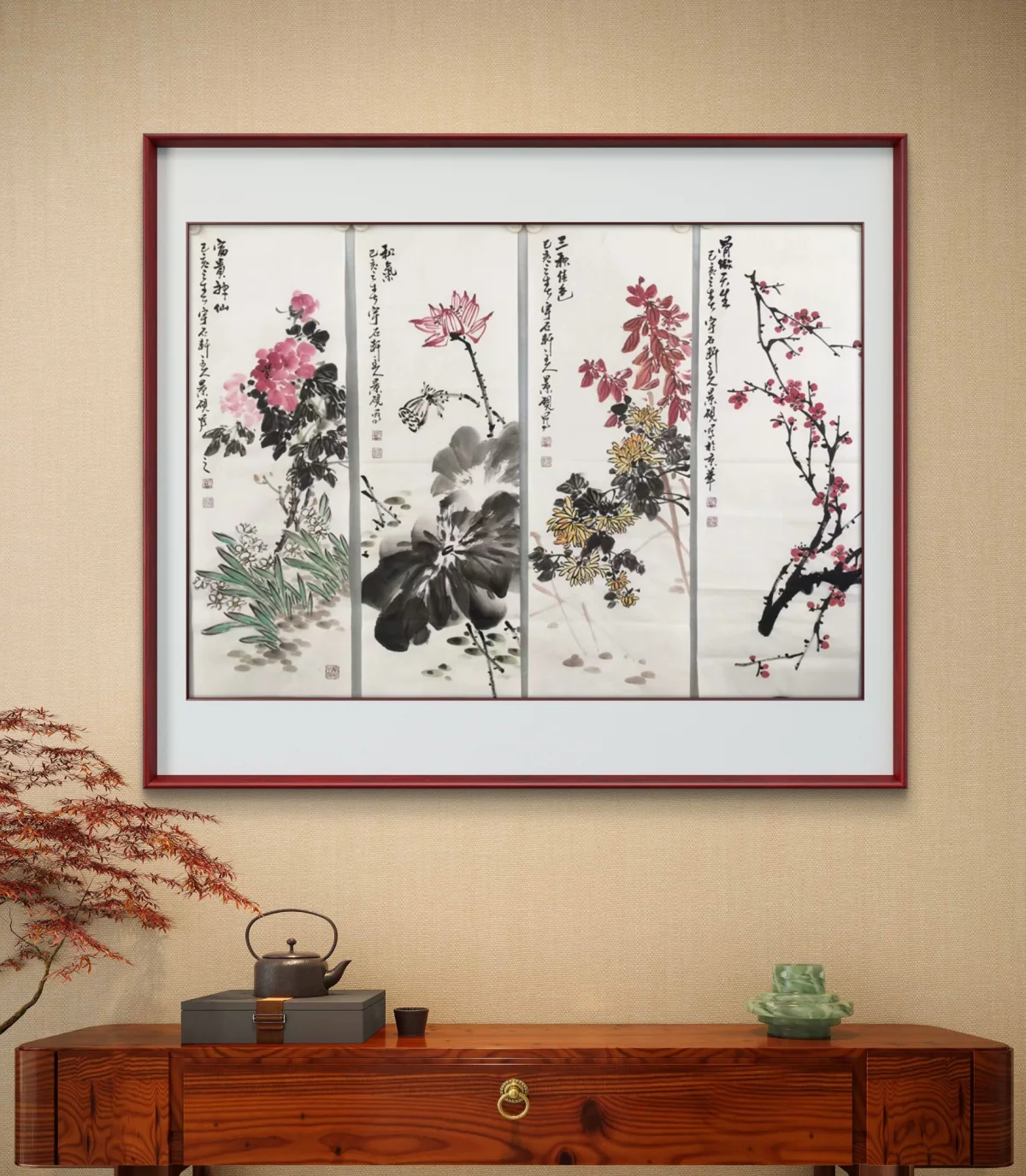
Wu Jingyan Chinese Freehand Painting・Four‑Panel Flower‑and‑Bird Screens(花鸟四条屏)
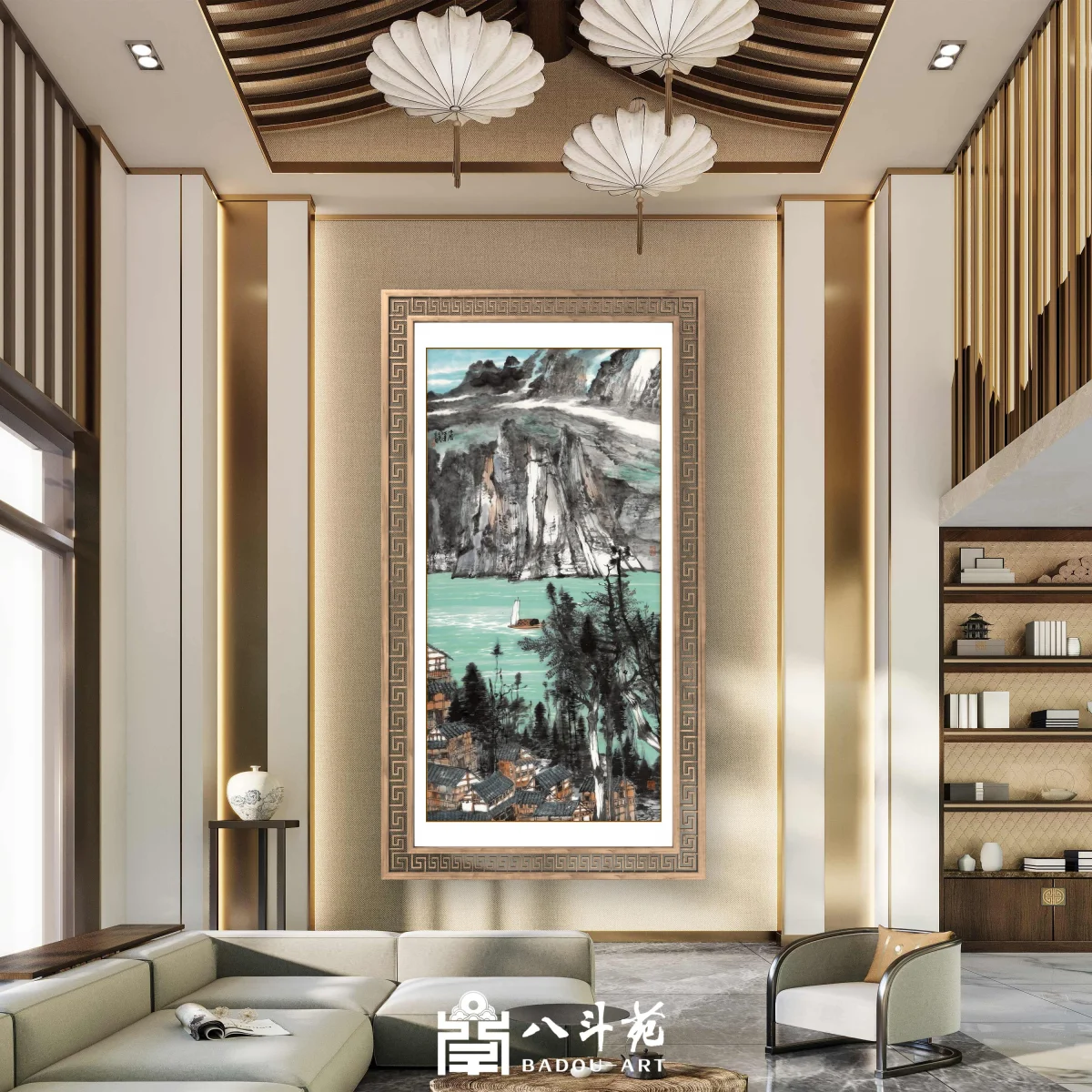
Liu Liyong Landscape Painting | Riverside Mountain Hamlet (山居江远)

Liu Liyong Animal Painting | Eight Steeds (八骏图)
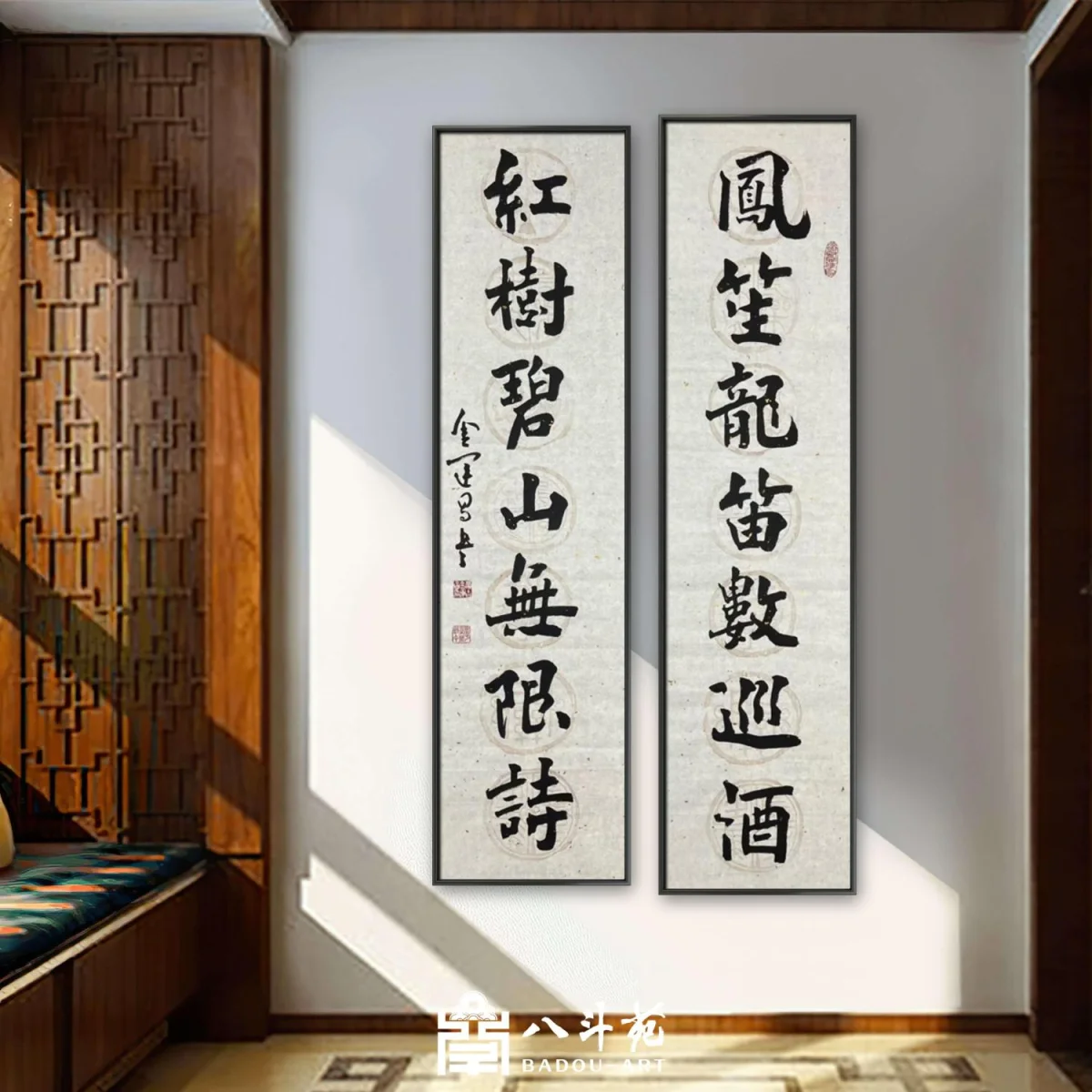
Jin Yunchang Calligraphy | 鳳笙龍笛數巡酒

Jin Yunchang Calligraphy | 智者樂水仁者樂山

Han Jinshui Calligraphy | 羣龍 (A Group of Dragons)
How Are Chinese Paintings & Calligraphy Priced? Key Factors
How Are Chinese Paintings & Calligraphy Priced? Key Factors
Why does one painting sell for a few hundred dollars and another for millions? The pricing of Chinese paintings and calligraphy is a complex, partly subjective process — but it follows recognizable logic. Here are the factors that shape price, and how to read them.
Reputation and Influence
A celebrated artist commands higher prices because of distinctive style and proven achievement. Reputation is built on past sales records and standing in the art world — and it compounds: more recognition brings more demand, which raises prices further.
Condition and Completeness
Ink and color on paper or silk are fragile; time and environment take a toll. A work in pristine condition — no tears, stains or fading, with sound mounting — is worth far more than a damaged one. Completeness matters just as much: the full image, plus its colophons (inscriptions) and seals, all present.
Scarcity
Limited works — unique pieces, numbered editions, or late works from a short period — draw more competition among buyers, and competition raises prices. The rarer the work, the stronger its value floor.
Market Demand
Prices follow enthusiasm. When collectors turn toward an artist, prices can rise quickly; when interest fades, they fall. Demand is shaped by exhibitions, auctions, media coverage and broader taste cycles, which is why price history — not just current hype — deserves attention.

Authentication and Certification
Works backed by recognized auction houses, galleries and professional appraisal institutions carry certification that reassures buyers. Credible authentication reduces risk, and lower risk supports higher prices.
The Subjective Balance
Beyond these five levers, pricing also reflects the era a work comes from, its stylistic characteristics, and the materials and techniques used — and, ultimately, the buyer’s willingness to pay. There is no fixed formula: every collector perceives value differently, which is why the same work can fetch very different prices in different rooms.
Where the Market Meets Judgment
Yet subjectivity has its limits. Years of market observation give experienced institutions a reliable sense of the reasonable range for most artists — the runge, or artist’s price list, that studios publish. If you are buying or selling, that accumulated knowledge is worth consulting. Badou Art’s specialists track these ranges closely and are glad to help you evaluate a work, whether you are starting a collection or adding to one.