Our Featured Collection
Hand‑picked premium works for you
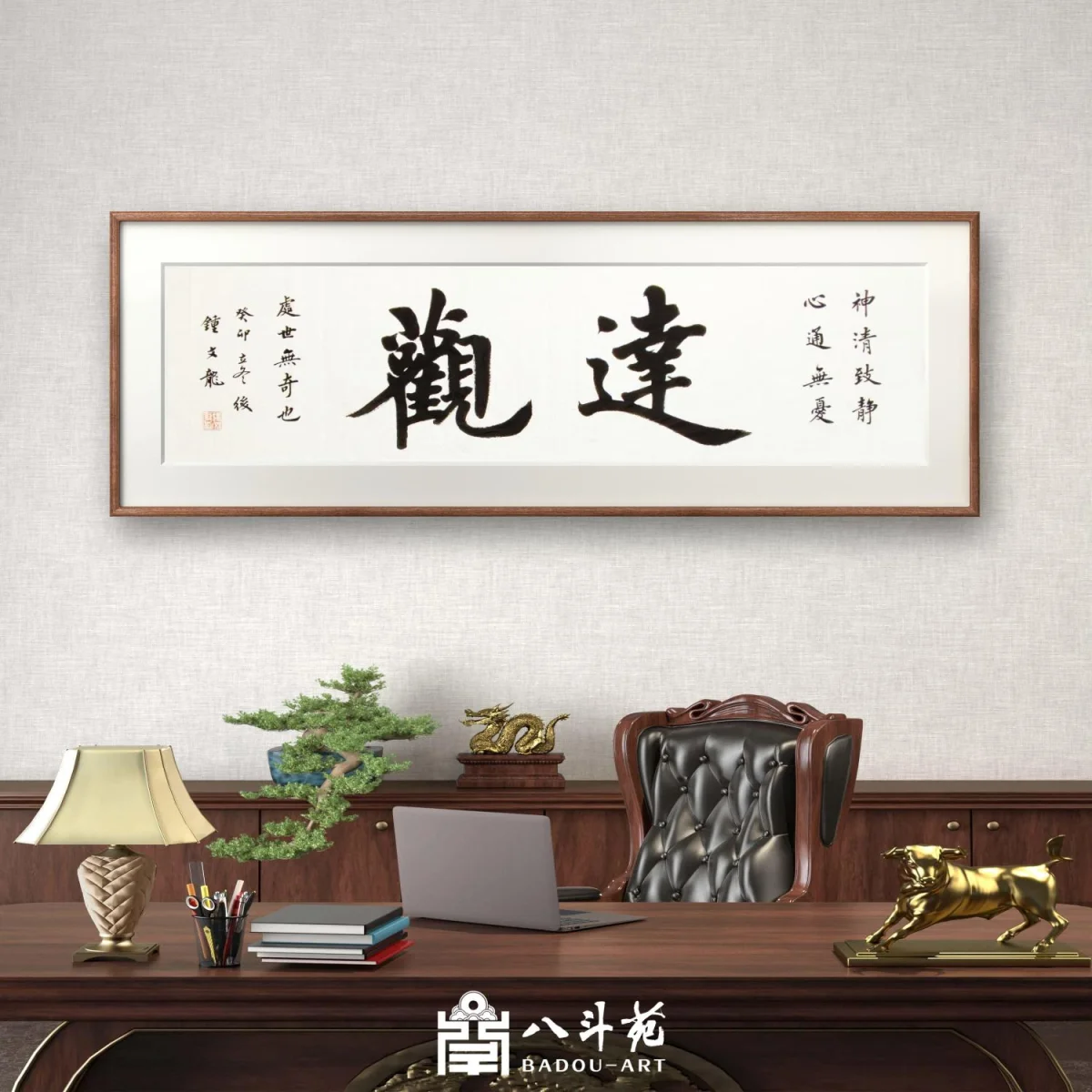
Zhong Wenlong Calligraphy | 达观
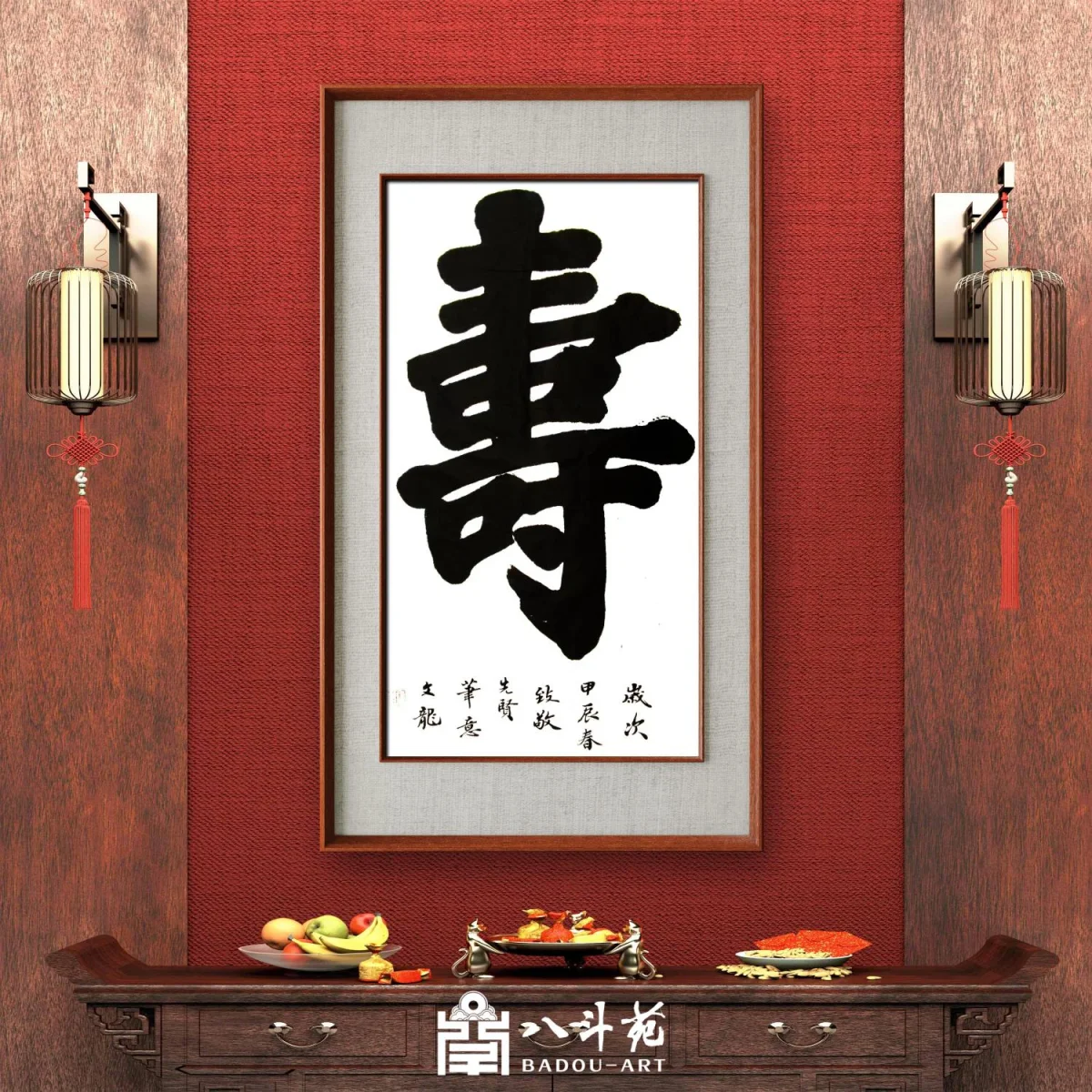
Zhong Wenlong Calligraphy | 壽
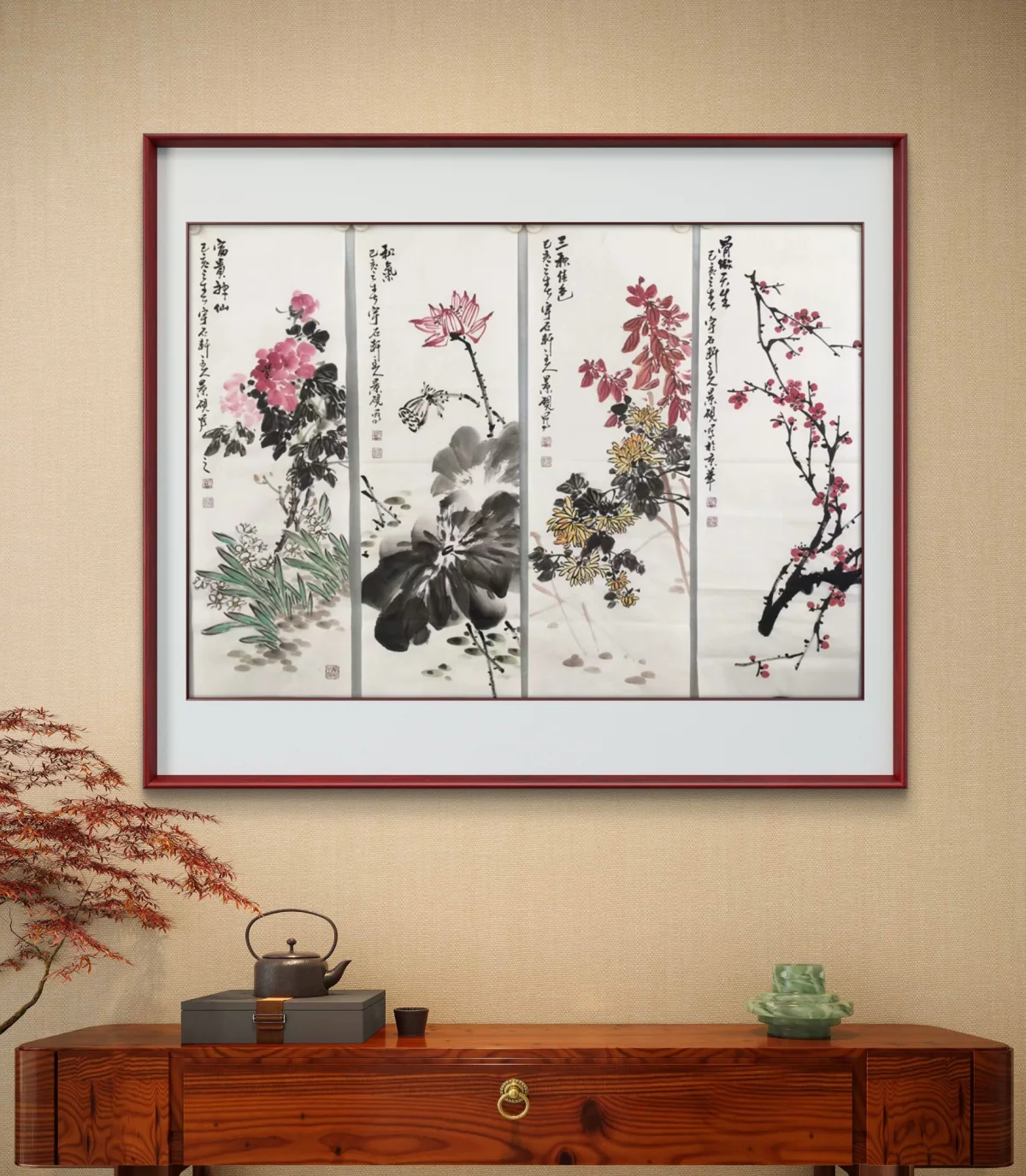
Wu Jingyan Chinese Freehand Painting・Four‑Panel Flower‑and‑Bird Screens(花鸟四条屏)
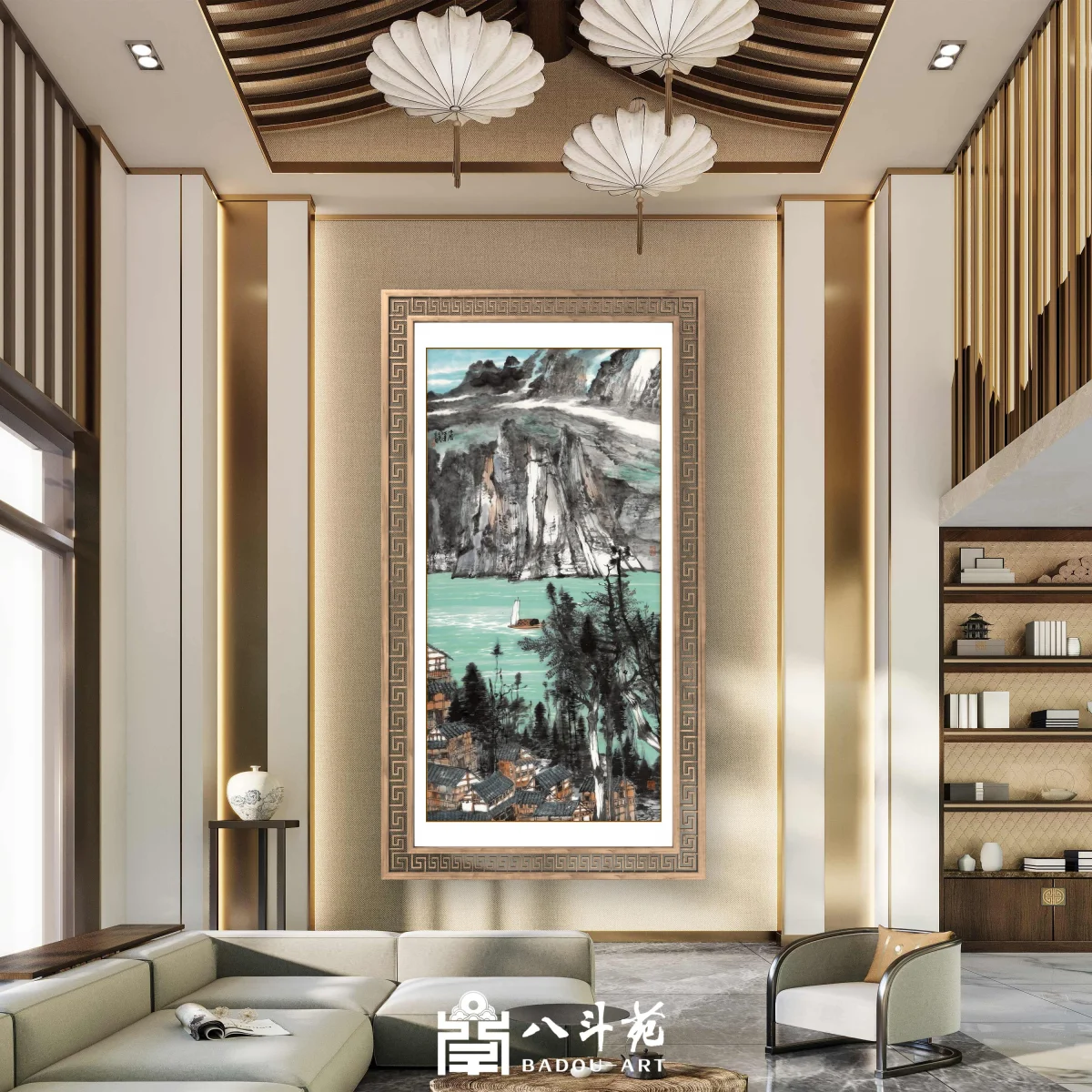
Liu Liyong Landscape Painting | Riverside Mountain Hamlet (山居江远)
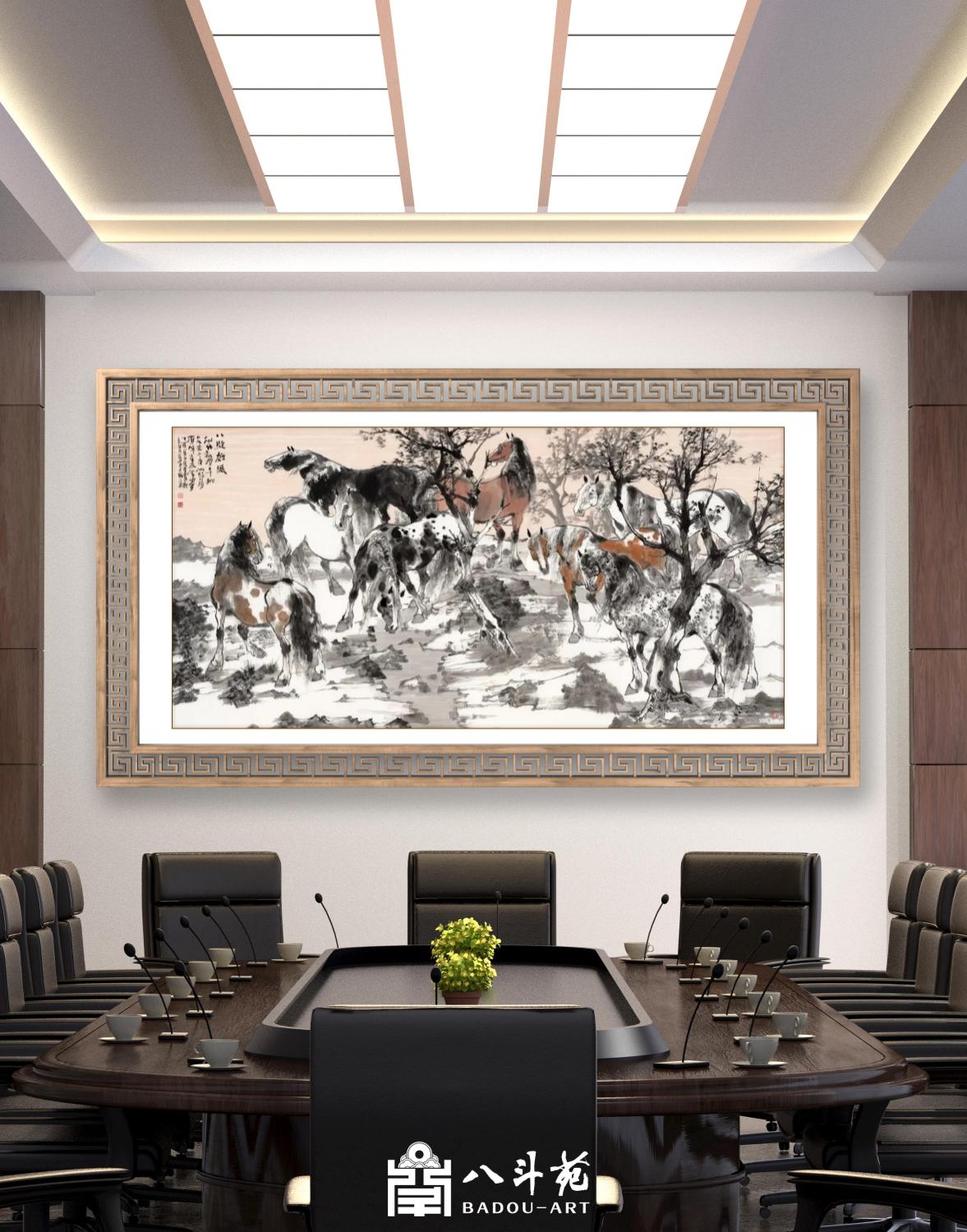
Liu Liyong Animal Painting | Eight Steeds (八骏图)
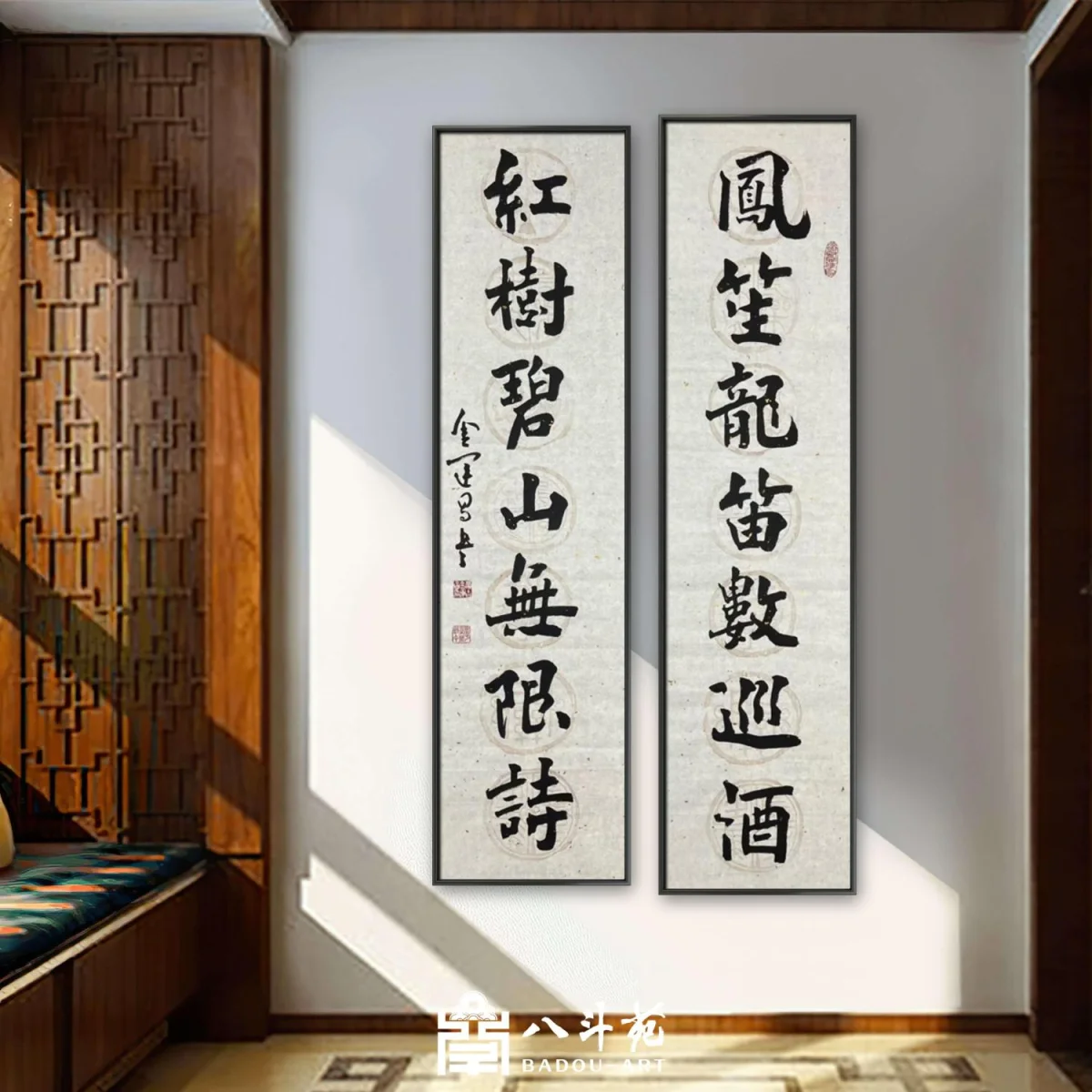
Jin Yunchang Calligraphy | 鳳笙龍笛數巡酒
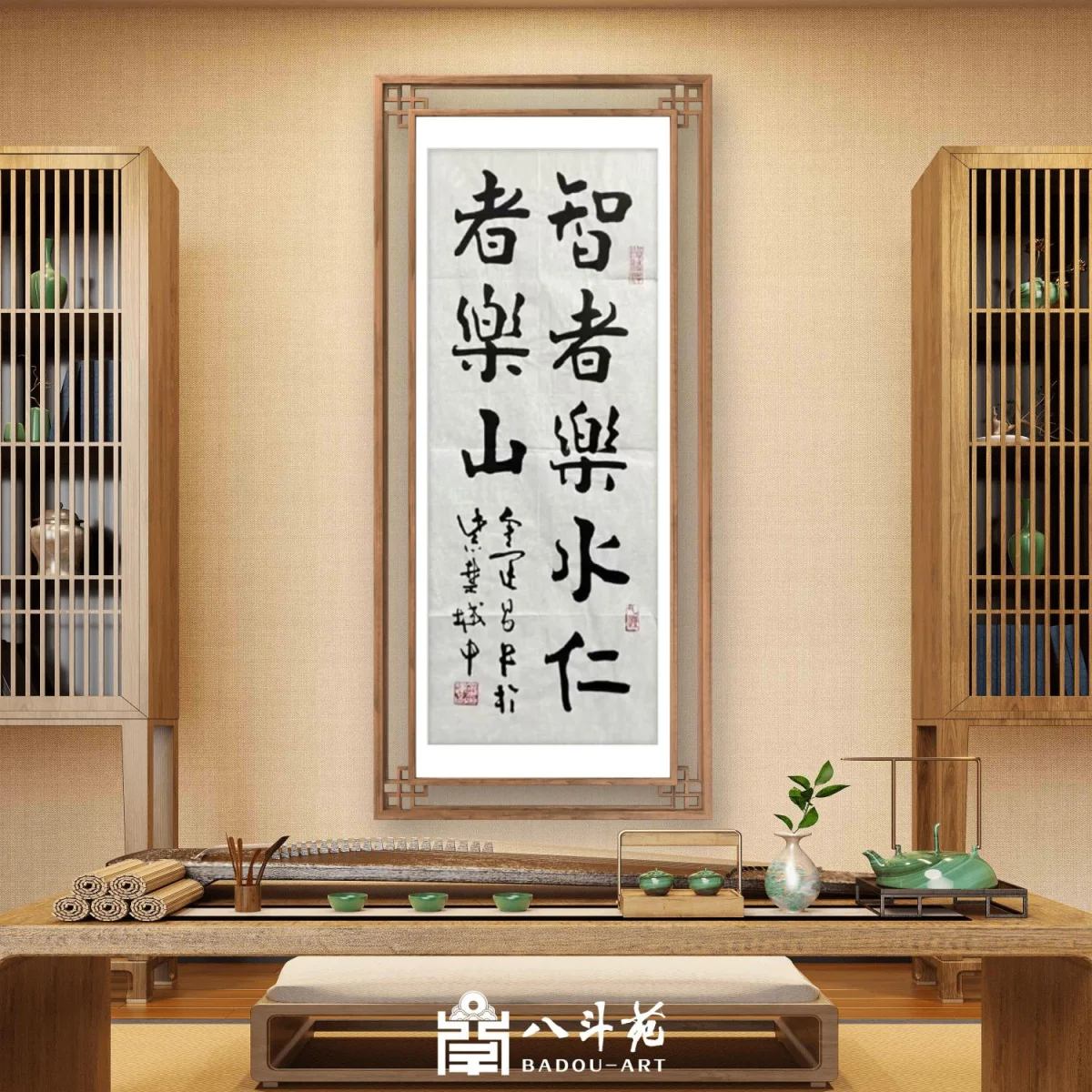
Jin Yunchang Calligraphy | 智者樂水仁者樂山
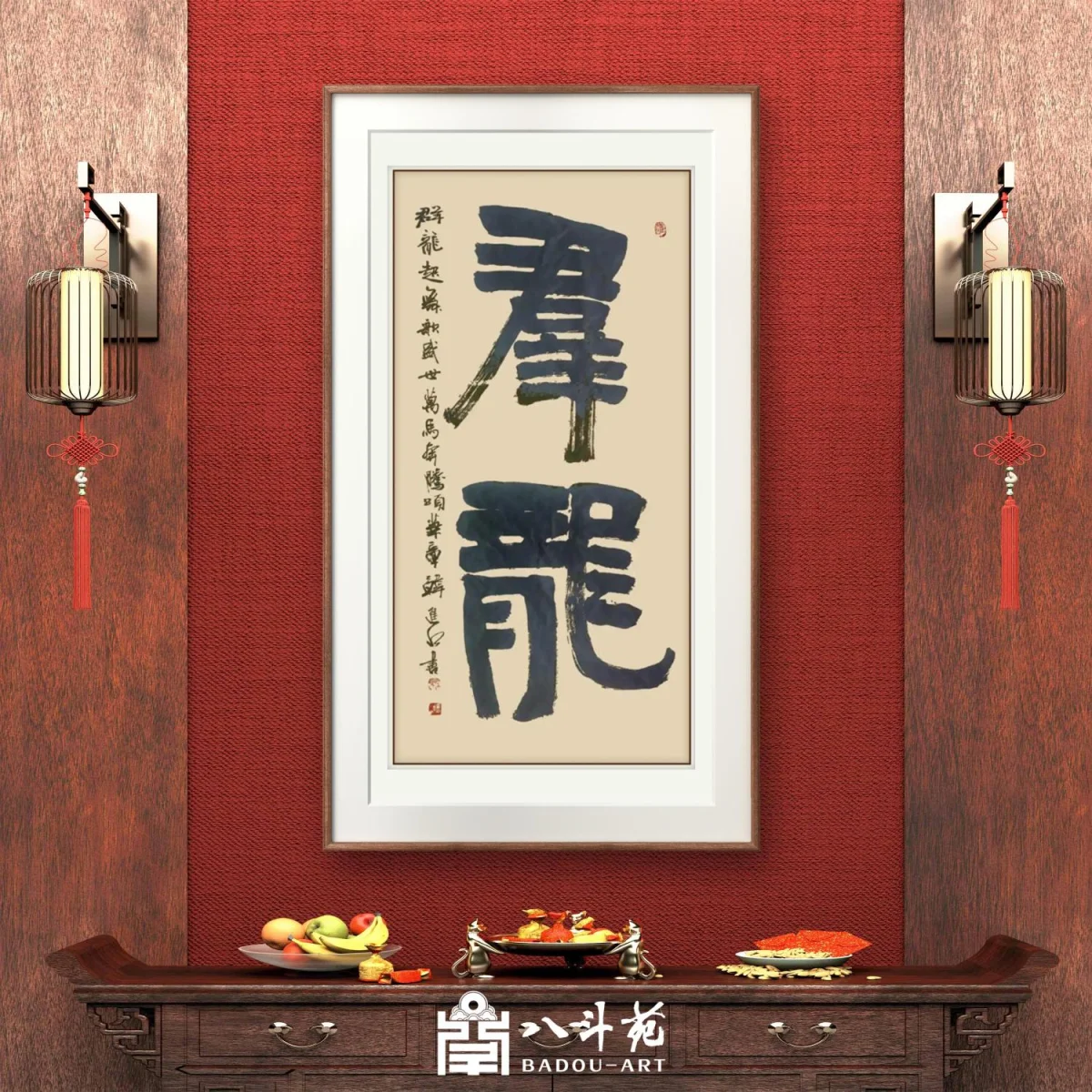
Han Jinshui Calligraphy | 羣龍 (A Group of Dragons)
Why Create a Seal? Zhao Zhiqian and the Soul of Carving
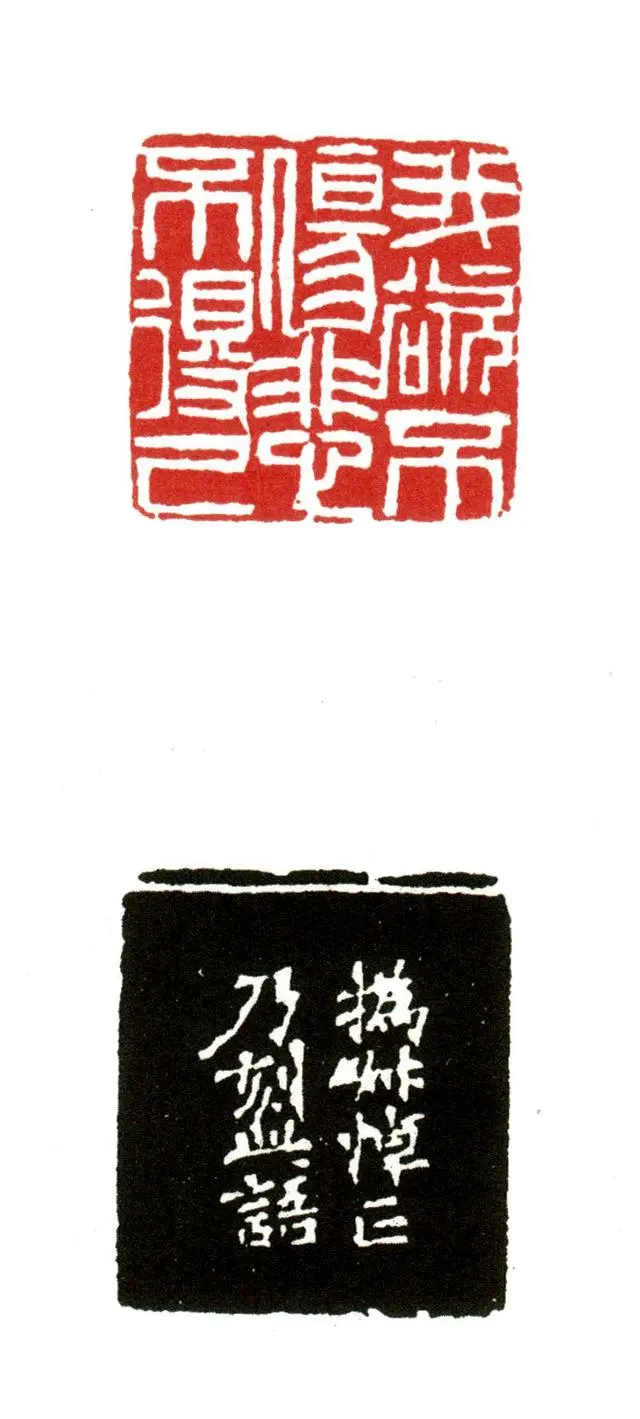
Why Create a Seal? Zhao Zhiqian and the Soul of Carving
In Chinese art, a seal (*zhuanke*, 篆刻) is far more than an engraved personal stamp used like a signature. So why do artists create seals at all — and what is the ultimate goal of seal carving? To answer, follow the works of Zhao Zhiqian (赵之谦, 1829–1884), the great late-Qing master, through six seals carved in the darkest years of his life.
Grief Carved in Stone
In 1862, hiding from the Taiping Rebellion in Fujian, Zhao Zhiqian learned that his wife and daughter had died in the war. He was 34, and his poems, paintings, and collection lay in ashes. He carved “我欲不伤悲不得已” — “I want to stop grieving, but I cannot.” Dense, crowded lines carry grief too heavy to hide; the red spaces he deliberately left open are a silent protest against an unjust fate.
Poetry as Shelter
That same year he carved “生逢尧舜君,不忍便永诀” (“Born under sage rulers, I cannot bear to take my final leave”), a line from Du Fu, China’s greatest poet of conscience. The carving was his vow to keep serving his country. A month later came “男儿生不成名身已老” (“A man who has not made his name finds himself old”) — the same urgency Du Fu felt, echoed in a time of civil war.
A Stele in the Mouth
By 1863 Zhao Zhiqian was in Beijing, brilliant in art but blocked in official life. He carved “石阙生口中,” from a Southern Dynasties folk song in which “stele” (*bei*) puns on “sorrow” (*bei*): a stone gateway grows in the mouth — one swallows sorrow and cannot speak. Under the rule of Empress Dowager Cixi, an artist-scholar could only bury his grief in epigraphy.
A Gift of Good Fortune
On New Year’s Day 1864, Zhao Zhiqian carved “如愿” (“As Wished”) to celebrate his friend Shen Shuyong, who had finally obtained a Song-dynasty rubbing of the Xiping Stone Classics after a year of searching. Seals, he showed, can be gifts — messages of friendship and hope, their flowing script as joyful as silk ribbons.
Peace with the Past
Later in 1864, at 36 — his “zodiac year,” a time when tradition says one takes stock of life — Zhao Zhiqian carved “餐经养年” (“Nourish the years with scriptures”). Alone in the capital, he made peace with his losses and prayed that his wife and daughter would find a pure land.
More Than a Name Stamp
Zhao Zhiqian is not alone. Wu Changshuo carved “One Month as Magistrate of Andong” three times; Gao Fenghan left “Crippled Man of the Ding-si Year”; Wu Rangzhi carved “Painting Plum Blossoms to Trade for Rice”; Lai Chusheng carved “A Changed World.” Every famous carver seems to own such works.
Seal carving has its own techniques and limits, yet like calligraphy or poetry it can voice the heart. A seal can carry grief, ambition, friendship, and prayer — expressing not just a name, but a life. That, perhaps, is the real goal of the art: to write your life into stone. If you are ready to create a seal of your own, Badou Art’s specialists are happy to guide you.
Source: https://www.cntizi.com/5025.html