Our Featured Collection
Hand‑picked premium works for you
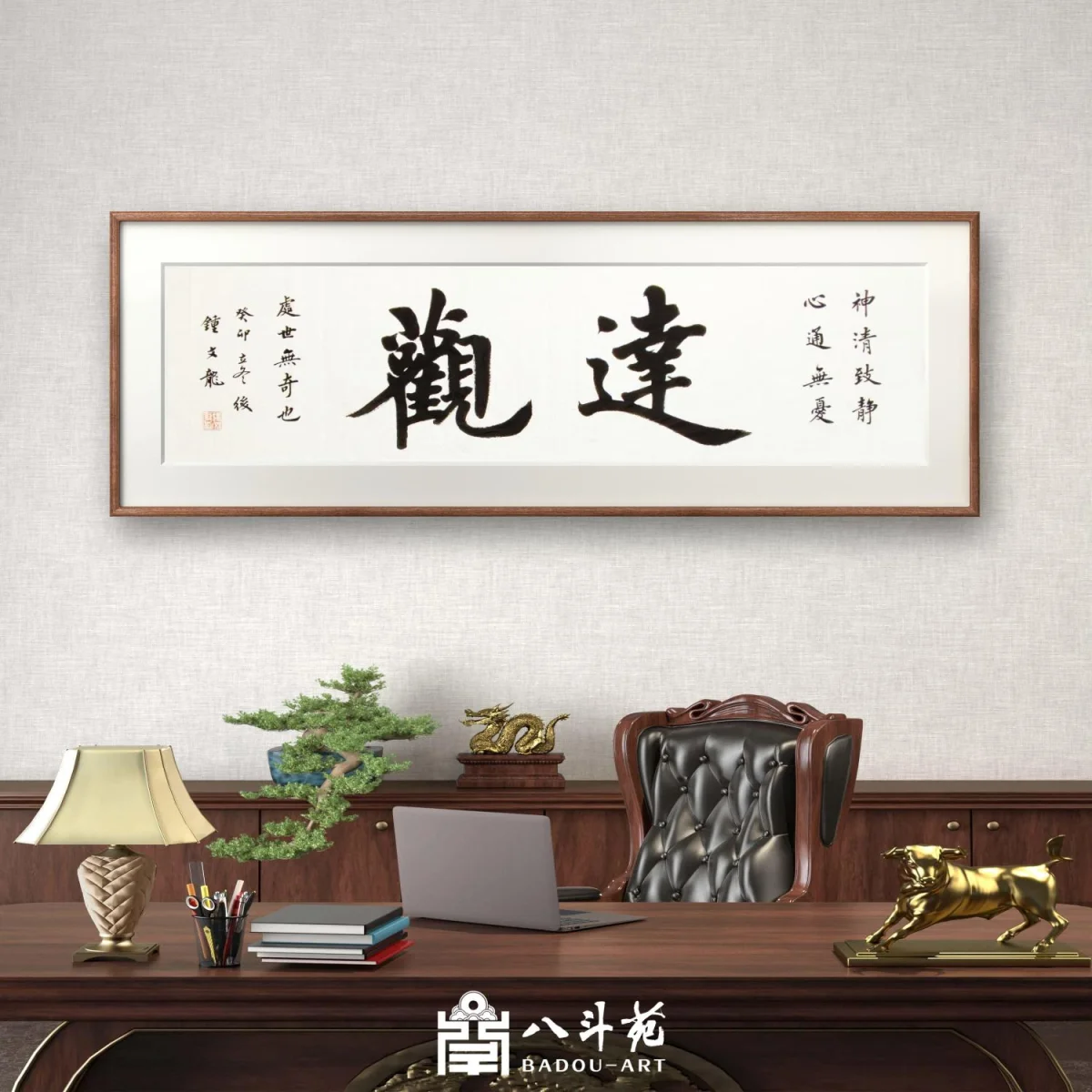
Zhong Wenlong Calligraphy | 达观
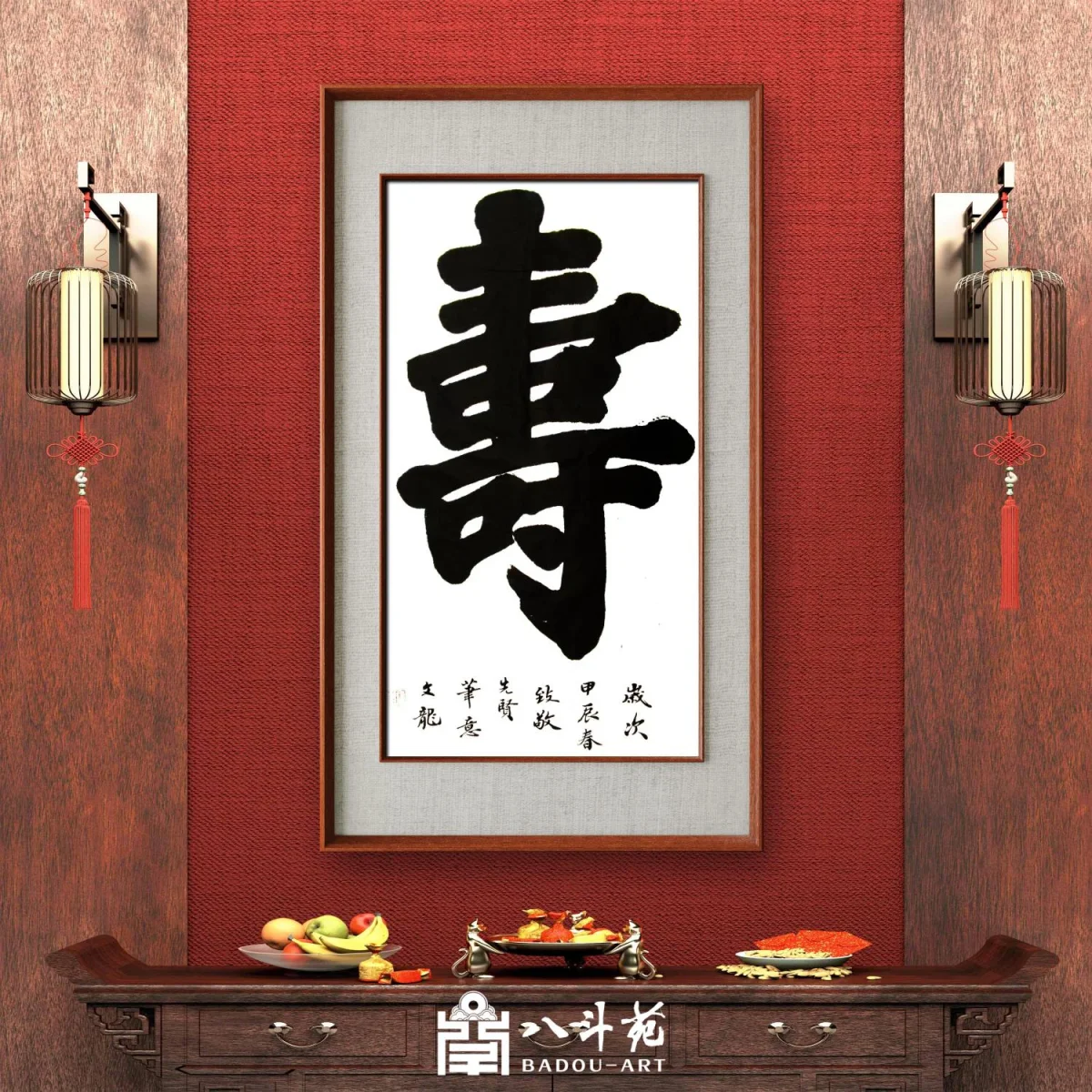
Zhong Wenlong Calligraphy | 壽
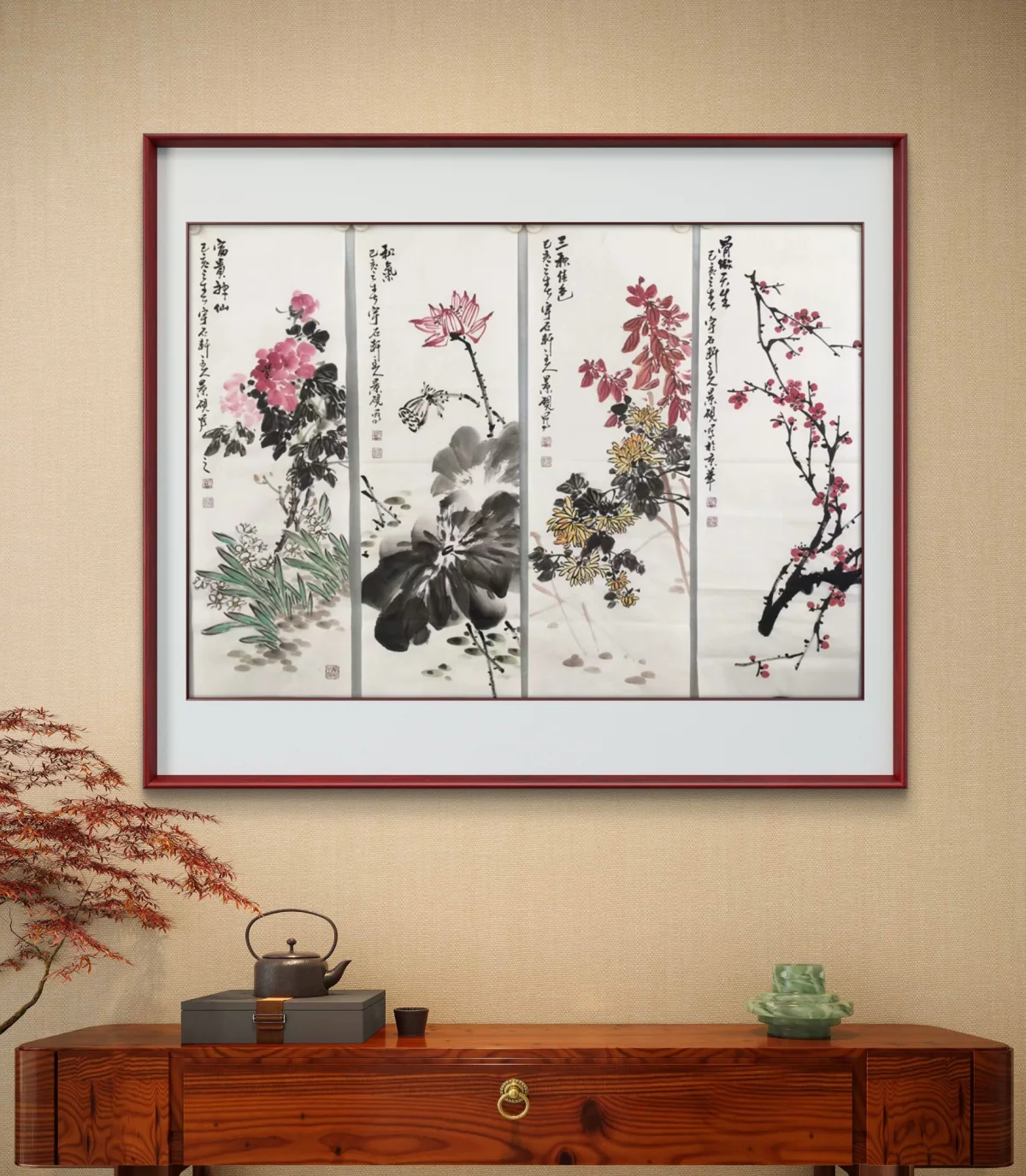
Wu Jingyan Chinese Freehand Painting・Four‑Panel Flower‑and‑Bird Screens(花鸟四条屏)
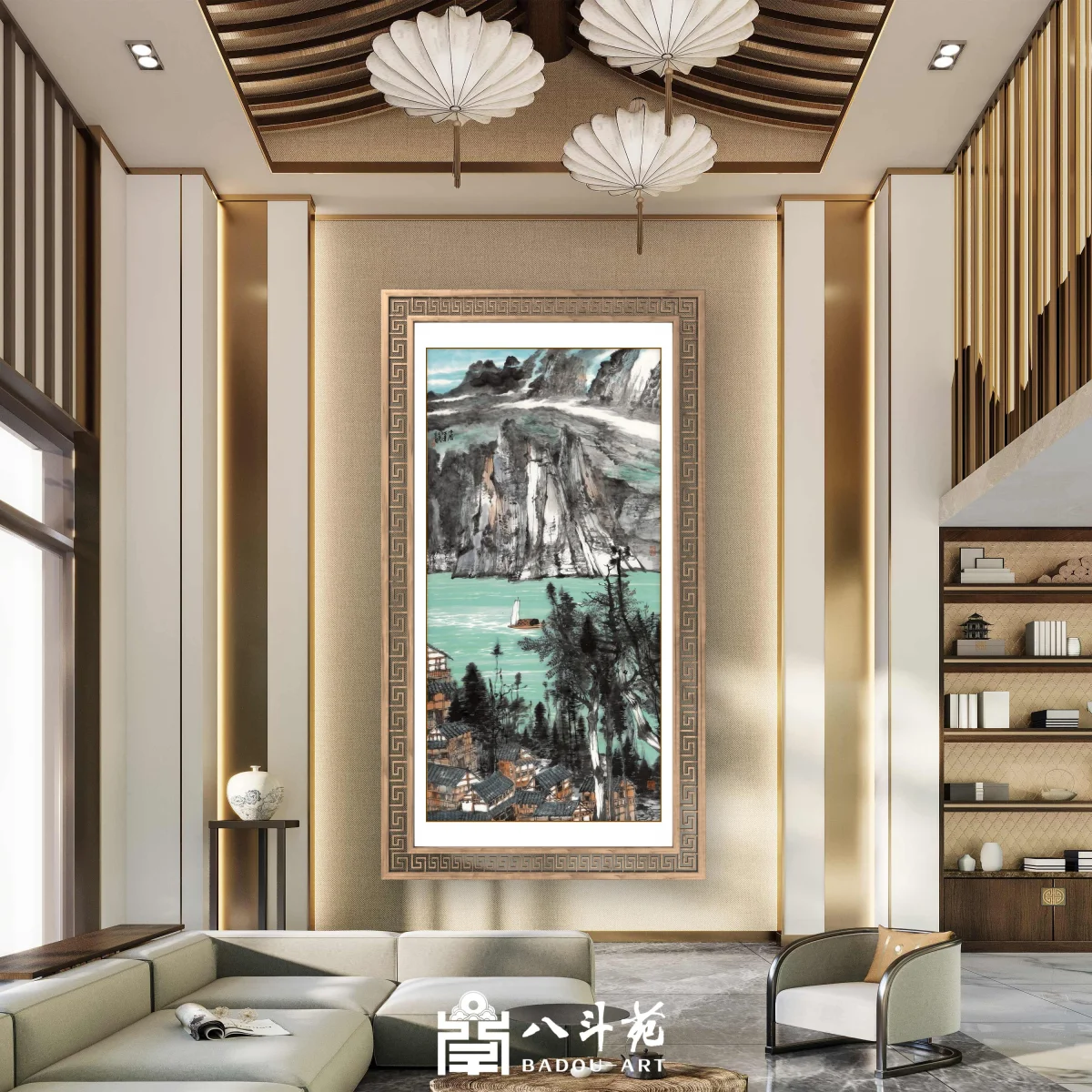
Liu Liyong Landscape Painting | Riverside Mountain Hamlet (山居江远)
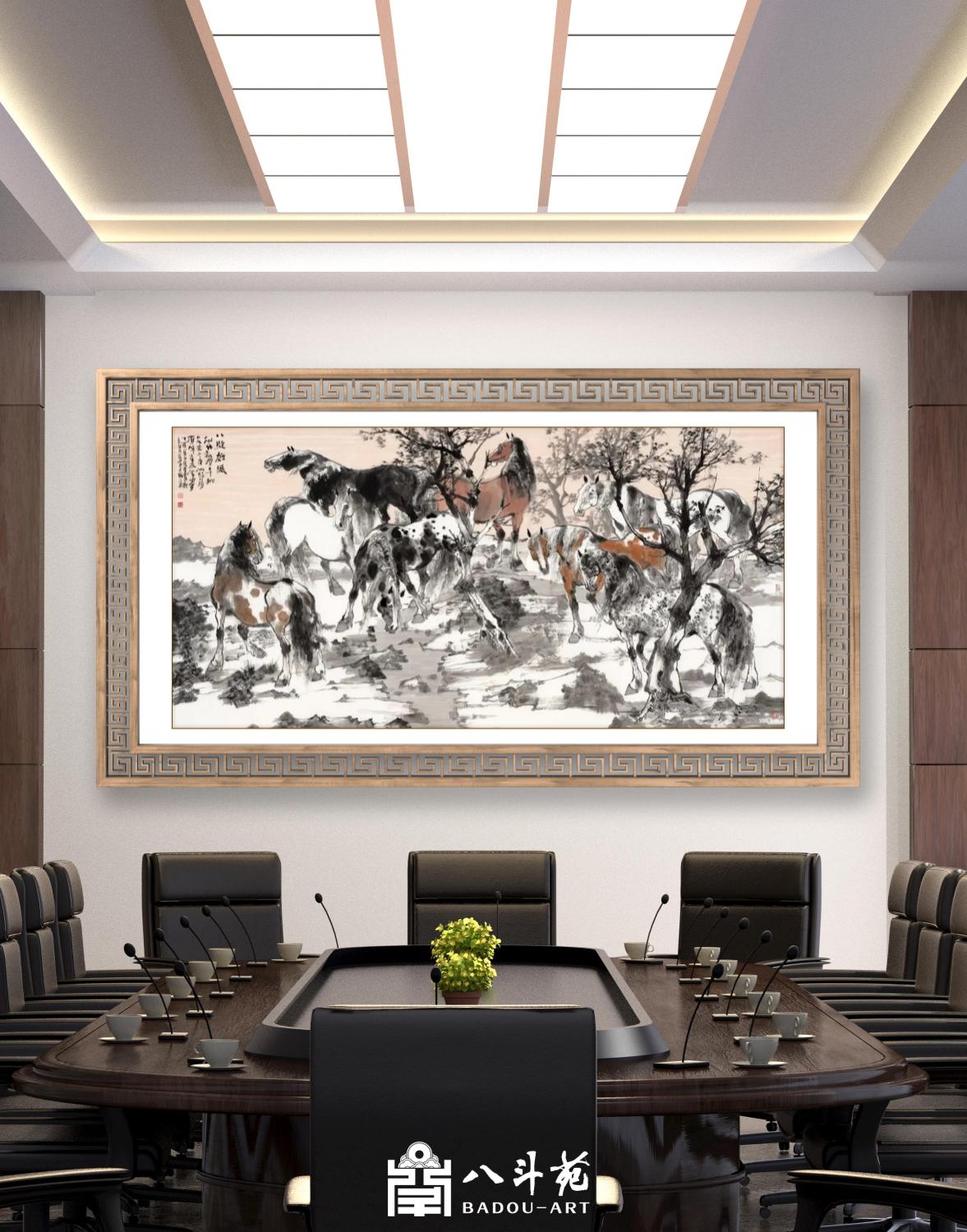
Liu Liyong Animal Painting | Eight Steeds (八骏图)
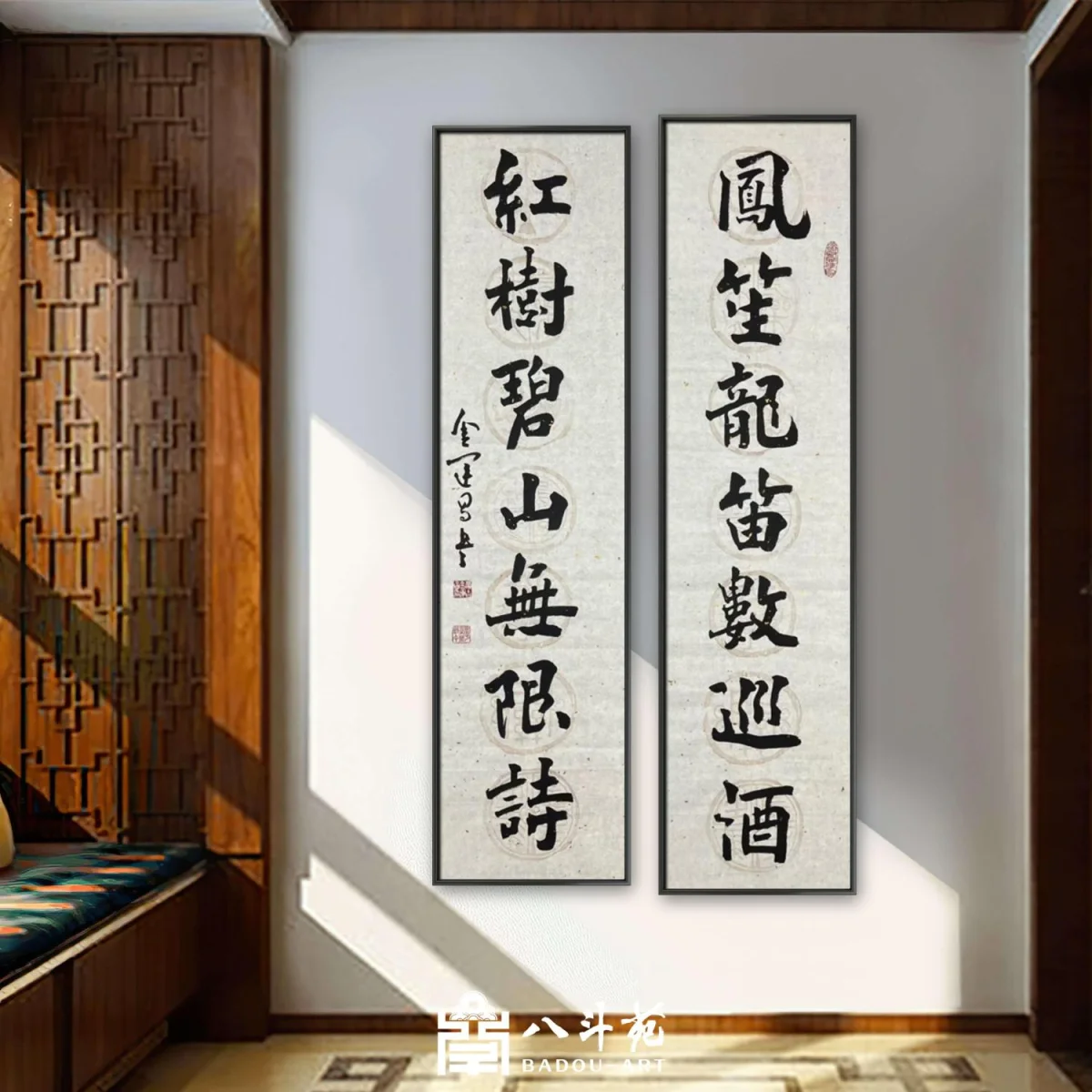
Jin Yunchang Calligraphy | 鳳笙龍笛數巡酒
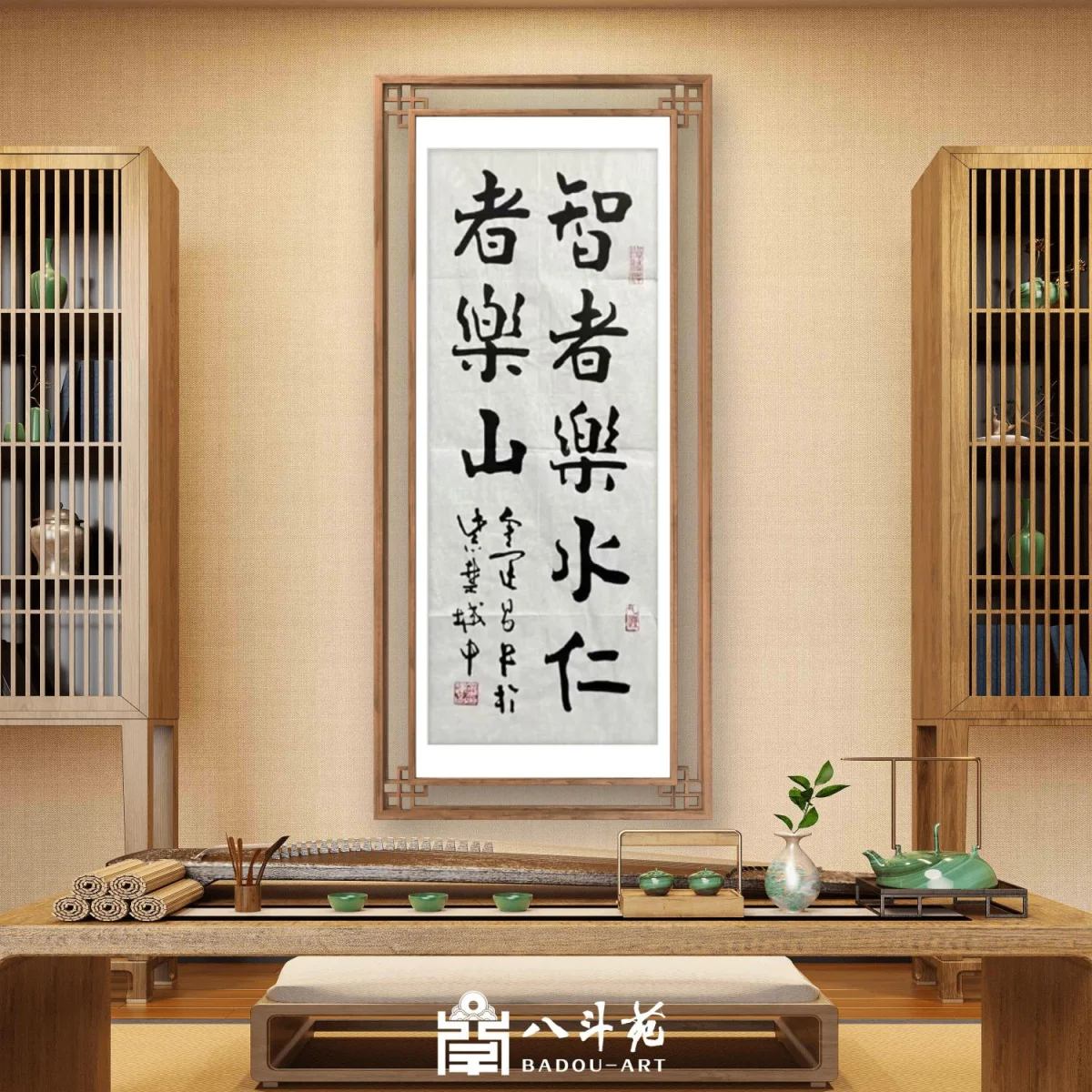
Jin Yunchang Calligraphy | 智者樂水仁者樂山
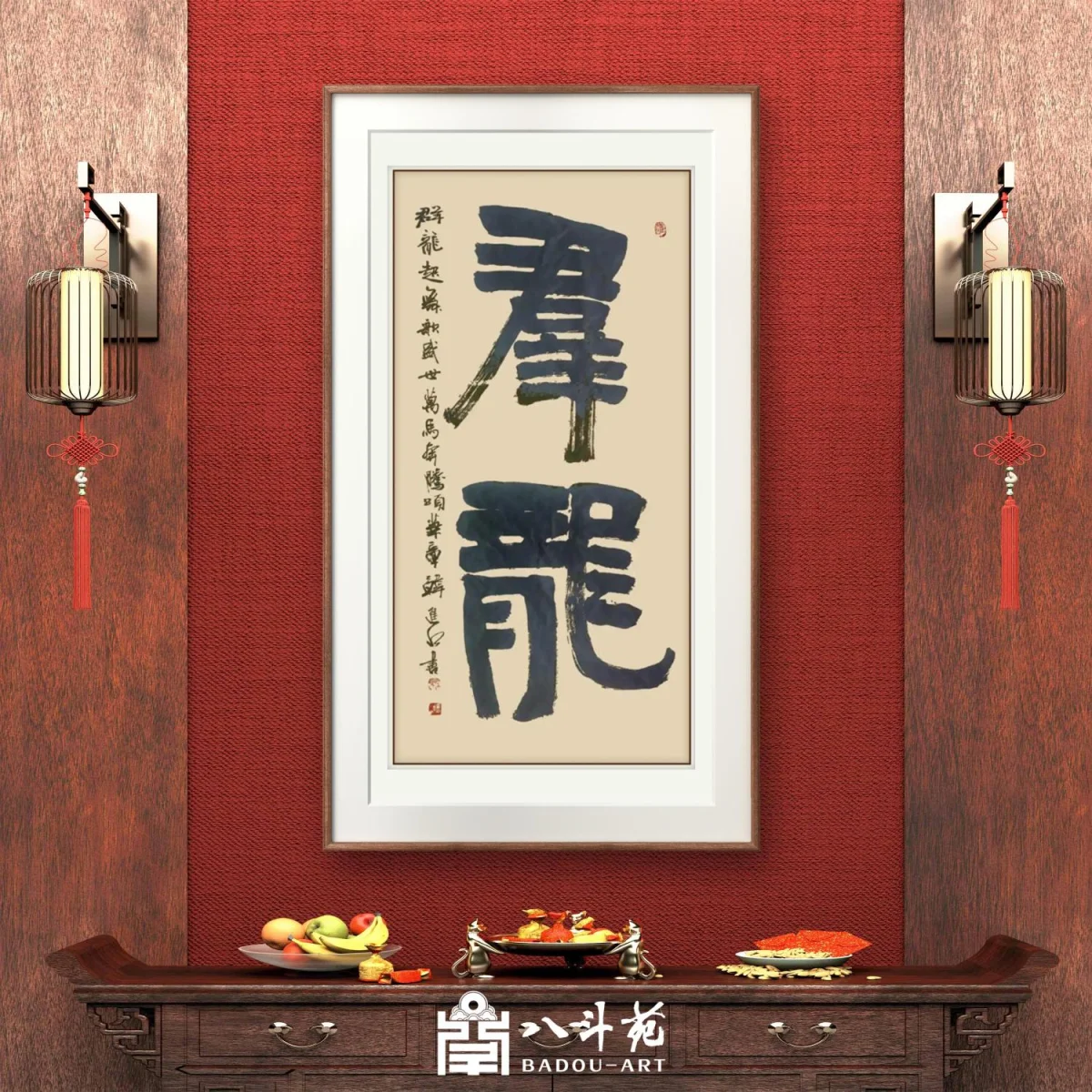
Han Jinshui Calligraphy | 羣龍 (A Group of Dragons)
Tag: Chinese art
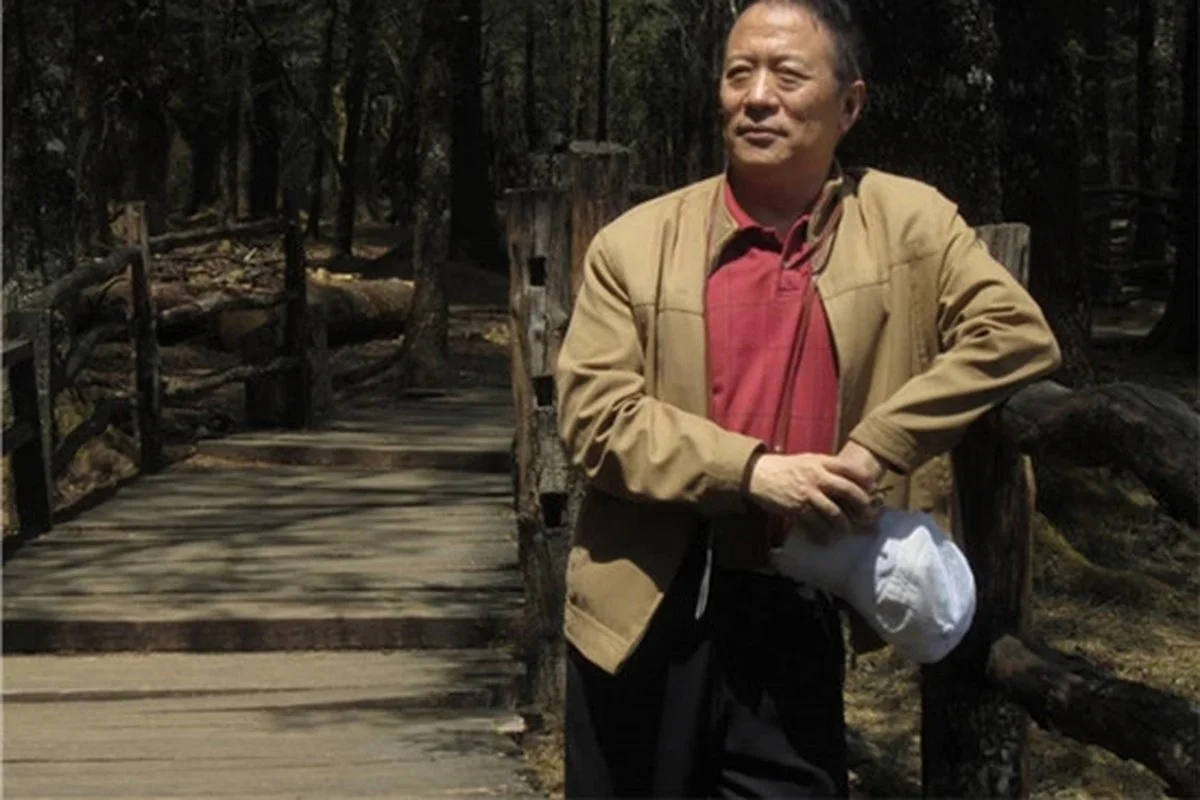
Ji Qingyuan: The Cultural Vision of Literati Painting
Ji Qingyuan, born in Beijing in February 1954, is an advisor to the art committee of the Beijing Fine Art Academy, a national first-class artist, a member of the China Artists Association, a member of the Beijing Research Institute of Culture and History, a standing director of the Chinese Painting Society, and a consultant to
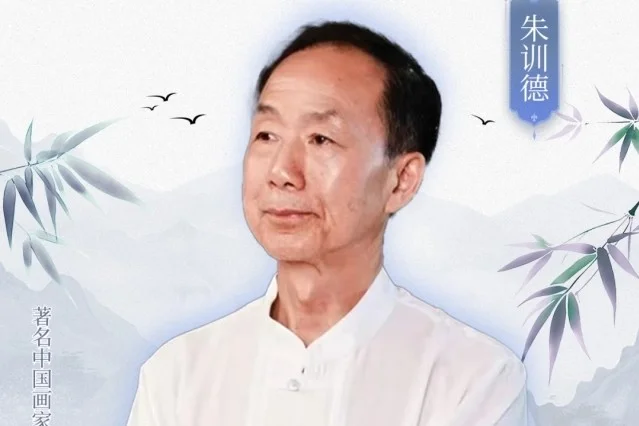
Zhu Xunde: Sitting with the Cosmos in Hunan Ink
On a summer morning by Houhu Lake in Changsha, painter Zhu Xunde—Tang jacket, cloth shoes, unhurried smile—welcomes a visitor to his museum on the lake’s “masters island.” The setting suits him: near Yuelu Academy, amid bamboo and birds, in a city whose artistic life he has shaped for decades. Zhu Xunde is one of China’s
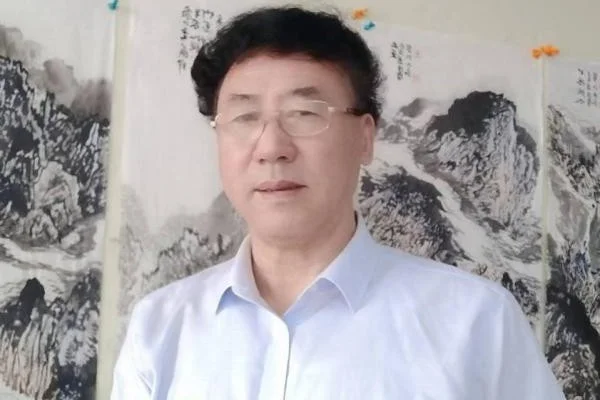
Wang Weibao: From Woodcut Prodigy to Lingnan Landscape Master
Wang Weibao was born in 1942 in Jinjiang, Fujian—a farming family so poor that he got his first pair of shoes, salvaged from an army camp, only when he entered middle school. Art began as survival: as a boy he carved seals for snacks, and at sixteen the *Fujian Daily* published his first woodcut, paying
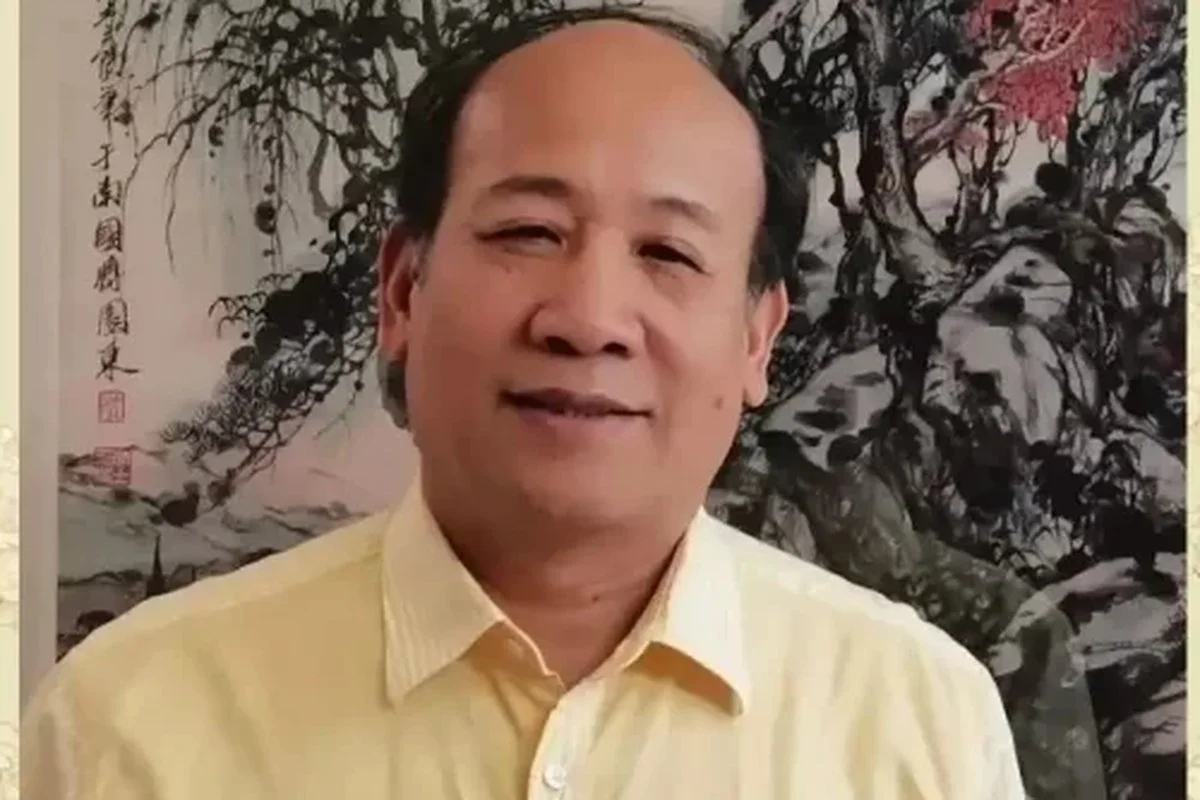
Da Tu Sanyang: Snow Landscapes Without a Drop of White
Da Tu Sanyang (Li Xiaohui, courtesy name Xiao Hui, b. November 1955 in Taixing, Jiangsu) descends from a long line of scholars—the 41st generation descendant of Li Deyu, a famed Tang-dynasty chancellor. His path was hard: at fourteen he was sent to a state farm during the Cultural Revolution, spending ten years as a “educated
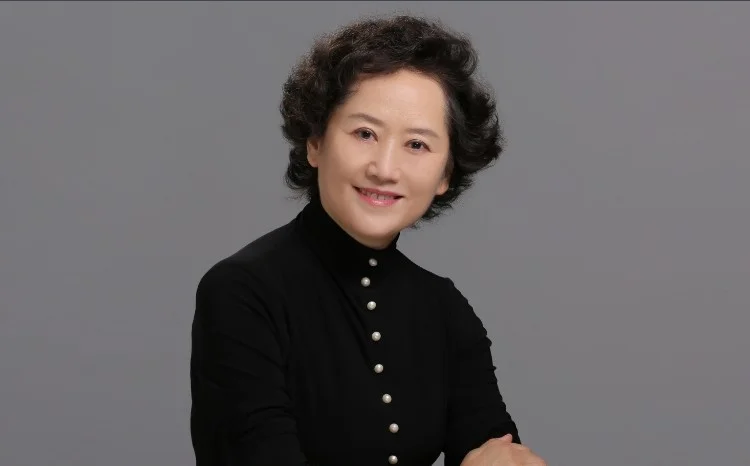
An Wenli: Calligraphy of Gansu’s Leading Woman Ink Artist
An Wenli is a director of the China Calligraphers Association and chair of the Gansu Calligraphers Association. Her prize-winning regular script has been collected by the National Art Museum of China, the National Museum of China and the National Museum of Chinese Writing—among the highest honors a calligrapher can receive. Since beginning her calligraphy practice
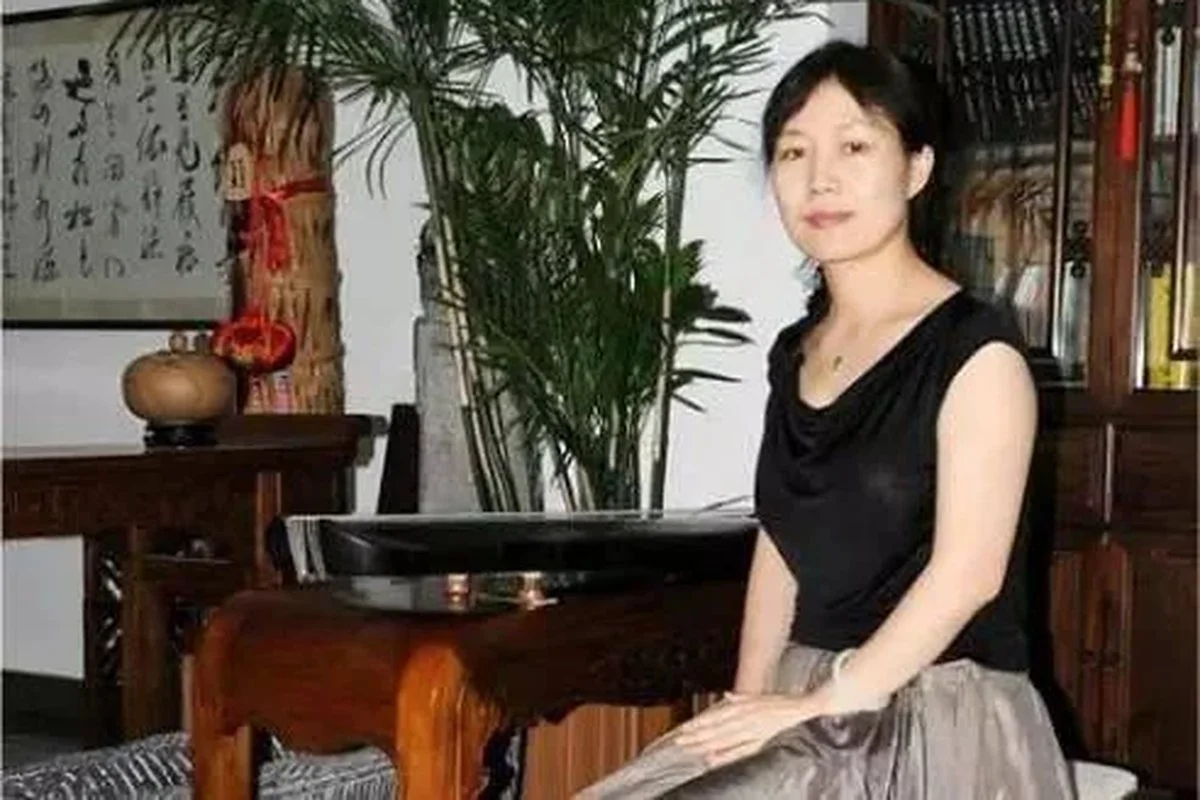
Four Women Masters of Chinese Calligraphy to Know
Many observers say today’s calligraphy world is “strong in the feminine.” Certainly, a growing number of women calligraphers now match—or exceed—the technical mastery of their male peers. Four women directors of the China Calligraphers Association stand out as the “four golden flowers”: Zhang Hongchun, Lin Yumei, Wei Siqin and Fang Fang. All are steeped in
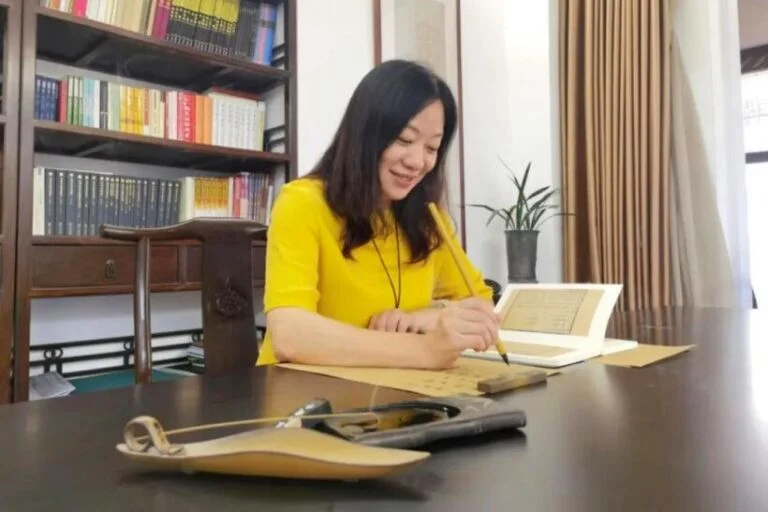
Lin Yumei: Small Regular Script with Porcelain Clarity
Lin Yumei: Small Regular Script with Porcelain Clarity Xiaokai—small regular script—is the most unforgiving script in Chinese calligraphy: every stroke exposed, every balance fixed. Few master it; fewer make it feel alive. Fujian calligrapher Lin Yumei has spent more than thirty years in this exacting territory and is now considered one of the finest xiaokai
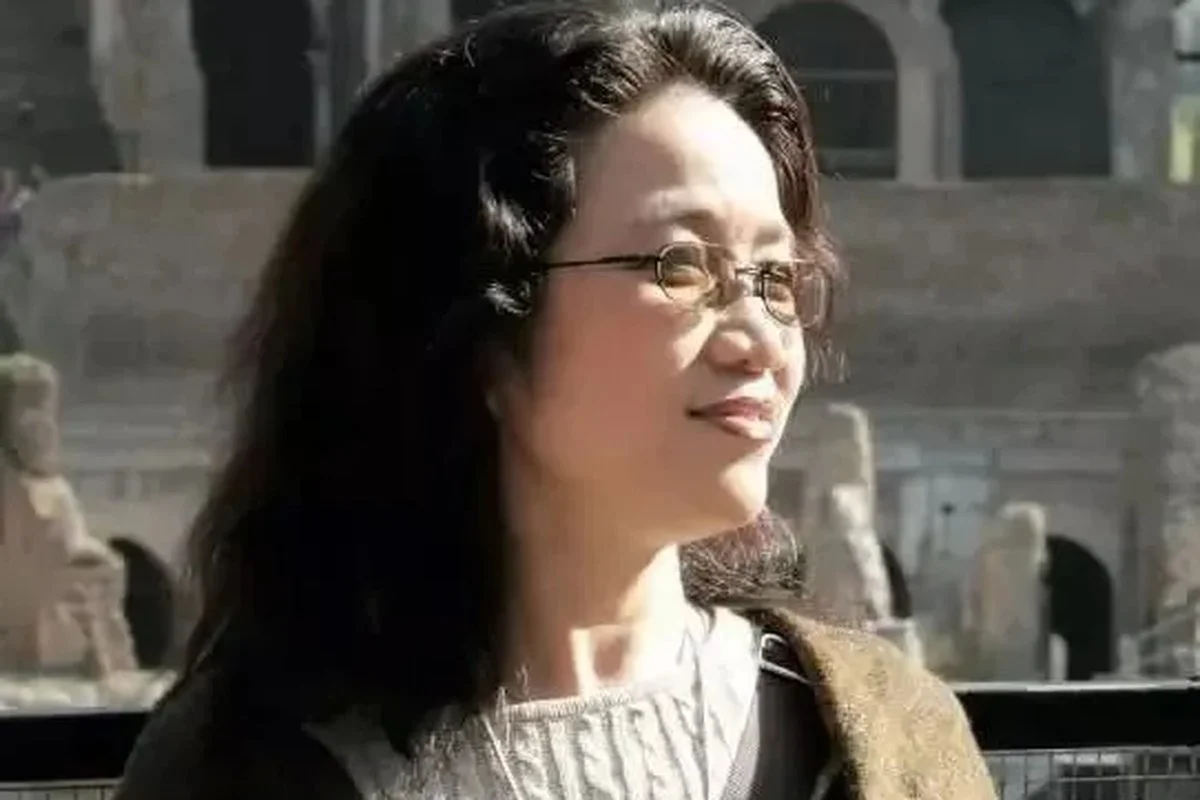
Women Calligraphers Committee: 8th CCA Roster and Works
The China Calligraphers Association’s eighth Women Calligraphers Committee brings together the country’s leading female ink artists. Chaired by Sun Xiaoyun—the first woman to lead the association—the committee counts five vice chairs and forty members drawn from provinces, ministries and industries nationwide. The Leadership **Chair:** Sun Xiaoyun (b. 1955), president of the China Calligraphers Association **Vice
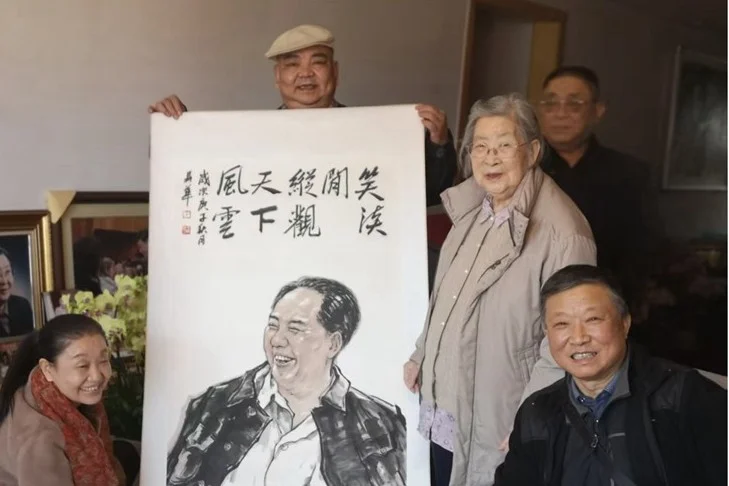
Yin Jinghua Paints Chairman Mao Portrait as a Gift
Yin Jinghua, a featured painter of Badou Art, painted a portrait of Chairman Mao Zedong and presented it in person to the Chairman’s daughter, Li Min. The gift expressed his deep respect and remembrance for one of modern China’s most consequential figures. The portrait was created in Yin’s characteristic rigorous realist style. Two companion works,
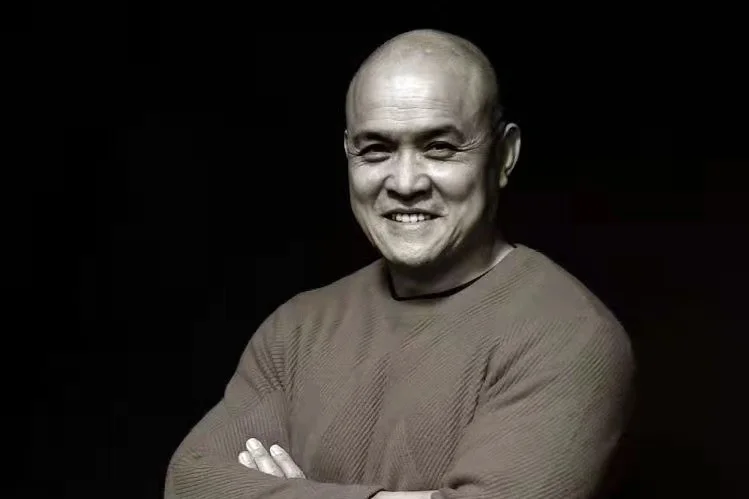
Shi Guoliang: Realist Master of Chinese Figure Painting
Shi Guoliang (Buddhist name Shi Huichan) is one of the most celebrated realist figure painters in contemporary China. Born in 1956, he graduated in 1980 from the graduate class of traditional Chinese painting at the Central Academy of Fine Arts, and by the age of 29 had become a first-class painter at the Beijing Academy
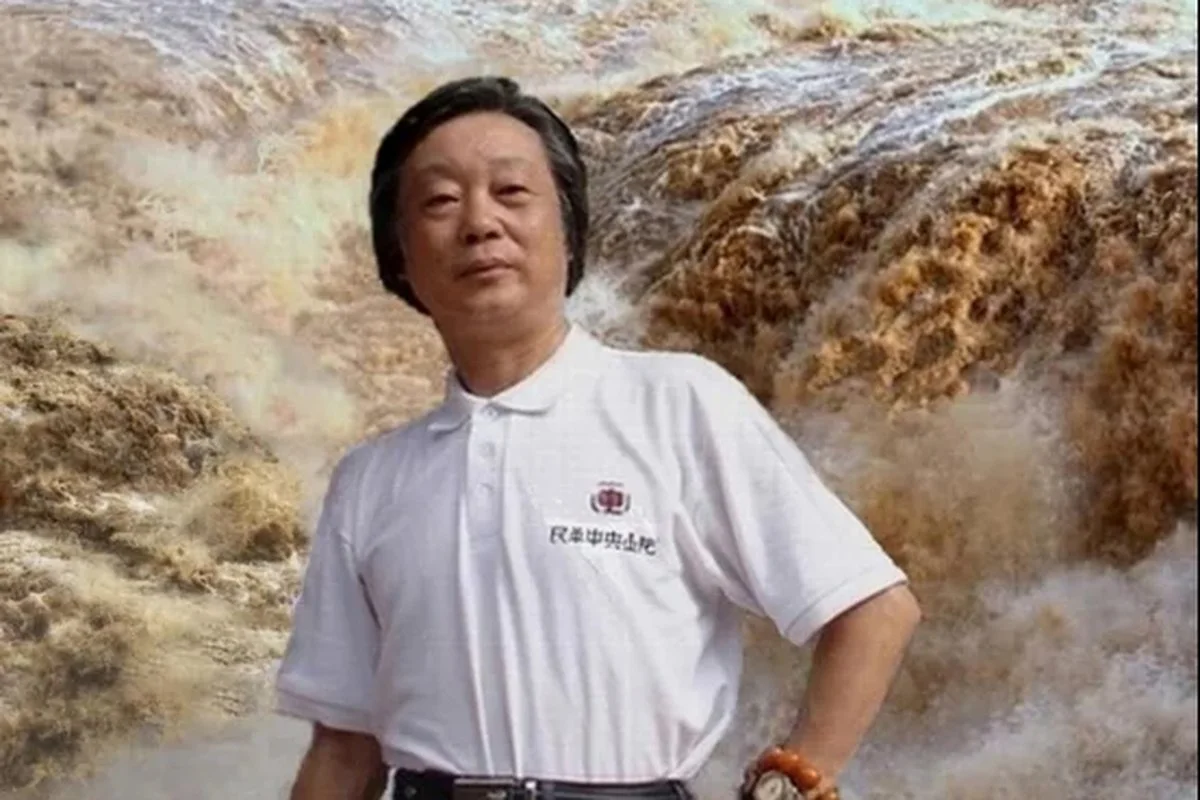
Wang Junsong: Yellow River Landscapes in China’s Great Halls
The upper Yellow River—ringed by high mountains and deep gorges—was long considered too remote for painters. Wang Junsong has spent decades changing that. His Yellow River landscapes have won national exhibition awards and now hang in some of China’s most symbolic places: the Tiananmen Gate tower, the Ministry of Culture and Tourism, the Great Hall
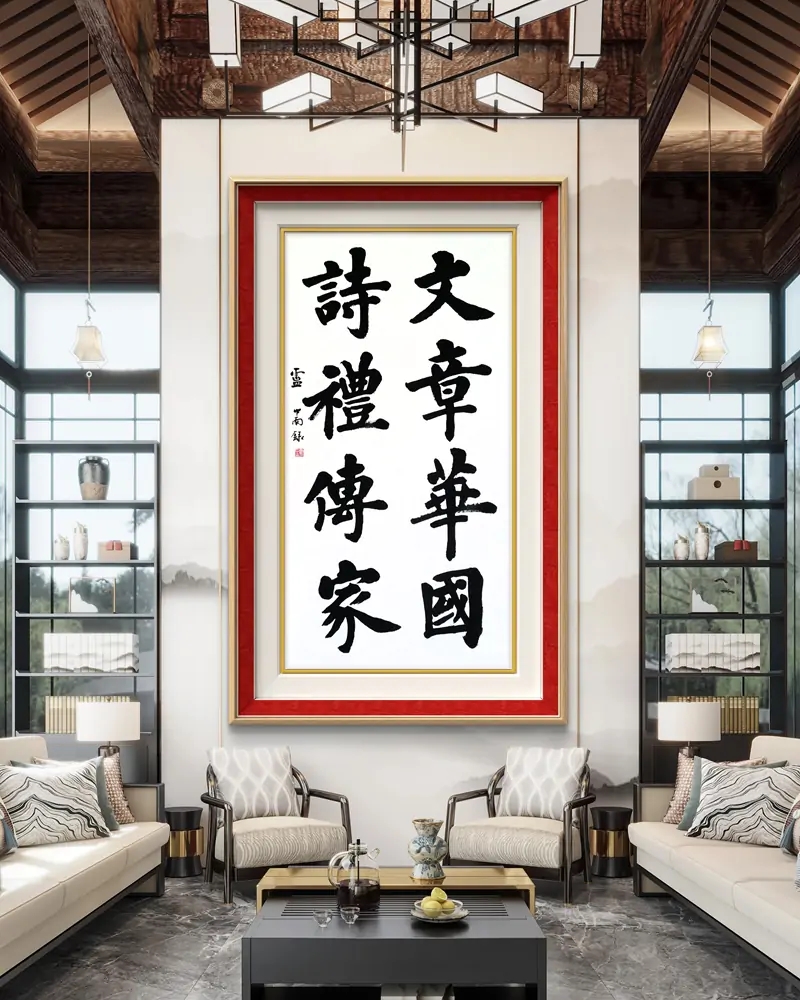
“Top 10 Calligraphers for Plaque Inscriptions at Badou Art”
Top 10 Calligraphers for Plaque Inscriptions at Badou Art Plaque calligraphy — the art of inscribing signs for storefronts, buildings, and cultural institutions — demands clarity, dignity, and visual impact. Here are the ten calligraphers most requested by Badou Art clients for plaque inscriptions. What Makes Good Plaque Calligraphy A plaque must be readable at
Famous Modern Chinese Painters and Calligraphers to Know
Famous Modern Chinese Painters and Calligraphers to Know China’s modern era — roughly the late 19th through the 20th century — produced an extraordinary generation of artists who reinvented ink painting and calligraphy. Whether you are collecting, decorating, or deepening your appreciation, these names form the essential map. Here are the leading figures, grouped by
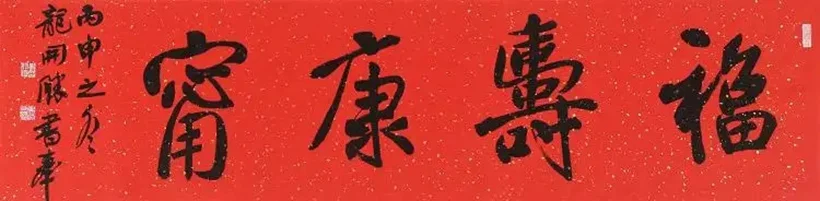
Calligraphy Inscriptions: Upper and Lower Colophons
Calligraphy Inscriptions: Upper and Lower Colophons In Chinese calligraphy, the colophon accompanying the main text is a work of art in its own right. Some masters say that for formal scripts, “three parts belong to the text, seven to the inscription.” What Is a Colophon? Ancient usage called writing placed before the work ti and
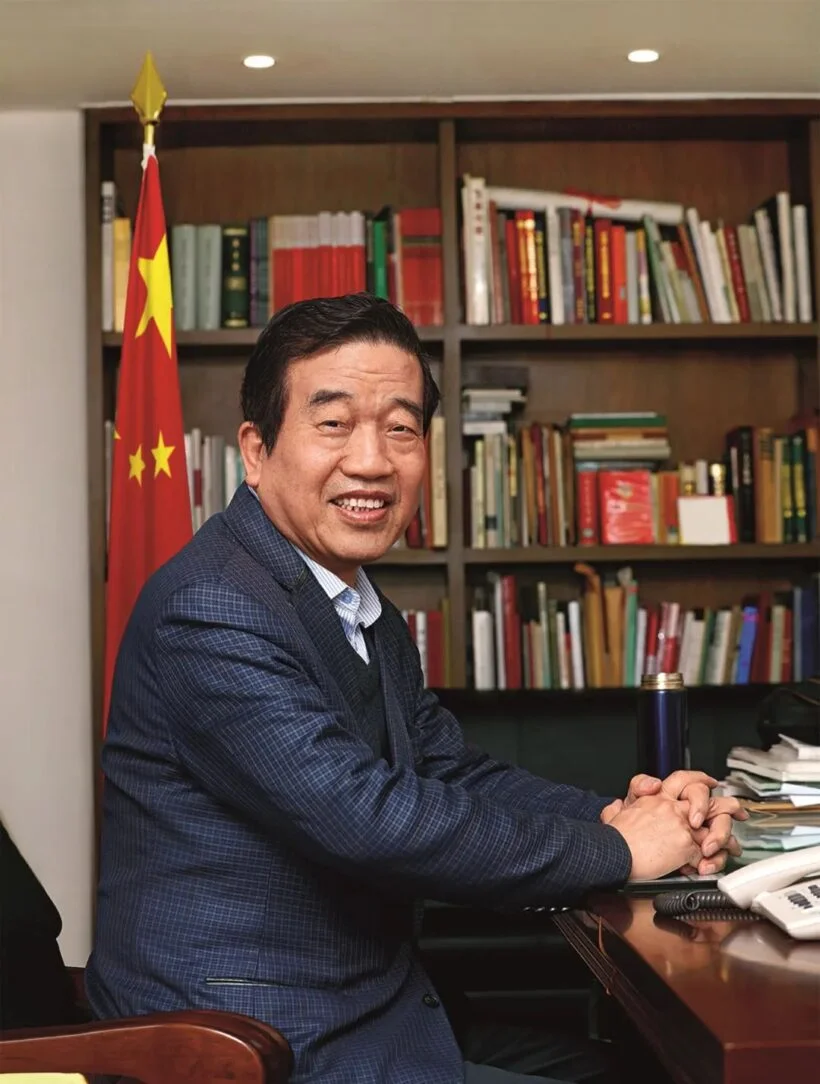
Su Shishu: Master Calligrapher’s Exhibition Highlights
Su Shishu: Master Calligrapher’s Exhibition Highlights Su Shishu is one of the most influential figures in contemporary Chinese calligraphy, having served as president of the China Calligraphers Association and director of the Cultural Relics Press. This article highlights his works and career, drawn from the group exhibition “Mountains and Rivers in Elegant Rhyme: New Spirit
Lu Zhongnan: Master of Kaishu Calligraphy in China
Lu Zhongnan: Master of Kaishu Calligraphy in China Lu Zhongnan is one of China’s most respected living calligraphers, celebrated for his disciplined kaishu (regular script) — the standard, upright script used across Chinese writing and art. In this profile, we look at his career, his best-known works, and why collectors value his brushwork. A Career
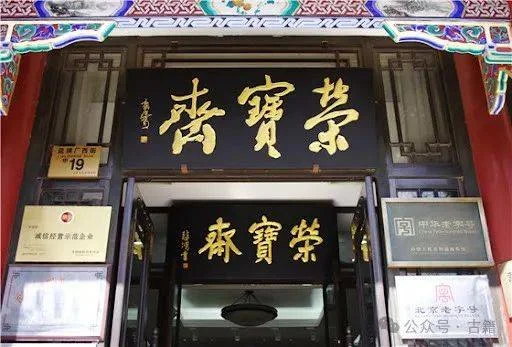
Four Legendary Chinese Art Houses: 100 Years of Heritage
Four Legendary Chinese Art Houses: 100 Years of Heritage For more than a century, four institutions have anchored China’s art world: Shizhuzhai in Nanjing, Rongbaozhai in Beijing, Duoyunxuan in Shanghai, and Xiling Seal Society in Hangzhou. Part gallery, part auction house, part publisher, each has preserved ancient techniques, championed modern masters, and shaped how Chinese
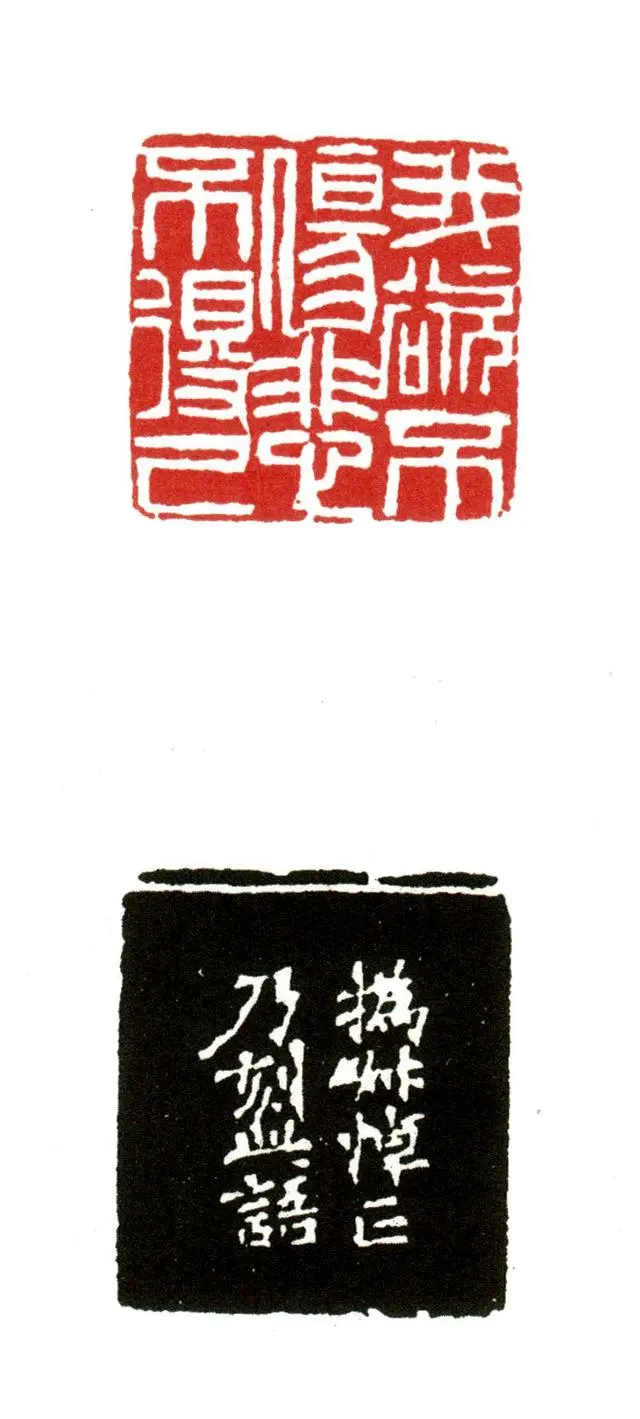
Why Create a Seal? Zhao Zhiqian and the Soul of Carving
Why Create a Seal? Zhao Zhiqian and the Soul of Carving In Chinese art, a seal (*zhuanke*, 篆刻) is far more than an engraved personal stamp used like a signature. So why do artists create seals at all — and what is the ultimate goal of seal carving? To answer, follow the works of Zhao
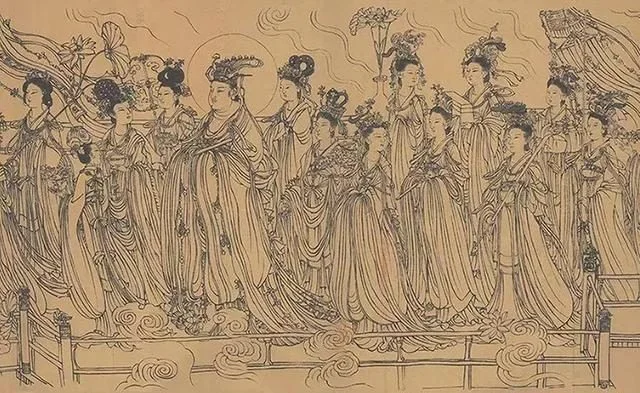
Eighty-seven Immortals: Xu Beihong’s Legendary Scroll
Eighty-seven Immortals: Xu Beihong’s Legendary Scroll The Eighty-seven Immortals (Bashiqi Shenxian Juan) is one of China’s greatest surviving paintings — a Tang dynasty masterpiece of ink outline drawing that its owner, the artist Xu Beihong, sealed with a stamp reading “Beihong’s Life.” It was bought for a fortune, stolen in wartime, bought back for a