Our Featured Collection
Hand‑picked premium works for you
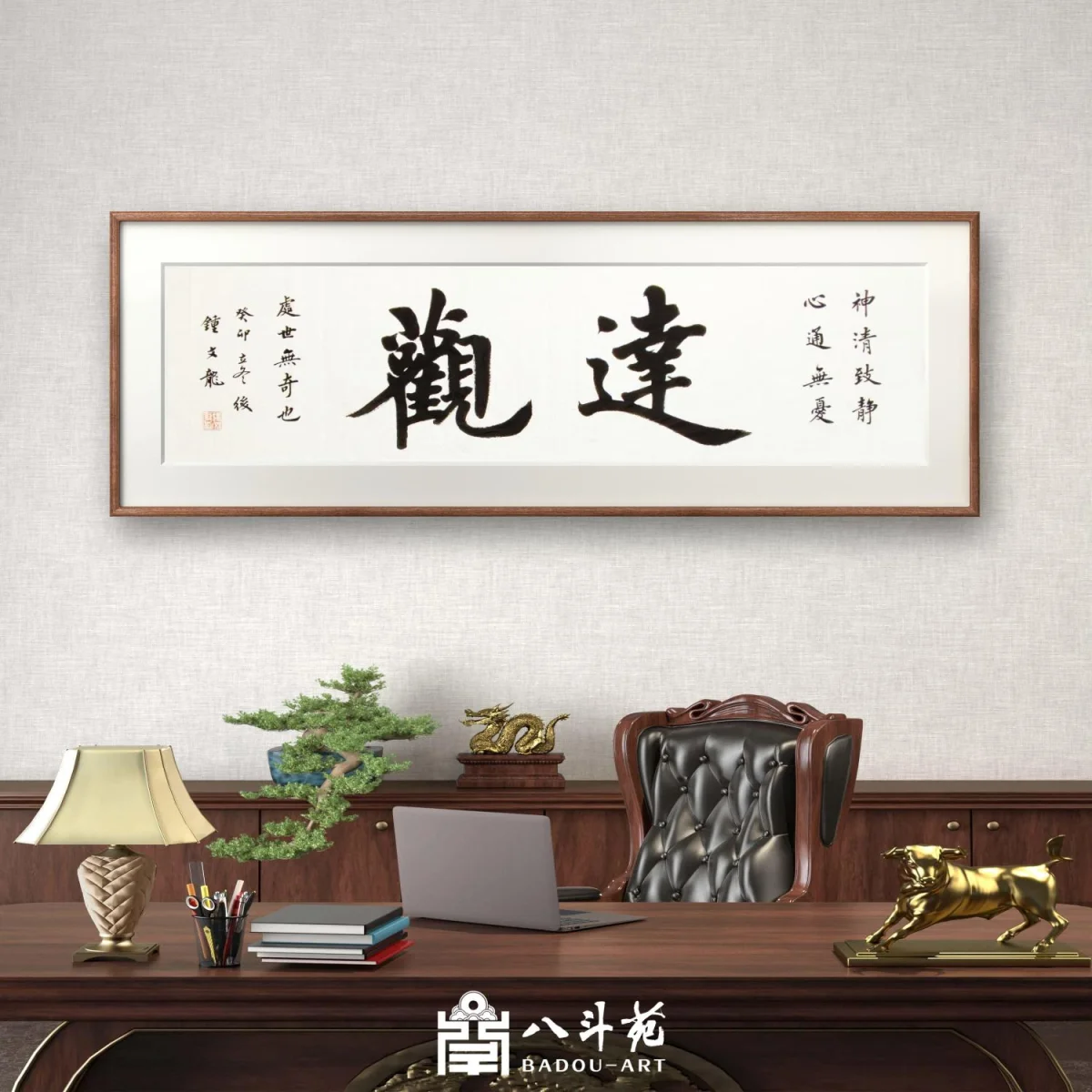
Zhong Wenlong Calligraphy | 达观
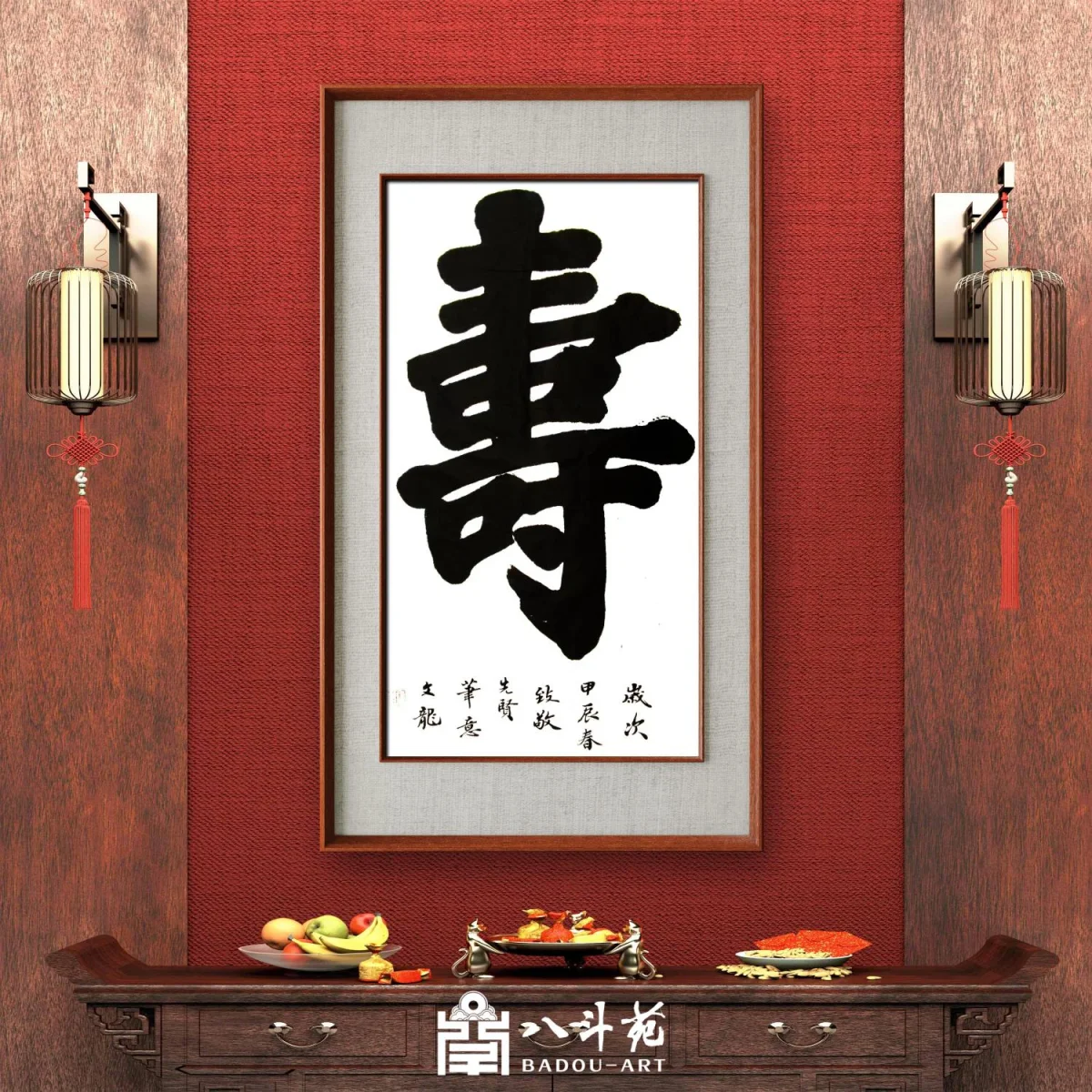
Zhong Wenlong Calligraphy | 壽
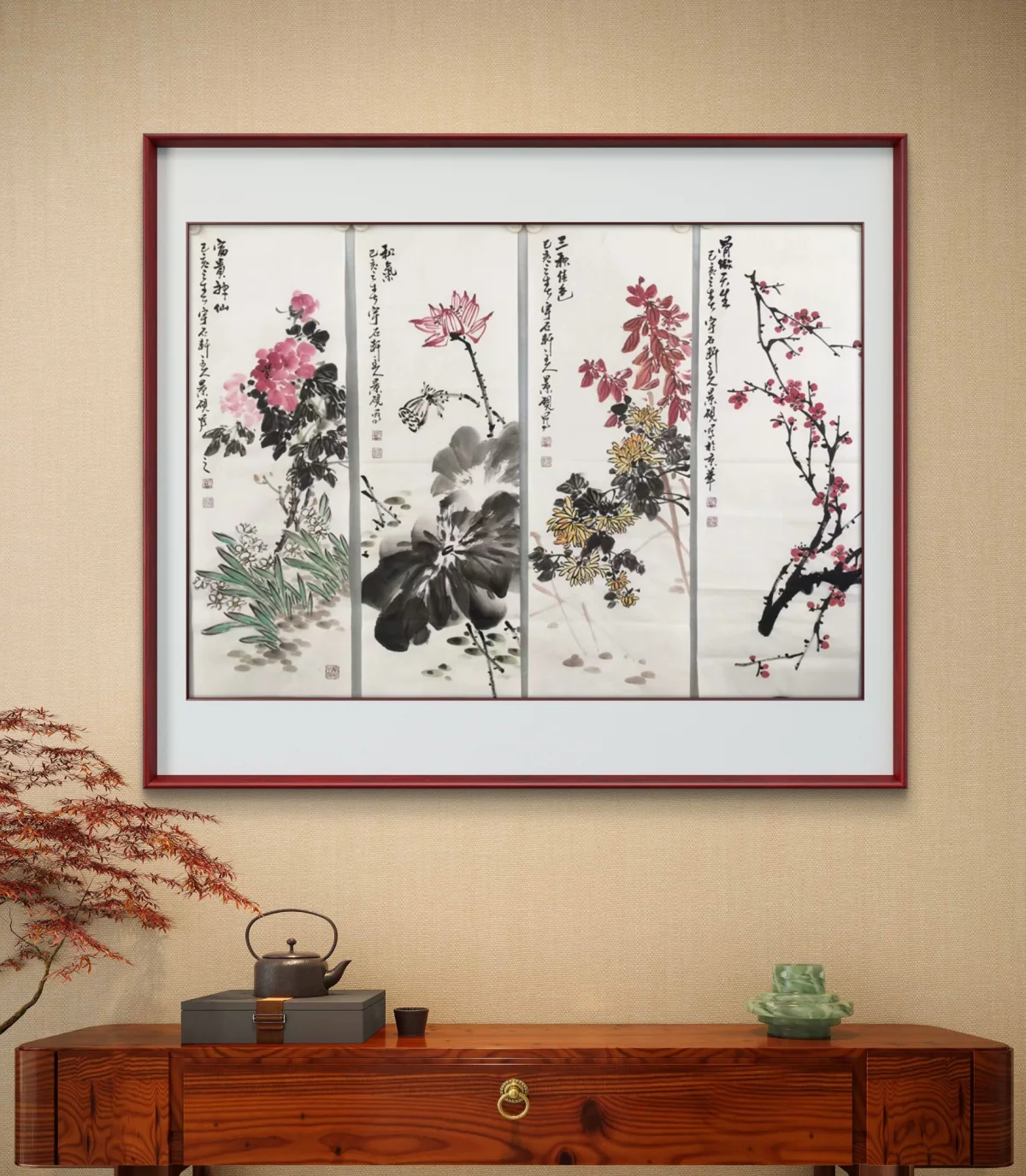
Wu Jingyan Chinese Freehand Painting・Four‑Panel Flower‑and‑Bird Screens(花鸟四条屏)
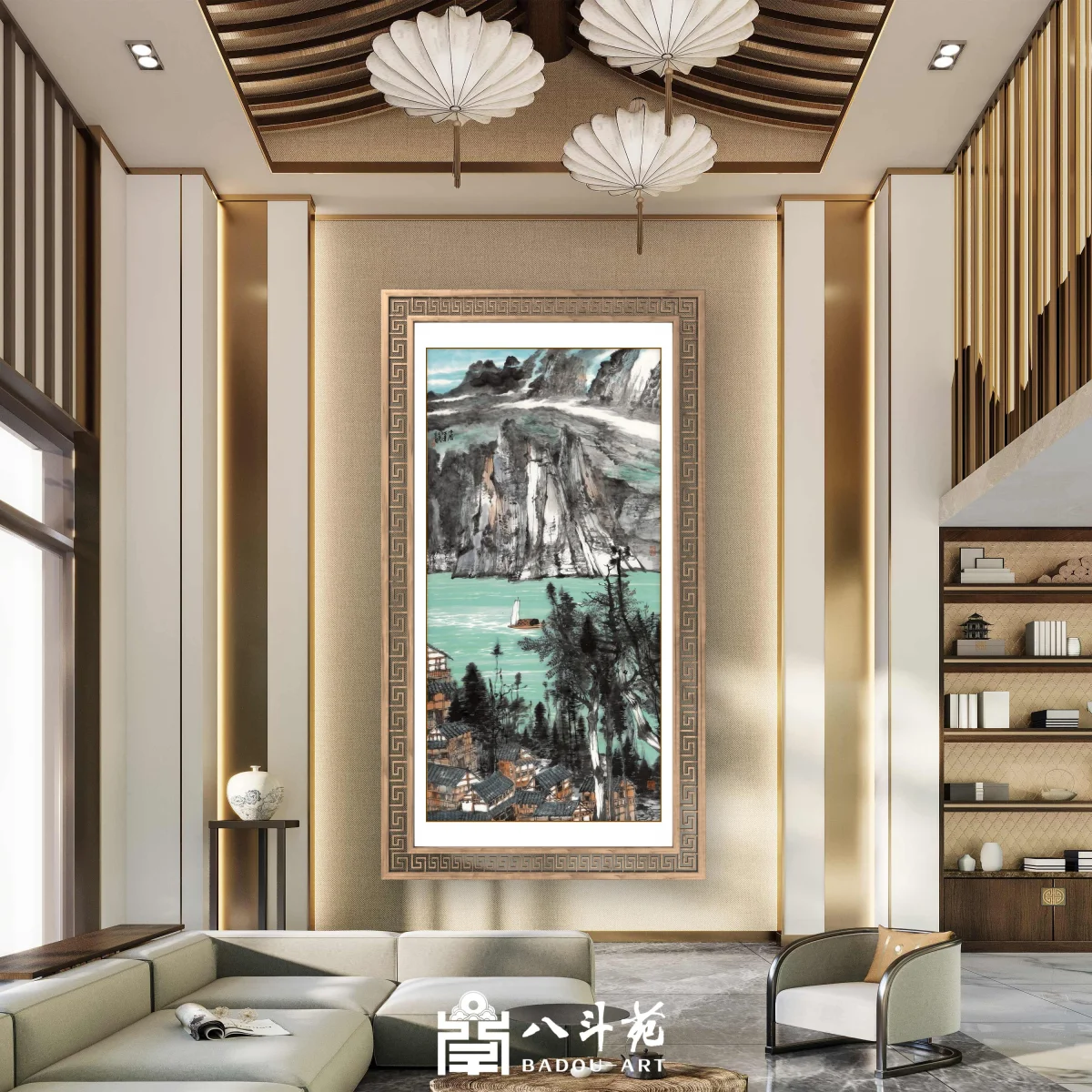
Liu Liyong Landscape Painting | Riverside Mountain Hamlet (山居江远)
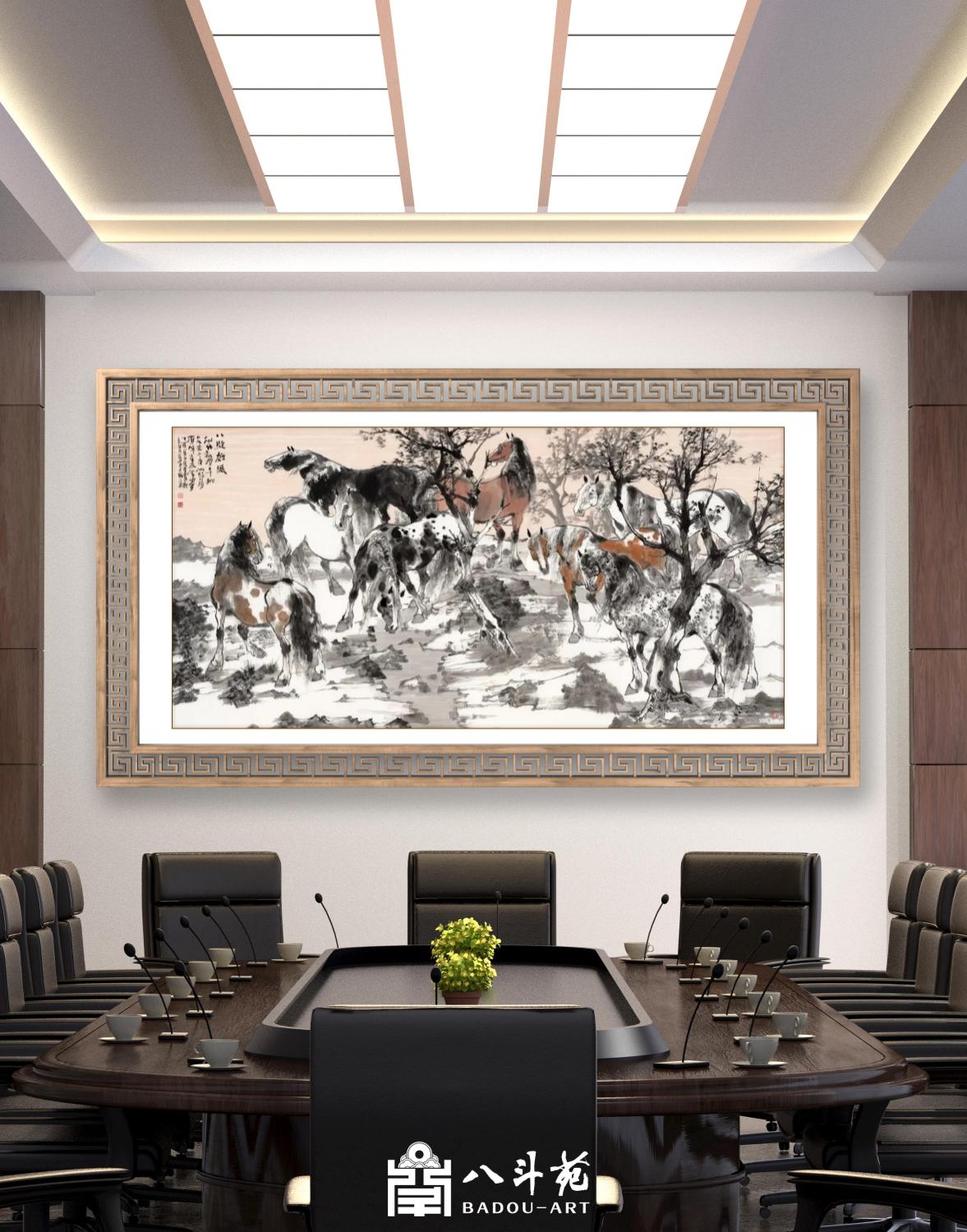
Liu Liyong Animal Painting | Eight Steeds (八骏图)
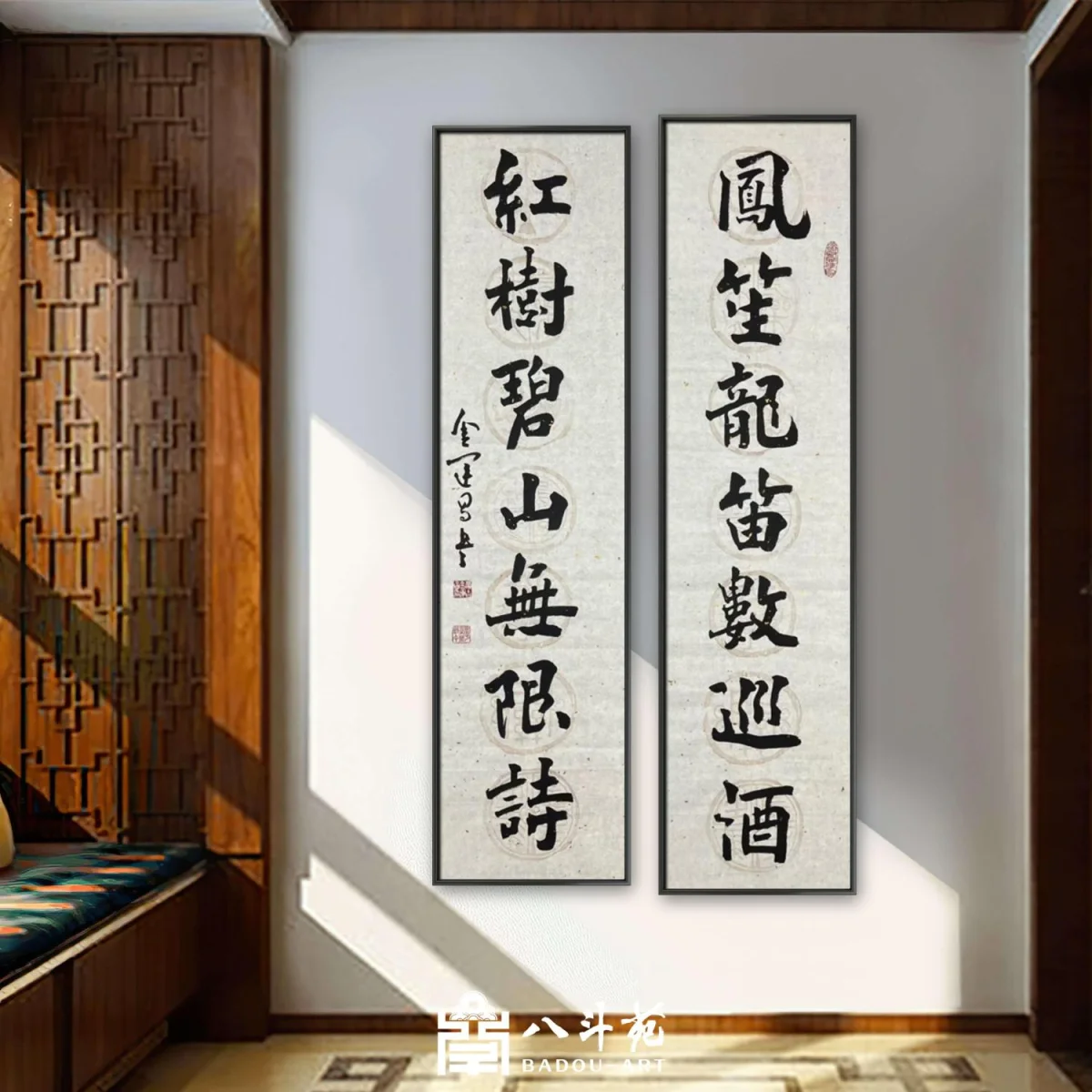
Jin Yunchang Calligraphy | 鳳笙龍笛數巡酒
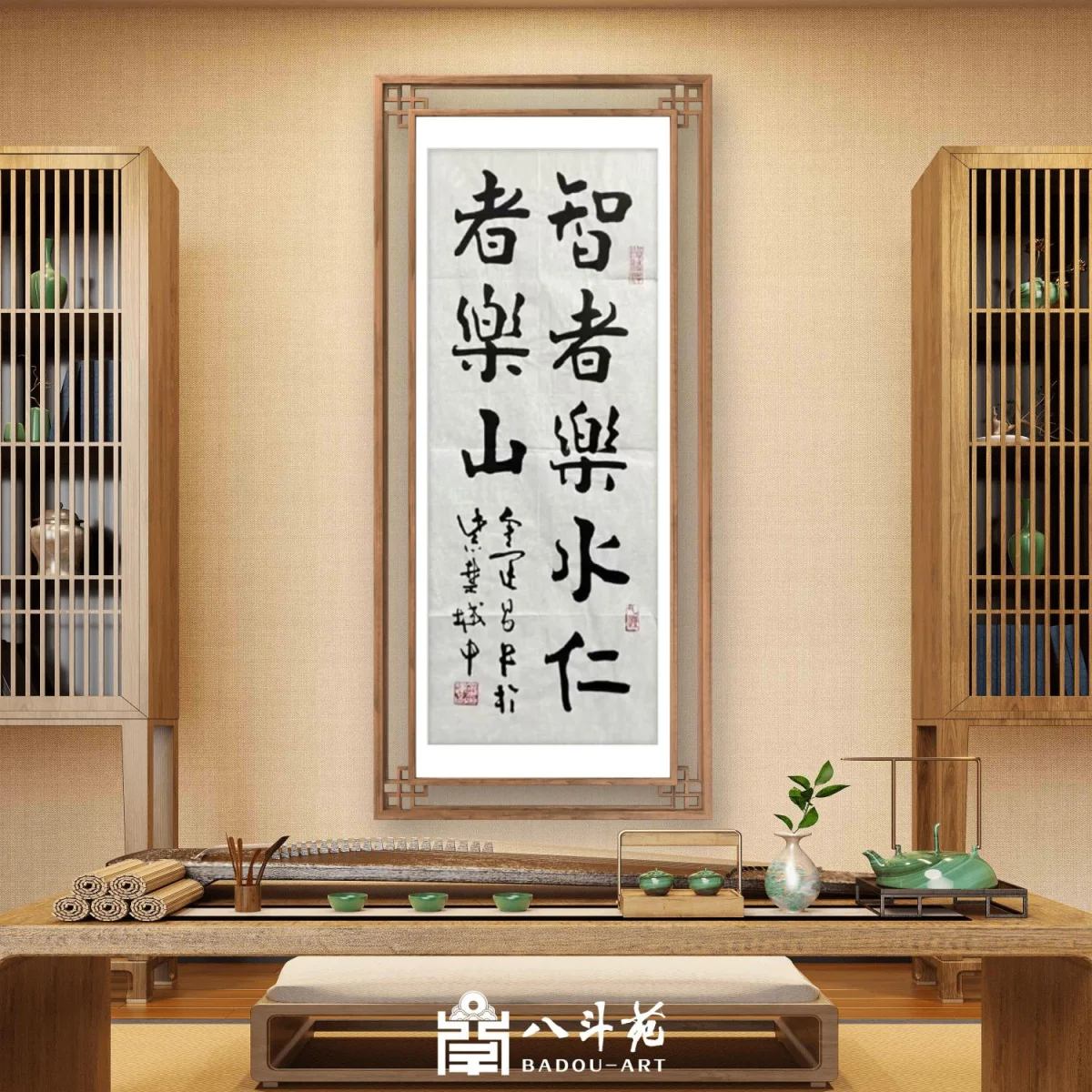
Jin Yunchang Calligraphy | 智者樂水仁者樂山
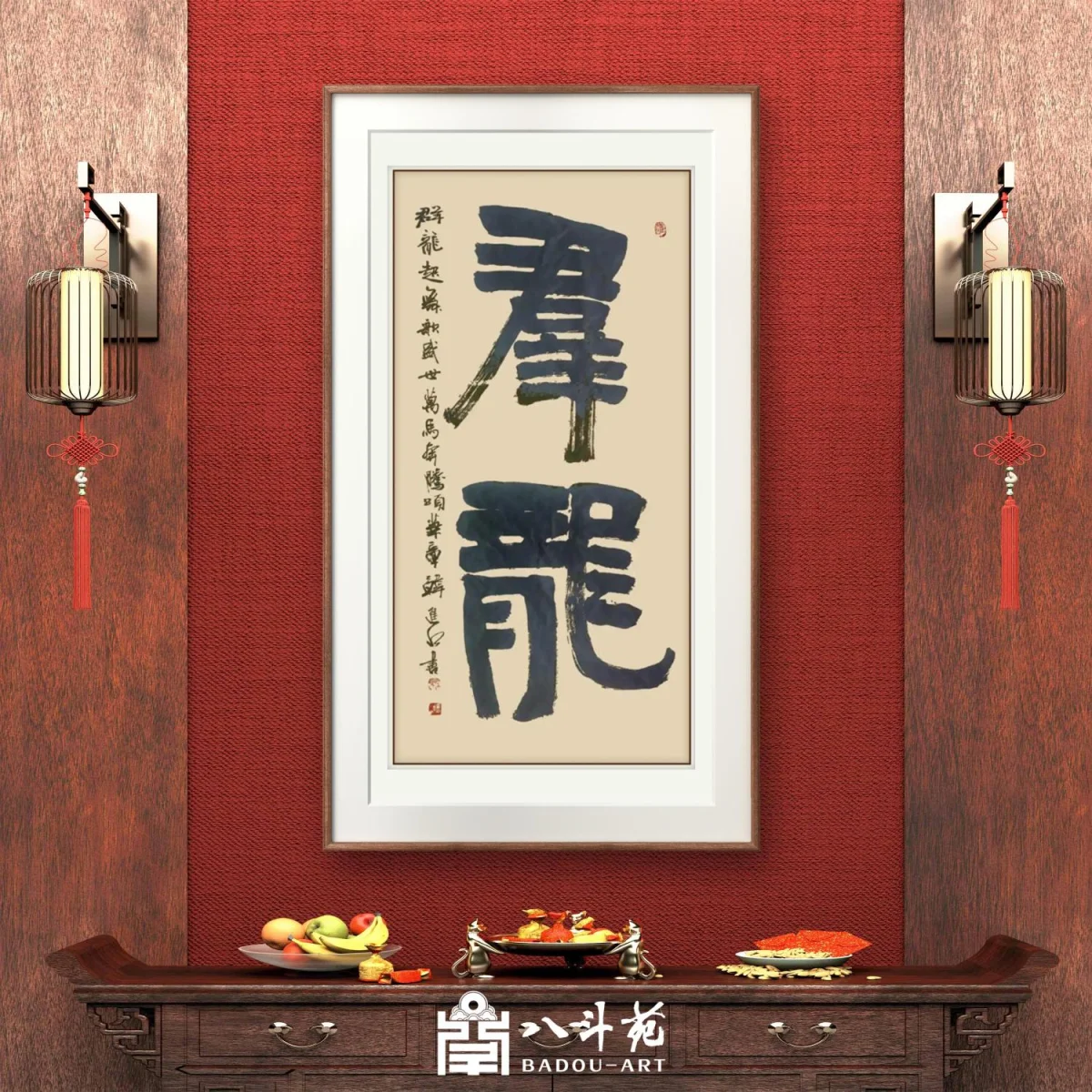
Han Jinshui Calligraphy | 羣龍 (A Group of Dragons)
Wang Junsong: Yellow River Landscapes in China’s Great Halls
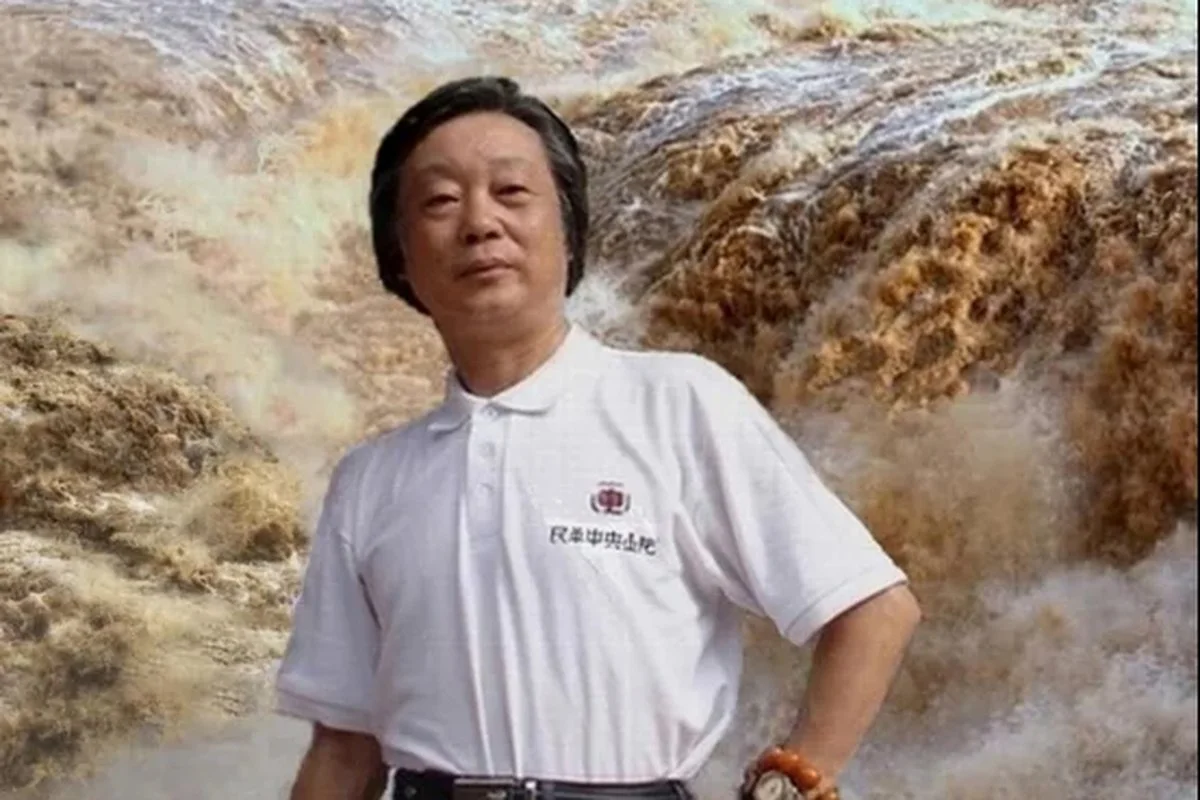
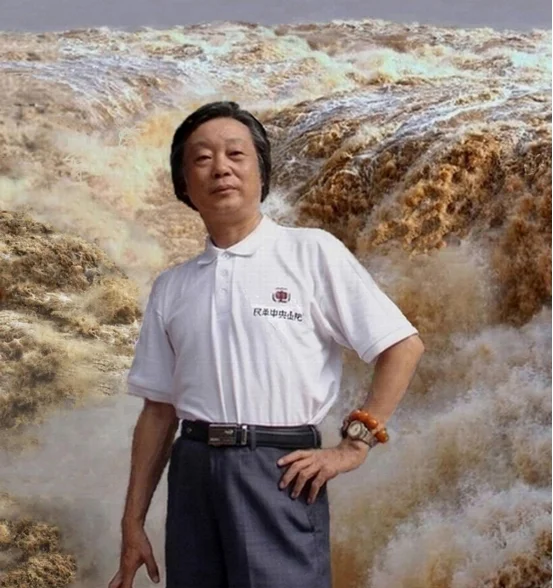
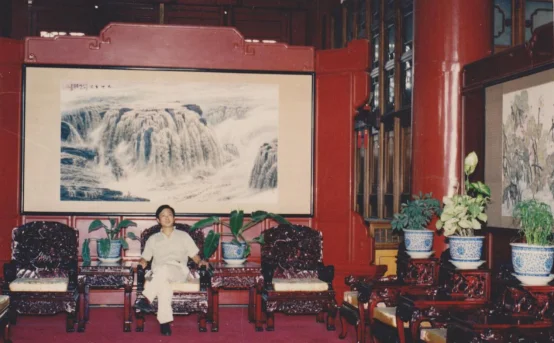
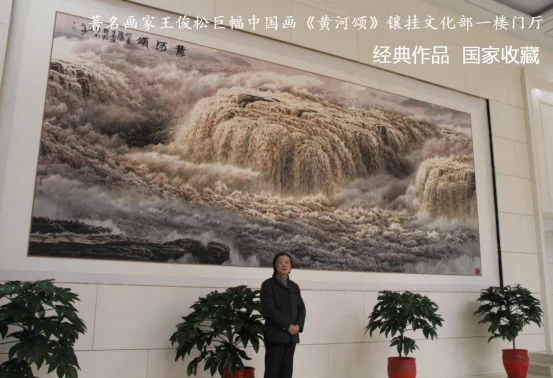
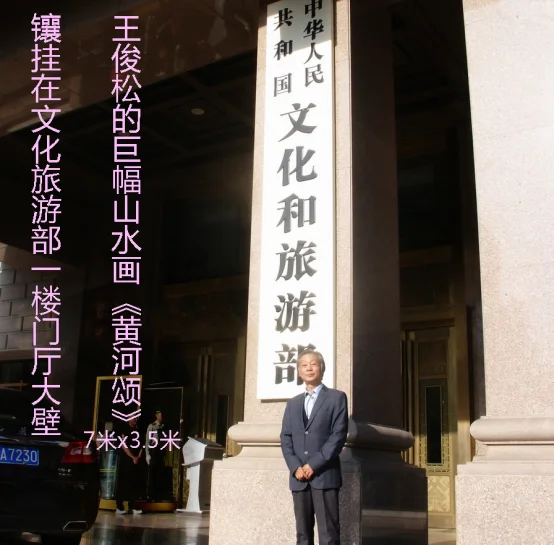
The upper Yellow River—ringed by high mountains and deep gorges—was long considered too remote for painters. Wang Junsong has spent decades changing that. His Yellow River landscapes have won national exhibition awards and now hang in some of China’s most symbolic places: the Tiananmen Gate tower, the Ministry of Culture and Tourism, the Great Hall of the People, and collections of state banks, museums and railway stations.
An Artist of National Standing
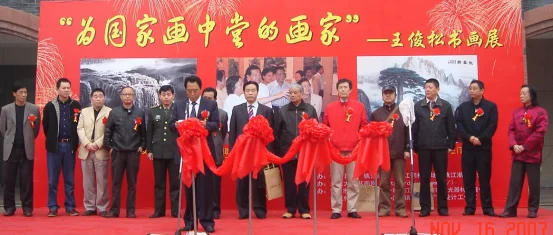
Born in 1951 in Bengbu, Anhui, Wang studied at the Xi’an Academy of Fine Arts and took graduate studies at the Chinese National Academy of Arts, moving to Beijing in 2005 as a high-level talent. Today he is a national first-class artist, a member of the China Artists Association, vice president of the Central Academy of Painting of the Revolutionary Committee of the Kuomintang, and an art adviser to the Beijing Municipal Committee of the CPPCC.
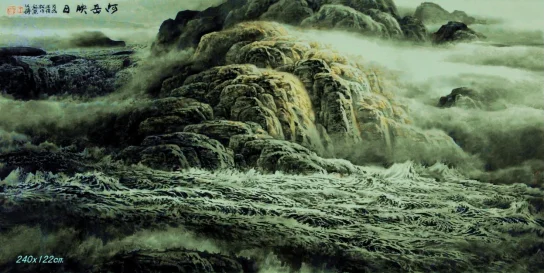
His monumental works hang across the capital: *Ode to the Yellow River* in the Ministry of Culture’s lobby, *The Great River Surges On* on the main wall of the Tiananmen Gate tower, and *The Welcoming Pine* in the Great Hall of the People. He won the second Xu Beihong Art Award, designed China Post’s *Ode to the Yellow River* and *China’s Huangshan* stamp series, and his paintings have been presented by state leaders as gifts to foreign heads of state.
What the Critics Said
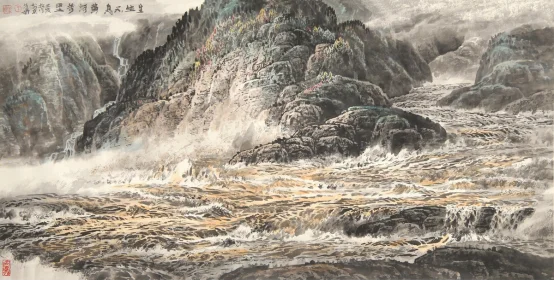
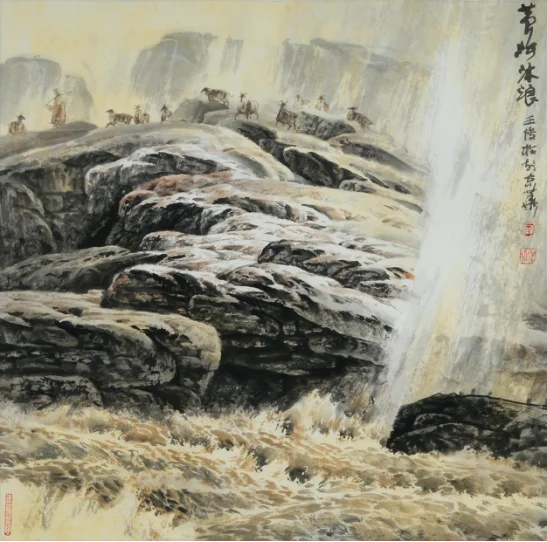
At a symposium in the Golden Hall of the CPPCC auditorium, hosted by *Art* magazine editor-in-chief Shang Hui, scholars examined his “hall art.” Shao Dazhen of the Central Academy of Fine Arts noted that Wang absorbed Western modeling while keeping the discipline of Chinese brushwork; Xue Yongnian praised the grandeur of his Kunlun and Yellow River scenes, calling his surging, roaring waves “a unique technique of his own invention.”
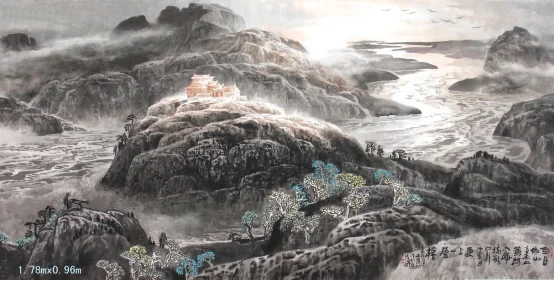
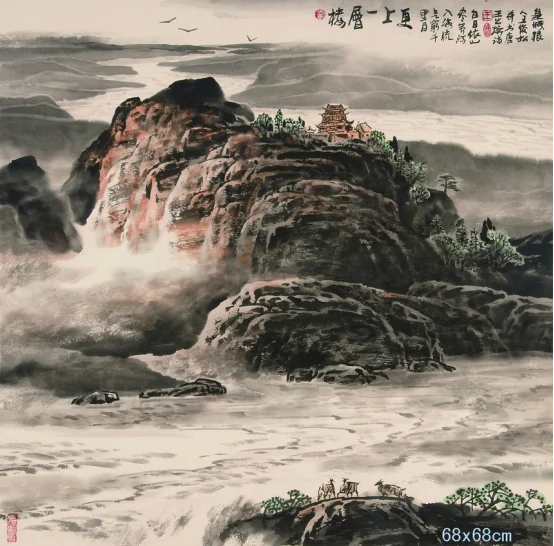
Sun Ke of the Chinese Painting Society placed him in the lineage of Fu Baoshi and Guan Shanyue’s monumental *Such Is Our Land*; Wang Yong of the Chinese National Academy of Arts highlighted his all-around cultivation—painting, calligraphy, drawing, essays—and his invented “light-and-shadow texture stroke” for rocks.
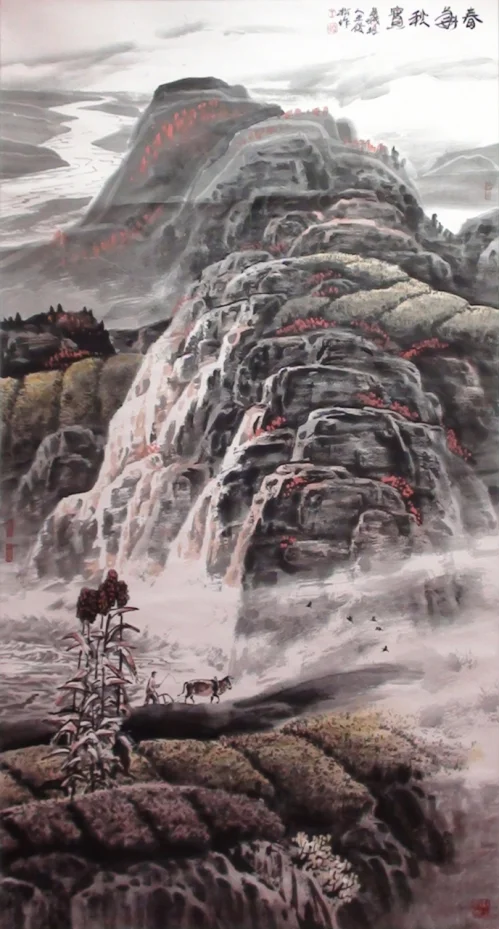
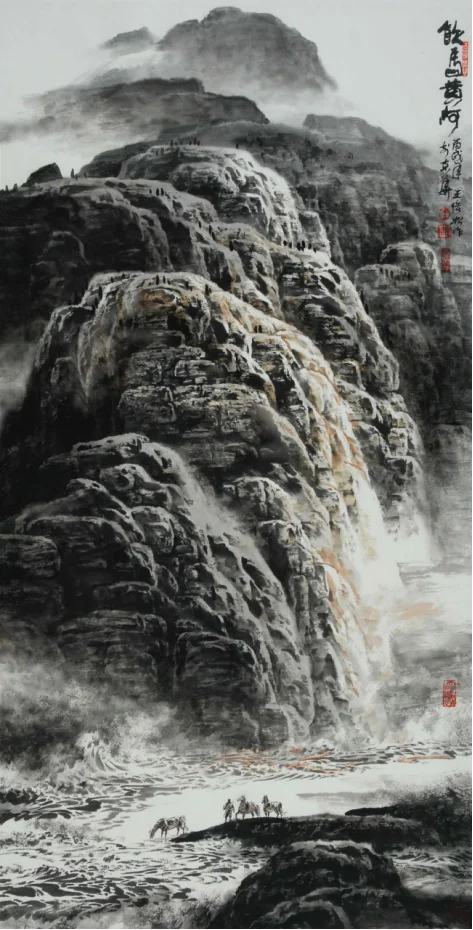
Liang Jiang of the National Art Museum of China said Wang “dares to break convention,” while Zhang Dang of Tsinghua’s Academy of Arts and Design remarked that the originals outshine the catalogues, with light, color and space rendered with unusual clarity.
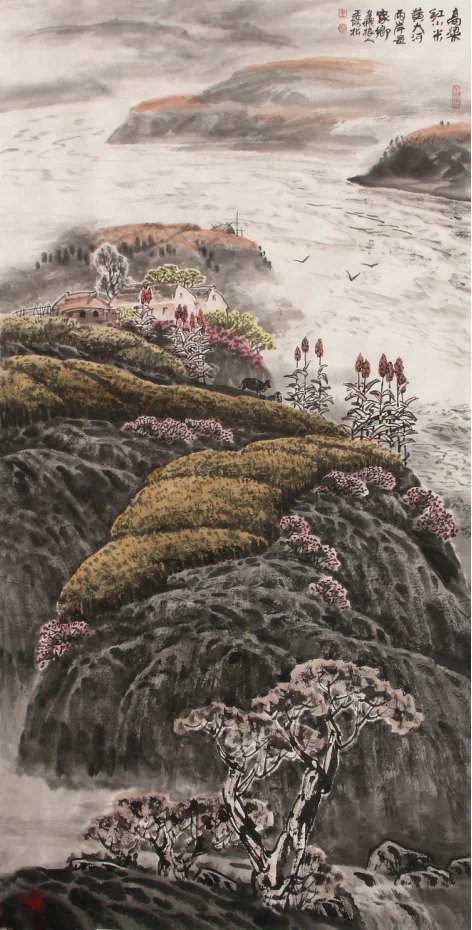
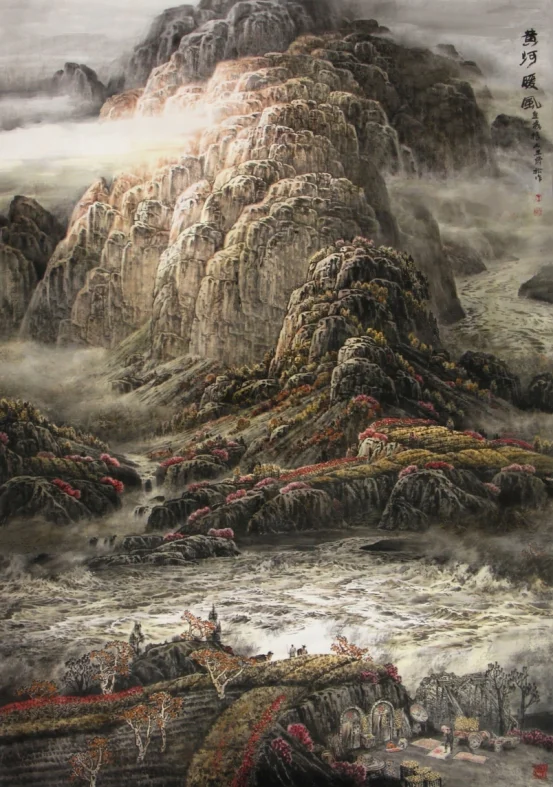
Zheng Gong of the Chinese National Academy of Arts singled out the rising, cascading light in *Zhonghua Haoqi*; Luo Shiping of the Central Academy of Fine Arts judged his leaping waves “a complete system for painting great water—a remarkable contribution.”
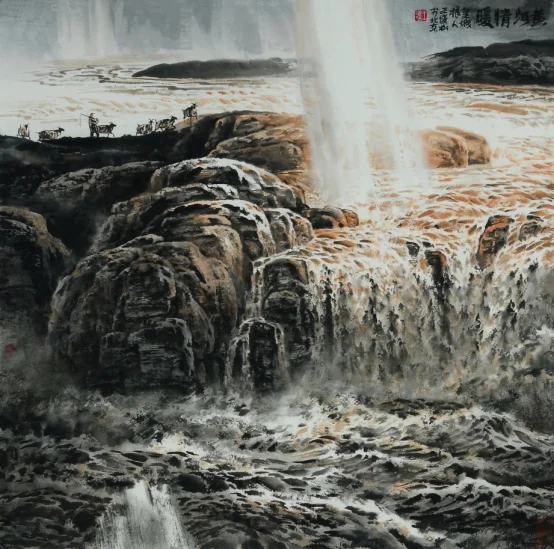
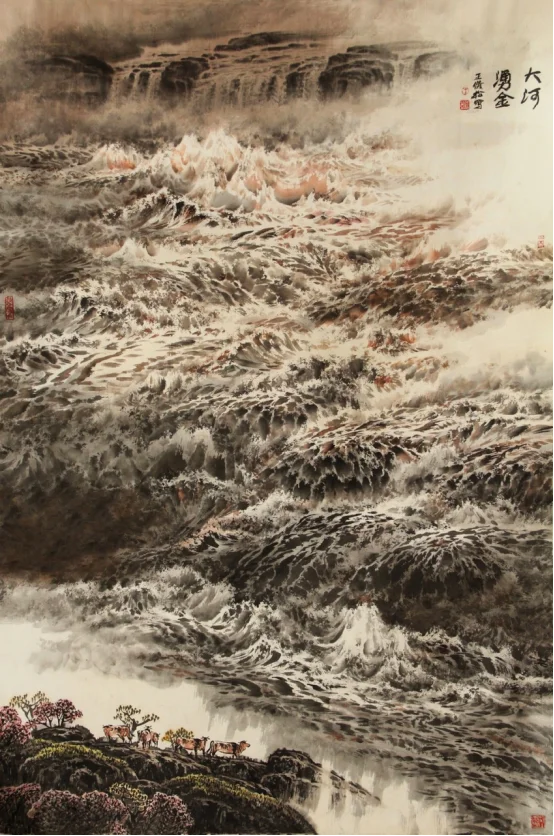
Calligrapher Zou Dezhong credited Wang’s calligraphy practice—”one must be able to write before one can paint”—and Shang Hui closed by noting that Wang’s pursuit of the sublime in landscape touches a question common to all twentieth-century Chinese painting.
In the Field
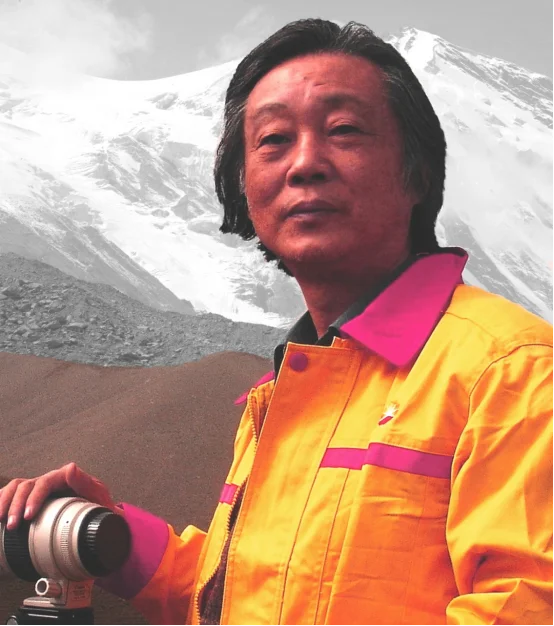
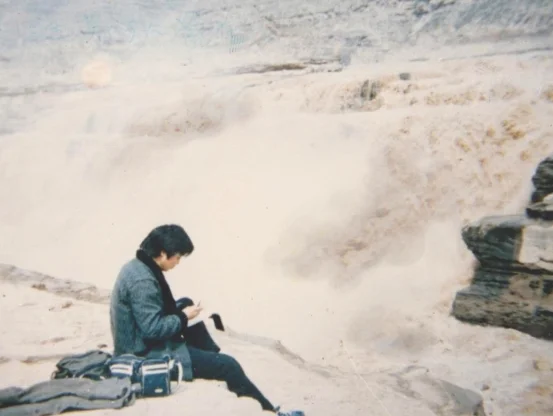
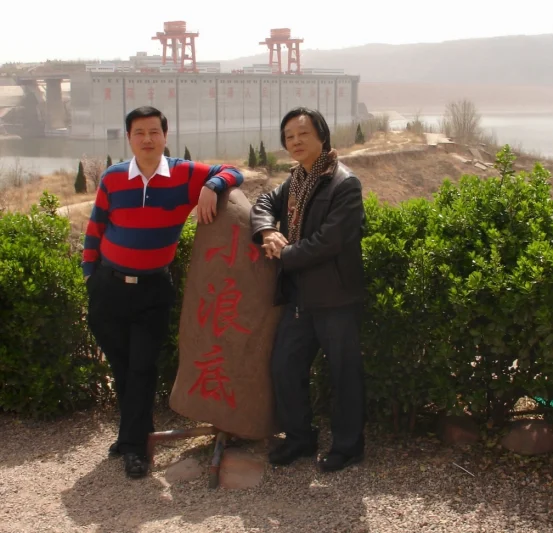
Wang’s Yellow River is drawn from life. In 1986, during winter break at the Xi’an academy, he walked alone from Yichuan to the uninhabited Hukou Waterfall to sketch. Supported by PetroChina, he has worked at the river’s source wearing an oil-field work uniform.
Since 2019 he has been at work on *Ten Thousand Miles of the Yellow River*—a scroll 80 cm high and 50 meters long running from source to sea, with calligraphers contributing poems along its length. More than ten meters of the upper reaches are already complete; the finished masterpiece is eagerly awaited.
*Source: republished from Badou Art’s featured-artist archive.*