Our Featured Collection
Hand‑picked premium works for you
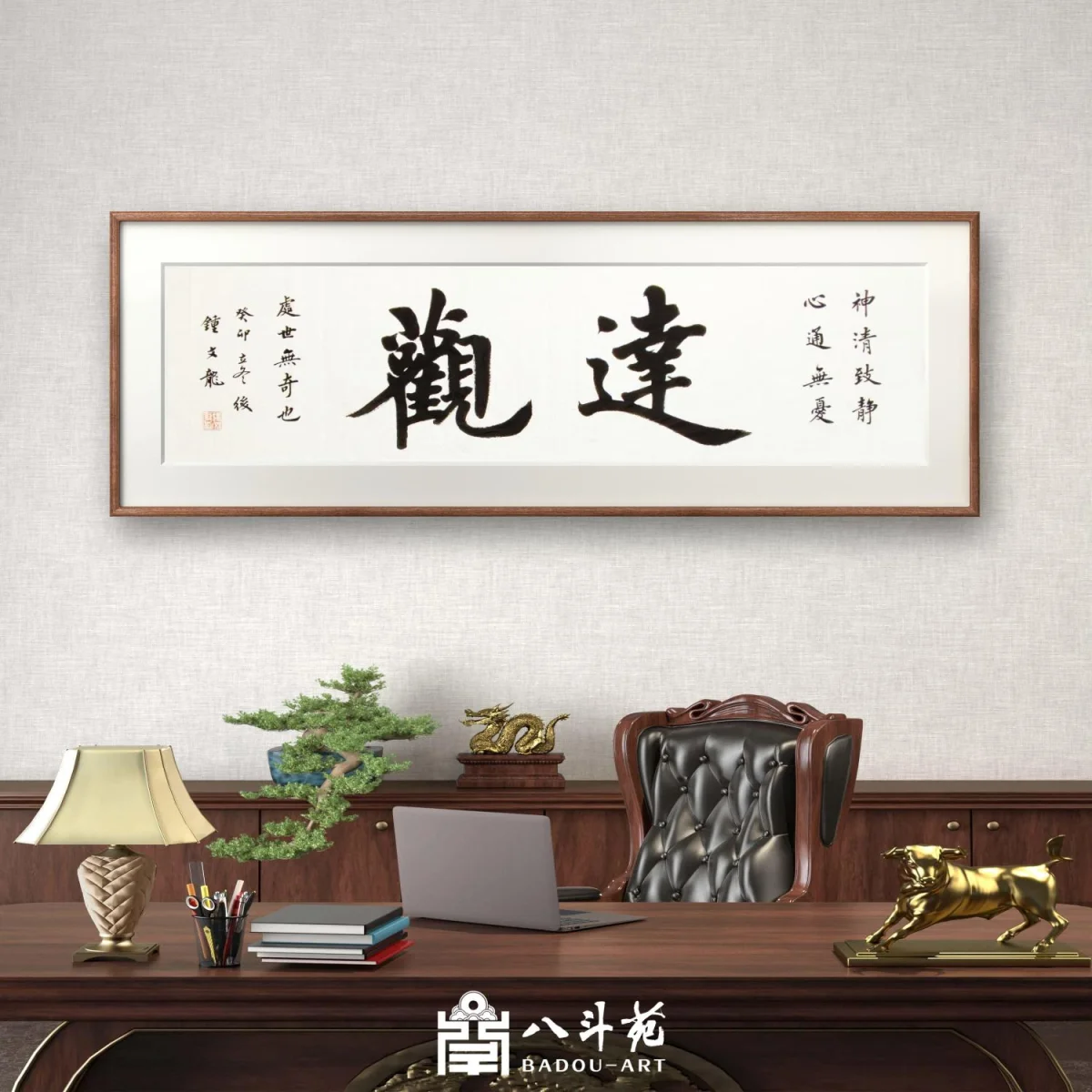
Zhong Wenlong Calligraphy | 达观
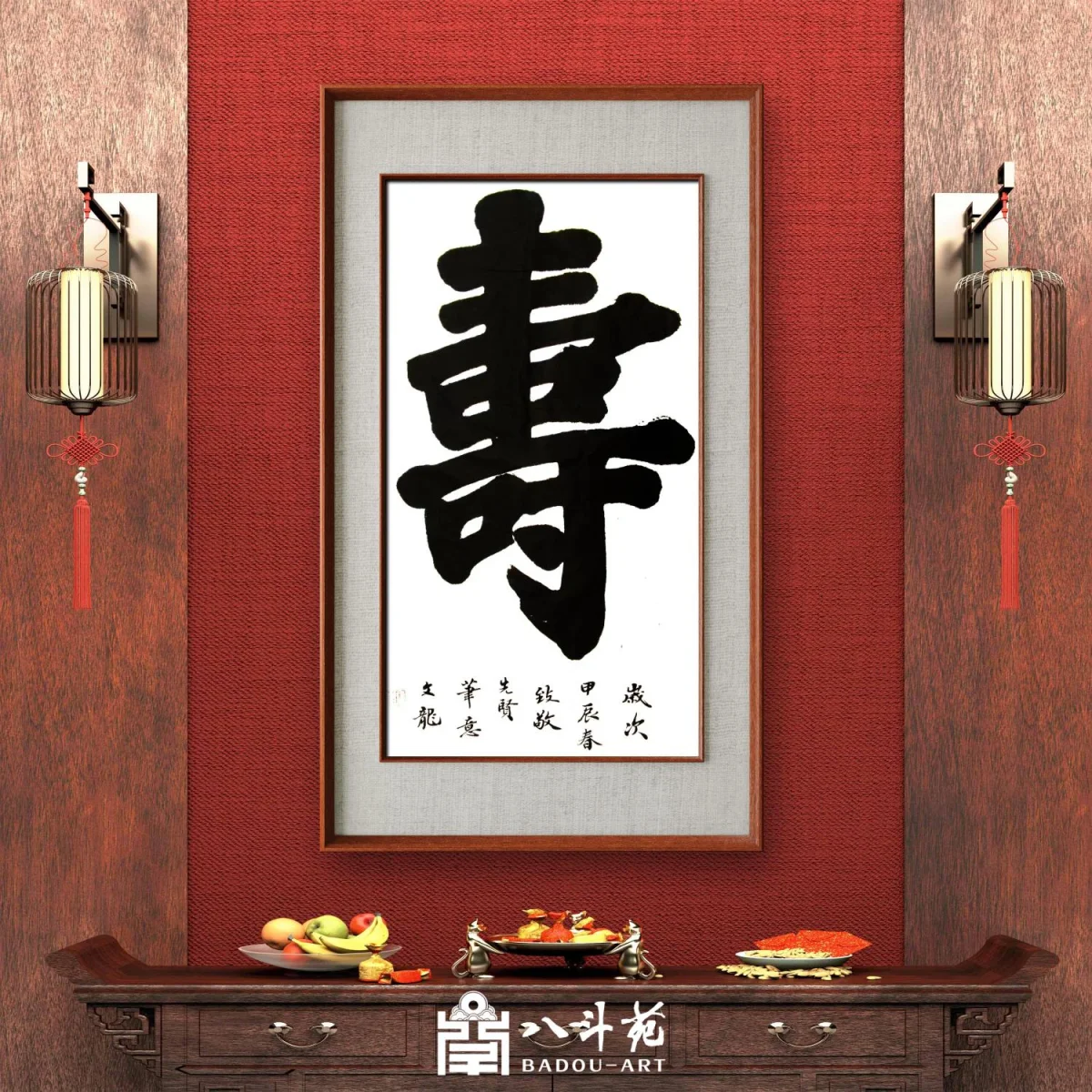
Zhong Wenlong Calligraphy | 壽
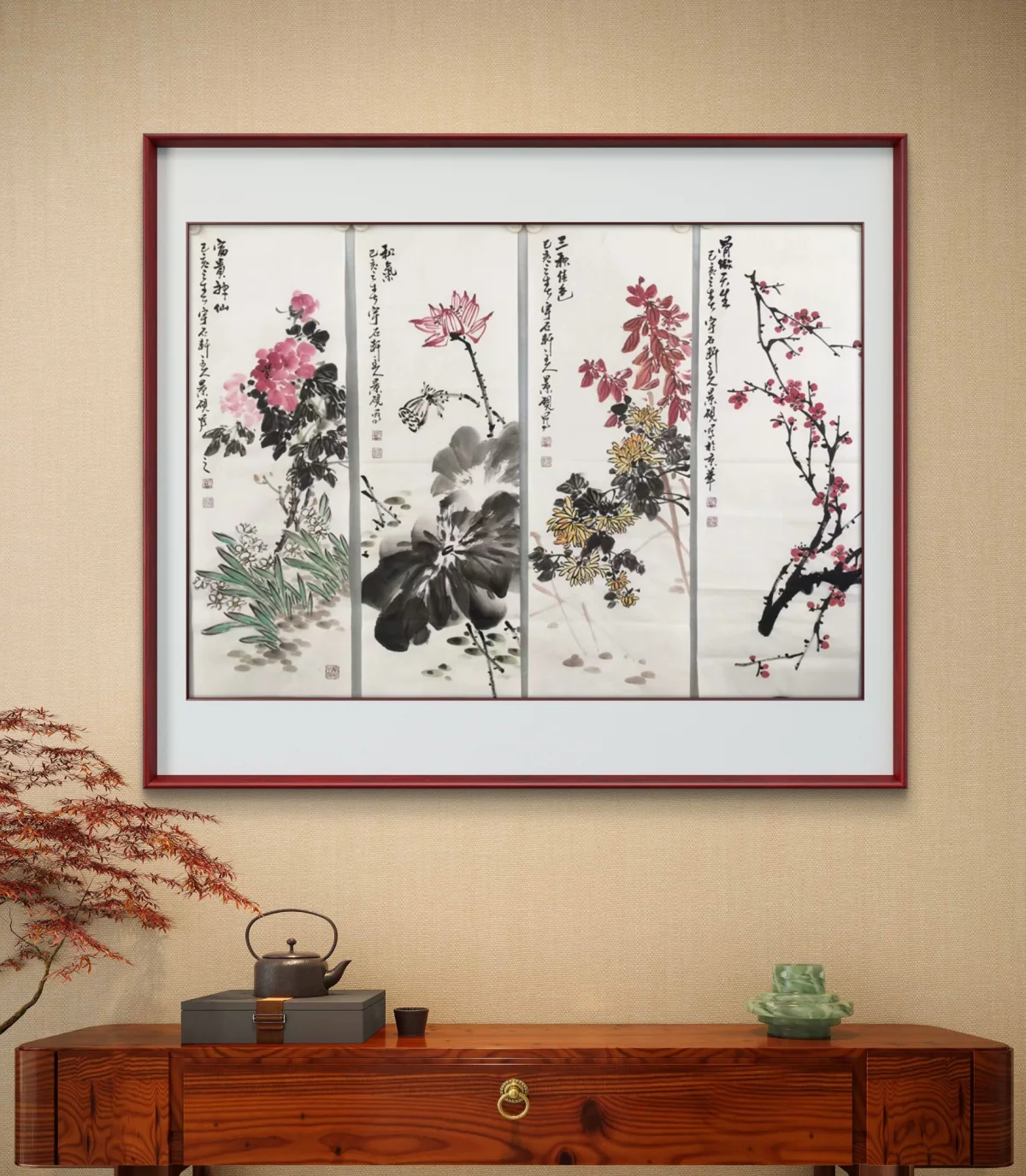
Wu Jingyan Chinese Freehand Painting・Four‑Panel Flower‑and‑Bird Screens(花鸟四条屏)
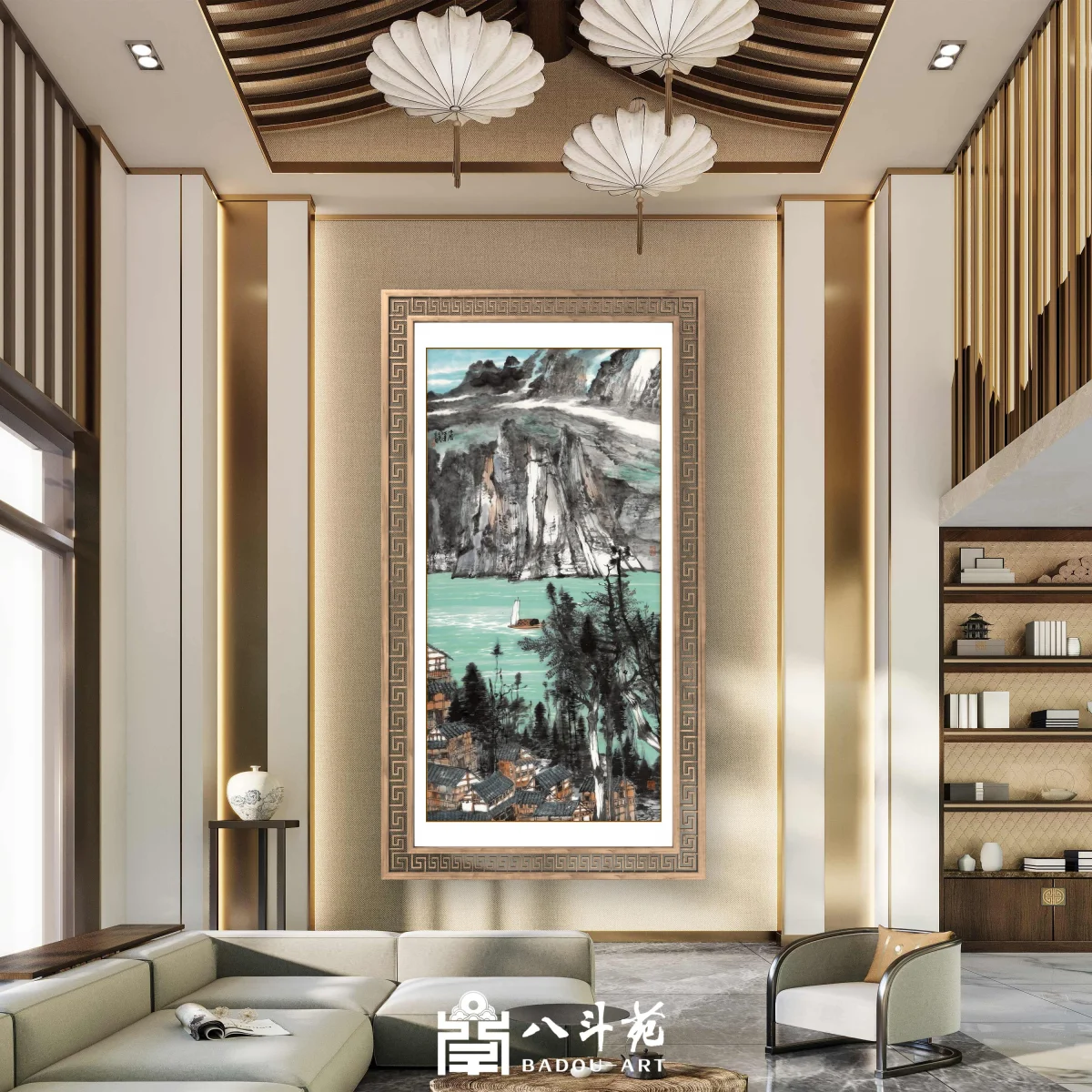
Liu Liyong Landscape Painting | Riverside Mountain Hamlet (山居江远)
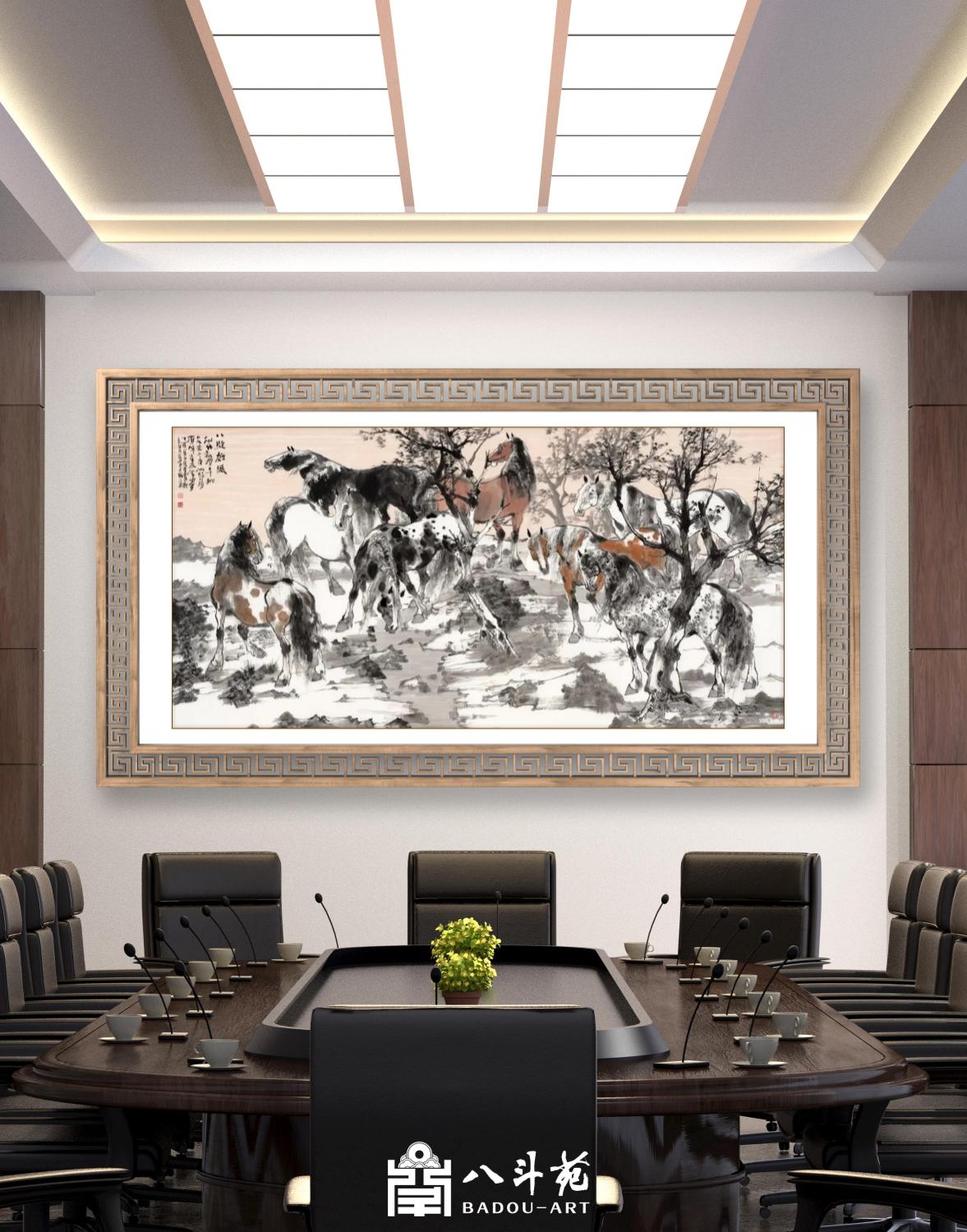
Liu Liyong Animal Painting | Eight Steeds (八骏图)
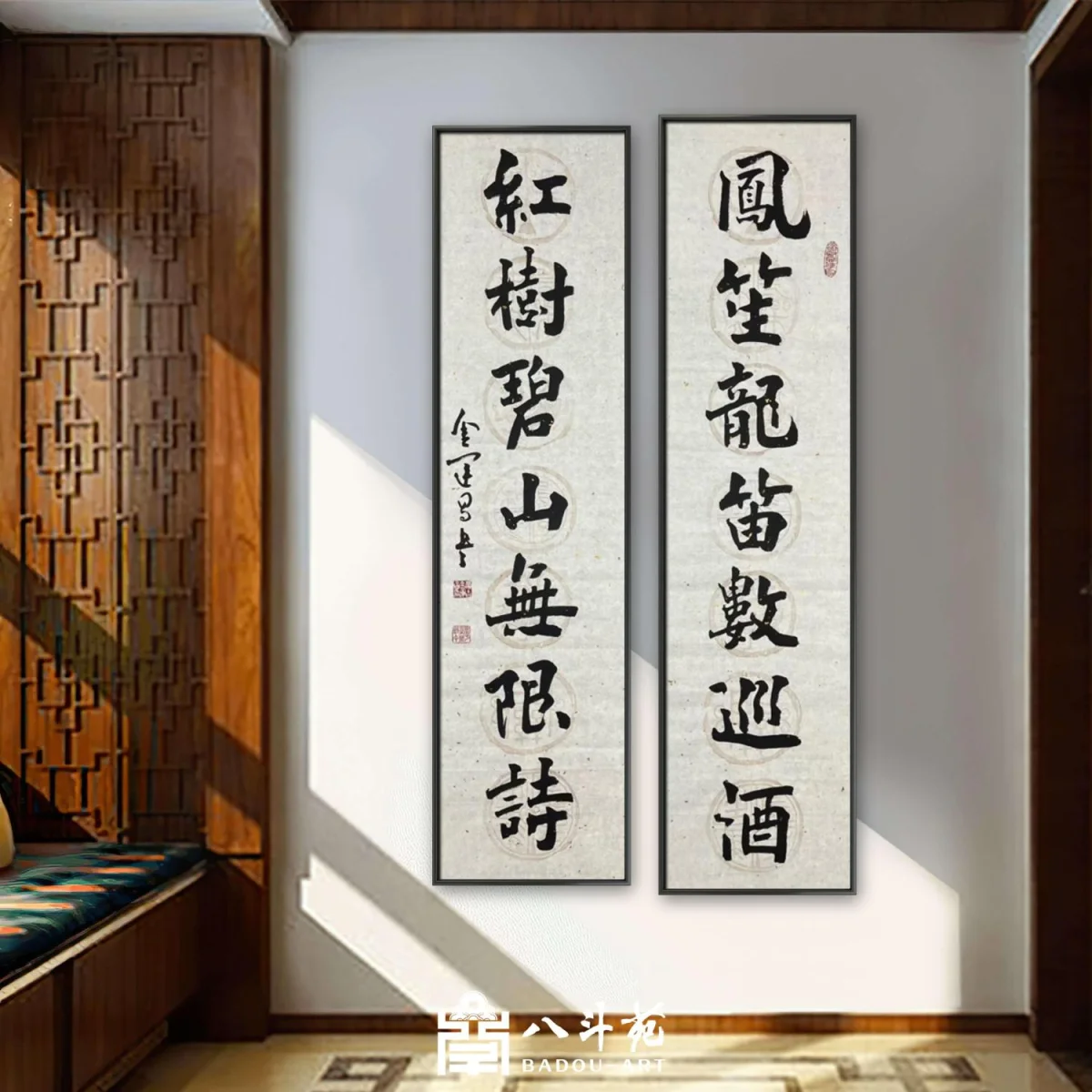
Jin Yunchang Calligraphy | 鳳笙龍笛數巡酒
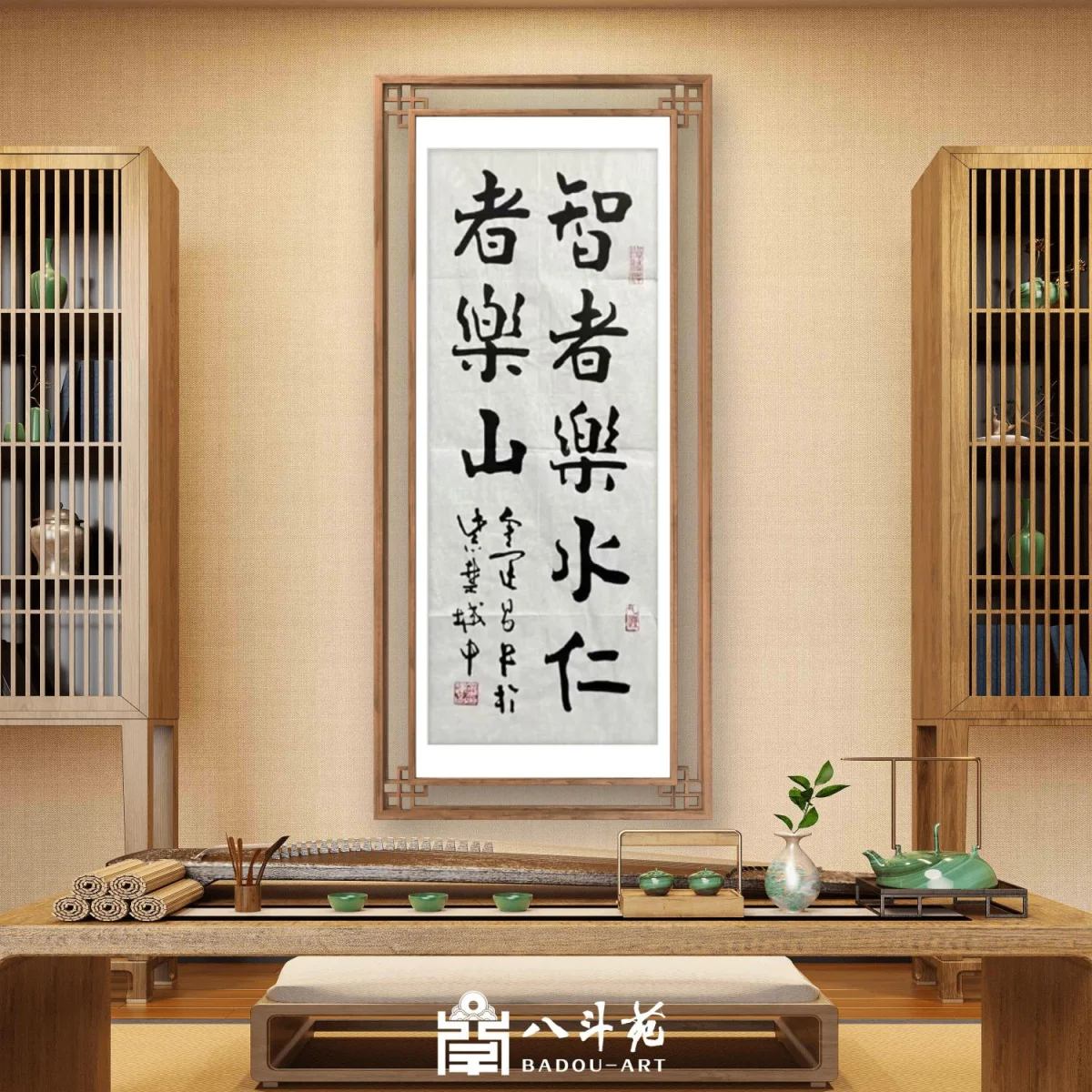
Jin Yunchang Calligraphy | 智者樂水仁者樂山
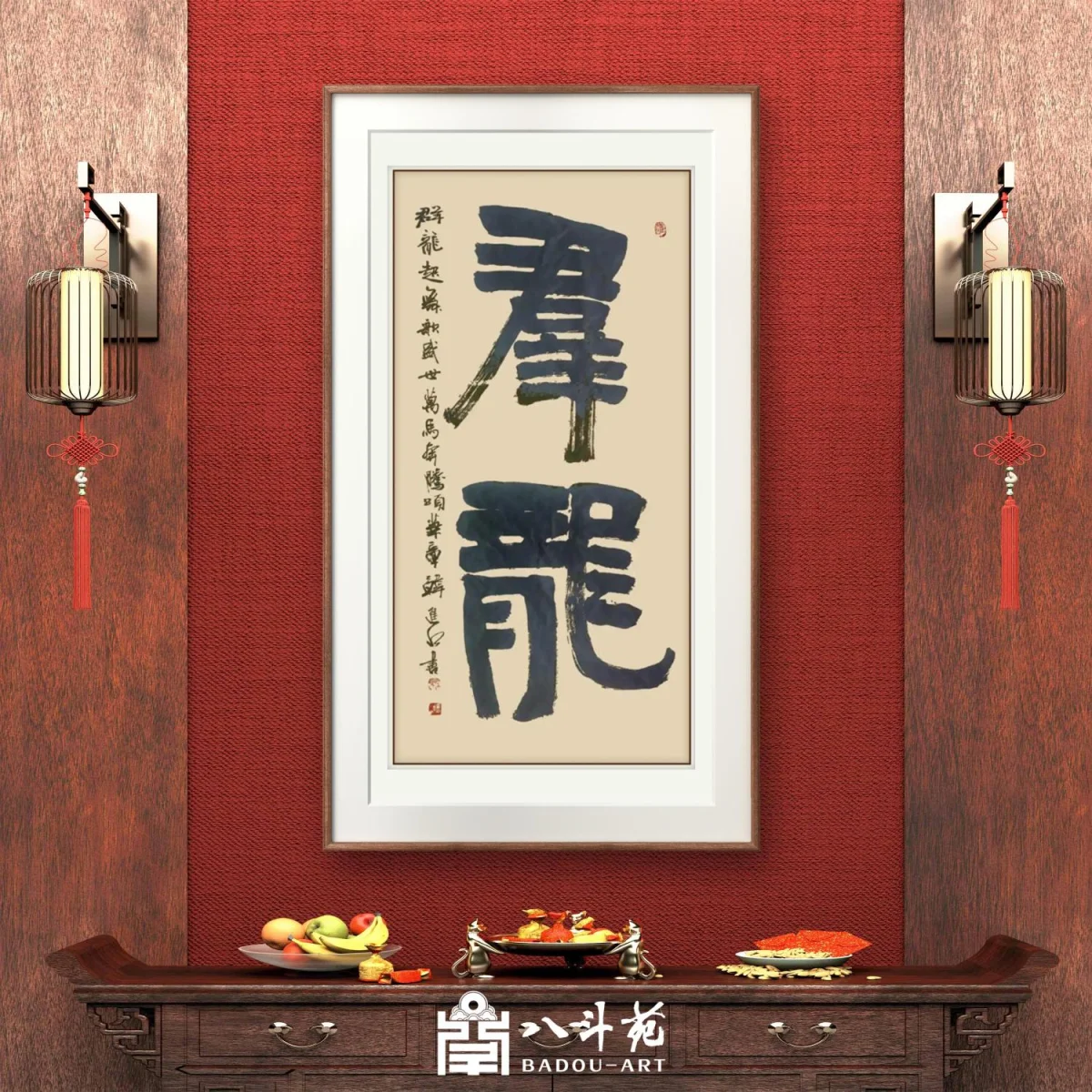
Han Jinshui Calligraphy | 羣龍 (A Group of Dragons)
Lin Yumei: Small Regular Script with Porcelain Clarity
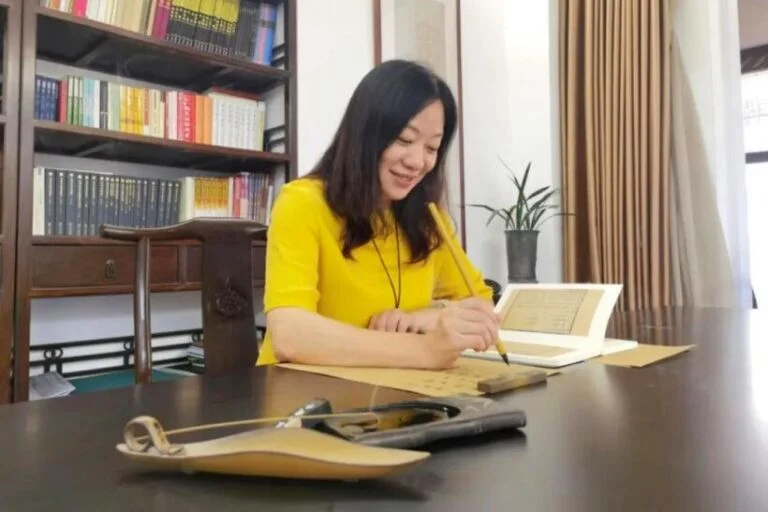
Lin Yumei: Small Regular Script with Porcelain Clarity
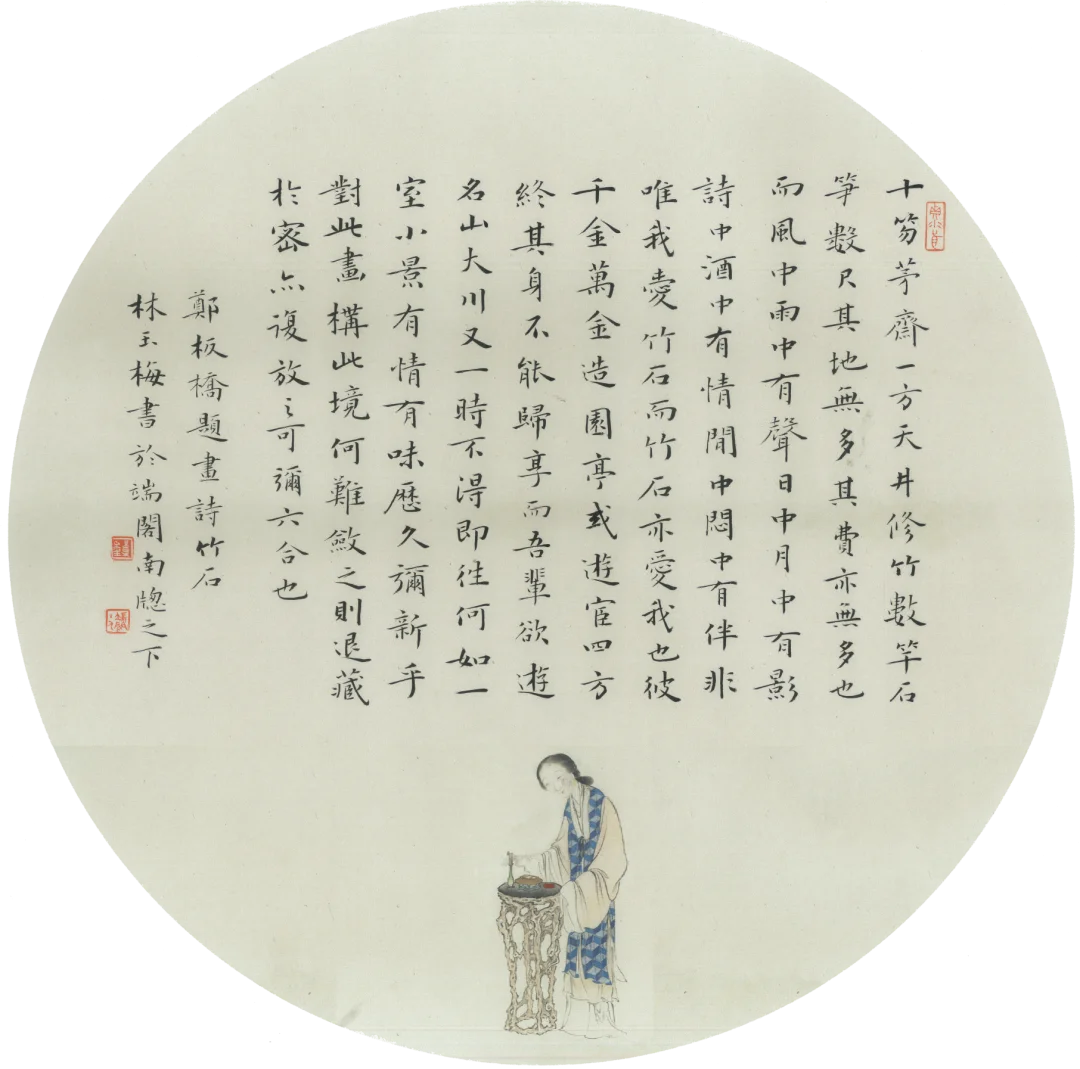
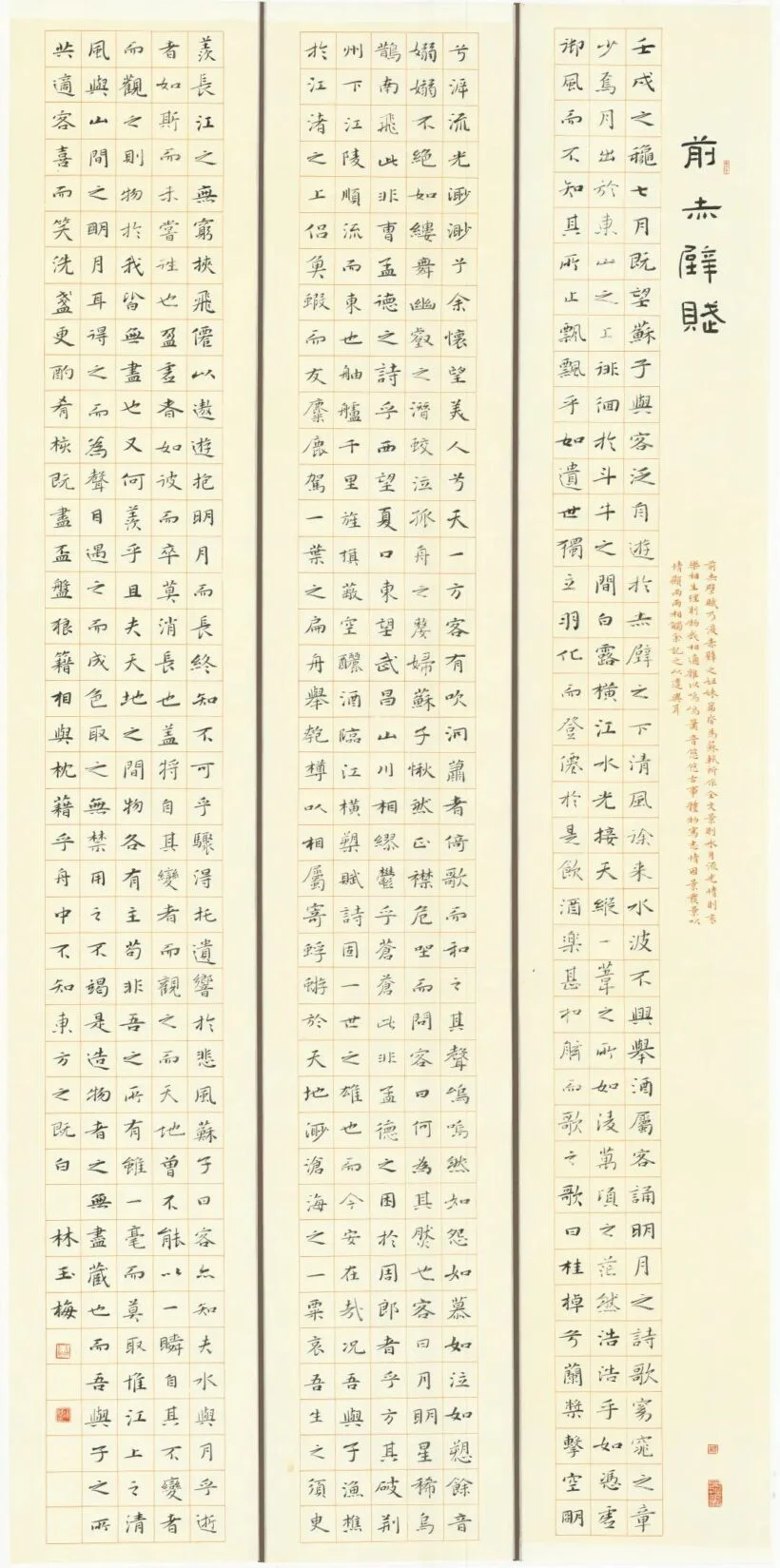
Xiaokai—small regular script—is the most unforgiving script in Chinese calligraphy: every stroke exposed, every balance fixed. Few master it; fewer make it feel alive. Fujian calligrapher Lin Yumei has spent more than thirty years in this exacting territory and is now considered one of the finest xiaokai artists of her generation.
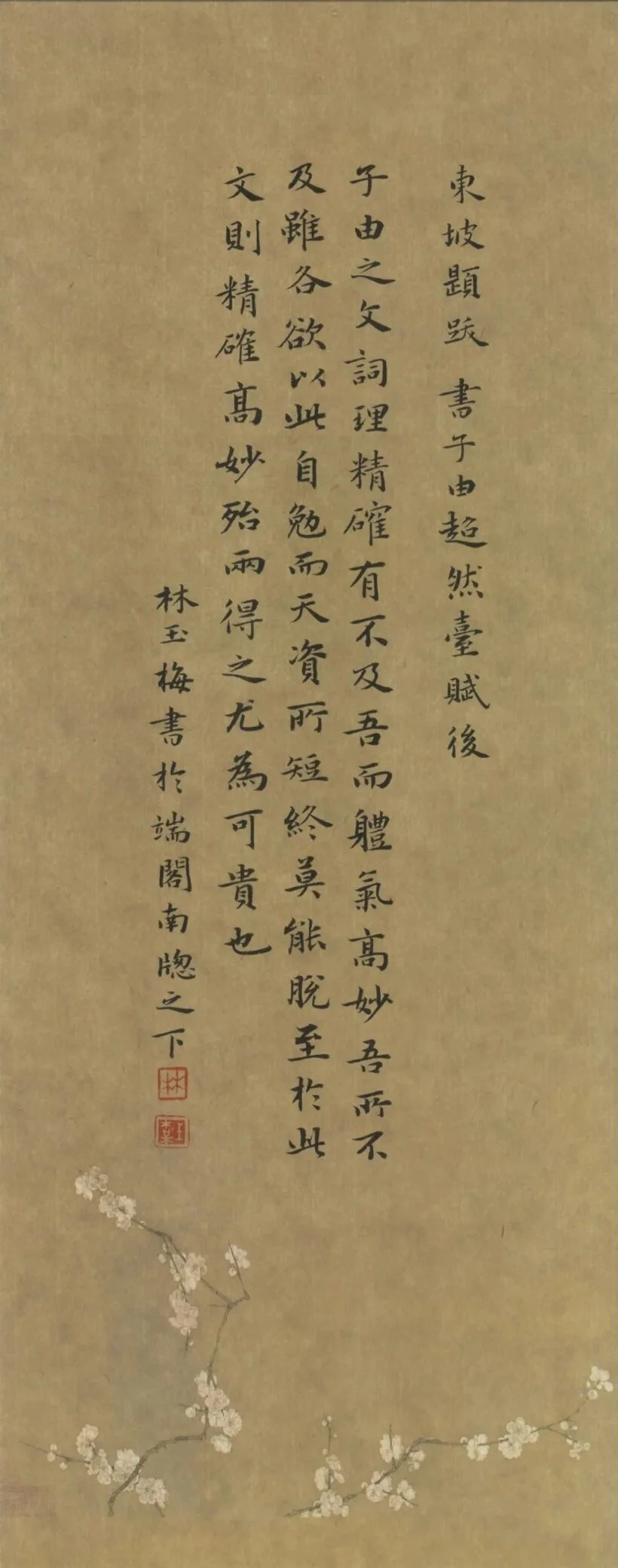
Critic Hu Chuanhai describes her work with four characters: *tianqing cibai*, “azure sky, porcelain white.” He pictures her writing as an act of devotion—hands washed, incense lit, emotion drifting quietly through the ink. Her small characters carry the serenity of the classics she has studied, from the Huangting Jing and the Cao’e Stele to the Lingfei Jing, texts that have connected Chinese readers to their spiritual world for centuries.
He contrasts that intimacy with today’s exhibition culture of huge, visually aggressive works: a small letter-format piece concentrates the true pleasure of the literati tradition, every dot and stroke an internalized pursuit of beauty. He likens her classical flavor to the poetry of Li Qingzhao—delicate, sighing, restrained.
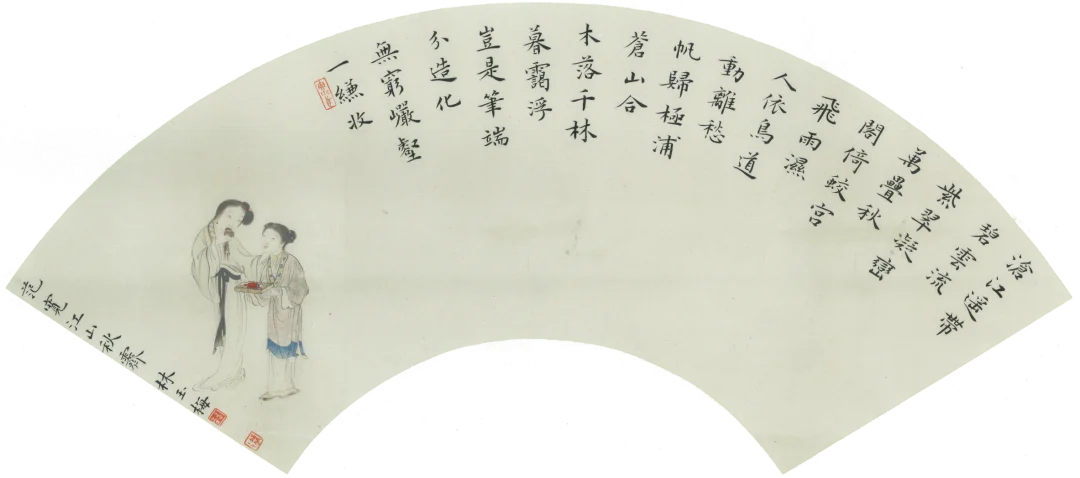
Yet Lin has topped national couplet, album-leaf and women’s calligraphy exhibitions, published model books and held solo shows—and Hu stresses she remains plain, natural and pure, her discipline shaped by the restraint, patience and ideals at the heart of Chinese culture.
Rooted in Zhangzhou
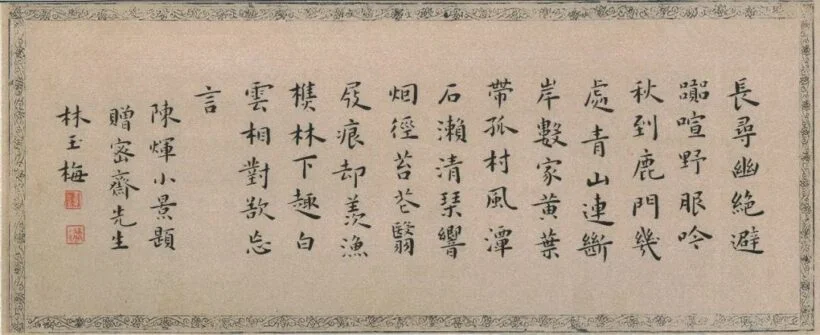
Critic Wu Chuanhuai recalls being moved at first sight: her small characters feel like a clear lake, a willow grove in mountain wind. Lin comes from Zhangzhou, Fujian—the region that produced the late-Ming master Huang Daozhou, whose bony, archaic xiaokai echoes faintly in her style. From that landscape she inherited tradition yet formed a distinct personality, rare in an era when so much contemporary calligraphy looks alike.
Wu summarizes her script in three qualities: stillness, simplicity and elegance. Her characters are unhurried and free of restless heat, yet never stiff—plain rather than contrived, “like a lotus rising from clear water.” She has copied the classics with awe, then absorbed and discarded until the influences fused: the solidity of Zhong Yao, the grace of the Two Wangs, the polish of Zhao Mengfu, the ease of Wen Zhengming, the striking spirit of Huang Daozhou, the looseness of Wang Chong.
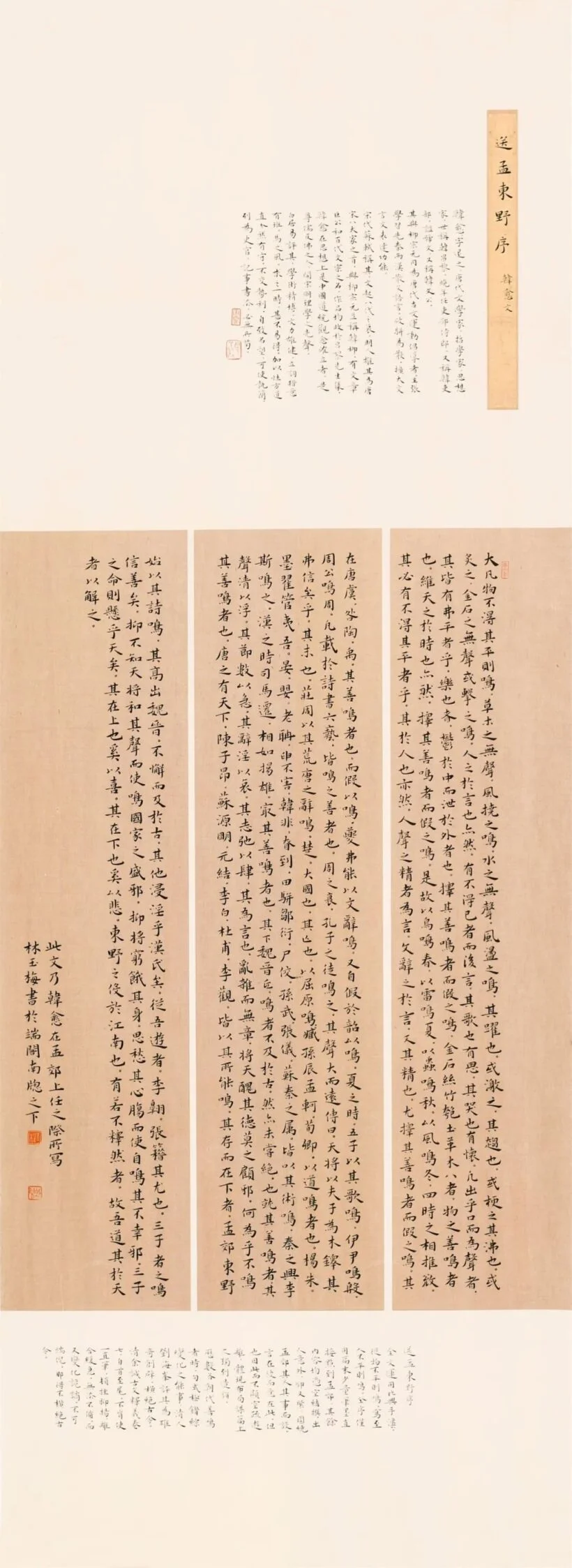
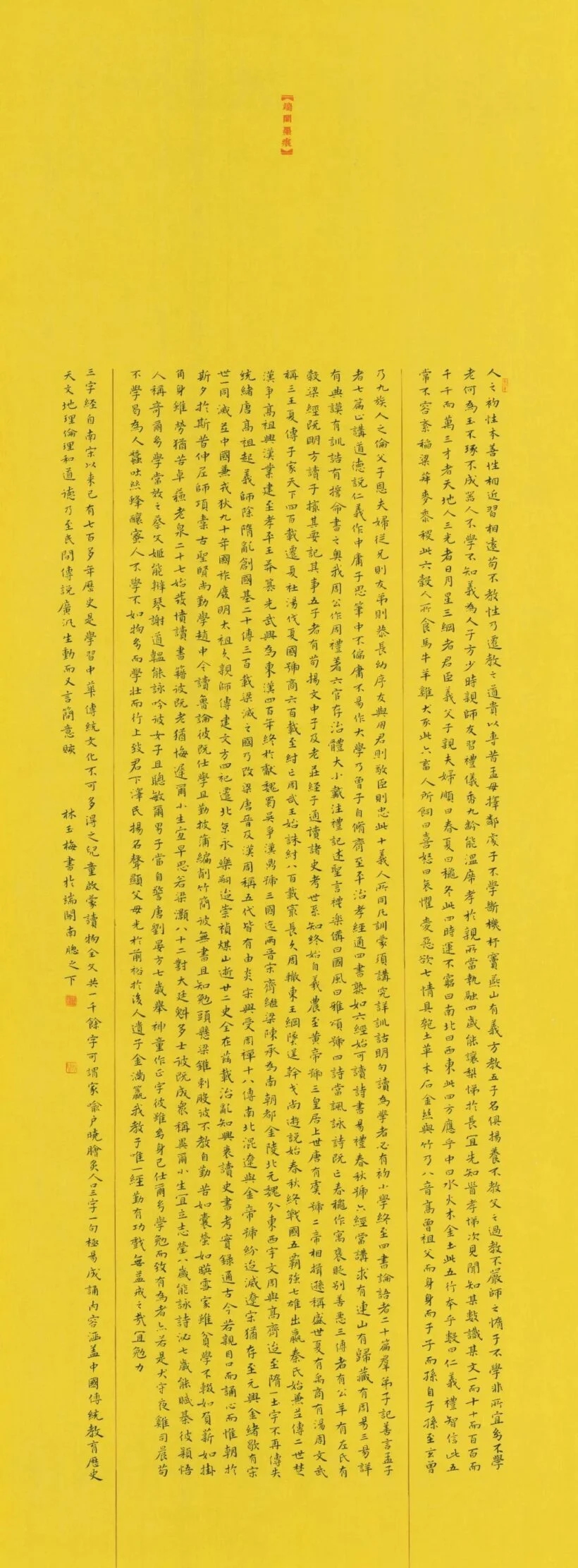
Lin writes xiaokai only in quiet, she has told Wu: one stick of incense burning, no interruptions, “like a private act of worship.” Only then does the work reach purity—spotless, silent, effortless. She is equally exacting about paper, matching each text to its material.
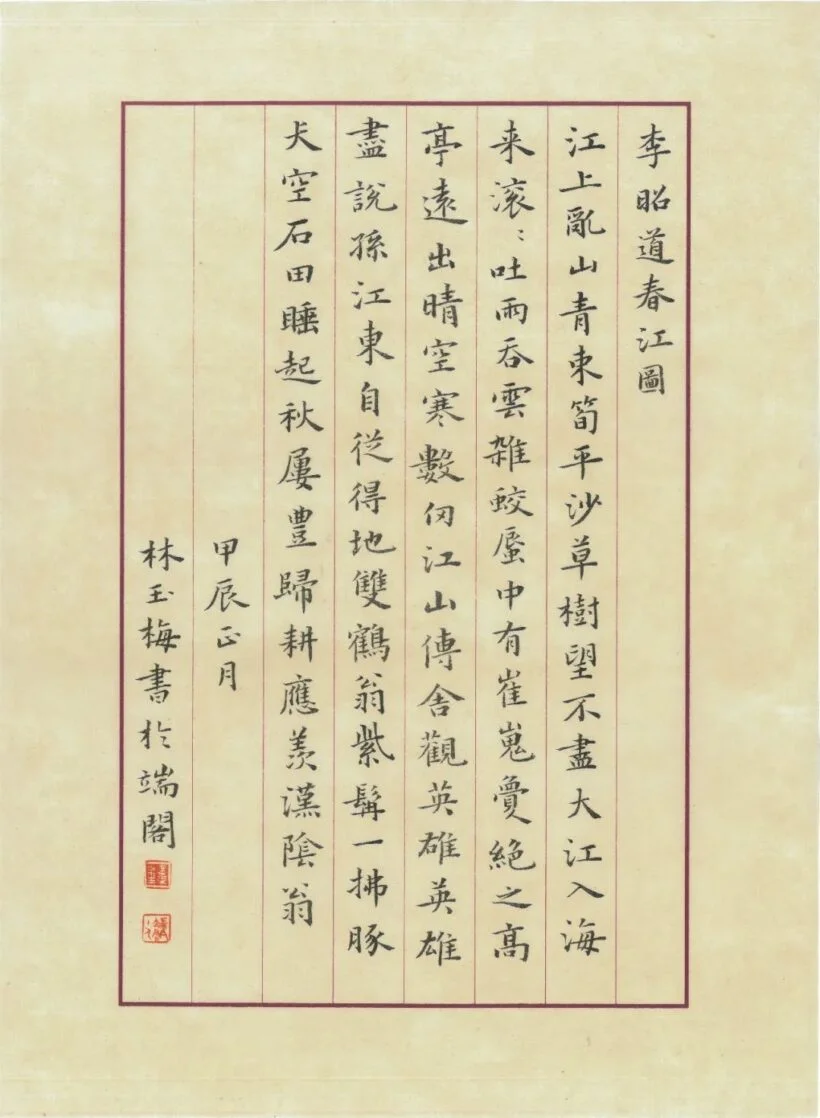
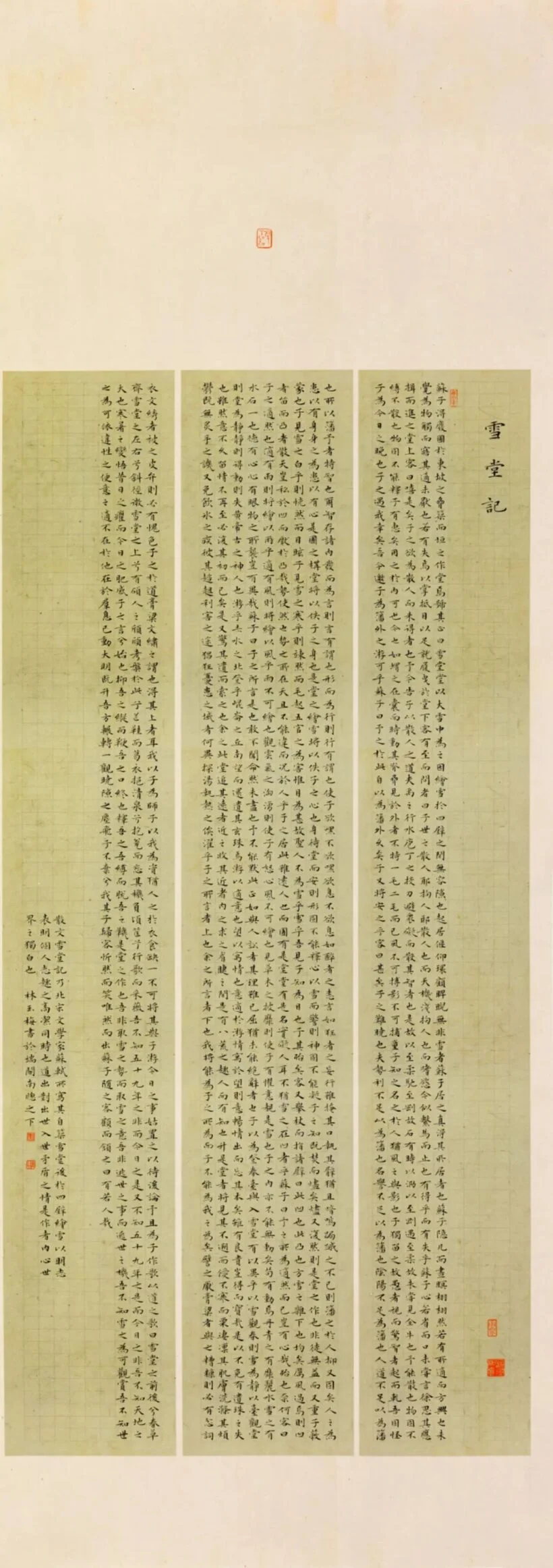
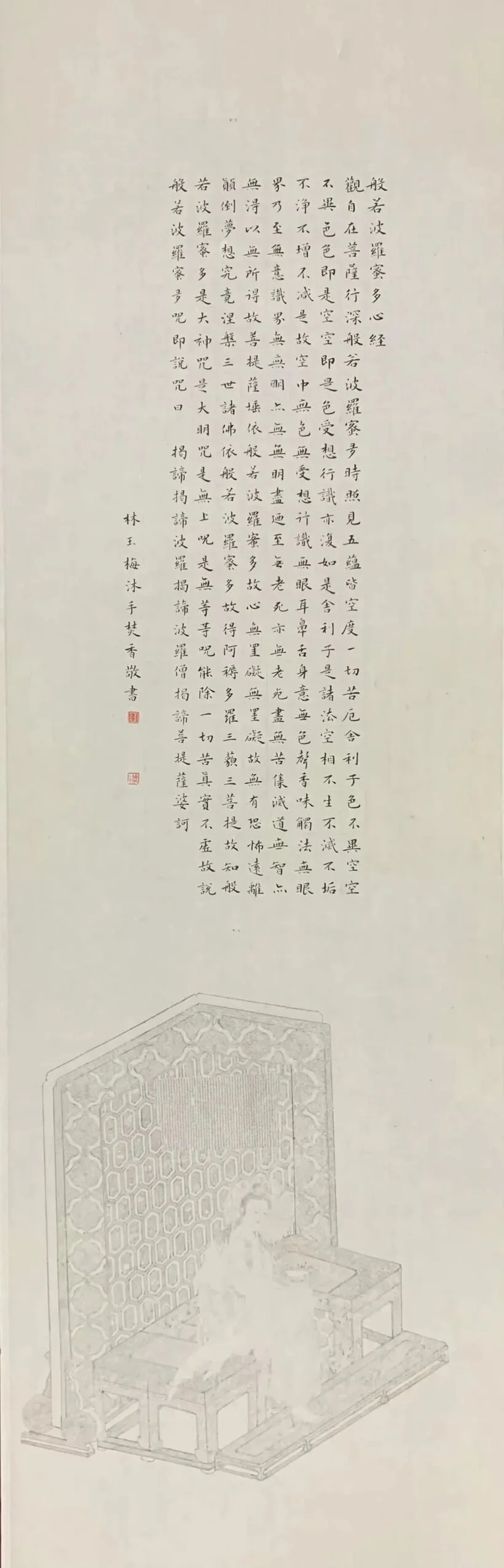
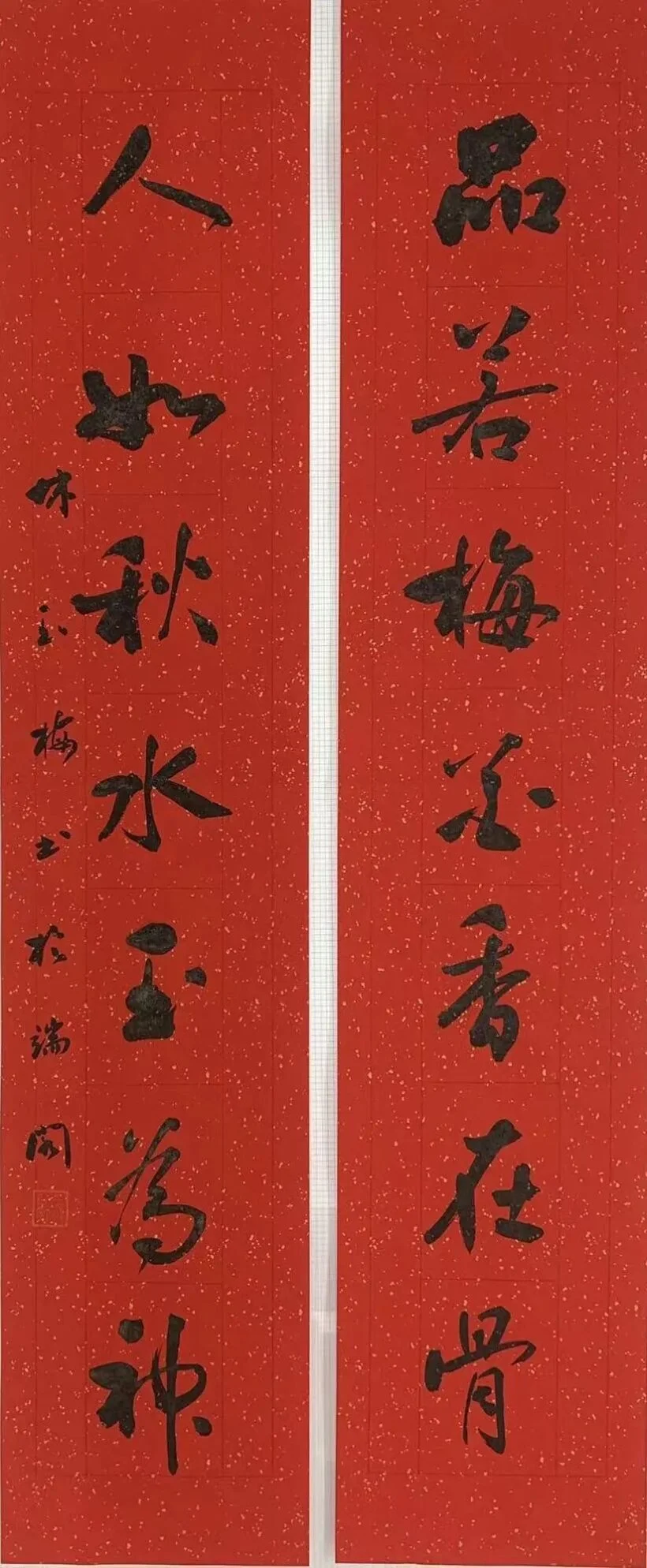
Recent fragments of her Diamond Sutra show a new depth: running-script and Wei stele flavors grow stronger, every stroke starting and ending with clear intent. She is equally fluent in large regular script and the running and cursive hands—quicker, bolder, the “daily life” beside her meditative xiaokai.
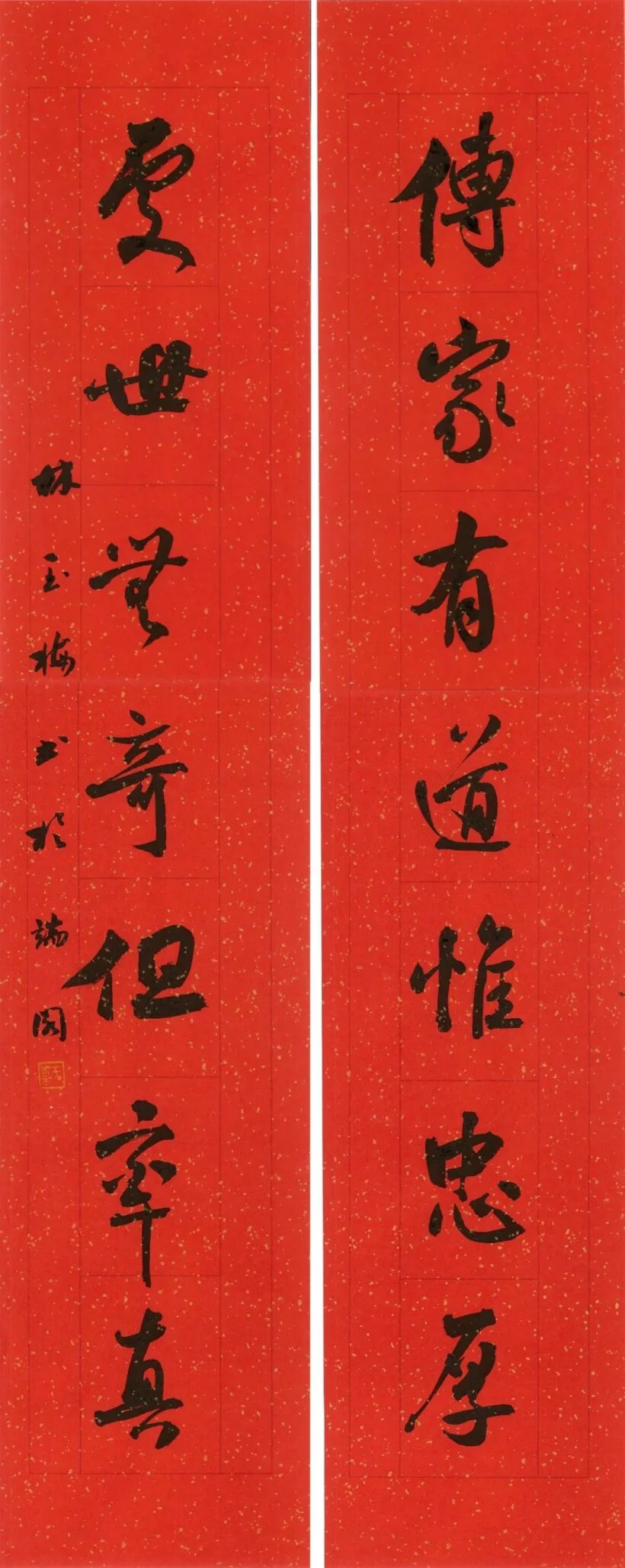
Honors and Collections
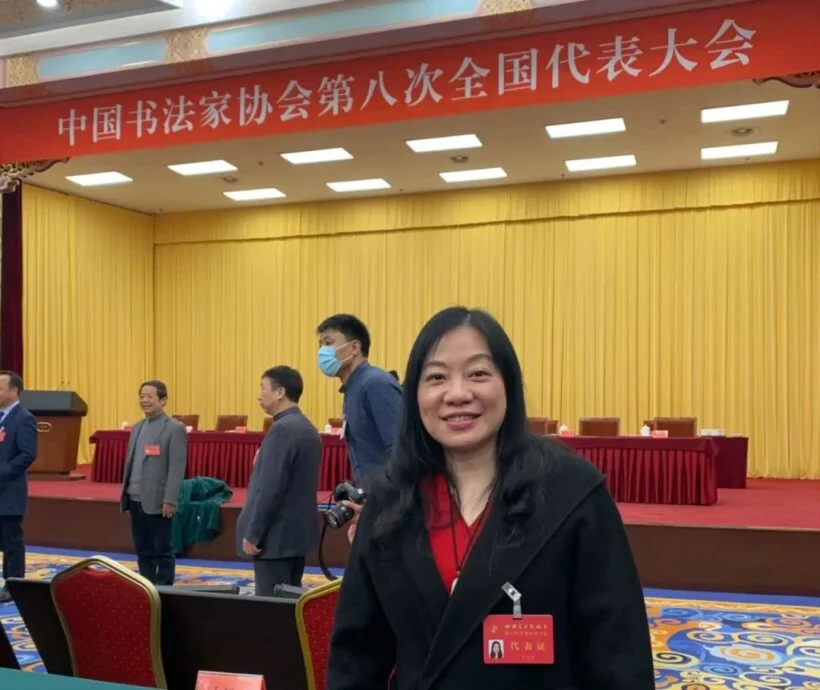
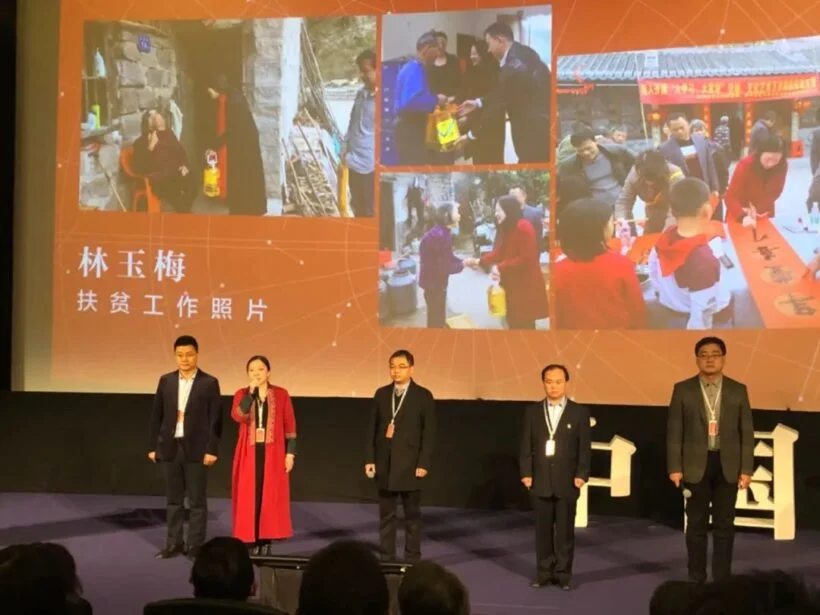
Lin serves as a director of the China Calligraphers Association, a member of its Women Calligraphers Committee and a judge for its national exhibitions, and she directs the Zhangzhou Art Museum. A delegate to the association’s eighth national congress, she is also a deputy to the Fujian Provincial People’s Congress and vice president of the Zhigong Painting Academy.
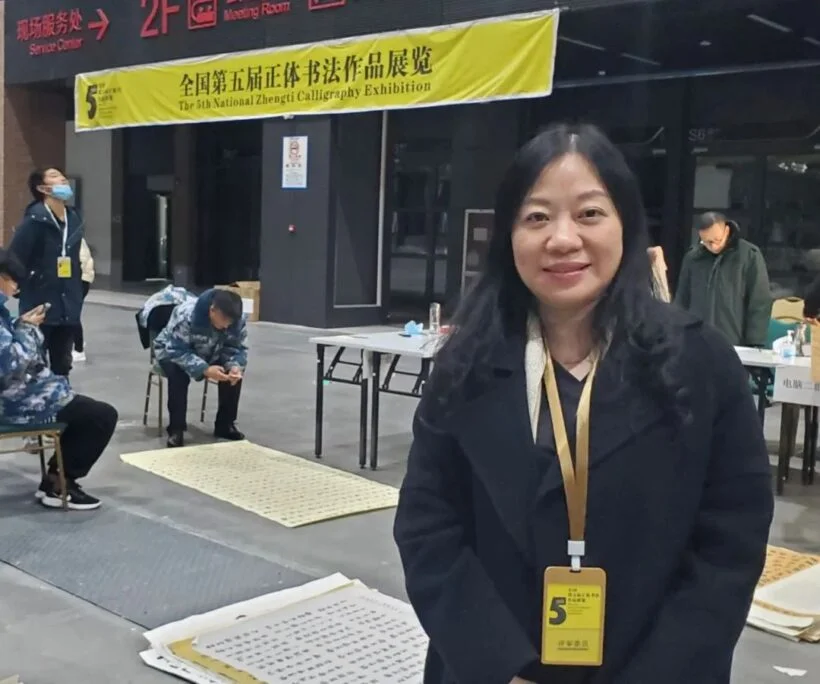
Her awards include third prize at the fifth China Calligraphy Lanting Award, first prize at the sixth National Couplet Calligraphy Exhibition and gold at Fujian’s Bayin Danqing biennial, along with repeated Baihua Literature and Art Awards. Her works are held by the National Museum of China, the National Art Museum of China, the National Library of China and other institutions, and her published titles include *Decoding the Lingfei Jing*. Critics expect her mature xiaokai to stand as a model for learners of this era.
*Source: republished from Badou Art’s featured-artist archive.*