Our Featured Collection
Hand‑picked premium works for you
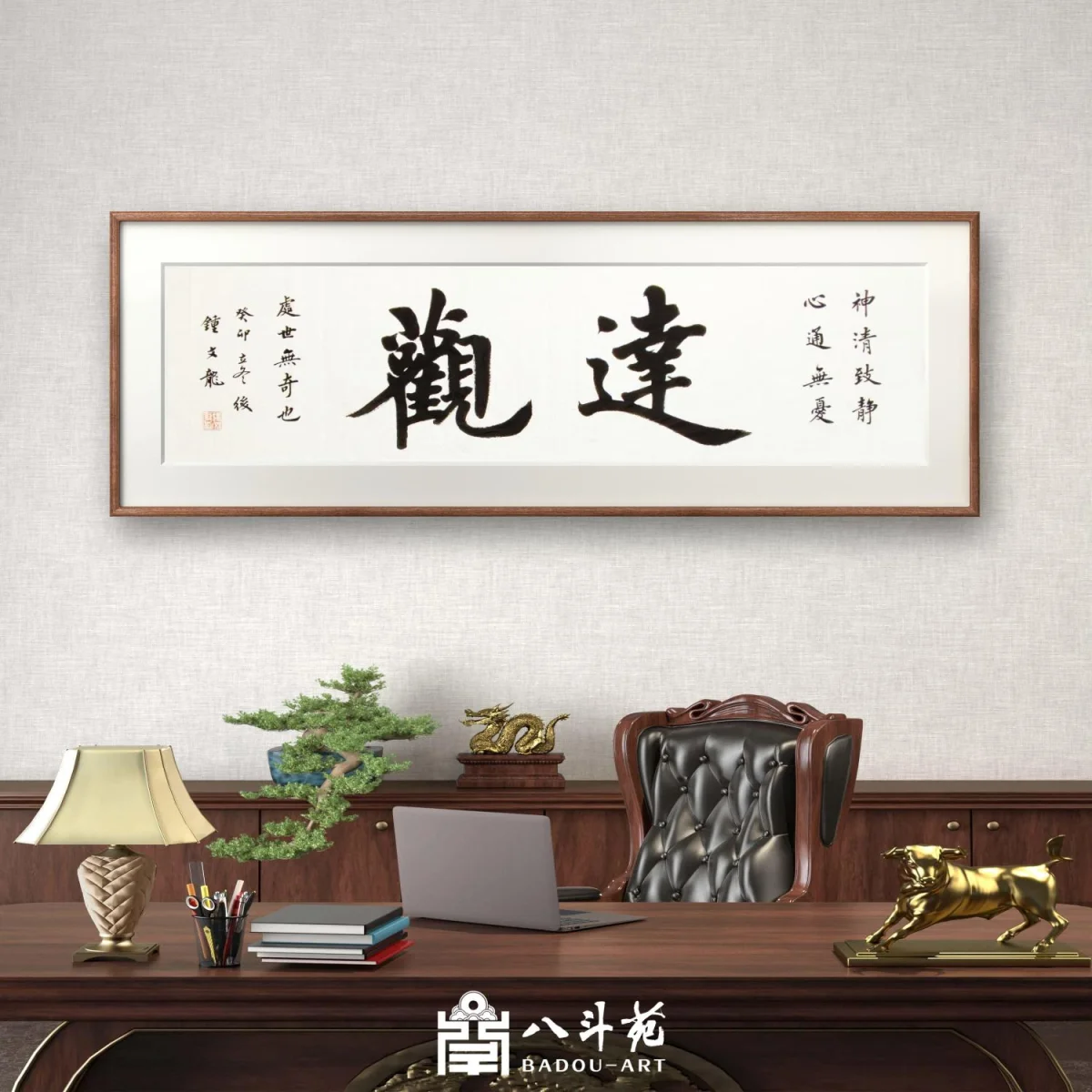
Zhong Wenlong Calligraphy | 达观
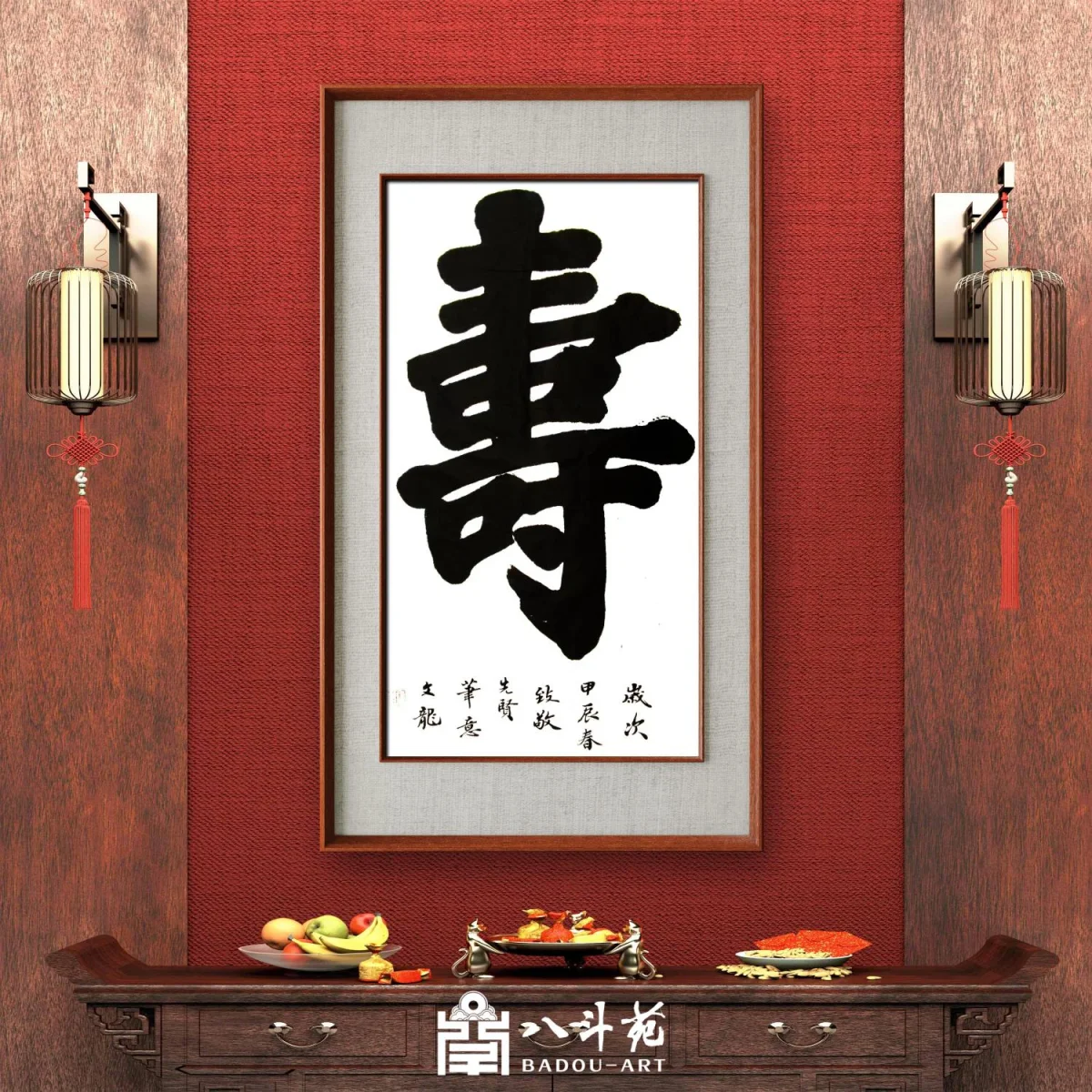
Zhong Wenlong Calligraphy | 壽
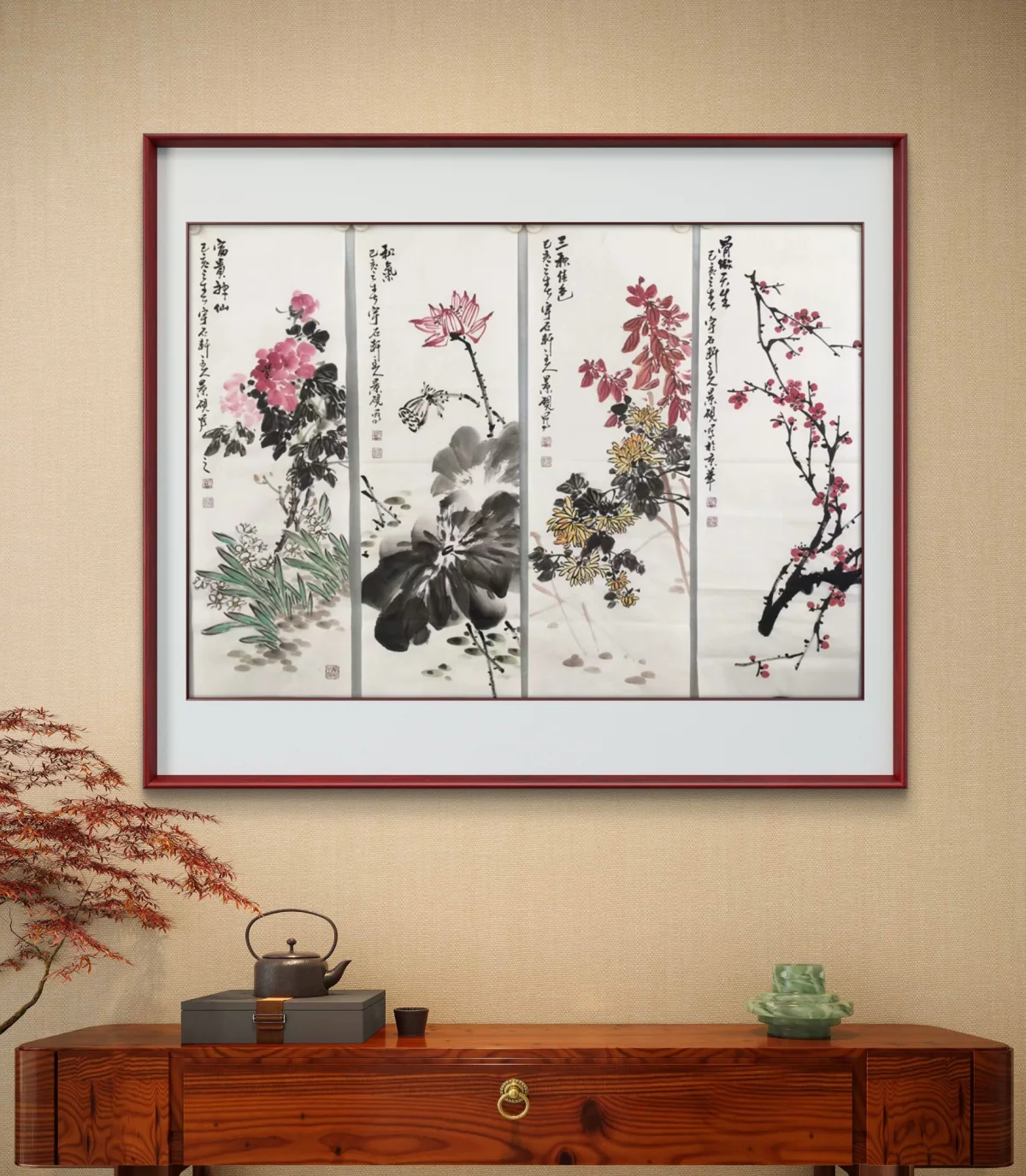
Wu Jingyan Chinese Freehand Painting・Four‑Panel Flower‑and‑Bird Screens(花鸟四条屏)
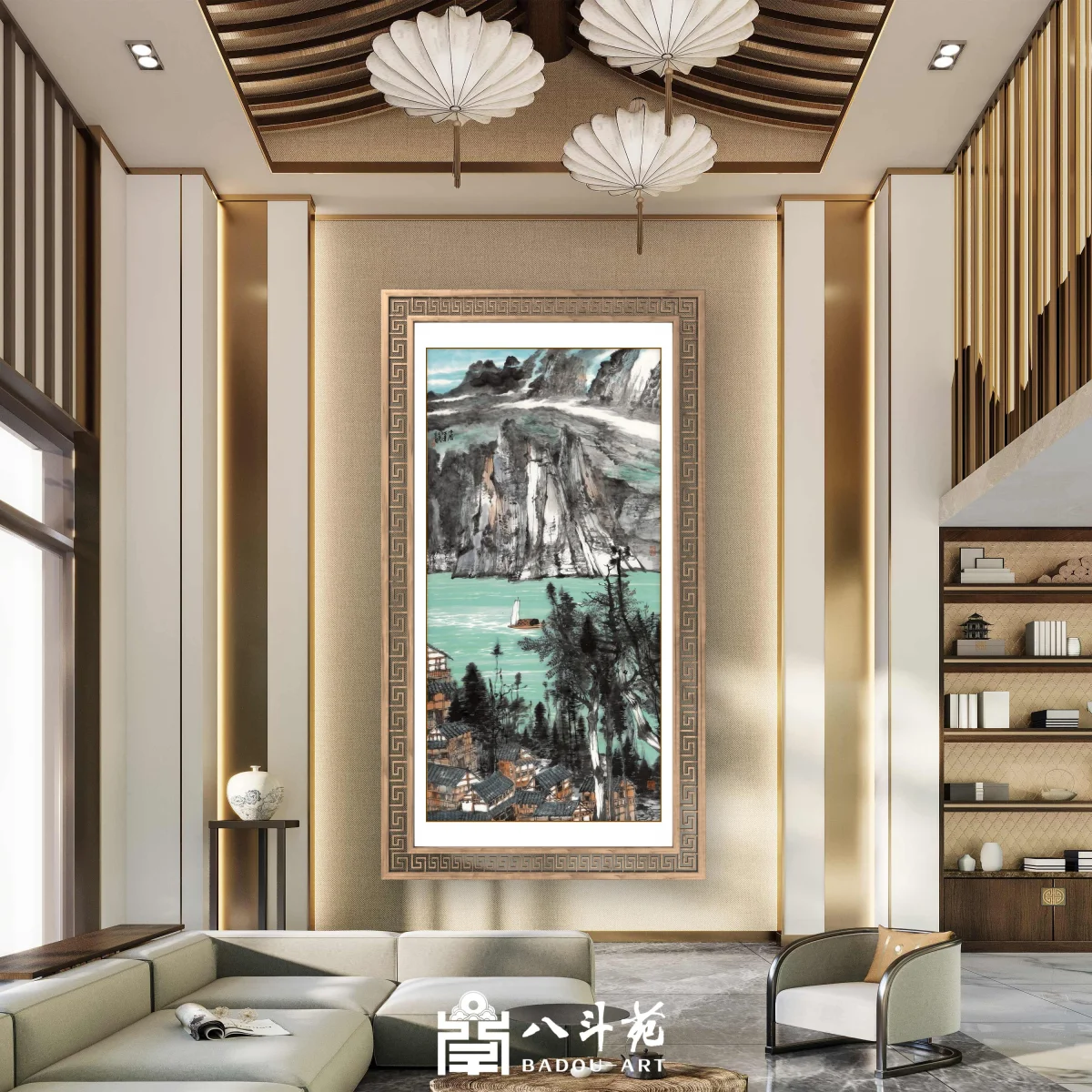
Liu Liyong Landscape Painting | Riverside Mountain Hamlet (山居江远)
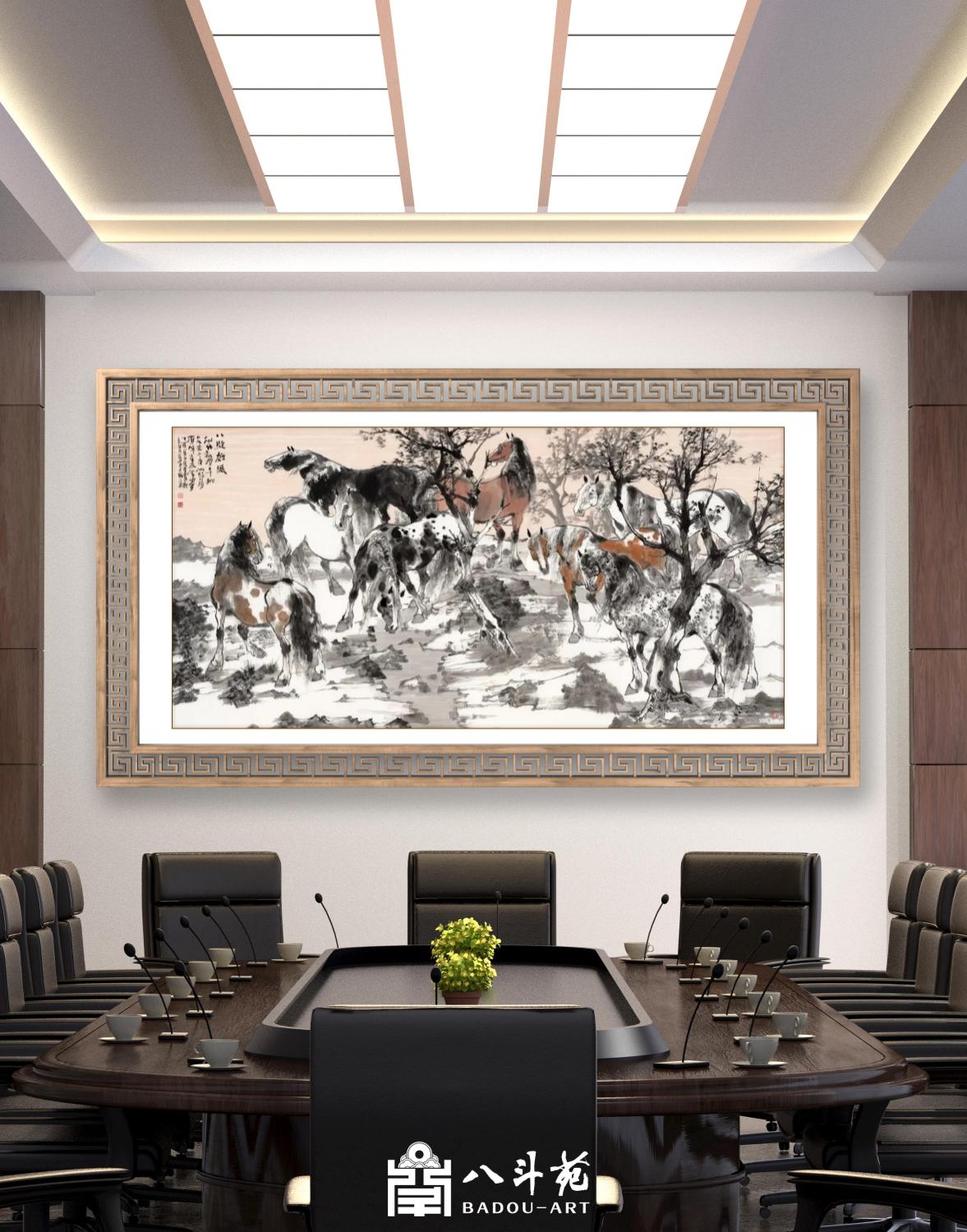
Liu Liyong Animal Painting | Eight Steeds (八骏图)
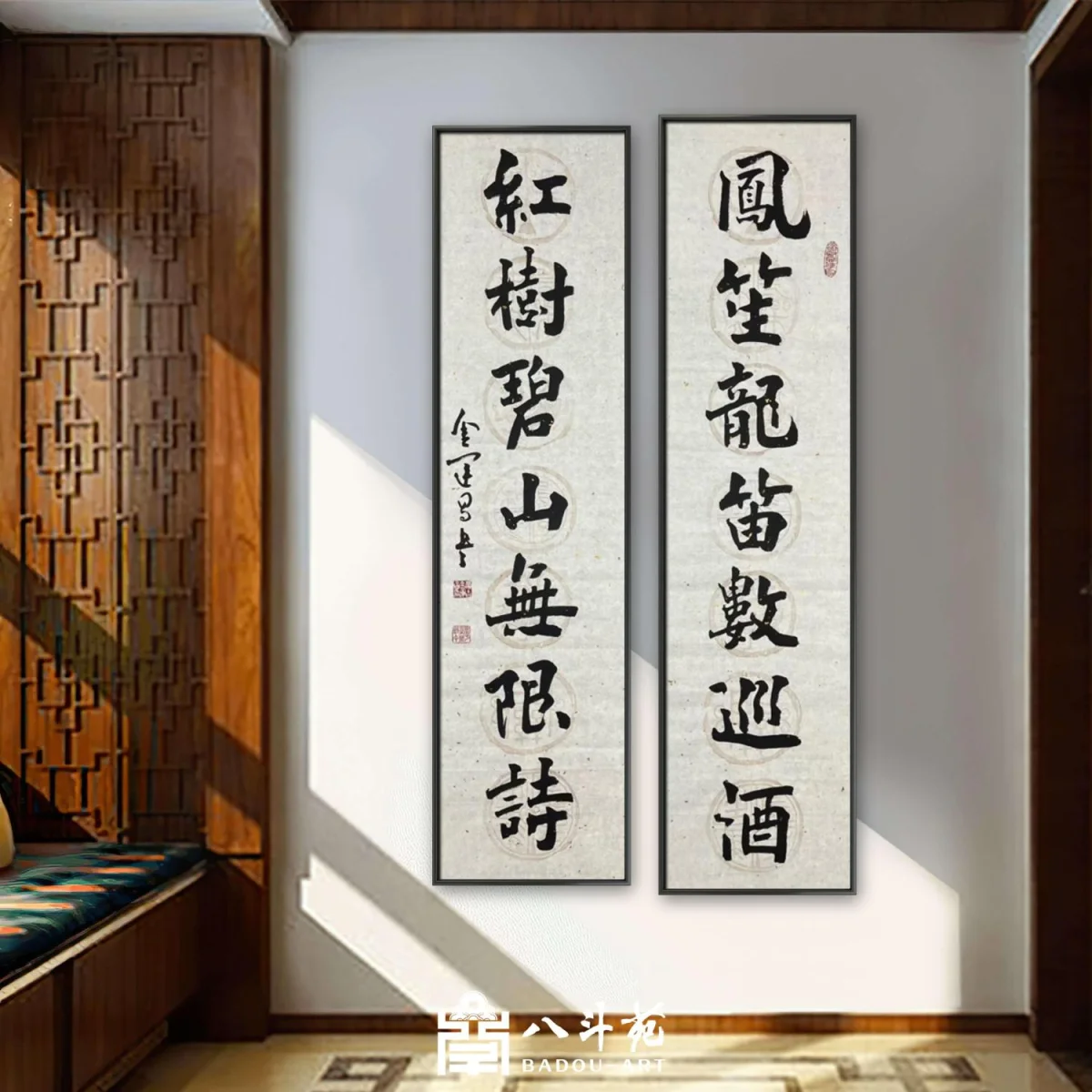
Jin Yunchang Calligraphy | 鳳笙龍笛數巡酒
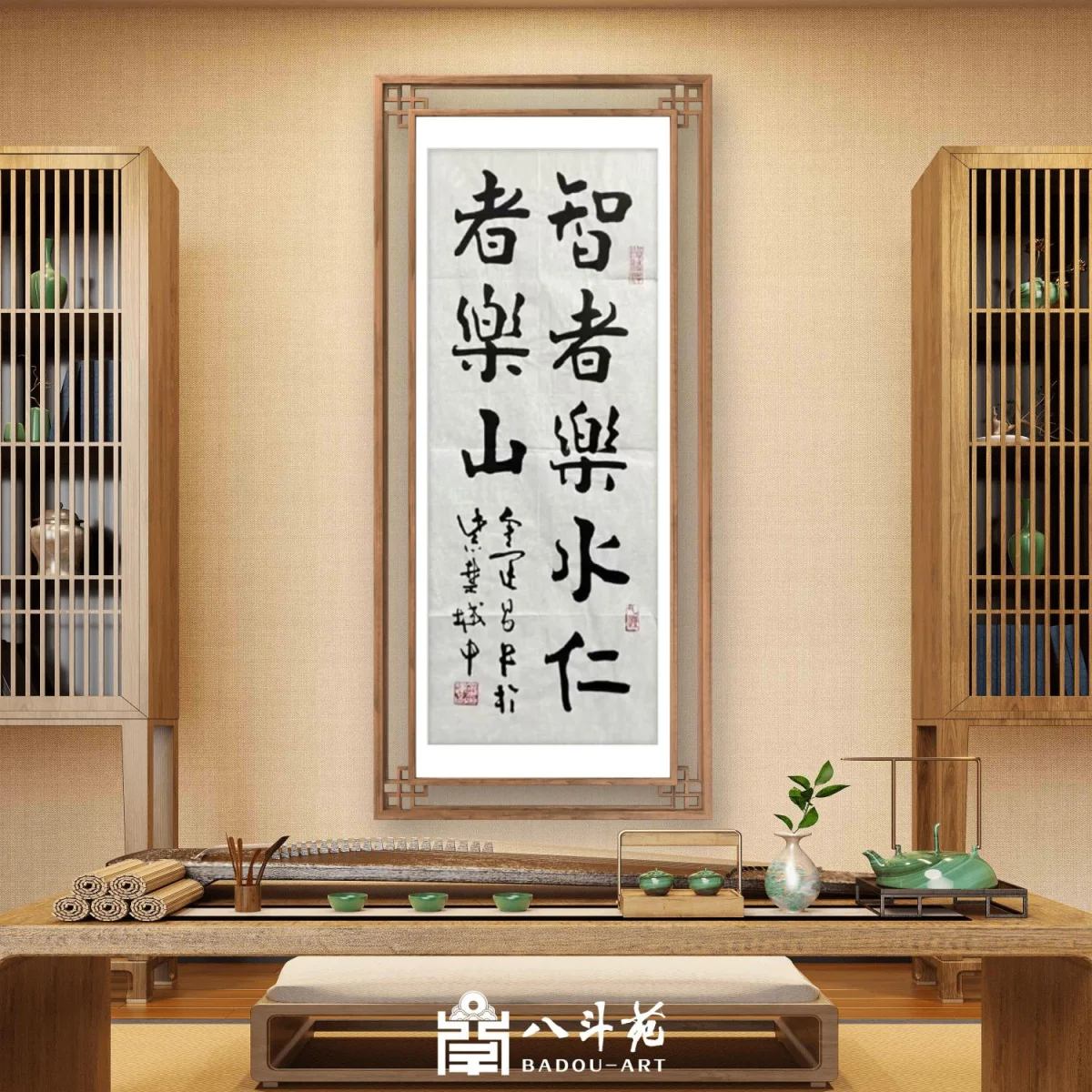
Jin Yunchang Calligraphy | 智者樂水仁者樂山
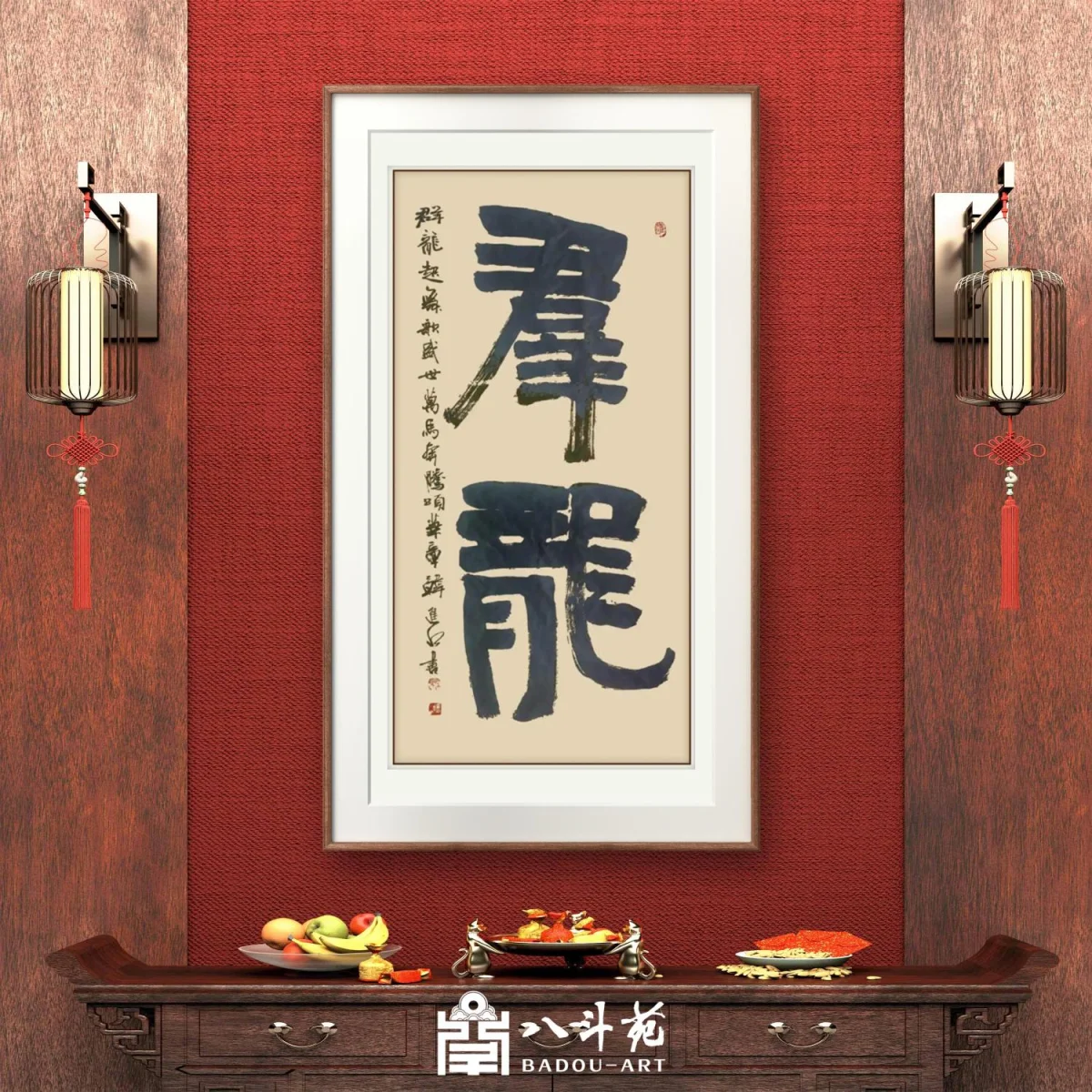
Han Jinshui Calligraphy | 羣龍 (A Group of Dragons)
Su Shishu (苏士澍)
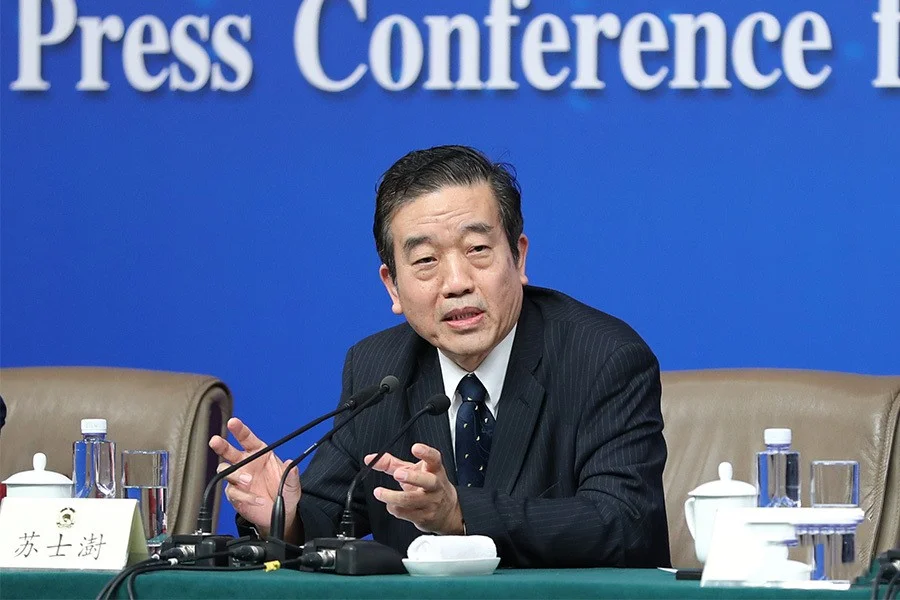
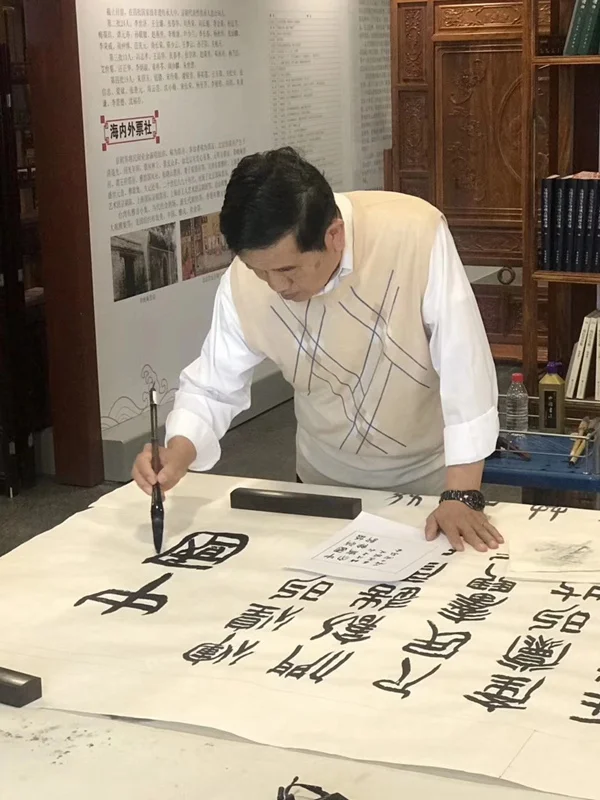
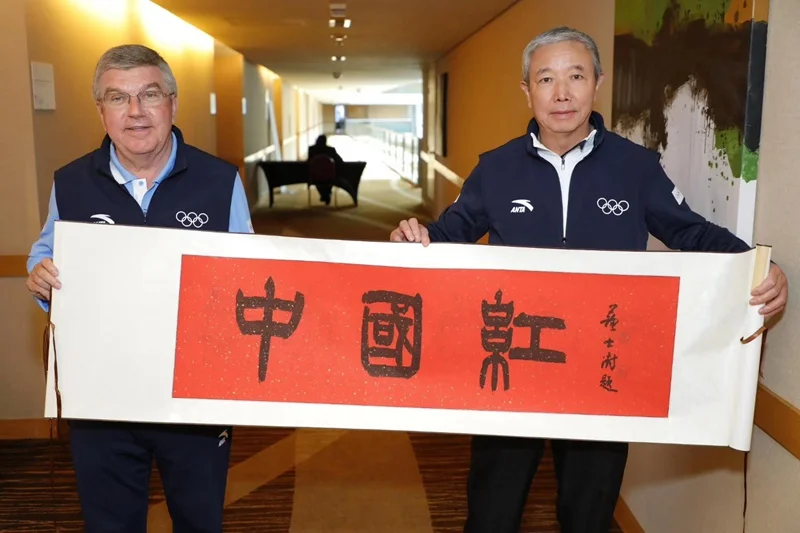
Su Shishu – Chinese Calligrapher
About the Artist
Su Shishu is one of the most influential figures in contemporary Chinese calligraphy and seal carving. As Honorary Chairman of the China Calligraphers Association, he represents the classical, scholarly tradition of Chinese writing arts — elegant, dignified and deeply rooted in ancient seal and clerical scripts. His works are prized by collectors for their refined craftsmanship and timeless literati character.
Artist Introduction
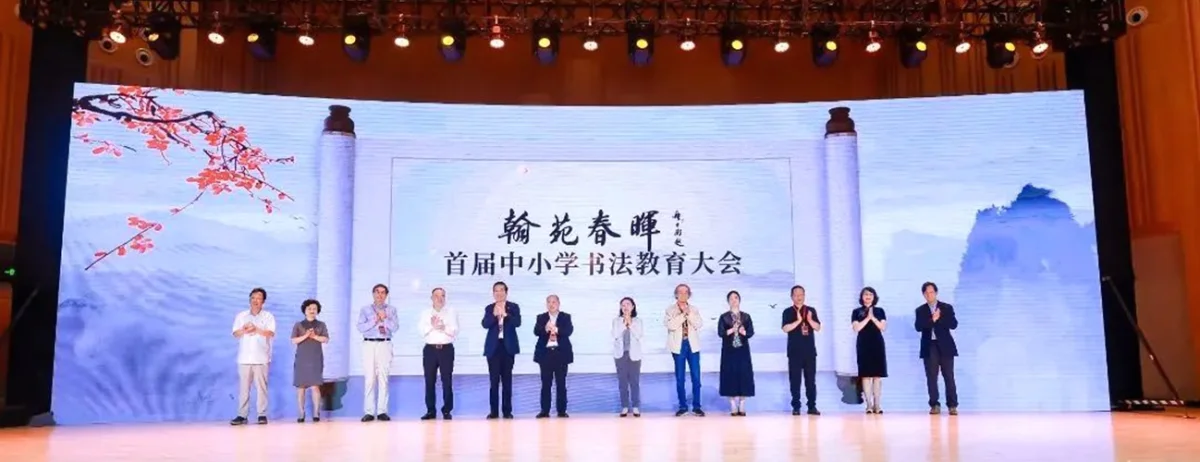
Su Shishu (苏士澍), of Manchu ethnicity, was born in Beijing in March 1949. He served as Chairman of the China Calligraphers Association and is now its Honorary Chairman; he was also a member of the Standing Committee of the National Committee of the Chinese People’s Political Consultative Conference and Honorary President of the Cultural Relics Press. Su received systematic calligraphy training at the Beijing Youth Palace in his childhood, studied under the master Liu Boqin, and later became a student of the renowned scholar-calligrapher Qi Gong. Over decades of devoted practice he has achieved exceptional mastery of seal carving and of seal and clerical scripts written with the chicken-feather brush, while also practising running and cursive scripts. His calligraphy is refined and elegant, imbued with a strong archaic flavour, and has been exhibited nationwide as well as in Japan, Taiwan and Hong Kong. As a former president of the Cultural Relics Press, he published nearly a hundred high-quality editions of ancient books and model rubbings and was awarded the first National Government Publishing Prize. He is the author of scholarly works including “The Art of Chinese Calligraphy” (Qin and Han Volume), and is widely respected for his research in connoisseurship, epigraphy and classical studies.
Works Appreciation
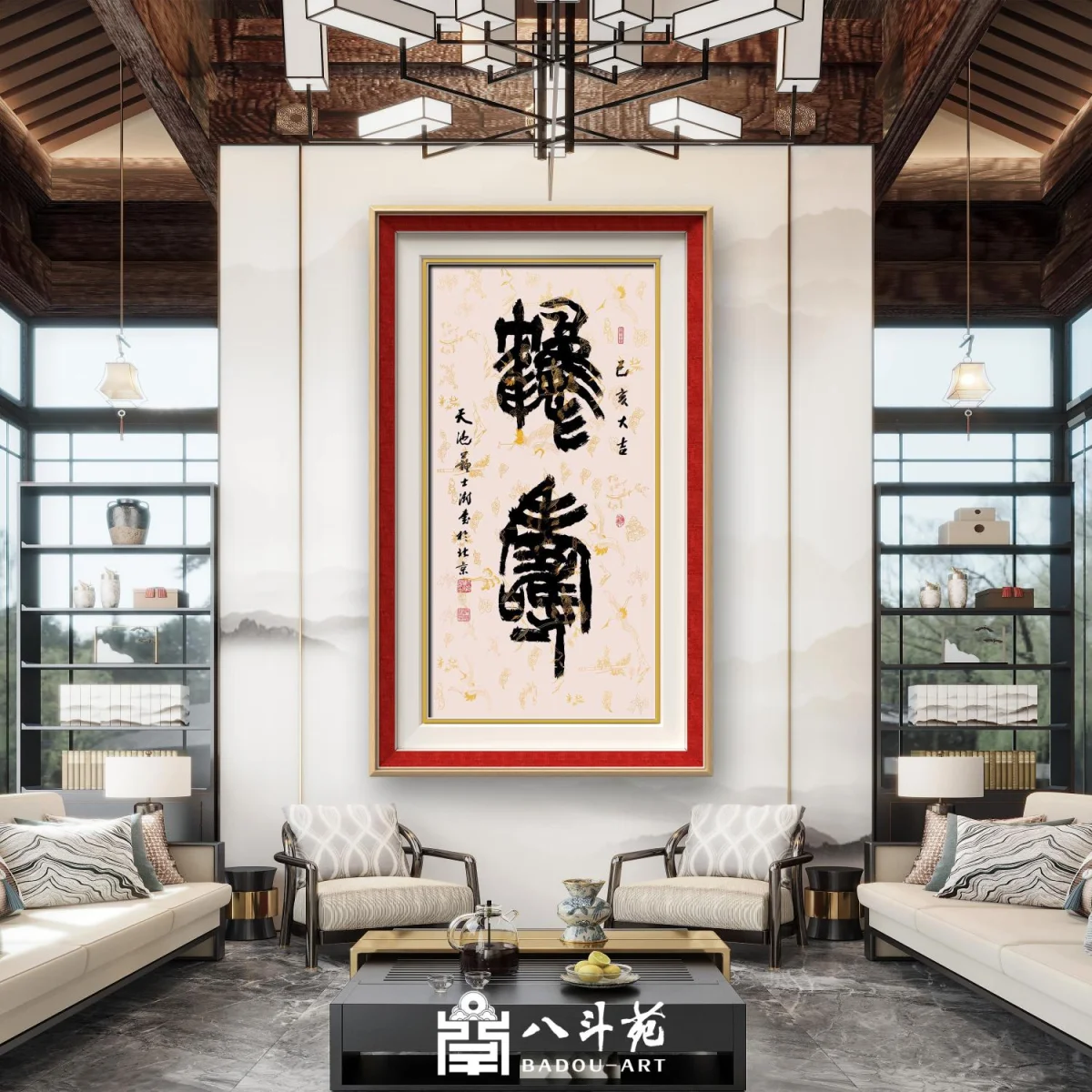
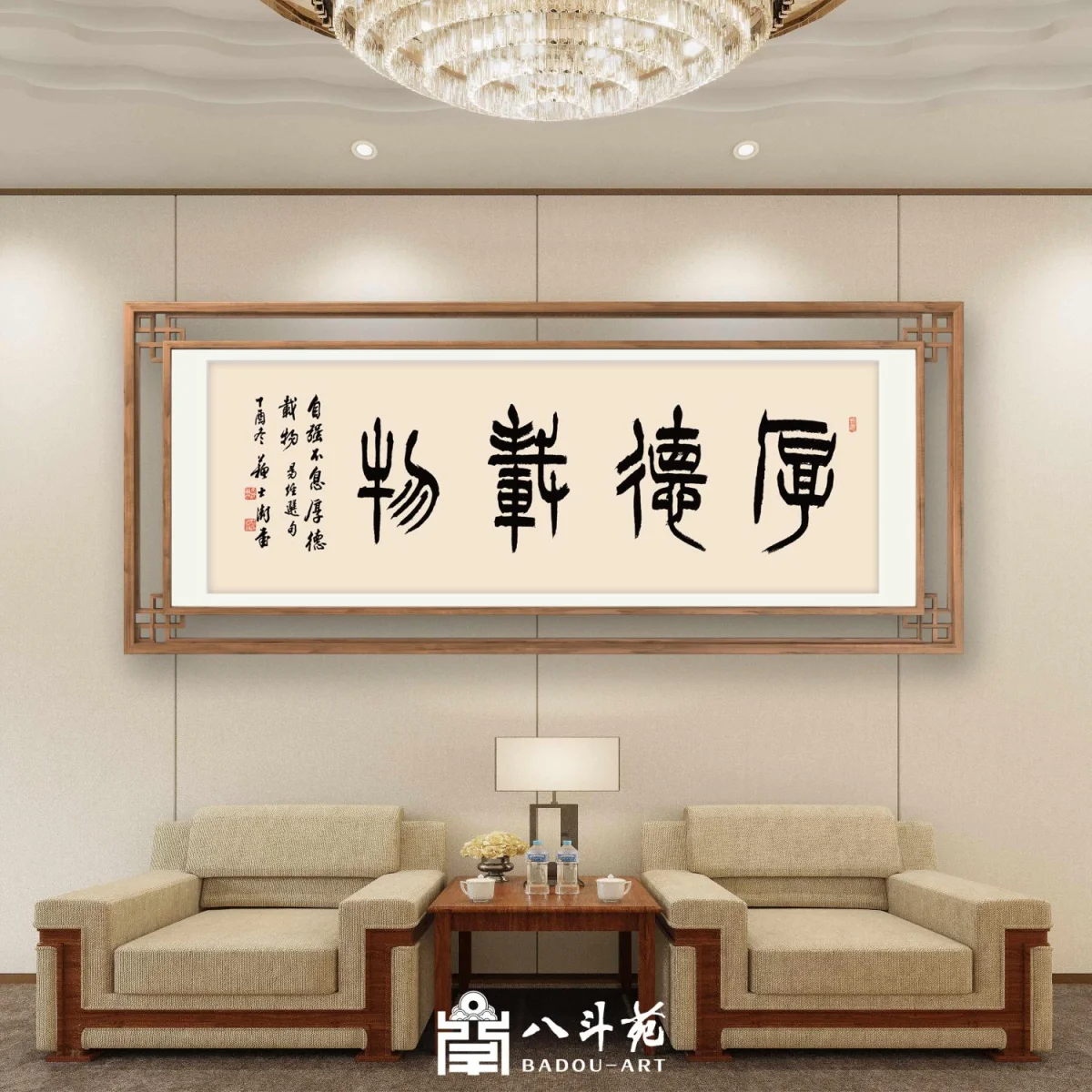
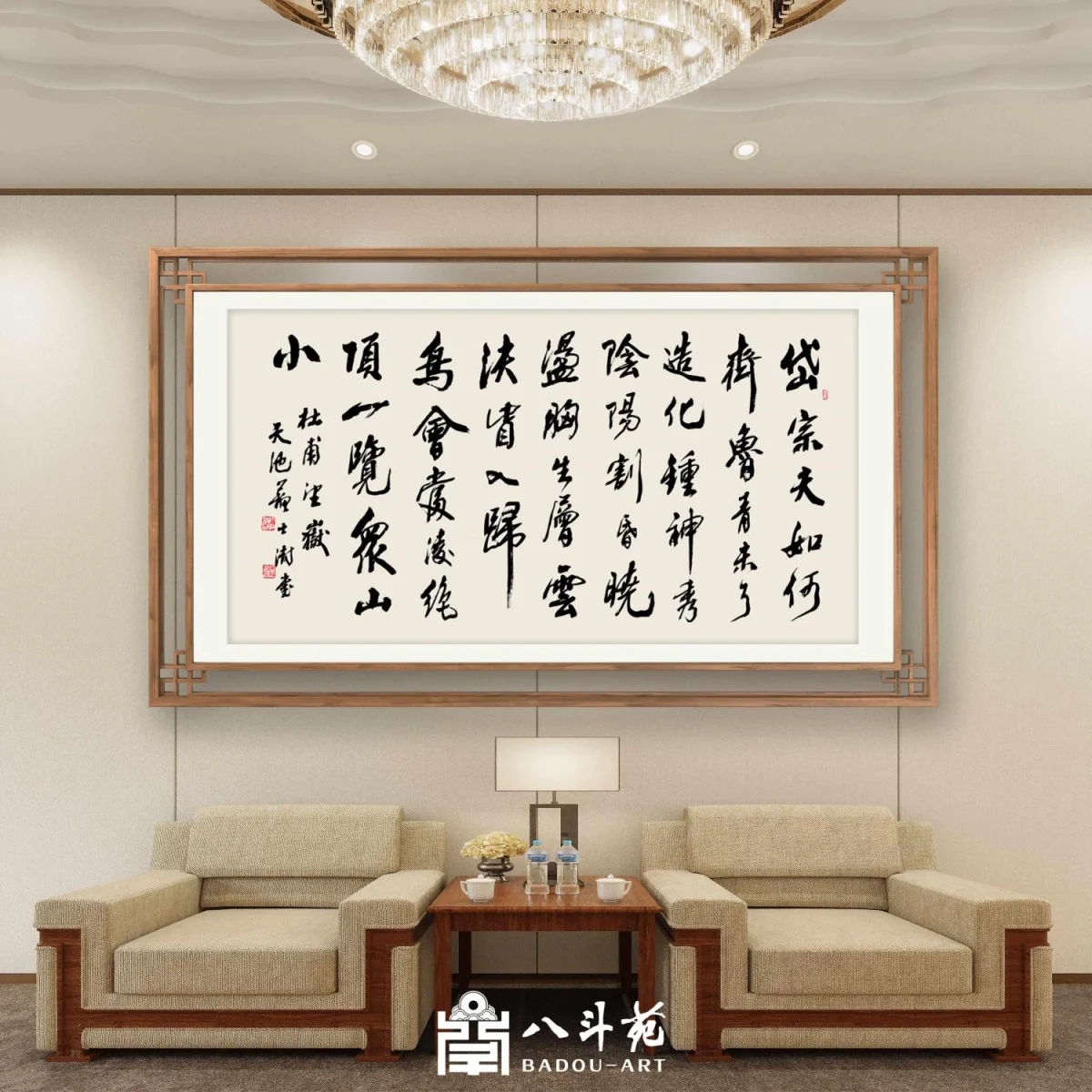
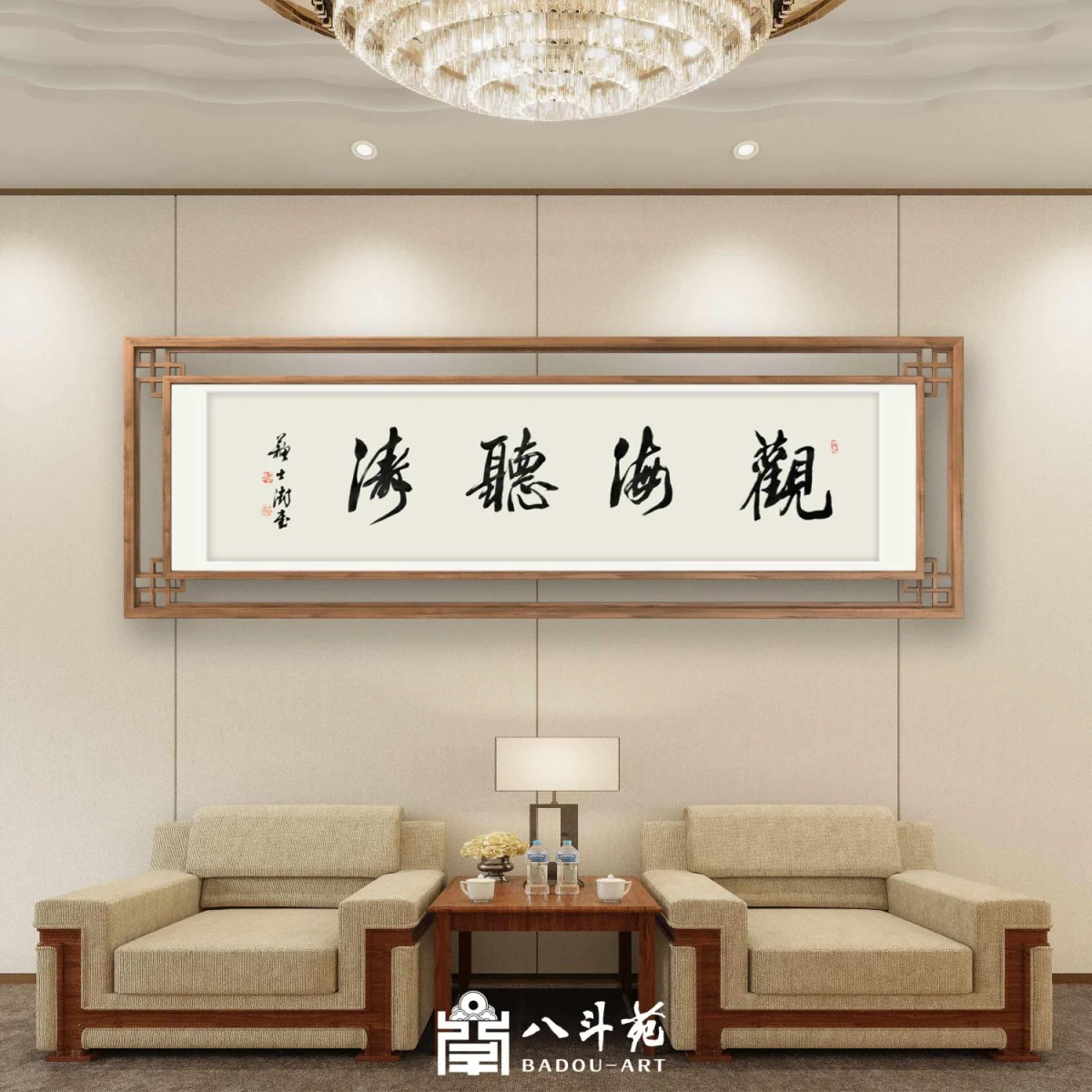
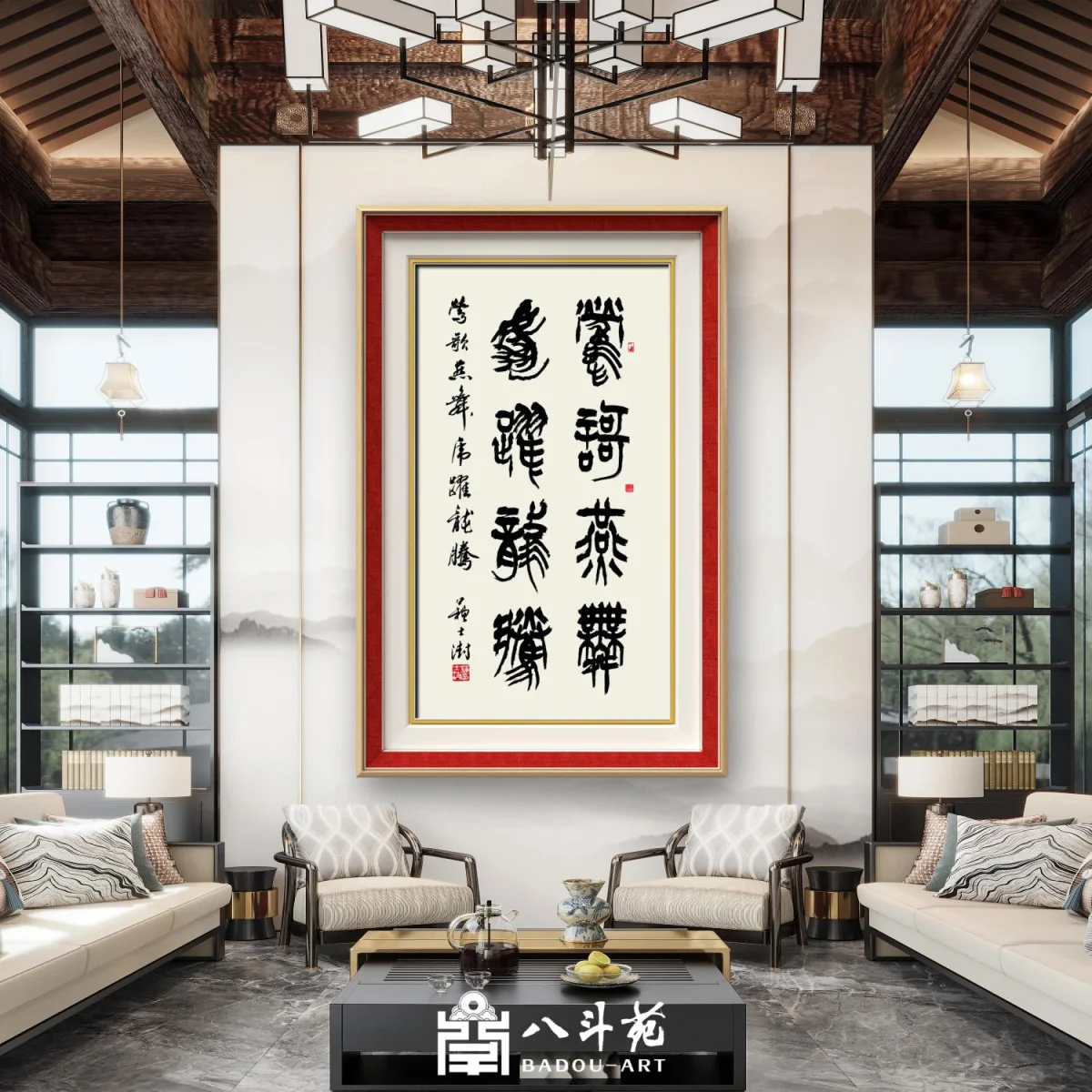
Application Scenarios
Su Shishu’s calligraphy suits prestigious display in executive offices, boardrooms, galleries and traditional-style interiors. As works by a former chairman of China’s national calligraphy body, they also carry notable provenance for long-term collection, gift-giving and cultural exchange.