Our Featured Collection
Hand‑picked premium works for you
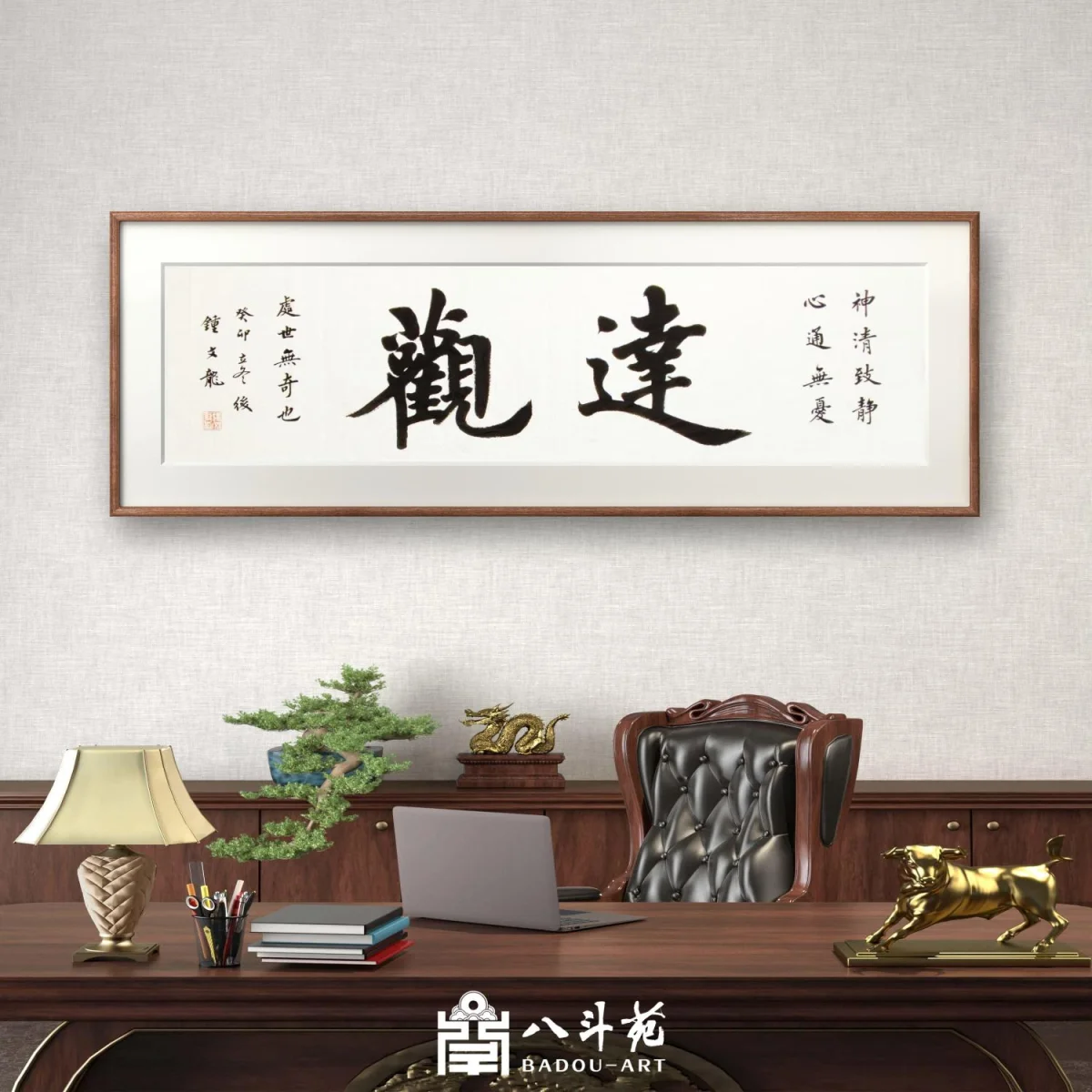
Zhong Wenlong Calligraphy | 达观
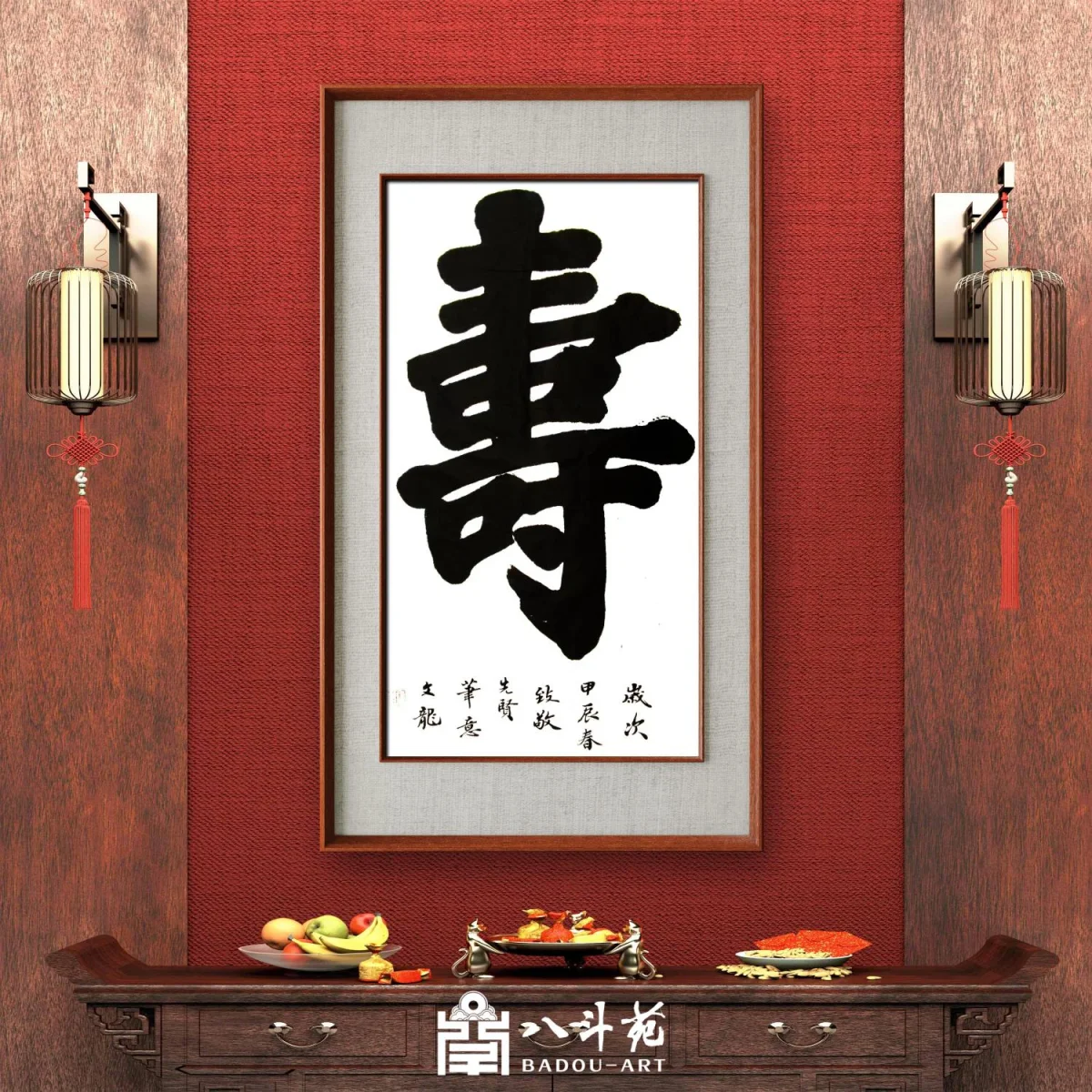
Zhong Wenlong Calligraphy | 壽
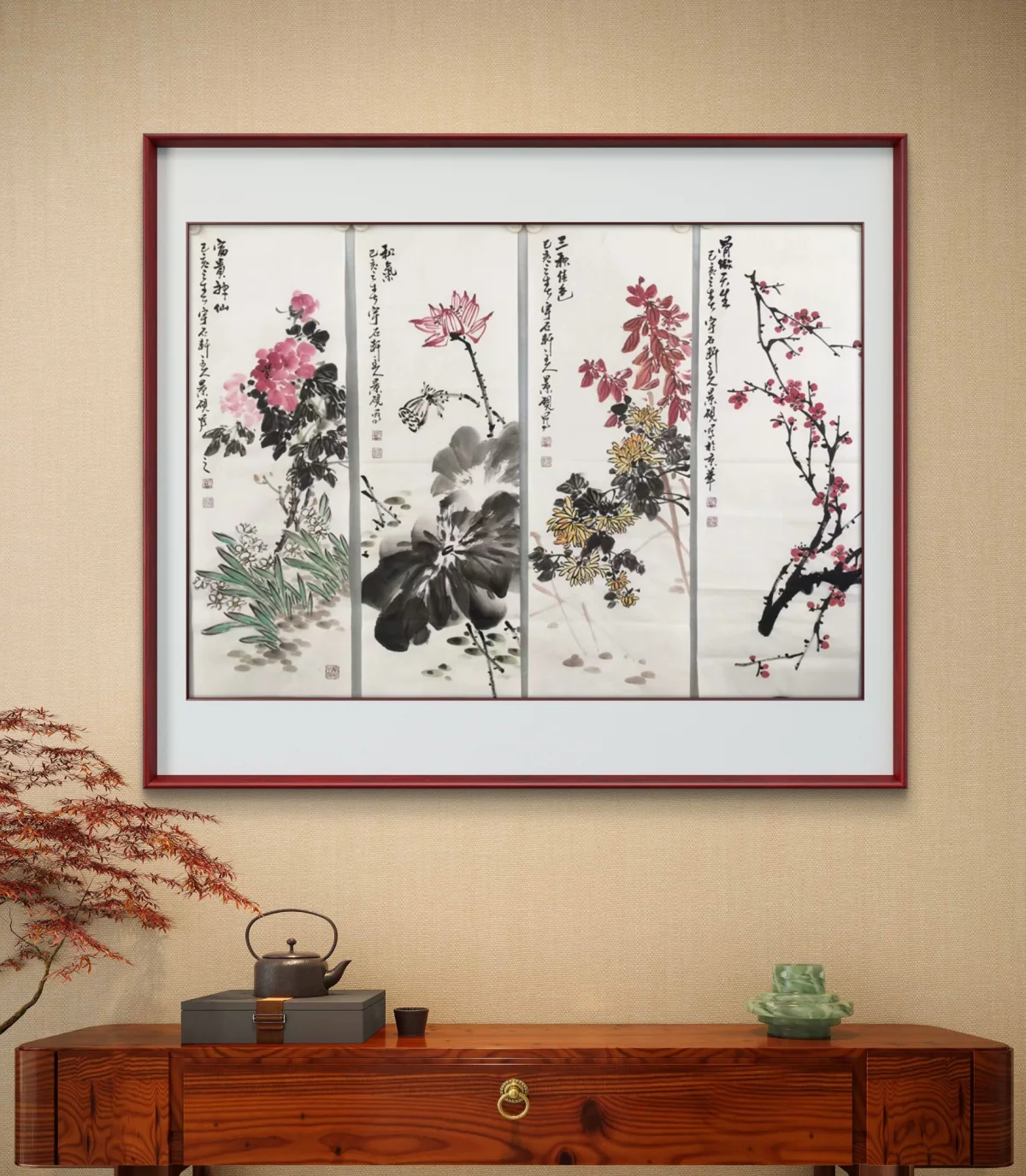
Wu Jingyan Chinese Freehand Painting・Four‑Panel Flower‑and‑Bird Screens(花鸟四条屏)
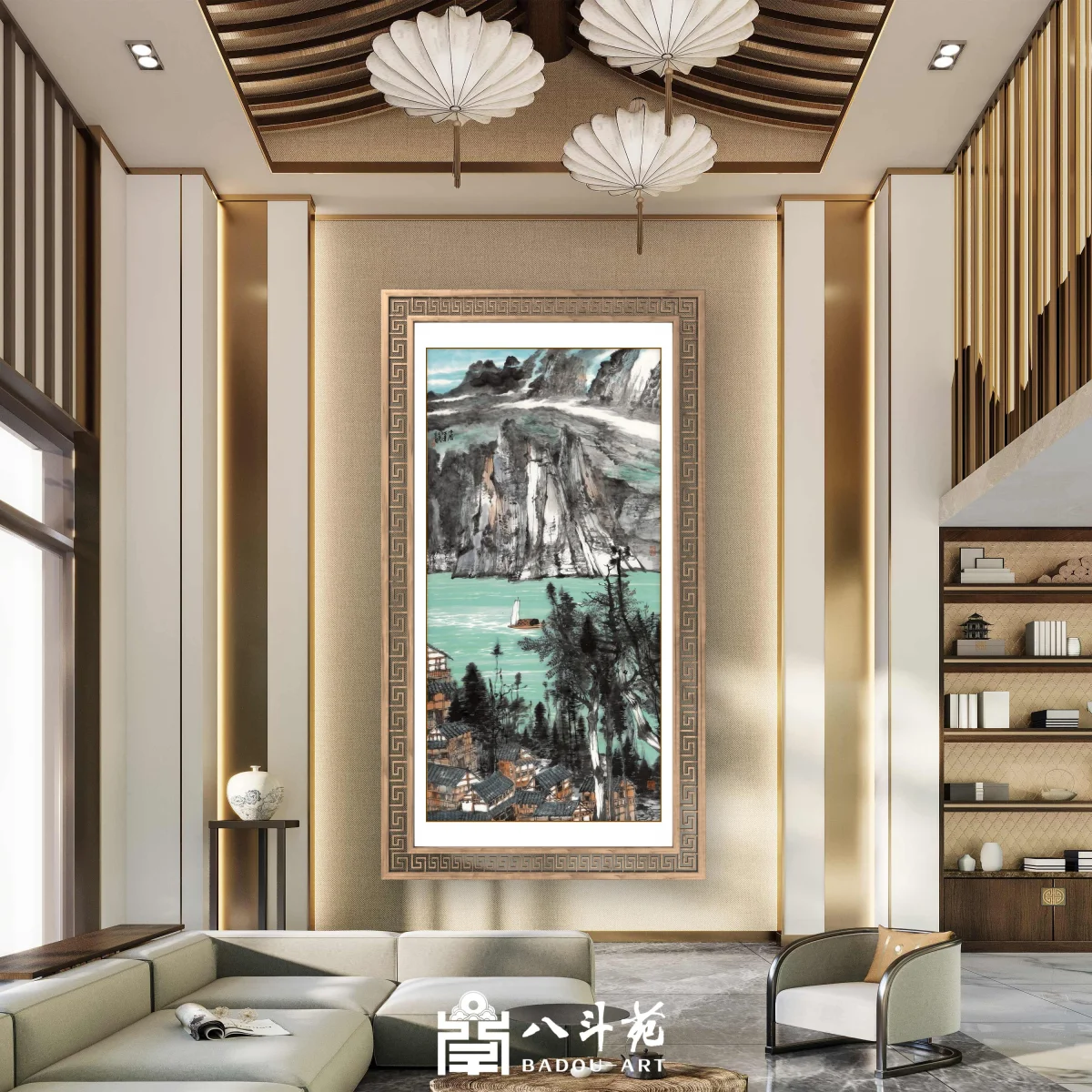
Liu Liyong Landscape Painting | Riverside Mountain Hamlet (山居江远)
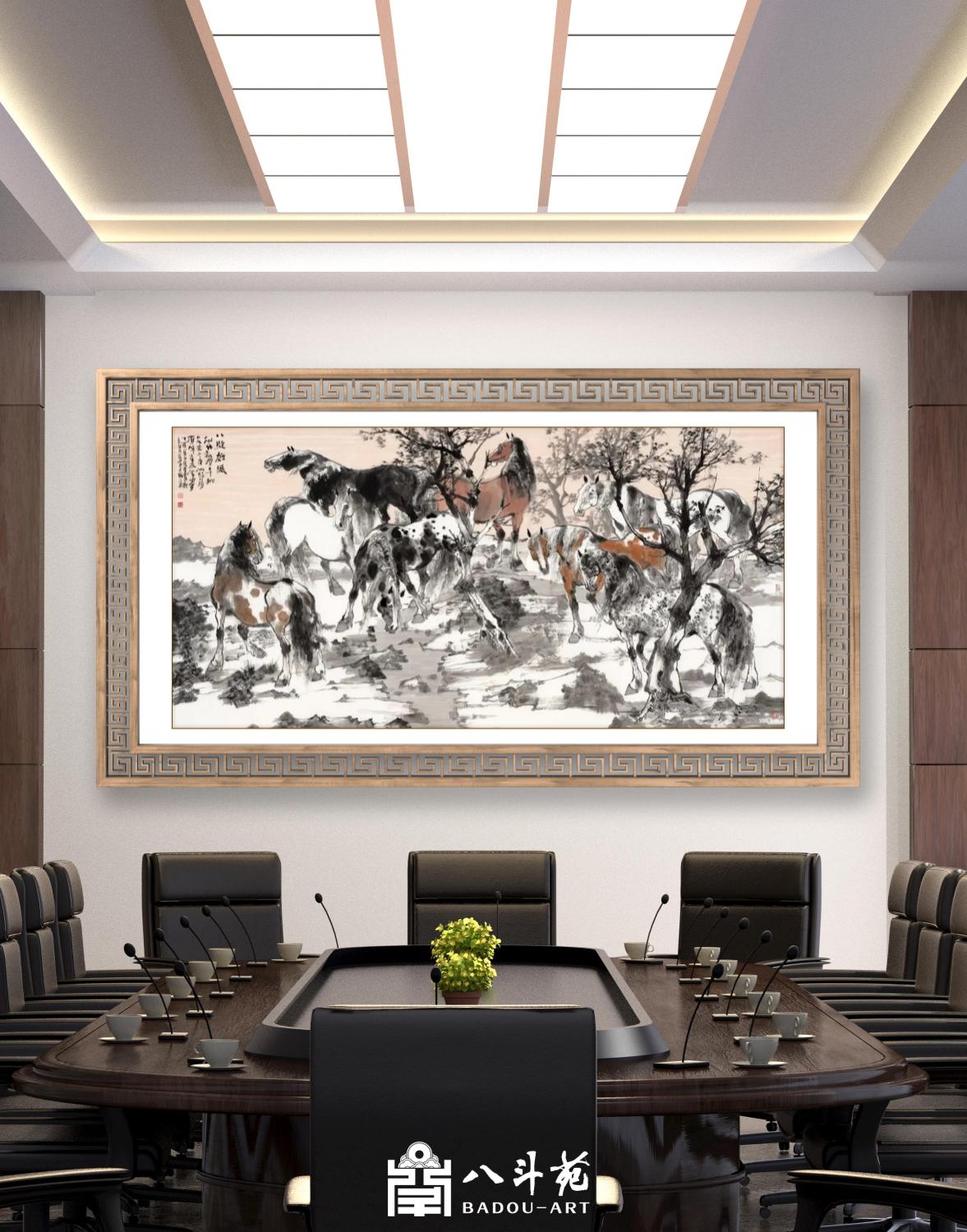
Liu Liyong Animal Painting | Eight Steeds (八骏图)
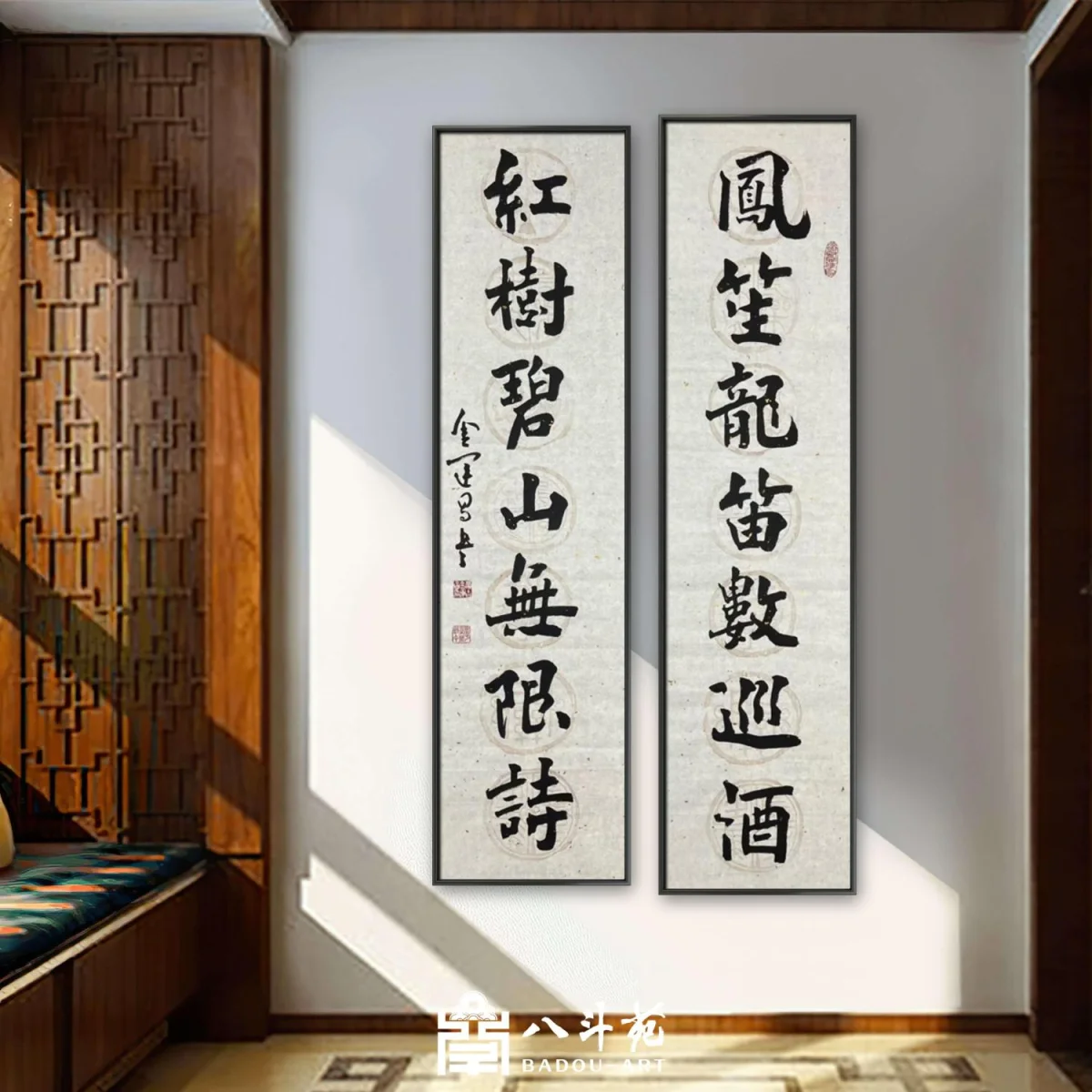
Jin Yunchang Calligraphy | 鳳笙龍笛數巡酒
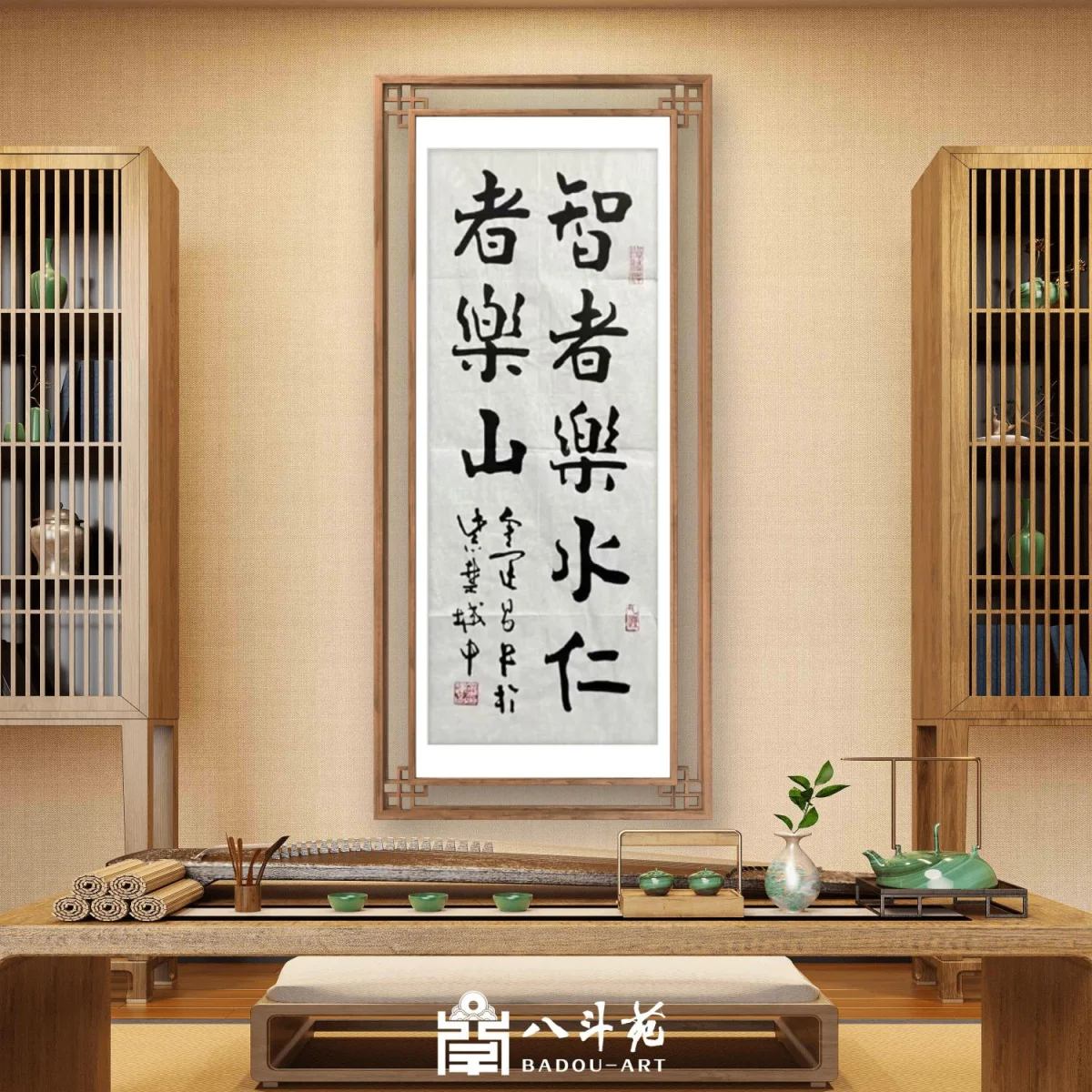
Jin Yunchang Calligraphy | 智者樂水仁者樂山
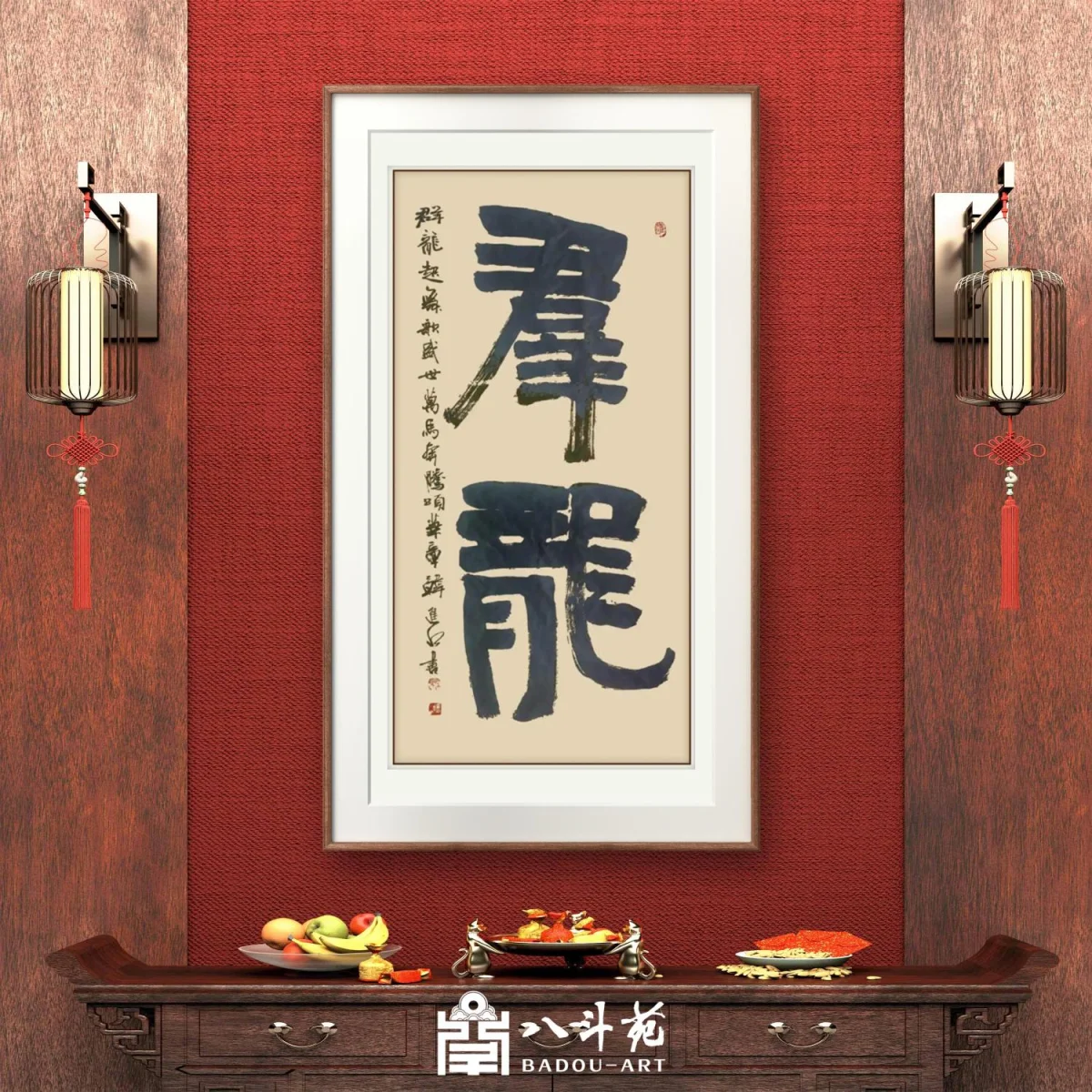
Han Jinshui Calligraphy | 羣龍 (A Group of Dragons)
Zheng Xiaohua (郑晓华)
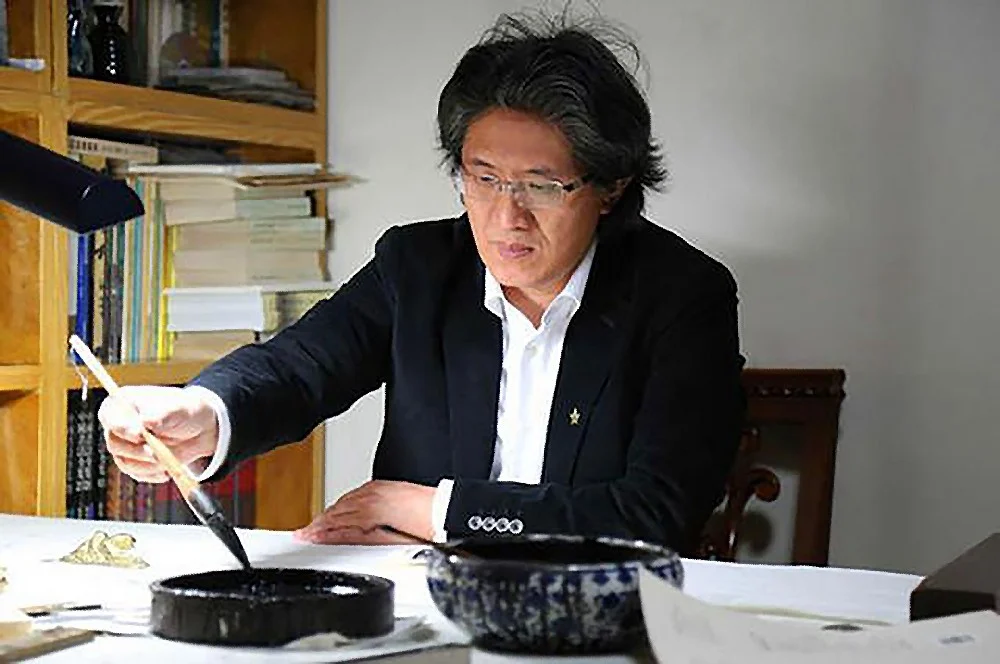
Zheng Xiaohua – Chinese Calligrapher
About the Artist
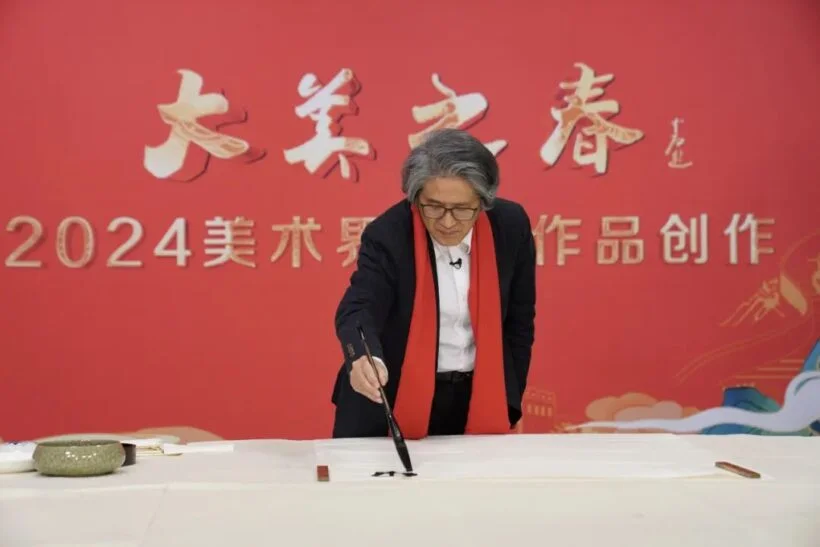
Zheng Xiaohua is a rare combination of distinguished calligrapher and leading scholar: a professor and doctoral supervisor, former Secretary-General of the China Calligraphers Association and current Chairman of the China Workers’ Calligraphers Association. His art unites deep academic rigour with refined classical brushwork.
Artist Introduction
Zheng Xiaohua (郑晓华) was born in Jinyun, Zhejiang Province, in January 1963. He is currently Chairman of the China Workers’ Calligraphers Association. Previously he served as Vice-Dean and Party Secretary of the School of Arts at Renmin University of China, where he was Professor and Doctoral Supervisor, and as Deputy Secretary-General of the Party Group and Secretary-General of the China Calligraphers Association. He is a recipient of the Special Government Allowance of the State Council, and has been honoured as one of the “Second National Outstanding Young Literary and Art Workers of Both Virtue and Art” and as a “Cultural Master” in the national “Four Batches” talent programme. His scholarly publications include “Graph, Technique and Humanity: Collected Academic Essays of Zheng Xiaohua”, “Masters: Twenty Historical Figures Who Shaped the Development of Chinese Calligraphy”, “An Introduction to Classical Calligraphy Studies” and “Introduction to Art”. His solo exhibition series “Seeing China Through Calligraphy — Zheng Xiaohua’s Inkmaster China” has been shown at the Shanxi Art Museum, Tel Aviv University in Israel and Columbia University in the United States, bringing his calligraphy and scholarship to international audiences. Through decades of practice and research, he has established himself as one of the most authoritative voices in contemporary Chinese calligraphy theory and education.
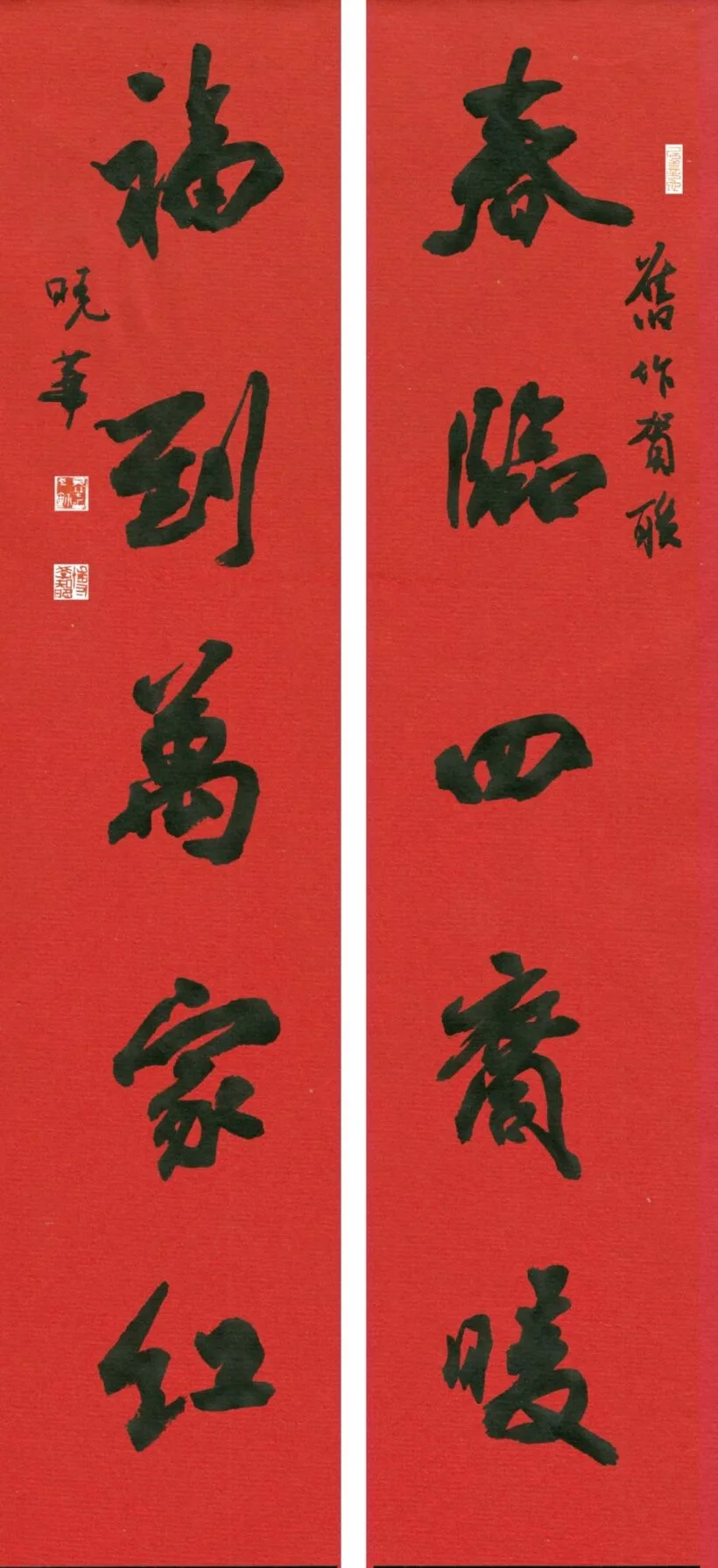
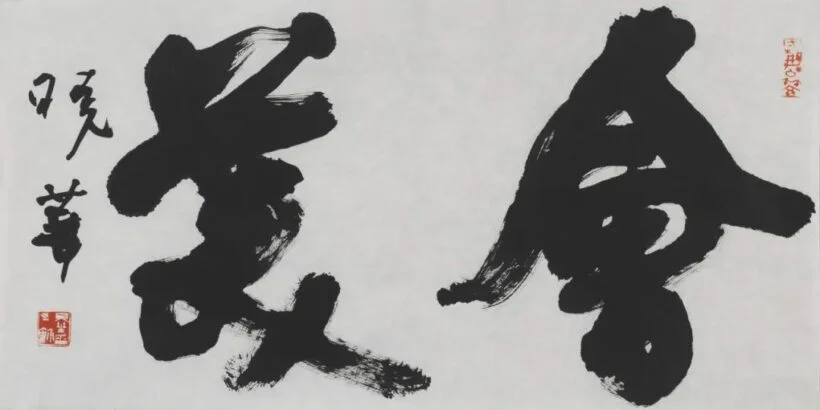
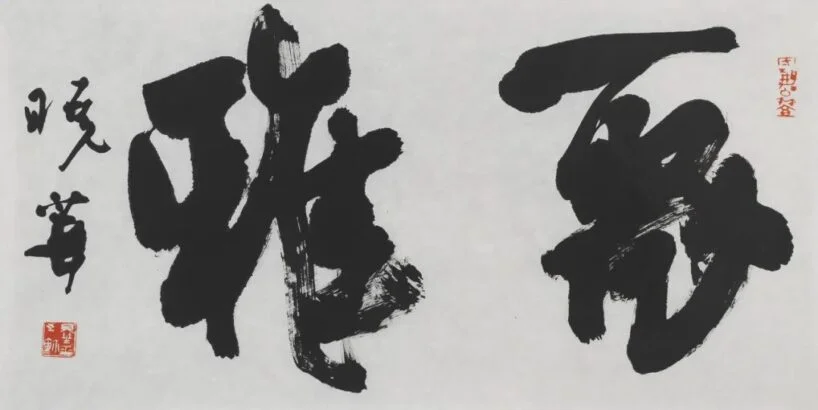
Works Appreciation
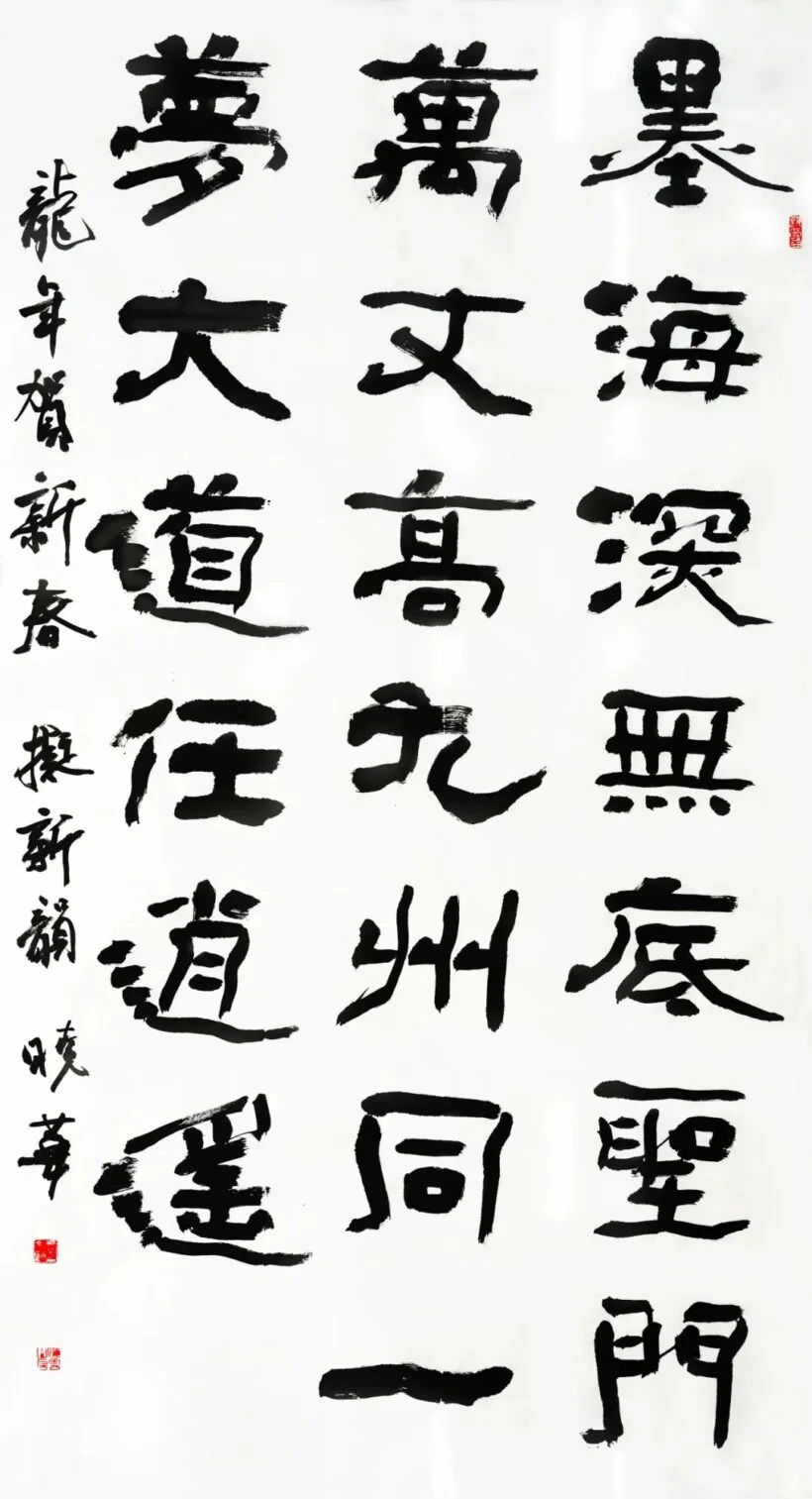
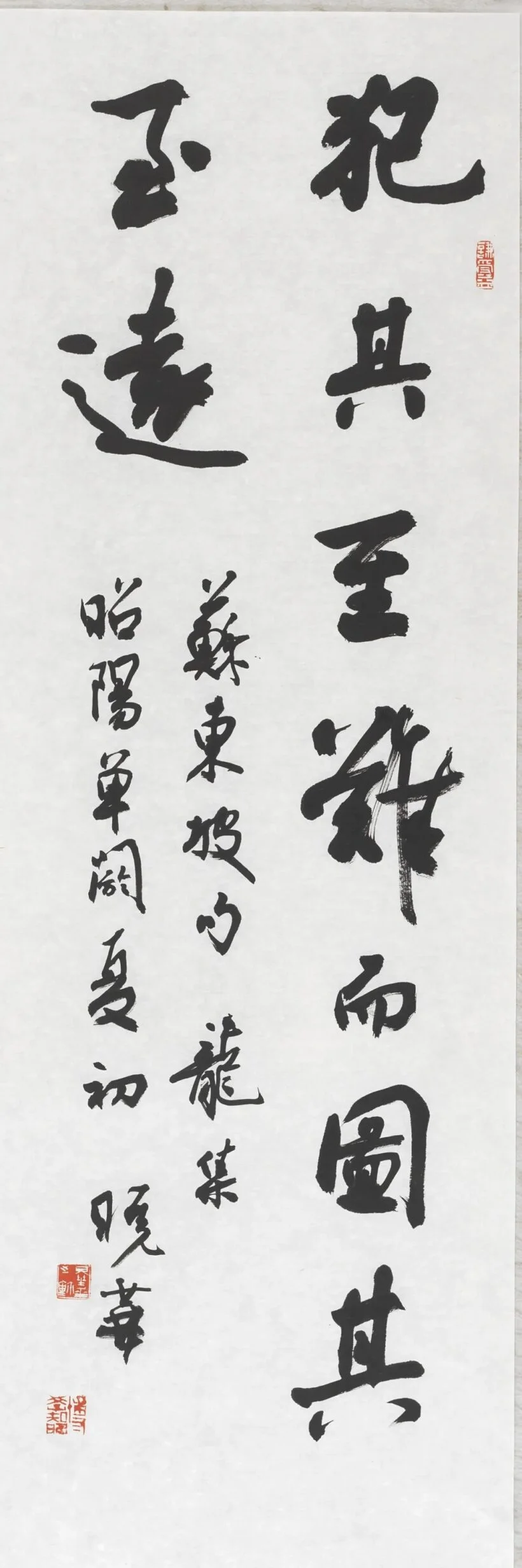
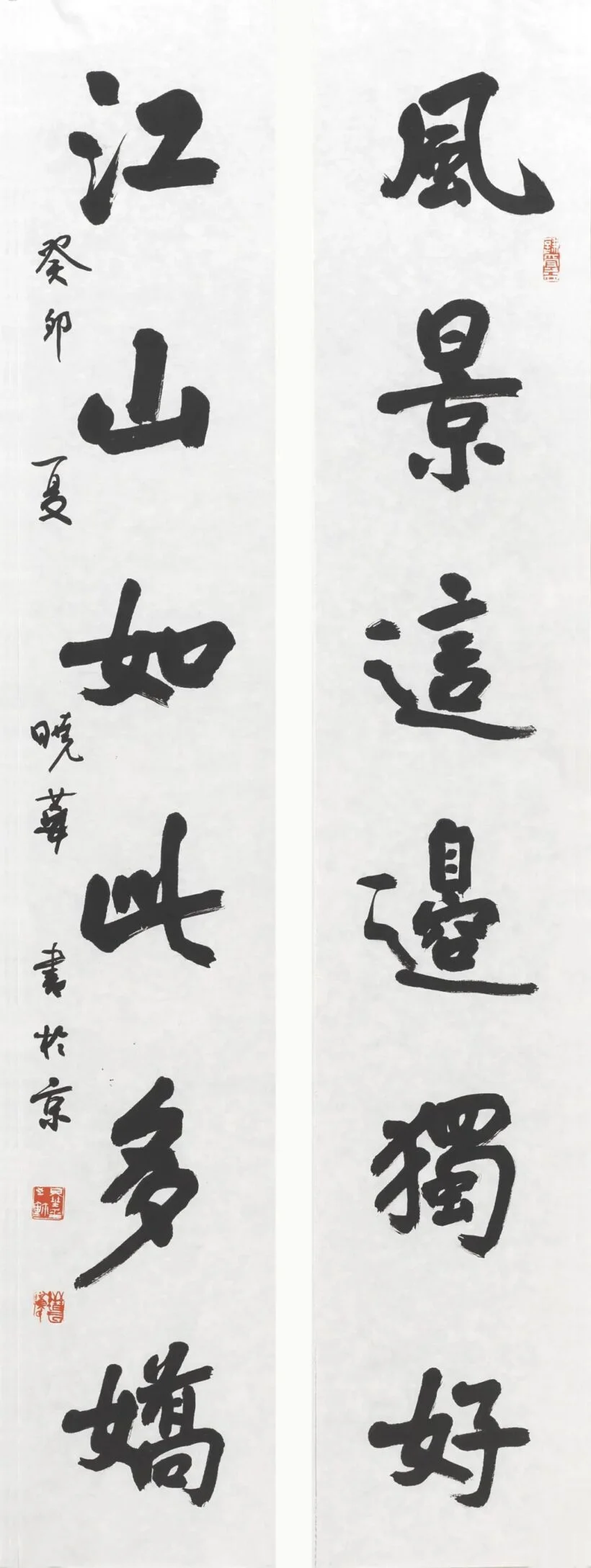
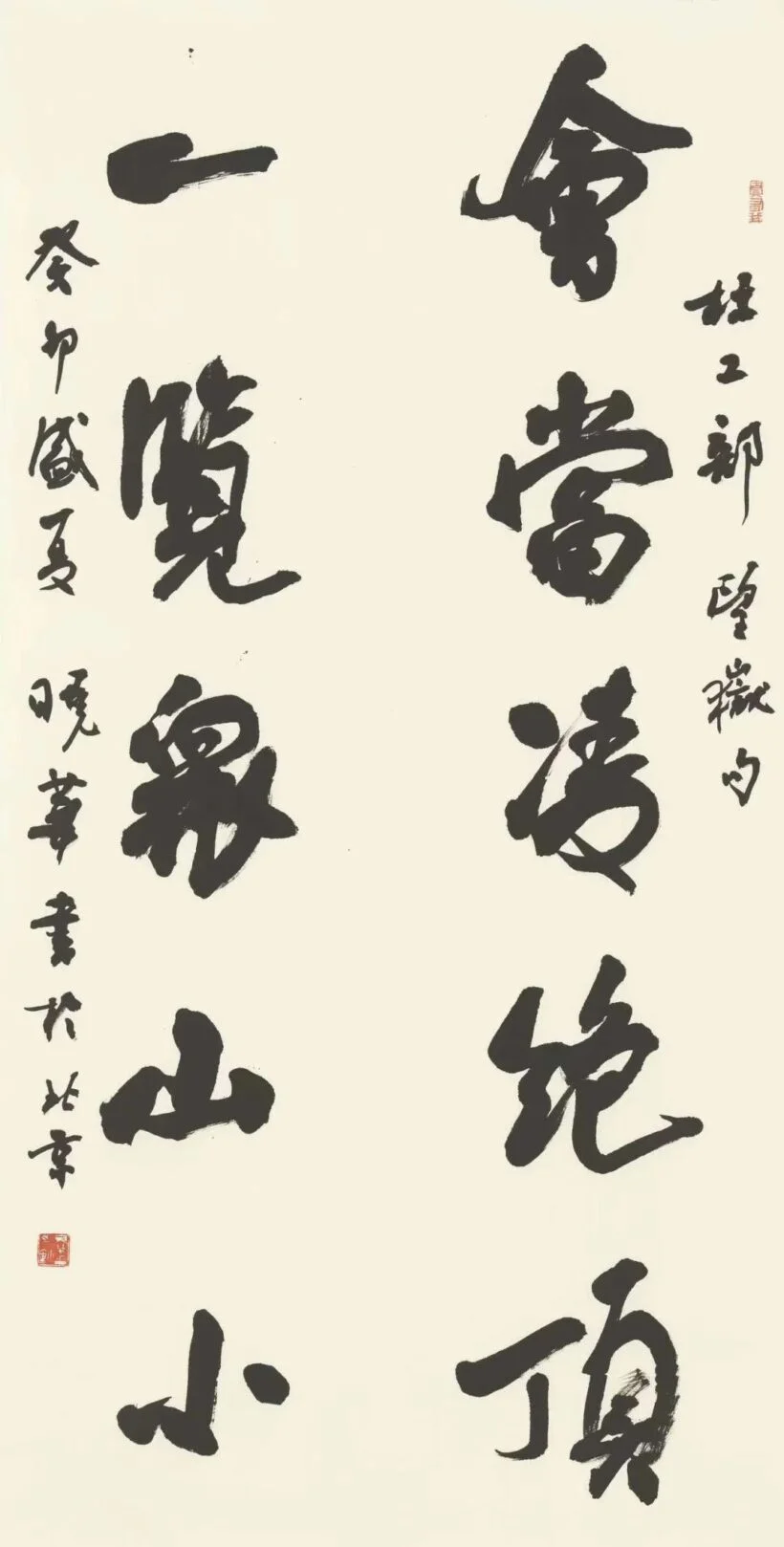
Application Scenarios
Zheng Xiaohua’s calligraphy appeals to collectors who value scholarly pedigree and institutional leadership in Chinese art. His works suit dignified display in studies, libraries and corporate collections, and are an insightful choice for those building a collection around the intellectual history of contemporary calligraphy.