Our Featured Collection
Hand‑picked premium works for you
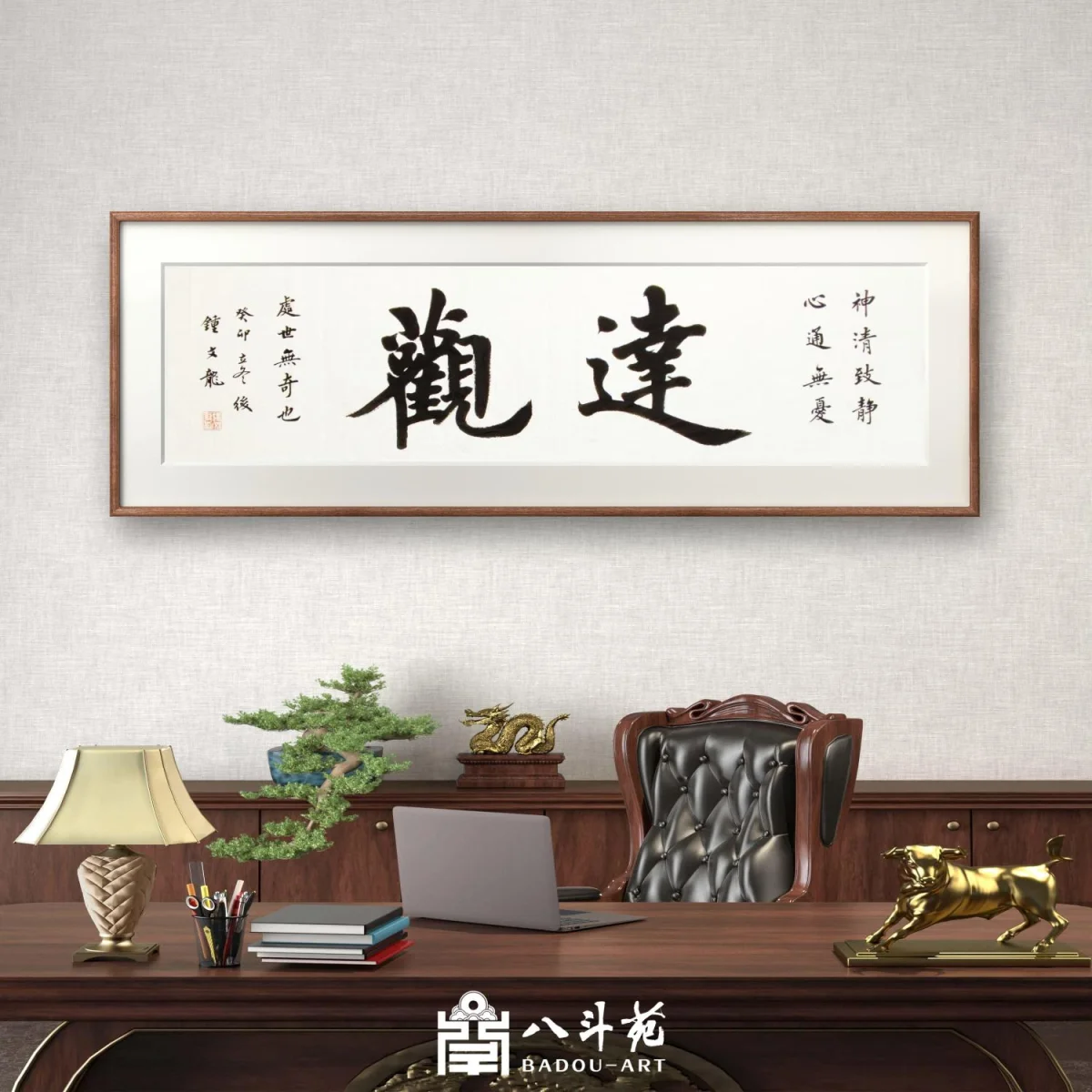
Zhong Wenlong Calligraphy | 达观
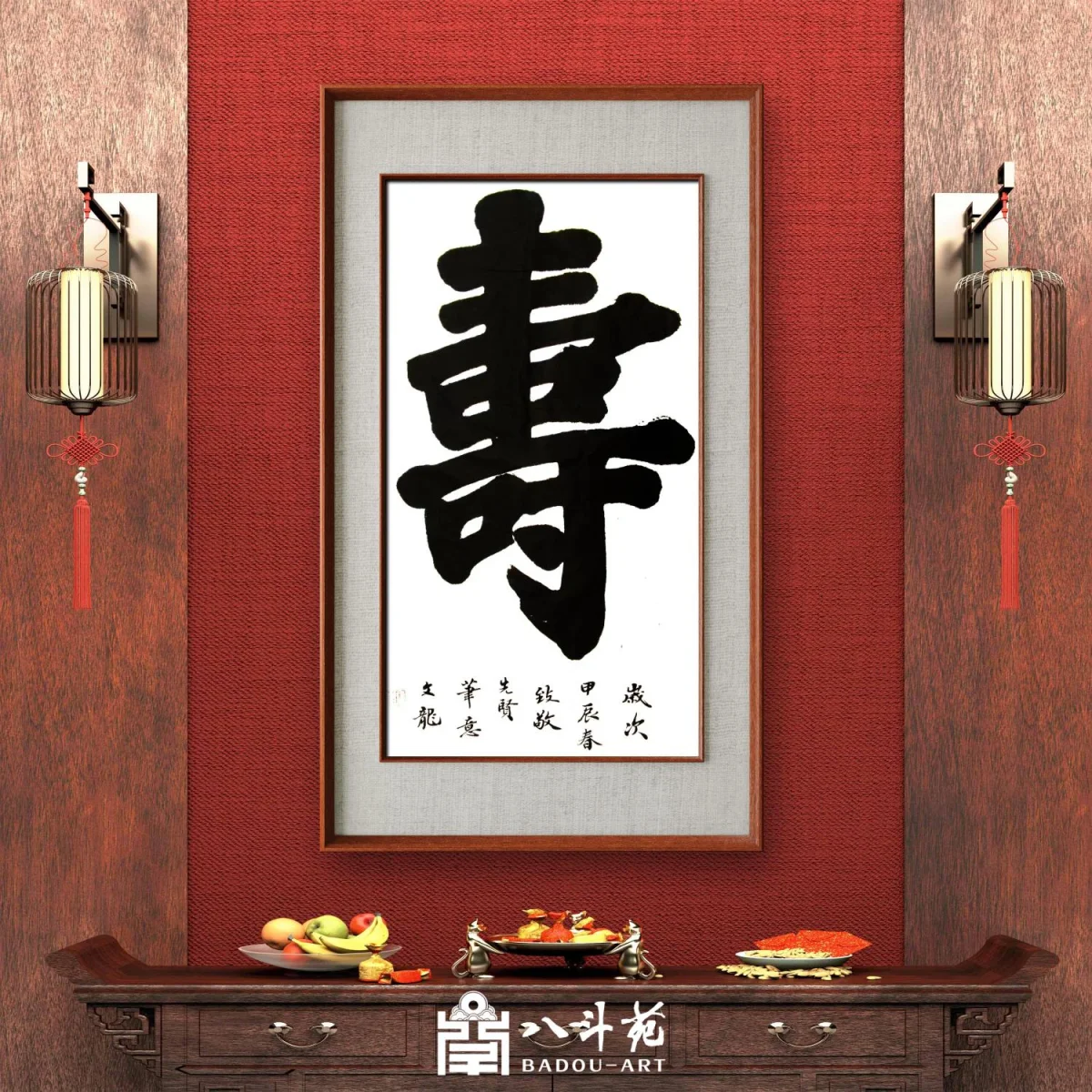
Zhong Wenlong Calligraphy | 壽
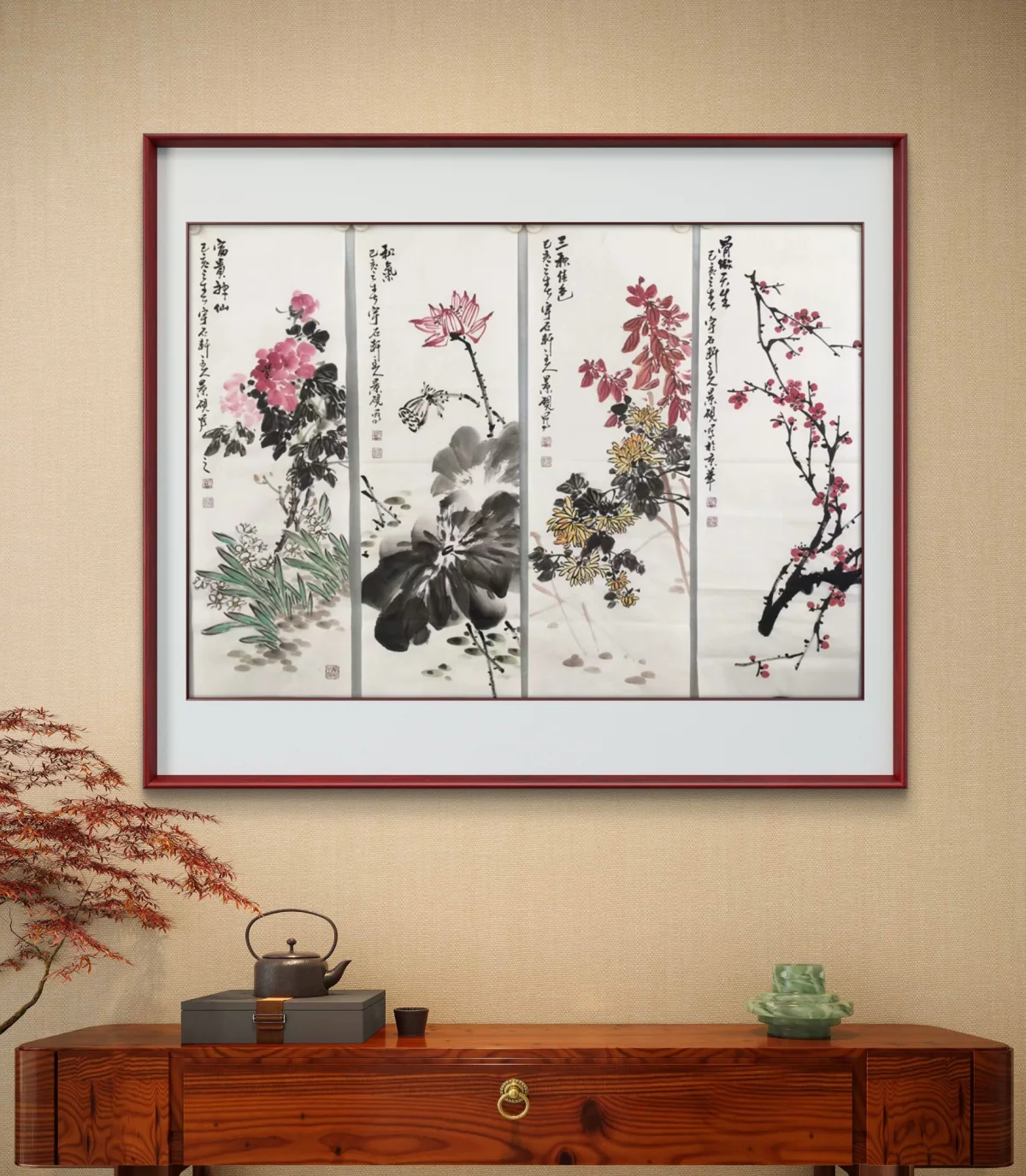
Wu Jingyan Chinese Freehand Painting・Four‑Panel Flower‑and‑Bird Screens(花鸟四条屏)
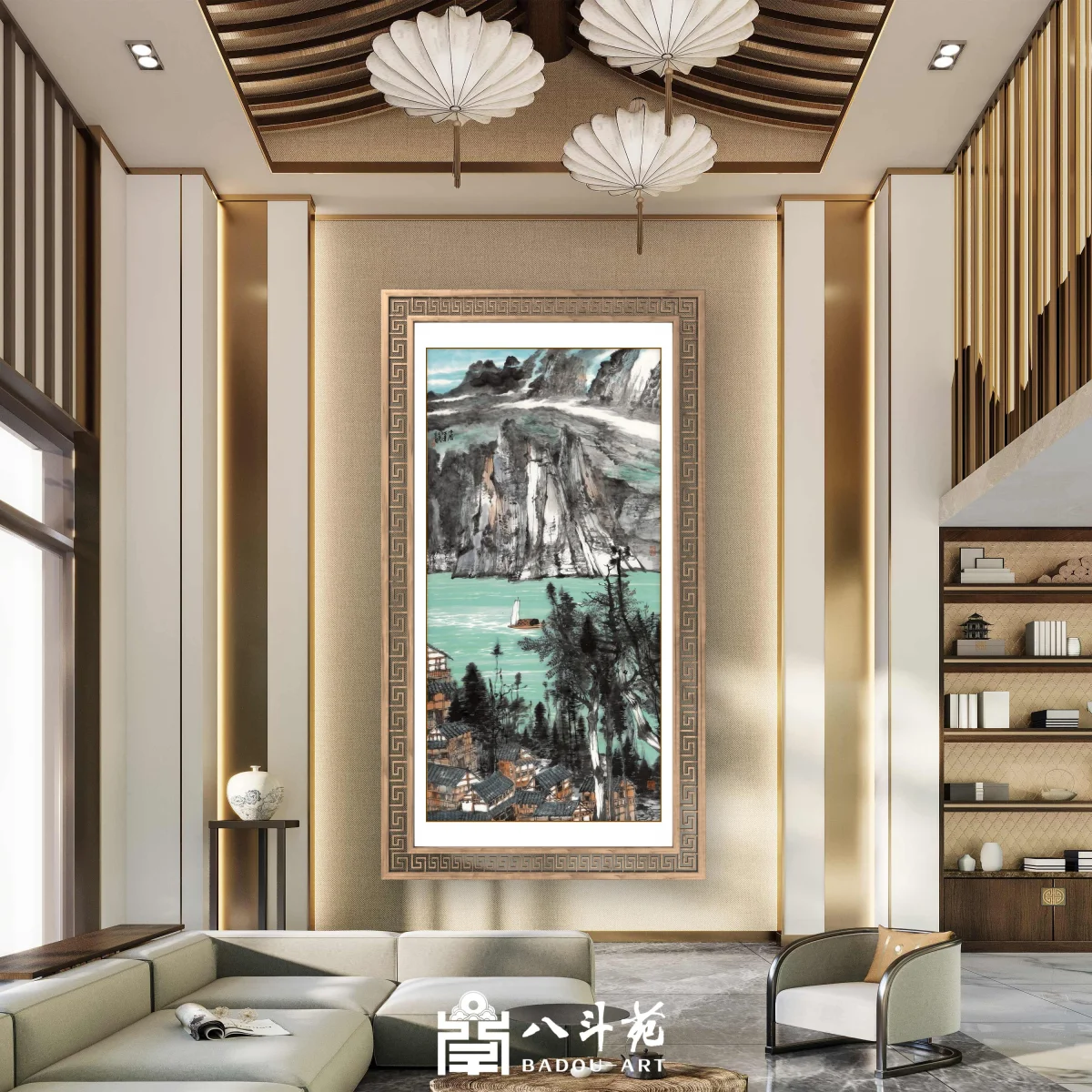
Liu Liyong Landscape Painting | Riverside Mountain Hamlet (山居江远)
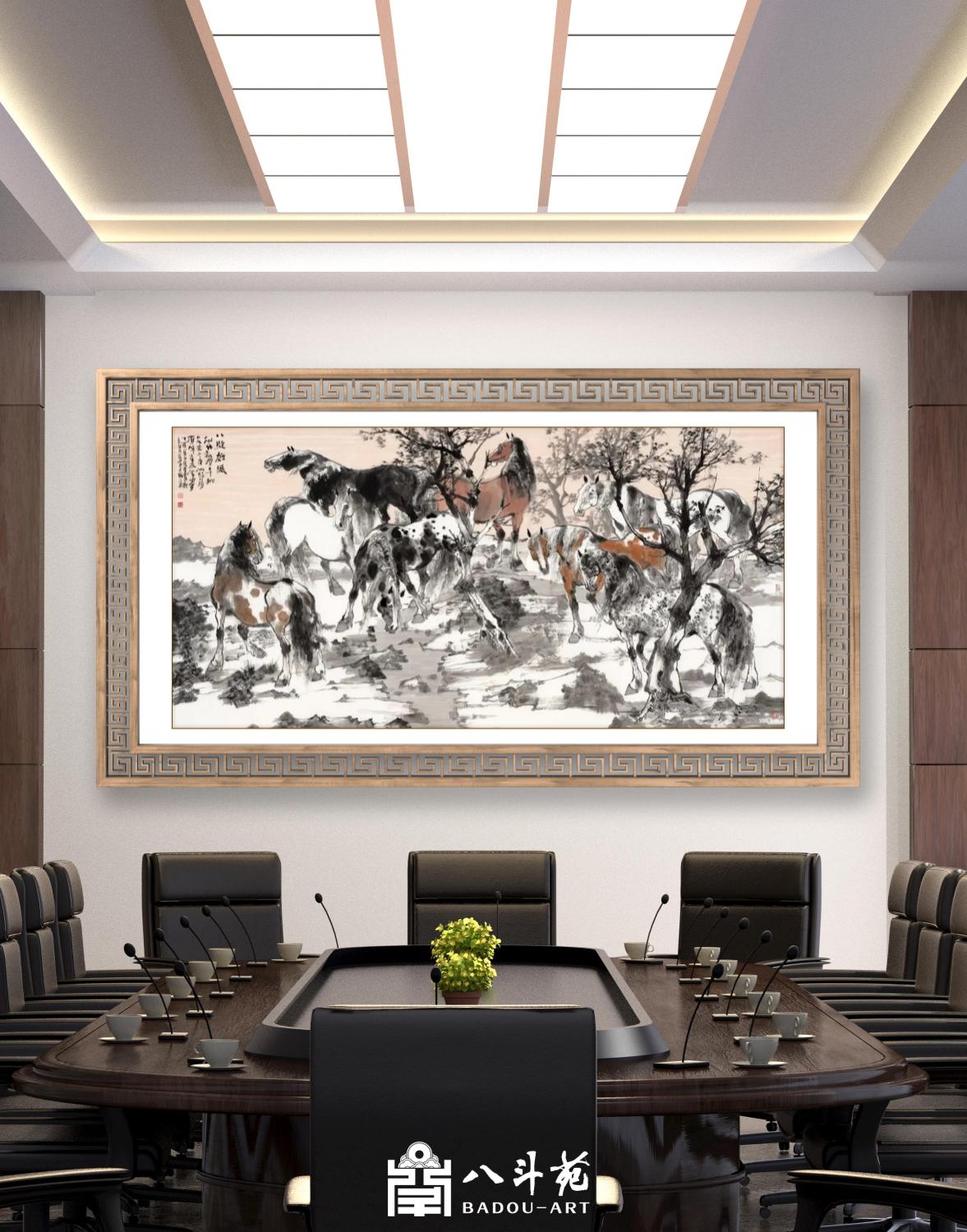
Liu Liyong Animal Painting | Eight Steeds (八骏图)
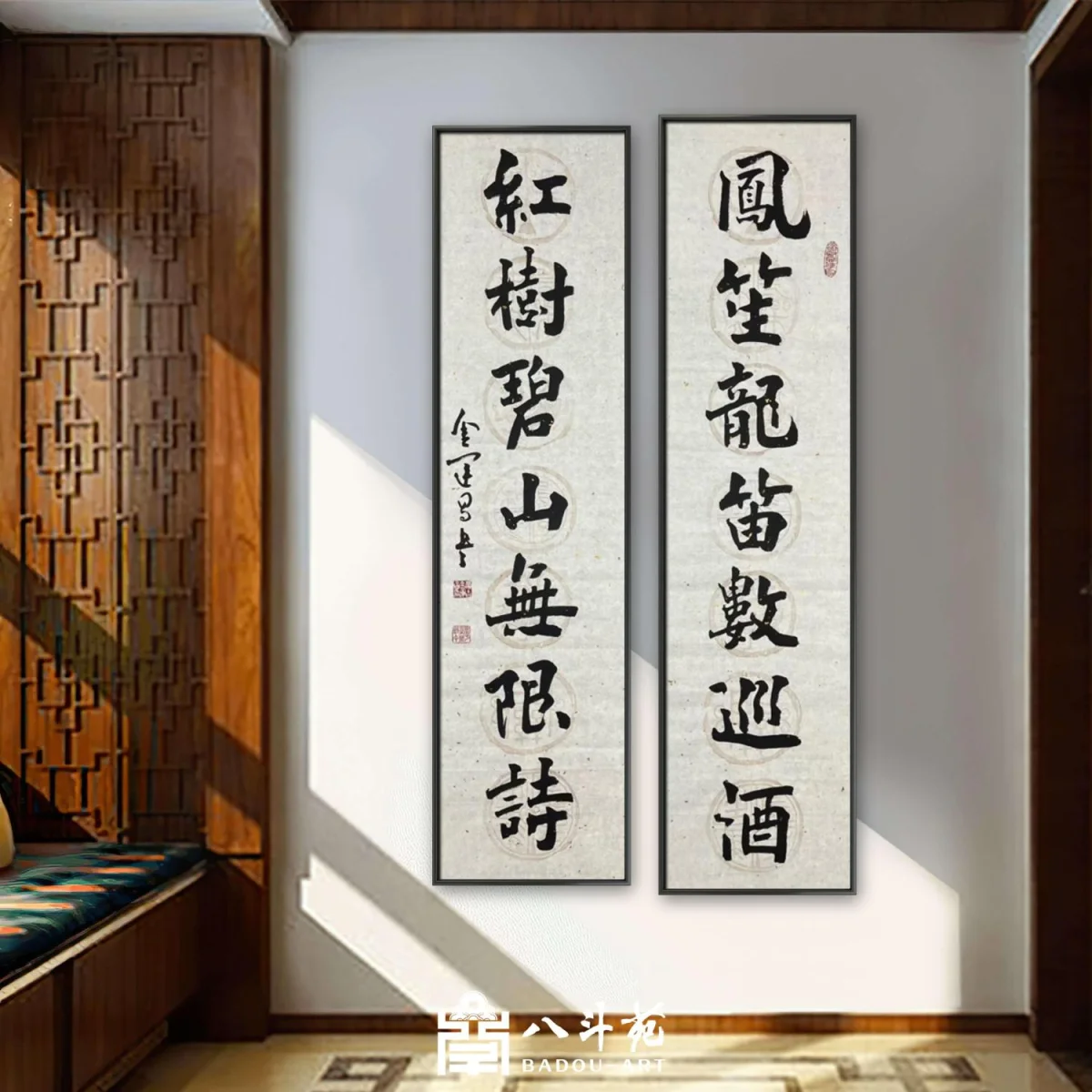
Jin Yunchang Calligraphy | 鳳笙龍笛數巡酒
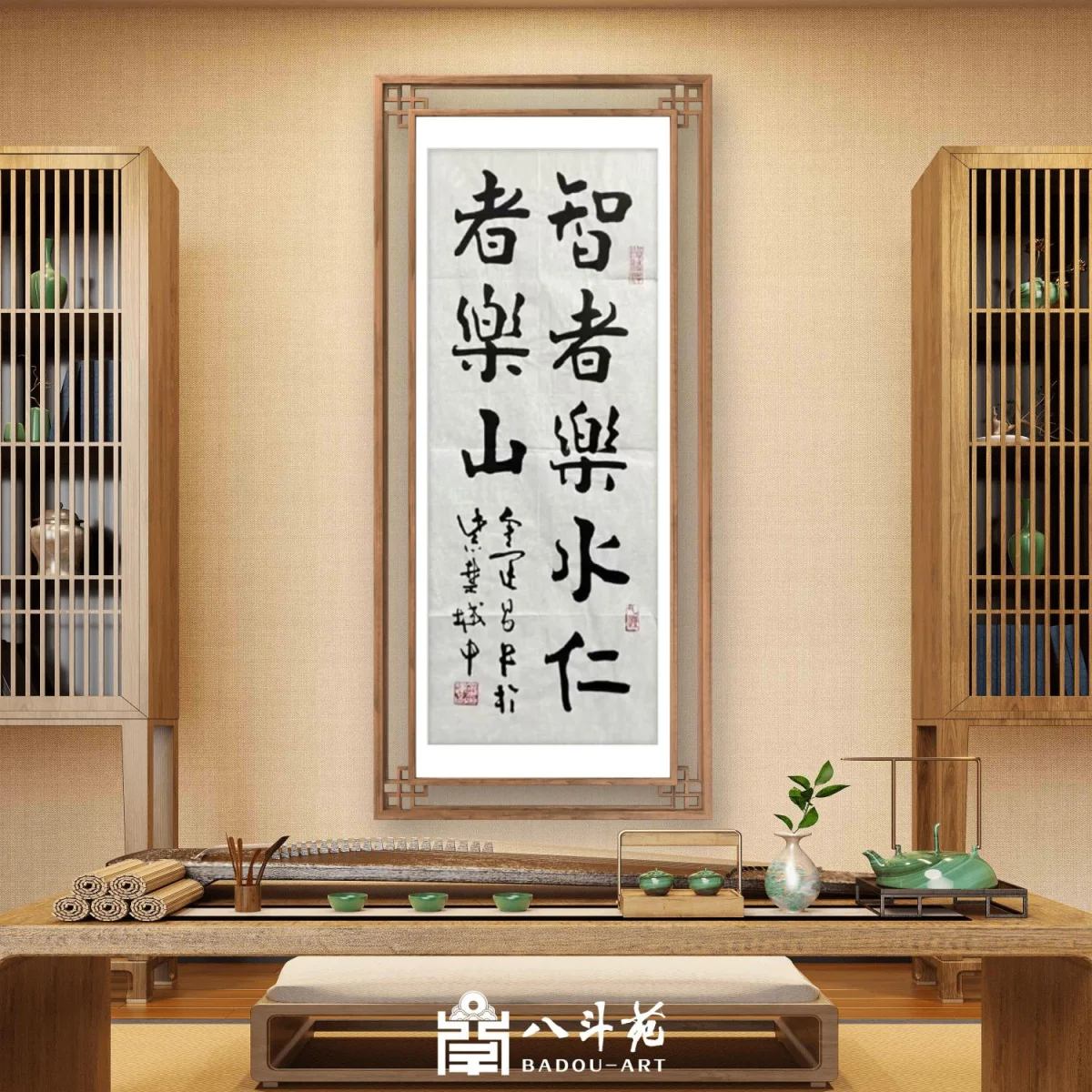
Jin Yunchang Calligraphy | 智者樂水仁者樂山
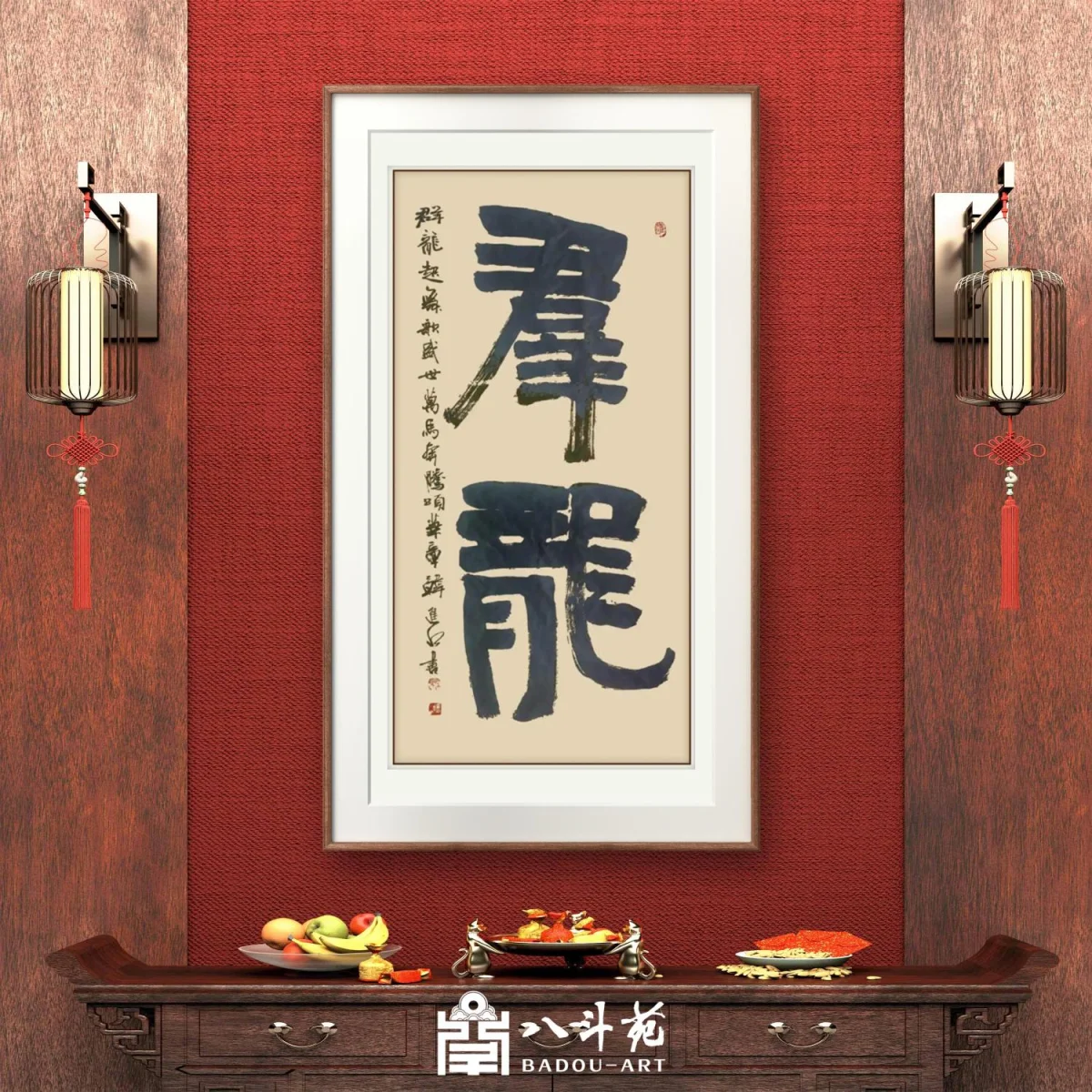
Han Jinshui Calligraphy | 羣龍 (A Group of Dragons)
The Book of Songs: China’s Earliest Poetry Explained
The Book of Songs: China’s Earliest Poetry Explained
The Book of Songs (Shijing) is the oldest surviving collection of Chinese poetry, holding 305 poems written between the early Western Zhou dynasty and the mid-Spring and Autumn period (roughly the 11th to 6th centuries BCE). It is both the fountainhead of Chinese literature and a window into ancient society — essential context for anyone who loves Chinese culture and calligraphy.
Structure: Feng, Ya, and Song
The collection is divided into three parts:
| Part | Contents | Character |
|---|---|---|
| Feng (Airs) | 160 folk songs from 15 regional states | The most down-to-earth section: love, work, and everyday life in plain, vivid language |
| Ya (Odes) | 105 poems, split into Major and Minor Odes | Elegant, formal verse on court life, politics, and banquets |
| Song (Hymns) | 40 ritual hymns | Solemn temple music honoring ancestors and gods |
Famous examples include “Guan Ju,” a courtship song; “Meng,” a woman’s tragic story of courtship and abandonment; “Qi Yue” (“The Seventh Month”), a farmer’s year-round labor calendar; “Shuo Shu” (“The Big Rat”), which satirizes greedy rulers; and “Xuan Niao” (“The Dark Bird”), which tells of the founding of the Shang dynasty.
Themes That Still Resonate
The 305 poems cover nearly every corner of ancient life: love and marriage (“Jian Jia,” a haunting search for a beloved), labor and farming, war and corvee service (“Cai Wei,” a soldier’s homesickness), political satire, and ritual praise. This breadth is why scholars call the Book of Songs “an encyclopedia of ancient Chinese literature.”
Artistry: Fu, Bi, Xing
Three devices define the poetry’s craft: fu (direct narration), bi (simile and metaphor), and xing (evocative imagery — “the ospreys cry on the islet in the river” opens “Guan Ju” before the poet turns to the lady he admires). The poems favor four-character lines, concise language, and repeated stanzas that build musical rhythm and emotional intensity. This blend of realism and lyricism set the pattern for two thousand years of Chinese verse.
A Classic at the Heart of Chinese Culture
The Book of Songs became one of the Five Confucian Classics, studied by scholars and officials for more than two millennia. It preserved the language of ancient China, shaped ideas of morality and aesthetics, and supplied images and quotations that still appear in calligraphy, painting, and everyday speech. For collectors, a scroll inscribed with a line from the Songs carries both literary pedigree and timeless feeling.
If you would like a calligraphy commission drawn from the Book of Songs or other classics, Badou Art’s specialists are happy to help you choose a meaningful inscription.