Our Featured Collection
Hand‑picked premium works for you
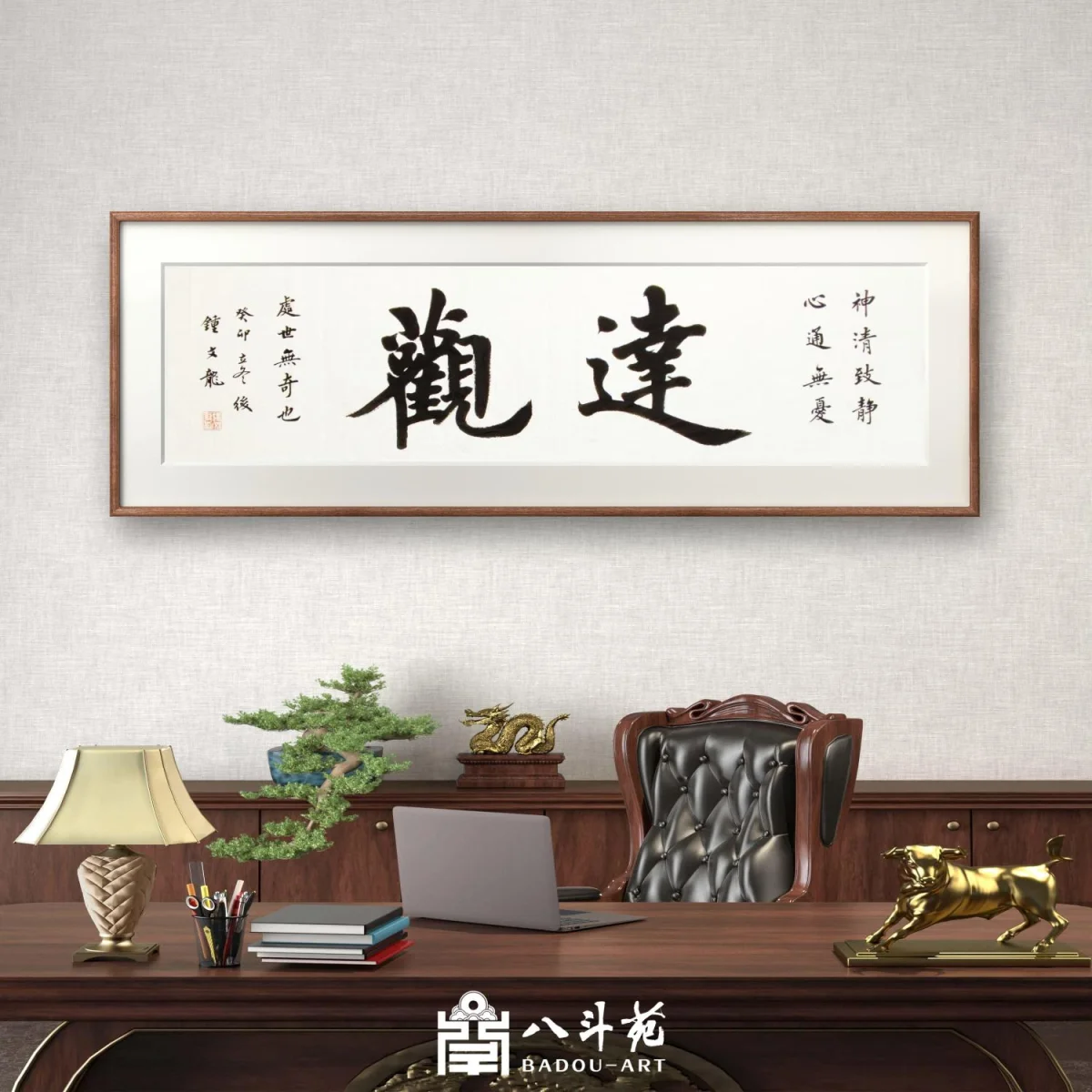
Zhong Wenlong Calligraphy | 达观
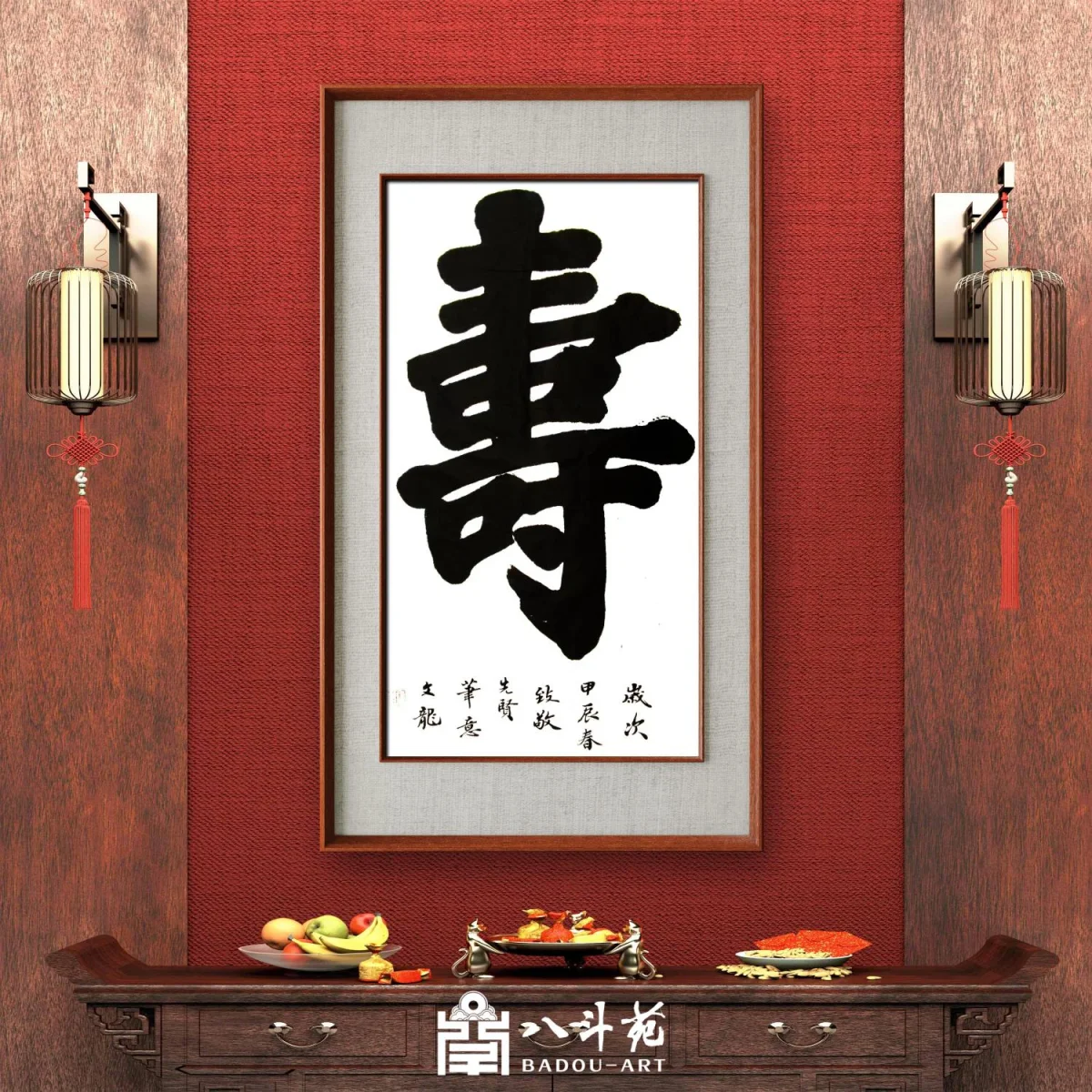
Zhong Wenlong Calligraphy | 壽
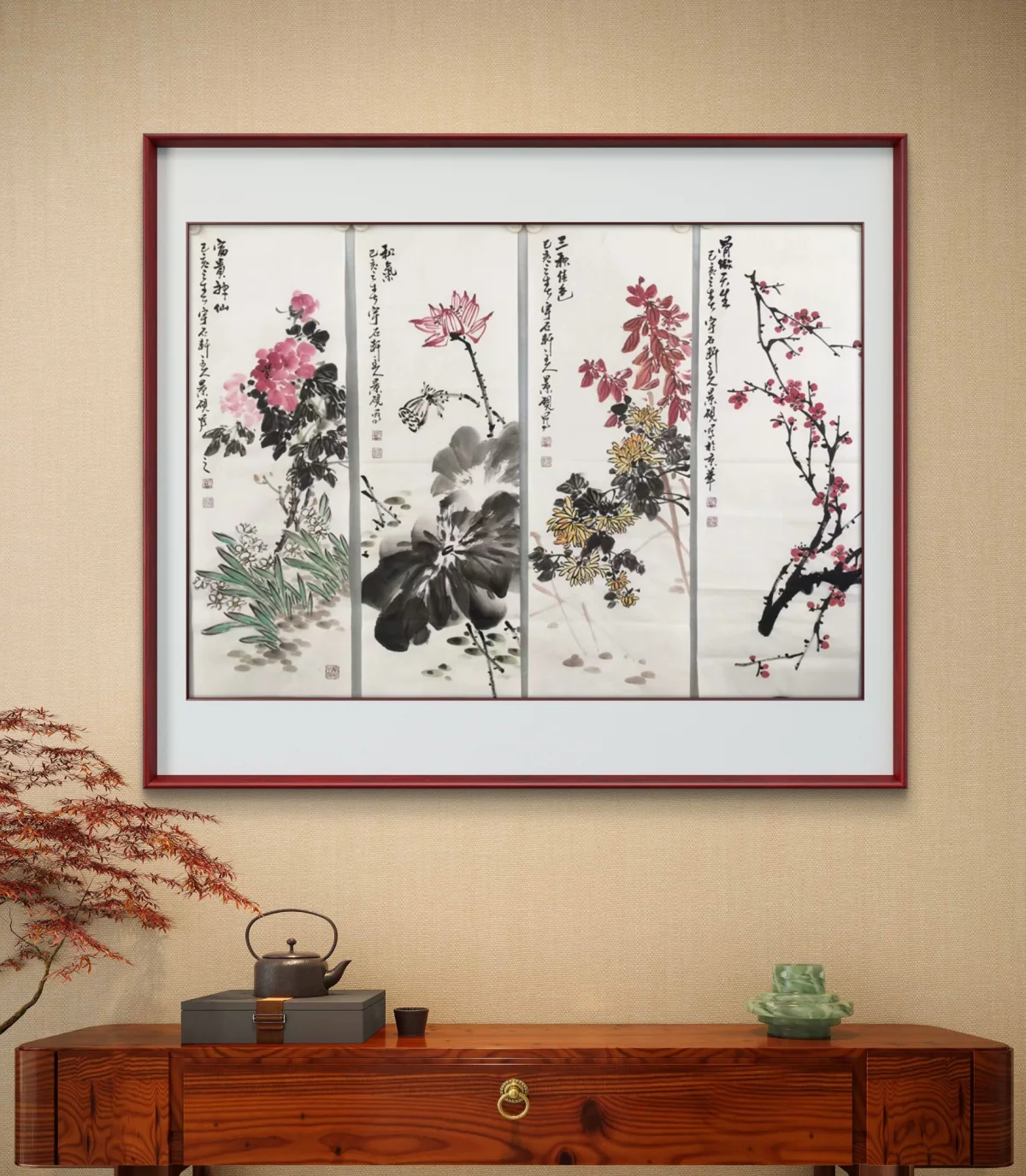
Wu Jingyan Chinese Freehand Painting・Four‑Panel Flower‑and‑Bird Screens(花鸟四条屏)
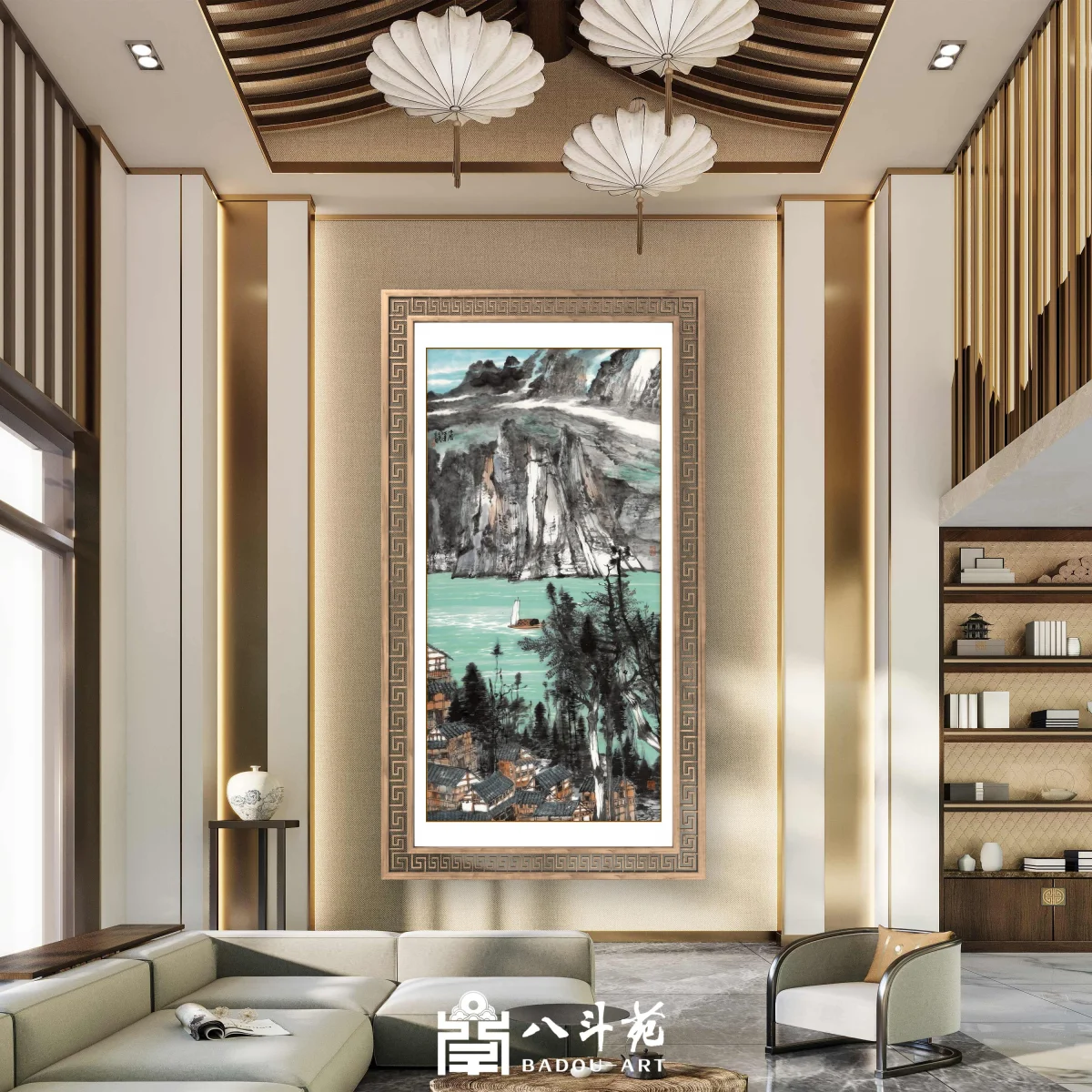
Liu Liyong Landscape Painting | Riverside Mountain Hamlet (山居江远)
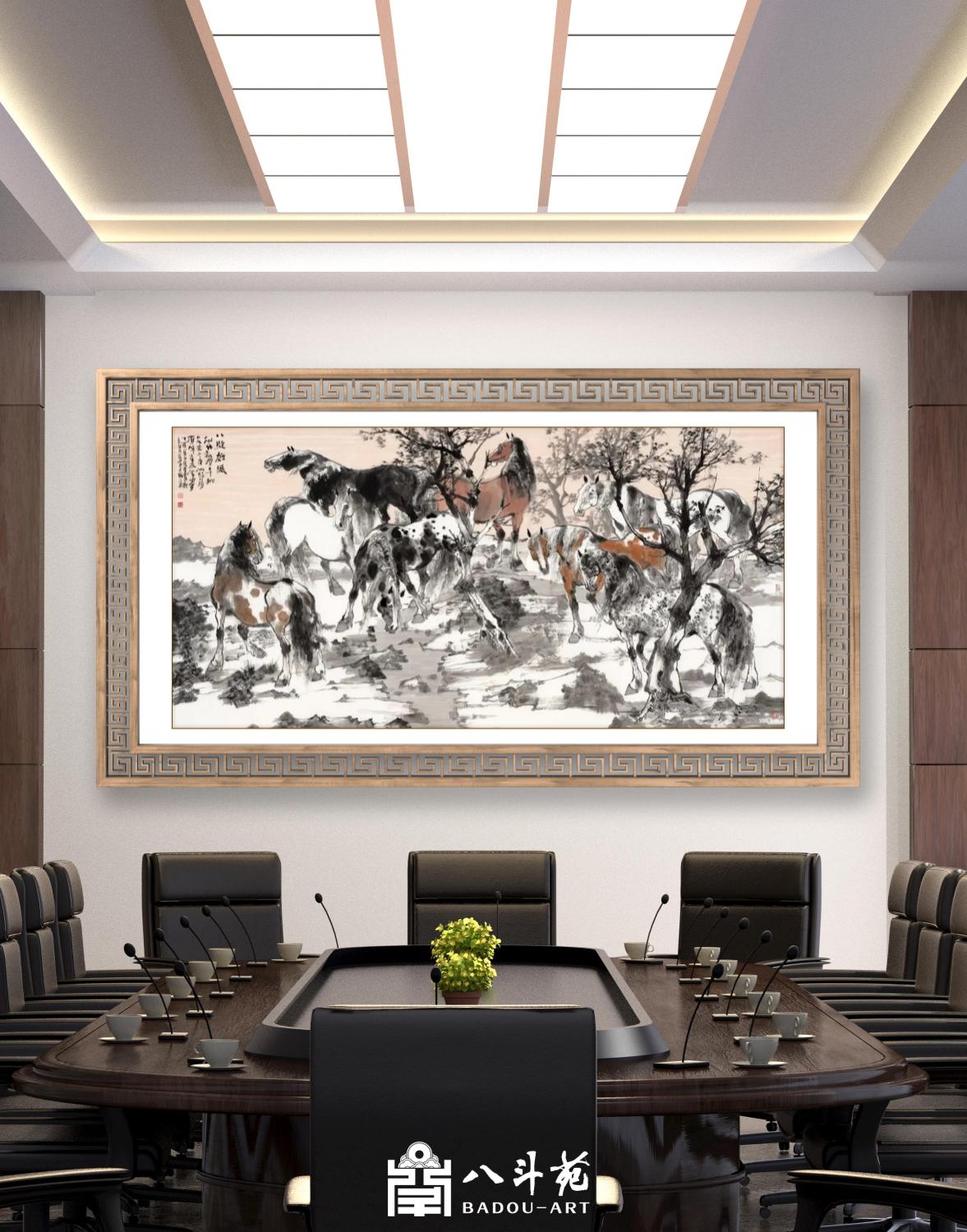
Liu Liyong Animal Painting | Eight Steeds (八骏图)
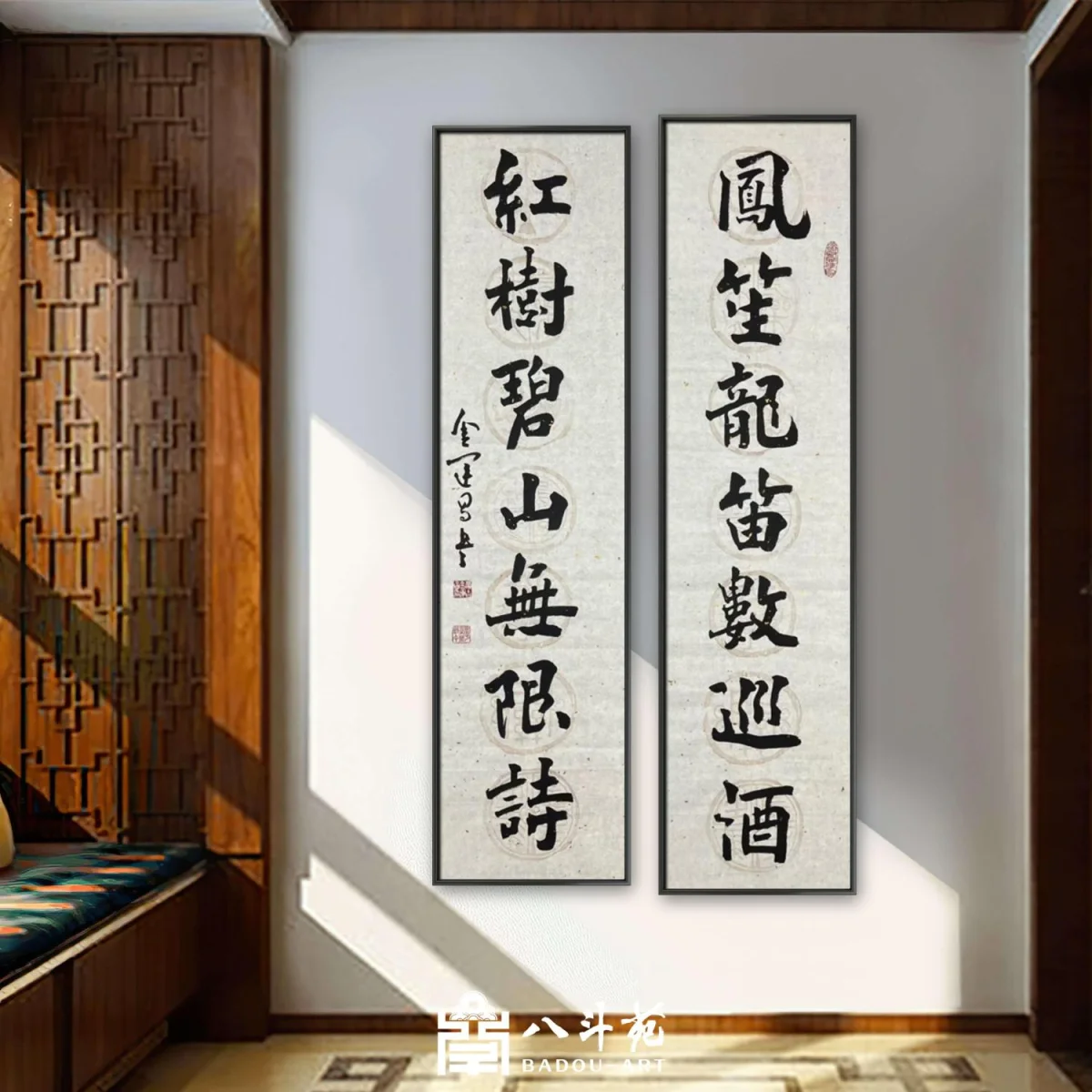
Jin Yunchang Calligraphy | 鳳笙龍笛數巡酒
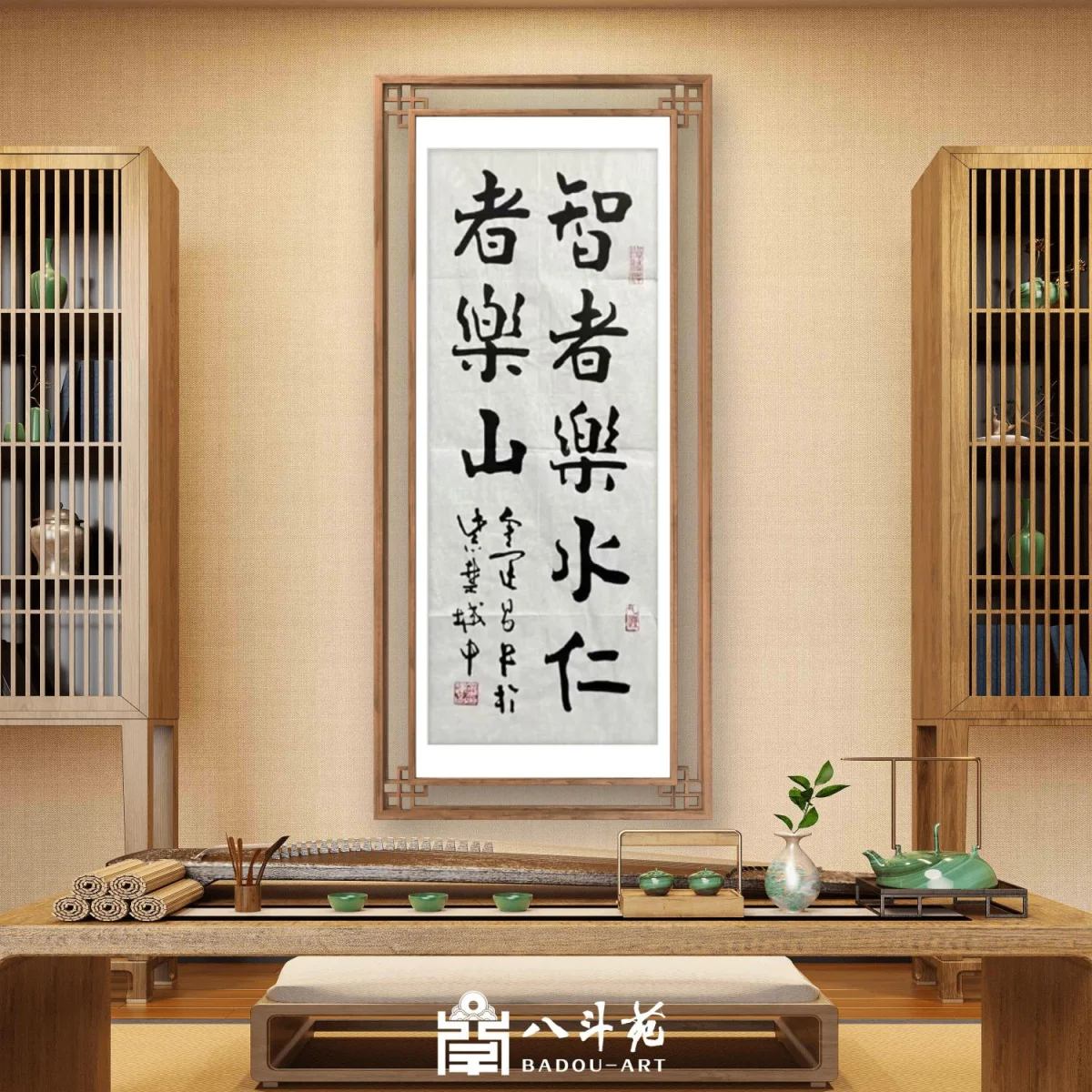
Jin Yunchang Calligraphy | 智者樂水仁者樂山
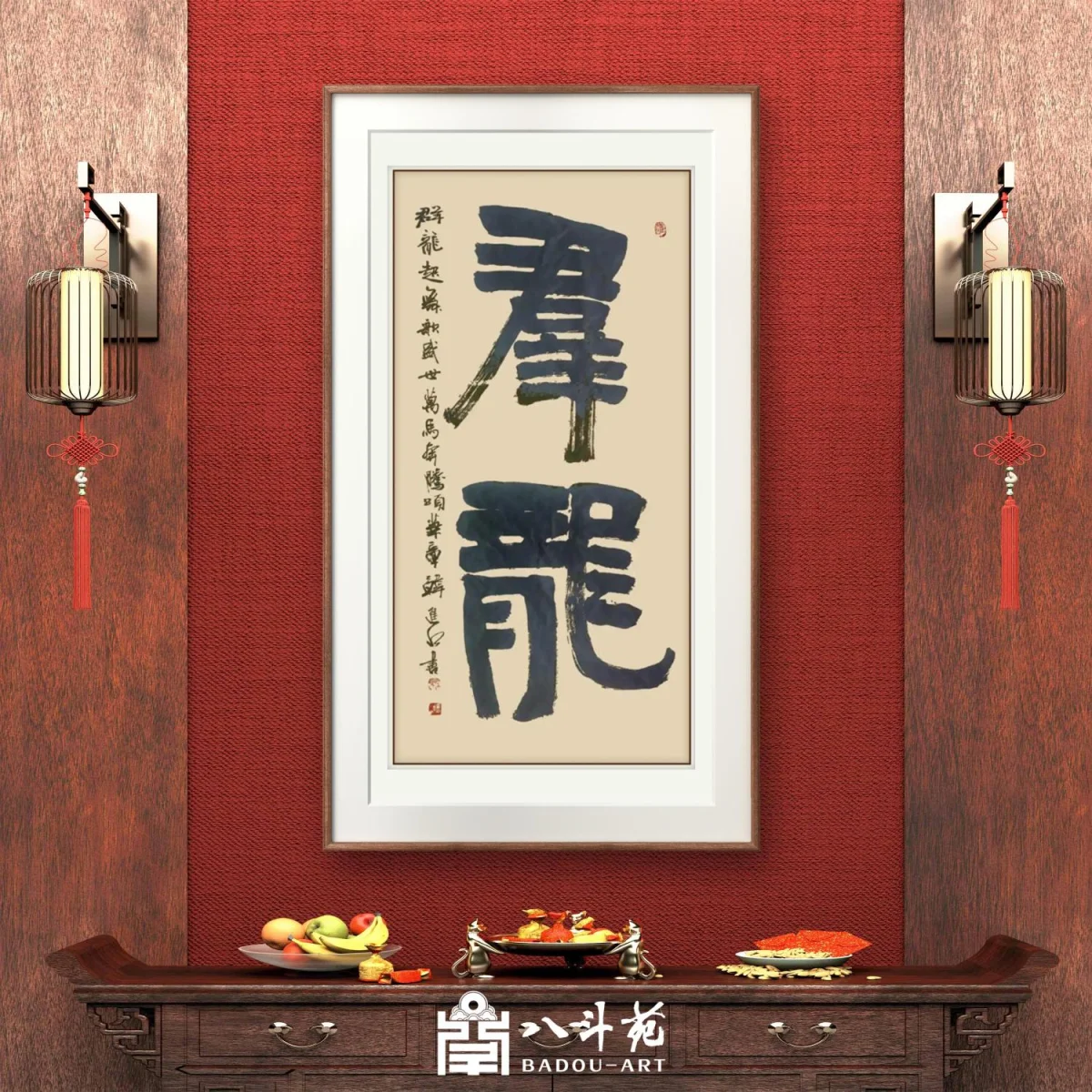
Han Jinshui Calligraphy | 羣龍 (A Group of Dragons)
Four Treasures of the Study: Brush, Ink, Paper, Inkstone
Four Treasures of the Study: Brush, Ink, Paper, Inkstone
The “four treasures of the study” — brush, ink, paper, and inkstone — are the traditional tools behind all Chinese calligraphy and painting. Understanding them helps collectors judge quality and gives any art lover a deeper feel for the craft.
What Are the Four Treasures?
The term dates from the Northern and Southern Dynasties (420–589), when it described the scholar’s desk. In the Southern Tang, the “treasures” were the Zhuge brush, Li Tinggui’s ink, Chengxintang paper, and the Longwei inkstone. Since the Song dynasty, the classic four have been the Hubi brush (Huzhou, Zhejiang), Huimo ink (Huizhou, Anhui), Xuan paper (Jingxian, Anhui), and Duan inkstone (Zhaoqing, Guangdong), with the She inkstone (Shexian, Anhui) often added. A full desk also holds brush pots, brush rests, ink beds, arm rests, brush washers, paperweights, water droppers, seal boxes, and more.
The Brush
The brush is unique to China. Early brushes used hairs from rabbits, goats, deer, martens, and even tigers; by performance they divide into hard, soft, and mixed (jianhao). Handles could be bamboo, rosewood, lacquer, ivory, horn, jade, or gold. The oldest brush yet found — from the Spring and Autumn period — was excavated from the tomb of Marquis Yi of Zeng in Suizhou, Hubei; brushes from the Warring States, Qin, and Han periods have been found from Hunan to Inner Mongolia. Because brushes wear out, ancient examples are extremely rare.
Ink and Paper
Before artificial ink, writers used natural materials; traces survive on prehistoric pottery and Shang oracle bones. In the Han dynasty, pine-soot ink sticks appeared, made by binding soot with glue and pressing it in carved molds — a craft that still defines fine ink today. Ink sticks come in square, round, and sculpted forms, some finished with lacquer or gold.
Paper is one of China’s four great inventions. Before it, records were kept by knotting cords, carving oracle bones, casting bronze inscriptions, and writing on bamboo slips and silk. Cai Lun is credited with inventing paper in the Eastern Han, but archaeological finds — such as the Fangmatan paper from the early Western Han — show paper was in use earlier, some sheets bearing writing.
The Inkstone
The inkstone ranks last in the list but first in permanence: it survives for generations. The earliest known example, found at the Jiangzhai site in Lintong, Shaanxi, belongs to the Yangshao culture more than five thousand years ago — a stone slab with a grinding pestle and pigment traces. The pestle disappeared only in the Han dynasty, when artificial ink could be ground directly. Xuan paper is prized for lasting “a thousand years,” and fine inkstones for their grinding speed and ink retention — the Juque inkstone from Sichuan and the Duan inkstone from Guangdong are favorites among calligraphers.
A Heritage Worth Preserving
The Palace Museum’s collection holds Qing-dynasty imperial sets of exceptional workmanship. In 2007, Chinese institutions applied to UNESCO to register the four treasures as a world intangible cultural heritage — a fitting honor for tools that carried Chinese civilization for millennia. If you are considering a commissioned calligraphy work, Badou Art’s specialists are happy to guide you, from tools to artists.
Source: https://www.cntizi.com/85.html