Our Featured Collection
Hand‑picked premium works for you
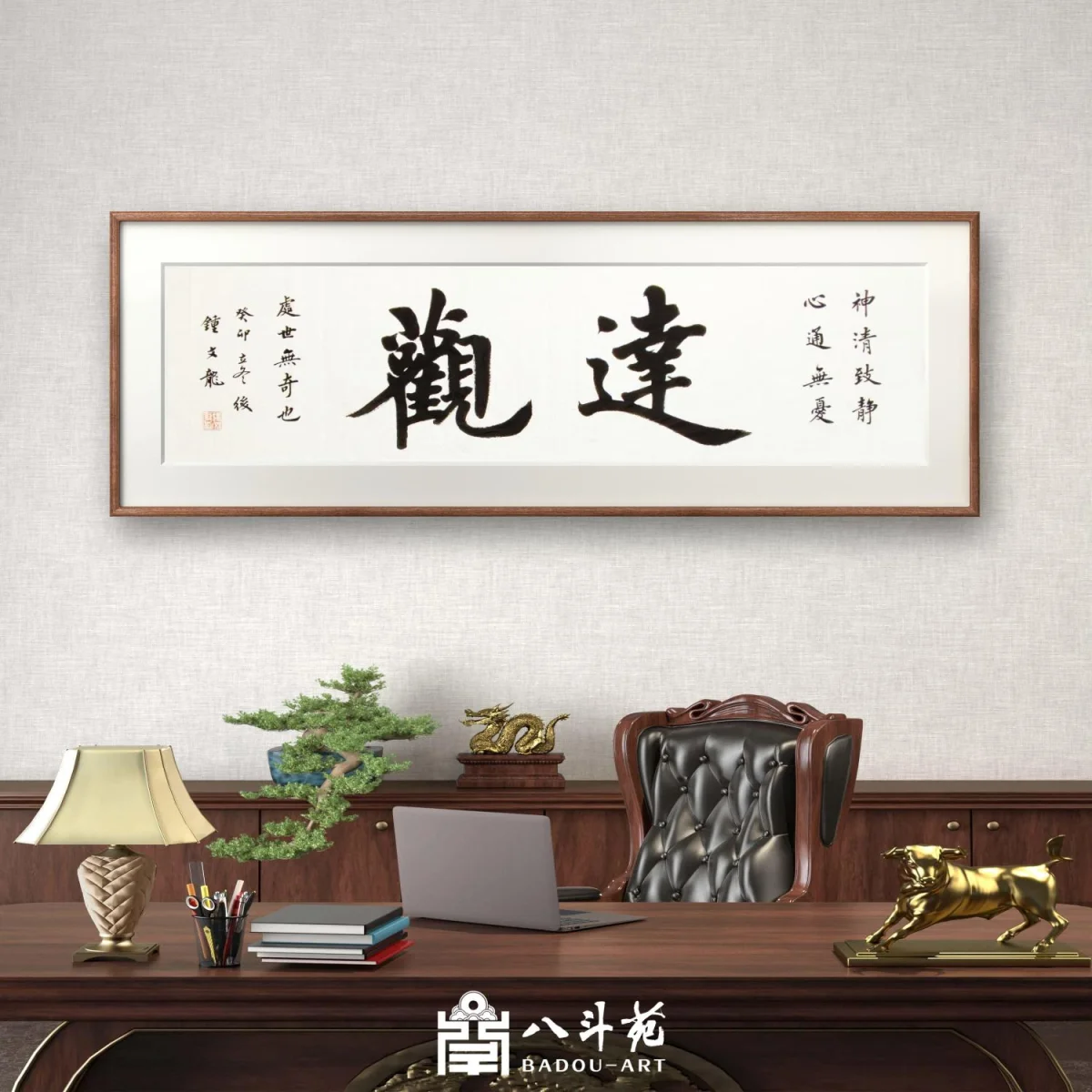
Zhong Wenlong Calligraphy | 达观
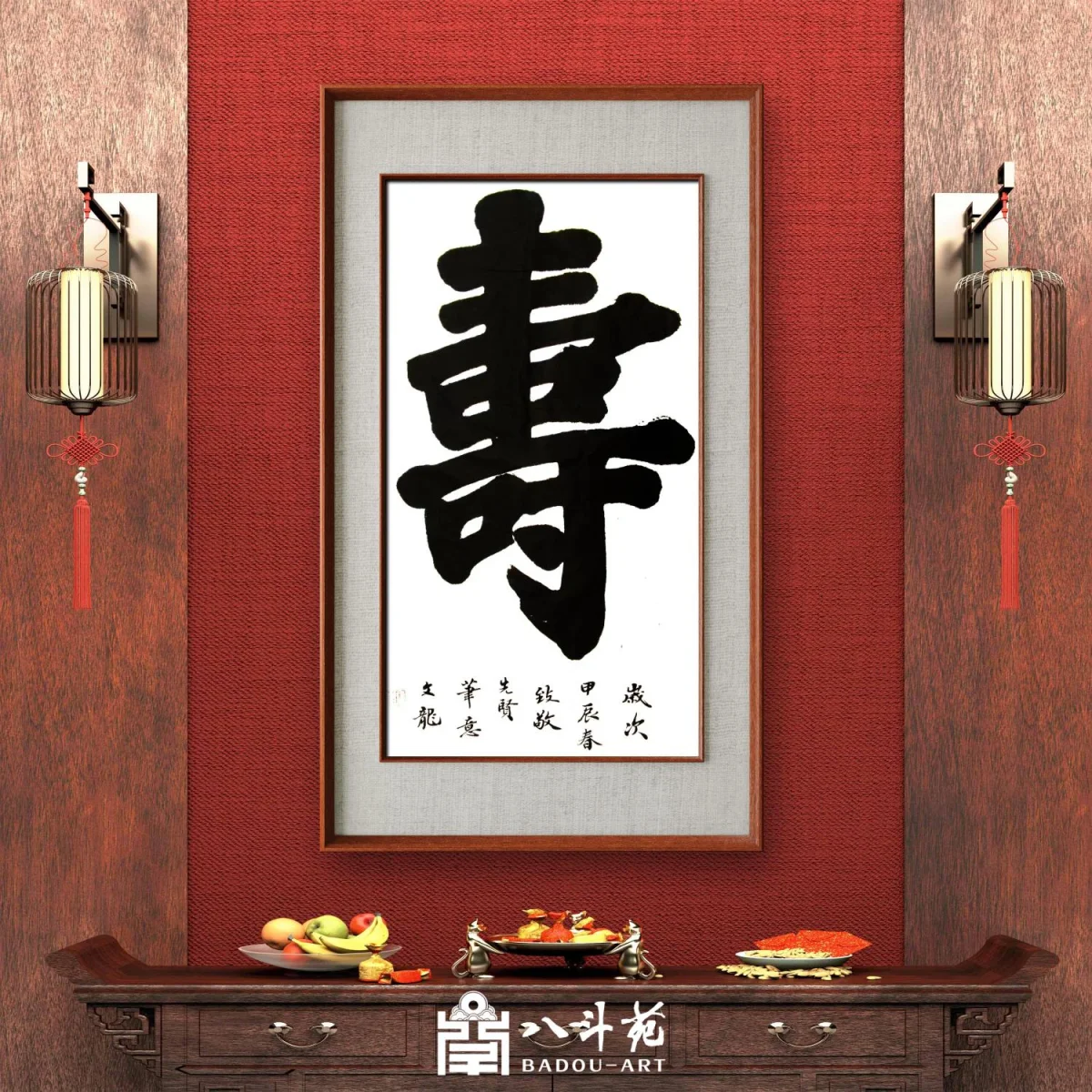
Zhong Wenlong Calligraphy | 壽
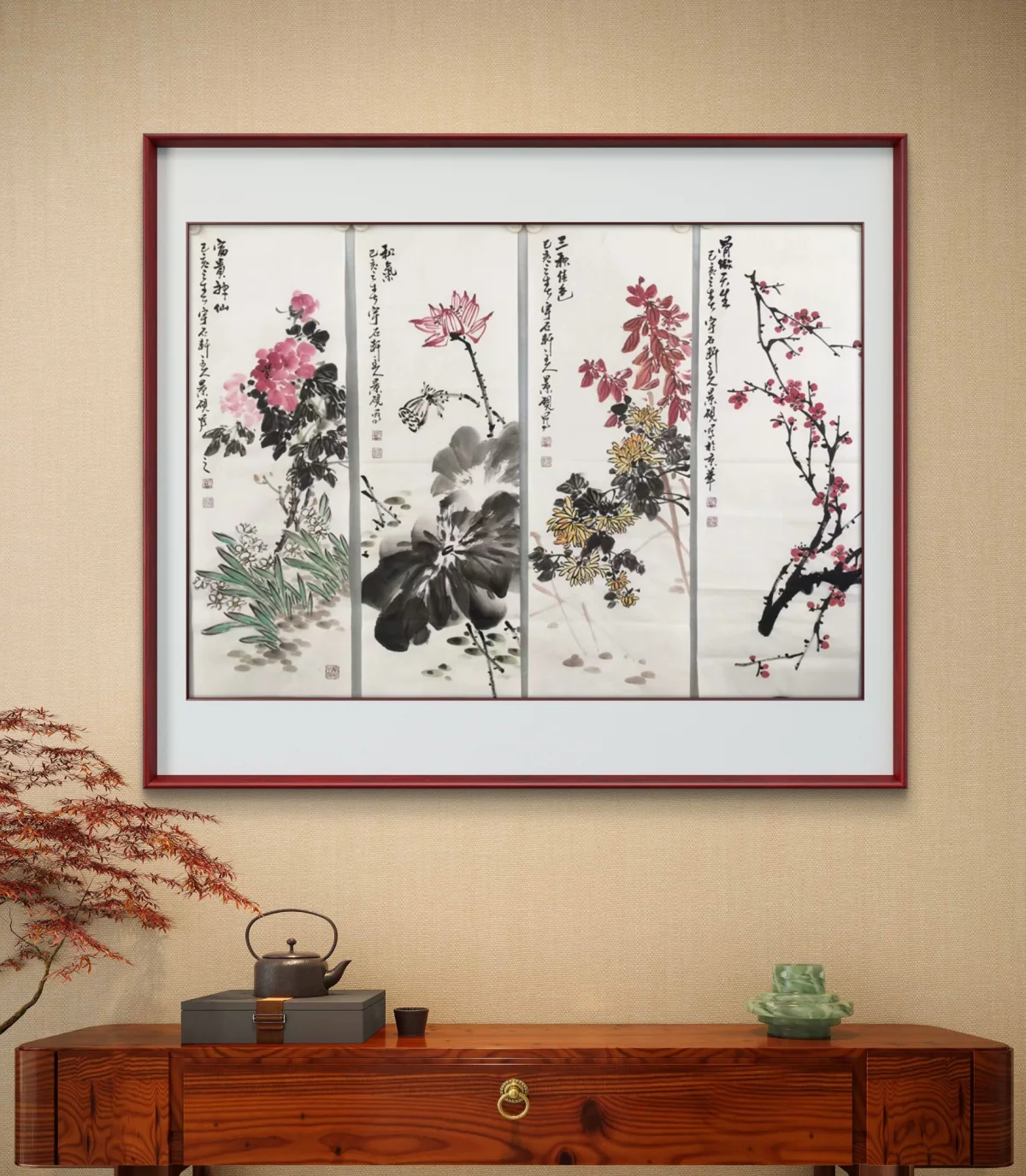
Wu Jingyan Chinese Freehand Painting・Four‑Panel Flower‑and‑Bird Screens(花鸟四条屏)
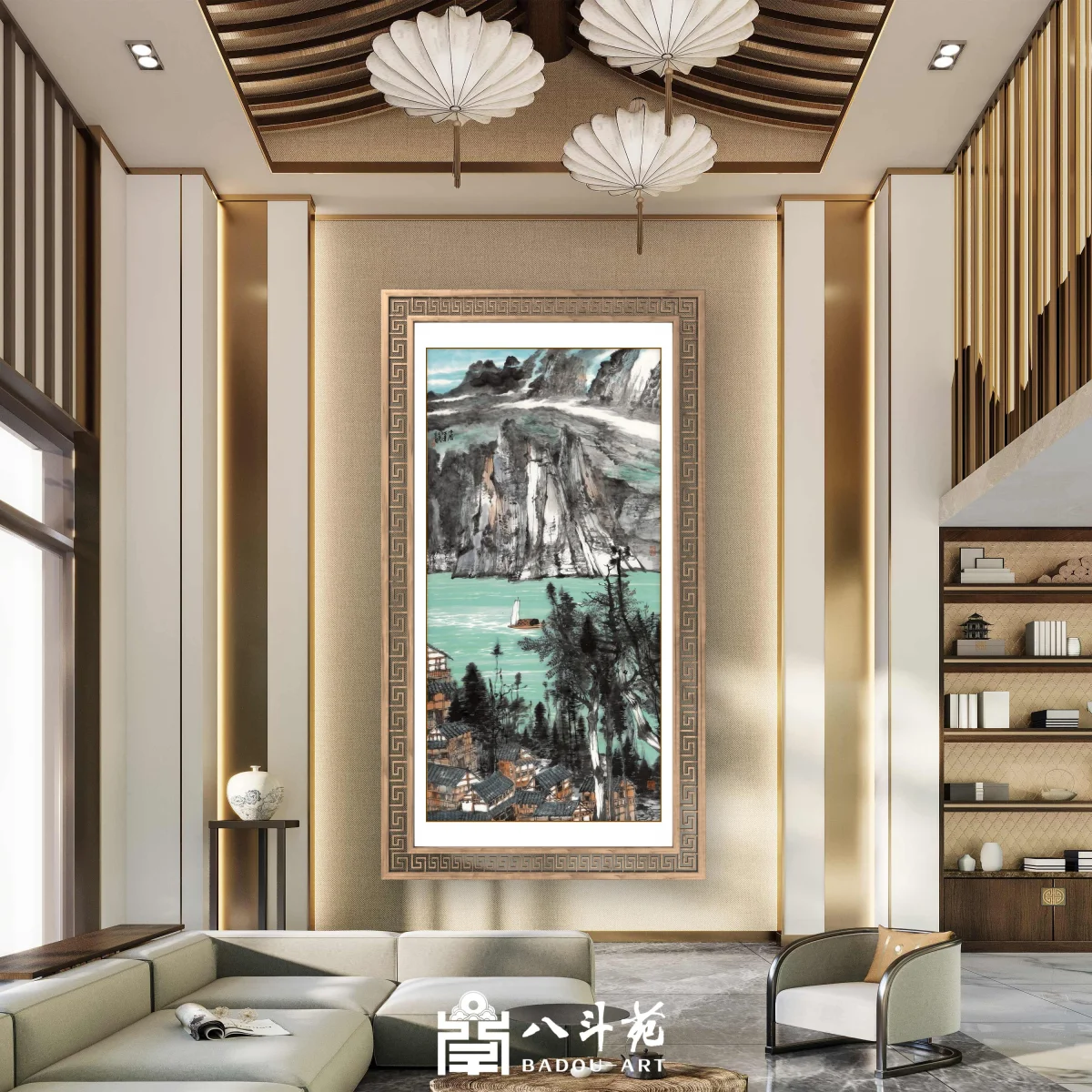
Liu Liyong Landscape Painting | Riverside Mountain Hamlet (山居江远)
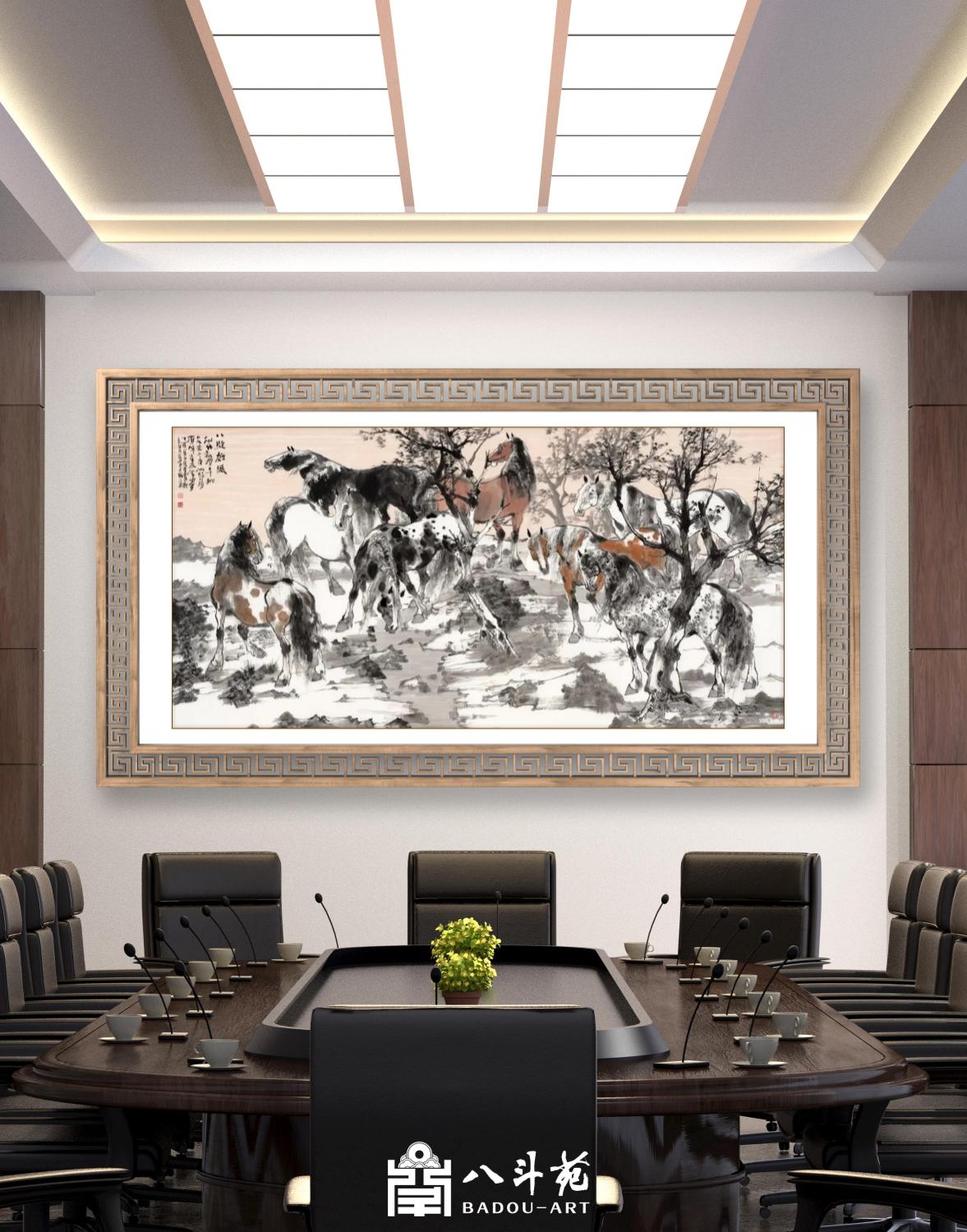
Liu Liyong Animal Painting | Eight Steeds (八骏图)
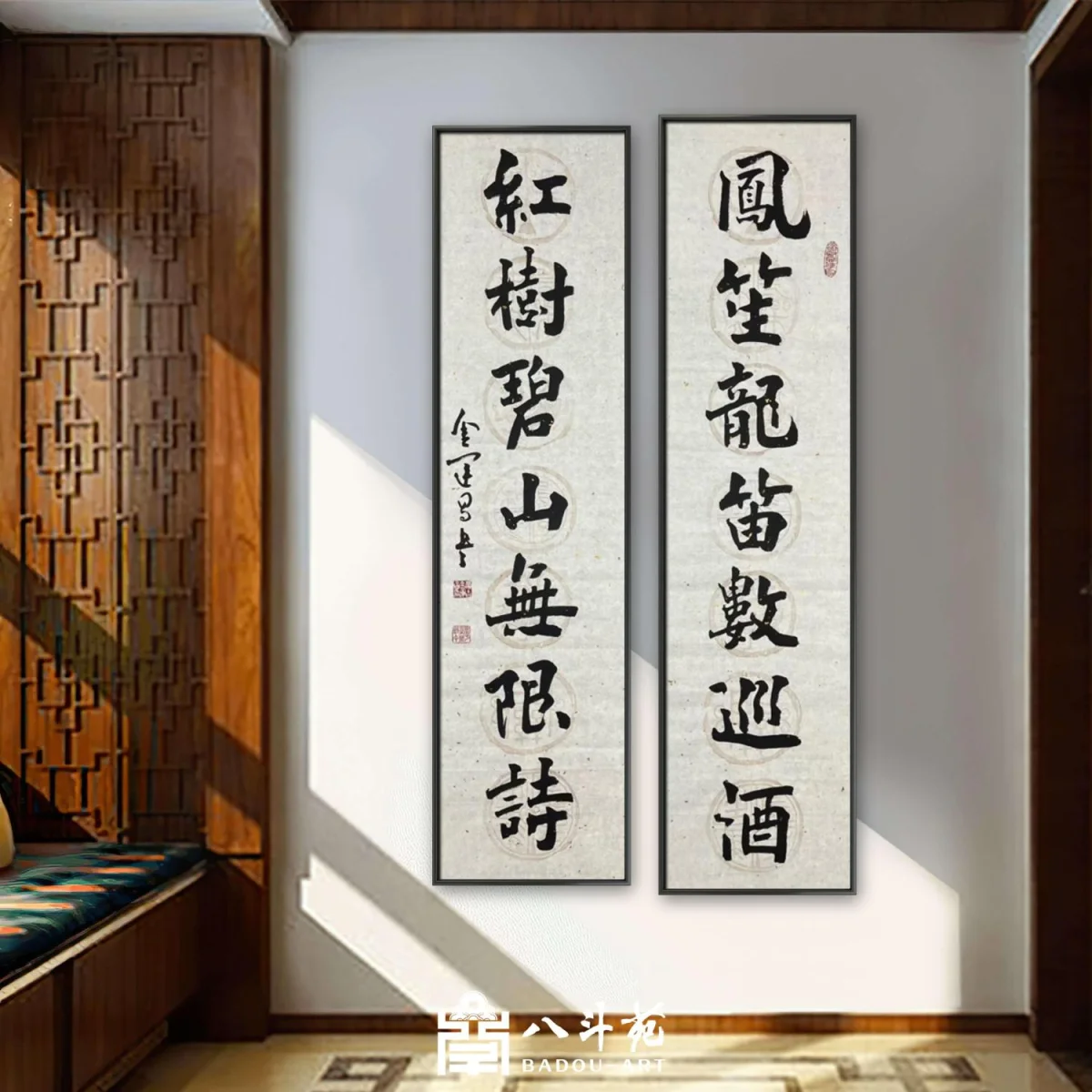
Jin Yunchang Calligraphy | 鳳笙龍笛數巡酒
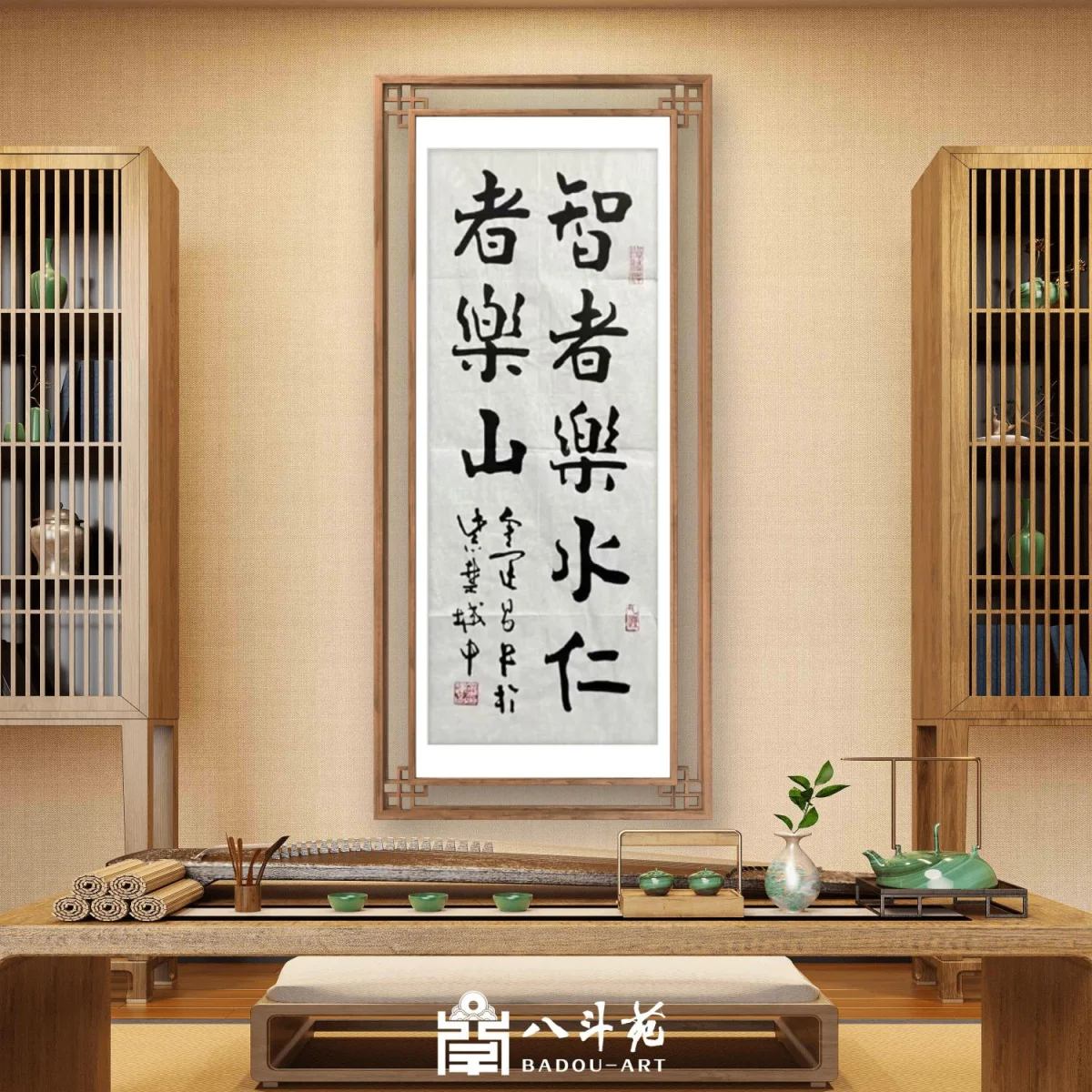
Jin Yunchang Calligraphy | 智者樂水仁者樂山
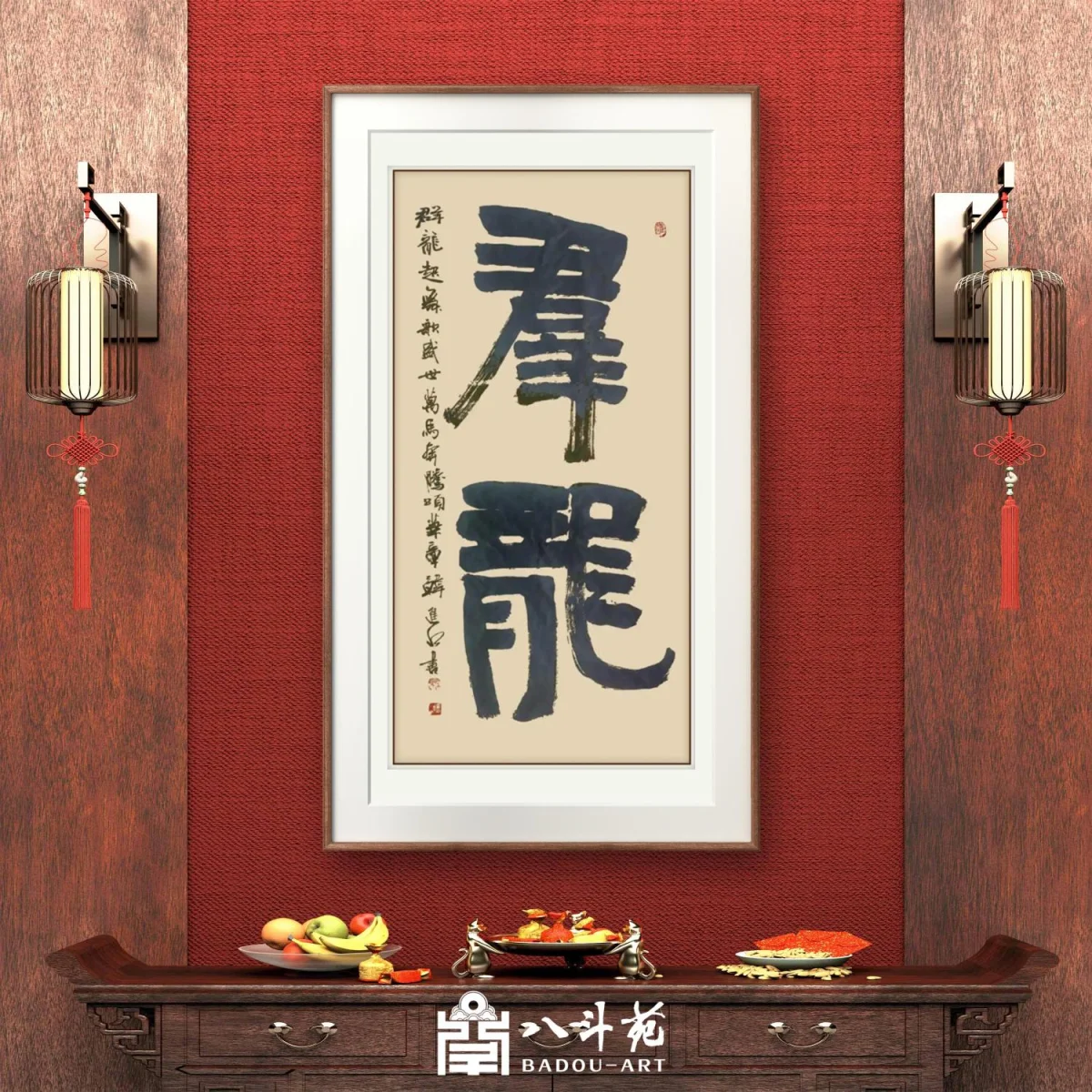
Han Jinshui Calligraphy | 羣龍 (A Group of Dragons)
Can Old Calligraphy Still Be Sold? Yes — Value Endures
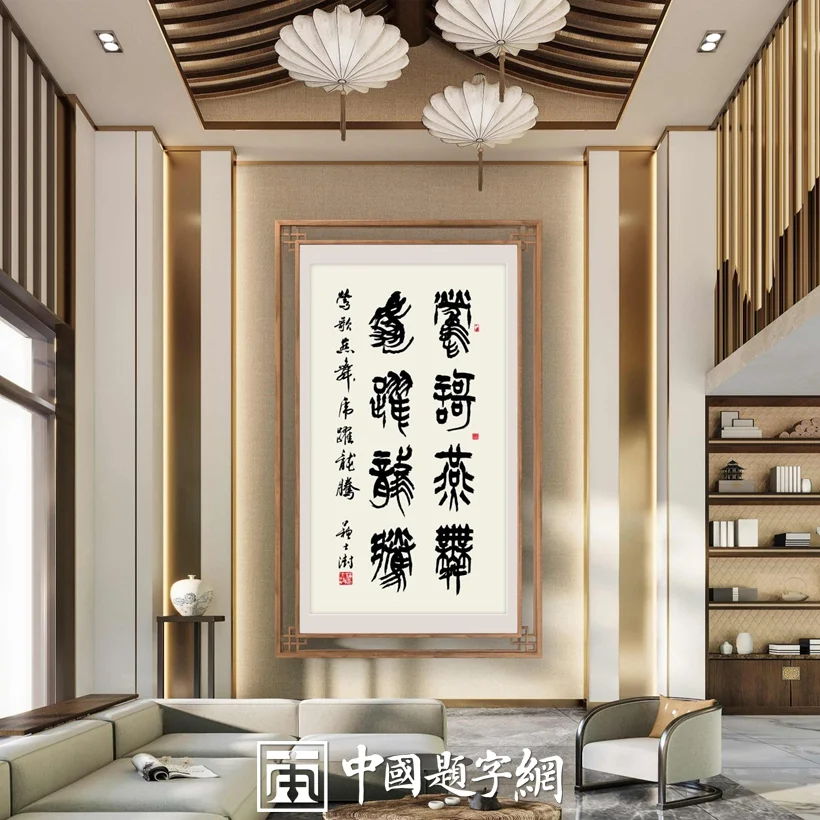
Can Old Calligraphy Still Be Sold? Yes — Value Endures
A common question among art owners: if a calligraphy scroll or ink painting has sat in storage for years, can it still be sold? The short answer is yes. Chinese collectors like to say that fine art ages like fine wine, and the auction records agree — works stored for decades, even centuries, regularly change hands for remarkable prices.
Quality and Condition Matter Most
Whether a work sells depends first on its artistic quality and physical condition — not on how long it has been kept. Professionals in the field put it plainly: a work’s value has “no necessary connection with time”; what matters is its quality, condition, and content. A carefully created, well-preserved piece can find its appreciative buyer decades or centuries later.
The record books prove the point. Huang Tingjian’s (1045–1105) calligraphy scroll “Inscription on the Pillar of the River” passed through the hands of the collectors Wang Houzhi, Jia Sidao, and Xiang Yuanbian, traveled to Japan in the early 20th century and later to Taiwan — then sold at Beijing Poly in 2010 for RMB 436.8 million, a Chinese art auction record at the time. Nearly a thousand years in storage had only added to its value.
Contemporary works follow the same logic. Fan Zeng’s “Eight Immortals” fetched RMB 69 million in 2011 after years off the market, and the collector Wang Jianlin saw the Fu Baoshi and Wu Guanzhong masterpieces he bought in the 1990s appreciate roughly a thousandfold in thirty years.
Time Can Deepen Value
Though time is not the deciding factor, careful preservation and historical depth add a unique charm. Song-dynasty works are among the most coveted in the world: Su Dongpo’s (1037–1101) “Withered Tree and Strange Rock” sold for HK$463.6 million in 2018, and Chen Rong’s “Six Dragons” brought about RMB 337.6 million at Christie’s New York.
Nor is this limited to ancient art. The Taiwanese collector Lin Mingzhe began buying works by young artists of the Sichuan Fine Arts Institute in 1987; two decades later, most had appreciated nearly a thousandfold. Time, in other words, can act as a catalyst — provided the underlying quality is there.
Social Demand Drives the Market
The other decisive variable is demand. Today’s market shows a clear split: high-net-worth collectors prize “fresh-to-market” works with impeccable provenance, while the mid-market carries most of the trading volume. The 2024 auction season reflected this: Bada Shanren’s landscape album sold for RMB 120 million, Fu Baoshi and Qi Baishi stayed strong, and younger collectors warmed to contemporary ink art.
Buyers now include private investors, institutions such as museums and corporate art funds, connoisseurs, and the gift market. As long as a work carries genuine artistic quality and cultural depth, a matching buyer can usually be found — however long it has waited.
The Takeaway for Collectors
The real question is not “how long has this been stored?” but “is this work worth protecting — and is now the right time to sell?” Works with true artistic value transcend time. That, in the end, is the enduring charm of Chinese art.
If you are considering a commissioned calligraphy or painting, Badou Art’s specialists are happy to guide you toward a work whose value will only deepen with the years.