Our Featured Collection
Hand‑picked premium works for you
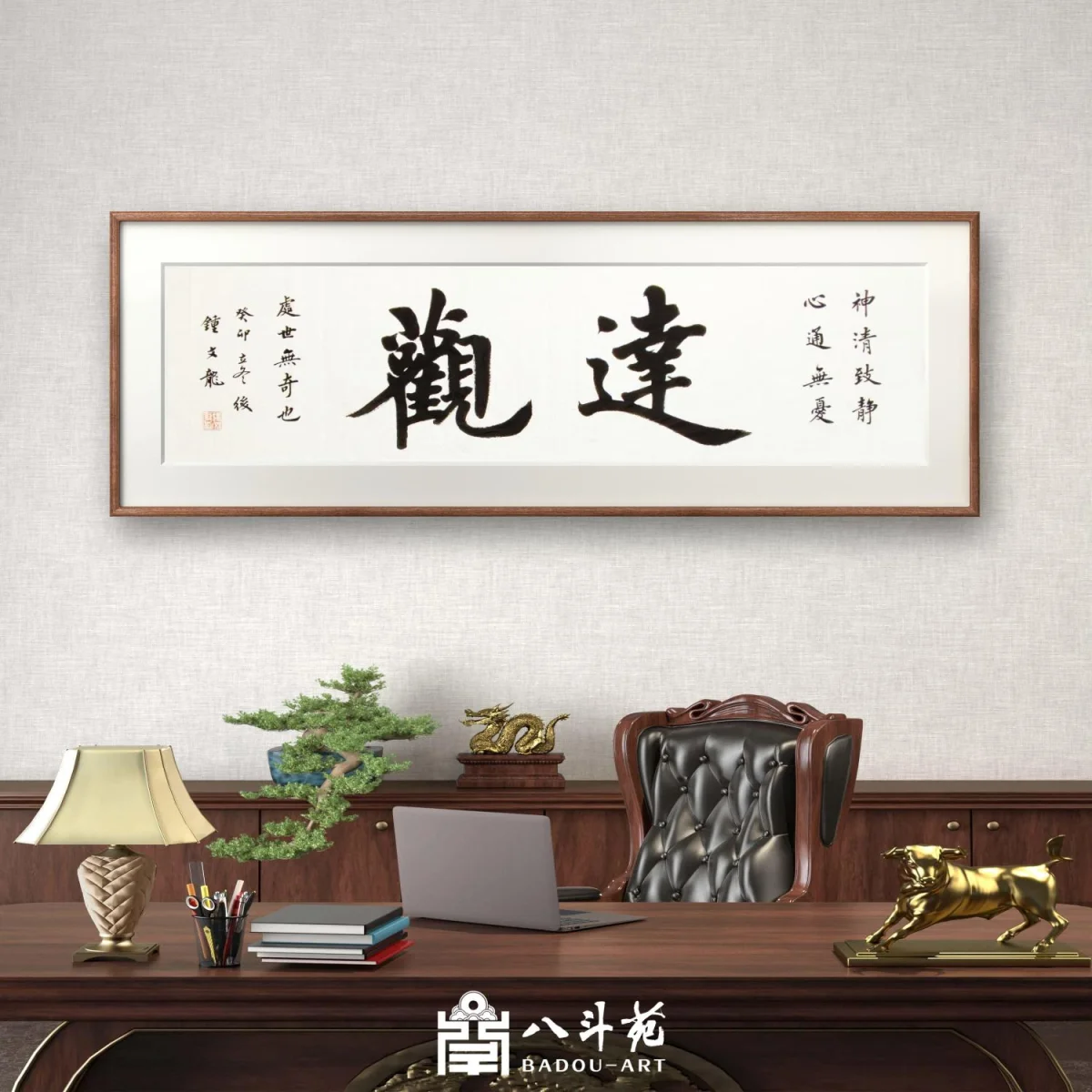
Zhong Wenlong Calligraphy | 达观
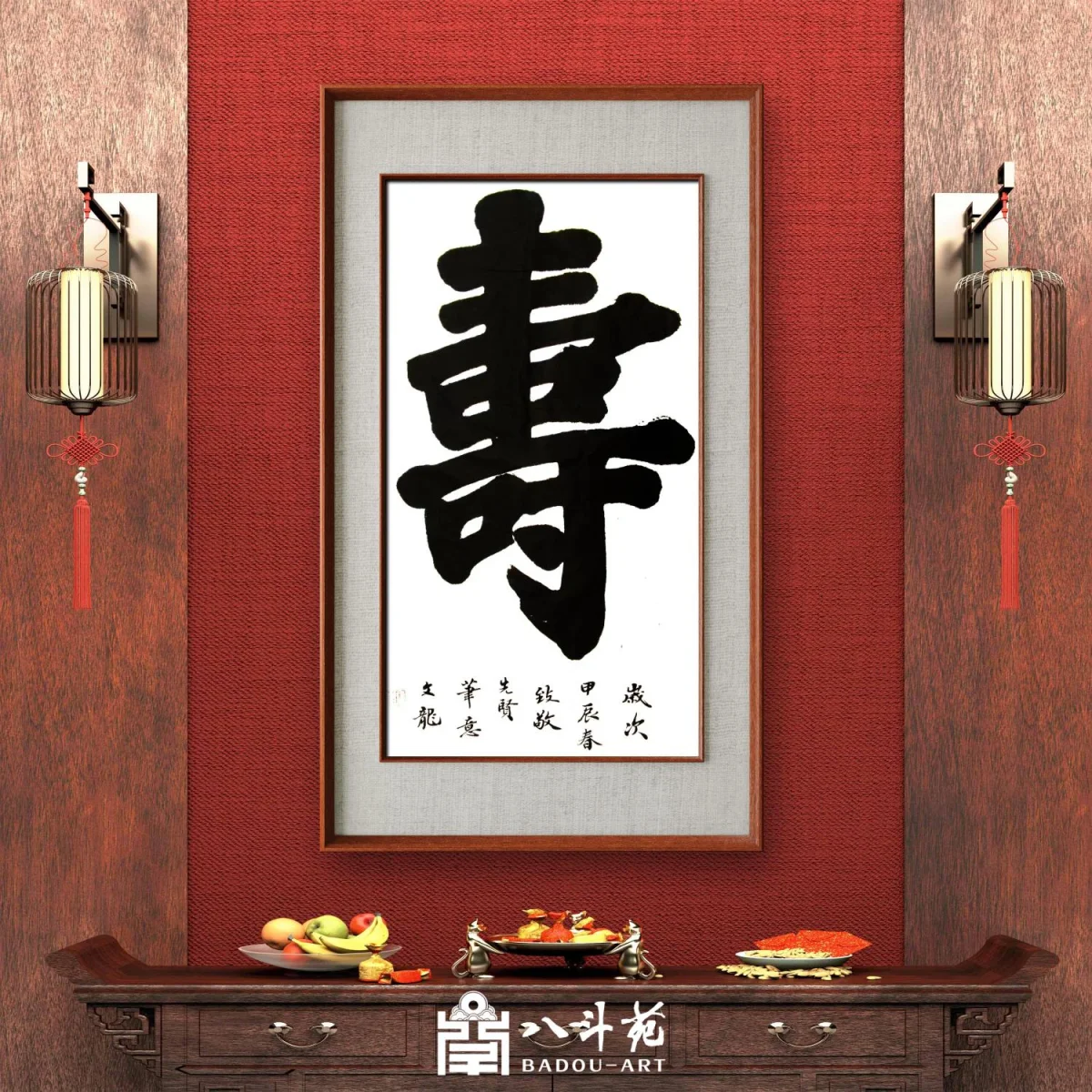
Zhong Wenlong Calligraphy | 壽
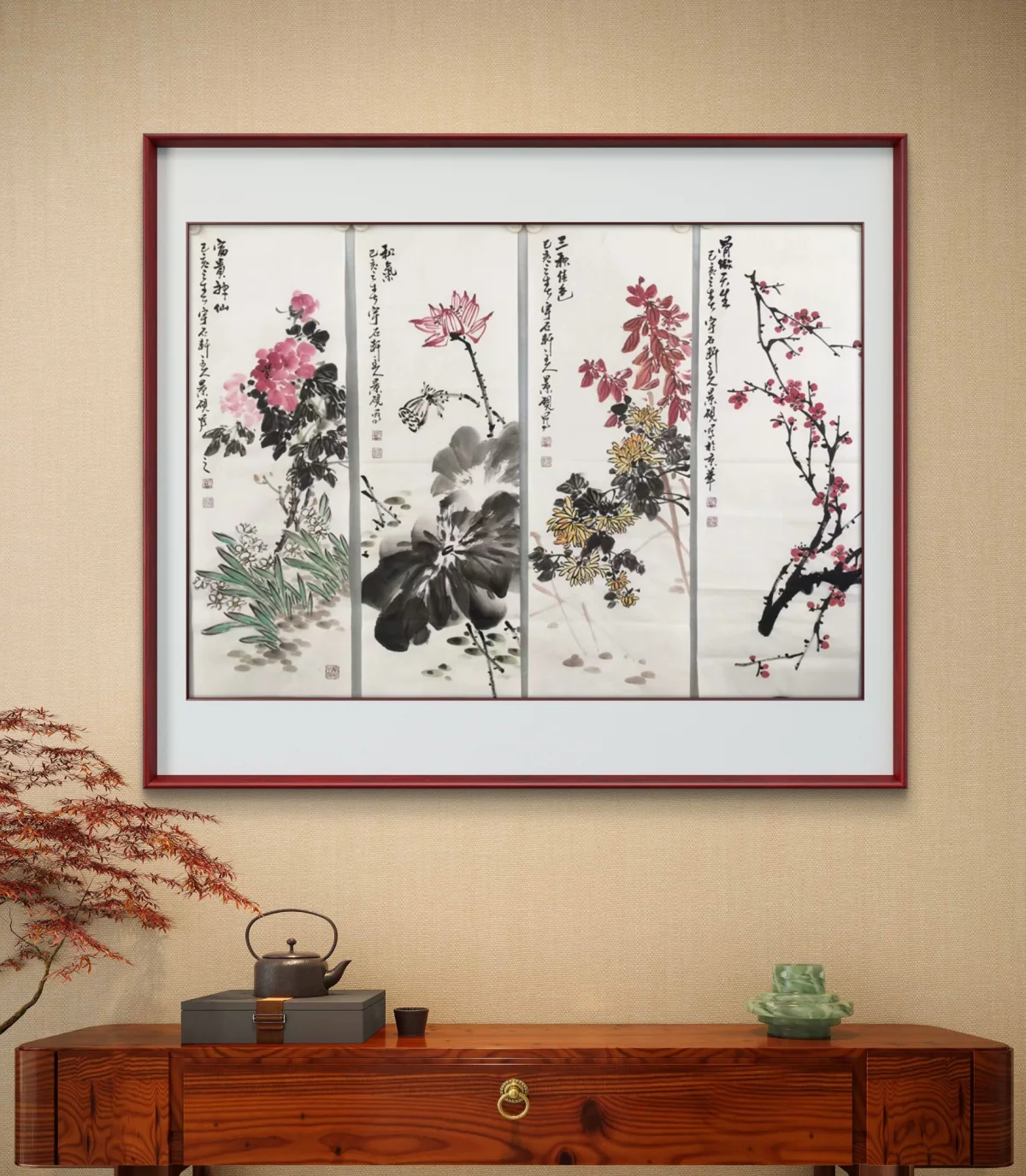
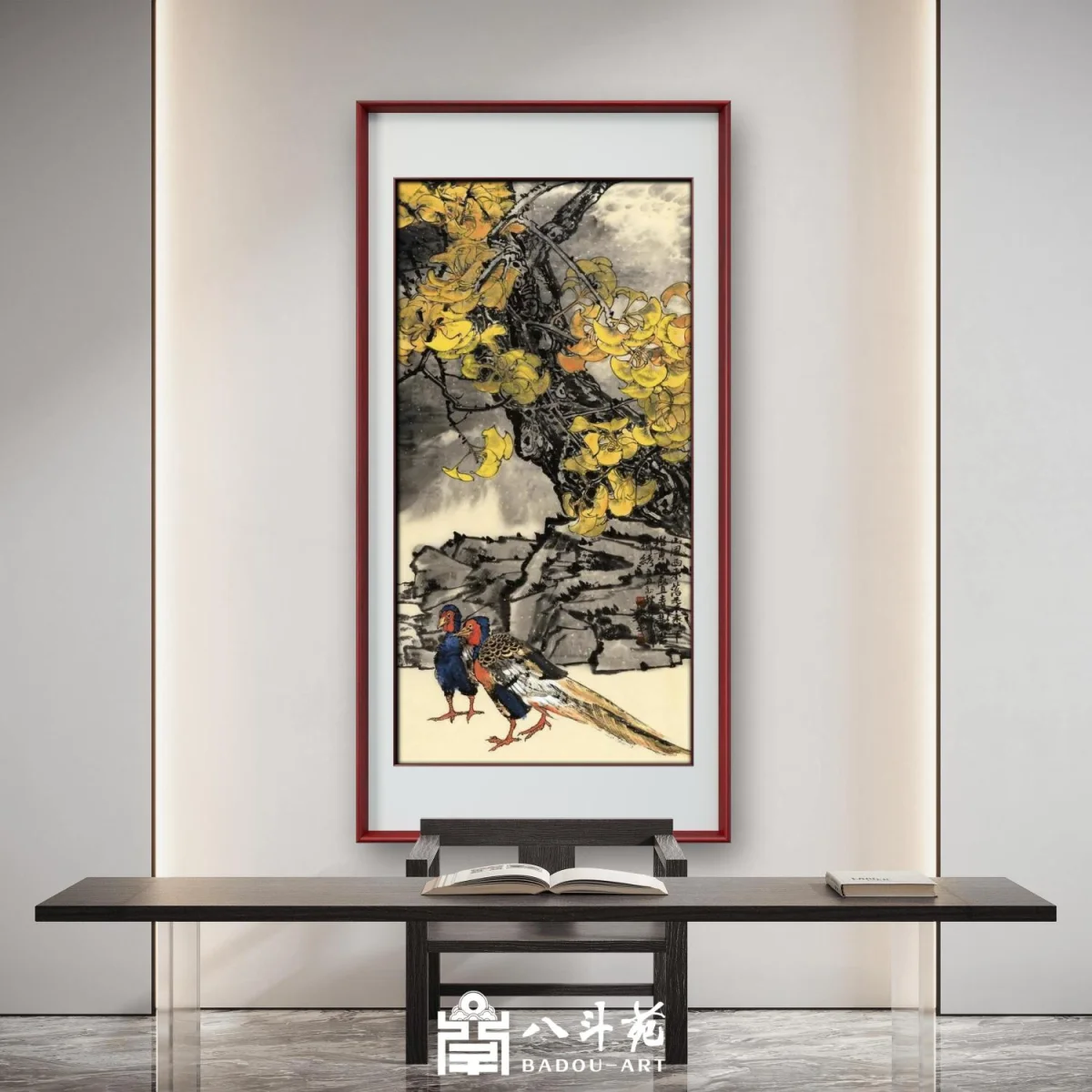
Wu Jingyan Chinese Freehand Painting・Four‑Panel Flower‑and‑Bird Screens(花鸟四条屏)
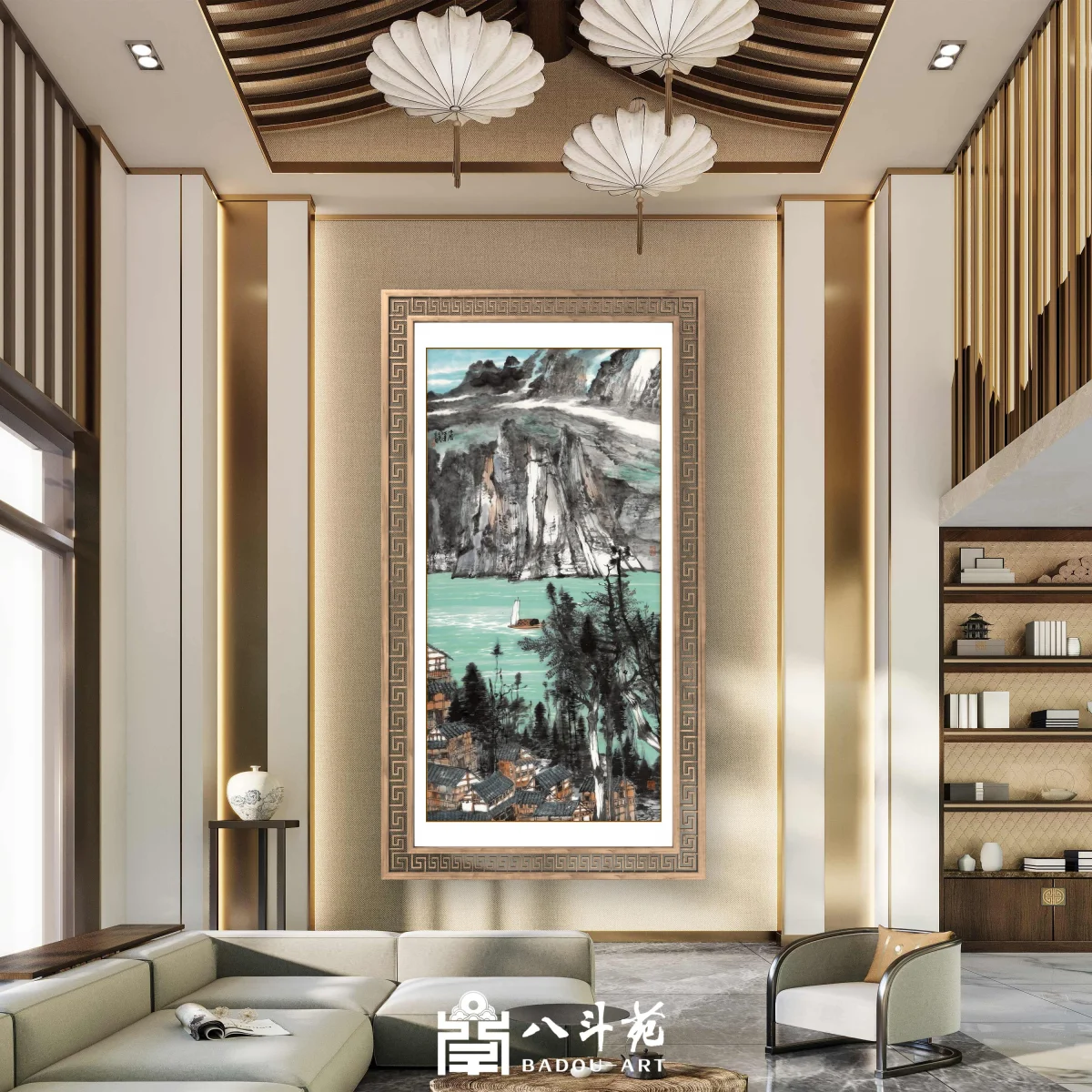
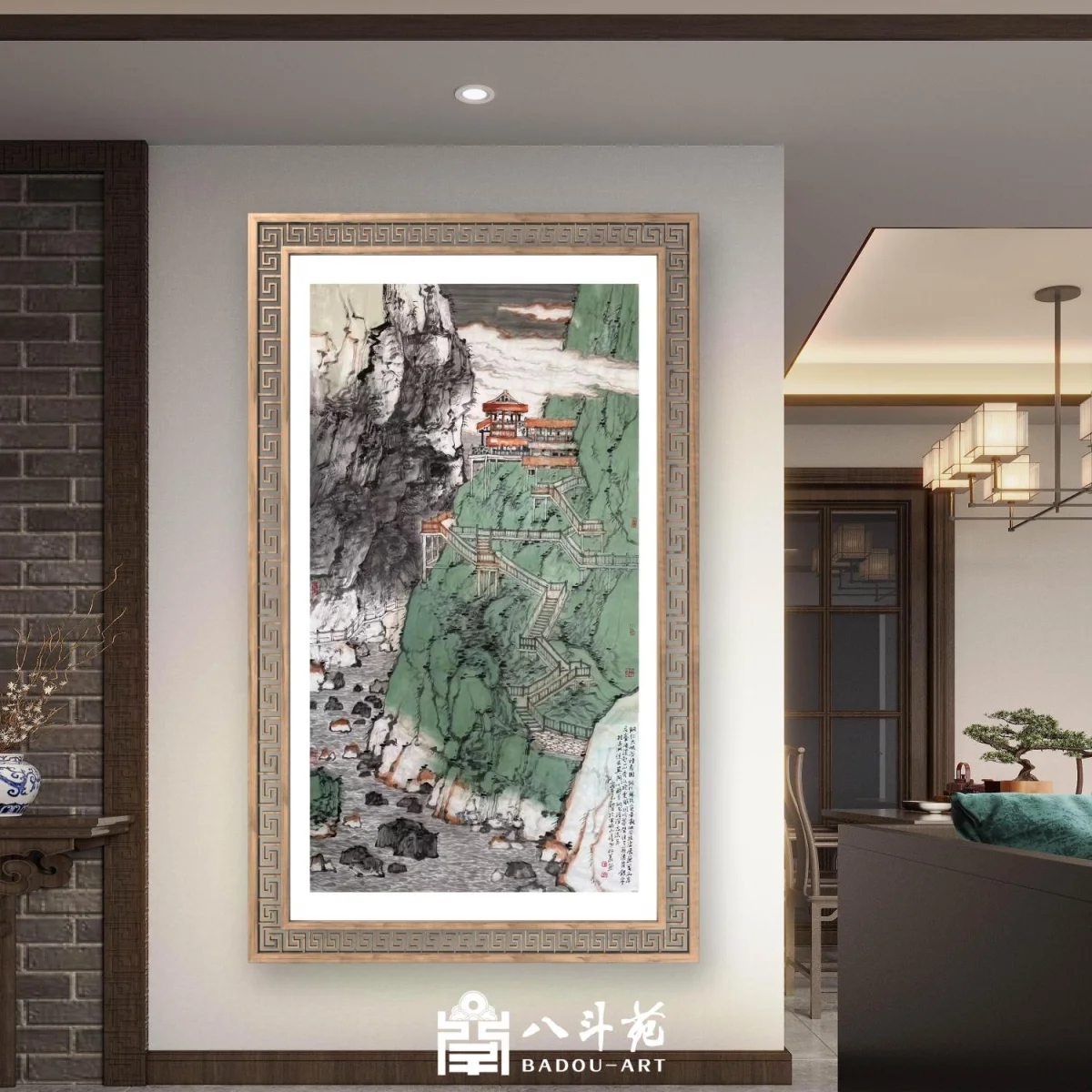
Liu Liyong Landscape Painting | Riverside Mountain Hamlet (山居江远)
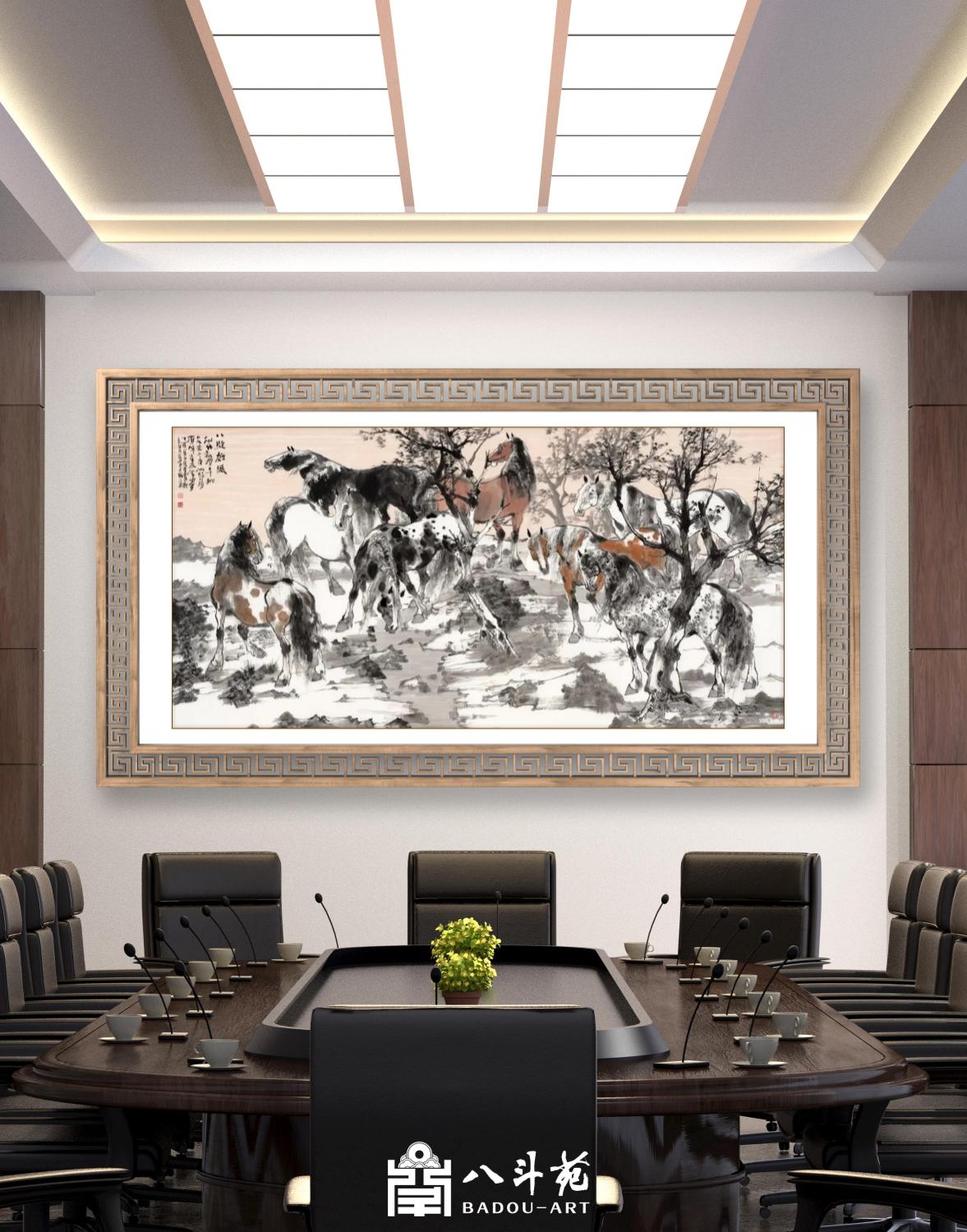
Liu Liyong Animal Painting | Eight Steeds (八骏图)
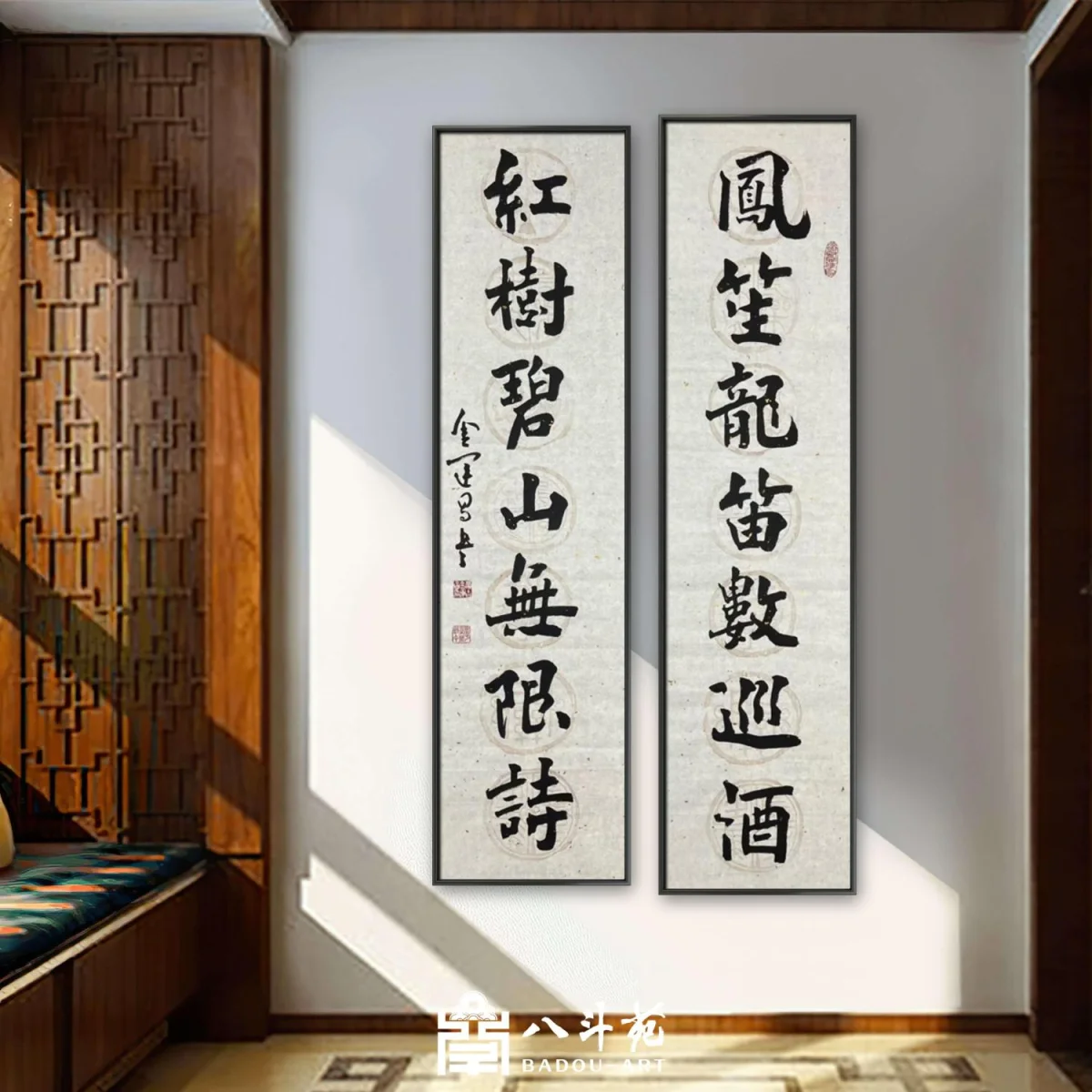
Jin Yunchang Calligraphy | 鳳笙龍笛數巡酒
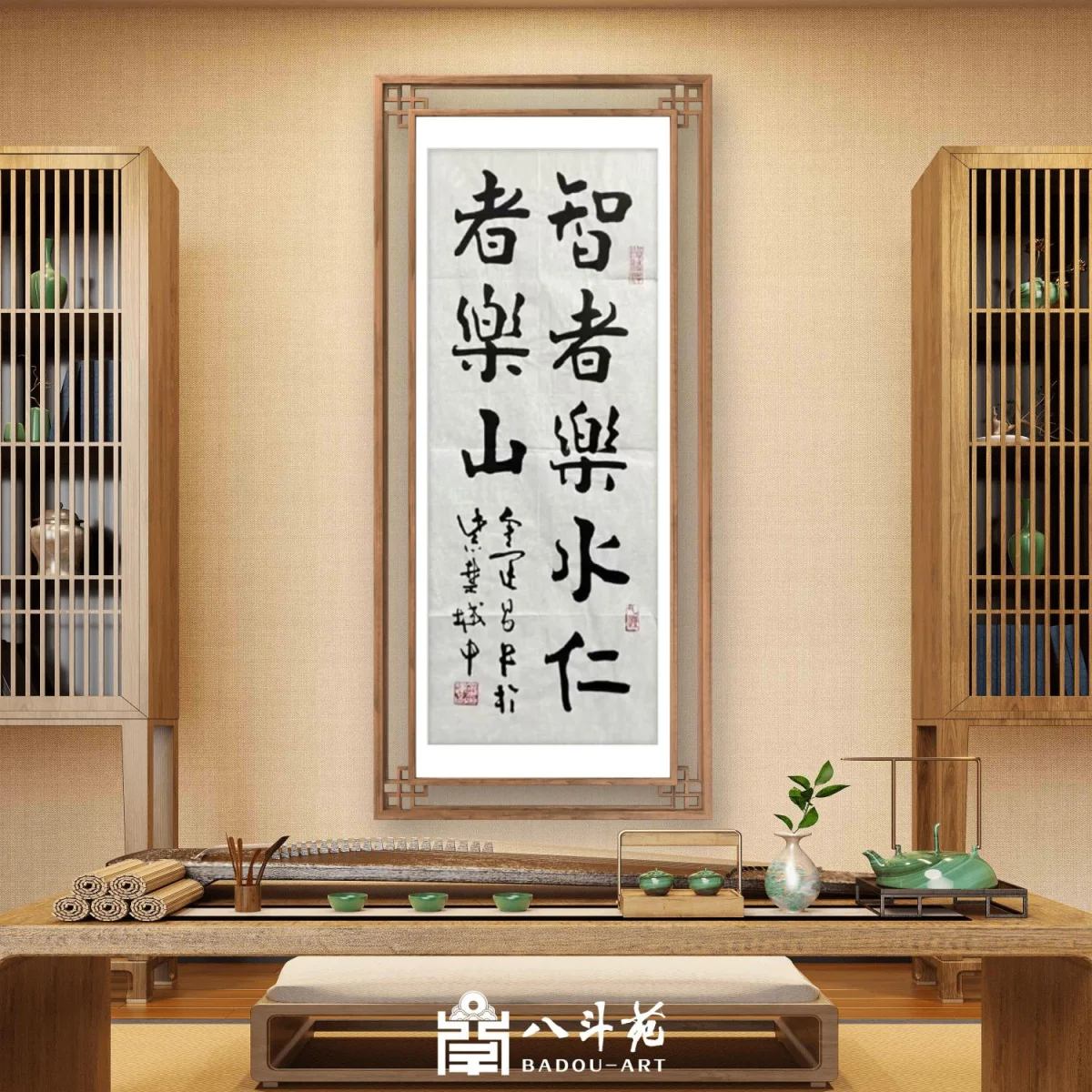
Jin Yunchang Calligraphy | 智者樂水仁者樂山
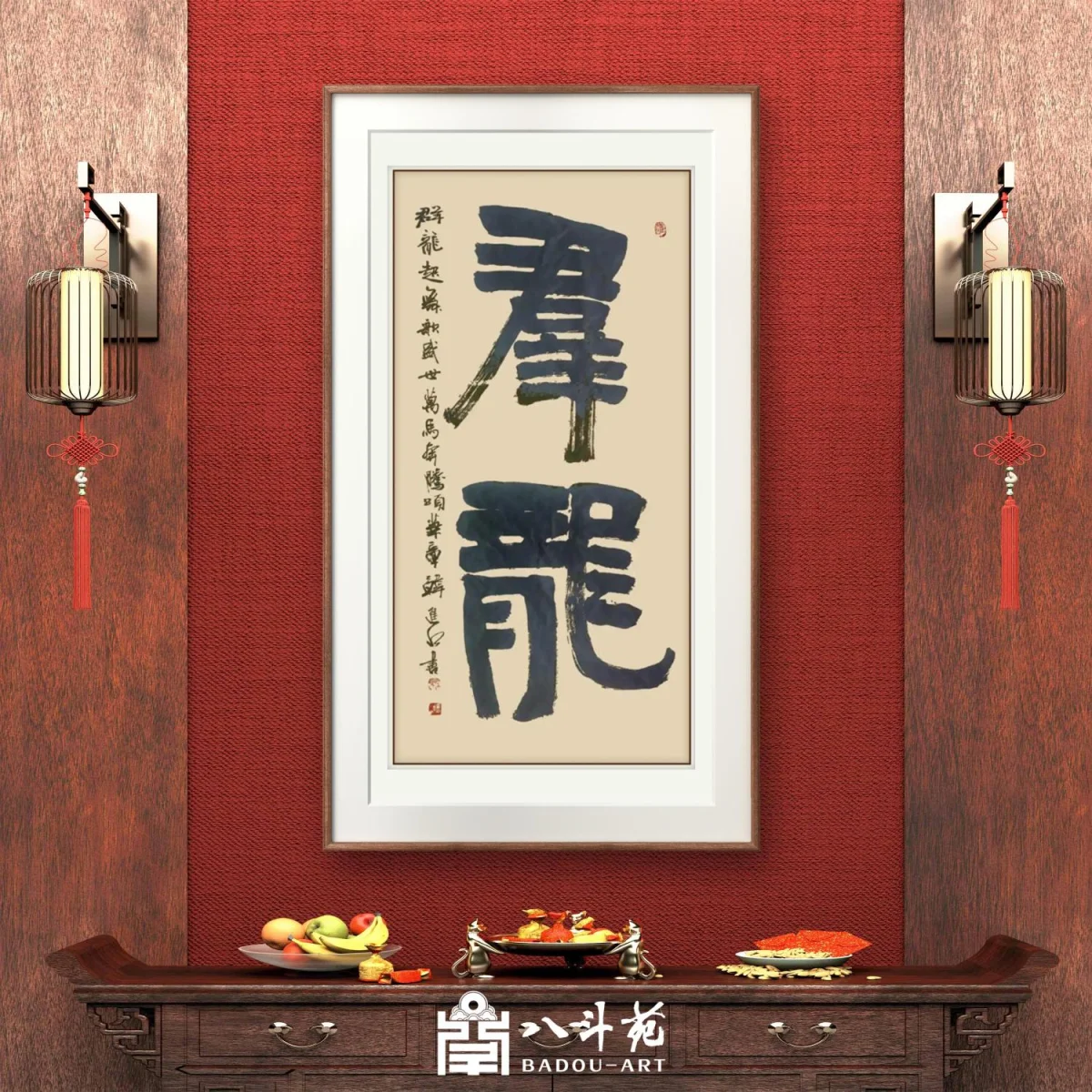
Han Jinshui Calligraphy | 羣龍 (A Group of Dragons)
Chinese Art as Diplomatic Gifts: Themes & Etiquette
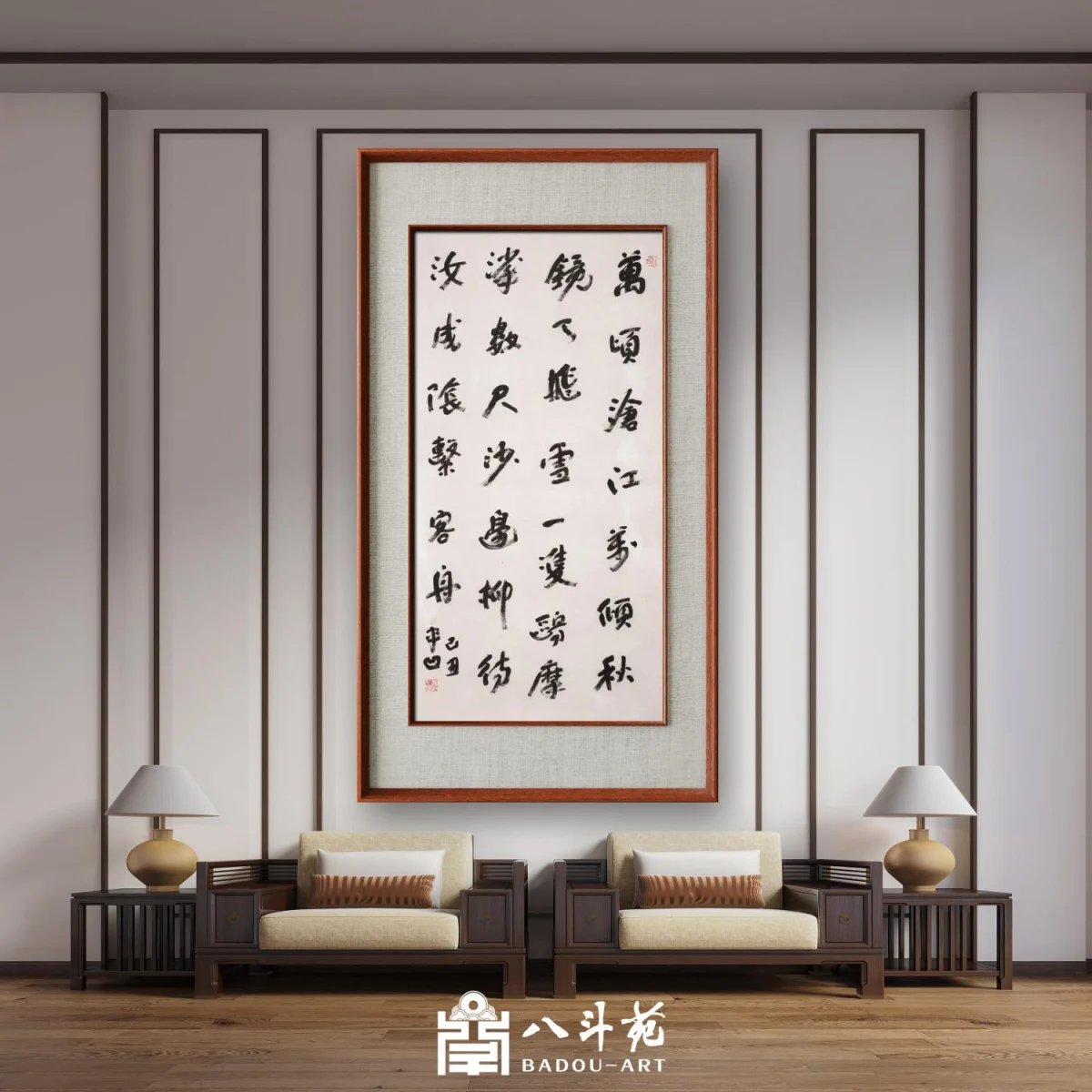
Chinese Art as Diplomatic Gifts: Themes & Etiquette
When a gift must represent a nation, few things carry more weight than a work of calligraphy or ink painting. China has a long tradition of giving art as state gifts (guoli), choosing each theme for its cultural meaning and the message it sends. This guide shares time-tested calligraphy and painting themes for international occasions — and the etiquette that keeps them appropriate.
Calligraphy Themes That Speak Diplomatically
- **he er bu tong** — “harmonious yet different” (from the Analects): respect for diversity; suits multilateral organizations such as the United Nations.
- **dadao zhi xing ye** — “when the Great Way prevails” (from the Book of Rites): an ideal of shared governance; for summits and global forums.
- “A bosom friend within the four seas, though ten thousand li apart” (poet Wang Bo): friendship beyond distance; for anniversaries of diplomatic ties.
- **houde zaiwu** — “great virtue carries all things” (I Ching): openness and moral weight; for culturally diverse nations.
- **shangshan ruoshui** — “the highest good is like water” (Laozi): wisdom and soft strength; for East Asian neighbors.
- **sihai yijia** — “all under heaven, one family”: a global community; for sports events and multinational partnerships.
- The *Lanting xu* (Preface to the Orchid Pavilion), the pinnacle of classical calligraphy: for museums and sinologists.
- A “hundred shou characters” scroll — one hundred variants of the character for longevity: for monarchies and elder statesmen.
- The Heart Sutra in Dunhuang manuscript style: peace and shared faith; for Buddhist nations.
Many of these themes have been rendered by celebrated contemporary calligraphers such as Lu Zhongnan.
Painting Themes That Cross Cultures
- Galloping horses: drive and reform; for economies in transformation.
- Shrimp in water: vitality and agility; for maritime and fishery partners.
- Lotus: purity and integrity; for partners in clean governance.
- Plum blossom: resilience through hardship; for nations recovering from difficulty.
- Pine and crane: longevity; for royal or elder recipients.
- Huangshan’s sea of clouds: natural majesty; for heritage-protection partners.
- Peony: prosperity and wealth; for economic cooperation agreements.
- Pandas in bamboo: a friendly, universally loved motif — a safe choice for almost any occasion.
Etiquette: Five Rules for State Gifts
- **Cultural fit**: avoid religiously sensitive symbols — the dragon, for instance, can be misread in some Western contexts. Prefer universal values.
- **Political metaphors**: avoid anything touching territory or historical disputes; landscapes should not resemble contested borders.
- **Personalization**: weave in elements of the recipient’s culture, such as a subtle Eiffel Tower silhouette in an ink-wash for a French guest.
- **Presentation**: a silk brocade box or a lacquered screen adds ceremony and respect.
- **Contemporary vitality**: works by young artists — abstract ink or digital-inspired pieces — show a culture that is alive, not just ancient.
When the message is chosen with care, art truly “connects heart to heart.” If you are selecting a gift for an international occasion, Badou Art can commission calligraphy and paintings tailored to your recipient — our specialists will help you choose the theme, script, size and presentation.