Our Featured Collection
Hand‑picked premium works for you
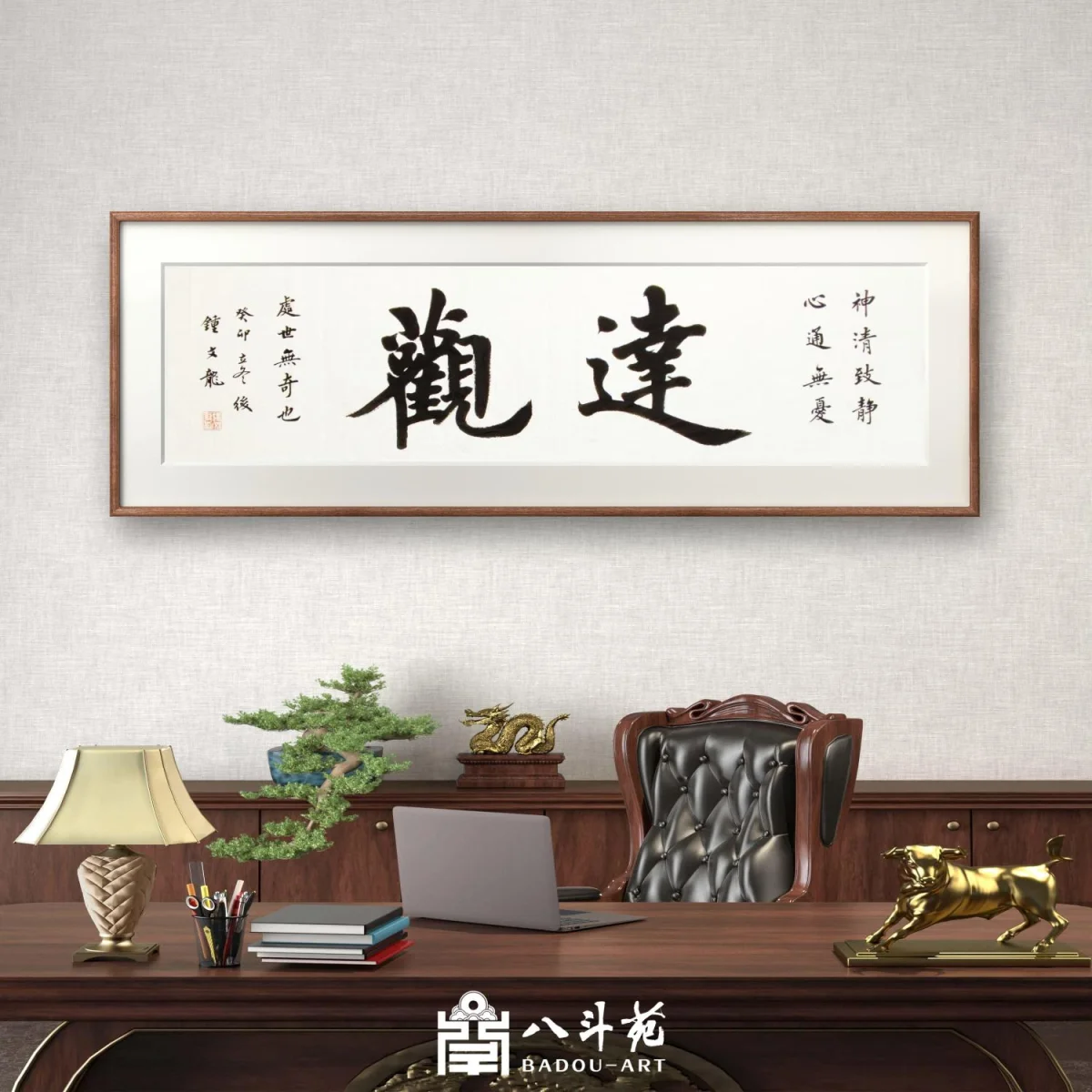
Zhong Wenlong Calligraphy | 达观
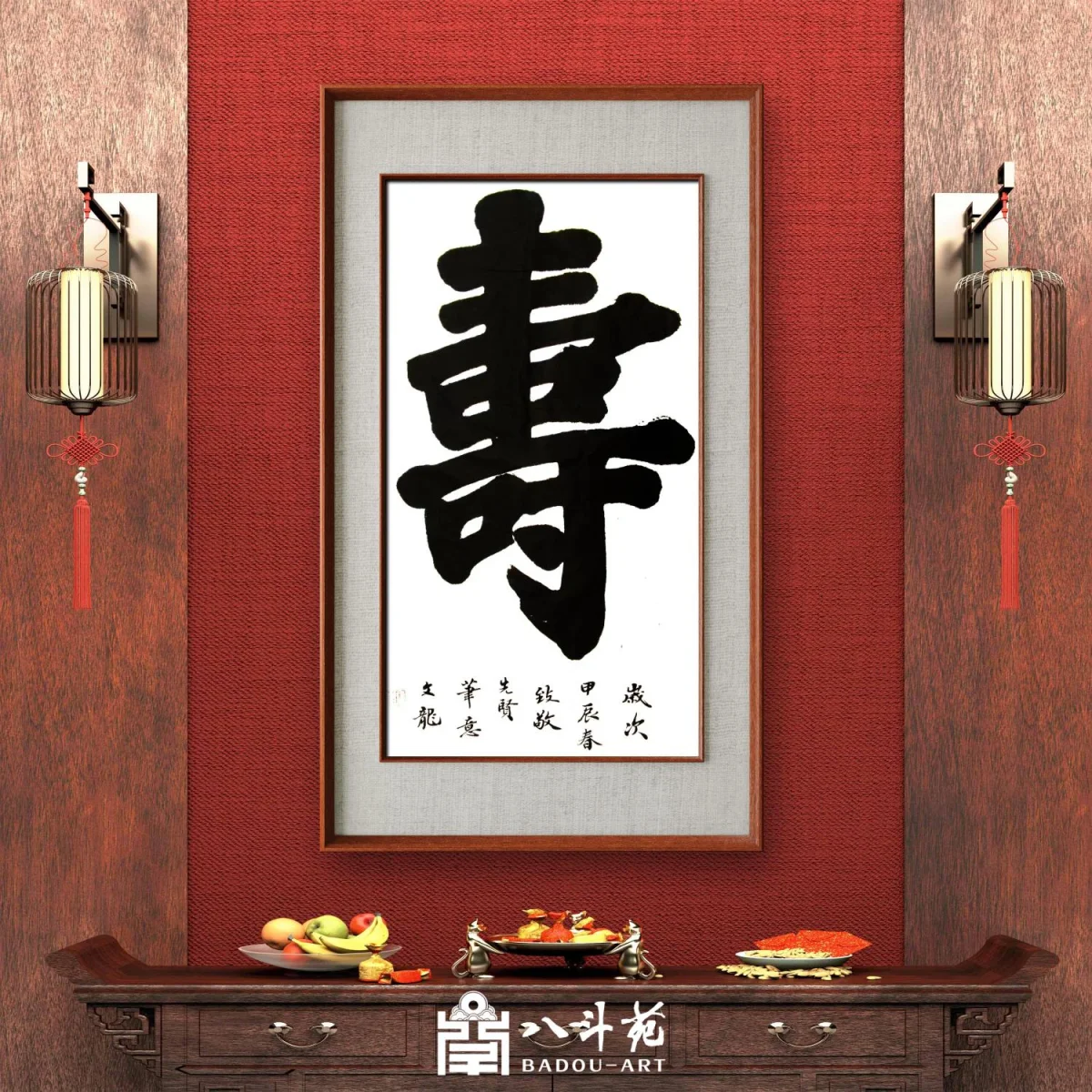
Zhong Wenlong Calligraphy | 壽
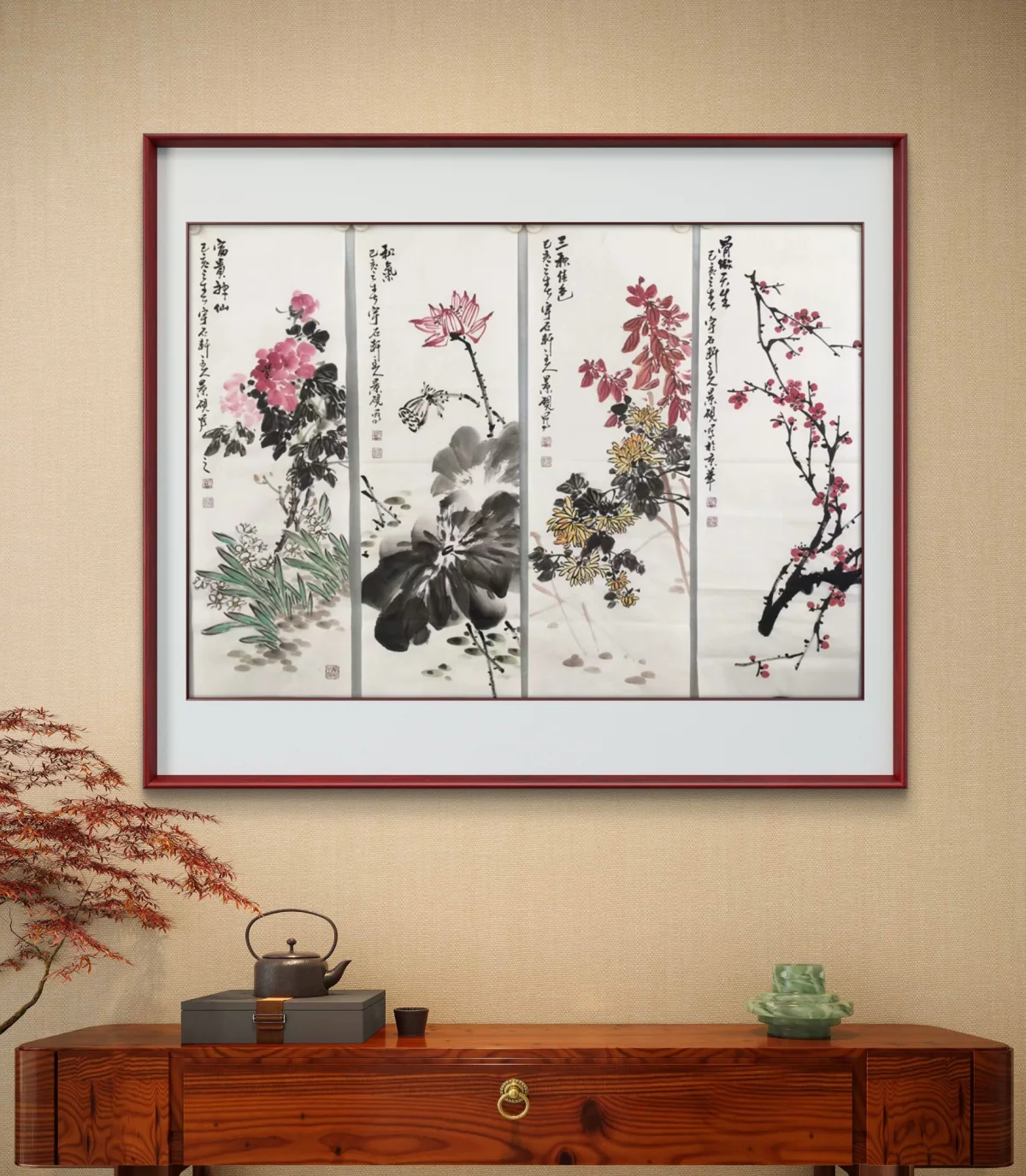
Wu Jingyan Chinese Freehand Painting・Four‑Panel Flower‑and‑Bird Screens(花鸟四条屏)
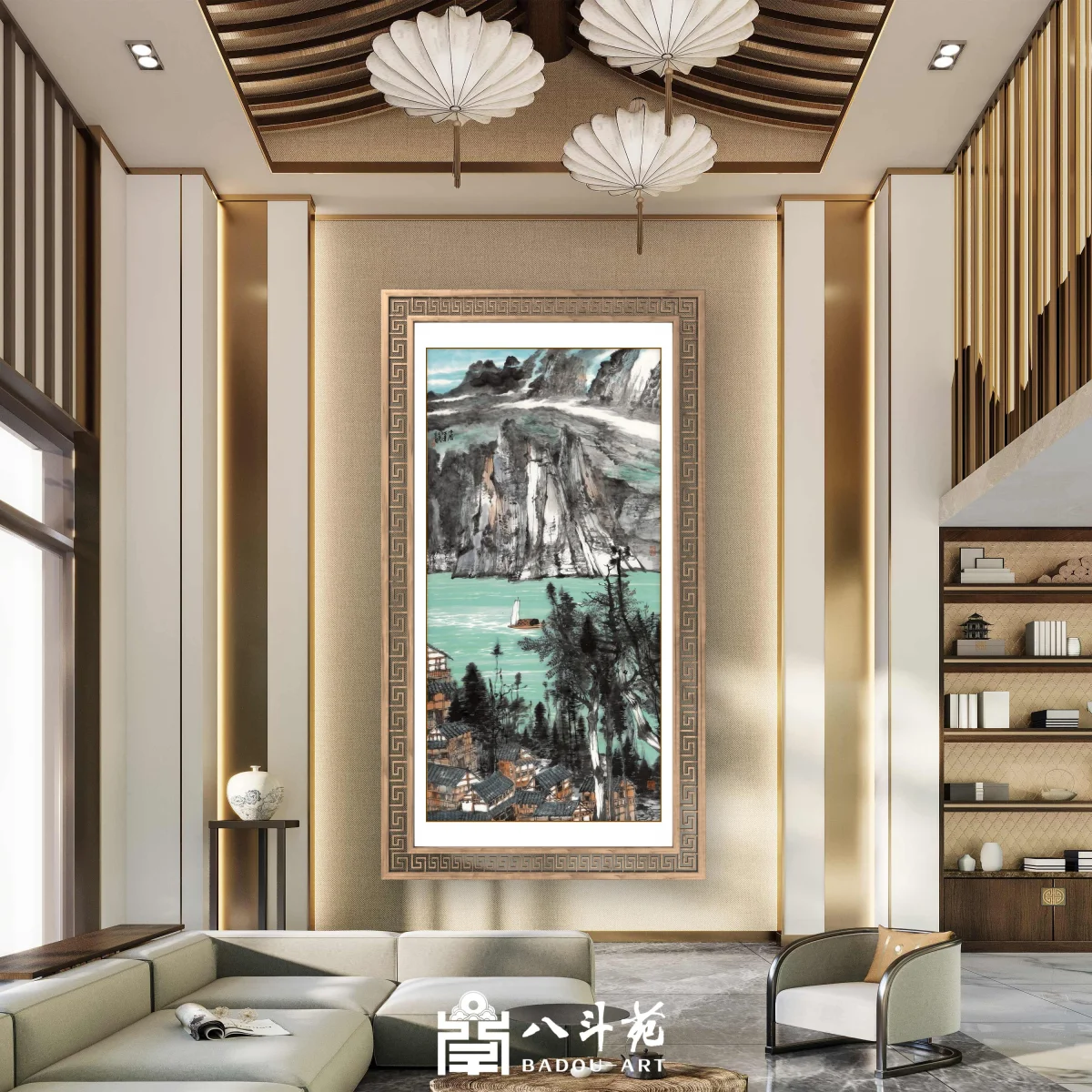
Liu Liyong Landscape Painting | Riverside Mountain Hamlet (山居江远)
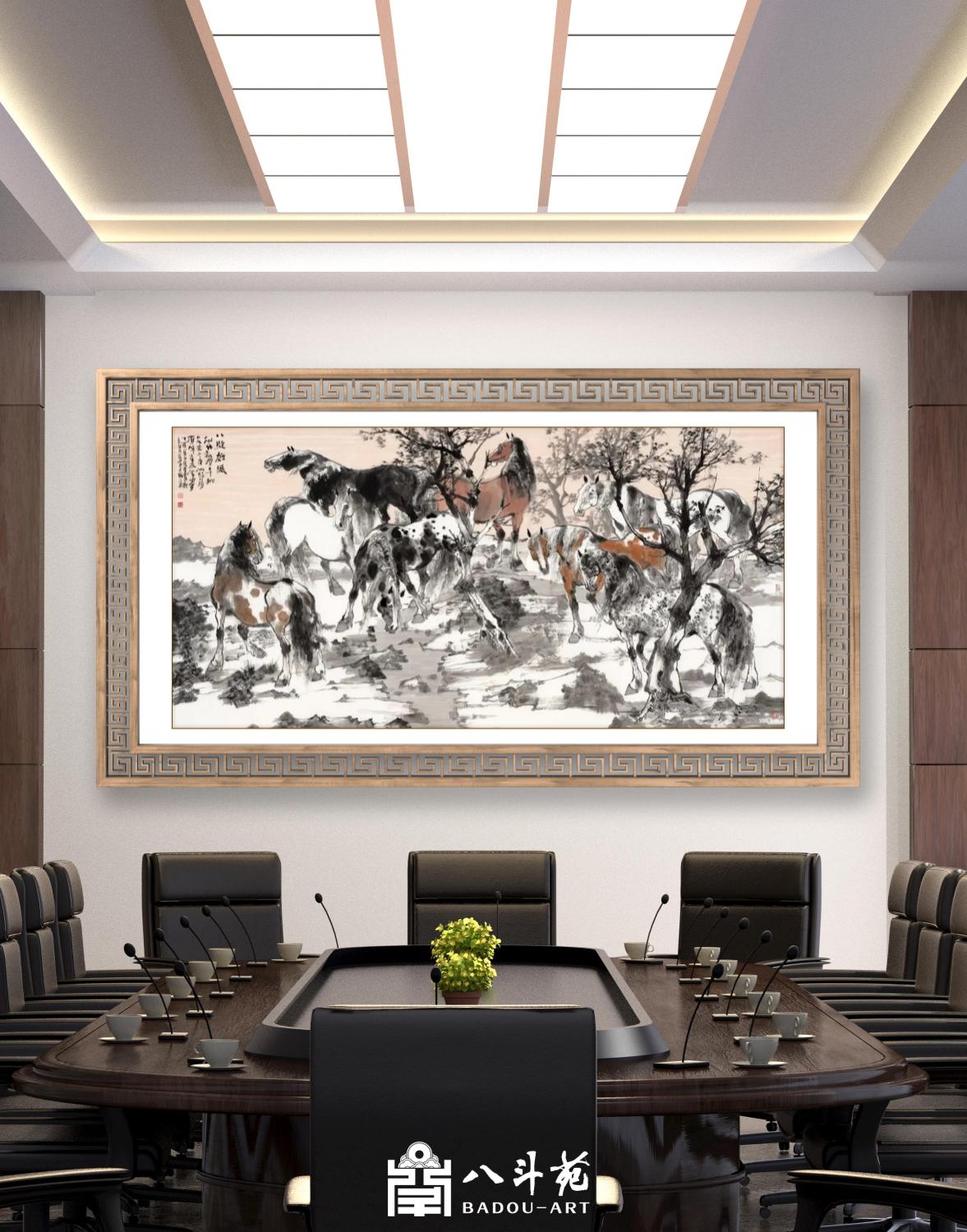
Liu Liyong Animal Painting | Eight Steeds (八骏图)
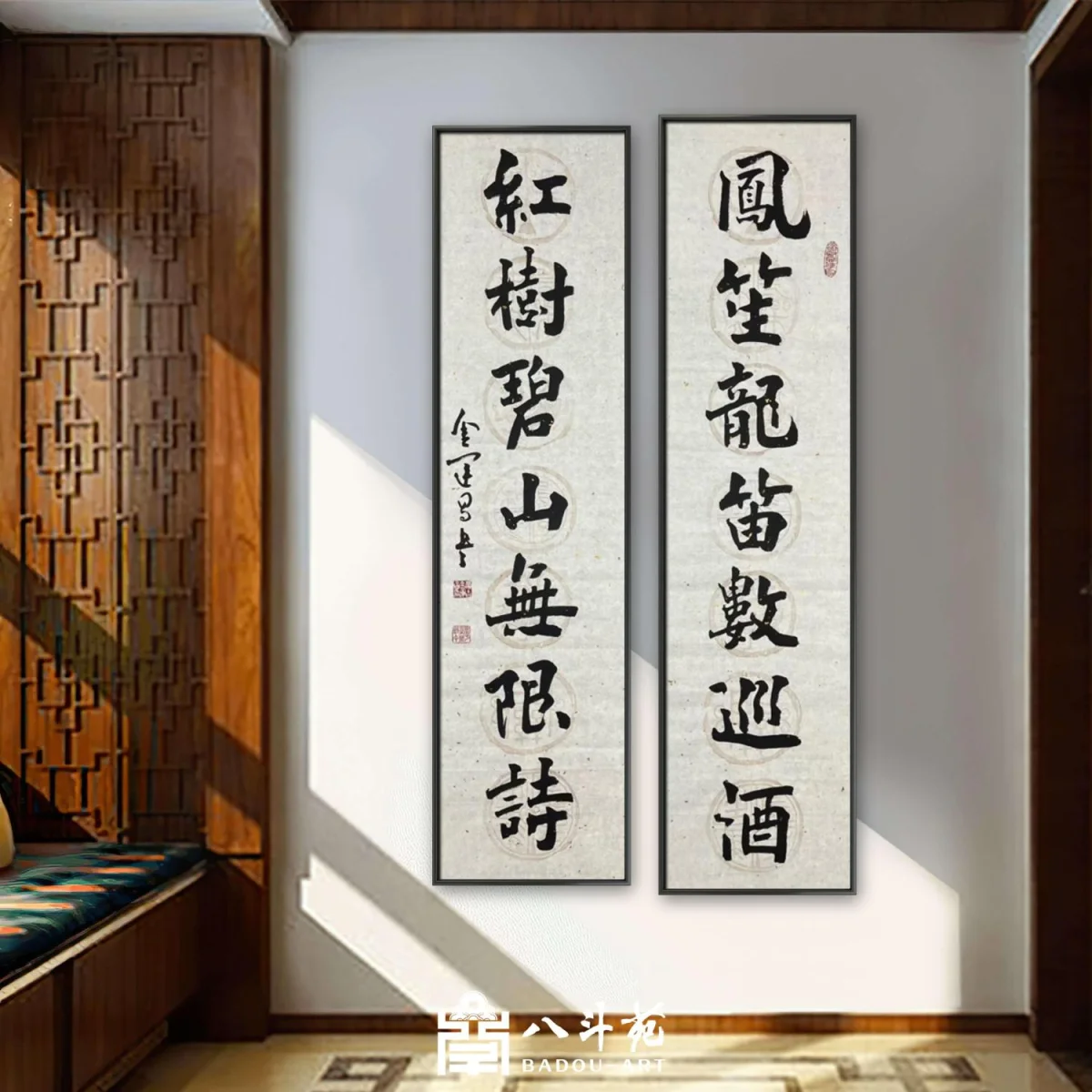
Jin Yunchang Calligraphy | 鳳笙龍笛數巡酒
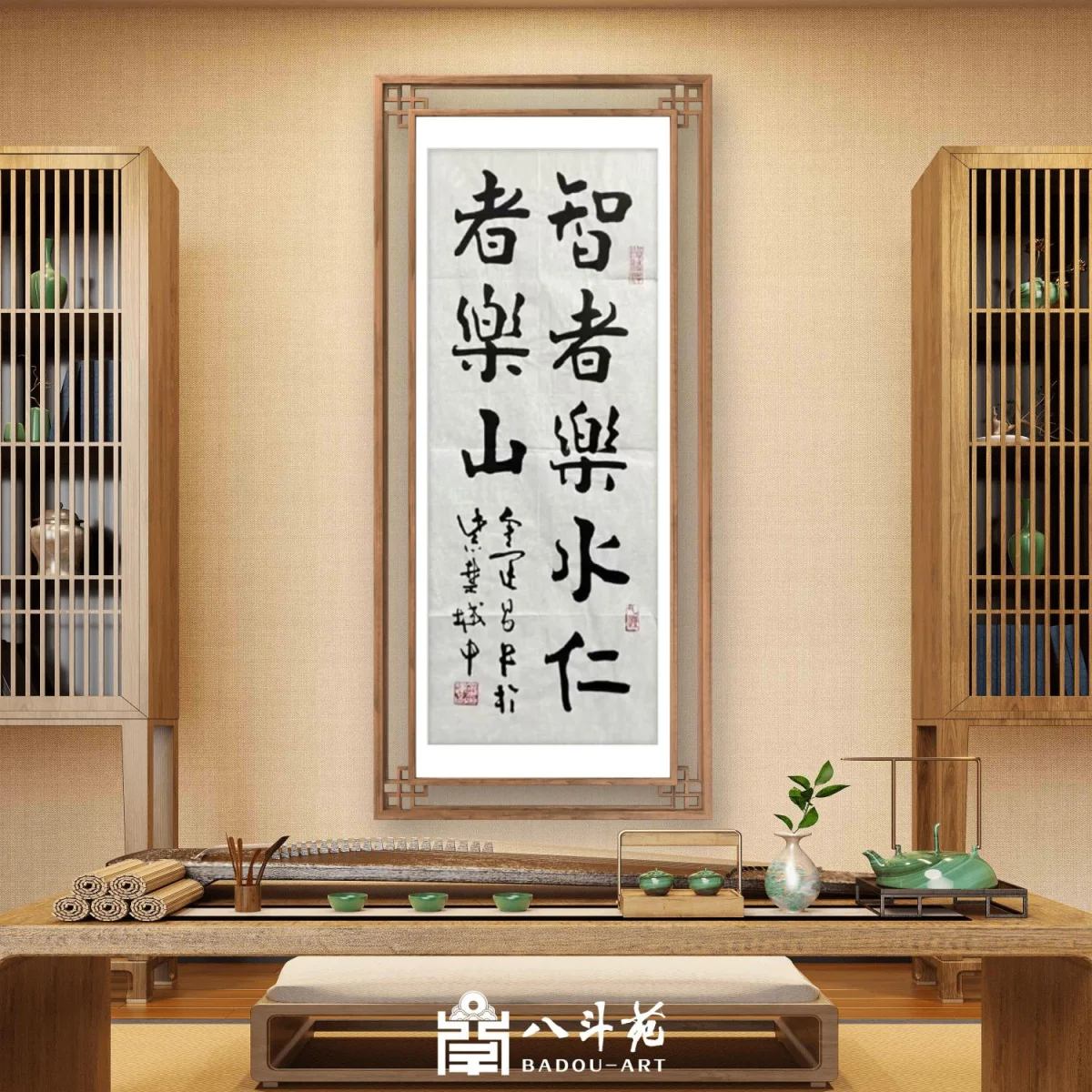
Jin Yunchang Calligraphy | 智者樂水仁者樂山
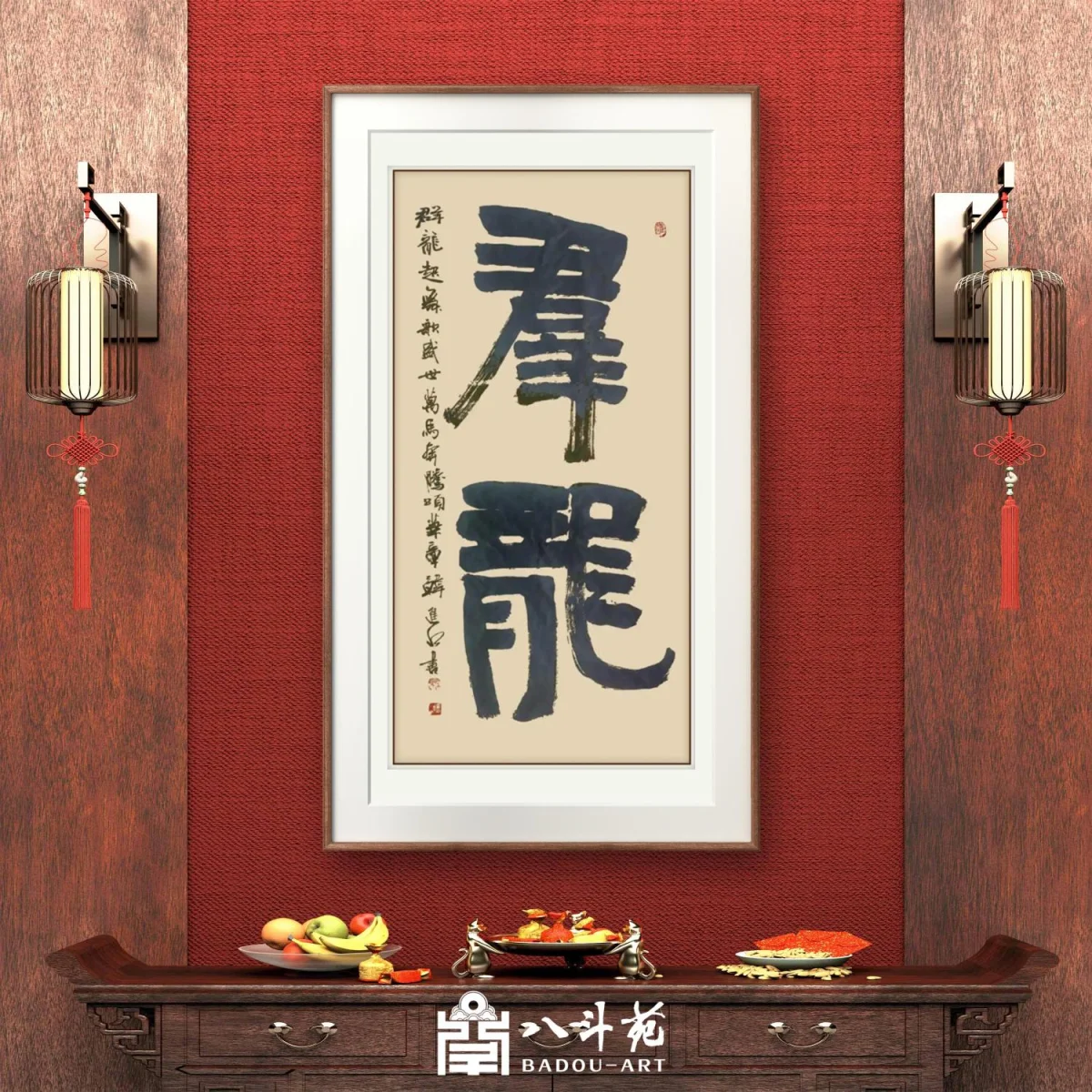
Han Jinshui Calligraphy | 羣龍 (A Group of Dragons)
How Chinese Calligraphy Is Going Global: Paths and Progress
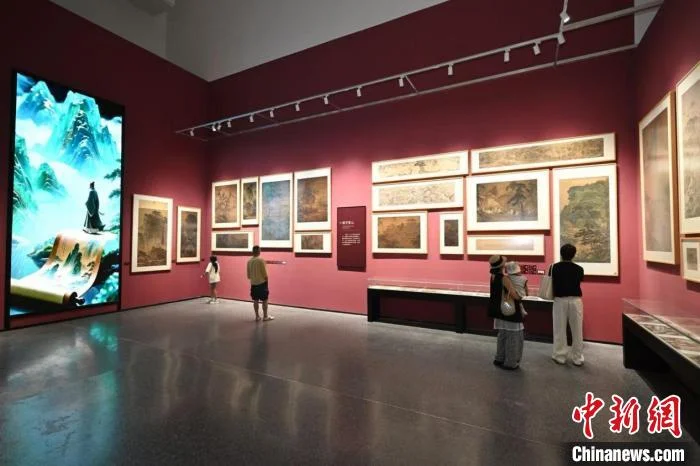
How Chinese Calligraphy Is Going Global: Paths and Progress
Chinese calligraphy — the art of writing characters with brush and ink — is one of the most recognizable faces of Chinese culture. In recent decades it has traveled far beyond East Asia: Chinese cultural analysts report that calligraphy has surpassed Peking opera as the traditional Chinese art most beloved by international audiences. This article traces how calligraphy reached the world, the channels carrying it abroad today, and the road ahead.
From the Silk Road to the Internet
Calligraphy’s journey overseas began early. In the Tang dynasty (618–907), it spread along the Silk Road to neighboring countries, and the Ming and Qing dynasties widened that reach. In the early 20th century, Chinese students studying abroad introduced it to Europe and the Americas, while exhibitions by Chinese calligraphers steadily built its reputation. Since the 2000s, the internet and multimedia have carried calligraphy into homes around the world at an unprecedented pace.
Four Channels That Spread the Art
**Teaching** is the most direct channel. Confucius Institutes and overseas programs now offer calligraphy classes tailored to local learners — from basic brushwork to appreciation and practice — while Chinese universities teach international students on campus, building friendships that last long after graduation.
**Academic exchange** comes second: calligraphers take part in international symposia and joint exhibitions, and overseas scholars of Chinese calligraphy deepen global understanding of the art.
**Government-supported cultural programs** form the third channel. Exhibitions, festivals, and exchange projects funded by the state put calligraphy on international stages, and its growing presence in the art market has won over collectors abroad.
**Digital platforms** are the newest and fastest-growing channel. Online galleries, electronic copybooks, calligraphy apps, short videos, and even AI-powered virtual exhibitions let global audiences view and learn calligraphy anytime, anywhere — and let artists sell directly to overseas buyers.
Why Calligraphy Travels Well
Calligraphy’s global appeal rests on its depth. Rooted in classical Chinese learning, it is at once a writing system, a visual art, and a philosophy — scholars describe it as the perfect union of simplicity and resonance. Because its beauty can be felt without reading a single character, it crosses language barriers naturally.
The Challenges Ahead
Two obstacles stand out. First, there is a shortage of interdisciplinary talent — people who combine calligraphy expertise with communication, cultural studies, and language skills. Second, the dissemination system itself is still maturing: traditional media remain valuable but are limited by time, space, and cost, and a fully integrated global network has yet to be built.
Where Calligraphy Goes Next
Experts point to four directions: sustained government support, including funding for exhibitions and international platforms; stronger university programs with teaching materials that weave calligraphy’s human stories into the lessons; full use of digital tools, from online marketplaces to virtual museums; and “empathetic” communication that finds common ground between cultures, so calligraphy is truly understood abroad rather than merely exoticized.
Calligraphy carries thousands of years of Chinese wisdom. As its global audience grows, it is becoming a genuine bridge between civilizations — and a window through which the world can appreciate the depth of Chinese culture.
For a personal piece of this tradition, Badou Art commissions calligraphy and ink paintings worldwide, helping you bring the art of the brush into your own space.