Our Featured Collection
Hand‑picked premium works for you
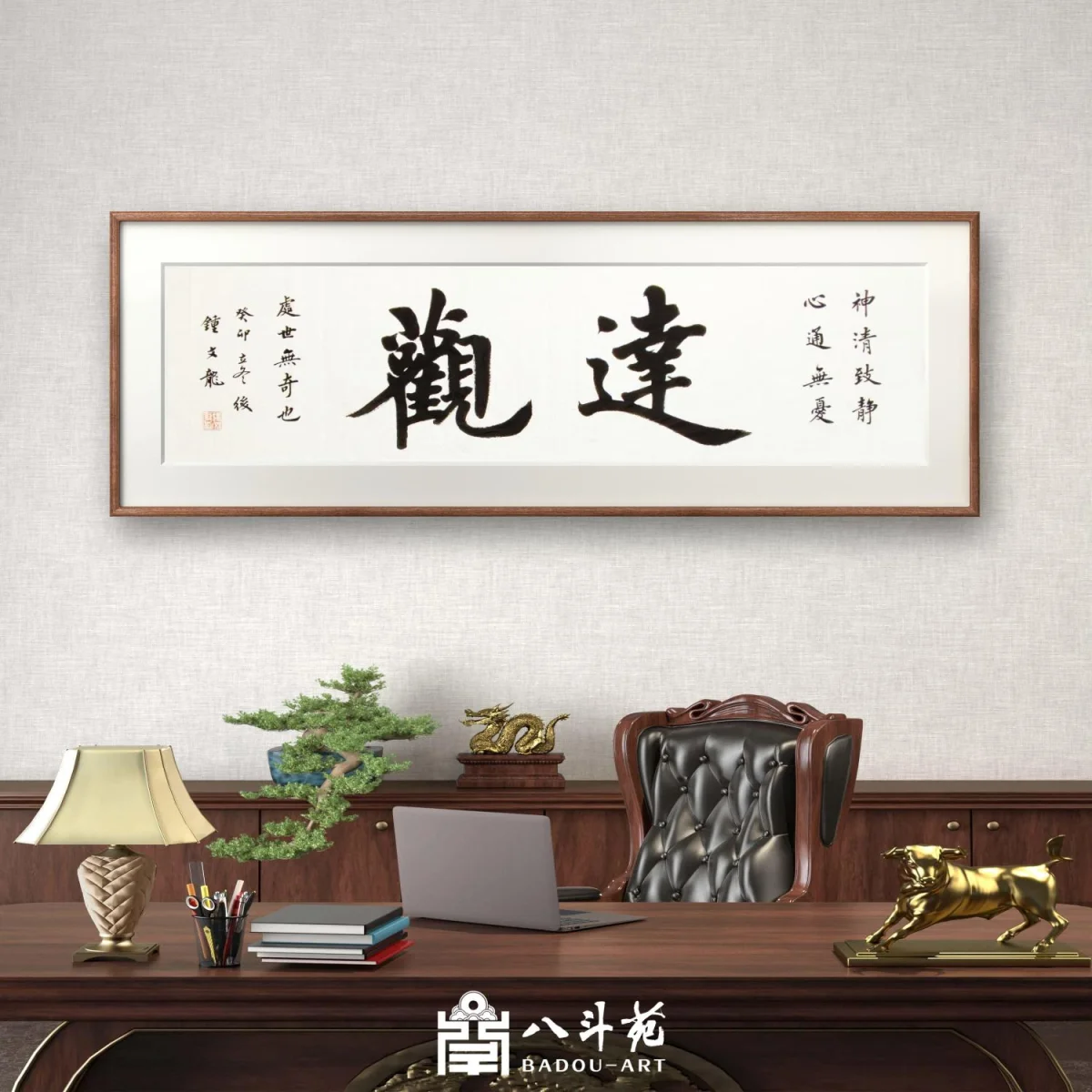
Zhong Wenlong Calligraphy | 达观
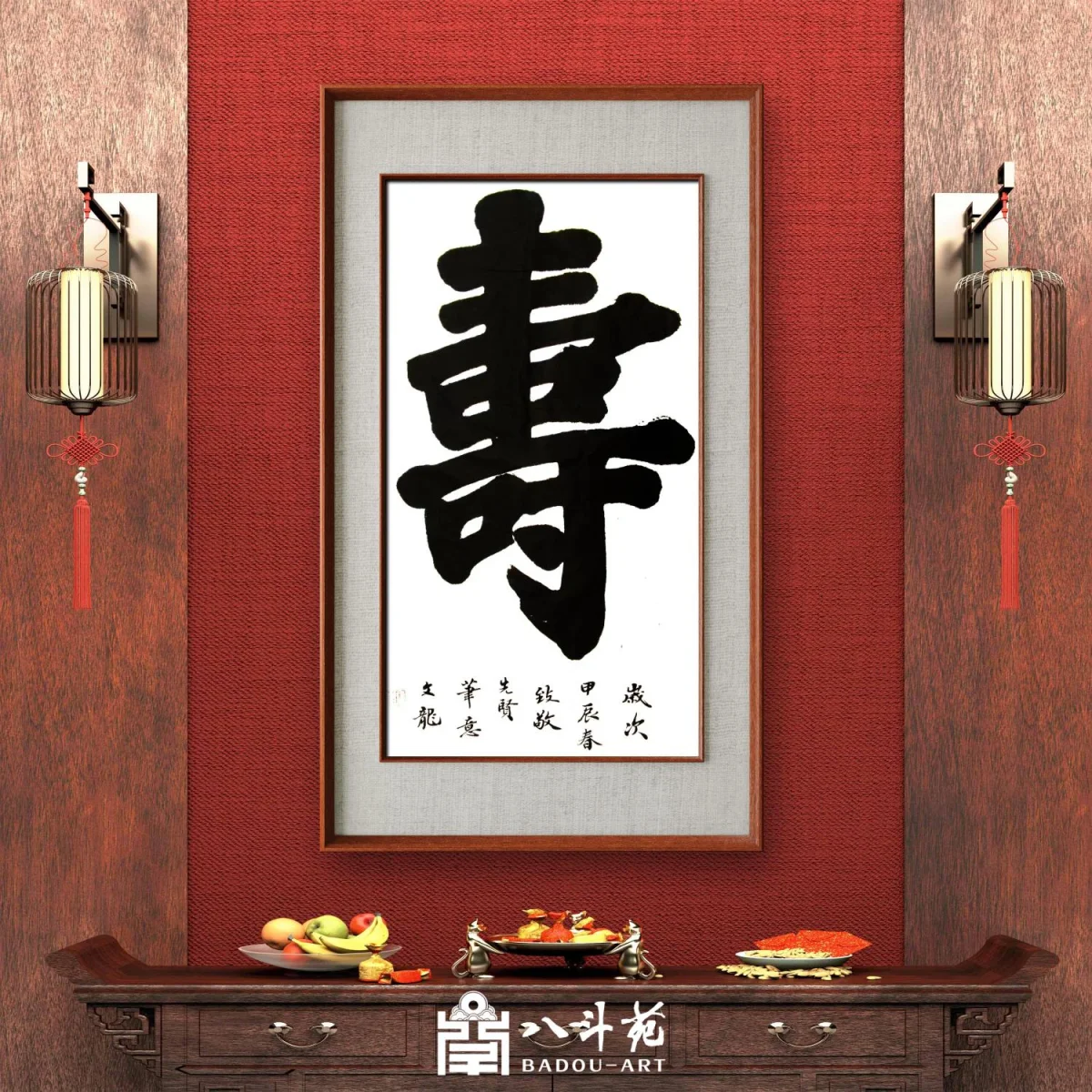
Zhong Wenlong Calligraphy | 壽
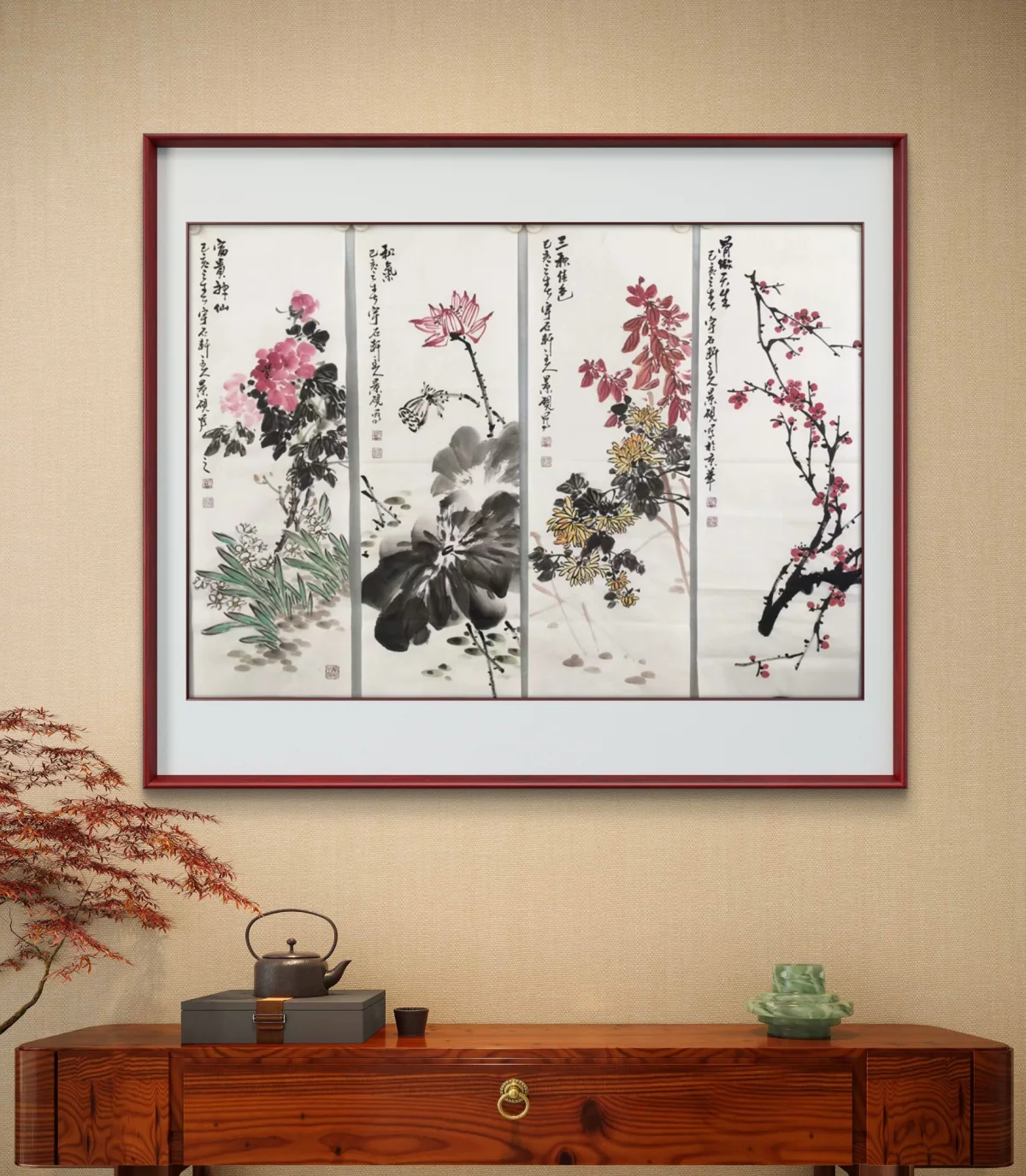
Wu Jingyan Chinese Freehand Painting・Four‑Panel Flower‑and‑Bird Screens(花鸟四条屏)

Liu Liyong Landscape Painting | Riverside Mountain Hamlet (山居江远)
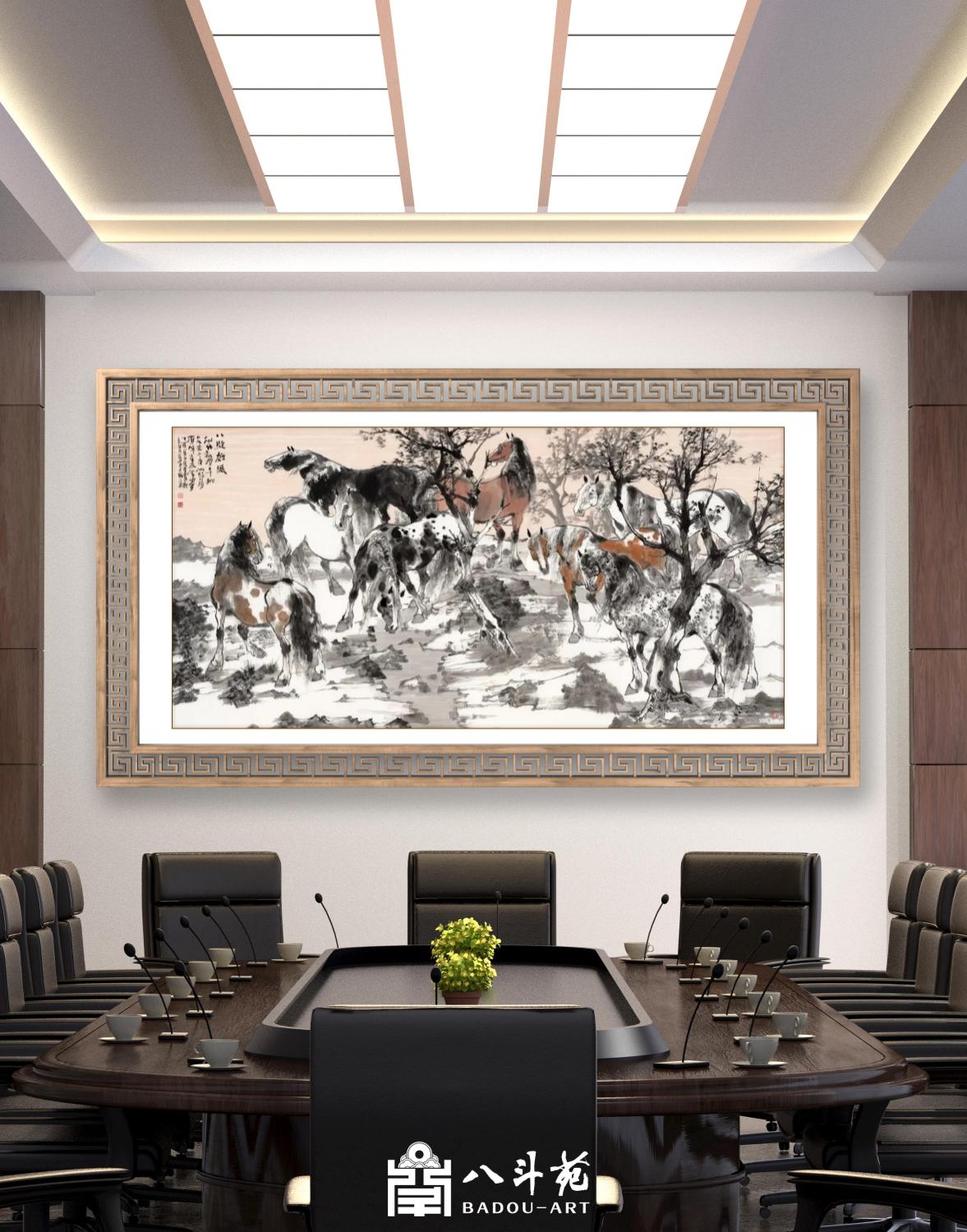
Liu Liyong Animal Painting | Eight Steeds (八骏图)
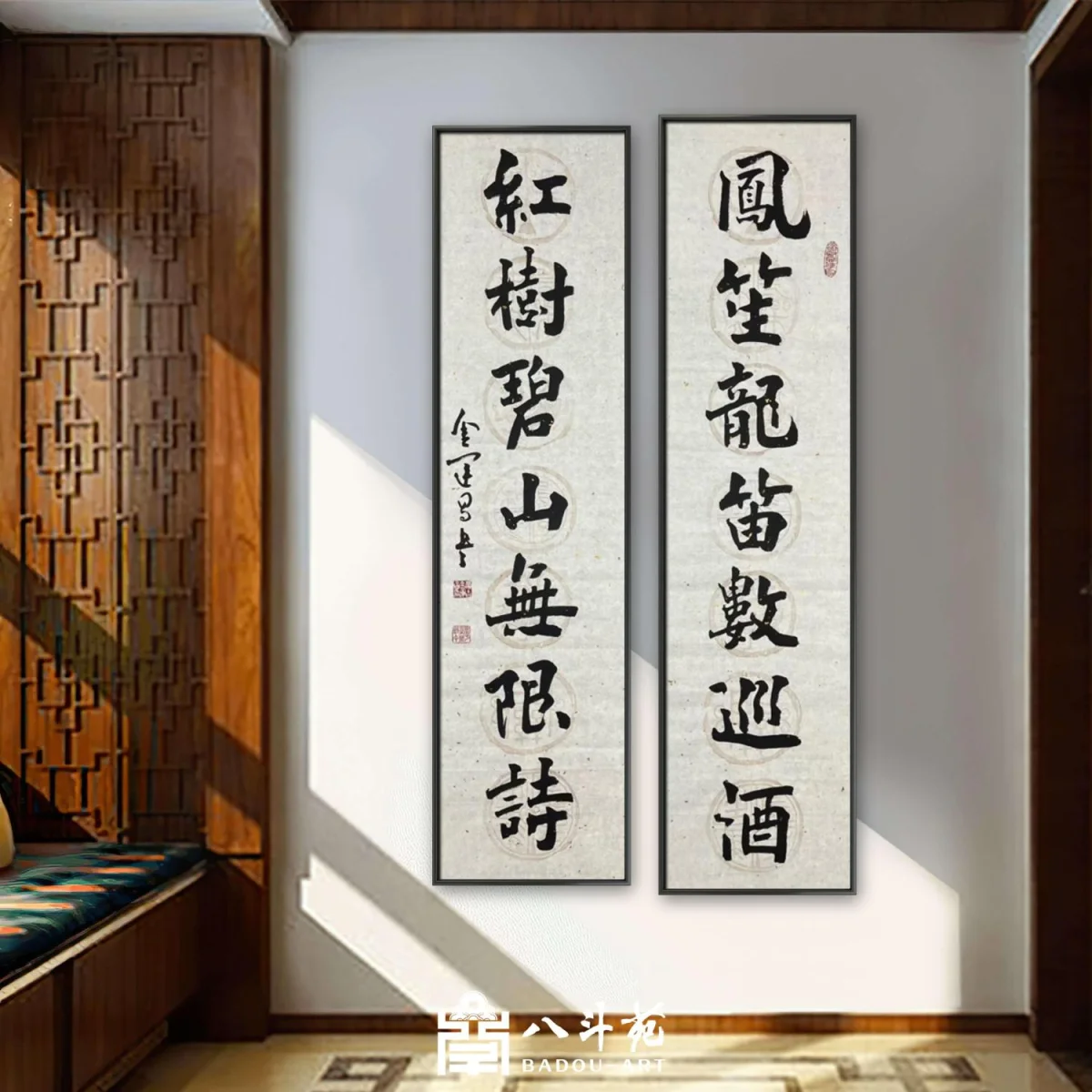
Jin Yunchang Calligraphy | 鳳笙龍笛數巡酒
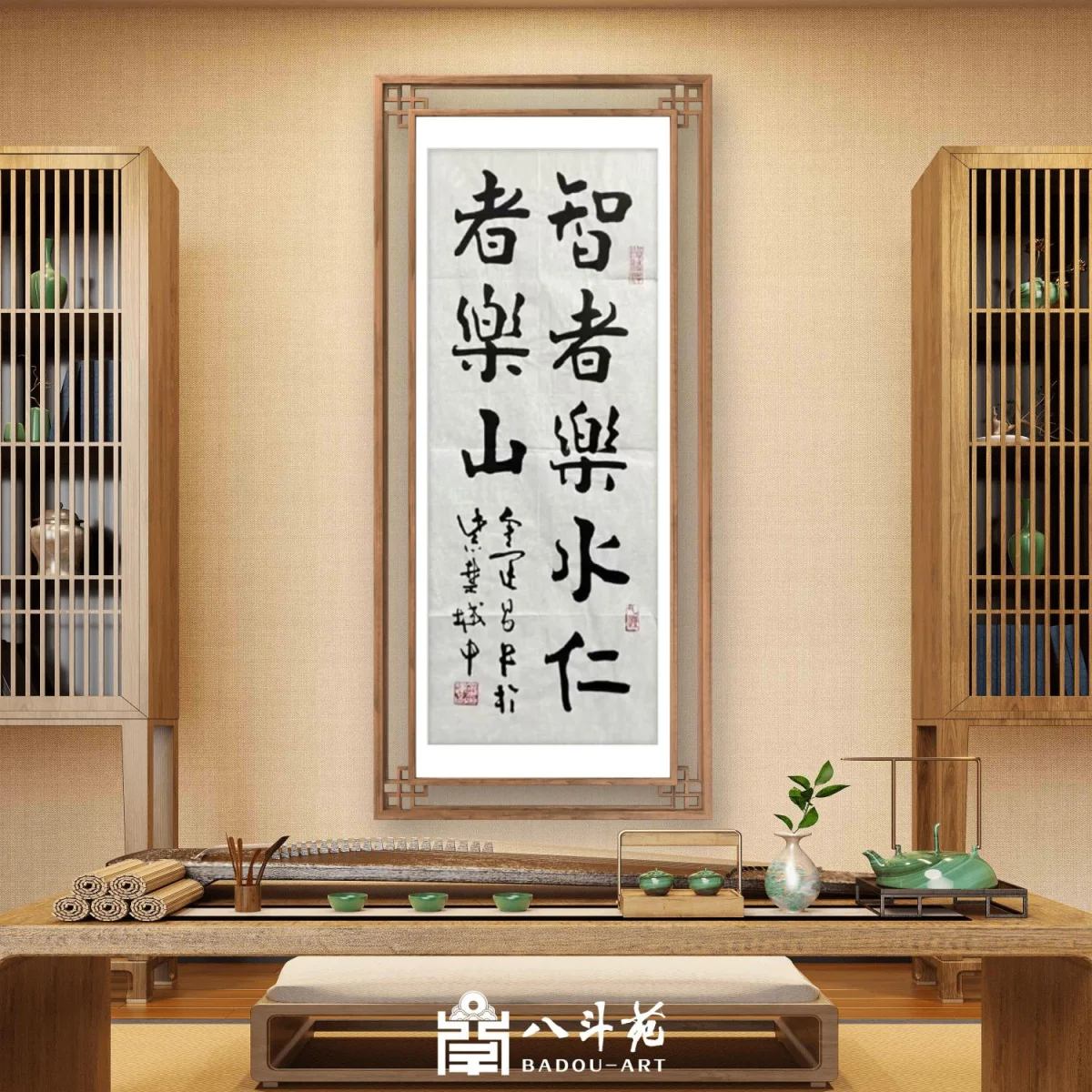
Jin Yunchang Calligraphy | 智者樂水仁者樂山
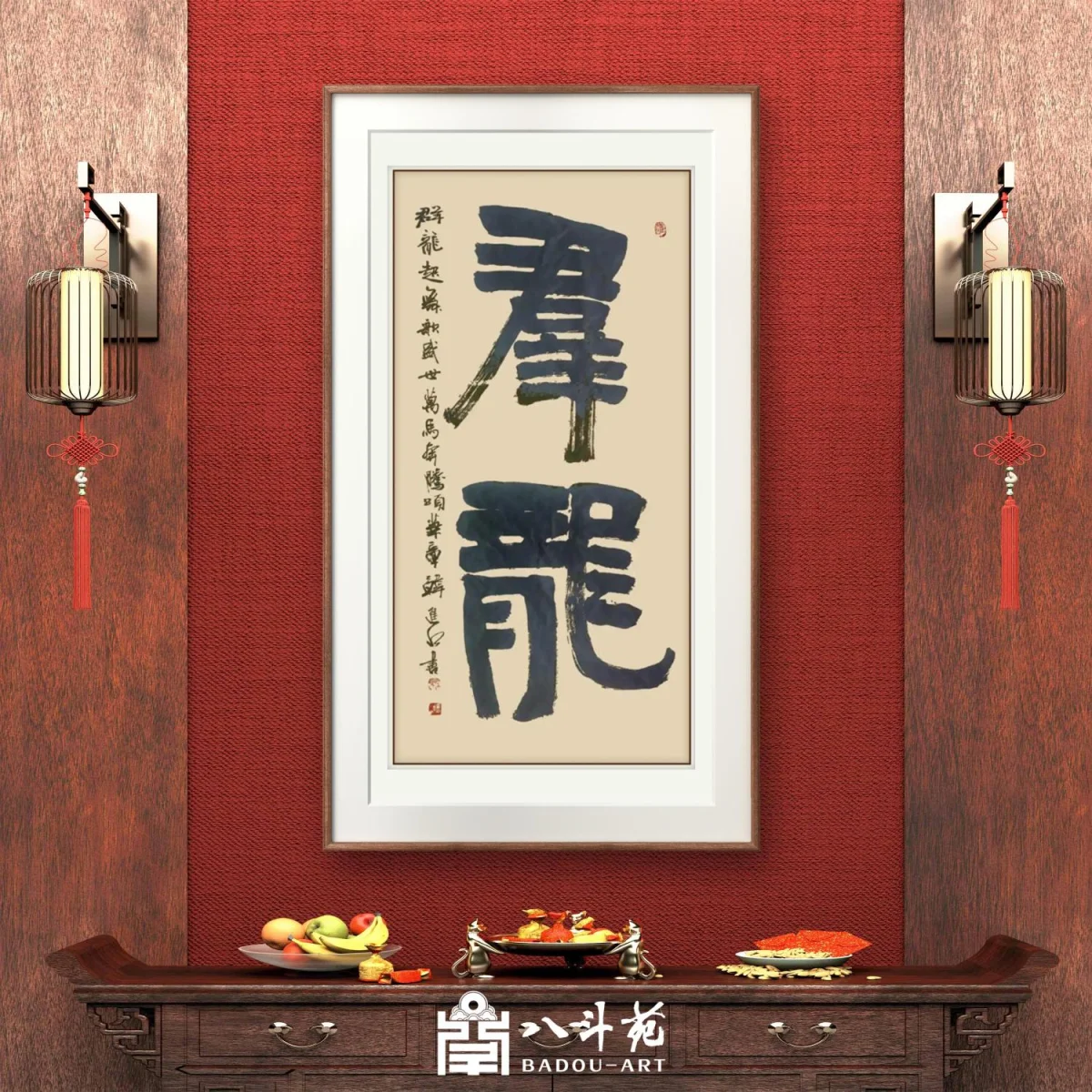
Han Jinshui Calligraphy | 羣龍 (A Group of Dragons)
Giving a Chinese Seal: Etiquette, Meaning, and Symbolism
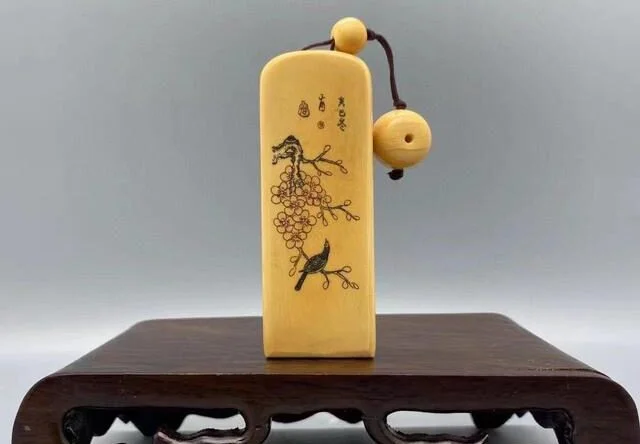
Giving a Chinese Seal: Etiquette, Meaning, and Symbolism
A seal — an engraved personal stamp, the traditional Chinese signature — is one of the most meaningful gifts in Chinese culture. For centuries, seals have stood for power, identity, responsibility, and trust, and scholars and collectors treasure them as objects of daily beauty. But giving a seal is not as simple as picking a pretty stone. This guide explains the etiquette of seal giving so your gift carries exactly the right message.
What Is a Chinese Seal?
Seal carving (zhuanke) belongs to the traditional “study of metal and stone” (jinshi xue). Seals are cut from metal, crystal, jade, agate, horn, stone, and even mammoth tusk. The characters on the base are pressed in red ink — the Chinese equivalent of a signature — while the carved knob on top often carries its own symbolism.
The seal tradition is ancient. The imperial seal symbolized the mandate of heaven itself, officials carried seals of office, and merchants pressed seals onto contracts as a binding pledge. A personal seal carried its owner’s reputation with every impression.
Matching the Seal to the Person
Who you give to decides what to carve:
- **Elders, teachers, or superiors.** Do not engrave the recipient’s name on the base; auspicious blessing phrases are the traditional choice. Choose fine stone and skilled carving with genuine collectible value to honor their status.
- **Recipients who know seals well.** Commission a carver of high standing — an expert eye will judge the work.
- **Calligraphers and painters.** These artists have refined taste in seals; ask a reputable master carver to produce a name seal or a leisure seal (xianzhang, bearing a poetic phrase).
- **Avid book lovers.** A collection seal (cangshu zhang) for marking their library is a thoughtful gift.
- **Lovers.** Give a matching pair of seals, one for each partner. The pair plays on the phrase xinxin xiangyin — “hearts in perfect accord” — as if each has carved the other into their heart.
What the Carved Motifs Mean
The knob carved atop a seal carries its own language of good wishes:
- **Ruyi knob.** Shaped like the auspicious ruyi scepter, it wishes “everything as you desire.”
- **Dragon.** First of China’s four divine beasts and emblem of the Chinese nation — power, excellence, and command.
- **Qilin.** Said to dissolve misfortune, protect the home, and bring promotion and wealth.
- **Tortoise.** A symbol of longevity, wishing health and long life.
- **Pixiu.** The mythical creature believed to draw wealth in and guard it, a favorite for protecting the household.
Whether you give a blessing seal to a mentor or a pair of name seals to a loved one, a well-chosen seal speaks of care and respect. If you would like a custom seal carved for someone special, Badou Art’s seal-carving specialists are happy to help you choose the stone, inscription, and motif.