Our Featured Collection
Hand‑picked premium works for you
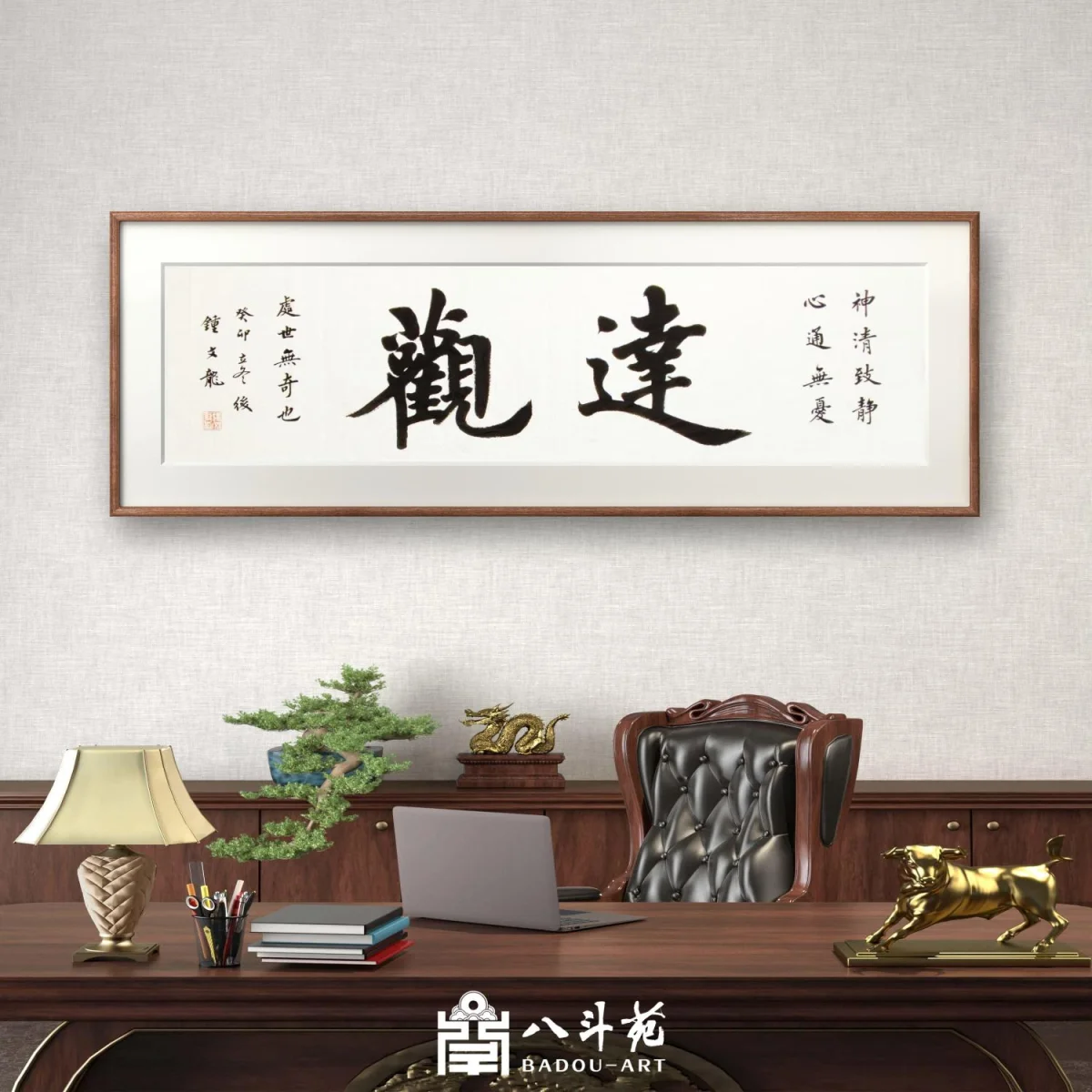
Zhong Wenlong Calligraphy | 达观
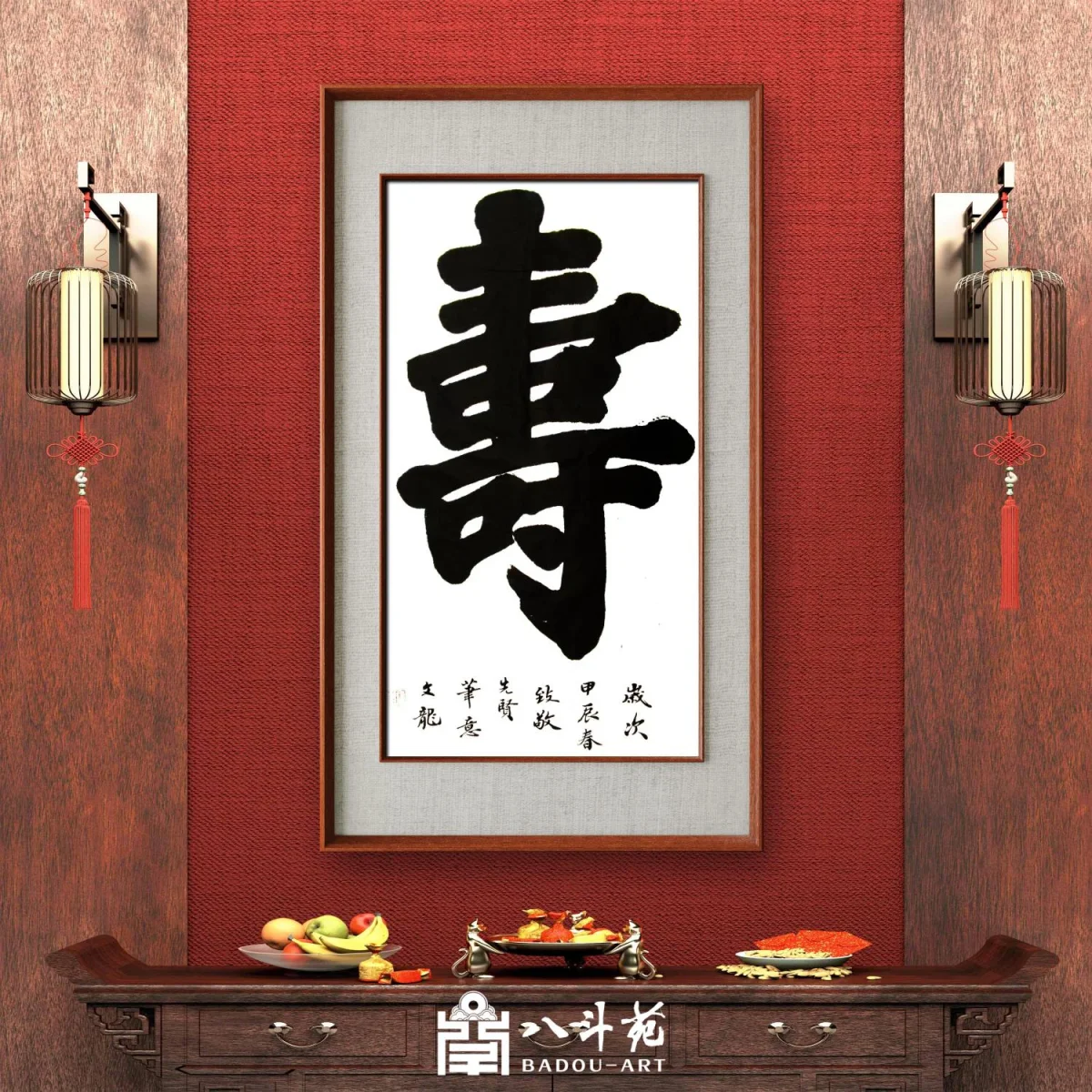
Zhong Wenlong Calligraphy | 壽
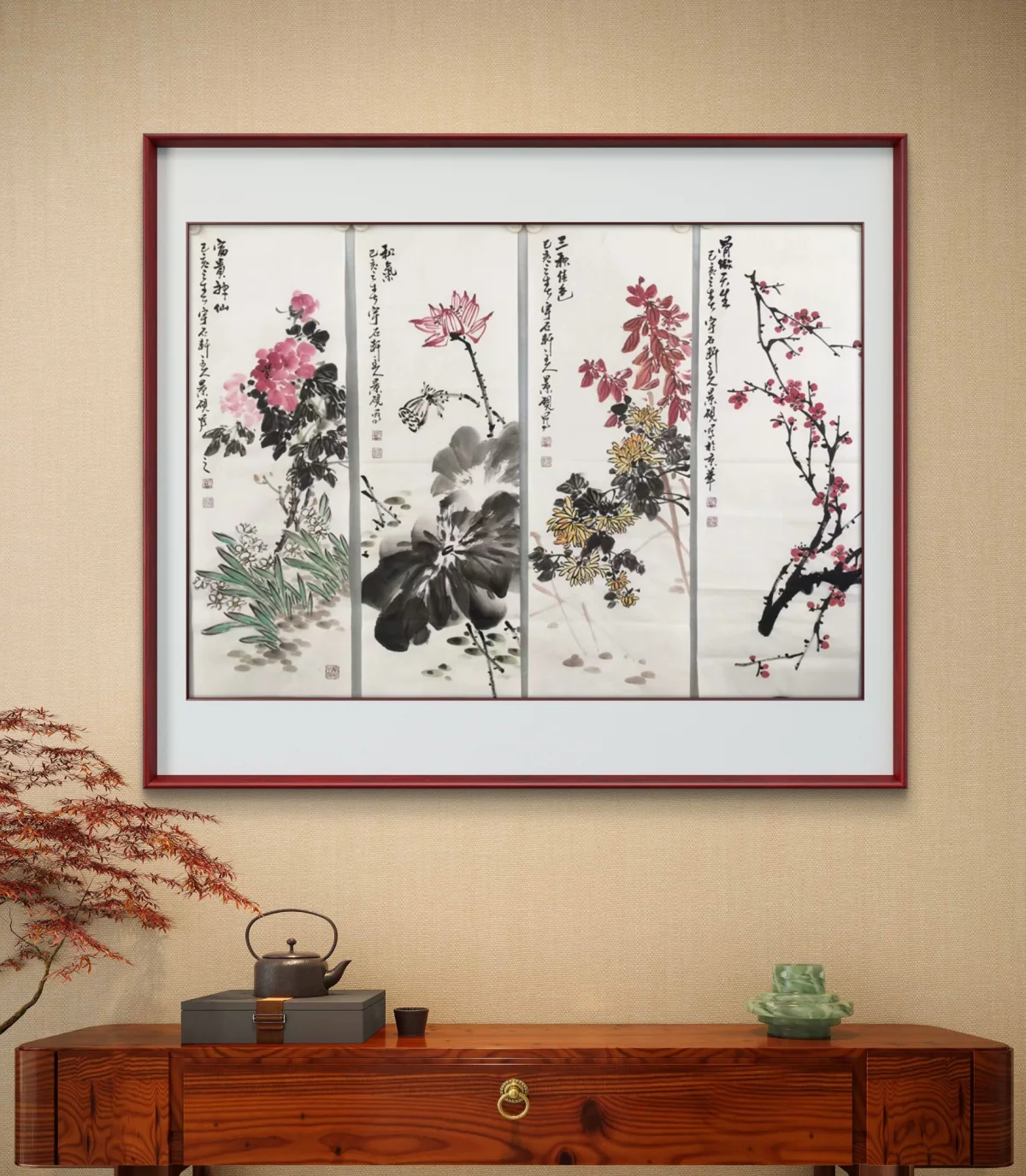
Wu Jingyan Chinese Freehand Painting・Four‑Panel Flower‑and‑Bird Screens(花鸟四条屏)
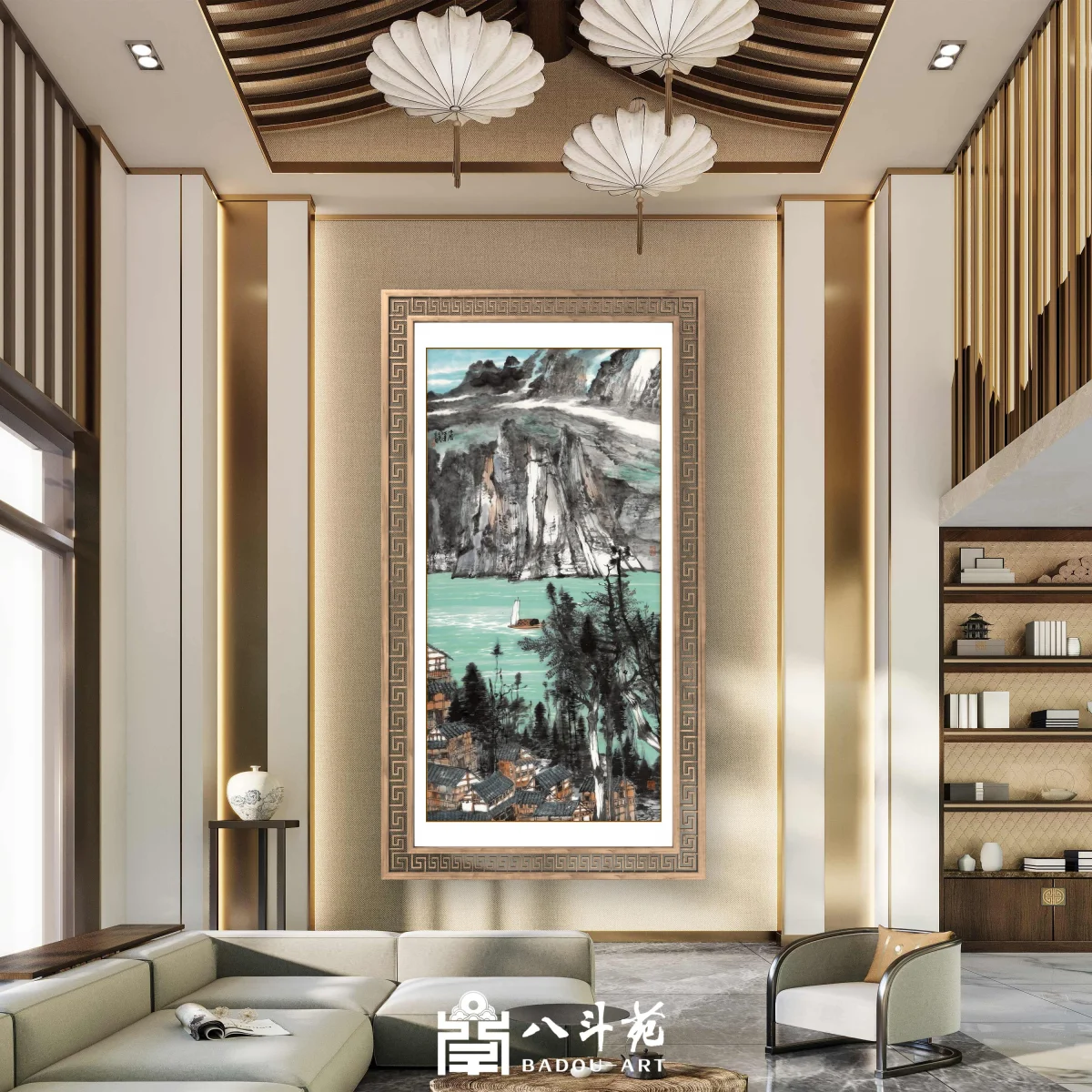
Liu Liyong Landscape Painting | Riverside Mountain Hamlet (山居江远)
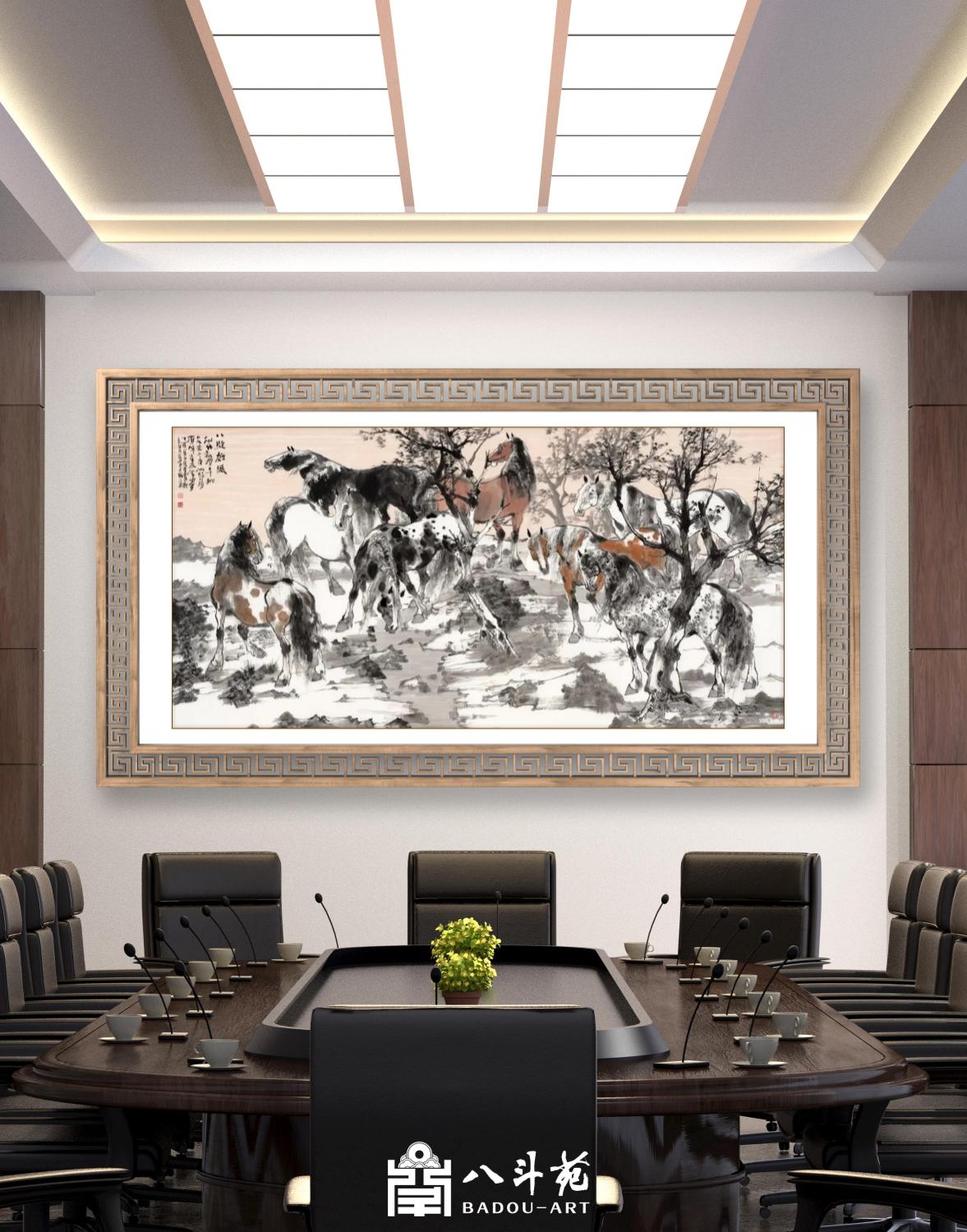
Liu Liyong Animal Painting | Eight Steeds (八骏图)
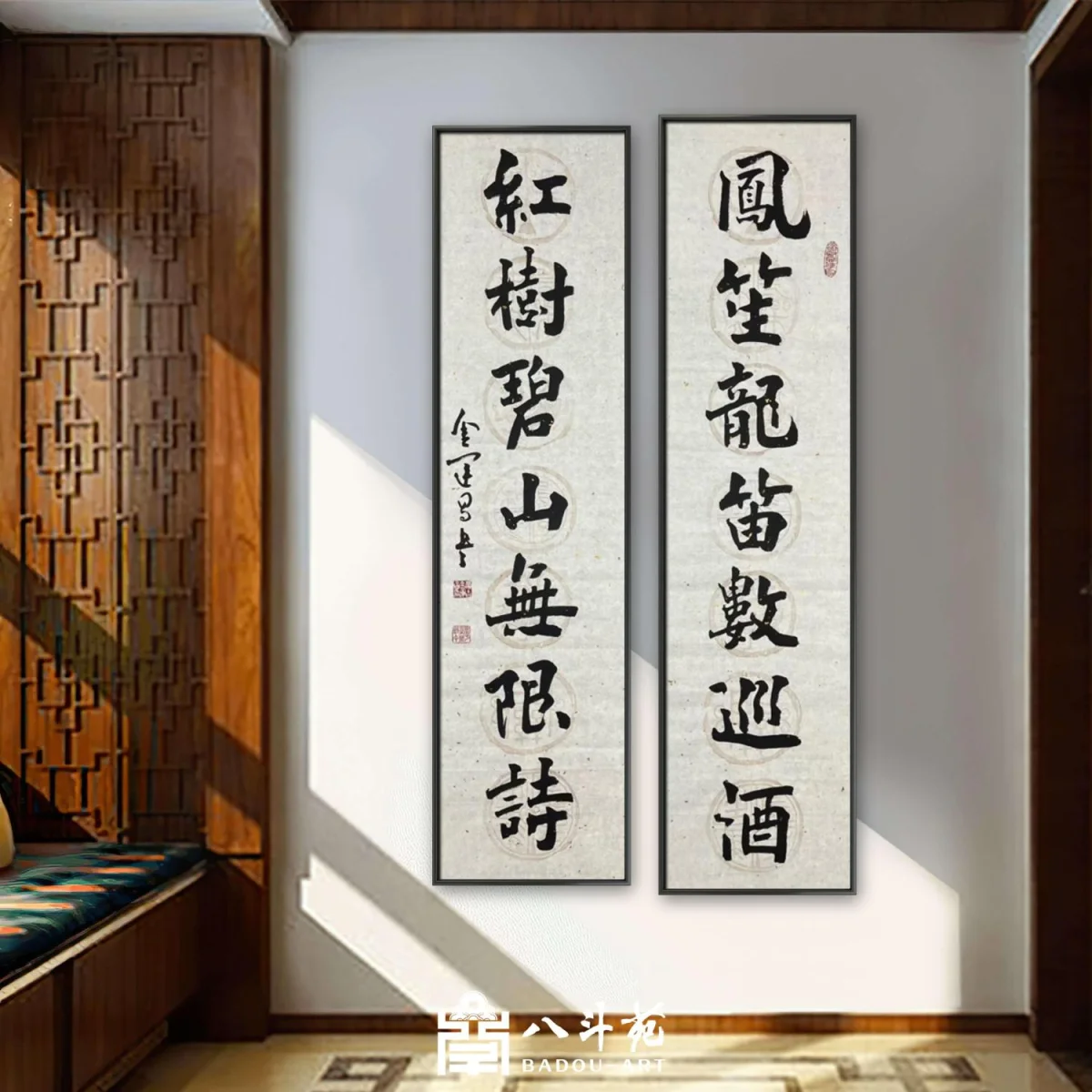
Jin Yunchang Calligraphy | 鳳笙龍笛數巡酒
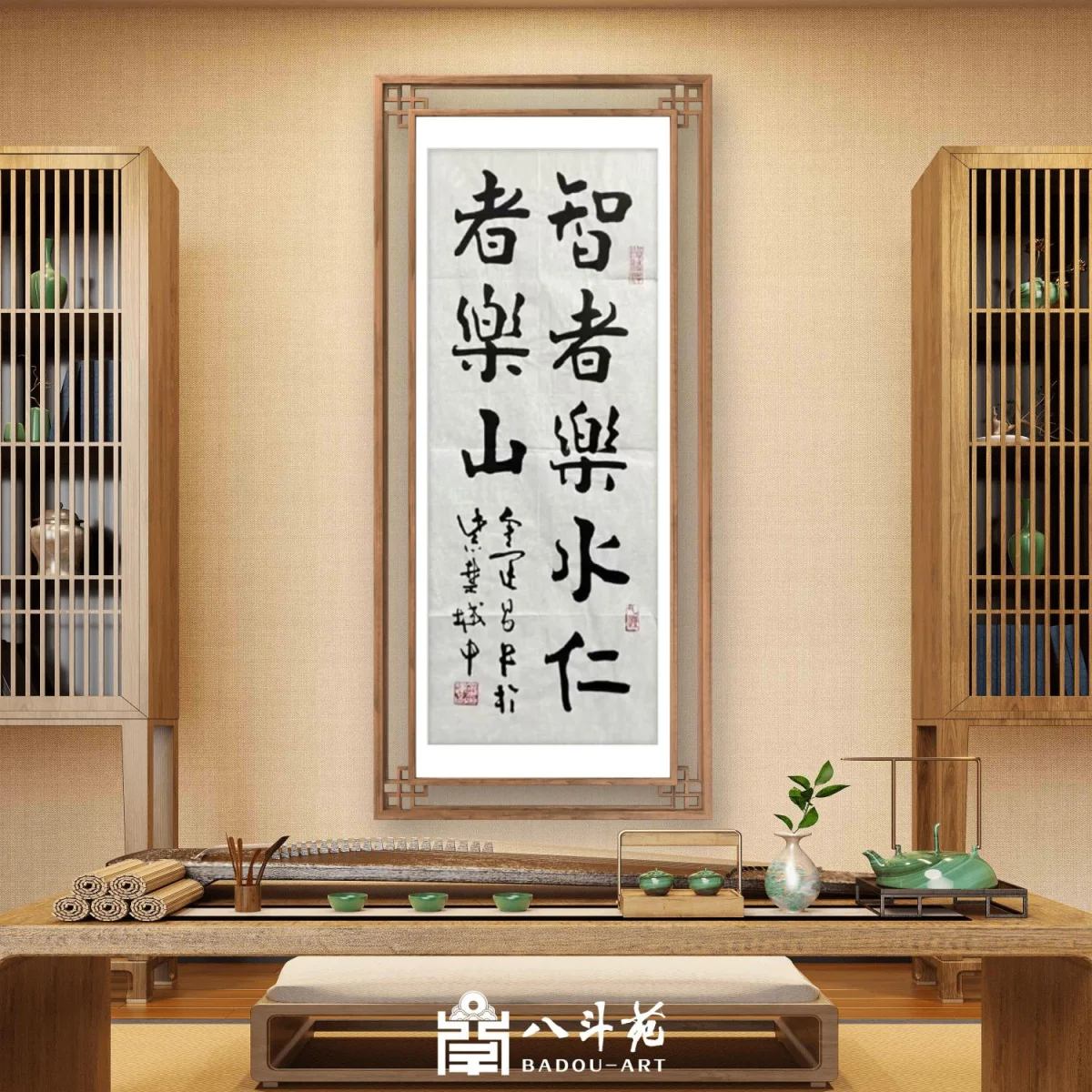
Jin Yunchang Calligraphy | 智者樂水仁者樂山
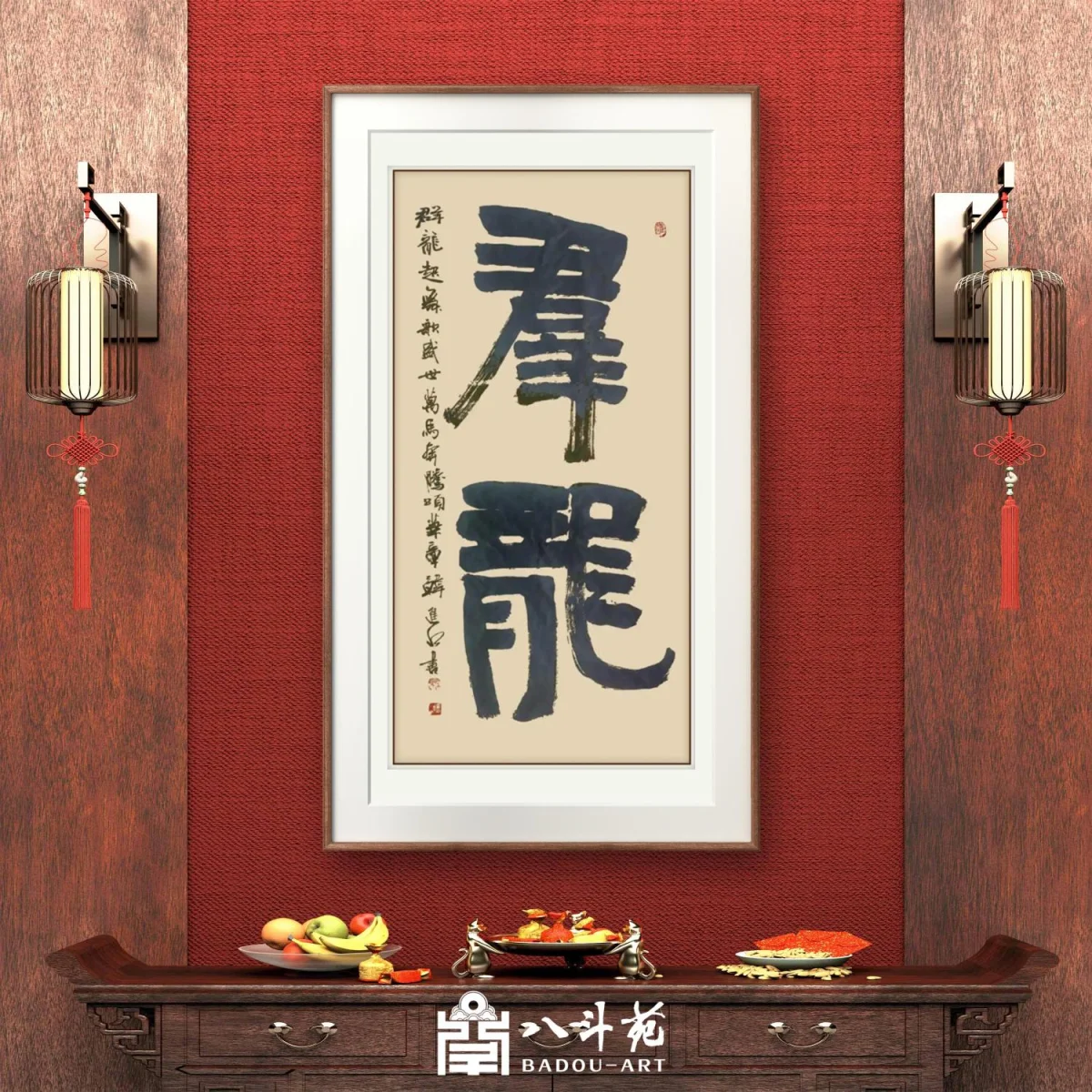
Han Jinshui Calligraphy | 羣龍 (A Group of Dragons)
Classical Chinese Furniture Collecting: A Beginner’s Guide
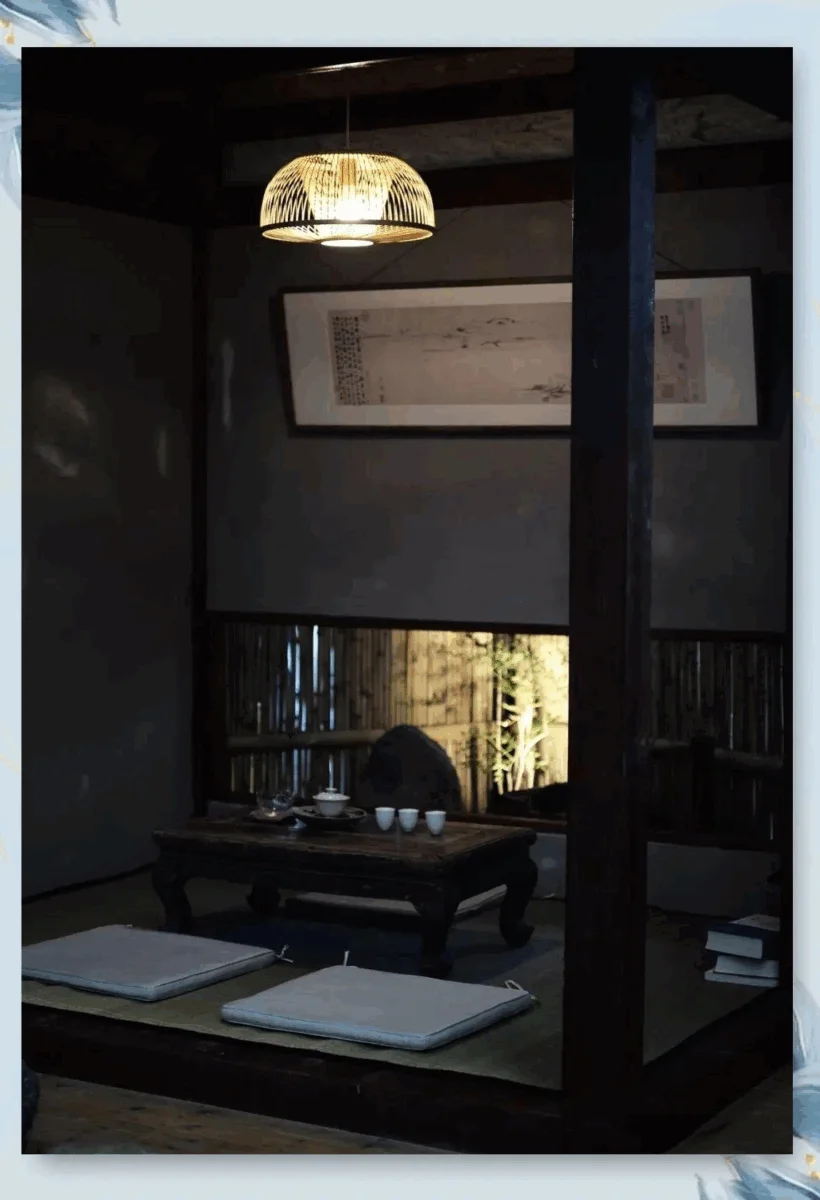
Classical Chinese Furniture Collecting: A Beginner’s Guide
Collecting classical Chinese furniture sounds like a pursuit for the very rich — but it need not be. Veteran collectors compare it to drinking — some need two bottles, others are tipsy after one sip. If your budget allows, huanghuali, zitan, and hongmu (rosewood) pieces are the obvious prizes; if not, start with small scholar’s objects such as brush pots, display stands, and desk accessories. The key is knowing what you are buying and having a plan.
Build Knowledge Before You Build a Collection
Newcomers often feel a deep fear of this field, and that fear is rational: mistakes are costly. But caution becomes a trap if it never turns into learning. Start by reading. Two books stand out for Ming and Qing furniture: Gustav Ecke’s classic photographic study of Chinese huanghuali furniture, and Wang Shixiang’s landmark research on Ming-style furniture (Ming shi jiaju). They teach the shapes, the woods, and how to date a piece.
Historical knowledge matters more than you think. Furniture made of suanzhi wood — called hongmu in the north — is rare before the late Qing dynasty, because the timber was not widely imported until then. If someone claims a hongmu piece is from the Ming dynasty, that alone is a warning sign. Ask deeper questions too: when did China begin using hardwoods? Why is Ming furniture simple and Qing furniture ornate? Where did the timber come from, and who used these pieces?
The Market: Young, Promising, and Careful
The market for Ming and Qing furniture is younger than the mature markets for calligraphy and jade — more room to grow, less experience to lean on. Antique pieces routinely sell for tens of thousands of yuan, so buy with care. If you buy from a dealer, weigh their track record; the best stand behind their goods with guarantees. In the early days, when furniture was cheap and fakes rare, the first generation of collectors amassed fine pieces — their collections are a good first stop. Reputable licensed auction houses are another dependable route. At auction previews, remember: where money flows, tricksters follow — choose a venue where you can seek recourse.
Plan for Space and Effort
Buying antique furniture is physical work — viewing, negotiating, moving. And where will the piece live? If space is tight, choose fewer, better pieces that serve a purpose in your home. If you are serious, prepare storage: clear out the particleboard, or rent a warehouse. Then set a strategy that matches your means. Generous budgets point to top-tier, classic, or complete sets; moderate budgets to mid-range sets or distinctive single pieces; tighter budgets to non-hardwood furniture such as beech or cypress, which carries regional character and gains research value over time.
A collector’s tale makes the point: two friends parted ways in youth, one chasing other pursuits, the other quietly collecting. Twenty years later, the second had become a celebrated collector — his huanghuali six-legged mirror stand a witness to a life lived with intention. The best time to start was twenty years ago; the second-best is now.
If you are considering classical furniture or the scholar’s objects that accompany it, Badou Art’s specialists can point you toward pieces suited to your home.